
REVIEW · HISTORICAL TOURS
Karate History Tour in Okinawa
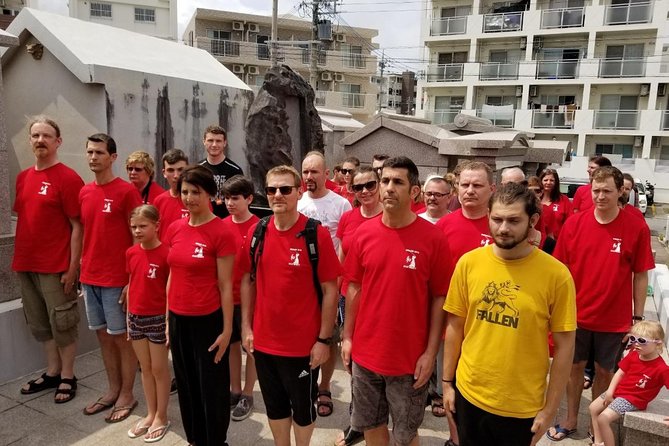
Karate began in Okinawa, and this private Naha tour gives you a useful way to see that story beyond a standard sightseeing route. You’ll visit monuments to major masters, study old karate items, meet 10th dan Goju-ryu master Tetsuhiro Hokama, and stop at a famous karate shop.
I like the personal guide format, especially because guides such as Yoshi, Kenny, and Carlo can add their own connection to Okinawan karate. I also like that lunch and admission fees are included, so the day feels organized rather than pieced together on your own. The main consideration is time: the tour lasts about 5 to 7 hours, but the listed stops are brief, so much of the day is spent moving between sites and eating lunch.
In This Review
- Key points about this Okinawan karate tour
- Why karate history makes this Naha tour different
- Matsuyama Park and two important karate masters
- The Okinawa Prefecture Karate Museum and Tetsuhiro Hokama
- Okino-gu Shrine and Gichin Funakoshi’s monument
- Japanese lunch and the practical value of an organized meal
- Shureido, karate goods, and choosing a souvenir
- What $125.50 means for the value
- How the 5 to 7 hours are used
- Who will get the most from this experience
- Weather, cancellation, and a few booking checks
- Should you book the Karate History Tour in Okinawa?
- FAQ
- Where does the Karate History Tour take place?
- How long does the tour last?
- Is this a private tour?
- Is pickup available?
- Is lunch included?
- Are admission fees included?
- Will I meet a karate master?
- What is the cancellation policy?
Key points about this Okinawan karate tour
- Meet Tetsuhiro Hokama, a Goju-ryu master ranked 10th dan, at the Okinawa Prefecture Karate Museum.
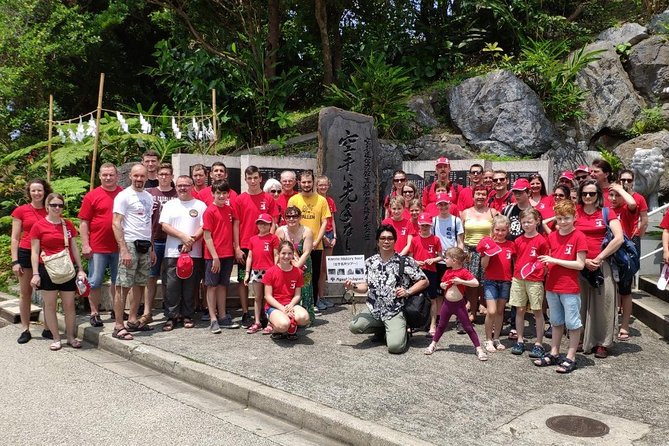
- See monuments to Kanryo Higaonna, Chojun Miyagi, and Gichin Funakoshi, three major names in karate history.
- Visit Okino-gu Shrine, one of Okinawa’s well-known shrines, while also seeing a monument connected with Funakoshi.
- Browse Shureido, a Naha shop known for karate goods and souvenirs.
- Enjoy an organized Japanese lunch, with sushi included in at least one reported tour experience.
- Travel privately with your own group, with pickup offered and admission fees included.
Why karate history makes this Naha tour different
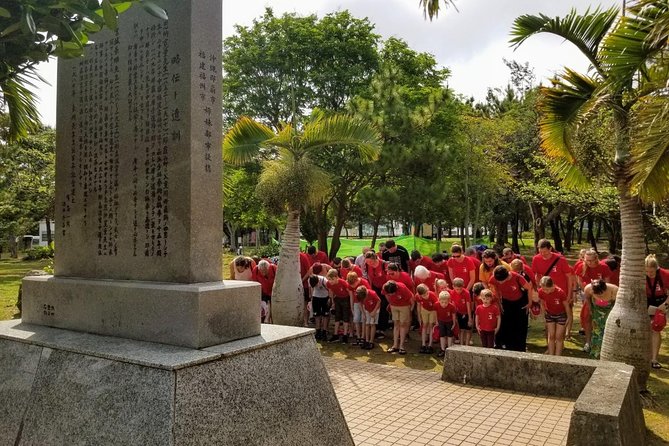
Many visitors come to Okinawa for beaches, castles, and food. This tour takes a more focused route through the island’s martial arts story. You are not simply watching a demonstration or taking a beginner lesson. Instead, you are visiting places tied to the people, objects, and traditions that shaped karate.
That distinction matters. Karate is now practiced around the world, but its Okinawan roots can be easy to miss if you only visit large attractions. Here, the monuments and museum displays give the subject a physical setting. You can connect names with places and see how Okinawa’s local traditions helped produce an art now known across the globe.
The experience is private, so only your group takes part. That gives the day a more flexible feel than a large coach tour. You can ask questions as you go, and your guide can explain terms or people that may otherwise blur together.
The guides bring different strengths. Yoshi is described as friendly and comfortable in English, with a clear wish to help visitors enjoy Okinawa as well as understand karate. Kenny is a 7th dan black belt and can speak from his own training background. Carlo has also guided the route and is described as especially good at explaining karate history in an approachable way.
The guide you receive may shape the day, so it is worth seeing the tour as a meeting with an Okinawan karate specialist rather than a fixed audio tour. The exact depth of instruction can vary, but that personal element is one of the strongest reasons to book.
A few more Naha trips to weigh up
- World Heritage Shirakawa-go and Experience Tours from Kanazawa
★ 5.0 · 4,049 reviews - Tokyo: Imperial Palace and Shogun Historical Walking Tour
★ 5.0 · 2,251 reviews - World Heritage Kyoto & Nara Uji Authentic Matcha Experience
★ 5.0 · 1,573 reviews
Matsuyama Park and two important karate masters
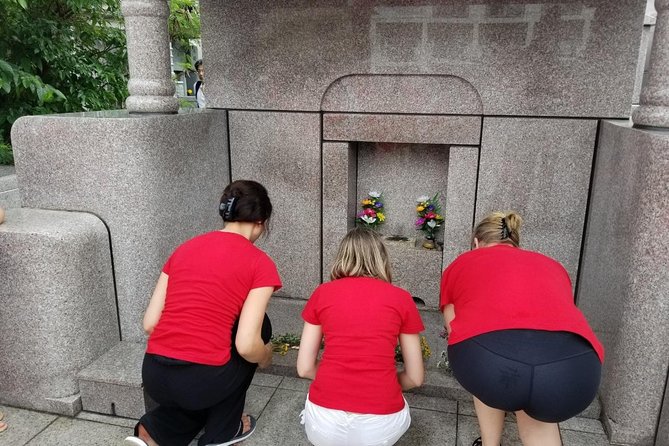
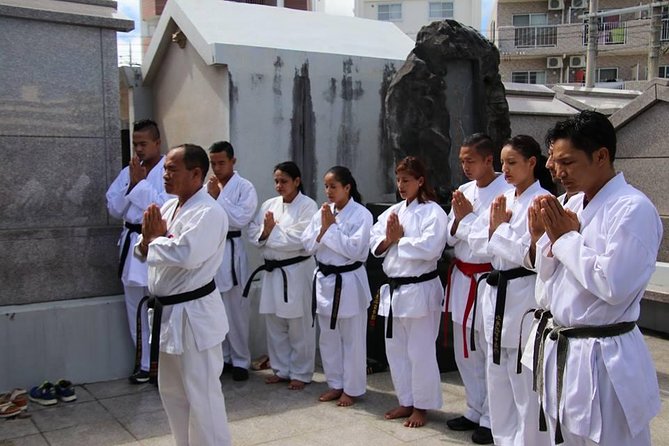
The first listed stop is Matsuyama Park, where you’ll see monuments to Kanryo Higaonna and Chojun Miyagi. The visit is scheduled for about 15 minutes, with admission included.
That is not a long time, so you should not expect a full lesson at the park. Instead, think of it as a compact introduction to two important figures, followed by an opportunity to ask your guide why their names matter. If you already know some karate history, this stop will help place familiar names in Okinawa. If you are new to the subject, your guide’s explanation will give you a starting point for the museum visit that follows.
The short visit also tells you something practical about the tour. This is a route of selected points rather than a single long museum session. You will see several connected places, but you may not have extended free time at every one.
Matsuyama Park works well as an opening stop because monuments are direct and easy to understand. You are looking at physical reminders of people whose influence can otherwise feel abstract. Take a moment to read what is available, then use your guide for the wider context.
The Okinawa Prefecture Karate Museum and Tetsuhiro Hokama
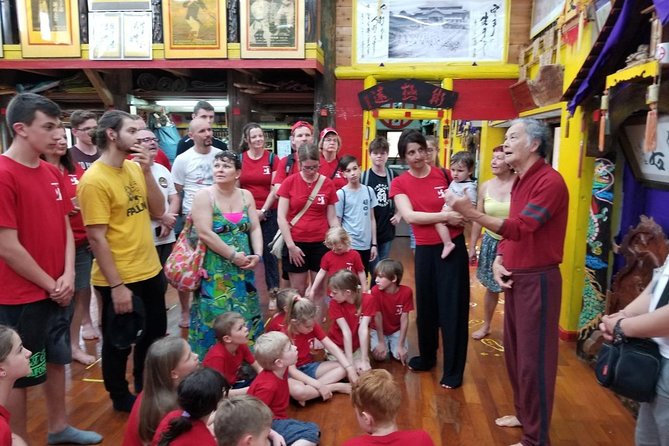
The museum is the heart of the tour. You’ll spend about 45 minutes there, with admission included, viewing karate-related historical goods and meeting Tetsuhiro Hokama, a Goju-ryu master ranked 10th dan.
For someone who practices karate, this is likely the most important stop. Meeting a master at that rank gives the visit a personal connection that a display case cannot provide. You can ask about training, schools, Okinawan traditions, or the development of Goju-ryu, depending on how the visit is handled that day.
Kenny, one of the guides associated with the tour, is also a 7th dan black belt. His own background adds another layer to the museum visit. You are not relying only on labels or dates. You have someone with substantial experience to help explain what you are seeing.
The museum contains many historical karate goods. The supplied details do not list every object, so it is best not to expect a particular item. You might find equipment, documents, photographs, or other material connected with karate’s past, but the exact displays can change.
Three videos are also part of the museum experience described by the tour information. They help explain the origins of the art and make the visit easier to follow if you are not already familiar with Okinawan styles. A video-based presentation may feel less personal than a live demonstration, but it can give you a clear framework before or after speaking with the master.
The 45-minute timing is fairly generous compared with the monument stop, though serious practitioners may wish for longer. If your main goal is technical discussion, tell your guide early. If your interest is cultural, the museum’s objects and videos may be enough to make this the day’s central stop.
Okino-gu Shrine and Gichin Funakoshi’s monument
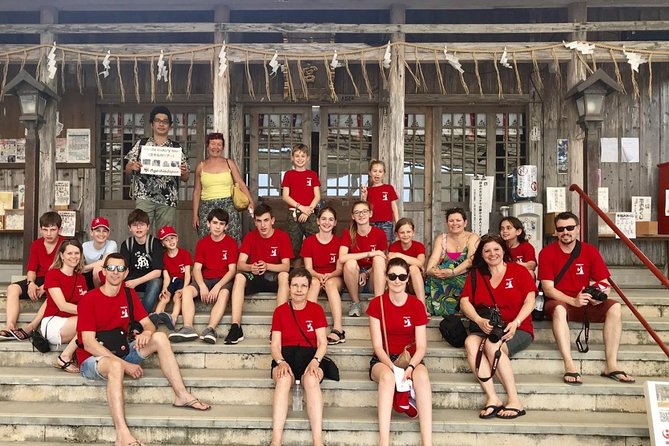
Next comes Okino-gu Shrine, with about 30 minutes set aside. You’ll visit the shrine and see a monument to Gichin Funakoshi.
This stop adds useful contrast. The museum focuses directly on karate, while the shrine places one of karate’s important names in a broader Okinawan setting. You get a cultural site and a martial arts connection in the same visit.
Gichin Funakoshi is a major figure in the spread of karate beyond Okinawa. Seeing his monument during a shrine visit gives your guide a natural chance to explain his place in the art’s story. The stop is not only about taking a photograph. It helps show how karate’s development is linked to people, institutions, and places rather than one single invention.
The shrine visit also gives the day a change of pace. After museum displays and martial arts discussion, you can walk through a quieter religious setting. Keep in mind that 30 minutes is enough for a focused visit, not an extended shrine exploration.
As with any shrine, follow the atmosphere of the place. Listen to your guide’s instructions and allow room for the site’s religious purpose. The tour is at its best when the shrine is treated as more than a backdrop for karate photos.
Same city, a completely different kind of day:
- Official Street Go-Kart Tour – Okinawa Shop
★ 5.0 · 699 reviews - Naha: North Okinawa Sightseeing Tour & Churaumi Aquarium
★ 4.4 · 472 reviews - Okinawa: From Naha: Kerama Islands 1-day snorkeling tour
★ 4.4 · 423 reviews - From Naha: Tokashiki Island Day Trip by Boat
★ 4.3 · 385 reviews
Japanese lunch and the practical value of an organized meal
Lunch is arranged by your guide and included in the tour structure. A reported experience specifically mentions an excellent sushi lunch, so sushi may be part of the meal, though the exact restaurant and menu are not specified.
This is more useful than it may sound. A full day of stops can become tiring when you also have to search for a restaurant, read a menu, decide how long to stay, and find the next meeting point. Having lunch organized keeps the route moving and lets you focus on the day rather than the clock.
The meal also gives you a natural chance to talk with your guide. Ask about the differences between Okinawan karate styles, the people you have seen on the monuments, or how modern practice relates to older traditions. Those conversations may be as useful as the formal museum explanation.
Because no dietary details are provided, contact the operator before booking if you have food restrictions or need a specific type of meal. The tour promises a Japanese lunch, but it does not spell out substitutions or menu choices.
Shureido, karate goods, and choosing a souvenir
The final listed stop is Shureido, a well-known Okinawan karate goods shop. You’ll have about 30 minutes to browse.
This is a practical stop for people who train. You might find items connected with practice, uniforms, belts, or other karate goods, but the supplied details do not guarantee particular stock. Your guide can help explain what is suitable for your style or what makes a useful souvenir.
For non-practitioners, the shop can still be worthwhile. A karate-related item is more meaningful than a generic airport souvenir, especially after you have visited monuments and learned about the people behind the art. Even if you do not buy anything, the stop gives you a look at how karate functions as part of Okinawa’s living culture today.
Thirty minutes should be enough for browsing, but serious shoppers may want more time. This is not presented as a long shopping session. It is a final stop that rounds out the tour and gives you a chance to take home something connected with the day.
What $125.50 means for the value
The price is $125.50 per person. That is not a bargain-basement city walk, but the value depends on how much of the included structure you would otherwise arrange yourself.
The price includes admission to all listed stops and a Japanese lunch. You also receive a private guide, transportation help through the pickup option, and access to a route that links several karate sites. Meeting a highly ranked master is another part of the value, especially for practitioners who would not know how to arrange that contact independently.
A do-it-yourself day could cost less if you only wanted to visit a shop, shrine, or monument. But it would be harder to connect the sites into a coherent story. You would also need to research the museum, organize transport, and determine which monuments are worth your time.
I see the price as easiest to justify for karate students, instructors, families with a serious interest in martial arts, and visitors who value a private guide. If you are only mildly curious about karate, the cost may feel high for several short stops. The museum and meeting with Tetsuhiro Hokama are the parts that make the price make sense.
The tour is commonly booked about 50 days ahead, which suggests you should not leave it until the last minute if the date matters. Confirmation arrives within 48 hours, subject to availability.
How the 5 to 7 hours are used
The tour lasts about 5 to 7 hours. The scheduled stop times add up to about two hours, so the remaining time covers transportation, lunch, and the transitions between locations.
That timing is useful to understand before you book. You are not spending five straight hours inside a museum. You are moving through Naha and visiting a set of focused locations, each with a different role in the story.
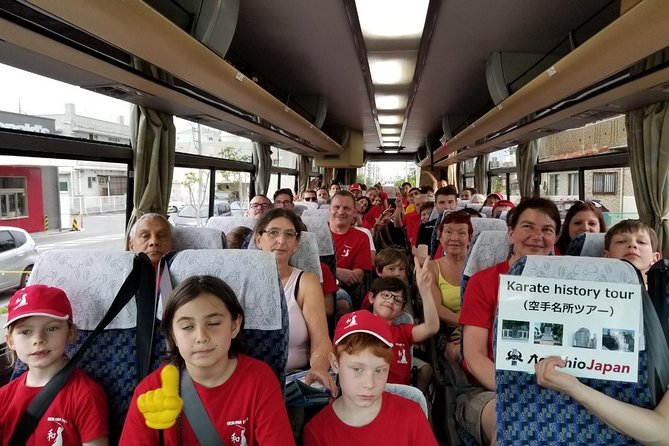
Pickup is offered, and a mobile ticket is available. The tour is also near public transportation, though the supplied details do not specify exact pickup zones or transport arrangements. Ask for those details when booking if you need to coordinate with a hotel, cruise schedule, or another activity.
Because this is a private tour, the pace may be more comfortable than on a large group outing. Still, the number of stops means you should expect a structured day. If you want long periods for photography, shopping, or quiet shrine time, tell the guide at the beginning so expectations are clear.
Who will get the most from this experience
This tour is best for people who want context, not just a karate-themed photo opportunity. It suits:
- Karate practitioners who want to connect their training with Okinawa.
- Families with children or adults who are curious about martial arts history.
- Visitors who prefer a private guide to a large group.
- People interested in meeting a highly ranked Okinawan master.
- Shoppers looking for karate goods from a specialist store.
- Anyone who wants a cultural day in Naha built around a clear subject.
You do not need to be a black belt to participate. Most people can take part, and service animals are allowed. The subject is specialized, but the route includes monuments, a shrine, lunch, and shopping, so it is not limited to serious martial artists.
The main mismatch would be for someone seeking physical practice. The information provided emphasizes history, museum objects, monuments, conversation, and shopping. It does not promise a karate class or training session.
Weather, cancellation, and a few booking checks
The experience requires good weather. If poor weather causes cancellation, you are offered another date or a full refund. It also requires a minimum number of participants, and if that minimum is not reached, you are offered another date or experience, or a full refund.
You can cancel for a full refund up to 24 hours before the start time. Cancellations or changes made inside that 24-hour window are not refunded or accepted, and the cut-off uses local Okinawa time.
Before paying, I would confirm the pickup point, the language available with your guide, and any food needs. You may be assigned Yoshi, Kenny, Carlo, or another guide, so the exact guide should not be treated as guaranteed unless the operator confirms it.
Should you book the Karate History Tour in Okinawa?
Book it if karate is a real interest, not merely a passing thought. The chance to visit the Okinawa Prefecture Karate Museum, meet 10th dan master Tetsuhiro Hokama, see monuments to major figures, and browse Shureido gives the day a clear purpose.
I would also recommend it to families who want a private cultural outing with lunch and organized transportation. The route is compact, the subject is distinctive, and the guide can make the difference between a few disconnected stops and a meaningful story.
Skip it if you want a hands-on training class, a long shrine visit, or a relaxed day with little scheduling. At $125.50 per person, the value rests on the guide, the museum access, the master meeting, included lunch, and the private format. For a dedicated karate enthusiast, those pieces make this one of the more focused ways to understand Okinawa’s role in the art’s development.
FAQ
Where does the Karate History Tour take place?
The tour is based in Naha, Japan, on Okinawa. Its listed stops include Matsuyama Park, the Okinawa Prefecture Karate Museum, Okino-gu Shrine, and Shureido.
How long does the tour last?
The experience lasts approximately 5 to 7 hours. The time includes the listed visits, lunch, and transportation between locations.
Is this a private tour?
Yes. Only your group participates in the activity.
Is pickup available?
Pickup is offered. The provided information does not specify the exact pickup area, so confirm the location when booking.
Is lunch included?
Yes. Your guide organizes a Japanese lunch. One reported experience specifically mentions sushi, but the exact menu is not guaranteed in the supplied details.
Are admission fees included?
Yes. Entrance fees to all listed stops are included in the tour price.
Will I meet a karate master?
The itinerary includes a meeting with Tetsuhiro Hokama, a Goju-ryu master ranked 10th dan, at the Okinawa Prefecture Karate Museum.
What is the cancellation policy?
You can cancel up to 24 hours before the local start time for a full refund. Changes or cancellations made less than 24 hours before the start are not accepted or refunded. Weather or minimum-participant cancellations offer a different date or experience, or a full refund.
Just added around Naha
- Zodiac Shrines and Naha Backstreets Cycling Tour★ 5.0 · 29 reviews
- E-Bike Nature Tour in Shuri★ 5.0 · 25 reviews
- Port Pick-Up: Naha Private Tour Licensed Guide& Vehicle★ 4.5 · 16 reviews
- Tokashiki Island Day Trip from Naha★ 4.0 · 15 reviews
- Sushi Making Experience Class in Naha Makishi Public Market★ 5.0 · 35 reviews
- Kintsugi Experience in Naha, Okinawa – Art from Broken Pieces!★ 5.0 · 28 reviews
- Okinawa:Kerama Islands experience Diving/Snorkeling/WhaleWatching★ 4.5 · 16 reviews
- Okinawa 2-Hours Genuine Kendo/Samurai Experience in Japan★ 5.0 · 28 reviews
Historical Tours, compared.

World Heritage Shirakawa-go and Experience Tours from Kanazawa
Read our review →
Imperial Palace and Shogun Historical Walking Tour
Read our review →
World Heritage Kyoto & Nara Uji Authentic Matcha Experience
Read our review →
Kyoto Gion: 2-Hour Geisha Culture & History Walking Tour
Read our review →
World Heritage Shirakawa-go Morning Guided Tour
Read our review →
Hiroshima Historical Walking Tour – Why A-Bomb was Dropped
Read our review →
Hiroshima Peace (Heiwa) Walking Tour at World Heritage Sites
Read our review →Browse the lists this tour appears in