
REVIEW · WORKSHOPS
Kintsugi Workshop in Naha, Okinawa
Kintsugi turns a broken ceramic piece into something worth displaying, with bright repaired lines that make the damage part of the design. In Naha, Urushi Studio Kodemari offers a two-hour, hands-on version led by instructors such as Mayo and Aya, with help in English or Japanese.
I like two things here: you do the work yourself, and you leave with a personal souvenir rather than another mass-produced trinket. The small group, limited to five people, also gives you room to ask questions and get patient help. The main consideration is that this is a simplified kintsugi process, so your finished piece is for display only, not for eating or drinking.
In This Review
- Kintsugi Workshop in Naha: Key Points
- What Kintsugi Means Beyond Gold Lines
- Entering Urushi Studio Kodemari in Naha
- Choosing Your Ceramic Piece
- The Six-Step Repair Process
- The Quiet, Mindful Side of the Class
- How Much Value You Get for $55
- English Support and Instructor Help
- A Souvenir That Actually Carries a Story
- Planning the Two Hours in Your Naha Itinerary
- Who Should Book This Workshop
- Should You Book the Naha Kintsugi Workshop?
- FAQ
- How long does the Kintsugi Workshop in Naha last?
- How much does the workshop cost?
- Is previous experience required?
- What languages are available?
- How many people are in each group?
- Can I eat or drink from the repaired piece?
- What is included in the price?
Kintsugi Workshop in Naha: Key Points
- Repair a real ceramic piece: Choose a small bowl, plate, pendant, or similar item, then work through the repair with guidance.
- Learn a six-step process: The shortened class gives you a practical introduction without requiring prior pottery or art experience.
- Meet a traditional craft: You will hear about urushi lacquer, older Japanese methods, and why the full process can take weeks.
- Work in a small group: With no more than five participants, the instructors can offer close, calm help.
- Take home display art: Your repaired piece becomes a personal souvenir, but it is not food-safe or suitable for drinks.
- Enjoy a quiet break in Naha: Tea and a cookie may be offered at the end, adding a pleasant local touch to the session.
What Kintsugi Means Beyond Gold Lines
Kintsugi is the Japanese art of repairing broken pottery so the cracks become part of the finished design. Instead of hiding damage, the technique draws attention to it with gold or silver-colored seams.
That idea gives this activity more weight than a standard craft class. You are not simply decorating a blank object. You are working with a damaged piece and making choices about how its breaks should look when brought together again.
The workshop also gives you a small window into Japanese ideas about care, repair, and use. The finished object does not pretend that it was never broken. Its marks remain visible, and that is the point.
You should keep expectations practical, though. This class uses a shortened version of the traditional process. It lets you enjoy the main steps in two hours, but it is not the same as training in the full professional method.
A few more Naha trips to weigh up
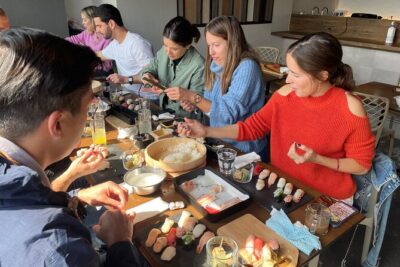
- Sushi Making Tokyo Roll and Authentic Japanese Sushi Class
★ 5.0 · 3,971 reviews - Kyoto: 45-Minute Tea Ceremony Lesson Experience
★ 4.3 · 2,378 reviews - Tokyo: Roll and Authentic Sushi Making Class in Asakusa
★ 4.9 · 1,957 reviews
Entering Urushi Studio Kodemari in Naha
Urushi Studio Kodemari is the provider for this experience. The studio has comfortable seating, tables, and air conditioning, details that matter in Okinawa, especially when you want a quiet indoor activity away from heat or rain.
The setting is described as small and peaceful rather than busy or showy. That suits the work. Kintsugi calls for steady hands and attention, and a compact room helps keep the focus on your piece.
The group limit of five is one of the strongest practical features. In a larger class, an instructor might demonstrate once and leave you to figure out the rest. Here, Mayo, Aya, or another member of the team can help when a piece does not line up or a repair needs a finer touch.
You do not need previous art experience. The workshop is designed for beginners, and the instructors guide you through each part. If you are traveling alone, this is still a good fit. You can work at your own pace without needing to bring a partner.
Choosing Your Ceramic Piece
One enjoyable choice comes early: selecting the object you want to repair. The options can include a ceramic bowl or plate, and some sessions also offer pendants. The studio sells additional pendants, bracelets, and necklaces, but those are separate purchases rather than part of the $55 class price.
A bowl or plate gives you more surface area for visible repair lines and makes a clear display piece at home. A pendant is smaller and may suit you if you want something lighter to pack. Your exact choices can depend on what is available during your session, so do not assume every listed object will be offered every time.
This choice is part of the appeal. You are not all leaving with identical work. Even two people using similar pieces can create different-looking results based on how they place and finish the repair lines.
The pottery is not presented as a practical replacement for a dinner plate or drinking cup. The completed item cannot be used for eating or drinking, so think of it as interior art. That limitation is important if you are paying for a useful kitchen object. If you want a meaningful display item, it is much less of an issue.
The Six-Step Repair Process
The class takes about two hours and presents a shortened form of traditional kintsugi. You will receive the materials you need, and the instructor will explain each stage before you try it.
The process is hands-on. You are not simply watching a demonstration while an expert completes the difficult parts. You handle the piece, follow the instructions, and receive help when you need it.
Expect the work to reward patience more than speed. Broken pottery does not always fit together perfectly at first, and the visual appeal comes from careful alignment and finishing. The instructors’ calm approach is useful here. Mayo and Aya have been praised for clear instructions, careful attention, and patient support.
The class also explains the longer traditional method. One useful distinction concerns natural urushi glue, which is used in traditional kintsugi and can take weeks to dry. It is food-safe once properly completed, but that is not the method used for the shortened souvenir piece in this workshop.
That comparison helps you understand what you are doing. You get a manageable introduction in a two-hour format, while also learning why a full traditional repair requires much more time and skill.
Same city, a completely different kind of day:
- Official Street Go-Kart Tour – Okinawa Shop
★ 5.0 · 699 reviews - Naha: North Okinawa Sightseeing Tour & Churaumi Aquarium
★ 4.4 · 472 reviews - Okinawa: From Naha: Kerama Islands 1-day snorkeling tour
★ 4.4 · 423 reviews - From Naha: Tokashiki Island Day Trip by Boat
★ 4.3 · 385 reviews
The Quiet, Mindful Side of the Class
Kintsugi can be a good answer to the usual sightseeing question: what can I do in Okinawa that is not another beach, market, or viewing stop?
The activity has a naturally calm rhythm. You sit at a table, listen to instructions, handle a small object, and focus on details. Several parts of the experience have been described as therapeutic, mindful, and relaxing. Those qualities are not just marketing language here. The structure of the class gives you a clear reason to slow down.
I especially like this for a rainy afternoon or a day when you want to use your hands instead of taking more photographs. It also offers a change of pace during a busy Japan itinerary.
The setting is not silent or formal, and you should not expect a meditation class. You will be learning a craft, asking questions, and working alongside a few other people. Still, the small group and attentive guidance create a peaceful mood.
At the end, the hosts may offer tea and a cookie. That is a modest detail, but it fits the workshop’s personal style and gives you a pleasant pause before leaving with your piece.
How Much Value You Get for $55
At $55 per person, the price is reasonable if you want a guided cultural activity with materials included and a souvenir to take home. You are paying for more than table space and supplies. The value comes from the instructor’s close help, the cultural explanation, and the chance to make something yourself.
The small group improves that value. A five-person maximum means the fee buys access to real guidance rather than a quick group demonstration.
It is also worth comparing this with what you would spend on a similar souvenir. A purchased ceramic item might be cheaper, especially if you only want a decorative object. The workshop earns its price through the process. You leave with a piece connected to your own time in Naha, not simply something selected from a shelf.
The value drops if you want a fully traditional restoration or a food-safe item. This is an introductory, shortened class, and the finished piece is for display. If you understand that before booking, the price feels much easier to judge.
All materials are included. Food and drinks are not included, aside from the possible tea and cookie offered by the hosts, and transportation to and from the studio is your responsibility.
English Support and Instructor Help
The workshop is offered in English and Japanese. That makes it accessible to visitors who want to learn about the craft without relying only on visual demonstrations.
Mayo and Aya are named as instructors in the workshop experience, and their teaching style is a major part of its appeal. They explain the work clearly, help with small technical problems, and give extra attention when you need it.
This matters because kintsugi can look simple when finished but require care while you are doing it. A crack that seems easy to join may not sit neatly, and decorative finishing takes control. Patient instruction keeps the class enjoyable rather than frustrating.
You should still be comfortable with a hands-on activity. The instructors can guide you, but they do not remove every small challenge. That is part of what makes the finished piece yours.
A Souvenir That Actually Carries a Story
Many Okinawa souvenirs are attractive but interchangeable. A repaired plate or bowl from this class is different because you remember the steps behind it.
You can see where the piece was damaged and how you brought it back together. The result may not look like a professional masterwork, and it is not supposed to. Its value comes from the experience and the visible record of your attempt.
The workshop also works well for couples and friends. You can compare how each person handles the same process without turning the activity into a contest. Solo participants fit in naturally too, especially because the instructors provide individual help.
Families with older children may also find it appealing, but the supplied information does not specify a minimum age. If you are booking for a child, check the current age requirements before paying.
Pack the finished item with care when you continue your trip. The workshop provides the materials for making it, but no information is provided about special travel packaging or shipping. You may want to leave room in your luggage and handle it as a fragile decoration.
Planning the Two Hours in Your Naha Itinerary
The class lasts two hours, but you should allow extra time for reaching the studio and continuing to your next stop. Transportation is not included, and the exact starting times depend on availability.
Because the class is focused and seated, it can fit neatly into a half-day plan. Avoid placing it beside another appointment with no buffer. Art activities often finish close to their scheduled end, and you will want a moment to pack your piece safely.
Booking ahead makes sense because the group is limited to five. The flexible booking terms also help: you can reserve now and pay later, and cancellation is free up to 24 hours in advance for a full refund.
That flexibility is useful in Okinawa, where weather can change plans and transport times may be less predictable than expected. It lets you hold a spot without locking in the full cost immediately.
Who Should Book This Workshop
I would recommend this class to you if you want:
- A cultural activity that takes place indoors
- A small group rather than a large tour
- A creative souvenir with a personal connection
- An introduction to Japanese craft with English support
- A quiet activity for a solo trip, couple, or friend group
- A beginner-friendly experience with all materials supplied
I would hesitate if your main goal is to learn the complete traditional process. The shortened class is designed for access and enjoyment, not professional certification or a full restoration.
I would also look elsewhere if you want pottery that can return to daily kitchen use. The completed piece is not suitable for food or drinks. Treat it as display art from the start.
Should You Book the Naha Kintsugi Workshop?
Yes, if you want a thoughtful two-hour break from standard sightseeing and like the idea of taking home something you made yourself. The $55 price is fair for a five-person class with materials, instruction in English or Japanese, and a finished souvenir.
The best reason to book is the combination of close teaching and a meaningful result. Mayo and Aya offer the kind of patient help beginners need, while the studio’s small, air-conditioned setting keeps the activity comfortable.
Just remember what you are buying: a simplified introduction to kintsugi and a display piece, not a fully traditional, food-safe restoration. If that matches your expectations, Urushi Studio Kodemari offers one of Naha’s more personal and memorable craft experiences.
FAQ
How long does the Kintsugi Workshop in Naha last?
The workshop lasts two hours. Starting times vary, so check availability when choosing your booking.
How much does the workshop cost?
The price is $55 per person.
Is previous experience required?
No. You do not need prior kintsugi, pottery, or art experience. An instructor guides you through the process.
What languages are available?
Instruction is available in English and Japanese.
How many people are in each group?
The workshop is a small-group activity limited to five participants.
Can I eat or drink from the repaired piece?
No. The shortened workshop process creates a display piece that cannot be used for eating or drinking.
What is included in the price?
All materials needed for the workshop and guidance from an instructor are included. Food, drinks, and transportation to and from the studio are not included.
Just added around Naha
- Original Street Kart Experience in Naha, Okinawa★ 4.9 · 39 reviews
- Okinawa Full Tour: Castle, Manza, Kouri, Aquarium & American★ 5.0 · 17 reviews
- Okinawa: Naha: 1 day Kerama Islands diving‣ license required★ 3.9 · 20 reviews
- Naha, Okinawa: Kerama Islands Full-Day Intro-Diving Trip★ 4.6 · 203 reviews
- Naha: Guided E-Bike Tour of the 12 Zodiac Temples★ 4.9 · 50 reviews
- Naha Bar Hopping Tour in Okinawa★ 5.0 · 51 reviews
- Kerama Half-Day Snorkeling Tour★ 3.8 · 44 reviews
- Gorilla Kart Tour-Plenty of Time Slots|Many Great Views★ 3.9 · 20 reviews
Workshops, compared.
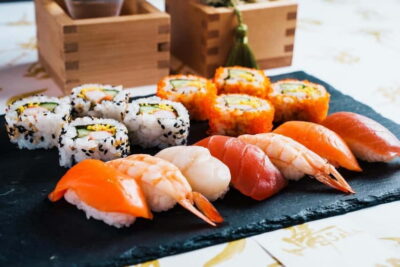
Sushi Making Tokyo Roll and Authentic Japanese Sushi Class
Read our review →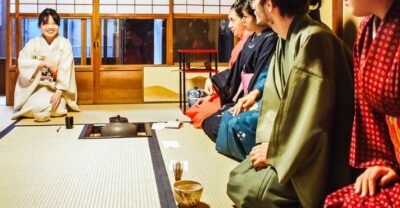
Roll and Authentic Sushi Making Class in Asakusa
Read our review →
Ramen Cooking Class at Ramen Factory in Kyoto
Read our review →
Sushi Making Class in a Happi Coat near a Famous Spot
Read our review →

Sushi Making Osaka Roll and Authentic Japanese Sushi Class
Read our review →
Tokyo Sushi Making Class in Tsukiji with Professional Chef
Read our review →Browse the lists this tour appears in