
REVIEW · KIMONO & CULTURE EXPERIENCES
Kyoto: Traditional Kimono Fabric Handicrafts Workshop
Kyoto’s best souvenirs are not always found on a shop shelf. In this small workshop, you choose pieces of old kimono fabric and turn them into a Temari, a traditional Japanese decorative ball. The finished object is compact, personal, and made by your own hands.
I like the patient instruction from May and the choice of beautiful fabrics, which lets you create something in colors you actually enjoy. I also like the quiet two-hour pace, complete with a drink and a traditional sweet. The one consideration is that this is a small craft class, not a major sightseeing tour, so you will need to enjoy sitting and making something for much of the session.
In This Review
- Key points at a glance
- What a Kyoto Temari actually is
- Arriving at the antique boutique
- Choosing your fabric colors and patterns
- Learning from May, Mae, Mei, or Mai
- The two-hour Temari process
- Tea, sweets, and conversation
- Nearby temples and the Philosopher’s Path
- Who will enjoy this workshop most
- Is $25 a fair price?
- Booking details that matter
- Final verdict: should you book it?
- FAQ
- How long does the Temari workshop last?
- How much does the workshop cost?
- What is included in the price?
- Do I need previous crafting experience?
- Can children participate?
- How many people can join the class?
- What languages does the instructor speak?
- Is the workshop wheelchair accessible?
- Can I cancel for a refund?
Key points at a glance
- Choose kimono fabric: Select several colorful fabric pieces, with one participant describing the hardest part as choosing among so many attractive patterns.
- Beginner-friendly craft: No sewing background or previous skill is required, and children can take part.
- A small four-person class: The limited group size allows May to give careful, individual help.
- Tea and a Japanese sweet: Each person receives a complimentary drink and a traditional confectionery.
- A useful Kyoto location: Plan time before or after the class for nearby temples, cafés, and the Philosopher’s Path.
- A handmade keepsake: Your Temari is a personal souvenir rather than another mass-produced item in your suitcase.
What a Kyoto Temari actually is
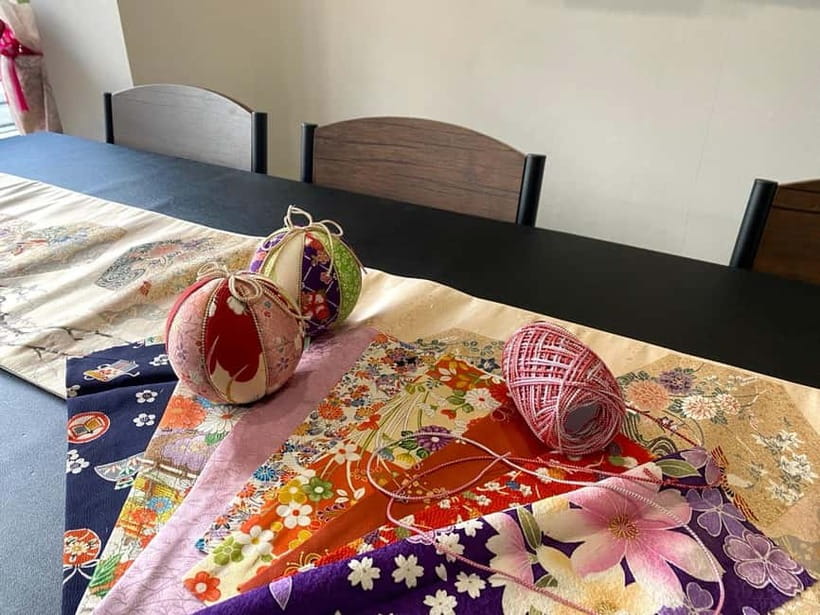
Temari are traditional Japanese handcrafted balls used as interior decorations and for celebrations. Their rounded form and patterned fabric make them easy to display at home, but the meaning of the workshop is more personal than simply buying a finished ornament.
You take part in the making. That changes the souvenir from a purchase into a small memory of your time in Kyoto. You will remember the fabric you picked, the pattern you assembled, and the calm hour or two spent away from crowded streets.
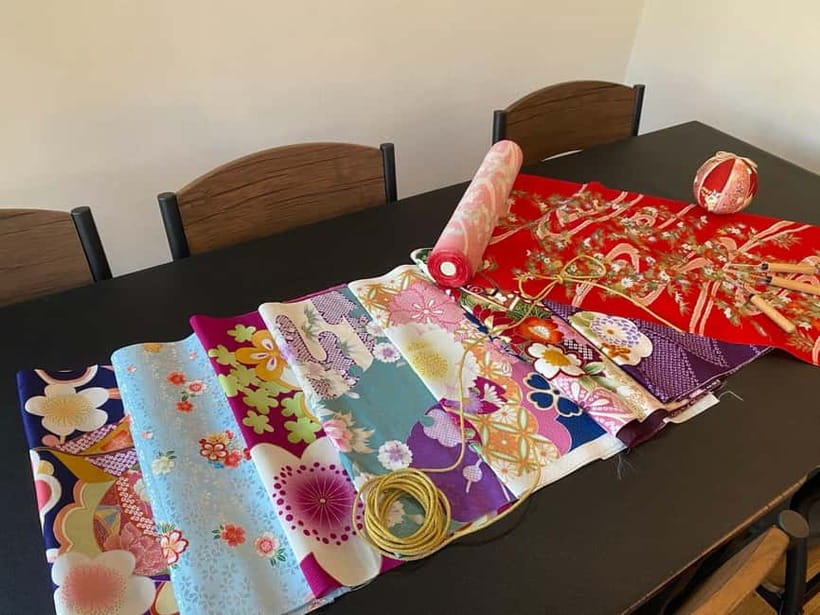
The workshop uses pieces of kimono fabric, including recycled material. This gives you a pleasant connection to Japanese clothing traditions without requiring you to rent a kimono, dress up, or spend a full day in a formal cultural program.
The final Temari is not meant to be a difficult art project. The method is gentle and manageable, even if you do not consider yourself crafty. You will receive guidance through the process, and the finished piece can be displayed as a small reminder of Japan.
More Kimono & Culture Experiences in Kyoto
- Kyoto Geisha Walking Tour: Gion District & Hidden Gems
★ 4.7 · 3,273 reviews - Kyoto: Gion Magical Night Walking Tour with Geisha Trivia
★ 4.9 · 2,393 reviews - Kyoto: Gion Geisha District Walking Tour – Stories of Geisha
★ 4.7 · 2,187 reviews
Arriving at the antique boutique
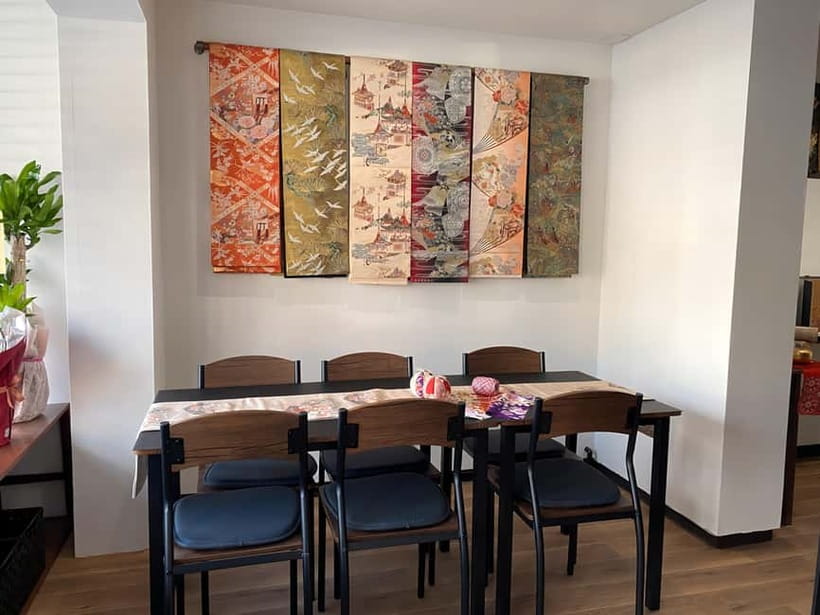
The class takes place in a newly renovated traditional Japanese antique boutique in a Kyoto sightseeing area. You enter the workshop when you arrive, and your host will be waiting to greet you.
The setting adds value to the activity. You are not sitting in a large commercial classroom with rows of strangers. You are working in a small shop run by a local craftsperson, surrounded by handmade bags and other items made from kimono fabric.
That shop is worth a look before or after your class. You might find bags, fabric goods, and other custom crafts for sale. Buying something is optional, but the shop helps you see how old kimono material can be given a new purpose.
The small setting also makes the activity feel more like a visit to an artisan’s workplace than a standard scheduled attraction. You have time to talk with May about the craft and about life in Kyoto, Japan, and your own home country.
Choosing your fabric colors and patterns
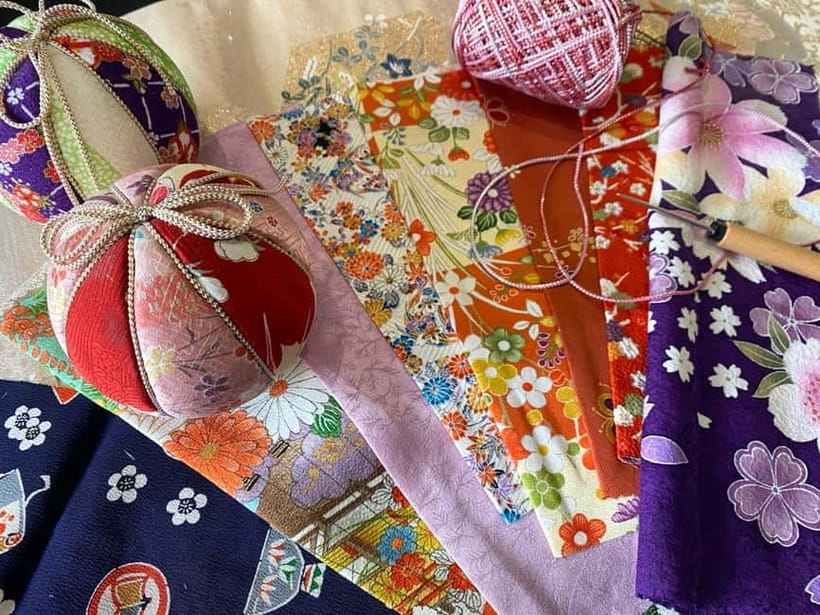
Fabric selection is one of the most enjoyable parts of the class, and it may take longer than you expect. You choose from kimono pieces in different colors and patterns, then combine them into a Temari that suits your taste.
If you like textiles, this is where the experience earns its modest price. The fabric is not a generic craft-store supply. It carries the visual character of kimono design, with the kind of color combinations and printed patterns that make even small scraps worth saving.
One useful tip is to think about your finished Temari before grabbing the first pieces that catch your eye. You may prefer contrasting colors, a softer group of related shades, or one strong pattern surrounded by quieter fabrics. The instructor can help you understand how the pieces will work together.
The activity is especially appealing if you enjoy making choices rather than receiving a fixed project. You do not simply follow a kit with one expected result. Your fabric selection gives the final object a personal look.
Learning from May, Mae, Mei, or Mai
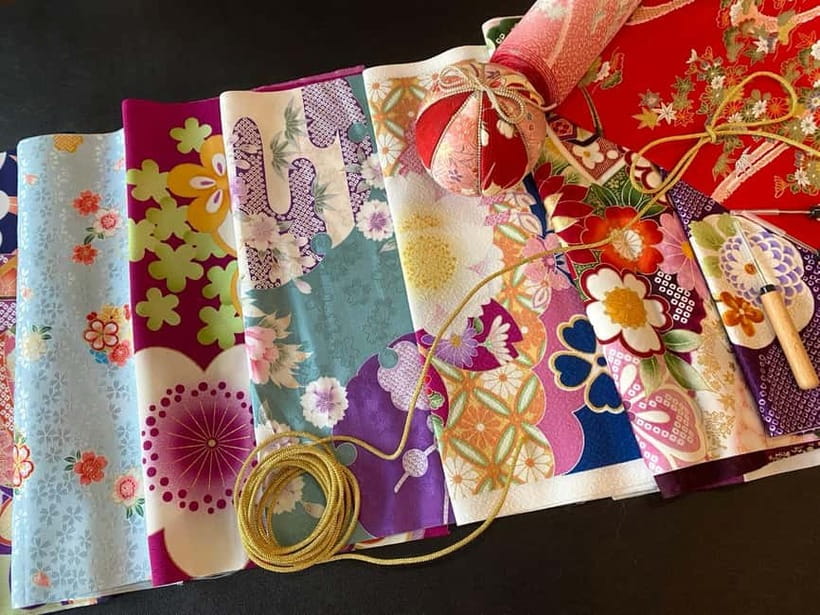
The instructor is identified as May in much of the supplied information, while some booking material spells the name Mae, Mei, or Mai. English and Japanese are offered, and English-speaking participants describe the instructions as clear and easy to follow.
May’s role is important because the class is practical rather than lecture-heavy. She explains the background of Temari, demonstrates the steps, and helps you as you work. You do not need to arrive with any knowledge of Japanese crafts.
The teaching style suits beginners. You will not be expected to understand complicated instructions at the start, and the craft involves less sewing than some people fear. A child who likes hands-on activities can take part, while an adult can enjoy the same project without feeling that it is only for children.
The class is also small, with a maximum of four participants. That matters. If you have a question or struggle with a step, the instructor has room to stop and help rather than rushing through a large group.
When only one person attends, the instructor may have extra time for conversation or even show another small fabric craft, such as making flowers from fabric. That is not the fixed promise of every session, but it has happened when the group was especially small.
Same city, a completely different kind of day:
- PERFECT KYOTO 1-Day Bus Tour
★ 5.0 · 13,518 reviews - Kyoto: Fushimi Inari, Kinkakuji, Bamboo Grove 1 Day Bus Tour
★ 4.8 · 4,316 reviews - Kyoto: Tea Ceremony in a Traditional Tea House in Kiyomizu
★ 4.9 · 3,519 reviews - Kyoto: Tea Ceremony Ju-An at Jotokuji Temple
★ 4.9 · 3,207 reviews
The two-hour Temari process
The two-hour duration gives you enough time to enjoy the activity without turning it into a full-day commitment. You begin by settling in, choosing fabric, and hearing about the Temari tradition.
Next comes the hands-on portion. The instructor guides you through the construction and placement of the fabric pieces. The exact pace depends on the group, but the activity is designed for people with no prior experience.
This is a calm craft rather than a speed challenge. You will likely spend time checking colors, following each step, and making small adjustments. May’s patience is useful here, especially if you want the finished ball to look neat.
The craft is simple enough for families, but it is not entirely effortless. You still need to concentrate and handle the material carefully. That is part of the appeal. The souvenir has a little evidence of your own work in it.
The class can also give you a break from Kyoto’s walking demands. After several hours among temples, shops, and busy streets, sitting down with fabric and a cup of tea may be exactly the change of pace you need.
Tea, sweets, and conversation
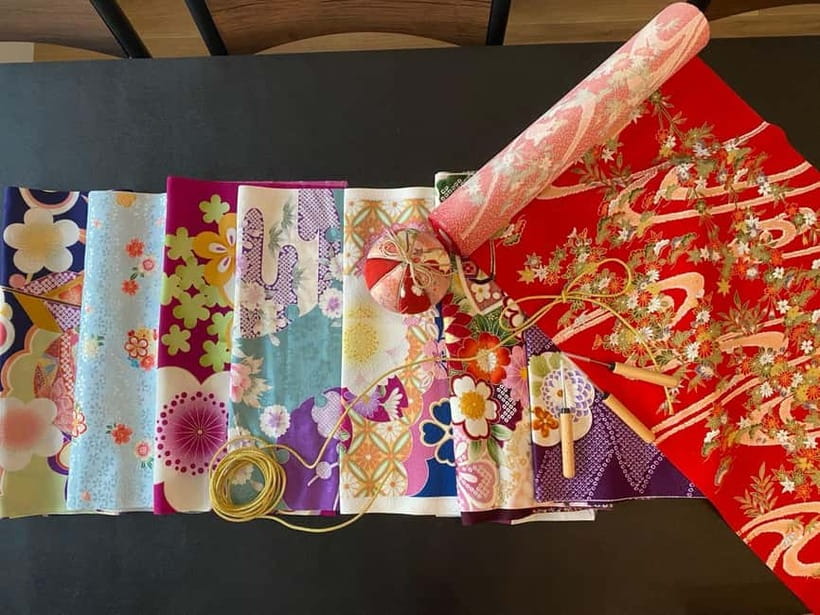
Each participant receives a complimentary drink and a traditional Japanese confectionery of choice. The refreshment is a small detail, but it fits the mood of the class.
The food and drink are not the main reason to book, and you should not treat this as a meal. Additional drinks and food cost extra. Think of the refreshment as a pleasant part of the welcome, not a major included benefit.
The choice of confectionery gives you a small taste of Japanese tea-time customs while you decide on fabric or work on your Temari. One class included tea and a local treat during the selection process, while another participant particularly enjoyed a matcha latte.
Conversation is another quiet benefit. May has been described as warm, friendly, patient, and easy to talk with. The language support is useful for international visitors, and several people found her English clear enough to follow the instructions comfortably.
Still, the social side depends on the group. With four people, you may chat with other participants. With a private or nearly private session, your time may feel more like a relaxed conversation with the instructor.
Nearby temples and the Philosopher’s Path
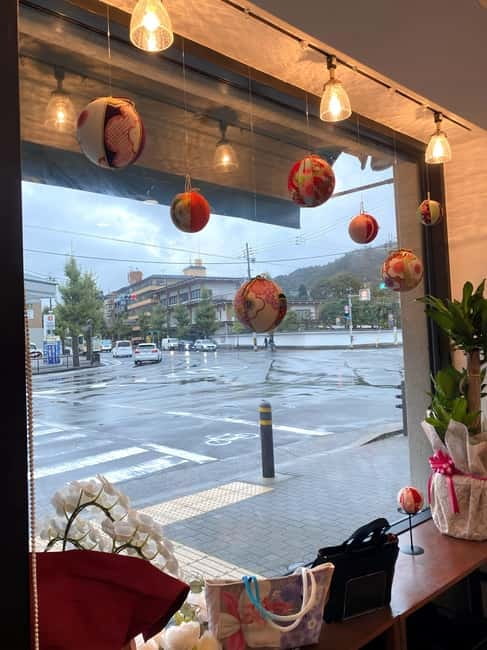
The workshop is in an area with historically significant temples and shrines nearby. It is also close to cafés and the Philosopher’s Path, making it practical to pair the craft with a larger sightseeing day.
The activity itself does not provide a temple tour or transportation between sights. You should treat the surrounding area as something to explore on your own before or after the class.
This location can help you plan a better Kyoto day. Instead of crossing the city for a two-hour activity, you can build the workshop into a temple visit, a café stop, or a walk along the Philosopher’s Path.
The timing matters. If you have spent the morning sightseeing, schedule the craft as a restful middle or late-day activity. If you attend first, use the nearby sights afterward while your schedule is still open.
Because the exact temple route is not part of the workshop, check your own map and allow enough time for walking. The class is a useful base for local exploring, not a replacement for a guided cultural tour.
Who will enjoy this workshop most
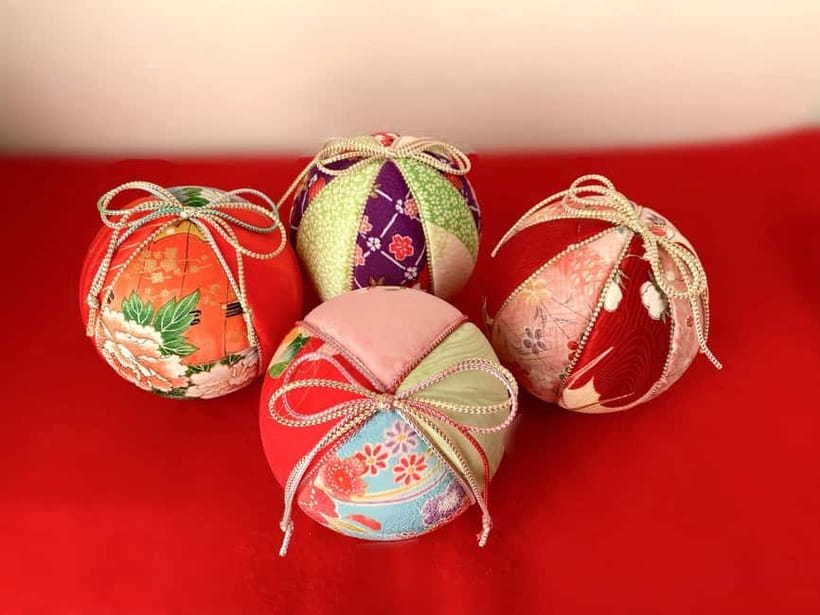
This is a strong choice for anyone who wants a small, handmade souvenir and a slower cultural activity. You will get the most from it if you like fabric, color, local crafts, and friendly conversation.
It suits couples particularly well. Each person can make a Temari, and the finished pieces become matching or contrasting reminders of a trip. One couple used the activity to create keepsakes during a honeymoon.
Families can also book it. The craft is suitable for adults and children, and a family with children aged 10 and 12 found the process accessible. Since the activity involves limited sewing, it is less demanding than many textile classes.
You do not need to be artistic. Beginners who were nervous about the difficulty found the process manageable, and the instructor can provide help along the way.
You may want to skip it if you are looking for a long lecture, a broad tour of Kyoto, or a workshop with a highly technical final product. This is a simple decoration made in a relaxed setting. Its appeal comes from the fabric, the personal choices, and the time spent making it.
Is $25 a fair price?
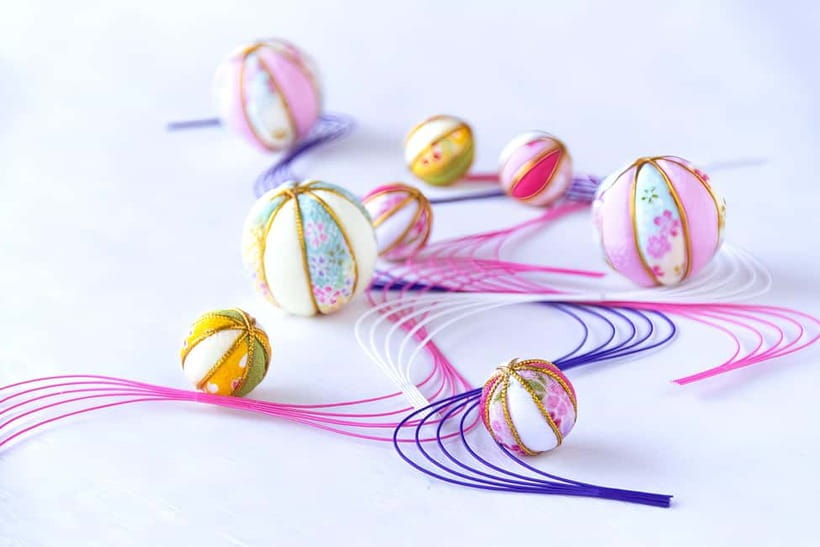
At $25 per person, the workshop is reasonably priced for a two-hour small-group activity in Kyoto. The fee includes the Temari class, all materials, a drink, a traditional confectionery, and instruction from a local craftsperson.
The maximum group size of four improves the value. You are paying for access to individual help, not just a seat in a crowded demonstration. If you have ever struggled to follow a craft class from a distance, that difference matters.
The handmade souvenir is another part of the value. You could buy a small Japanese ornament for less, but it would not carry the same memory of choosing the fabric and completing the project yourself.
The price does not include extra food or drinks, and the workshop does not cover transport or nearby sightseeing. Those are minor limitations, but they help you understand what you are buying: two hours of instruction and making, not a full Kyoto tour.
For a family, the total rises with each participant, so compare it with other hands-on activities in your itinerary. For a couple or solo visitor who wants a personal memento, $25 is a fair cost.
Booking details that matter
The activity lasts two hours, with starting times based on availability. Check the schedule carefully so you can connect it with temple visits and other Kyoto plans.
The workshop is wheelchair accessible. English and Japanese instruction is available, and no previous skill is required.
You can reserve now and pay later, which helps if your Kyoto schedule is still changing. Cancellation is free up to 24 hours before the activity for a full refund.
The meeting instructions are simple: enter the workshop when you arrive, and your host will greet you. Since the class is limited to four people, book ahead if you need a particular day or time.
Final verdict: should you book it?
Book this Temari workshop if you want a small, personal Kyoto experience rather than another sightseeing stop. The strongest reasons are the recycled kimono fabrics, the patient instruction from May, the very small group, and the souvenir you make yourself.
It is especially good for couples, families with older children, textile fans, and anyone who needs a quiet break from walking. Pair it with nearby temples, cafés, or the Philosopher’s Path to make the most of the location.
Skip it if you want a technically demanding craft or a guided tour of Kyoto’s major sights. For everyone else, the $25 price buys two calm hours, a taste of traditional craft, and a keepsake with your own choices built into it.
FAQ
How long does the Temari workshop last?
The workshop lasts two hours.
How much does the workshop cost?
The listed price is $25 per person.
What is included in the price?
The price includes the Temari workshop, all necessary materials, instruction from a local craft master, one complimentary drink, and a traditional Japanese confectionery for each participant.
Do I need previous crafting experience?
No. The activity is designed for complete beginners, and no previous experience or special skill is required.
Can children participate?
Yes. The workshop is suitable for all ages, including adults and children.
How many people can join the class?
The workshop is a small-group activity limited to four participants.
What languages does the instructor speak?
Instruction is available in English and Japanese.
Is the workshop wheelchair accessible?
Yes. The activity is listed as wheelchair accessible.
Can I cancel for a refund?
Yes. You can cancel up to 24 hours in advance for a full refund.
More Workshops in Kyoto
- Kyoto: 45-Minute Tea Ceremony Lesson Experience
★ 4.3 · 2,378 reviews - Ramen Cooking Class at Ramen Factory in Kyoto
★ 5.0 · 1,937 reviews - Kyoto : Chopsticks Making Workshop in Gion with Engraving Option
★ 5.0 · 958 reviews - Kyoto: Samurai Sword Class by Experts in Traditional Arts
★ 4.9 · 657 reviews
Just added around Kyoto
- Taste of Nishiki Market Walking Food Tour with Local guide★ 5.0 · 17 reviews
- Kyoto: Sushi Making Class with Sushi Chef★ 4.8 · 64 reviews
- Kyoto: City Secrets eBike Tour★ 4.9 · 196 reviews
- Sacred Pathways: Discover the Philosopher’s Path of Kyoto★ 4.9 · 20 reviews
- Private Tour to Monkey Park and Arashiyama Highlights★ 5.0 · 22 reviews
- Private Nara Tour from Osaka – Meet at Your Hotel★ 5.0 · 22 reviews
- Private Sake Tasting in Central Kyoto with Sake Sommelier★ 5.0 · 13 reviews
- Kyoto : Private Custom Walking Tour With A Local Guide★ 4.6 · 144 reviews
Kimono & Culture Experiences, compared.
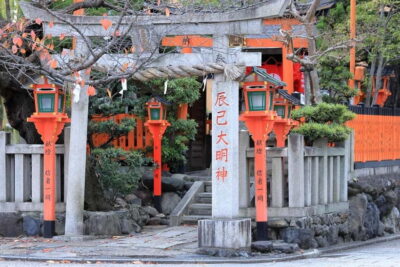
Kyoto Geisha Walking Tour: Gion District & Hidden Gems
Read our review →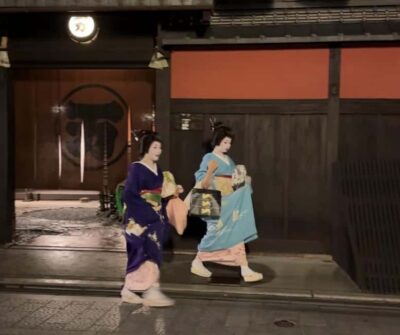
Gion Magical Night Walking Tour with Geisha Trivia
Read our review →
Gion Geisha District Walking Tour – Stories of Geisha
Read our review →
Best of Kyoto: Gion, Geisha, Pagodas & Cobblestones
Read our review →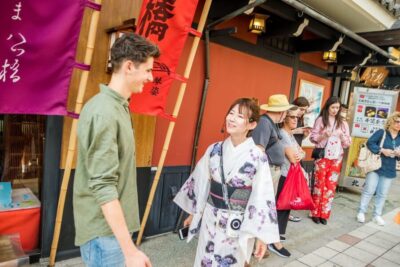
Kyoto Gion Geisha District Walking Tour – The Stories of Geisha
Read our review →

Browse the lists this tour appears in