
REVIEW · KIMONO & CULTURE EXPERIENCES
Kyoto: Samurai Kenbu Traditional Sword Dancing Show
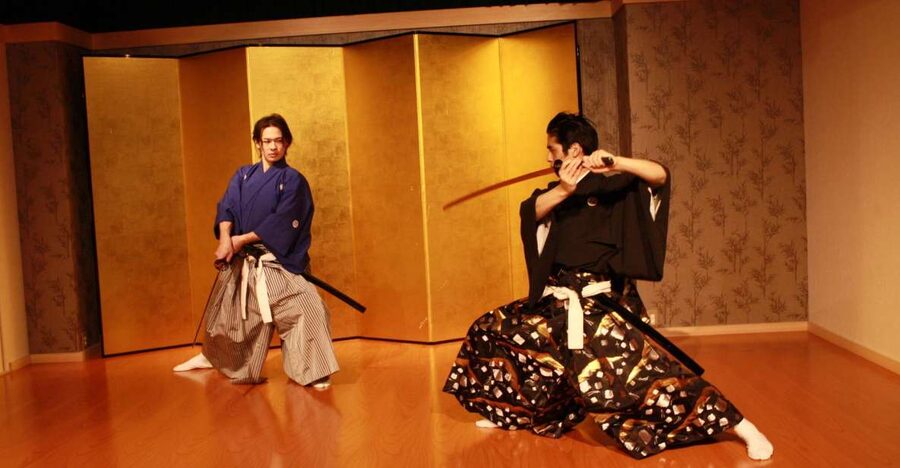
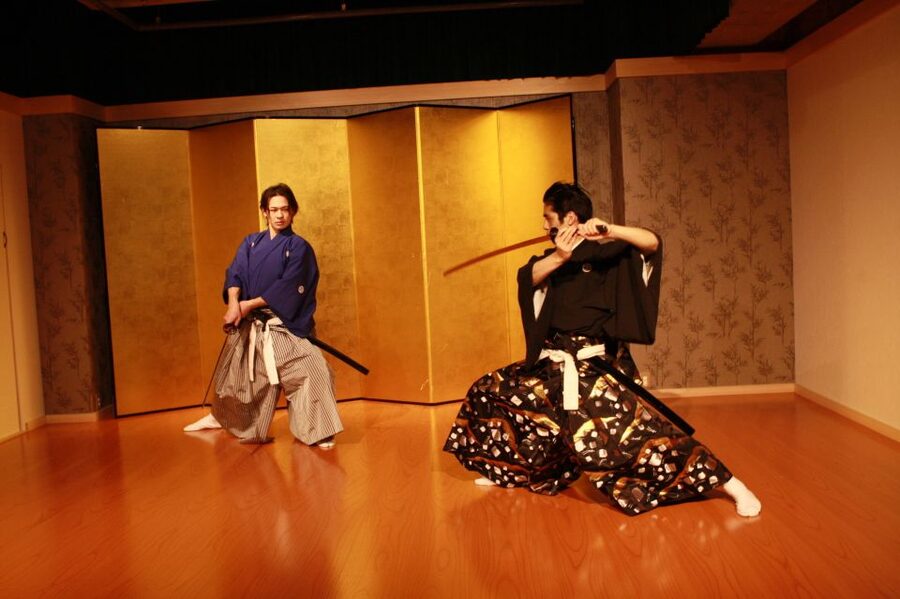
A sword dance may sound like a simple stage show, but Kenbu is more than choreographed fighting. Performers use the sword, scabbard, folding fan, posture, and controlled movement to express the emotions and duties of samurai life from Japan’s feudal period. The result is graceful, dramatic, and often more thoughtful than action-packed.
I like two things especially: the short stories are explained in English before each performance, and you get a guided chance to handle a sword after the show. The photo time at the end is another welcome touch. The main consideration is that the theater is modest, and the performance emphasizes ceremony and storytelling rather than a large-scale battle show.
In This Review
- Key points at a glance
- What Kenbu really is, and what it is not
- Arriving at Samurai Kembu Theater
- The opening explanation gives you a way into the performance
- Traditional and new-style Kenbu demonstrations
- Why the English storytelling matters
- The short sword lesson after the show
- Photos, shoes, and other practical details
- Is the $32 price fair?
- Who will enjoy this most?
- My verdict on the Kyoto Samurai Kenbu show
- FAQ
- Where does the Samurai Kenbu show take place?
- How long does the activity last?
- How much does the experience cost?
- How far is the theater from Sanjo Keihan Subway Station?
- How far is the theater from Sanjo Station on the Keihan Main Line?
- What languages are available?
- Can I take photos during the performance?
- Is sword practice included?
- Is a folding fan lesson included?
- Is the theater wheelchair accessible?
- Is hotel transportation included?
- Can I bring large luggage?
- How early should I arrive?
- Can I cancel for a refund?
Key points at a glance
- Seven centuries of tradition: See Kenbu, a form of samurai sword dancing linked to Japan’s feudal era.
- Short tales with English narration: Each demonstration comes with cultural and historical explanation.
- More than swordplay: Performers use folding fans, poems, posture, and ritual movements to shape each scene.
- Guided sword practice: Learn basic stances and gentle swings during the short lesson after the show.
- Photos come after the performance: Cameras are not allowed during the show, but you can take pictures with performers afterward.
- Easy central Kyoto location: The theater is about four minutes from Sanjo Keihan Subway Station and five minutes from Sanjo Station on the Keihan Main Line.
What Kenbu really is, and what it is not
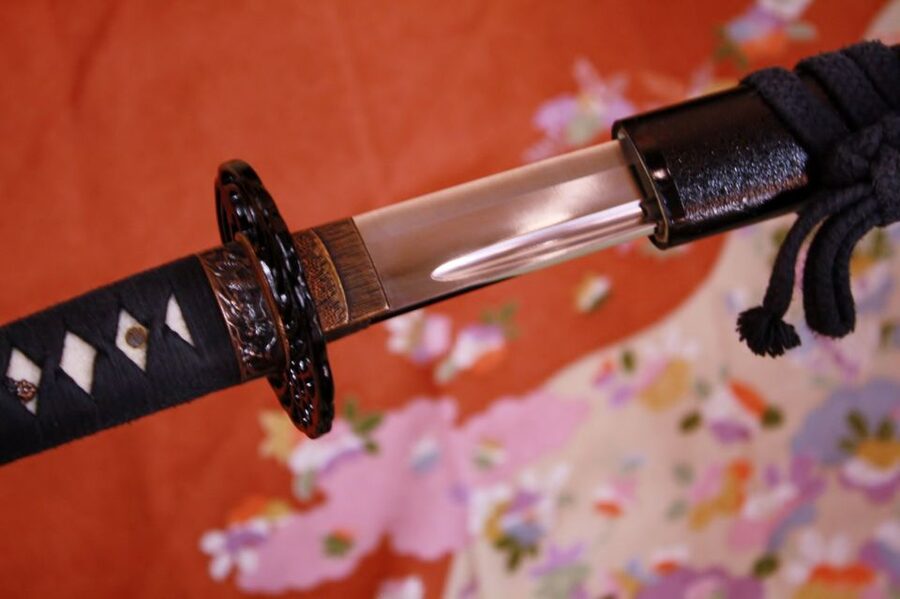
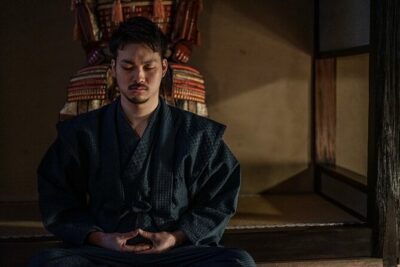
Kenbu is a traditional sword dance built around movement, poetry, and samurai values. Before going into battle, samurai were said to recite poems. Kenbu draws on that world, using the sword to express the mood and meaning of the words.
That distinction matters. You will see sword drawing, sweeping cuts, sharp turns, formal poses, and moments of combat-style movement. But this is not a martial arts tournament or a Hollywood sword fight. The appeal is the control of the performers, the quiet before a strike, and the way a single gesture can suggest duty, grief, courage, or farewell.
The show also touches on the responsibility of carrying a samurai sword. That gives the performance some weight. The sword is not presented simply as a weapon or costume prop, but as part of a code and social role that shaped Japanese culture for centuries.
I found this a better choice for someone who wants cultural context along with entertainment. If you want nonstop action, the restrained pace may feel slow. If you enjoy traditional performance, short historical tales, and the meaning behind formal movement, the hour passes quickly.
More Kimono & Culture Experiences in Kyoto
- Kyoto Geisha Walking Tour: Gion District & Hidden Gems
★ 4.7 · 3,273 reviews - Kyoto: Gion Magical Night Walking Tour with Geisha Trivia
★ 4.9 · 2,393 reviews - Kyoto: Gion Geisha District Walking Tour – Stories of Geisha
★ 4.7 · 2,187 reviews
Arriving at Samurai Kembu Theater
You meet at the Samurai Kembu Theater in Kyoto. From Sanjo Keihan Subway Station, it is about a four-minute walk. From Sanjo Station on the Keihan Main Line, allow about five minutes.
The theater asks you to remove your shoes before entering. This is a small detail, but it sets the tone. You are leaving the ordinary street behind and entering a performance space where Japanese customs matter. Wear socks you are comfortable being seen in, and avoid arriving with wet or muddy footwear.
Arrive 5 to 15 minutes before your booked start time. There is no waiting room, and people without appointments cannot wait inside the room. Large luggage and travel bags do not fit well, so leave bulky bags at your accommodation or use another luggage storage option before coming.
The location is convenient for an evening in central Kyoto. You can pair the show with time around Sanjo, the Kamogawa River, or nearby Gion, but keep your schedule realistic. The show itself lasts one hour, and you should allow a little extra time for arrival, shoe removal, and the closing photo opportunity.
The opening explanation gives you a way into the performance
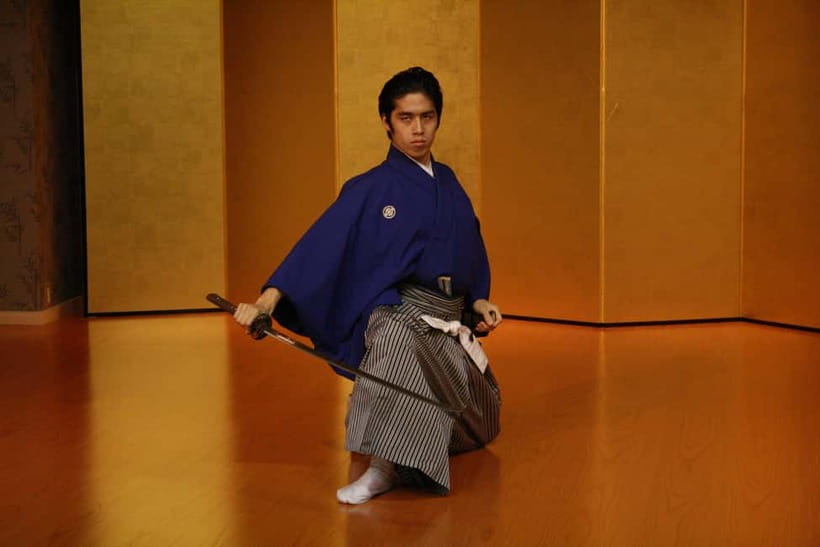
The first part introduces the history and basic techniques of Kenbu. This explanation is given in English and Japanese, with English narration available for international audiences.
That introduction helps because the movements can otherwise be hard to read. A performer standing still with a sword may look formal rather than dramatic. Once you understand the role of the poem, the meaning of the posture, and the responsibility tied to the blade, the gestures make more sense.
The show covers samurai culture from roughly the 12th through the 19th centuries. You are not receiving a full academic course in Japanese history, but you do get useful context before each scene. The format is easy to follow: a short explanation, a performance, then another story or demonstration.
The English is generally clear enough to follow, though the amount of spoken explanation may vary in pace. One part of the experience can be harder to understand if you are not accustomed to the subject or the narration style. Do not worry if you miss a phrase. The movement carries much of the meaning, and the staff explain the main ideas before the dancing begins.
Traditional and new-style Kenbu demonstrations
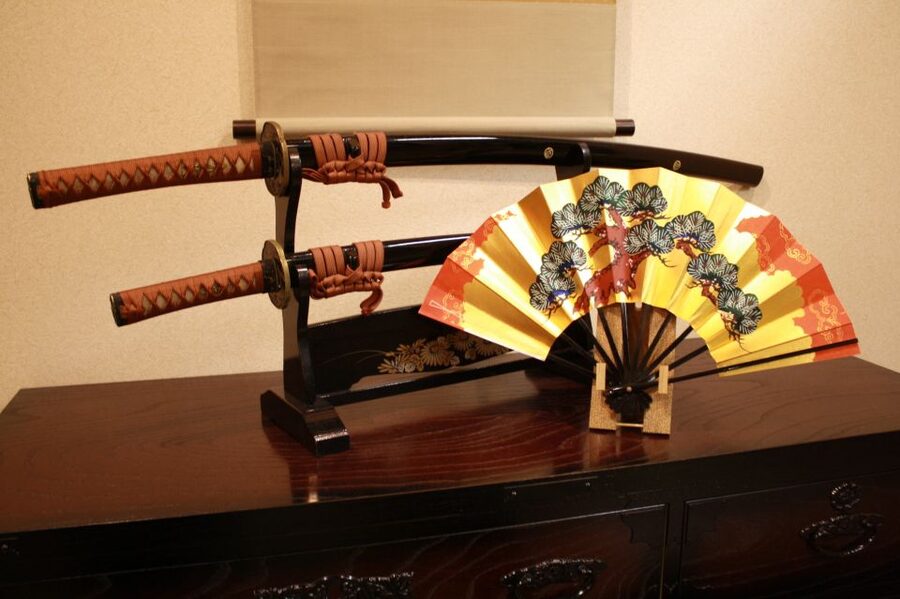
The main show presents both traditional-style and new-style Kenbu. Each performer uses a sword in a series of precise movements that match the poem or story being presented.
You may see the performer draw the sword slowly, extend the arms with care, turn the body, and finish in a formal stance. At other moments, the pace becomes stronger and more dramatic. The contrast between stillness and motion is one of the most effective parts of the show.
The sword is not the only object used. The folding fan also has a role, and a performer may shift from sword to fan to suggest a different mood or action. The fan is a useful reminder that Kenbu is performance art, not simply a demonstration of cutting technique.
Some tales involve death, battle, or sacrifice. Others include lighter touches and bits of humor. That balance keeps the hour from becoming solemn from start to finish. The stories are short, so you get several different styles rather than one long plot.
The performers are highly trained, and their control is what makes the show work. A sword can look effortless in an expert’s hands, but the short lesson afterward makes clear how much balance and timing are involved. The apparent simplicity is hard-won.
Same city, a completely different kind of day:
- PERFECT KYOTO 1-Day Bus Tour
★ 5.0 · 13,518 reviews - Kyoto: Fushimi Inari, Kinkakuji, Bamboo Grove 1 Day Bus Tour
★ 4.8 · 4,316 reviews - Kyoto: Tea Ceremony in a Traditional Tea House in Kiyomizu
★ 4.9 · 3,519 reviews - Kyoto: Tea Ceremony Ju-An at Jotokuji Temple
★ 4.9 · 3,207 reviews
Why the English storytelling matters
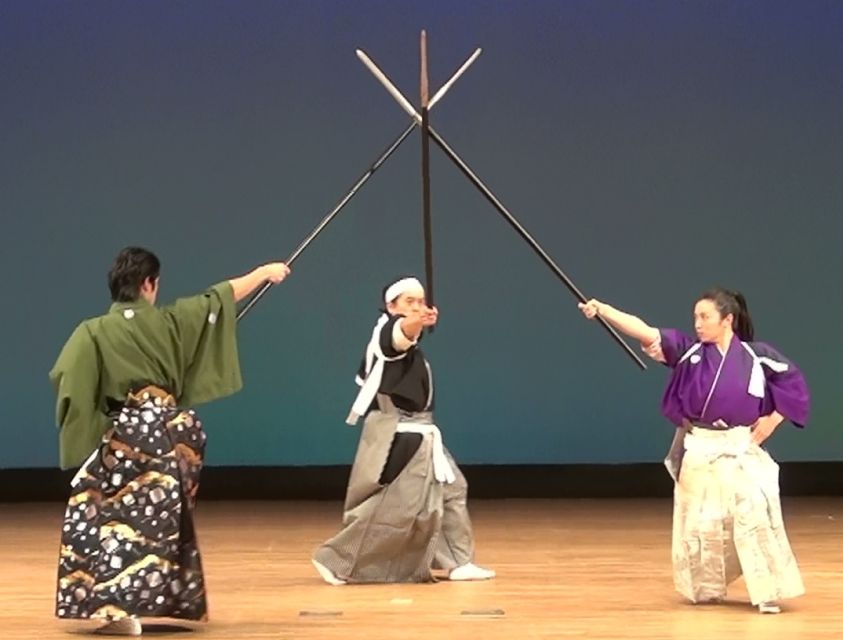
Kyoto offers many traditional arts, but not all are easy to understand without Japanese language skills. Here, the narration gives you a clear route into the scenes.
You learn why samurai recited poems, how Kenbu relates to samurai values, and why the sword carried such responsibility. The show also connects older practices with their continuing cultural importance. That makes the performance more than a series of attractive movements.
I especially like the way the stories give the sword a human context. You are not just watching a blade flash across a stage. You are watching a performer represent a person facing duty, danger, loyalty, or loss.
Still, keep your expectations measured. The narration is an introduction, not a detailed lecture on every period of Japanese history. If you want a thorough study of Bushido, feudal government, or samurai warfare, you will need a book or museum visit as well. This show works best as a vivid introduction that may send you looking for more.
The short sword lesson after the show
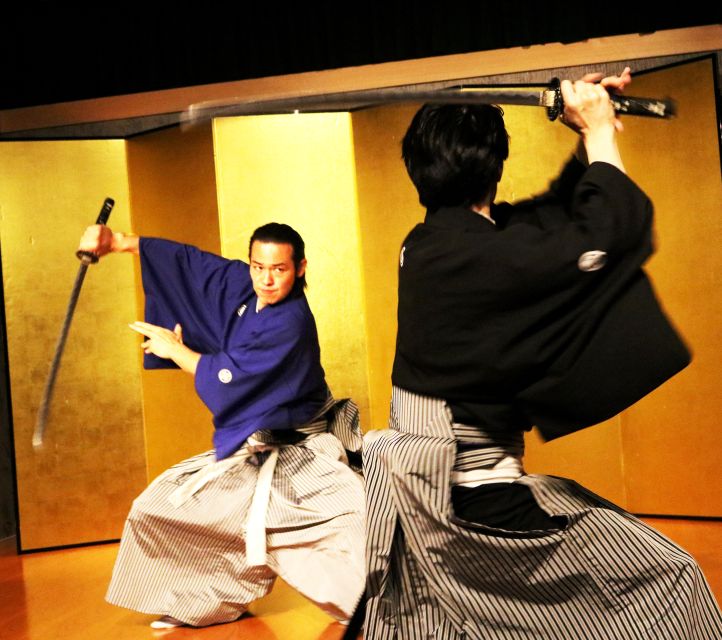
After the demonstrations, the performers return for the interactive part. An instructor shows you how to hold the sword, slowly draw it from the scabbard, and make basic movements.
You begin gently, following the instructor’s commands, then add a little more force as directed. The lesson is controlled and introductory. It is not a fencing class, and you are not learning to fight. The point is to feel the weight, understand the posture, and appreciate the discipline behind the performance.
This is where the show becomes especially memorable for families and first-time visitors. Children and adults can take part, and the instructors use humor to make people feel at ease. You may also learn a few movements and vocal calls. If time allows, there may be a short introduction to using the folding fan.
The lesson can feel a little less organized than the performance itself, especially when several people are taking turns. That is a minor tradeoff for having a hands-on activity at the end. Treat it as a playful introduction, not a formal martial arts course.
You should listen closely and follow directions. Handle the sword only as instructed, and do not swing it casually around other people. The staff are there to guide you, but careful behavior makes the activity safer and more enjoyable for everyone.
Photos, shoes, and other practical details
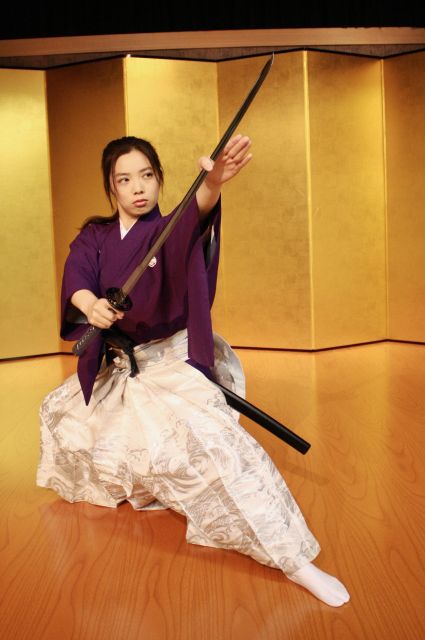
Photography and video are not allowed during the show. This rule protects the atmosphere and keeps cameras from distracting the performers and other people in the room.
The good news is that you are given time for photographs after the performance. You can pose with the sword and, in some cases, have staff take pictures for you. This is the right moment to get the heroic samurai image you may have hoped to capture during the show.
The theater is wheelchair accessible. English and Japanese instruction is available. Food and drinks are not included, and there is no hotel pickup or drop-off, so you make your own way to the theater.
Do not arrive under the influence of alcohol. Also, keep your confirmation and reservation name ready, since the staff confirm the booking name at reception. If you need to cancel, you must do it yourself through GetYourGuide. Cancellation is free up to 24 hours before the activity, and the reserve-now, pay-later option can help if your Kyoto schedule is still changing.
Is the $32 price fair?
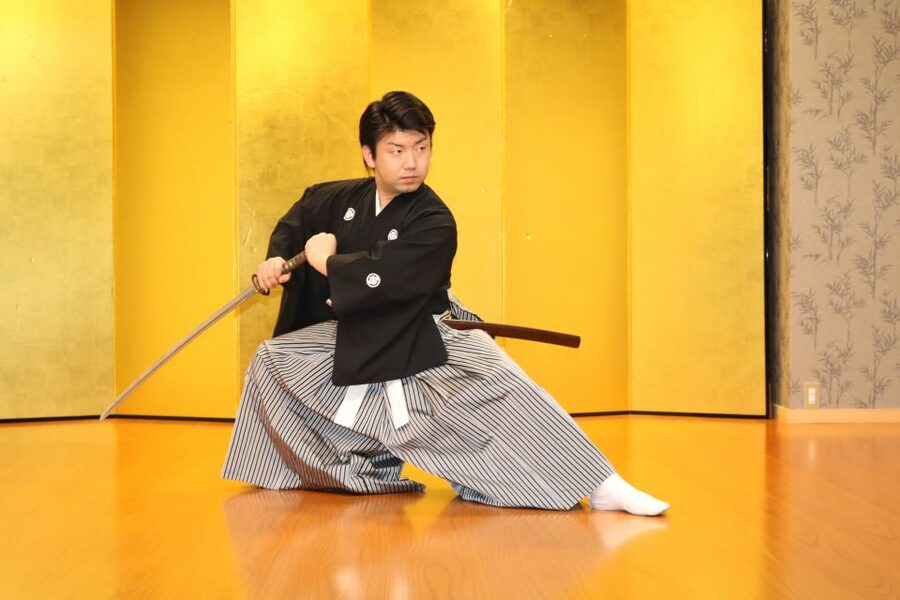
At $32 per person, this is a reasonable one-hour cultural activity in Kyoto. You are paying for a professional live performance, English narration, theater entry, and a short guided sword lesson. The personal interaction and photo time add value that you would not get from simply watching a stage show.
The price makes the most sense if you use the lesson. A performance alone might feel brief to some people, but the sword handling gives the hour a clear second half and helps you understand the skill on display.
You should also remember what the price does not include. There is no meal, transportation, extended workshop, or hotel service. The venue is not a grand theater, and the group may be small. Those limits are not problems for me, but they matter if you are comparing this with a larger dinner show or a full-day samurai activity.
For families, couples, history fans, and visitors with only a short free window, the cost is easy to justify. For anyone seeking serious sword instruction, it is not the right product. For that, you would need a much longer and more technical class.
Who will enjoy this most?
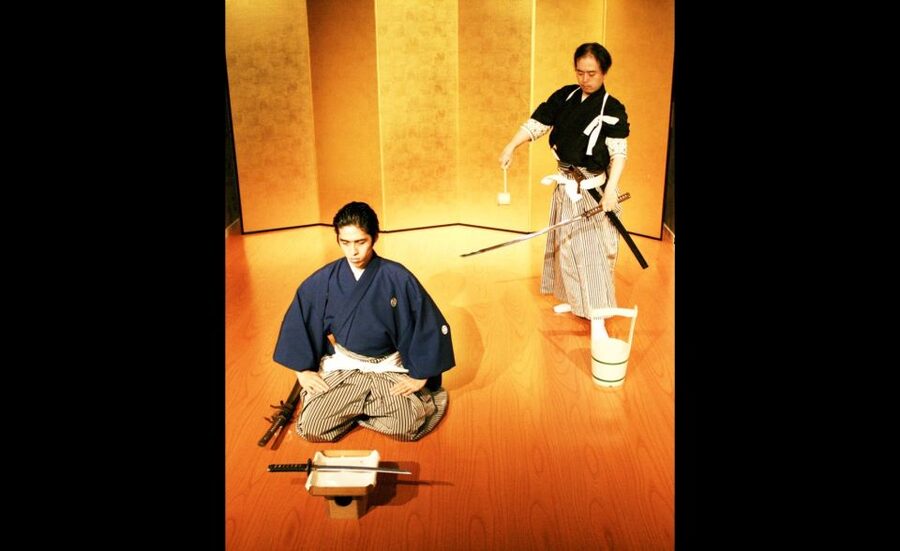
I would recommend the show to:
- First-time visitors who want an accessible introduction to samurai culture
- Families with children who can manage a quiet performance and follow instructions
- People interested in traditional Japanese dance, theater, or costume
- History fans who want an entertaining starting point
- Visitors looking for a central Kyoto activity that fits into a busy day
- Anyone who likes interactive experiences but does not want a physically demanding tour
It is also a good rainy-day option because the activity takes place indoors and lasts only an hour.
You may want to skip it if you expect large fight scenes, a full historical reenactment, or advanced sword training. The emphasis is elegance, storytelling, and cultural explanation. The show has drama, but it does not rely on constant action.
My verdict on the Kyoto Samurai Kenbu show
I like this experience because it respects the tradition while keeping the format friendly to international visitors. The English explanations make the scenes easier to follow, and the sword lesson gives you a brief but useful sense of the discipline involved.
The strongest parts are the performers’ precise movements, the mix of sword and fan work, and the chance to meet the performers afterward. The main weaknesses are the modest venue, the no-photo rule during the show, and a lesson that may feel slightly loose when the group is larger.
Book it if you want an entertaining cultural introduction with a hands-on finish. It is especially good for families, couples, and visitors who have been curious about samurai but do not want to spend half a day at a museum. Skip it only if your idea of a samurai show requires extended combat scenes or serious martial arts practice.
FAQ
Where does the Samurai Kenbu show take place?
The show takes place at the Samurai Kembu Theater in Kyoto, on Honshu, Japan.
How long does the activity last?
The activity lasts one hour.
How much does the experience cost?
The listed price is $32 per person.
How far is the theater from Sanjo Keihan Subway Station?
The theater is about a four-minute walk from Sanjo Keihan Subway Station.
How far is the theater from Sanjo Station on the Keihan Main Line?
The theater is about a five-minute walk from Sanjo Station on the Keihan Main Line.
What languages are available?
Instruction and narration are available in English and Japanese.
Can I take photos during the performance?
No. Photos and videos are not allowed during the show, but you can take photographs after the performance with the performers.
Is sword practice included?
Yes. A short sword lesson is included. You are guided through holding, drawing, and basic sword movements.
Is a folding fan lesson included?
You may have the chance to learn how to use a folding fan if there is enough time. It is not guaranteed as part of every session.
Is the theater wheelchair accessible?
Yes. The activity is wheelchair accessible.
Is hotel transportation included?
No. You must travel to the Samurai Kembu Theater yourself. Hotel pickup and drop-off are not included.
Can I bring large luggage?
No. There is no room for large luggage or travel bags.
How early should I arrive?
Arrive 5 to 15 minutes before the activity begins.
Can I cancel for a refund?
You can cancel up to 24 hours in advance for a full refund. Cancellation must be completed yourself through GetYourGuide.
More Show in Kyoto
- Kyoto Gion Cultural Walk & Geisha Show with Dining Options
★ 5.0 · 518 reviews - Kyoto Gion Cultural Walk & Geisha Show with Dining Options
★ 5.0 · 483 reviews - 1 Hour Geisha Show in Kyoto
★ 5.0 · 452 reviews - Kyoto: Meet-and-Greet, Maiko Show and Experience
★ 4.8 · 286 reviews
Just added around Kyoto
- Taste of Nishiki Market Walking Food Tour with Local guide★ 5.0 · 17 reviews
- Kyoto: Sushi Making Class with Sushi Chef★ 4.8 · 64 reviews
- Kyoto: City Secrets eBike Tour★ 4.9 · 196 reviews
- Sacred Pathways: Discover the Philosopher’s Path of Kyoto★ 4.9 · 20 reviews
- Private Tour to Monkey Park and Arashiyama Highlights★ 5.0 · 22 reviews
- Private Nara Tour from Osaka – Meet at Your Hotel★ 5.0 · 22 reviews
- Private Sake Tasting in Central Kyoto with Sake Sommelier★ 5.0 · 13 reviews
- Kyoto : Private Custom Walking Tour With A Local Guide★ 4.6 · 144 reviews
Kimono & Culture Experiences, compared.
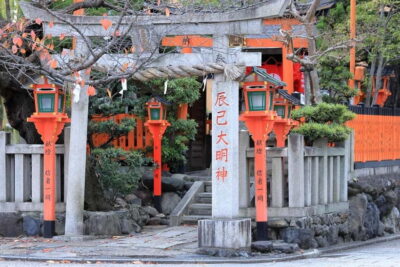
Kyoto Geisha Walking Tour: Gion District & Hidden Gems
Read our review →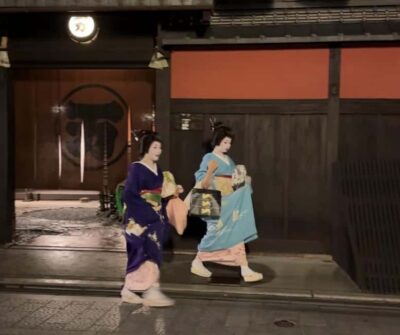
Gion Magical Night Walking Tour with Geisha Trivia
Read our review →
Gion Geisha District Walking Tour – Stories of Geisha
Read our review →
Best of Kyoto: Gion, Geisha, Pagodas & Cobblestones
Read our review →
Kyoto Gion Geisha District Walking Tour – The Stories of Geisha
Read our review →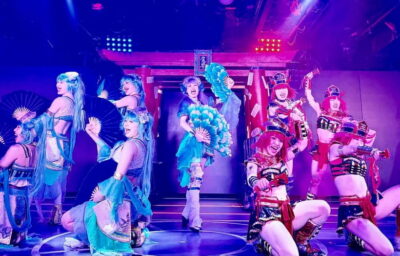
Browse the lists this tour appears in