
REVIEW · TEA CEREMONY EXPERIENCES
2 Types of Japanese Sweets making and Tea Ceremony
The best part of this 125-minute Kyoto sweets workshop is that you do not just watch a demonstration. You press traditional wasanbon sugar into ohigashi, shape two seasonal nerikiri sweets, grind matcha, and prepare a cup yourself. It gives you three small windows into Japanese food culture for $28.
I like the use of bean paste from long-established Kyoto shops, since the quality of the filling matters as much as your shaping skills. I also like the clean, sensible program: ohigashi first, two nerikiri forms next, then matcha and tea. The main consideration is that the tea portion may feel more like an informal lesson than a formal tea ceremony, and English support can vary.
In This Review
- Key points at a glance
- Making three Japanese sweets near Gojo Station
- Ohigashi: shaping wasanbon sugar into a dry sweet
- Seasonal nerikiri with Kyoto bean paste
- Matcha preparation and the casual tea session
- How authentic does the workshop feel?
- What the $28 price really includes
- Who will enjoy this Gojo Station experience?
- Practical details before you reserve
- My booking advice
- FAQ
- How long does the Japanese sweets and tea experience last?
- Where is the meeting point?
- What sweets will I make?
- Is English instruction available?
- Is the tea ceremony formal?
- Is the building wheelchair accessible?
Key points at a glance
- Three hands-on activities: Make wasanbon ohigashi, flower-shaped nerikiri, kinton nerikiri, and your own matcha.
- Seasonal sweets: The two nerikiri designs change with the season, giving the class a timely Japanese touch.
- Kyoto ingredients: The white and red bean pastes come from long-established Kyoto producers.
- Good central location: The venue is one minute from Exit 1 of Gojo Station on the Karasuma Subway Line.
- Casual tea lesson: You grind matcha, learn the basics, and prepare a cup rather than attending a highly formal ceremony.
- Plan for stairs: The building has no elevator, even though the activity is listed as wheelchair accessible.
Making three Japanese sweets near Gojo Station
This experience works because it combines several related skills instead of stretching one demonstration over two hours. You make one dried sweet, two fresh bean-paste sweets, and a bowl of matcha. The pace gives you enough time to handle the ingredients without turning the session into a long lecture.
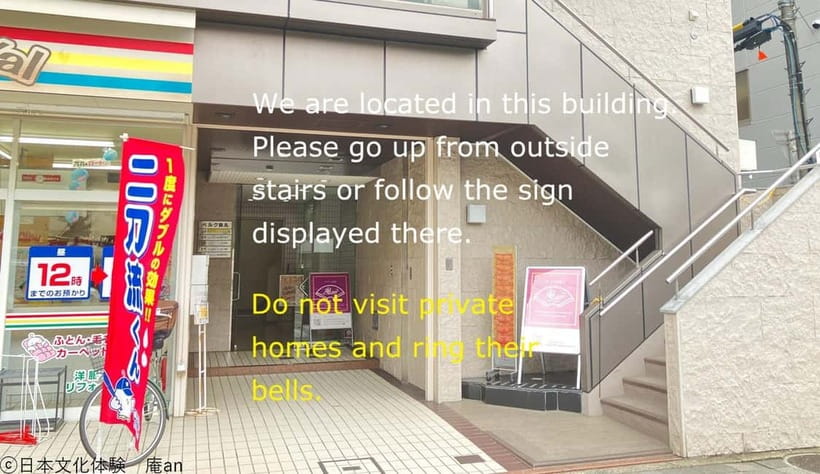
The meeting point is easy to reach. From Exit 1 of Gojo Station, walk about one minute, keeping an eye out for the entrance facing Gojo-dori. That main-street position helps, but I would still allow extra time to find the exact doorway. The activity does not wait for late arrivals, and the provider does not cover transportation costs if you miss the session.
The instructor is Japanese-speaking. English translation is provided as much as possible, and Maiko has been specifically noted for being attentive, informative, and able to explain the class well in English. Still, English assistance is not presented as a guaranteed full-language service for every session, so contact the provider in advance if detailed translation matters to you.
More Tea Ceremony Experiences in Kyoto
- Kyoto: Tea Ceremony in a Traditional Tea House in Kiyomizu
★ 4.9 · 3,519 reviews - Kyoto: Tea Ceremony Ju-An at Jotokuji Temple
★ 4.9 · 3,207 reviews - Kyoto: 45-Minute Tea Ceremony Lesson Experience
★ 4.3 · 2,378 reviews
Ohigashi: shaping wasanbon sugar into a dry sweet
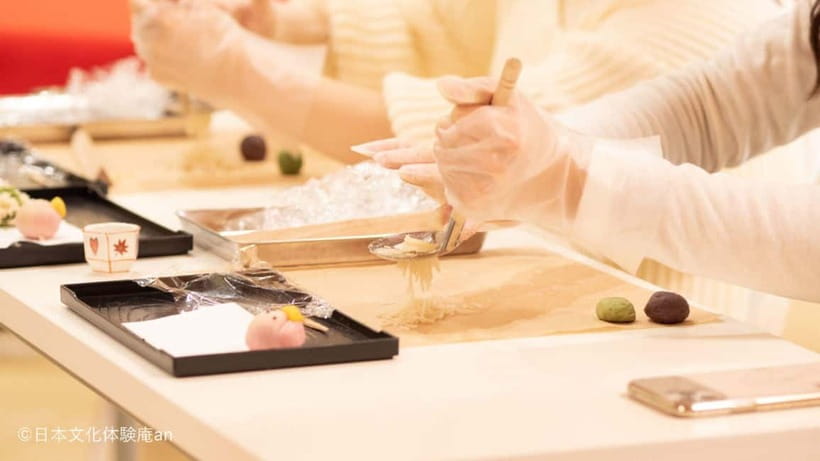
The first task is ohigashi, a traditional dried Japanese sweet made with wasanbon. This fine-grained Japanese sugar is prized for its delicate texture and gentle sweetness. It is not the same experience as making a soft cake or mixing dough. You work with a molded sugar mixture and learn how a simple ingredient can become a small, carefully shaped sweet.
I like this opening because it introduces Japanese sweets through restraint. Ohigashi is small, neat, and designed to accompany tea rather than overwhelm it. The process also gives you an early success before the more detailed nerikiri work begins.
The schedule places this section at the start, followed by a short break around the 20-minute mark. That pause is useful. You can look at your first creation, reset your hands, and prepare for the softer bean-paste sweets without feeling rushed.
An optional color addition costs 200 yen. If you want a more decorative result, ask about it before you begin. If you prefer to keep the cost down, the basic activity already includes the main materials and the three-part program.
Seasonal nerikiri with Kyoto bean paste
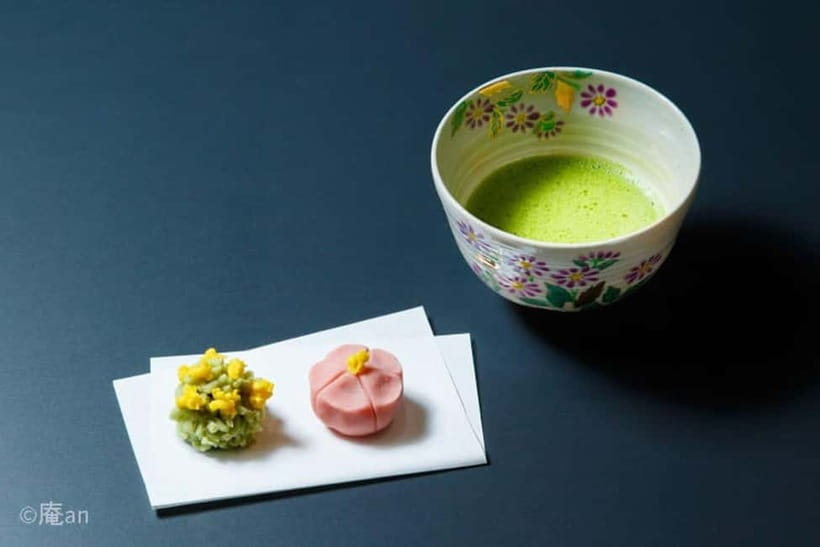
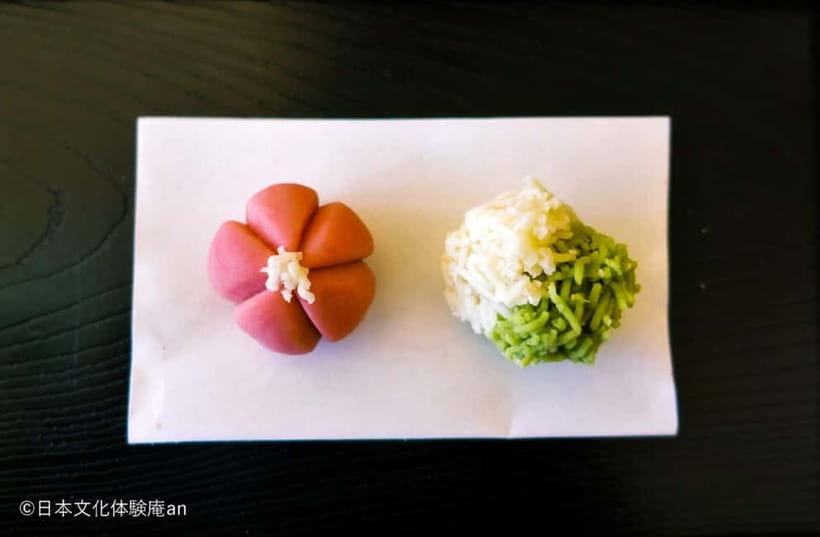
The nerikiri portion is the heart of the workshop. You make two sweets, a flower-shaped nerikiri and a kinton nerikiri. Their designs are tied to the season, which is one of the details that makes Japanese confectionery feel connected to the calendar.
Nerikiri is made from white bean paste shaped into a smooth outer layer, with bean paste inside. The texture is soft and workable, but it also shows every uneven press and fold. You do not need professional pastry skills, yet the finished shape depends on patience and light handling.
The ingredients used here are a real plus. The white and red bean pastes come from long-established shops in Kyoto. That does not turn a short class into a pastry apprenticeship, but it does give you a better sense of what Japanese sweets are meant to taste like. The bean paste is not just a filling hidden inside a dessert. It is the main flavor and structure.
The flower form should appeal to anyone who enjoys neat, visual crafts. The kinton style offers a different look and texture, so the two pieces do not feel like a repeat exercise. Since the designs change with the season, your class may feature a different visual theme from one held at another time of year.
There is another break after the sweet-making sections, around the 85-minute point. You then move into the tea portion at about 95 minutes. The generous pauses help the class feel manageable, though anyone hoping for nonstop activity should know that the program includes several short rests.
Matcha preparation and the casual tea session
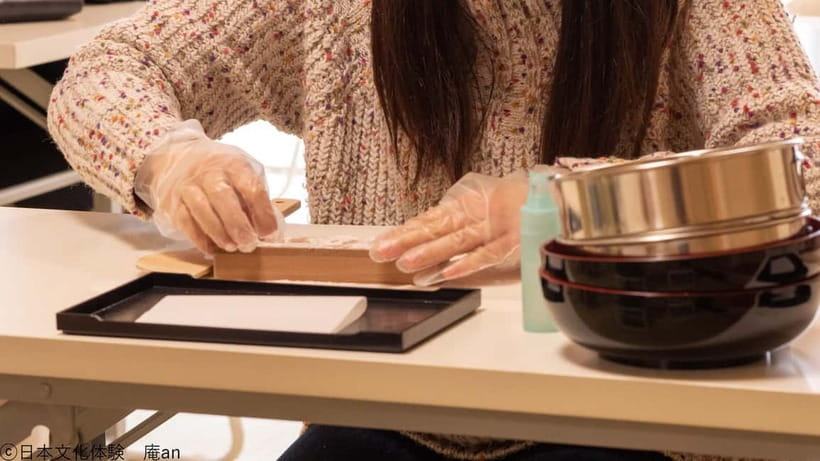
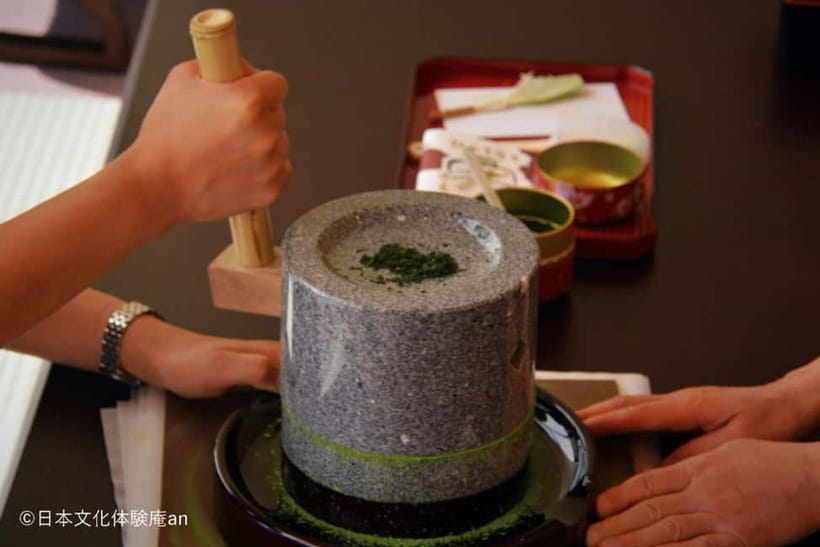
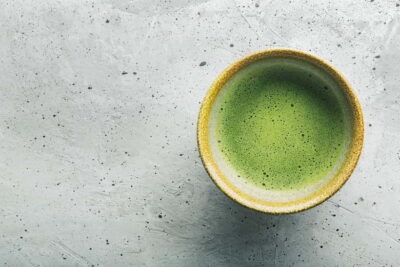
The final section begins with an explanation of tea, followed by a matcha-grinding demonstration. You then make your own matcha and take part in a casual tea ceremony experience.
The word casual matters. This is not presented as a long, highly formal ceremony with an elaborate setting and strict etiquette lesson. One participant found the session more informative than ceremonial, while another appreciated learning about matcha and preparing a cup personally. I would book it for hands-on introduction, not for a formal tea-room performance.
That distinction is helpful when choosing among Kyoto activities. If you want to understand the basic actions, taste matcha, and take part without worrying about getting every movement perfect, this format should suit you. If your main goal is to watch a polished ceremony led by a tea master, you may find this section too brief and classroom-like.
The single-origin special matcha is another appealing detail. The class does not merely use generic green tea powder as a prop. You see how matcha is prepared and then drink the cup you make. The grinding demonstration adds context, even though you may not spend the whole session processing tea yourself.
Picture time follows the tea experience, with the program ending around 115 minutes. The final 10 minutes are set aside for eating and drinking before you leave at the 125-minute mark. This gives you a chance to taste the sweets together and take photos without interrupting the instruction.
Same city, a completely different kind of day:
- PERFECT KYOTO 1-Day Bus Tour
★ 5.0 · 13,518 reviews - Kyoto: Fushimi Inari, Kinkakuji, Bamboo Grove 1 Day Bus Tour
★ 4.8 · 4,316 reviews - Kyoto Geisha Walking Tour: Gion District & Hidden Gems
★ 4.7 · 3,273 reviews - Kyoto: Gion Magical Night Walking Tour with Geisha Trivia
★ 4.9 · 2,393 reviews
How authentic does the workshop feel?
The class offers authentic ingredients and traditional forms, but the setting may feel more like a teaching room than an intimate tea house. One participant described the atmosphere as clinical and classroom-like, while another praised the value and the friendly instruction. Both impressions can be true at once.
The format is designed to make Japanese sweets approachable. That means clear explanations, repeated steps, breaks, and a group setting. The tradeoff is that the experience may lack the quiet, personal feeling associated with a small private tea ceremony.
Group atmosphere also matters. A noisy or inattentive room can make the tea portion less peaceful. You cannot control the behavior of others, so I would think of this as a practical culture workshop rather than a retreat from city noise.
The strongest praise has focused on the instructor’s warmth and the amount included. Maiko was described as attentive and informative, and the class earned a 4.6 rating from 17 verified bookings. The language experience may vary, but English explanations have been provided effectively in at least some sessions.
What the $28 price really includes
At $28 per person, the value is strong if you want to participate rather than simply observe. You receive a set of three connected experiences: ohigashi making, two nerikiri creations, and matcha preparation. Many short cultural activities charge mainly for access and demonstration. Here, your hands are involved for much of the time.
You should also count the quality of the ingredients in the value calculation. Kyoto bean paste from established producers and single-origin matcha give the class more substance than a generic craft activity. You are learning through ingredients that are central to the finished food.
There are a few small extras. Adding color costs 200 yen, a sweets take-out box costs 100 yen, and a completion certificate costs 300 yen. None is required. I would spend the extra 100 yen on a box only if you want to carry your sweets carefully after the session. The certificate is mainly useful if you enjoy collecting mementos.
The included sweets are intended for eating during or after the class. If you want to bring them elsewhere, confirm the take-out option and purchase the box. The activity does not include a separate meal, so do not treat it as lunch or dinner.
Who will enjoy this Gojo Station experience?
I would recommend it to first-time visitors who want a manageable introduction to Japanese sweets. You get enough background to understand what you are making, but you do not need prior knowledge of wagashi, tea ceremony, or matcha.
It also suits people who enjoy careful, creative work. The flower-shaped nerikiri and kinton form reward patience more than speed. Families may like the hands-on format, though children under two who sit on a parent’s lap are the only children specifically listed as free.
This is a good rainy-day plan because nearly all the activity takes place indoors, and the short walk from Gojo Station keeps the transfer simple. It also fits well between sightseeing stops because the full session lasts just over two hours.
I would be more cautious about booking it for someone seeking a silent, highly formal tea ceremony. The lesson is casual, group-based, and practical. The tea section is about learning and making matcha, not watching a long ceremonial performance.
Practical details before you reserve
The activity operates from 10:00 to 17:00. Reservations received after 17:00 are processed the next day, so do not expect a late-evening response to a last-minute request.
The building has no elevator, and you need to use stairs to reach the activity space. The experience is marked as wheelchair accessible, but this stair information creates an important practical question. If you use a wheelchair or have difficulty with stairs, contact the provider before paying so the exact access arrangements can be confirmed.
Arrive early. The provider will not hold the activity for delayed arrivals, and a missed start can also mean losing transportation time and possibly paying a cancellation fee. The stated policy allows free cancellation up to 24 hours in advance, but after that point fees apply. A date or time change after a fee has been incurred may also carry a separate charge.
Only participating people may enter the experience. This matters if one member of your group wants to watch without making sweets. Plan for each person entering the room to have a booking, apart from the stated under-two exception.
My booking advice
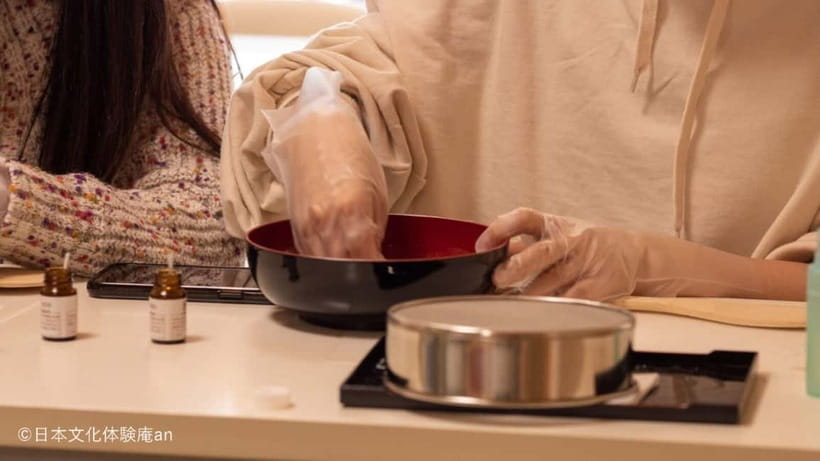
Book this workshop if you want good hands-on value, quality Kyoto bean paste, seasonal sweet designs, and a simple introduction to matcha. At $28, the combination of three sweets-related activities and tea preparation is hard to fault.
Book with realistic expectations about the tea ceremony. You will learn about matcha, see a grinding demonstration, make your own cup, and take part in a casual session. You may not receive the quiet, formal ceremony some people imagine.
For the smoothest visit, choose a time you can reach early, confirm English support if needed, and ask about stairs if accessibility is important. Add the small take-out box fee if you want to protect your sweets. For most people looking for an affordable Kyoto culture activity near a subway station, this is a sensible and enjoyable choice.
FAQ
How long does the Japanese sweets and tea experience last?
The complete activity lasts 125 minutes, including instruction, breaks, picture time, and eating and drinking time at the end.
Where is the meeting point?
The venue is one minute from Exit 1 of Gojo Station on the Subway Karasuma Line. The entrance faces Gojo-dori.
What sweets will I make?
You will make wasanbon ohigashi, a flower-shaped nerikiri, and a kinton nerikiri. The two nerikiri designs match the season.
Is English instruction available?
The instructor language is Japanese, with English translation provided as much as possible. Contact the provider in advance if you would like to request English support.
Is the tea ceremony formal?
The tea portion is casual. It includes an explanation of tea, a matcha-grinding demonstration, making your own matcha, and a tea experience.
Is the building wheelchair accessible?
The activity is listed as wheelchair accessible, but the building has no elevator and stairs are required to reach each venue. Contact the provider before booking to confirm your specific access needs.
More Dessert Tours in Kyoto
- Kyoto: Japanese Traditional Sweets Making and Tea Ceremony
★ 4.4 · 314 reviews - Kyoto: Wagashi (Japanese sweets) Cooking near Fushimiinari
★ 5.0 · 40 reviews - Kyoto: Traditional Tea Ceremony with Matcha & Sweets in Gion
★ 4.9 · 27 reviews - Japanese Traditional Sweets ”Nerikiri” making
★ 4.3 · 17 reviews
Just added around Kyoto
- Taste of Nishiki Market Walking Food Tour with Local guide★ 5.0 · 17 reviews
- Kyoto: Sushi Making Class with Sushi Chef★ 4.8 · 64 reviews
- Kyoto: City Secrets eBike Tour★ 4.9 · 196 reviews
- Sacred Pathways: Discover the Philosopher’s Path of Kyoto★ 4.9 · 20 reviews
- Private Tour to Monkey Park and Arashiyama Highlights★ 5.0 · 22 reviews
- Private Nara Tour from Osaka – Meet at Your Hotel★ 5.0 · 22 reviews
- Private Sake Tasting in Central Kyoto with Sake Sommelier★ 5.0 · 13 reviews
- Kyoto : Private Custom Walking Tour With A Local Guide★ 4.6 · 144 reviews
Tea Ceremony Experiences, compared.
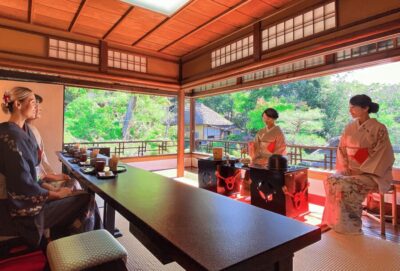
Tea Ceremony in a Traditional Tea House in Kiyomizu
Read our review →
World Heritage Kyoto & Nara Uji Authentic Matcha Experience
Read our review →
Browse the lists this tour appears in