
REVIEW · JAPANESE COOKING CLASSES
Osaka: Gluten-Free Ramen and Gyoza Cooking Class
Osaka’s gluten-free food choices can take extra planning, so this three-hour class offers something unusually useful: you make the noodles, wrappers, broths, and dumplings yourself. Chef Yuki teaches in English from her Japanese-style home, keeping the group to four people.
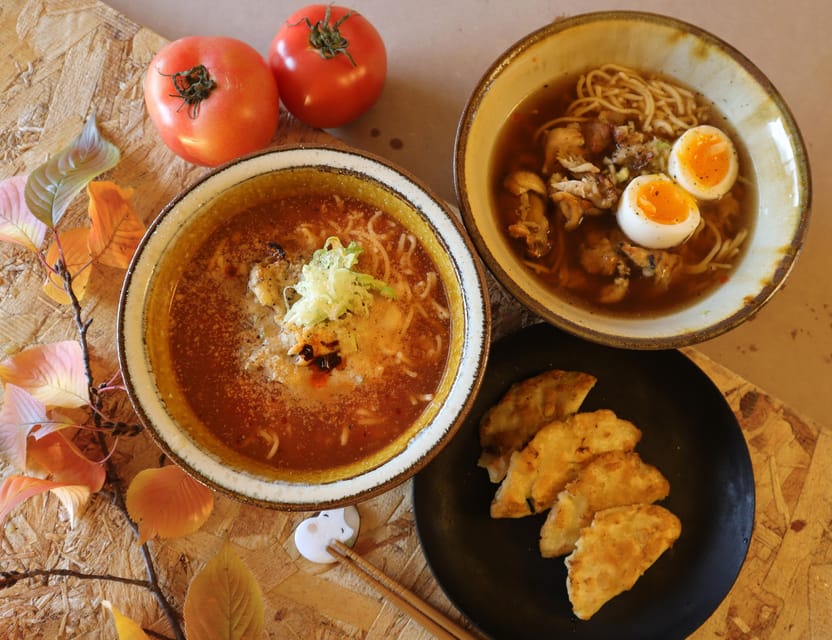
I like the from-scratch approach, especially the rice-flour noodles and gyoza wrappers, because you leave with skills and recipes you can use at home. I also like the chance to make both savory soy sauce ramen and the less common tomato version, then sit down to eat the meal you prepared.
The main consideration is the price: $103 per person is more than a casual bowl of ramen. You are paying for three hours of instruction, a personal setting, ingredients, and a full meal, so it makes the most sense if cooking and gluten-free food are central to your Osaka plans.
In This Review
- Key points at a glance
- Why this Osaka cooking class is different
- Meeting chef Yuki in her home kitchen
- Making gluten-free ramen noodles from rice flour
- Soy sauce ramen and a tomato twist
- Rolling gyoza wrappers and shaping dumplings
- Sitting down to eat what you made
- The optional sake pairing
- What the $103 price buys you
- Who should book this experience
- Planning your three hours near Nukata Station
- What the five-star feedback points to
- Should you book the gluten-free ramen class?
- FAQ
- How long is the Osaka gluten-free ramen and gyoza class?
- Where is the cooking class held?
- How many people can join the class?
- Is the class taught in English?
- Do I need cooking experience?
- What food will I make?
Key points at a glance
- Two ramen styles in one class: Prepare a classic soy-based broth and a fresher tomato ramen.
- Rice flour replaces wheat: Make gluten-free ramen noodles and gyoza wrappers from scratch.
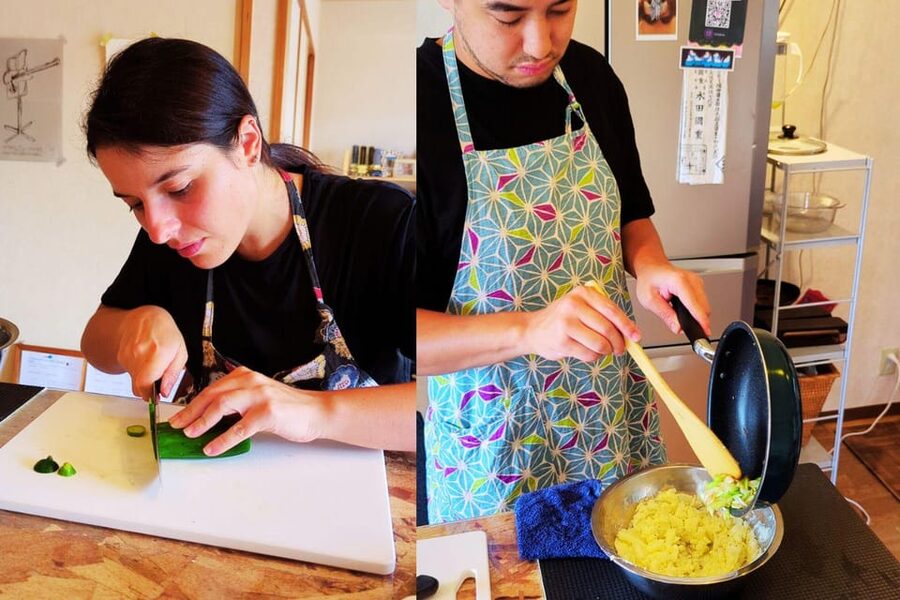
- Yuki teaches the whole process: Her 10 years of professional cooking experience shape a clear, hands-on lesson.
- Very small group: With no more than four participants, you get direct help with dough, folding, and cooking.
- A meal, not just a demonstration: Sit down and eat the ramen and crispy gyoza you made.
- Optional sake pairing: Add three 45-ml servings, including chilled Junmai, chilled Junmai Ginjo, and warm Junmai.
Why this Osaka cooking class is different
Many Japanese cooking lessons focus on familiar home dishes, but this one deals with foods that are usually built around wheat. Ramen noodles and gyoza wrappers are normally made with wheat flour, so replacing that ingredient without losing a pleasant texture is the central challenge.
Here, you work with rice flour and learn how the recipes are shaped for gluten-free cooking. That gives the class a practical purpose beyond a single meal. You can take the recipes and techniques home, which is especially helpful if gluten-free Japanese food is difficult to find where you live.
The setting also changes the tone. This is held in Yuki’s home at 4-19 Nukata-cho, not in a large cooking school with a production-line feel. The building is a clean, welcoming residential-style place in a quiet neighborhood, marked by a sign at the entrance.
You walk about five minutes from Nukata Station. Detailed directions arrive after booking, which matters because residential Osaka can be less obvious than a major restaurant street. Give yourself enough time to find the entrance without rushing into the class.
More Japanese Cooking Classes in Osaka
- Sushi Making Osaka Roll and Authentic Japanese Sushi Class
★ 5.0 · 1,220 reviews - Osaka Sushi Making Experience
★ 5.0 · 400 reviews - Osaka: Ramen and Gyoza Cooking Class in Dotonbori
★ 5.0 · 378 reviews
Meeting chef Yuki in her home kitchen
Yuki is the sole instructor, and she teaches in English. Her background includes more than 10 years of professional culinary work, along with more than a year teaching international participants.
That combination matters in a class like this. You are not simply watching someone move quickly through a familiar recipe. You need clear guidance when handling rice-flour dough, shaping wrappers, and timing several dishes at once.
The group limit of four makes the lesson personal. You can ask questions as you work, and Yuki can correct your technique rather than leaving you to copy from the other side of a crowded room. Several parts of the class require a bit of feel, especially noodle texture and dumpling folding, so direct attention is useful.
No previous cooking experience is needed. Come in comfortable clothing suitable for kitchen work, and arrive ready to eat afterward. The advice to come hungry applies both to the food and to the amount of information packed into three hours.
Making gluten-free ramen noodles from rice flour
The first major task is the ramen itself. You make noodles from rice flour and follow the process step by step, working toward a chewy texture without wheat.
This is the part I would value most if I wanted to recreate the meal at home. A bowl of ramen can look simple once it reaches the table, but the noodles carry much of the dish’s character. Learning how the rice-flour mixture is handled gives you a better chance of repeating the recipe instead of merely remembering that it tasted good in Osaka.
The class is hands-on, so you are part of the preparation team. That means the experience includes the less glamorous but useful work of mixing, shaping, and getting the components ready at the right time.
The rice-flour method is also a good example of the class’s wider idea: traditional Japanese dishes can be adapted without giving up the pleasure of making them by hand. You do not just receive a gluten-free substitute. You learn how the substitute becomes a finished noodle.
Soy sauce ramen and a tomato twist
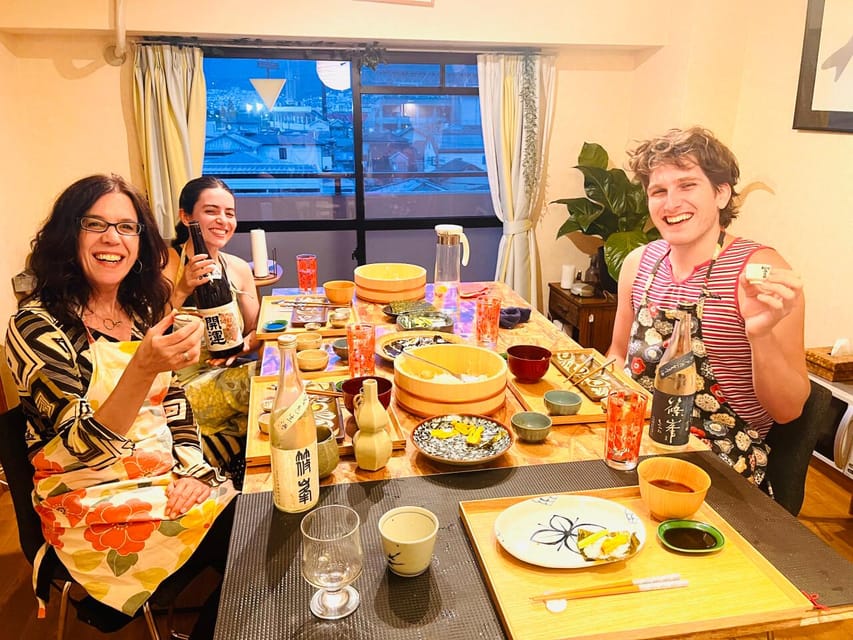
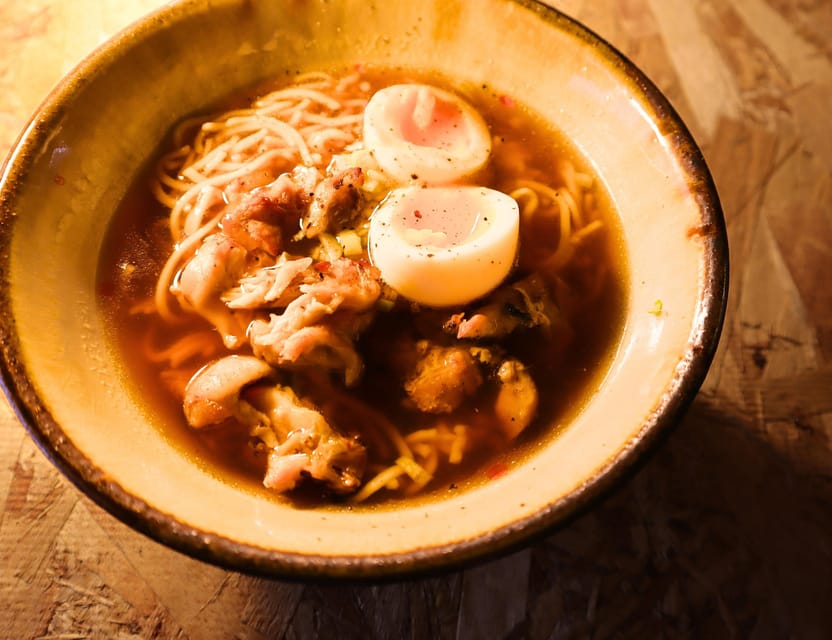
Once the noodles are ready, the class turns to two broths. The first is soy sauce ramen, a savory style that gives you a familiar base for understanding Japanese flavoring.
You learn how to build the broth and pair it with the handmade noodles. The class presents a gluten-free version of the dish, so the ramen portion is not an afterthought added for dietary convenience. It is one of the main reasons to book.
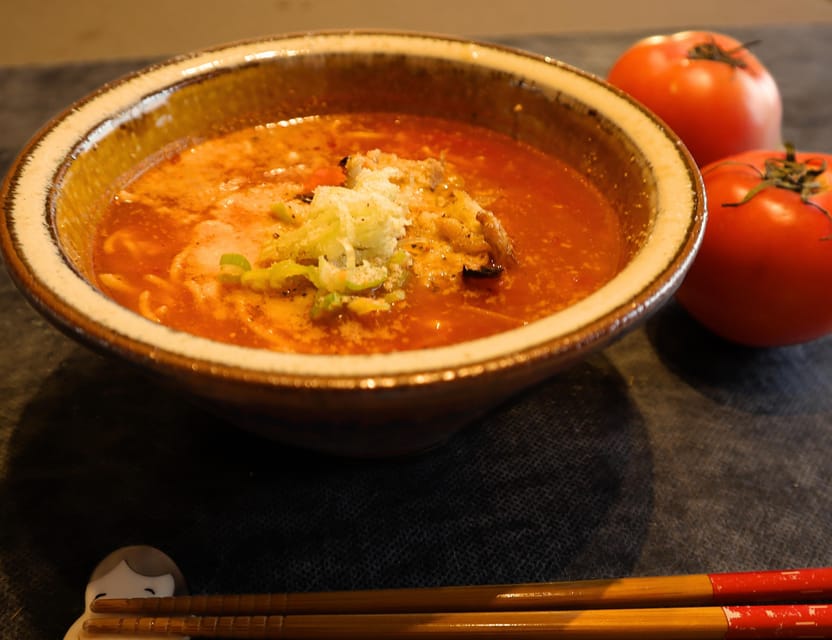
The second bowl is tomato ramen. It has a tangy, refreshing character and offers a modern change from the more traditional soy-based flavor. Tomato ramen is still relatively uncommon in Japan, so making it here gives you something you are less likely to encounter in a standard Osaka meal.
Preparing two broths also adds variety to the meal. You can compare how the same handmade noodle behaves with different flavors, rather than spending the entire class on one bowl. It also helps explain why the price is higher than a short demonstration: there are several separate dishes to prepare, cook, and taste.
Same city, a completely different kind of day:
- Osaka Go Karting Tour with Funny Costume
★ 5.0 · 2,658 reviews - Osaka Castle: Museum and Tower Entry Ticket
★ 4.5 · 2,380 reviews - Osaka: Shinsekai Food Tour with 13-15 Dishes at 5 Eateries
★ 4.8 · 2,204 reviews - Osaka Food Tour: 13 Dishes at 5 Local Eateries
★ 5.0 · 2,149 reviews
Rolling gyoza wrappers and shaping dumplings
After the ramen work, you make gyoza wrappers from rice flour. This is another useful lesson for anyone who normally has to avoid wheat, since ready-made dumpling wrappers are often the difficult part of making gyoza at home.
You prepare a savory filling, place it into the wrappers, and learn the folding technique. Yuki guides you toward the neat pleated shape associated with gyoza, but the class is not presented as a test of artistic talent. Beginners can take part, ask for help, and improve as they make each dumpling.
The folding stage is likely to be one of the most social parts of the class. Everyone works with the same basic ingredients, but each person’s first few dumplings may look a little different. That is part of the fun, and it gives you a practical memory to take home.
Cooking the gyoza is where the texture comes together. The dumplings are pan-fried until the outside is crisp while the inside stays tender. You learn the basic timing and handling needed to reach that contrast, which is the detail that turns homemade dumplings from soft parcels into proper crispy gyoza.
Sitting down to eat what you made
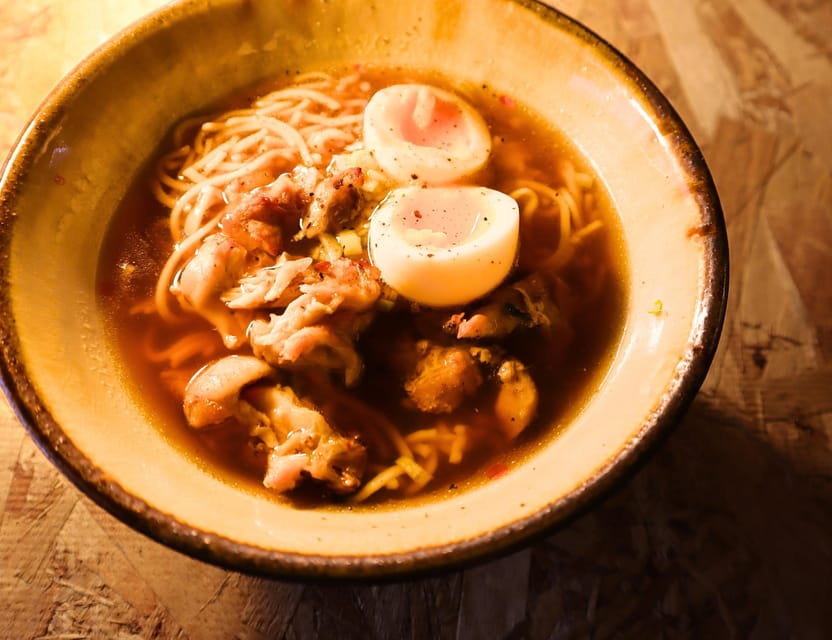
The class ends in a cozy dining area, where you eat the ramen and gyoza you prepared. This final meal gives the three hours a clear payoff, but it also lets you judge the techniques while they are still fresh in your mind.
You can taste the difference between the soy sauce ramen and tomato ramen, then pair them with the dumplings. That makes the meal feel like a small Japanese food lesson rather than a plate of dishes served without context.
Yuki guides the discussion around the flavors and explains how the sake pairing works if you choose to add it. The tone is relaxed and conversational, with time for questions and stories about Japanese cuisine.
The food is prepared in a home setting, so expect an intimate meal rather than a formal restaurant service. That personal setting is a major part of the appeal, though anyone who prefers a polished commercial kitchen may find the home format less familiar.
The optional sake pairing
Sake is not part of the basic inclusions, but you can add a pairing of three 45-ml servings. The selection includes chilled Junmai, chilled Junmai Ginjo, and warm Junmai.
This is a modest tasting rather than a night of drinking. The small pours let you compare different sake styles alongside the food without making alcohol the main event.
The pairing is most useful if you want a little more cultural context with the meal. Yuki explains how the sake complements the ramen and gyoza, giving you a chance to notice how temperature and style affect the food.
If you do not drink alcohol, the cooking class and full meal remain the main experience. The class does not depend on the sake option.
What the $103 price buys you
At $103 per person, the class costs more than ordering ramen and gyoza in Osaka. That comparison is fair, but it leaves out what you receive.
The price covers three hours of instruction, a personal English-speaking chef, hands-on preparation, recipes and tips, and a full meal of your own creations. The group is limited to four, which is a much smaller format than many food activities.
I see the best value in the specialized recipes. Gluten-free visitors often spend extra time searching for safe and suitable Japanese dishes, and this class gives you several techniques that can continue to help after the trip.
It is also good value for a couple or small group that wants a shared activity. You are not paying only for food. You are paying for time with Yuki, a practical lesson, and a meal that marks the end of the work.
Still, this is not the right pick if you only want to eat ramen quickly or if you dislike cooking on holiday. The activity asks you to participate for the full three hours, and the value depends on your interest in learning as much as on the amount of food.
Who should book this experience
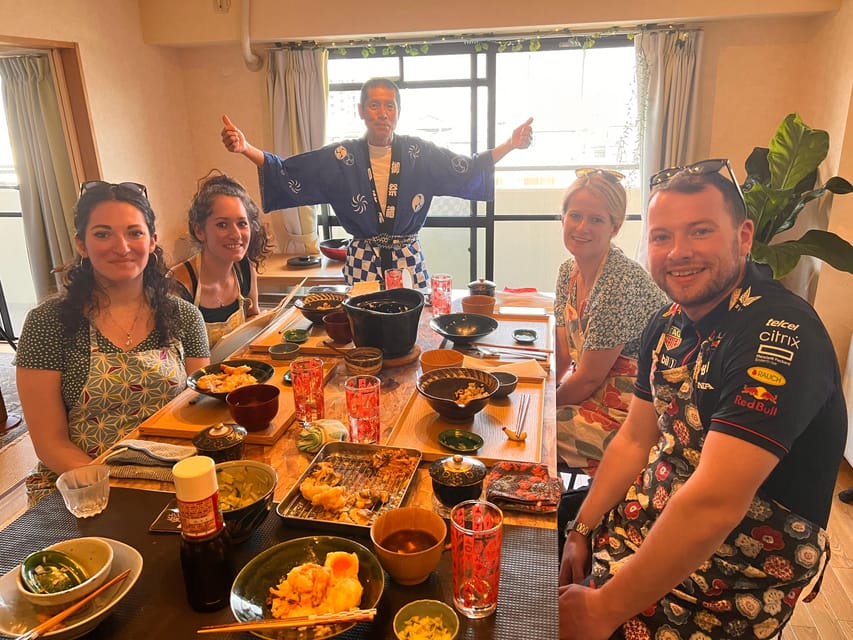
This class is a strong fit for people who need or prefer gluten-free food and want more than a restaurant meal. It is also well suited to home cooks who want to learn how to make noodles and dumpling wrappers from rice flour.
Beginners should feel comfortable booking. Yuki’s teaching style is patient and clear, and the class is designed for people with different cooking skill levels. You do not need to arrive with experience in ramen, gyoza, or Japanese cuisine.
Couples and small groups will appreciate the four-person limit. The activity has a social side, but it does not put you in a large room where individual questions are hard to ask.
It may be less suitable for someone seeking a broad Osaka food tour. You stay in one home and focus closely on two ramen styles and gyoza, rather than moving between markets, restaurants, and neighborhoods.
The activity is listed as not suitable for people over 95. Comfortable clothes are required, and transportation to the venue is not included.
Planning your three hours near Nukata Station
The meeting point is a short walk from Nukata Station, about five minutes according to the directions. You should plan your route before setting out and use the detailed instructions provided after booking.
Because the class takes place in a quiet residential area, do not expect the visual cues of a major attraction or busy shopping district. Look for the welcoming sign at the entrance of the residential-style building.
The activity has a flexible start time based on availability, so check the schedule that fits your Osaka plans. It is best placed when you can give the full three hours your attention, rather than trying to squeeze it between tightly timed sightseeing stops.
The class includes a full meal, so you can treat it as a substantial lunch or dinner depending on the start time. Comfortable clothing is the only listed item to bring, and no cooking equipment is required.
Free cancellation is available up to 24 hours before the start for a full refund. You can also reserve now and pay later, which helps if your Osaka schedule is still shifting.
What the five-star feedback points to
The strongest praise centers on Yuki’s teaching. James from Australia described the class as fully hands-on and praised Yuki as both an accomplished chef and teacher. Corinne from the United States valued her patience and ability to work with different cooking levels.
That pattern is important. The main strength is not simply that the finished food tastes good. It is that Yuki explains each stage, answers questions, and keeps the cooking moving without making beginners feel out of place.
The food itself receives equal attention. Elena enjoyed the sequence of dishes and the chance to learn about Japanese cuisine, while Lucia liked the practical recipes and planned to recreate the meal at home.
Several people singled out the home setting. Rachael appreciated the small, intimate format, and Eyal liked the comfortable feel of having everything needed to cook in a home. That setting creates a personal encounter, though it also means you should choose this activity for its friendly kitchen atmosphere rather than for a formal culinary studio.
The overall rating is 5 out of 5 from 42 reviews. The praise is consistent across visitors from Australia, the United States, Europe, Asia, and the Middle East, with Yuki’s kindness, clear explanations, and tasty food appearing again and again.
Should you book the gluten-free ramen class?
Book it if you want to understand how gluten-free Japanese food is made, not just find a meal that fits your diet. The combination of rice-flour ramen, two broths, handmade gyoza wrappers, crispy dumplings, and recipes to take home gives the experience lasting value.
I would also recommend it to anyone who enjoys small-group cooking and meeting a local chef in a home setting. Yuki’s patient instruction is a major reason this works for beginners as well as more experienced cooks.
Skip it if $103 feels too high for a cooking activity, or if you would rather spend your Osaka hours eating and sightseeing. But for gluten-free diners, home cooks, and anyone wanting a personal food lesson, this is one of the more useful ways to spend three hours in Osaka.
FAQ
How long is the Osaka gluten-free ramen and gyoza class?
The class lasts three hours, with starting times based on availability.
Where is the cooking class held?
It is held at 4-19 Nukata-cho in Osaka, in a Japanese-style home. The venue is about a five-minute walk from Nukata Station, and detailed directions are provided after booking.
How many people can join the class?
The group is limited to four participants, creating a small setting with direct access to the instructor.
Is the class taught in English?
Yes. The instructor, Yuki, teaches in English.
Do I need cooking experience?
No. Previous cooking experience is not required. Yuki provides step-by-step instruction for the noodles, broths, wrappers, filling, folding, and cooking.
What food will I make?
You will make gluten-free ramen noodles from rice flour, soy sauce ramen, tomato ramen, gluten-free gyoza wrappers, gyoza filling, and pan-fried dumplings. The class includes a full meal of your creations.
More Workshops in Osaka
- Matcha Making Class in Osaka with Authentic Japanese Sweets Set
★ 5.0 · 509 reviews - Osaka Sushi Making Class – Hands-On Nigiri & Rolls (Same-Day OK)
★ 5.0 · 352 reviews - Osaka: Roll and Authentic Sushi Making Class in Dotonbori
★ 4.9 · 239 reviews - Osaka: Sushi Class in Dotonbori
★ 4.9 · 160 reviews
More Cooking Classes in Osaka
- Osaka Cooking Class: Okonomiyaki &Japanese cuisines experience
★ 5.0 · 261 reviews - Osaka Sake Tasting with Takoyaki Cooking
★ 5.0 · 156 reviews - Osaka Sake Tasting & Takoyaki Cooking Experience
★ 5.0 · 149 reviews - Osaka: Cooking Class Ramen & Gyoza Course in Nanba
★ 4.9 · 86 reviews
Just added around Osaka
- (Ticket Included) Explore Osaka Castle & Museum of History★ 4.8 · 21 reviews
- Hidden Osaka – Yukaku Red Light Tour & Culinary Adventure★ 4.8 · 96 reviews
- Osaka: Walking Tour and Top Highlights★ 4.8 · 104 reviews
- Osaka: Private Ceramic Painting Workshop★ 5.0 · 13 reviews
- Pickleball in Osaka, Kobe & Kyoto with Locals!★ 4.7 · 80 reviews
- Eat Like a Local in Osaka – Private Custom Street Food Tour★ 4.3 · 33 reviews
- Osaka:SUMO BEATS SHOWCASE: Taiko Drum and Wagyu burger!★ 4.2 · 37 reviews
- Kimono photoshoot-Includes 100 photo data★ 5.0 · 21 reviews
Japanese Cooking Classes, compared.
Sushi Making Tokyo Roll and Authentic Japanese Sushi Class
Read our review →
Roll and Authentic Sushi Making Class in Asakusa
Read our review →
Ramen Cooking Class at Ramen Factory in Kyoto
Read our review →
Sushi Making Class in a Happi Coat near a Famous Spot
Read our review →
Sushi Making Osaka Roll and Authentic Japanese Sushi Class
Read our review →
Tokyo Sushi Making Class in Tsukiji with Professional Chef
Read our review →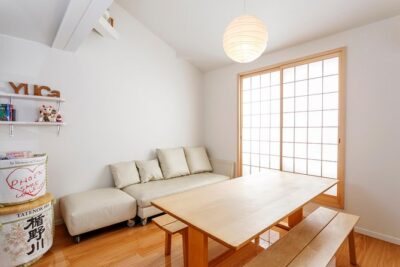
Ramen & Gyoza Cooking Class in Tokyo with Local Supermarket Visit
Read our review →
Tsukiji Fish Market Guided Tour and Sushi Making with Pro Chef
Read our review →Browse the lists this tour appears in