REVIEW · FOOD MARKET TOURS
Nishiki Market Food Tour with Cooking Class
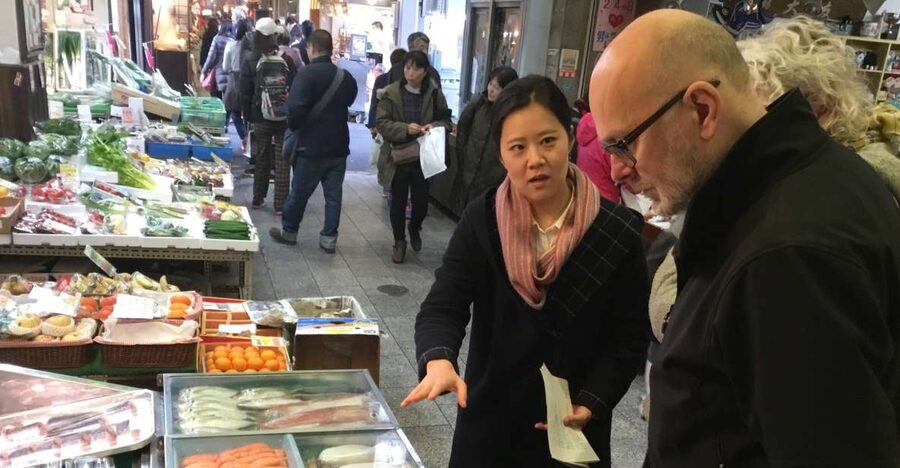
Nishiki Market makes little sense when you hurry through it alone. You can walk its length in 15 minutes, but with a local guide such as Chie, Momo, or Mio explaining the stalls, ingredients, customs, and shop specialties, the same market becomes a one-hour food lesson. I especially like the private format, which gives you room to ask questions and request substitutions, and the fact that you cook with ingredients chosen during the visit.
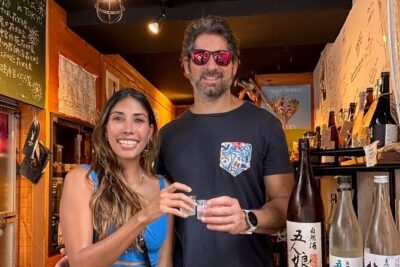
I also like the practical mix of tasting and cooking: free Japanese pickle samples, market bites, an optional tasting of three sakes, and a meal you prepare yourself. The main consideration is that the market portion may feel brief if you want lots of tastings or shopping, and one recent booking found a seafood ingredient disappointing. Bring an appetite, but save extra shopping for afterward.
In This Review
- Key points at a glance
- Why Nishiki Market needs a guide
- What you learn among the market stalls
- Choosing your donburi meal
- A cooking class built for participation
- How the meal and tastings fit together
- What the private format is worth
- Timing, meeting point, and the practical details
- What I like most about the experience
- What could be better
- Who should book this Nishiki Market experience?
- FAQ
- Where does the Nishiki Market Food Tour with Cooking Class begin?
- How long does the experience last?
- Is the tour private?
- Which languages are available?
- Which donburi dishes can I prepare?
- Are the cooking ingredients included?
- Is sake tasting included?
- Is transportation included?
- Can I cancel or pay later?
Key points at a glance
- A one-hour guided look at Nishiki Market: Learn which stalls are historic, what Kyoto ingredients are known for, and how to behave in a crowded food market.
- Three donburi choices: Prepare kaisen-don with seafood, ten-don with tempura, or oyako-don with chicken and egg.
- A private English-speaking guide: Ask questions freely, request help translating with shop staff, and move at your group’s pace.
- Tastings built into the walk: Try Japanese pickles and other sample foods, with three types of sake available as an optional tasting.
- Ingredients and taxi included: Your donburi ingredients, recipe, and taxi ride from the market to the cooking studio are covered.
- Good for families and keen home cooks: The class includes clear instruction, presentation tips, sauce advice, and methods you can repeat at home.
Why Nishiki Market needs a guide
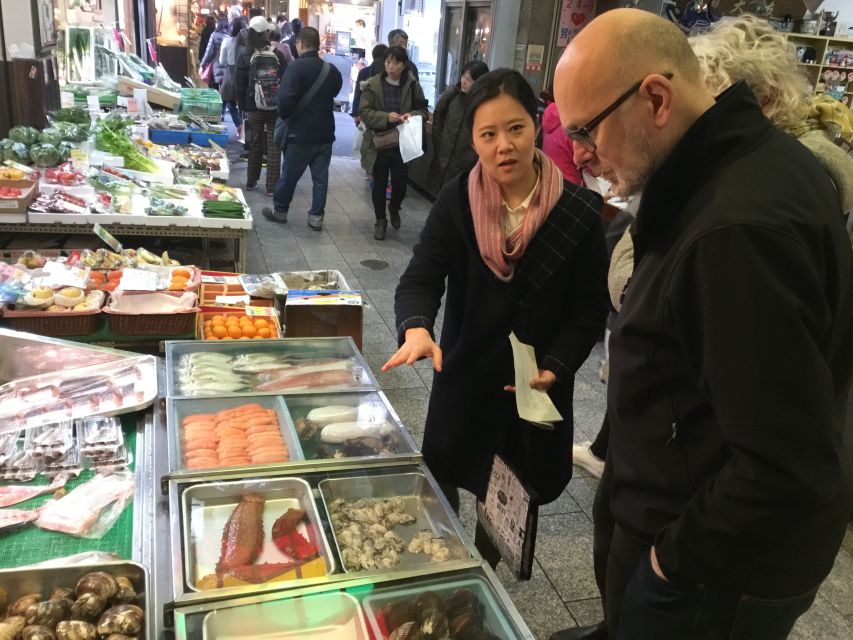
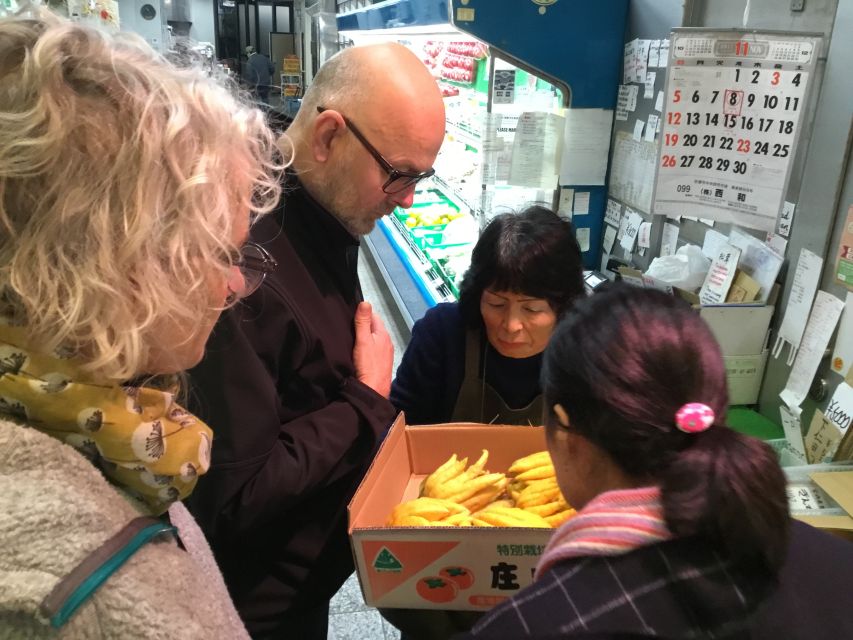
Nishiki Market is often called Kyoto’s kitchen, and the nickname fits. It is a long food arcade packed with stalls selling pickles, spices, seafood, meat, sweets, seasonings, and prepared foods. The challenge is not finding something to eat. The challenge is knowing what you are looking at, which shops matter, and how to taste without getting in the way.
That is where this tour earns its keep. Your guide meets you at the western entrance, gives you a short briefing, and then leads you through the market for about an hour. You can ask about unfamiliar foods, local customs, and the purpose of ingredients you might otherwise pass without noticing.
A good guide also helps with language. If a shop staff member has information that is not clear in English, your guide can help translate. That small service changes the tone of the visit. Instead of pointing at a jar or skewer and guessing, you can ask what it is, how it is used, and why the shop is known for it.
Several guides associated with this experience, including Chie, Momo, and Mio, have been praised for their English and their ability to explain Japanese cooking in a clear, friendly way. The exact guide depends on the date, but the activity is designed around an English-speaking instructor.
More Food Market Tours in Kyoto
- Nishiki Market Brunch Walking Tour (7 Tastings + Brunch)
★ 5.0 · 1,355 reviews - Kimono Tea Ceremony at Kyoto Maikoya, NISHIKI
★ 5.0 · 911 reviews - Kyoto Nishiki Market Food and Culture Walking Tour
★ 5.0 · 412 reviews
What you learn among the market stalls
The most useful part of the walk is the context. Nishiki has plenty of modern, tourist-focused stalls, but the tour can help you spot older shops and understand what each one is known for. One useful point is that the market is not just a row of snack counters. It also reflects Kyoto’s long food traditions and its taste for carefully made ingredients.
You might stop to learn about:
- Japanese pickles and the different vegetables used
- Spices and sauces common in Kyoto cooking
- Seafood and ingredients used in donburi
- Meat and other fresh foods sold by specialist shops
- Local products that make good purchases for later meals
The included pickle tastings are a simple but worthwhile feature. Pickles can look alike from one stall to the next, yet vary in salt, sourness, sweetness, and texture. Sampling them helps you understand why they appear so often beside rice and main dishes.
You may also taste other sample foods during the walk. The exact selection can vary because it depends on what is available at the market. If you choose the optional sake tasting, you can try three different types. Sake is not required, so you can skip it if you prefer to keep the focus on food or are traveling with children.
Your guide also explains a rule that is easy for first-time visitors to miss: Nishiki is not generally a place for walking and eating at the same time. You should eat samples near the stall where you bought them, rather than carrying food through the crowded passage. Knowing this helps you avoid an awkward mistake and shows respect for the market’s everyday customs.
Choosing your donburi meal
After the market visit, you travel by taxi to the cooking studio. The taxi cost is included, which makes the transition easier, especially if you have shopping bags or are trying to stay on schedule. The class and meal take about an hour, bringing the full experience to roughly 150 minutes.
You choose one of three bowl dishes:
- Kaisen-don: A seafood rice bowl
- Ten-don: A tempura rice bowl
- Oyako-don: A chicken and egg rice bowl
The ingredients for the cooking class are included in the price. This matters because you are not paying an entry fee and then buying a second meal on top. The food you prepare becomes your lunch, and the recipe gives you something practical to take home.
The private setup also allows some flexibility. Different members of the same group can choose different dishes, and past bookings have included more than one option in a single class. Substitutions may be possible if you ask. One group arranged tofu instead of chicken, but you should make requests in advance or as early as possible rather than assume every change can be made.
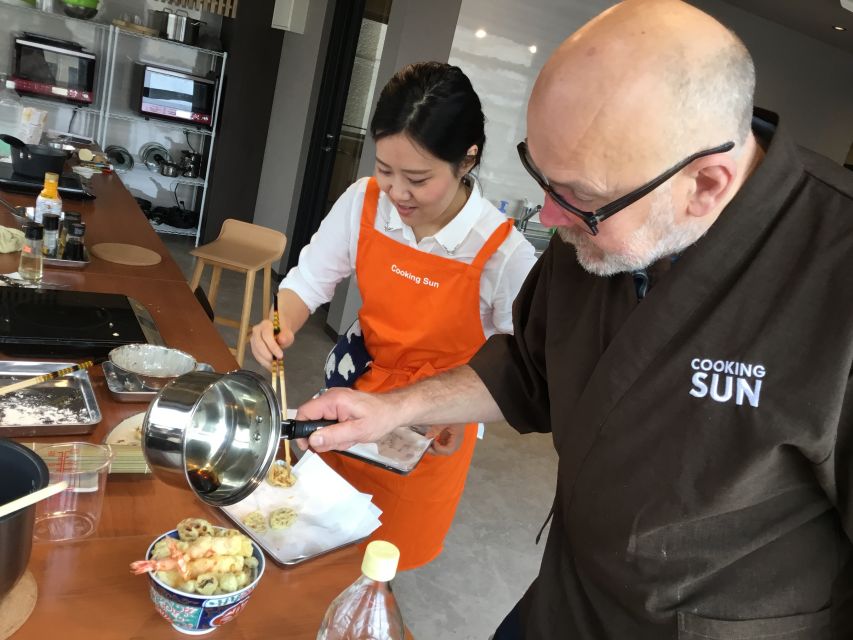
The choice of bowl lets you match the class to your interests. Kaisen-don is the most direct link to the seafood stalls you see in the market. Ten-don gives you a hands-on look at frying and presentation. Oyako-don is likely the most approachable choice for a home cook, since chicken, egg, and rice are easy to find in many countries.
A cooking class built for participation
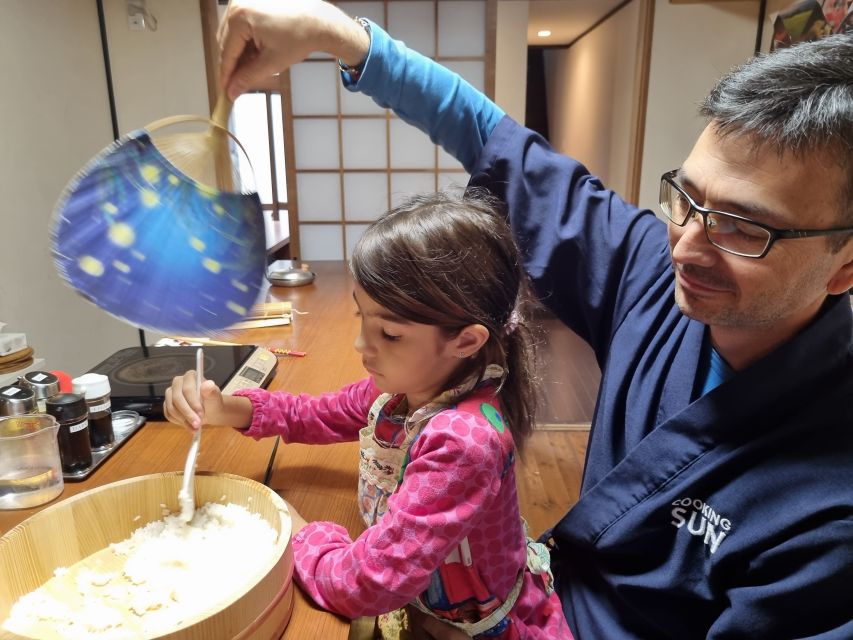
This is not a demonstration where you sit quietly while someone else prepares lunch. You take part in the work, with the guide leading you through each step. The studio is described as clean, well stocked, and set up specifically for cooking classes.
The instruction goes beyond simply making the food edible. You can expect advice on how to make a dish look attractive, how sauces differ, and which brands or types of ingredients to use. For someone who already cooks, these details may be the most valuable part of the class. You are learning small choices that affect flavor and appearance, not just following a recipe mechanically.
The pace is also suited to questions. Because your group is private, you can stop to ask why a particular step matters or how to adapt the recipe at home. That would be harder in a large class where an instructor has to keep several unrelated groups moving together.
Families can benefit from this setup. Children can take part in the preparation, and the three dish choices give a group some variety. The work keeps everyone involved, rather than leaving younger participants watching from the side. Still, the exact level of help for children will depend on their age and the instructor on your date.
More Japanese Cooking Classes in Kyoto
- Ramen Cooking Class at Ramen Factory in Kyoto
★ 5.0 · 1,937 reviews - Sushi Making in Kyoto! Same-day bookings welcome!
★ 5.0 · 713 reviews - Kyoto: Ramen Cooking Class at a Ramen Factory with Souvenir
★ 4.9 · 532 reviews - Kyoto: Ramen, Gyoza, and Onigiri Cooking Class
★ 5.0 · 445 reviews
How the meal and tastings fit together
The market walk and cooking class support each other well. First, you see ingredients in their original setting. Then, you use selected ingredients in a bowl meal. That sequence gives the tour a clear purpose: the market is not only sightseeing, and the class is not disconnected from Kyoto’s food culture.
Small side dishes may be purchased by the guide for the meal, based on what suits the group. This can include Japanese sides that help round out the donburi. It is a thoughtful touch, but do not confuse it with unlimited market eating. Food you want to buy for yourself is not included.
You should also clarify the shopping plan at the start. The tour is designed to keep moving from the western entrance through the market and then to the studio. If you want to buy several items, you may prefer to return to Nishiki after the class. The market portion is meant for tasting, learning, and selecting cooking ingredients, not for a long private shopping session.
What the private format is worth
At $109 per person, this is not the cheapest way to eat at Nishiki Market. You could spend far less on a rice bowl or a few snacks. The value comes from combining several services in one small-group experience: a local English-speaking guide, tastings, ingredients, a private cooking lesson, a recipe, your meal, and the taxi to the studio.
For a solo visitor, the cost may feel high compared with simply eating at the market. For a couple, family, or small group that wants a shared activity, the calculation improves. You are paying for interpretation and instruction, not only food.
I would especially consider it worthwhile if you are curious about Japanese cooking and expect to use the recipe at home. The class covers dashi and other basic techniques, along with sauces, ingredient choices, and presentation. Those lessons can keep paying off after your Kyoto trip ends.
The price also includes ingredients for all three listed dish types, but you should confirm the final choice and any substitutions when booking. One seafood bowl was judged less successful because the tuna was fatty and not especially good. That is a useful reminder that market ingredients can vary from day to day. The overall meal may be enjoyable, but this is not a guarantee of restaurant-level seafood quality at every visit.
Timing, meeting point, and the practical details
Plan to arrive at the western side entrance of Nishiki Market. The tour begins with a briefing, followed by about an hour in the market and about an hour in the kitchen. The listed duration is 150 minutes, so allow enough time around the activity for the taxi transfer and the end of the meal.
Starting times vary, and you need to check availability for your date. The activity is private, with English instruction, which makes it a good choice if you want to set the pace around your group’s questions and interests.
Free cancellation is available up to 24 hours before the start time for a full refund. You can also reserve and pay later, useful if your Kyoto schedule is still taking shape. These policies do not change the experience itself, but they make it easier to fit into a busy Japan itinerary.
Wear something comfortable for standing and walking through the market, and avoid arriving overly full. The tour includes samples, possible sake, and a complete donburi meal. If you hope to buy fragile or chilled foods, remember that you will continue to the cooking studio before the activity ends.
What I like most about the experience
The strongest feature is the chance to ask ordinary questions without feeling rushed. Why is one stall famous for pickles? How should you use a particular sauce? What is the difference between two similar ingredients? A private guide can respond to the questions that matter to you, rather than sticking to a fixed speech.
I also like that the guide can point out places worth revisiting. Nishiki is large enough that you may forget a shop’s location once you leave. A short list of good stalls and foods can save you time when you return later on your own.
The cooking class has real practical value. You learn how to prepare a traditional rice bowl, but you also pick up advice on making the dish look good and selecting ingredients. Several past participants planned to repeat the recipes at home, which is a fair test of whether a cooking class has done its job.
The atmosphere sounds warm and personal, too. Guides such as Chie and Mio have been praised for strong English, patience, and enthusiasm for Japanese food. Those qualities matter more here than theatrical presentation. You want someone who can explain a market stall, answer a follow-up question, and adjust the lesson to your group.
What could be better
The market walk may not satisfy you if your main goal is to eat your way through Nishiki. The schedule gives you about an hour, and the group must eventually leave for the studio. You will have time for samples, but not unlimited browsing, lingering, and private shopping.
The market can also be crowded. One booking described the guide as helpful under those conditions, but a busy passage naturally limits how long you can stop at each stall. Keep your expectations realistic: this is a guided introduction, not a full-day food crawl.
The quality of a particular ingredient can vary. Seafood is especially dependent on what is available that day, so choose kaisen-don because you like the dish and the learning experience, not because you expect a carefully selected restaurant tasting.
Finally, the tour is best for people who want to participate. If you would rather watch a chef cook while you relax, this may feel too active. The point is to prepare your own lunch, ask questions, and learn enough to repeat some of the methods later.
Who should book this Nishiki Market experience?
I would recommend it to first-time visitors who want a clear introduction to Kyoto food without spending a full day on a formal food tour. It also suits home cooks, couples, families, and small private groups with different food interests.
Choose it if you value explanation over speed, want an English-speaking guide, or like the idea of turning market ingredients into lunch. The private format is particularly useful for families, people with specific food preferences, and anyone who dislikes large group classes.
I would skip it if you only want the lowest-cost meal in Nishiki, need a long block of time for shopping, or prefer a relaxed restaurant lunch. In that case, explore the market independently and spend the $109 elsewhere.
For most visitors who want both cultural context and a hands-on meal, this is a well-balanced Kyoto activity. The market walk gives you a better eye for local foods, and the cooking class makes the lesson useful beyond the day itself.
FAQ
Where does the Nishiki Market Food Tour with Cooking Class begin?
Meet your English-speaking guide at the western side entrance of Nishiki Market.
How long does the experience last?
The listed duration is 150 minutes. Typically, about one hour is spent in Nishiki Market and about one hour is spent cooking and eating, with a taxi transfer between the market and studio.
Is the tour private?
Yes. It is offered as a private group, so you can ask questions and move at your group’s pace.
Which languages are available?
The activity is conducted in English, and the instructor language is English.
Which donburi dishes can I prepare?
You can choose kaisen-don, a seafood bowl; ten-don, a tempura bowl; or oyako-don, a chicken and egg bowl.
Are the cooking ingredients included?
Yes. Ingredients for the donburi class are included, along with the recipe.
Is sake tasting included?
Three different types of sake are available as an optional tasting. The tour also includes sample foods and free Japanese pickle tastings.
Is transportation included?
The taxi cost from Nishiki Market to the cooking studio is included. Food you decide to buy for yourself at the market is not included.
Can I cancel or pay later?
You can cancel up to 24 hours in advance for a full refund. A reserve-now, pay-later option is also available.
More Food & Drink in Kyoto
- Kyoto Night Foodie Tour in Gion (9+ dishes + 6 Sake tastings)
★ 5.0 · 1,762 reviews - 3-Hour Kyoto Insider Sake Brewery Tour with Tastings & Pairings
★ 5.0 · 917 reviews - Arashiyama Bamboo, Temple, Monkeys, or Secret Sake Brewery
★ 4.8 · 886 reviews - Kyoto: Insider Sake Brewery Tour with Sake and Food Pairing
★ 5.0 · 704 reviews
More Cooking Classes in Kyoto
- Kyoto: Japanese Washoku Bento Small Group Cooking Class
★ 5.0 · 380 reviews - Kyoto Ramen and Gyoza Cooking Class with Professional Chefs
★ 5.0 · 282 reviews - Kyoto: Afternoon Japanese Izakaya Cooking Class
★ 4.9 · 241 reviews - Izakaya Style Cooking Class
★ 5.0 · 219 reviews
Just added around Kyoto
- Taste of Nishiki Market Walking Food Tour with Local guide★ 5.0 · 17 reviews
- Kyoto: Sushi Making Class with Sushi Chef★ 4.8 · 64 reviews
- Kyoto: City Secrets eBike Tour★ 4.9 · 196 reviews
- Sacred Pathways: Discover the Philosopher’s Path of Kyoto★ 4.9 · 20 reviews
- Private Tour to Monkey Park and Arashiyama Highlights★ 5.0 · 22 reviews
- Private Nara Tour from Osaka – Meet at Your Hotel★ 5.0 · 22 reviews
- Private Sake Tasting in Central Kyoto with Sake Sommelier★ 5.0 · 13 reviews
- Kyoto : Private Custom Walking Tour With A Local Guide★ 4.6 · 144 reviews
Food Market Tours, compared.
Shinjuku Food Tour (13 Dishes at 4 Local Eateries)
Read our review →
Tokyo Tsukiji Fish Market Food and Culture Walking Tour
Read our review →
Shinsekai Food Tour with 13-15 Dishes at 5 Eateries
Read our review →
Osaka Food Tour: 13 Dishes at 5 Local Eateries
Read our review →
Shinjuku Food Tour (15 Dishes and 4 Eateries)
Read our review →
Best of Shinjuku: Izakaya Food Tour (4 Stops, 14+ Tastings)
Read our review →
Hungry Osaka Street Food Tour:15 Tastings & 3 Drinks with a Local
Read our review →