
REVIEW · TEA CEREMONY EXPERIENCES
Nerikiri and Matcha Making Class in Kyoto
The most appealing part of this Kyoto class is that you do not just taste a wagashi sweet, you shape five nerikiri designs yourself. The instructor explains the dough, demonstrates each form, and guides you through the delicate work with traditional tools. Then you make table-style matcha and sit down to enjoy the results.
I like the calm pace and the useful follow-up: you receive two versions of the nerikiri dough recipes by email after class. I also like the small group, capped at eight people, which gives you a better chance to see each demonstration and ask for help. The main drawback is the firm, non-refundable booking policy, so you should reserve only when your Kyoto plans are settled.
In This Review
- Key points at a glance
- Why nerikiri makes a memorable Kyoto class
- Meeting at Matsugasaki Station at 10:00 a.m.
- Inside the instructor’s home kitchen
- First lesson: understanding the nerikiri dough
- Five designs and several shaping techniques
- Making table-style matcha
- Tasting the sweets and taking some home
- The $84.92 price and what you receive
- Who will enjoy this class most
- Booking details you should not overlook
- My recommendation for booking
- FAQ
- Where does the nerikiri and matcha class meet?
- What time does the class start?
- How long does the activity last?
- Where does the class finish?
- How many nerikiri designs will I make?
- Is matcha included?
- Can I take the nerikiri home?
- Will I receive the nerikiri dough recipe?
- Can children attend the class?
Key points at a glance
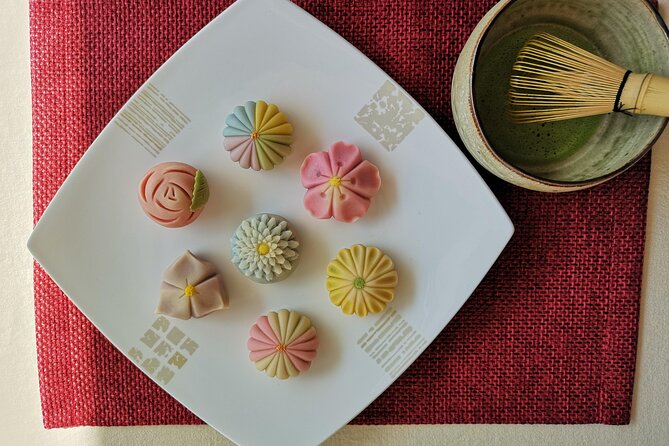
- Five designs in one class: Learn different shaping methods rather than making a single basic sweet.
- A quiet Kyoto kitchen setting: The class takes place in the instructor’s home, creating a personal atmosphere.
- Matcha is part of the lesson: Make table-style matcha, then pair it with your finished sweets.
- Useful take-home material: Keep your remaining nerikiri in a provided container and receive two dough recipes by email.
- Small group size: A maximum of eight participants helps keep the instruction hands-on.
- Convenient morning timing: Meet at Matsugasaki Station at 10:00 a.m. and finish back at the same meeting point.
Why nerikiri makes a memorable Kyoto class
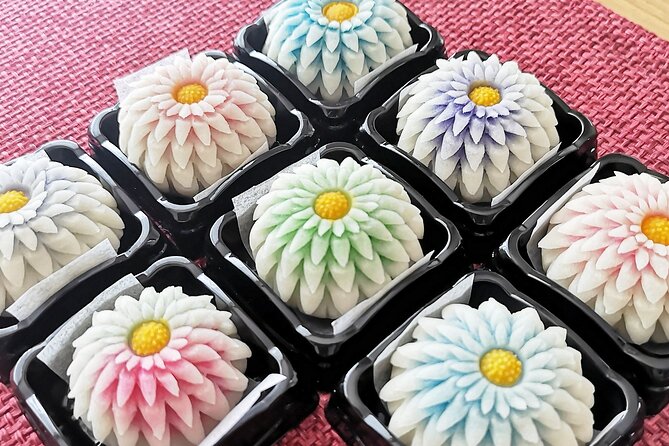
Nerikiri is a Japanese confection traditionally served at a tea ceremony. It is made mainly from sweet white beans and shaped into carefully formed designs. The result is part dessert, part small piece of edible art.
That combination makes this class different from a standard cooking lesson. You are not simply following a recipe and taking home a batch of cookies. Much of the appeal comes from learning how to handle the dough, control its shape, and use tools to create different details.
I think this suits you if you want an activity that feels connected to Japanese culture but does not require a full day or advanced cooking skill. The session lasts about two and a half hours, long enough to learn several techniques without taking over your entire Kyoto schedule.
The work is delicate, but the class is designed to be approachable. The instructor demonstrates each step before you try it, and the process is broken into five designs. That structure matters. You can focus on one technique at a time instead of trying to understand the whole craft at once.
More Tea Ceremony Experiences in Kyoto
- Kyoto: Tea Ceremony in a Traditional Tea House in Kiyomizu
★ 4.9 · 3,519 reviews - Kyoto: Tea Ceremony Ju-An at Jotokuji Temple
★ 4.9 · 3,207 reviews - Kyoto: 45-Minute Tea Ceremony Lesson Experience
★ 4.3 · 2,378 reviews
Meeting at Matsugasaki Station at 10:00 a.m.
Your meeting point is Matsugasaki Station, at Matsugasaki Rokunotsubocho in Sakyo Ward. The class begins at 10:00 a.m. and ends back at the meeting point, so you have a clear start and finish for planning the rest of your day.
The location is near public transportation, which is helpful in Kyoto, where a simple train or subway connection can save time over crossing the city by taxi. Private transportation is not included, so you need to arrange your own way to Matsugasaki Station.
I would allow enough time to find the station exit and reach the meeting point without rushing. A hands-on class begins better when you are ready to listen and work, rather than arriving with your phone in one hand and breakfast in the other.
The return to the same meeting point also makes this easy to combine with another Kyoto plan. You can schedule the class as a morning cultural activity, then continue to another part of the city afterward. Just remember that the end time is approximate because the class lasts about two hours and 30 minutes.
Inside the instructor’s home kitchen
The class takes place in the instructor’s home, rather than in a large commercial cooking studio. That gives the experience a more personal feel and helps explain why the group is limited to eight people.
A home setting can be a real advantage here. Nerikiri shaping depends on watching small movements closely, and a smaller room often makes demonstrations easier to follow. You should also expect the atmosphere to feel more intimate than a large group food tour.
The tradeoff is that only people taking the class may attend. There are no spectators, and friends or family members cannot simply come along to watch. If someone in your party wants to join, that person needs to book a place and meet the age requirement.
The class is for participants older than 10. That makes it a possible choice for families with older children, but the work is precise, so younger participants should be ready to listen carefully and handle the materials with patience.
First lesson: understanding the nerikiri dough
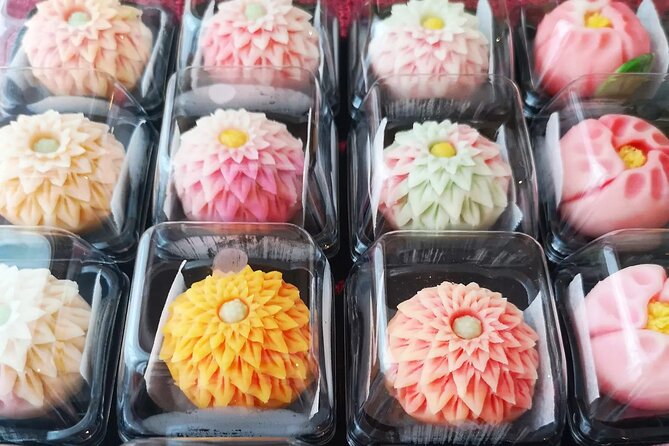
The instructor begins by explaining how nerikiri dough is made. The dough itself is prepared before the class, so you do not spend the session cooking the base mixture from raw ingredients.
That is both a strength and a limitation. It keeps the class focused on the most visual and hands-on part, shaping the sweets. You get more time to practice designs, but you do not watch the entire dough-making process from beginning to end.
After class, the instructor sends two versions of the nerikiri dough recipes by email. You need to provide an email address if you want them. This follow-up is useful because recreating nerikiri at home requires more than remembering the shape of the sweets. You need the proportions and method for the dough as well.
I would save the recipes with your Kyoto trip notes and label which version you prefer. Since the class focuses on several designs, the recipes give you a practical way to continue practicing after you return home.
Same city, a completely different kind of day:
- PERFECT KYOTO 1-Day Bus Tour
★ 5.0 · 13,518 reviews - Kyoto: Fushimi Inari, Kinkakuji, Bamboo Grove 1 Day Bus Tour
★ 4.8 · 4,316 reviews - Kyoto Geisha Walking Tour: Gion District & Hidden Gems
★ 4.7 · 3,273 reviews - Kyoto: Gion Magical Night Walking Tour with Geisha Trivia
★ 4.9 · 2,393 reviews
Five designs and several shaping techniques
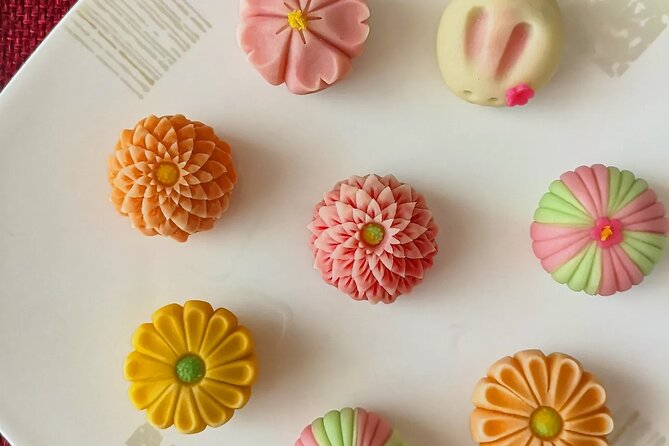
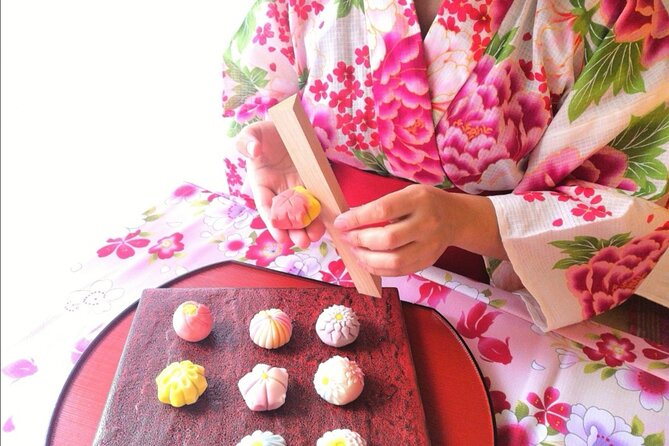
The central part of the class is making five nerikiri designs. The instructor explains and demonstrates each one step by step, then you shape your own sweet using different methods and various nerikiri tools.
This is where the class earns its price. You are learning a series of techniques rather than producing five identical pieces. Each design gives you another chance to work with the dough and see how small changes affect the final form.
The shaping is delicate, but it is described as very doable with guidance. The instructor is precise and organized, which matters when a design depends on an exact pinch, cut, or indentation. You should not expect every piece to look perfect on your first attempt, but the lesson gives you a clear process to follow.
I like the built-in variety. One design may help you understand the basic form, while another lets you use a tool or work with finer detail. Even if you never make nerikiri again, you will leave with a better sense of the care behind Japanese tea sweets.
The class also has a therapeutic quality. The work is quiet and repetitive in a good way. You focus on the dough in front of you, listen to the demonstration, and gradually turn a simple white-bean mixture into a shaped confection.
Making table-style matcha
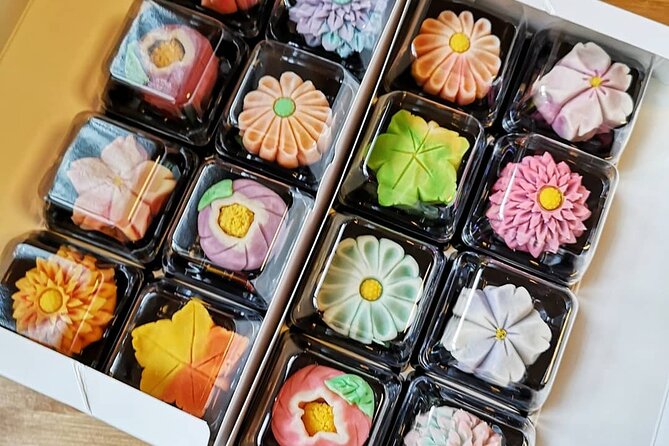
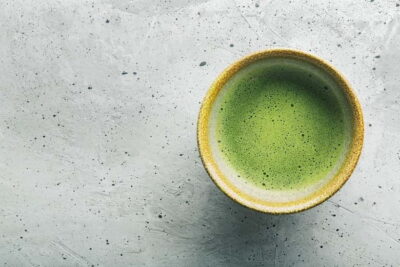
Once the nerikiri is shaped, you make matcha tea using a table-style method. This is not presented as a full formal tea ceremony, and that makes it less intimidating for someone who has never prepared matcha before.
The tea adds context to the sweets. Nerikiri is traditionally served at tea ceremonies, so tasting it with matcha helps you understand how the sweetness and slightly bitter tea are meant to work together.
You also get a change of pace. The first part requires careful handwork, while the matcha portion gives you time to step back and enjoy what you made. The activity is not only about technique. It is also about sitting down with the finished sweets and treating them as part of a small cultural ritual.
If you are hoping to learn advanced tea ceremony etiquette, this may not be the right choice. The information provided describes a table-style matcha-making lesson, not a full formal tea ceremony. Book it for an accessible introduction to matcha and its connection with nerikiri.
Tasting the sweets and taking some home
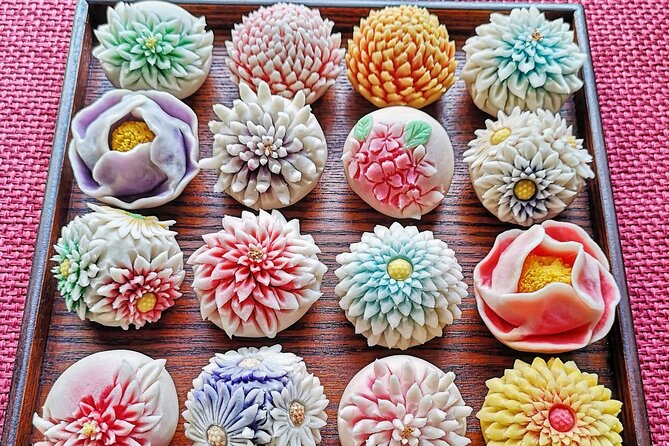
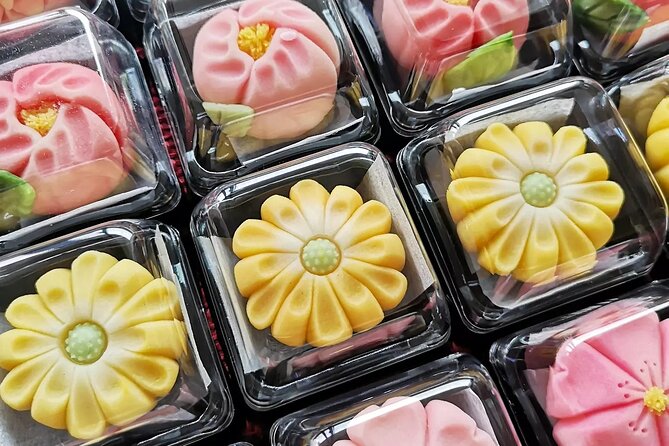
The class includes five nerikiri and matcha, and you taste them during the session. The remaining sweets can go home in a provided container.
That take-home element adds value, especially if you are giving the class as a gift or attending with someone who enjoys food photography and Japanese sweets. You get both an immediate tasting and something tangible to remember the lesson by.
Nerikiri is a delicate confection, so handle the container with care after class. The information provided does not specify how long the sweets keep, so you should ask the instructor about storage and the best time to eat them before leaving.
The container also saves you from having to bring your own packing materials. That is a small detail, but useful after a morning of careful work. You can continue with your Kyoto day without trying to balance handmade sweets in a paper bag.
The $84.92 price and what you receive
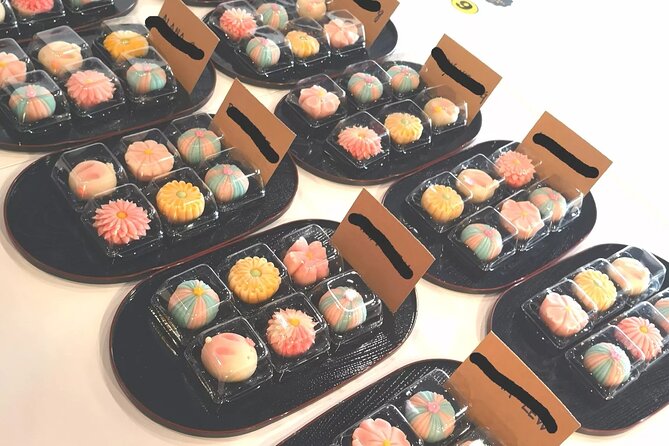
At $84.92 per person, this is not a bargain snack stop. You are paying for a two-and-a-half-hour guided lesson, five handmade nerikiri, matcha, instruction with specialized tools, a take-home container, and recipes sent afterward.
I think the price makes the most sense if you value participation over sightseeing. A short food tasting may cost less, but it would not give you the same chance to learn five designs or practice the techniques yourself.
The maximum group size of eight strengthens the value. In a large class, delicate shaping can become a follow-the-person-in-front-of-you exercise. A smaller group gives the instructor more room to correct your technique and answer questions, although the exact amount of individual attention can vary.
The class is also a good use of a rainy morning or a day when you want a quieter activity. It offers a cultural experience without requiring a long journey from Kyoto or a full-day commitment. If your budget is tight, compare it with simpler tea tastings. If you want a skill-based memory and take-home sweets, the cost is easier to justify.
Who will enjoy this class most
I would recommend this for adults, couples, older children, and small groups of friends who enjoy hands-on food experiences. It is especially suitable if you want something peaceful and different from temples, shopping streets, and busy sightseeing routes.
You do not need to be an experienced cook. The step-by-step demonstrations make the class suitable for beginners, while the five designs provide enough technique to keep more serious learners interested.
It can also suit someone who wants to practice nerikiri at home. The instructor sends two dough recipes after class, so the experience does not end when you leave Kyoto. You will still need to source ingredients and recreate the process yourself, but the recipes give you a starting point.
I would think twice if you dislike precise handwork or want a fast, casual activity. Nerikiri shaping rewards patience. The class is peaceful, but it is not passive entertainment.
Booking details you should not overlook
Confirmation arrives within 48 hours of booking, subject to availability. The experience is often reserved about 29 days ahead, so you should not leave it until the last few days of your Kyoto stay if the timing matters to you.
The class is non-refundable and cannot be changed for any reason. If you cancel or request an amendment, the amount paid is not returned. This is the biggest practical drawback, especially on a trip with uncertain plans.
Only eight people can join, and all participants must be older than 10. No spectators are allowed because of the limited space. Check your group carefully before booking, then keep the confirmation details handy on your phone because the ticket is mobile.
The provider is Nariko’s Kitchen. The class starts and ends at Matsugasaki Station, with no private transportation included.
My recommendation for booking
Book this class if you want a calm, personal Kyoto activity where you make something by hand, learn five nerikiri designs, prepare matcha, and take sweets home. The organized instruction, small group limit, recipe follow-up, and home setting give it more substance than a quick food demonstration.
Skip it if you want a formal tea ceremony, a complete lesson in making the dough from scratch, or a flexible booking you can cancel later. For everyone else, the combination of focused craft, matcha, and a quiet two-and-a-half-hour schedule makes this a strong choice for a slower morning in Kyoto.
The experience has a five-out-of-five rating from 13 reviews, with 100 percent recommending it. That matches the parts I find most convincing: the instructor’s clear guidance, the five finished sweets, and the chance to leave with both a pleasant memory and recipes you can use again.
FAQ
Where does the nerikiri and matcha class meet?
The class meets at Matsugasaki Station, at Matsugasaki Rokunotsubocho in Sakyo Ward, Kyoto, Japan.
What time does the class start?
The class starts at 10:00 a.m.
How long does the activity last?
The activity lasts approximately two hours and 30 minutes.
Where does the class finish?
The activity ends back at the meeting point at Matsugasaki Station.
How many nerikiri designs will I make?
You will learn to make five nerikiri designs using different shaping techniques and various nerikiri tools.
Is matcha included?
Yes. Matcha is included, and you will make it using a table-style method before tasting it with your nerikiri.
Can I take the nerikiri home?
Yes. You can take the remaining nerikiri home, and a container is provided.
Will I receive the nerikiri dough recipe?
Yes. The instructor sends two versions of the nerikiri dough recipes by email after the class. You need to provide an email address if you want them.
Can children attend the class?
Participants must be older than 10. Only people participating in the class may attend, and spectators are not permitted.
More Workshops in Kyoto
- Ramen Cooking Class at Ramen Factory in Kyoto
★ 5.0 · 1,937 reviews - Kyoto : Chopsticks Making Workshop in Gion with Engraving Option
★ 5.0 · 958 reviews - Kyoto: Samurai Sword Class by Experts in Traditional Arts
★ 4.9 · 657 reviews - Kyoto: Ramen Cooking Class at a Ramen Factory with Souvenir
★ 4.9 · 532 reviews
Just added around Kyoto
- Private Guided Traditional Buddhist Cooking in Japan★ 5.0 · 16 reviews
- Kyoto: Gion Geisha District & Sake-in-Hand Walking Tour★ 5.0 · 37 reviews
- Your Private Vacation Photography Session In Kyoto★ 5.0 · 110 reviews
- Kyoto: Zen Meditation at a Private Temple with a Monk★ 5.0 · 25 reviews
- Traditional Japanese Washi Papermaking- Kyoto morning★ 5.0 · 77 reviews
- Kyoto Wagashi(Japanese sweets) Cooking Class near Fushimiinari★ 5.0 · 60 reviews
- Private Pewter Sake Cup Experience with a Kyoto Artisan★ 5.0 · 31 reviews
- Kyoto Private 6 hour Tour: English Speaking Driver Only, No Guide★ 5.0 · 88 reviews
Tea Ceremony Experiences, compared.

Tea Ceremony in a Traditional Tea House in Kiyomizu
Read our review →

World Heritage Kyoto & Nara Uji Authentic Matcha Experience
Read our review →
Browse the lists this tour appears in