
REVIEW · TEA CEREMONY EXPERIENCES
Kyoto: Wazuma Magic Show & Tea Ceremony
Kyoto’s Wazuma performance is the main event here: an old Japanese illusion art said to be about 1,000 years old, practiced today by fewer than 10 masters. I like that Masaya performs just inches from a tiny audience, and I like the calm second half, when you trade stage surprise for fragrant Uji matcha and English guidance.
The private setting is a real plus. You get the tea room to yourself, with only six seats available, rather than watching a large show from the back row. The catch is the price: $77 for one hour is fair for a private cultural presentation, but it is not a bargain if you want a longer tea lesson or a full afternoon of sights.
In This Review
- Key points to know before booking
- Wazuma magic in a quiet Gion tea room
- A 30-minute performance with Masaya
- Why the six-seat limit matters
- Hand-whisked Uji matcha after the magic
- What the one-hour schedule really gives you
- Is $77 a good value?
- Who will enjoy this Kyoto experience most?
- Practical tips for a smoother visit
- Should you book Wazuma and matcha in Gion?
- FAQ
- How long does the Kyoto Wazuma experience last?
- Where does the show take place?
- How many people can attend the private show?
- Is the experience offered in English?
- Is transportation included?
- Can I cancel my booking or pay later?
Key points to know before booking
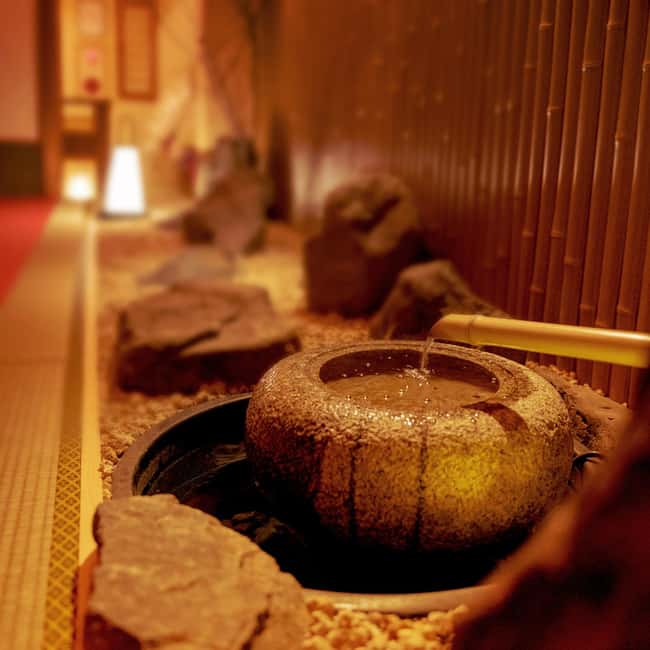
- Wazuma is the rare part: This traditional Japanese illusion art is said to be 1,000 years old and recognized as intangible cultural heritage.
- Your group gets the room: The show is private, with a maximum of six seats and no other booking mixed in.
- Masaya performs up close: The magic takes place only a short distance from you, making small gestures and sleight of hand the focus.
- Uji matcha closes the hour: A bowl of hand-whisked matcha comes with clear English guidance.
- The pace is compact: Expect 30 minutes of magic followed by 30 minutes of tea, with no transportation included.
- Book for intimacy, not scale: This suits couples, families, and small groups seeking something unusual in Gion.
Wazuma magic in a quiet Gion tea room
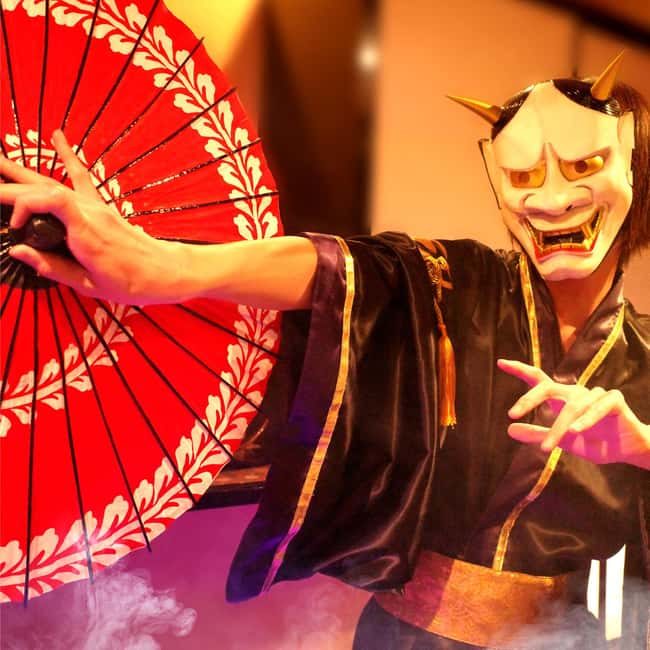
This is not a large theater production. You meet a staff member in front of a building in Gion five minutes before the start, then enter a traditional tea room reserved for your group.
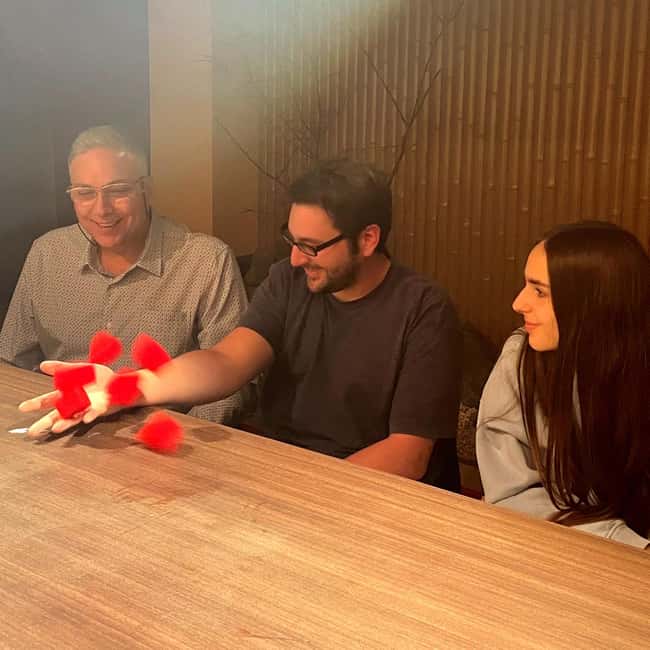
That small room shapes the whole mood. With only six seats, you are close enough to watch every hand movement. The performance does not rely on a grand stage or loud spectacle. Its appeal comes from the tension of seeing an object, gesture, or transformation right in front of you and still not understanding how it happened.
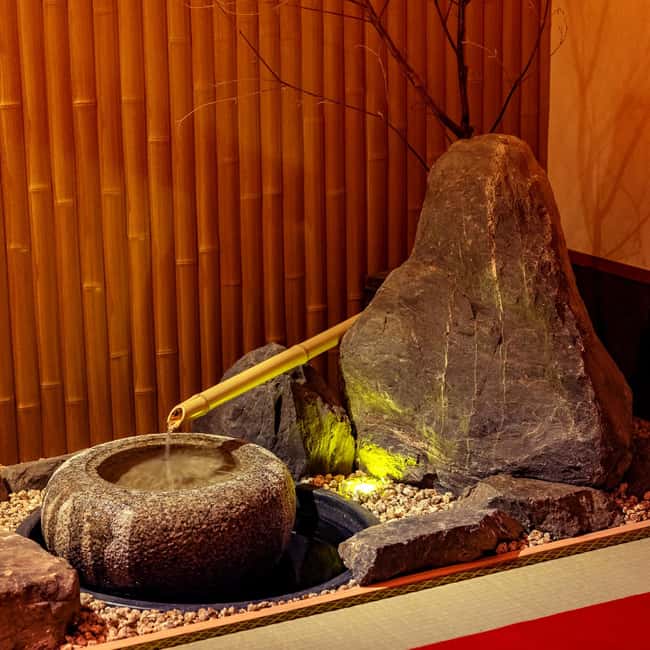
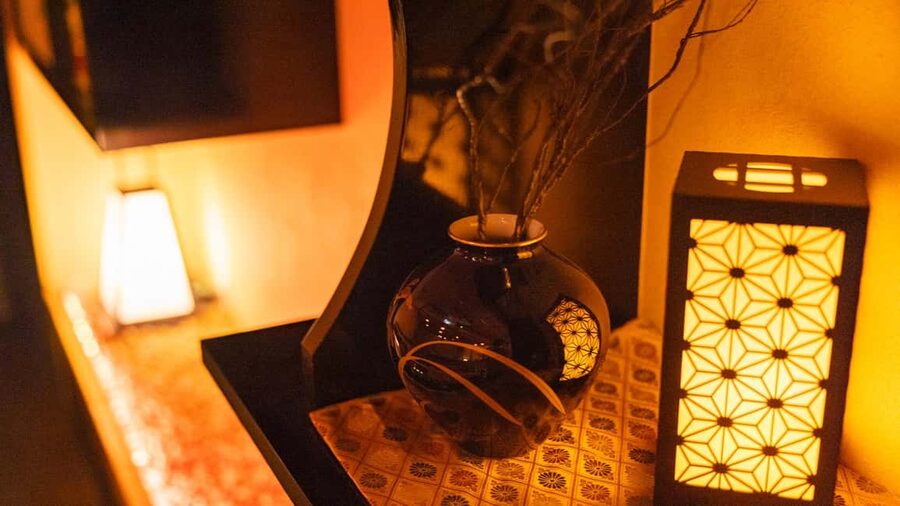
The setting also gives the show a distinctly Japanese frame. You are not simply watching a modern magic act in a black-box theater. The tea room, the quiet alley, and the old performance tradition all work together. You get entertainment, but you also get a glimpse of a form of Japanese culture that most visitors will never encounter by walking around Kyoto’s temples.
The experience provider describes Wazuma as an art with roots reaching back roughly 1,000 years. It is also recognized in Japan as intangible cultural heritage. That context matters because the show is not just a collection of tricks. It presents magic as a traditional performing art, with controlled movement, ceremony, and atmosphere.
More Tea Ceremony Experiences in Kyoto
- Kyoto: Tea Ceremony in a Traditional Tea House in Kiyomizu
★ 4.9 · 3,519 reviews - Kyoto: Tea Ceremony Ju-An at Jotokuji Temple
★ 4.9 · 3,207 reviews - Kyoto: 45-Minute Tea Ceremony Lesson Experience
★ 4.3 · 2,378 reviews
A 30-minute performance with Masaya
Masaya is one of the performers connected with this experience, and the show is designed for close contact with the audience. Names connected with the presentation also include Tamaki, so you may meet both during your visit.
The strongest reason to book is the distance between you and the action. Several effects take place so close that you may feel you should be able to catch the secret. That is exactly the fun. The magic remains difficult to explain even when you are sitting near the performer.
The performance is interactive, too. You are not limited to sitting silently and watching from a distance. The small format allows you to take part in some sleight of hand acts and respond directly to the performer. For couples or friends, that can make the half-hour feel personal rather than routine.
Expect a polished, theatrical presentation, but not a fast-paced Las Vegas-style show. The appeal is quieter and more precise. The traditional setting encourages you to watch carefully. You will probably notice the performer’s fingers, timing, and expressions as much as the final trick.
Flash photography is not allowed during the performance. That is sensible in such a close room, and it keeps phones from breaking the mood. Put your camera away and let the show happen in real time. You can take pictures before or after if the staff allows it, but the rules specifically prohibit flash during the magic.
A small souvenir is also given at the end of the experience. It is not the main reason to pay for the activity, but it gives you a physical reminder of an art form that is easy to miss elsewhere in Kyoto.
Why the six-seat limit matters
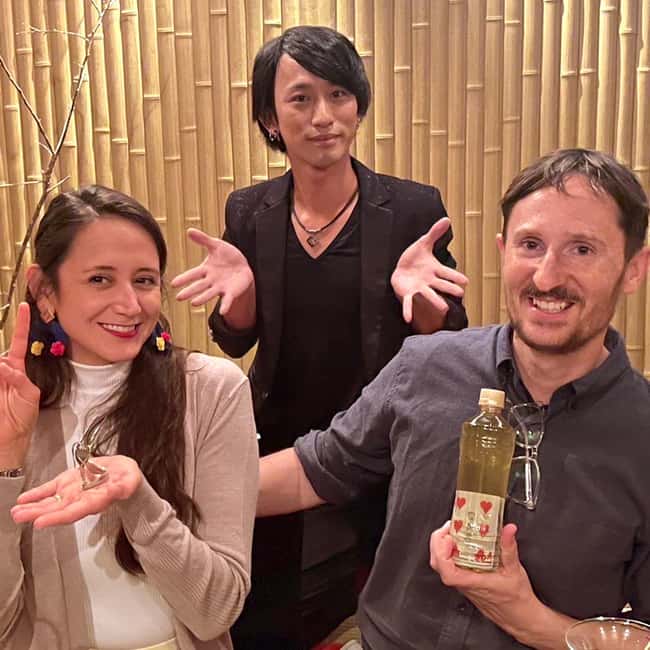
Private does not always mean luxurious, but here the group size has a practical effect. Six seats are available, and your booking is for one group only. That means you are not sharing the tea room with strangers or trying to see over a crowded audience.
I especially like this setup for two people. A private booking gives a couple an unusual evening or afternoon activity without the formality of a long meal. It also works well for a family or a few friends who want to do something other than visit another shrine.
The small room can be a drawback for anyone who prefers a large, energetic show. If you want a big stage, many performers, or a long program, this will feel too compact. The intimacy is the point, so book it only if you appreciate close, quiet presentations.
The limited seating also makes advance booking important. This is reservation only, and the room cannot absorb extra walk-in visitors. The activity offers free cancellation up to 24 hours before the start, and you can reserve now and pay later, which helps if your Kyoto schedule is still moving around.
Hand-whisked Uji matcha after the magic
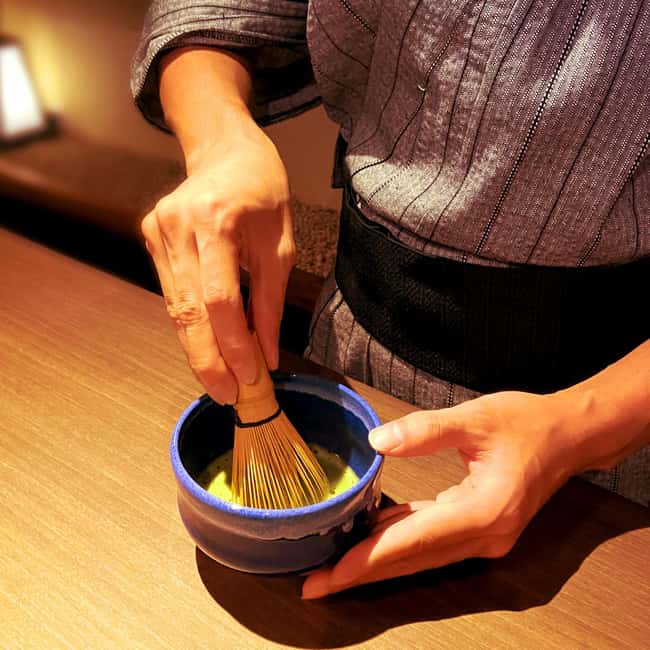
The second half changes the mood completely. After 30 minutes of Wazuma, you settle in for 30 minutes of Uji matcha tea time.
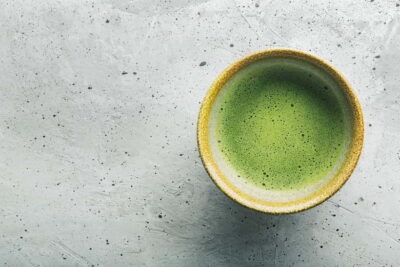
Uji, near Kyoto, is one of Japan’s best-known tea-producing areas. The experience includes top-quality Uji matcha, hand-whisked and served with English guidance. You are not expected to arrive already knowing the correct way to handle the bowl or understand every part of the custom.
That guidance makes the tea portion more useful than simply being handed a cup of green tea. You get an introduction to what you are drinking and how it fits into Japanese culture. The contrast with the magic is part of the charm: the first half keeps your attention moving, while the second half gives you time to slow down.
The matcha is described as fragrant and tasty, but you should know what kind of drink to expect. Matcha has a distinct green, savory flavor and can be more intense than the sweetened tea drinks served in cafés. If you already enjoy Japanese tea, this will likely be a welcome finish. If you are new to matcha, the English explanation helps, but the flavor may still be an adjustment.
Do not confuse this one-hour tea time with an extended formal tea ceremony. The included schedule gives you 30 minutes for the matcha portion. That is enough for a guided taste and cultural introduction, but not a full study of tea utensils, seasonal philosophy, or every formal movement associated with a traditional ceremony.
Same city, a completely different kind of day:
- PERFECT KYOTO 1-Day Bus Tour
★ 5.0 · 13,518 reviews - Kyoto: Fushimi Inari, Kinkakuji, Bamboo Grove 1 Day Bus Tour
★ 4.8 · 4,316 reviews - Kyoto Geisha Walking Tour: Gion District & Hidden Gems
★ 4.7 · 3,273 reviews - Kyoto: Gion Magical Night Walking Tour with Geisha Trivia
★ 4.9 · 2,393 reviews
What the one-hour schedule really gives you
The timing is clean:
- 30 minutes of traditional Japanese magic
- 30 minutes of Uji matcha tea time
That makes this easy to fit between larger Kyoto plans. You could place it in a Gion visit, then continue to nearby sights afterward. Still, allow extra time to reach the meeting point and find the building. The staff member waits outside five minutes before the scheduled start, so arriving early is wise.
The experience itself lasts one hour, but late arrival can affect the first half. One participant arrived late and found that the guide adjusted the timing, but you should not count on that. In a private presentation, even a few minutes can matter because the room and schedule are arranged for one group.
Transportation is not included. You must make your own way to the venue in Gion, then meet the staff member in front of the building. The exact starting times depend on availability, so check the schedule before planning dinner, a geisha district walk, or an evening performance afterward.
The short format is both strength and limitation. I like that you are not committing half a day to an activity that may appeal only to part of your group. On the other hand, $77 per person is a noticeable cost for 60 minutes. You are paying for a private room, a rare art form, a small audience, English support, and quality matcha, not for length.
Is $77 a good value?
At $77 per person, this is best judged against other private cultural activities, not against a casual magic show or a cup of tea.
The price makes more sense if you are booking for two to six people and value privacy. A public show might be cheaper, but it would not give you the same close view or the same chance to take part in the performance. The setting is also part of what you are buying. You get a traditional Gion tea room rather than a generic entertainment venue.
I would be more cautious if your main goal is tea education. The matcha portion lasts 30 minutes, so you receive a taste and explanation rather than a lengthy lesson. Likewise, magic fans hoping for a long evening program may find the performance brief.
For a first Kyoto visit, the price can be justified by the unusual combination. Many itineraries already include temples, gardens, markets, and food. This offers a different side of the city: a little-known performance tradition followed by a quiet tea ritual.
The strong rating of 4.8 from 29 bookings supports the basic value, especially for people who want something personal and different. I would still make the decision based on your priorities. If you want a rare cultural encounter and a private room, it is a reasonable splurge. If you are counting every dollar or want several hours of activity, spend the money elsewhere.
Who will enjoy this Kyoto experience most?
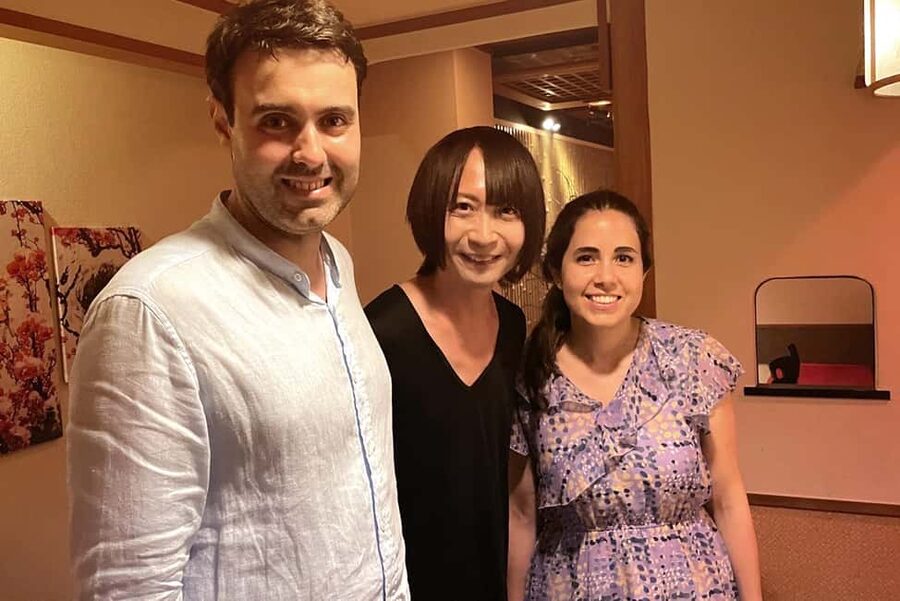
I would recommend it to couples looking for a memorable break from sightseeing. The private room, close-up performance, and tea afterward give the hour a special-occasion feel without requiring a full formal dinner.
It also suits small families and friend groups. The interactive magic gives people something to talk about, while the matcha portion lets everyone settle down. Since English guidance is provided, you do not need prior knowledge of Japanese tea customs.
This is a good choice for repeat visitors to Kyoto, too. If you have already visited the major temples, Wazuma offers a less familiar cultural angle. The fact that only a small number of masters are said to still perform the art adds weight to the choice.
I would skip it if someone in your group uses a wheelchair, since the activity is not suitable for wheelchair users. I would also skip it if anyone dislikes green tea, intimate rooms, or traditional performances that depend on close attention rather than loud action.
The show is private, but that does not mean you can treat it like a casual photo opportunity. Flash photography is forbidden during the performance, and arriving five minutes early is part of showing respect for the setting and the performer.
Practical tips for a smoother visit
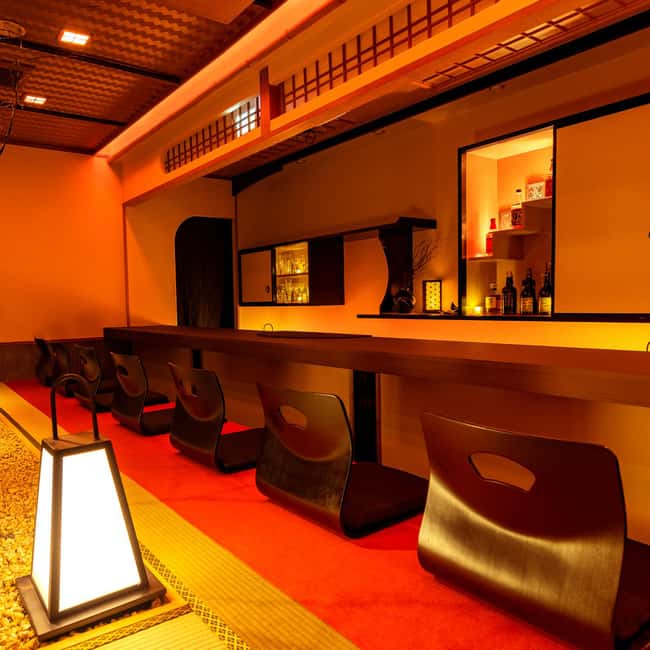
Plan your route to Gion before the day of the activity. Transportation is not included, and the meeting point is outside the building, where a staff member will be waiting five minutes before the start.
Arrive early enough to find the entrance without rushing. This is a small, reservation-only venue, not a major attraction with a large ticket desk. You will want to be in place before the performance begins.
Keep your phone and camera ready to put away once the show starts. Flash photography is not permitted, and the close distance means you do not need a powerful zoom or elaborate equipment.
If you are booking with friends, remember that the private group has only six seats. Confirm your party size before reserving. The intimate arrangement is one of the best parts of the experience, but it also limits flexibility.
Finally, leave room in your expectations for both halves. The magic is meant to surprise you. The matcha is meant to calm the pace. If you judge the tea time as a second show, or the magic as a formal ceremony, you may miss what the combination does well.
Should you book Wazuma and matcha in Gion?
Book it if you want a short, polished Kyoto activity that feels personal and culturally specific. The rare Wazuma tradition, Masaya’s close-up performance, six-seat private room, and guided Uji matcha make this far more distinctive than a standard tourist show.
I would call it a worthwhile $77 splurge for couples, small groups, and repeat visitors who have already covered the obvious sights. I would pass if you want a long tea lesson, a large theater production, wheelchair access, or the lowest possible price per hour.
For the right audience, the one-hour structure is ideal. You get surprise first, quiet tea second, and a small souvenir to carry away. That is a compact but memorable slice of Kyoto.
FAQ
How long does the Kyoto Wazuma experience last?
The experience lasts one hour. It includes a 30-minute traditional Japanese magic show and 30 minutes of Uji matcha tea time.
Where does the show take place?
The show takes place in a traditional tea room in Kyoto’s Gion area. A staff member meets you in front of the building five minutes before the scheduled start.
How many people can attend the private show?
The tea room has only six seats available. Your booking is for one private group, so you will not be combined with other groups.
Is the experience offered in English?
Yes. The host or greeter speaks English, and the Uji matcha portion includes English guidance.
Is transportation included?
No. Transportation to and from the activity location is not included, so you must arrange your own way to the Gion meeting point.
Can I cancel my booking or pay later?
You can cancel up to 24 hours in advance for a full refund. The activity also offers a reserve-now, pay-later option.
More Show in Kyoto
- Kyoto Gion Cultural Walk & Geisha Show with Dining Options
★ 5.0 · 518 reviews - Kyoto Gion Cultural Walk & Geisha Show with Dining Options
★ 5.0 · 483 reviews - 1 Hour Geisha Show in Kyoto
★ 5.0 · 452 reviews - Kyoto: Samurai Kenbu Traditional Sword Dancing Show
★ 4.5 · 426 reviews
Just added around Kyoto
- Taste of Nishiki Market Walking Food Tour with Local guide★ 5.0 · 17 reviews
- Kyoto: Sushi Making Class with Sushi Chef★ 4.8 · 64 reviews
- Kyoto: City Secrets eBike Tour★ 4.9 · 196 reviews
- Sacred Pathways: Discover the Philosopher’s Path of Kyoto★ 4.9 · 20 reviews
- Private Tour to Monkey Park and Arashiyama Highlights★ 5.0 · 22 reviews
- Private Nara Tour from Osaka – Meet at Your Hotel★ 5.0 · 22 reviews
- Private Sake Tasting in Central Kyoto with Sake Sommelier★ 5.0 · 13 reviews
- Kyoto : Private Custom Walking Tour With A Local Guide★ 4.6 · 144 reviews
Tea Ceremony Experiences, compared.
Tea Ceremony in a Traditional Tea House in Kiyomizu
Read our review →

World Heritage Kyoto & Nara Uji Authentic Matcha Experience
Read our review →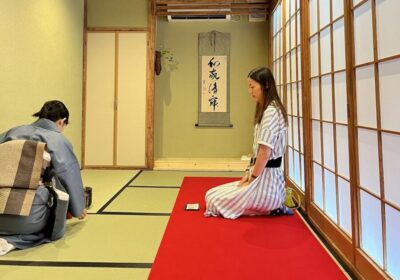
Browse the lists this tour appears in