
REVIEW · TEA CEREMONY EXPERIENCES
Kyoto Tea Ceremony & Kiyomizu-dera Temple Walking Tour
Kiyomizu-dera is the star here, but the best part is the way this three-hour walking tour connects temple worship, old Kyoto streets, and a tea ceremony in one morning. Guide Hide brings the route to life with explanations of Shinto and Buddhism, temple manners, local stories, and even a few baseball jokes.
I like two things right away: the group is capped at six people, and the tour includes more than a quick temple photo. You get the Kiyomizu-dera entrance, matcha, food samples, photos taken during the walk, and a calm tea ceremony. The main thing to consider is the uphill route and summer heat. Also, the meeting point at Yasaka Shrine can take a little care to find.
In This Review
- Key things to know before booking
- Starting at Yasaka Shrine at 9 a.m.
- Kiyomizu-zaka and Yasakakoshindo
- Entering Kiyomizu-dera and the wooden stage
- Drinking from Otowa Waterfall
- Walking Kiyomizu-zaka, Sannenzaka, and Ninenzaka
- The tea ceremony and matcha
- What the $109.39 price includes
- Who will enjoy this Kyoto morning
- Should you book this tour?
- FAQ
- Where does the Kyoto tea ceremony and Kiyomizu-dera tour begin?
- What time does the tour start?
- Where does the tour finish?
- How long does the tour last?
- Is the Kiyomizu-dera entrance fee included?
- How large is the tour group?
- Are children allowed to join?
- Can the tour accommodate food allergies or dietary restrictions?
- Can I cancel for a full refund?
Key things to know before booking
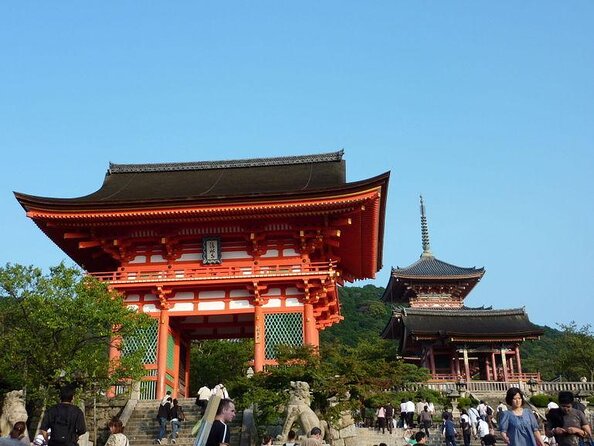
- Kiyomizu-dera is the centerpiece: See the famous wooden stage, Kyoto views, and Otowa Waterfall with a guide beside you.
- The route includes old shopping streets: Walk Kiyomizu-zaka, Sannenzaka, and Ninenzaka, where sweets, pickles, yatsuhashi, and other Kyoto goods fill the storefronts.
- The tea ceremony gives the morning a slower rhythm: Learn the formal movements, drink matcha, and watch the care behind the preparation.
- The six-person limit matters: A small group makes it easier to ask questions and stay together on crowded temple streets.
- Food is part of the experience: You receive snacks and a few samples, but extra food and drinks cost more.
- The tour returns to Yasaka Shrine: Start at the Yasaka Jinja Nishiromon Gate at 9:00 a.m. and finish back at the meeting point.
Starting at Yasaka Shrine at 9 a.m.
The tour begins at the Yasaka Jinja Nishiromon Gate, also called the Western Tower Gate, at 9:00 a.m. The address is 625 Gionmachi Kitagawa in Kyoto’s Higashiyama Ward. This is a useful starting area, close to public transportation and within reach of several major sights.
Give yourself time to locate the exact gate. One participant initially had trouble finding the guide, so the meeting instructions could be clearer. Once you meet, the small group setup should make introductions quick and personal. The tour ends back at Yasaka Shrine, which is helpful if you have plans in Gion afterward.
The morning start also makes sense. Kyoto’s famous temple lanes can become crowded, and an early departure gives you a better chance to enjoy the route before the busiest part of the day. The tour lasts about three hours, so you still have most of the afternoon free for another temple, a museum, or lunch.
More Tea Ceremony Experiences in Kyoto
- Kyoto: Tea Ceremony in a Traditional Tea House in Kiyomizu
★ 4.9 · 3,519 reviews - Kyoto: Tea Ceremony Ju-An at Jotokuji Temple
★ 4.9 · 3,207 reviews - Kyoto: 45-Minute Tea Ceremony Lesson Experience
★ 4.3 · 2,378 reviews
Kiyomizu-zaka and Yasakakoshindo
From Yasaka Shrine, the walk heads toward the traditional streets around Kiyomizu-dera. Kiyomizu-zaka is not one single narrow lane, but an area made up of several streets with an old Kyoto feel. Teashops, Japanese sweets stores, and shops selling traditional dried foods line the route.
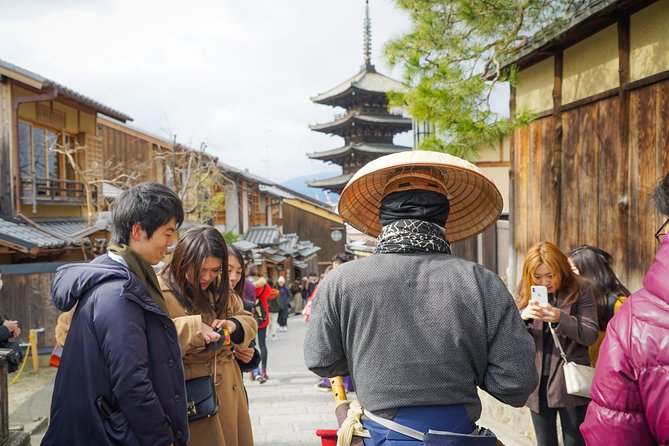
This is the part of Kyoto where the walk itself becomes the attraction. You are not simply moving from one famous building to another. You get a look at the shopfronts, the sloping lanes, the souvenir displays, and the old-style atmosphere that draws people to Higashiyama.
The guide helps you make sense of what you see. Instead of studying a map while walking, you can ask why a street matters, what a particular temple represents, or how local customs fit into daily life. Hide is especially good at mixing useful cultural explanation with light conversation. His humor, including talk about baseball, keeps the history from feeling like a school lecture.
One stop is Yasakakoshindo, known for its bright colors. It offers a sharp visual change from the more restrained wooden architecture nearby. It is also a good photo stop, and the tour includes photos taken during the experience. That small service is useful if you want pictures of yourself in the setting instead of only taking pictures of buildings.
You should expect other people in this area. Kiyomizu-zaka is a popular approach to one of Japan’s best-known temples, with souvenir sellers calling out and visitors moving uphill. The small group helps, but this is not a quiet, private lane throughout the morning.
Entering Kiyomizu-dera and the wooden stage
Kiyomizu-dera was built on the site of Otowa Waterfall about 1,200 years ago. Its name refers to the waterfall’s pure water, and that connection gives the temple visit a clear focus. You are not only looking at a large temple complex. You are following the story of water, worship, good fortune, and the dramatic hillside setting.
The temple is a UNESCO World Heritage Site, and the guide explains the grounds as you go. That matters because Kiyomizu-dera can feel confusing on your own. There are gates, buildings, slopes, views, and lines at the waterfall. A guide gives you a route and a reason for each stop.
The famous wooden stage is the visual high point. It projects about 13 meters above the ground and looks out toward Kyoto, with cherry trees and maple trees filling the view in the appropriate seasons. The city lies in the distance, creating the mix of temple architecture and broad views that makes Kiyomizu-dera so popular.
The stage can be busy, so do not expect a private viewing platform. Still, having a guide means you can learn what you are seeing instead of stopping only for a photograph. You can ask about the temple’s history, the meaning of the site, and the formalities of Japanese worship.
The temple entrance fee is included in the price. That makes the tour easier to budget, especially since Kiyomizu-dera is the main paid sight on the route. You should still plan for personal purchases, because additional food and drinks are not included.
Drinking from Otowa Waterfall
Otowa Waterfall is one of the most memorable parts of the morning because it gives you something to do, not just something to see. The water is divided into three streams, and each is associated with a different benefit. You choose one stream, use the cup attached to a long pole, and drink the water as part of the temple visit.
The guide demonstrates the proper way to approach the ritual and explains its meaning. This is a good example of why a local guide adds value. Without context, the long-handled cups and three streams might look like a simple tourist custom. With an explanation, the act becomes a small lesson in Japanese worship.
There may be a line at the waterfall, and the area can feel crowded. The experience is brief, but it is one of the tour’s most distinctive moments. You are taking part in a custom tied directly to Kiyomizu-dera rather than simply checking off another viewpoint.
The water ritual also gives the tour a more personal quality. You make a choice, take part in the ceremony of the place, and then continue into the temple grounds. It is a modest experience, but it stays with you.
More Temple & Shrine Tours in Kyoto
- Kyoto: Fushimi Inari, Kinkakuji, Bamboo Grove 1 Day Bus Tour
★ 4.8 · 4,316 reviews - Fushimi Inari Hidden Hiking Tour (Private Option Available)
★ 5.0 · 1,750 reviews - Kyoto/Osaka: Nara, Fushimi Inari Taisha, Arashiyama Bus Tour
★ 4.7 · 1,275 reviews - Arashiyama Bamboo, Temple, Monkeys, or Secret Sake Brewery
★ 4.8 · 886 reviews
Walking Kiyomizu-zaka, Sannenzaka, and Ninenzaka
The route includes the approach streets near Kiyomizu-dera, including Kiyomizu-zaka, Sannenzaka, and Ninenzaka. Kiyomizu-zaka follows an old pilgrimage route of about one kilometer toward the temple. Shops sell Kyoto pickles, yatsuhashi, sweets, souvenirs, and other local items.
The street changes as you climb. Lower sections can feel quieter, while the upper slope becomes more commercial and crowded. A three-story pagoda and the Niomon Gate appear near the top, giving the approach a strong sense of arrival.
Sannenzaka has a famous warning attached to it. Local legend says that if you fall on the slope, you will die within three years, or lose three years from your life. The story is generally treated as an old superstition, but it also gives practical advice: watch your step on the sloping road.
The route is manageable for most participants, but it is still a walking tour. Wear shoes you can use comfortably for three hours, and keep water with you. Kyoto summers are hot and humid, so a hat and regular drinks are sensible. Children under six are not permitted, and the tour may not suit anyone who finds a long uphill walk difficult.
These streets are also a good place to buy something later in the day. Since the tour returns to Yasaka Shrine, you can make notes about shops you want to revisit instead of carrying every purchase through the rest of the morning.
The tea ceremony and matcha
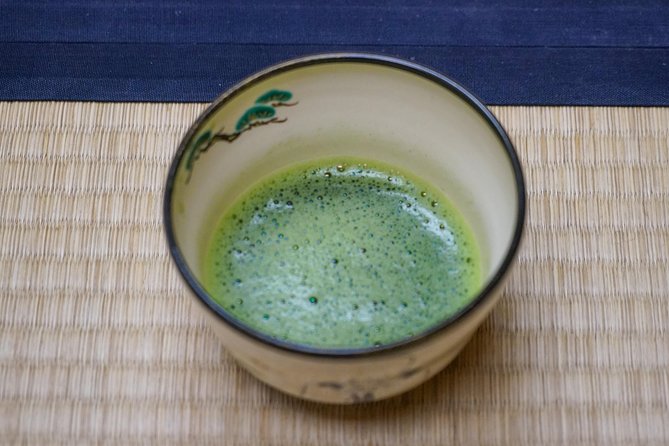
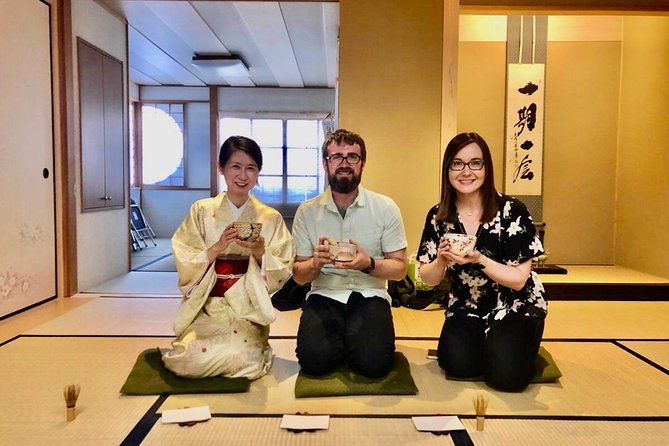
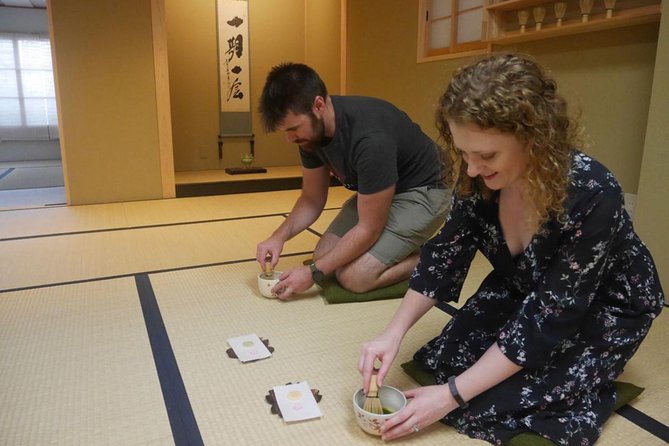
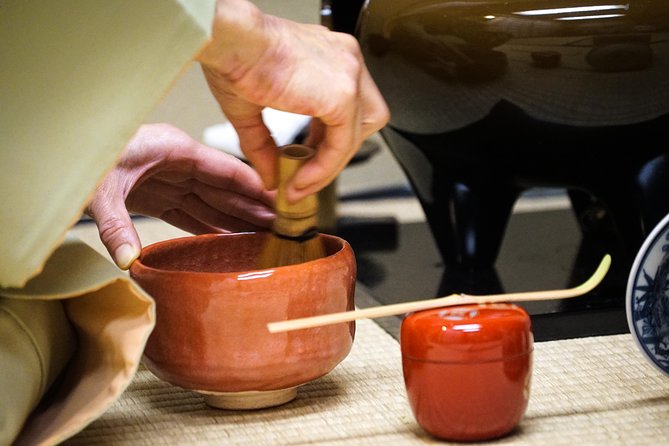
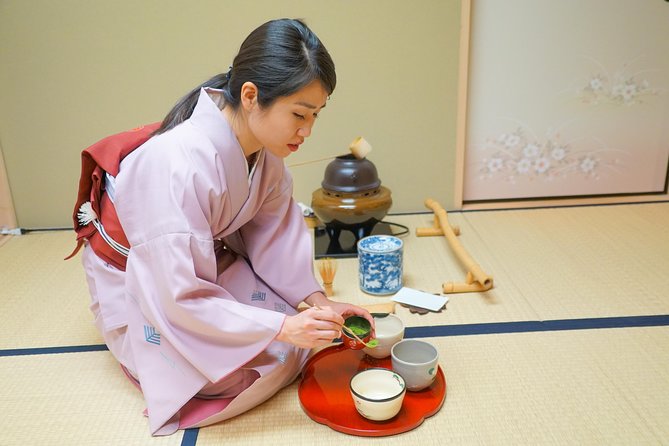
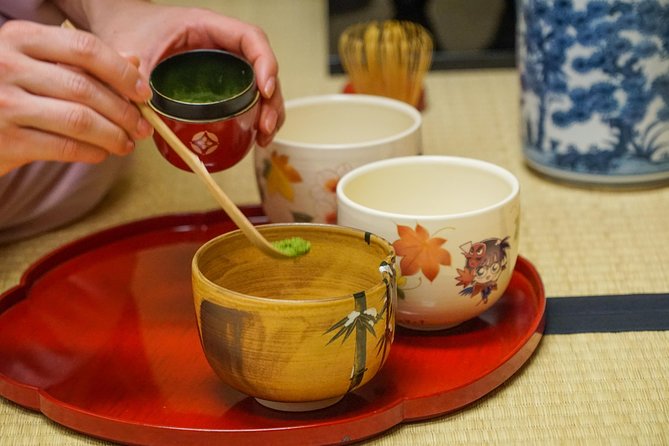
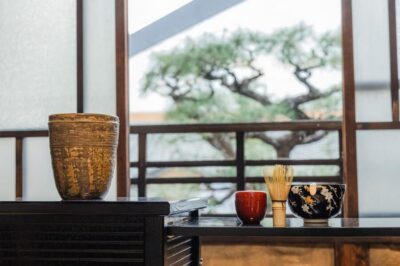
The tea ceremony changes the pace from walking and sightseeing to quiet observation. You receive matcha and take part in a traditional Japanese cultural experience, with the ceremony leader explaining the formal movements and the meaning behind them.
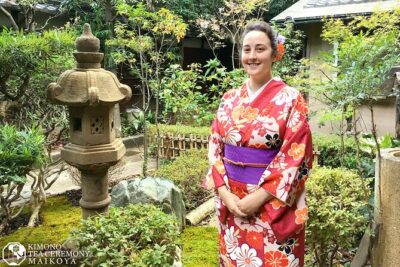
The ceremony is not treated as a rushed add-on. It gives you time to watch the preparation, notice the gestures, and understand why each action is careful. One ceremony leader named Haruki is described as warm and entertaining, while another account highlights the skill and artistry of a woman conducting the ceremony. The exact person may vary, but you can expect a personal introduction rather than simply being handed a bowl of tea.
For many people, this will be the tour’s most calming section. The temple walk gives you places and stories; the tea ceremony gives you a chance to slow down and pay attention. It is especially useful if you want more than photographs from Kyoto. You leave with a better sense of how hospitality and formal ritual work together.
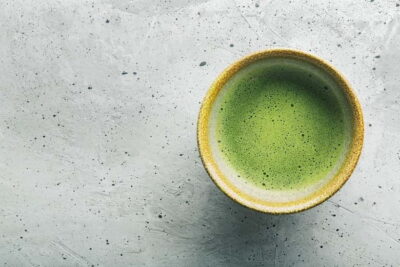
Matcha has a strong, grassy taste that not everyone loves. The value is in the process and the explanation as much as the drink itself. Snacks and a few food samples are included, adding a small taste of Kyoto to the ceremony and walking route.
Food limits are worth noting. The operator cannot guarantee allergy-free preparation or meet every dietary restriction because the food comes from kitchens it does not control. Substitutions may not be available at every stop, though the operator says it will try to offer compensation at another stop. If you have a serious allergy, ask before booking and do not assume the samples are safe.
What the $109.39 price includes
At $109.39 per person, this is not the cheapest way to see Kiyomizu-dera. You are paying for a guided small-group experience rather than a simple entrance ticket and self-guided walk.
The value comes from the combination of inclusions:
- Kiyomizu-dera entrance fee
- A three-hour local guide
- Tea ceremony
- Matcha
- Snacks and a few food samples
- Photos taken during the tour
- A group limited to six people
If you only want to visit the temple, the price will feel high. If you want a morning that joins the temple with street orientation, worship customs, food, and tea, the calculation looks better. A private guide would normally offer more flexibility, but this small shared group keeps the price below a fully private outing while still allowing questions.
The tour is also useful on your first day in Kyoto. It covers a major temple and the streets around it, helping you understand the Higashiyama area before returning on your own. That orientation can save time later, particularly if you want to shop or visit nearby sights without constantly checking a map.
The free cancellation policy gives you some protection. You can cancel at least 24 hours before the 9:00 a.m. start for a full refund. Cancellations or changes made less than 24 hours before the start are not accepted for a refund.
Who will enjoy this Kyoto morning
I would choose this tour if you want an introduction to Kyoto that combines sightseeing with participation. It suits first-time visitors who want to understand temple customs, couples looking for a shared cultural activity, and solo visitors who prefer a small group to exploring the crowded streets alone.
It is also a good fit if you enjoy asking questions. Hide’s approach is conversational, and the six-person limit gives you a better chance to speak up than you would have in a large bus group.
You may want another option if you prefer to move at your own pace, spend a long time taking photographs, or browse every shop along the approach streets. Three hours goes quickly once you include the temple, waterfall, street walk, food, photos, and tea ceremony.
The tour is not suitable for children under six. Anyone booking should also prepare for slopes, crowds, and summer heat. Bring water, wear a hat in hot weather, and use comfortable shoes.
Should you book this tour?
Book it if you want Kiyomizu-dera with context, not just a quick stop and a photograph. The strongest parts are the small group, Hide’s friendly explanations, the Otowa Waterfall ritual, and the tea ceremony with matcha and snacks.
Skip it if you want a quiet, independent temple visit or if the price feels too high for a guided morning. For most first-time visitors, though, the combination is well judged. You see one of Kyoto’s major sights, learn how to worship respectfully, walk the city’s most atmospheric approach streets, and finish with a graceful cultural experience.
FAQ
Where does the Kyoto tea ceremony and Kiyomizu-dera tour begin?
The tour begins at the Yasaka Jinja Nishiromon Gate, also called the Western Tower Gate, at 625 Gionmachi Kitagawa in Kyoto’s Higashiyama Ward.
What time does the tour start?
The start time is 9:00 a.m.
Where does the tour finish?
The activity ends back at the Yasaka Shrine meeting point.
How long does the tour last?
The tour lasts approximately three hours.
Is the Kiyomizu-dera entrance fee included?
Yes. The Kiyomizu-dera Temple entrance fee is included, along with the tea ceremony, matcha, snacks, food samples, photos during the tour, and a three-hour local guide.
How large is the tour group?
The activity has a maximum of six participants.
Are children allowed to join?
Children under six years old are not allowed on the tour.
Can the tour accommodate food allergies or dietary restrictions?
The operator cannot guarantee allergy-free food or cater to every dietary restriction. Substitutions may not be possible at every stop, though the operator will make an effort to compensate at other stops.
Can I cancel for a full refund?
Yes. You can cancel at least 24 hours before the local start time for a full refund. Cancellations or changes made less than 24 hours before the start are not accepted for a refund.
More Walking Tours in Kyoto
- Kyoto Geisha Walking Tour: Gion District & Hidden Gems
★ 4.7 · 3,273 reviews - Kyoto: Gion Magical Night Walking Tour with Geisha Trivia
★ 4.9 · 2,393 reviews - Kyoto: Gion Geisha District Walking Tour – Stories of Geisha
★ 4.7 · 2,187 reviews - Private Kyoto Tour with a Local, Highlights & Hidden Gems, Personalised
★ 5.0 · 1,543 reviews
Just added around Kyoto
- Private Guided Traditional Buddhist Cooking in Japan★ 5.0 · 16 reviews
- Kyoto: Gion Geisha District & Sake-in-Hand Walking Tour★ 5.0 · 37 reviews
- Kyoto: Zen Meditation at a Private Temple with a Monk★ 5.0 · 25 reviews
- Your Private Vacation Photography Session In Kyoto★ 5.0 · 110 reviews
- Traditional Japanese Washi Papermaking- Kyoto morning★ 5.0 · 77 reviews
- Kyoto Wagashi(Japanese sweets) Cooking Class near Fushimiinari★ 5.0 · 60 reviews
- Private Pewter Sake Cup Experience with a Kyoto Artisan★ 5.0 · 31 reviews
- Kyoto Private 6 hour Tour: English Speaking Driver Only, No Guide★ 5.0 · 88 reviews
Tea Ceremony Experiences, compared.
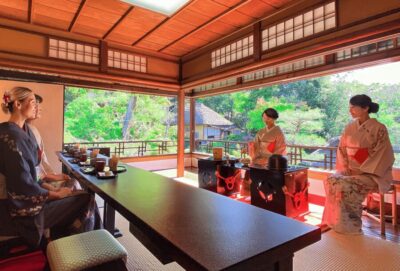
Tea Ceremony in a Traditional Tea House in Kiyomizu
Read our review →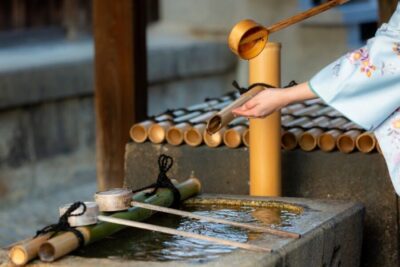

World Heritage Kyoto & Nara Uji Authentic Matcha Experience
Read our review →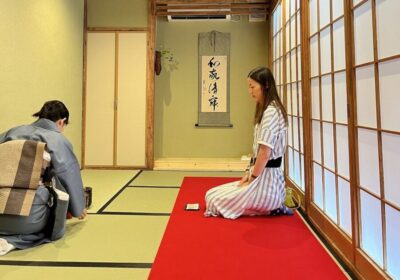
Browse the lists this tour appears in