
REVIEW · TEA CEREMONY EXPERIENCES
Kyoto: Nishiki Market Tea Ceremony with Koto Performance
Kyoto’s tea ceremony is paired here with something you rarely get in the same hour: a live koto performance. You prepare your own matcha, eat a small sweet, and listen as host Yurika plays the long Japanese harp in a cozy studio near Nishiki Market. I like the clear instruction and the calm setting, which makes the ritual friendly rather than stiff. I also like that the music is part of the main experience, not an optional extra.
The main consideration is space and time. This is a one-hour introduction, not a full formal tea-school ceremony, and the small room means large bags are awkward. Kimono dressing, photos, and a koto lesson cost extra, so the advertised price covers the tea and music only.
In This Review
- Key points at a glance
- Entering KOTOLILY KYOTO near Nishiki Market
- Learning the meaning behind matcha
- Listening to the koto between tea rituals
- The host makes the difference
- Optional kimono photographs
- Is $56 good value for one hour?
- Who will enjoy this Kyoto tea experience?
- Planning the hour around Kyoto sightseeing
- What I would want you to know before booking
- Should you book KOTOLILY KYOTO?
- FAQ
- Where does the tea ceremony take place?
- How long does the activity last?
- What is included in the price?
- Are kimono photos included?
- Can I take a koto lesson?
- What languages are available?
- Is this suitable for young children?
- What should I bring and what is not allowed?
Key points at a glance
- Make your own matcha: Learn how to combine tea powder and hot water, then whisk it into a smooth, less bitter drink.
- Hear a professional koto performance: Yurika plays traditional music before and after the tea activity, with explanations about the instrument.
- Stay near Nishiki Market: The studio is in central Kyoto, close to shopping and food stalls, and useful on a rainy day.
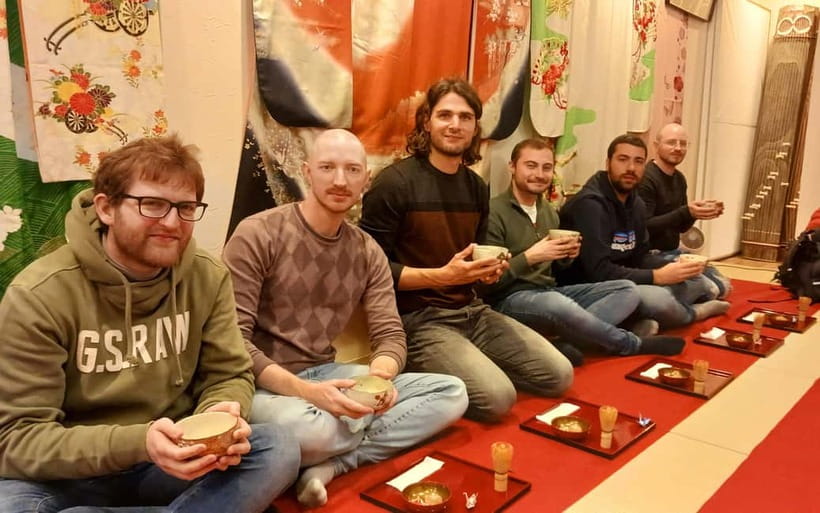
- Enjoy a small-group setting: Groups are limited to eight people, allowing room for questions and personal guidance.
- Add a kimono photo session: Beautiful kimono and traditional hair accessories are available on-site for an additional fee.
- Keep the pace gentle: Tea, sweets, music, and simple cultural context fit neatly into a quiet hour.
Entering KOTOLILY KYOTO near Nishiki Market
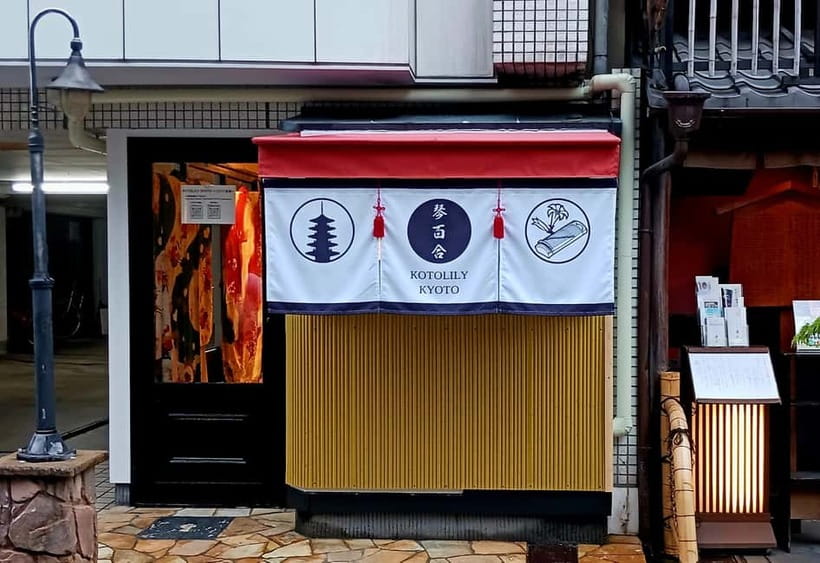
The meeting point is KOTOLILY KYOTO, next to KINMATA Restaurant and across the street from Hotel GOCO stay. Go inside the shop rather than waiting outside or at the hotel. That detail matters because the surrounding lanes can be busy, and the activity does not meet at the hotel.
The studio is easy to combine with time at Nishiki Market. You can schedule the tea session before sampling the market’s food stalls, or use it as a calm break after shopping. Its central location is also practical in bad weather, since you do not need to travel out to a distant temple or garden.
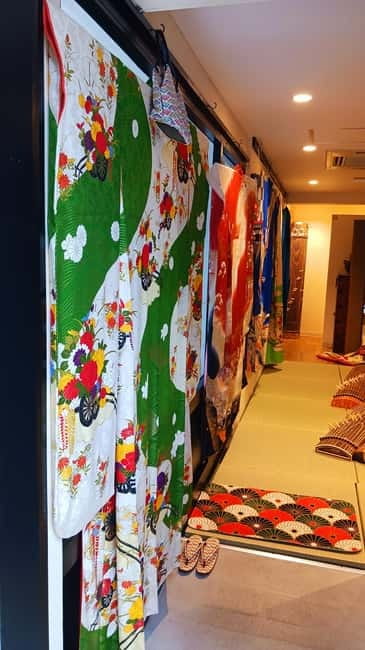
You remove your shoes at the door, so wear clean socks if that makes you more comfortable. The room is small, with kimono displayed along the walls, and there is not much space for a suitcase. I would leave large backpacks and shopping bags at your accommodation or in luggage storage.
The setting is attractive without being grand. This is a shop-studio rather than a historic temple, so you should come for the close contact with the host, the tea lesson, and the music, not for sweeping architecture or formal garden views.
More Food Market Tours in Kyoto
- Nishiki Market Brunch Walking Tour (7 Tastings + Brunch)
★ 5.0 · 1,355 reviews - Kimono Tea Ceremony at Kyoto Maikoya, NISHIKI
★ 5.0 · 911 reviews - Kyoto Nishiki Market Food and Culture Walking Tour
★ 5.0 · 412 reviews
Learning the meaning behind matcha
The tea portion begins with an explanation of Japanese tea customs and etiquette. Yurika guides you through the movements, explains what the tea and sweets represent, and makes the process approachable for first-time visitors. You are not expected to know how to sit, bow, hold the bowl, or whisk the tea before arriving.
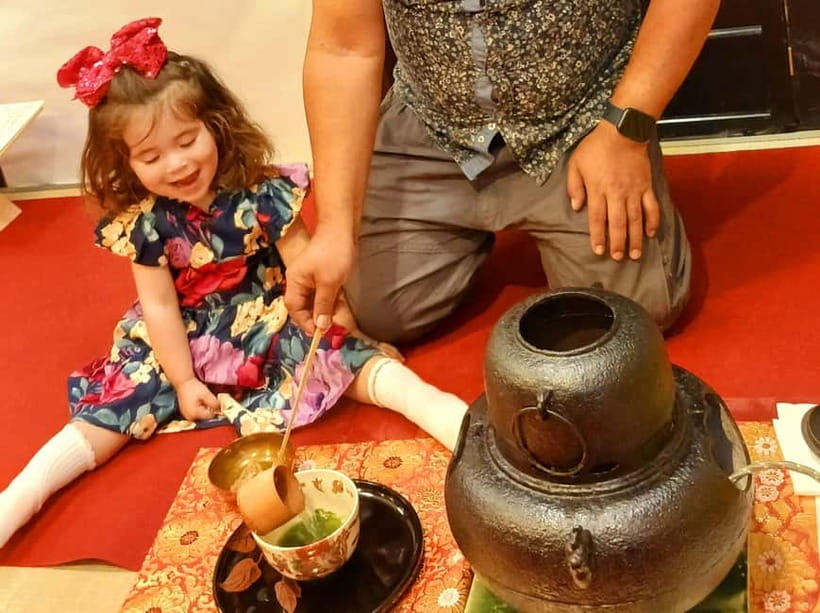
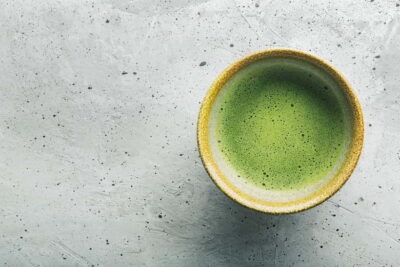
The best part is that you make the matcha yourself. You work through the basic steps, from adding the tea to the water to whisking it until it becomes creamy. The instruction is designed to produce a smoother, less bitter cup, which helps if you are unsure about matcha or have only tried sweetened versions in cafés.
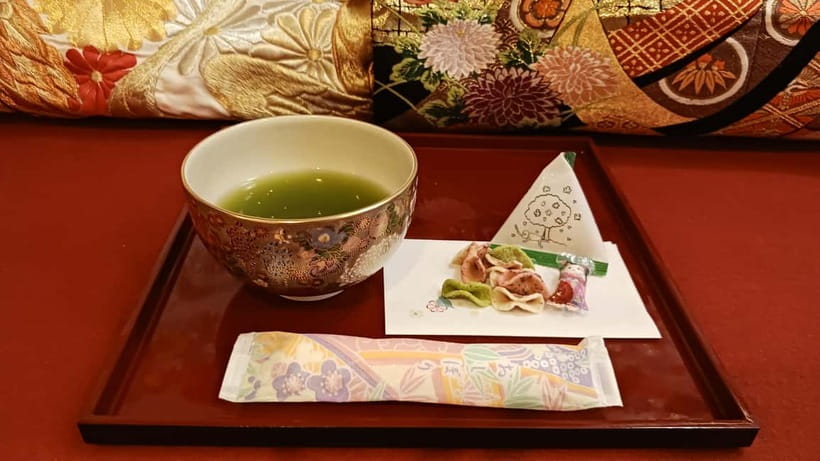
A small Japanese sweet accompanies the tea. It gives you a taste contrast and helps explain why sweets are served with matcha. The experience is not a meal, so do not arrive expecting a snack substantial enough to replace lunch. Nishiki Market is close by if you want a full meal before or afterward.
The lesson gives you useful context without turning into a lecture. I like this approach because the ceremony becomes easier to understand when you know why each action matters. You are not simply copying hand movements for a photograph. You get a short explanation of the care, order, and quiet attention behind the ritual.
Some sessions may include two types of green tea as part of the teaching. The exact presentation can vary, but the central activity is matcha preparation, followed by tea sweets.
Listening to the koto between tea rituals
The live koto performance is what gives this experience its particular character. The koto is a traditional Japanese string instrument often described as a Japanese harp. Its long wooden body and plucked strings create a bright, delicate sound that changes the mood of the small room quickly.
Music is played before and after the tea ceremony. That arrangement gives the hour a pleasing shape: you hear the instrument first, take part in the tea preparation, then settle back with the finished matcha while the performance continues. The music is not background audio. It is a central part of the session.
Yurika also explains the instrument and its place in Japanese music. Her playing has been one of the most consistently praised parts of the experience, and her English makes it easier to follow the cultural explanations. She has also performed songs such as Childhood and Summer during some sessions.
I especially like the balance between participation and listening. Many cultural activities ask you to watch a demonstration and then leave. Here, you spend part of the hour doing something with your hands and part simply listening. That makes it a good pause from Kyoto’s crowded shopping streets.
The koto lesson is not included in the $56 price. You can ask about adding one after the tea ceremony, and several people have found the short lesson worthwhile. Since it is arranged and paid for on-site, confirm the extra cost and available time before agreeing.
The host makes the difference
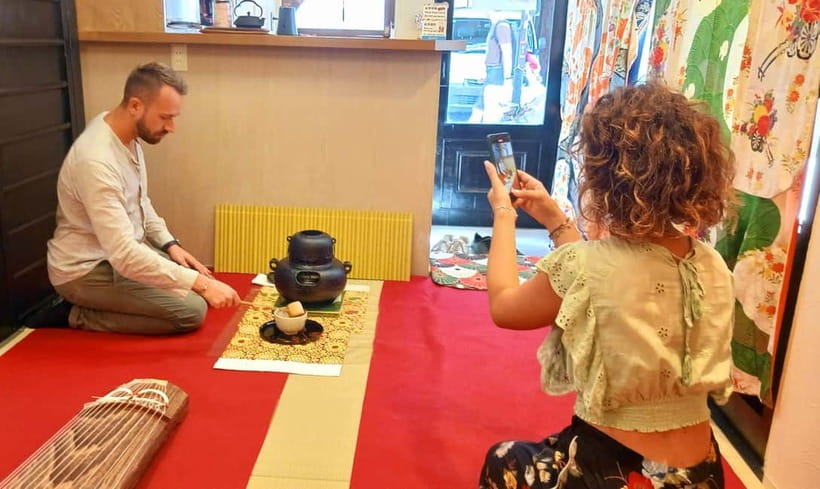
A tea ceremony can feel formal or distant if the instructor focuses only on correct movements. This one depends heavily on Yurika’s warm, lively teaching style. She combines instruction with small facts about Japanese culture, tea, and music, and she is comfortable answering questions in English or Japanese.
Her personality is an important reason this format works. She helps you relax when you make an awkward movement or whisk the tea too slowly. That matters for families and couples who want to take part rather than sit silently through a performance.
The small group limit of eight also helps. You may not have a private session, but the size leaves more room for direct instruction than a large tour group would. Private bookings can happen depending on the schedule, though a private session is not guaranteed by the standard booking.
I would choose this experience if you want a personal introduction to Japanese culture without committing to several hours of formal ceremony. If you already have advanced knowledge of tea schools or want a highly ceremonial temple setting, this may feel basic. For most first-time visitors, the relaxed teaching is an advantage.
More Tea Ceremony Experiences in Kyoto
- Kyoto: Tea Ceremony in a Traditional Tea House in Kiyomizu
★ 4.9 · 3,519 reviews - Kyoto: Tea Ceremony Ju-An at Jotokuji Temple
★ 4.9 · 3,207 reviews - Kyoto: 45-Minute Tea Ceremony Lesson Experience
★ 4.3 · 2,378 reviews - Kyoto: Table-Style Tea Ceremony at a Kyo-Machiya
★ 4.9 · 1,211 reviews
Optional kimono photographs
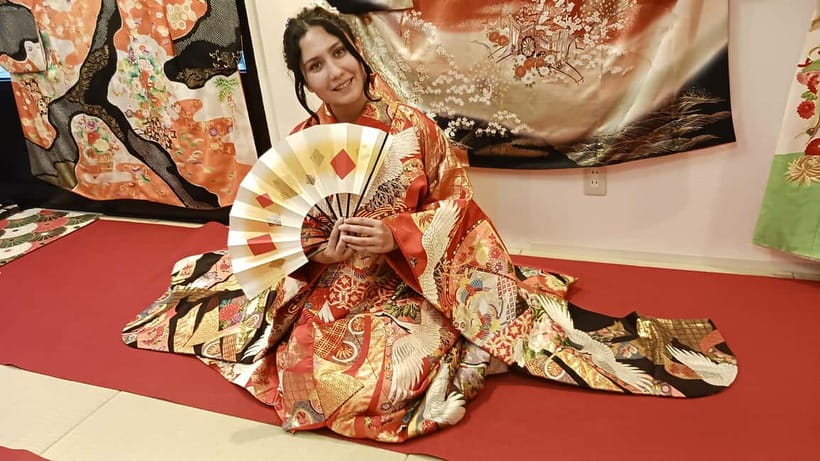
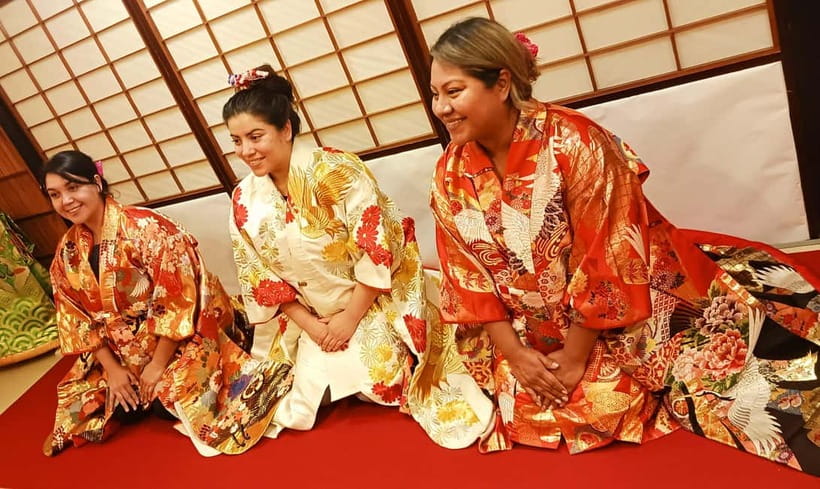
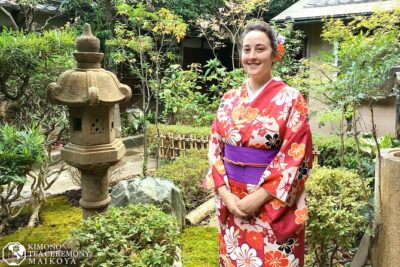
The shop has several beautiful kimono available for an added photo and video session. Traditional hair accessories may also be available, and you can arrange this on-site after the tea activity. It is a natural add-on because the studio already has kimono on display and offers a suitable cultural setting.
There is one practical point to understand: the standard tea experience does not include wearing a kimono. You pay extra for the dressing and photography option. Some people have wished they could wear the kimono during the tea itself, while others have liked changing afterward for posed pictures.
I see this as a memory-making add-on rather than part of the tea lesson. If your main goal is to learn tea etiquette, skip it and keep the hour focused. If you want polished photos in traditional clothing and do not want to book a separate kimono rental, ask about the option when you arrive.
Because the room is compact, the photo session may feel more like an in-studio portrait experience than a full day of walking around Kyoto in formal dress. That is not a flaw, but it is worth knowing before you pay extra.
Is $56 good value for one hour?
At $56 per person, the experience is not the cheapest way to taste matcha in Kyoto. You could buy a bowl of tea and a sweet at a café for much less. The value comes from the teaching, the small group, the live music, and the chance to prepare the tea yourself.
You are effectively getting two cultural introductions in one booking: a matcha lesson and a koto performance. The added music is what makes the price easier to justify. A basic tea demonstration may show you the ceremony, while this session asks you to participate and then gives you a live musical performance as well.
The one-hour length also has value for a busy Kyoto schedule. You can fit it between Nishiki Market, Gion, shopping streets, or other central sights without giving up half a day. I would not book it as your only cultural activity in Kyoto, but it makes a useful, focused addition to a packed itinerary.
The price does not include transportation, meals, kimono photographs, video, or a koto lesson. Budget for those separately if you want them. The included sweets are a small accompaniment, not a meal.
Who will enjoy this Kyoto tea experience?
I recommend it most strongly for first-time visitors who want a clear introduction to matcha and Japanese customs. You get enough instruction to understand the ceremony, but the tone remains light and welcoming.
It also suits couples looking for a quiet shared activity, families with children aged eight and older, and solo visitors who prefer a small group to a large cultural show. The musical element gives the experience more range than a tea lesson alone.
People who do not usually enjoy matcha should not rule it out. The preparation instructions aim for a creamy, less bitter cup, and the sweet helps balance the flavor. Still, the activity centers on green tea, so anyone with a strong dislike of matcha may not get full value from it.
This is not suitable for children under eight, wheelchair users, or people with food allergies. The studio requires shoes to be removed, and the compact layout may be uncomfortable if you need wheelchair access. If allergies are a concern, the activity data specifically advises against booking.
Bring a camera if you want your own record of the session, but do not use flash photography. Comfortable clothes are best, especially if you plan to sit through the tea preparation and add a kimono session afterward.
Planning the hour around Kyoto sightseeing
I would place this activity near the middle of a day in central Kyoto. Start with Nishiki Market and nearby shopping, attend the tea ceremony, then continue toward another central area. The location makes it easy to keep your day on foot or use nearby transport, though transportation to and from the studio is not included.
Allow enough time to find the shop. Look for KOTOLILY KYOTO beside KINMATA Restaurant, and do not wait at Hotel GOCO stay across the street. Arrive ready to go inside, remove your shoes, and settle into the small room.
The activity lasts one hour, but the optional kimono photos or koto lesson will add time. Since those extras are arranged at the location, avoid booking a tightly timed train, restaurant, or attraction immediately afterward.
The experience works particularly well on a rainy day. You stay indoors, close to food and retail areas, and still get a meaningful cultural activity rather than simply sheltering in a café.
What I would want you to know before booking
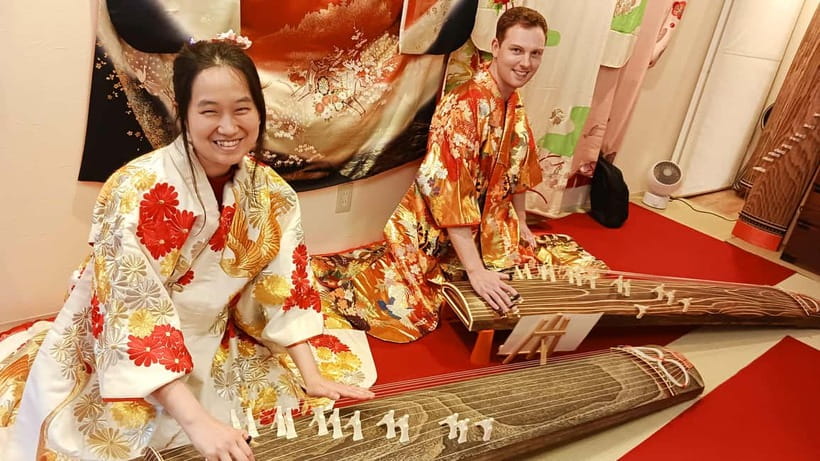
The strongest feature is the connection between the host and the activity. Yurika is not only demonstrating tea etiquette. She also plays the koto, explains its sound and background, and keeps the session personable. That combination gives the hour a sense of occasion without making it intimidating.
The main limitation is that the experience is short. You will learn the basic process and enjoy several musical pieces, but you will not master Japanese tea ceremony etiquette in sixty minutes. Think of it as a well-guided introduction, not professional training.
You should also decide how important the visual side is to you. The kimono option can make the visit more memorable, but it is an extra charge and is not part of the core booking. If you want to keep costs controlled, enjoy the tea and music as offered.
The activity has a rating of 4.8 from 294 reviews, which fits the consistent strengths of the format: kind instruction, beautiful koto playing, a pleasant room, and a central location. I would put more weight on those specific qualities than on the number alone, since the experience is a good match for some interests and a poor fit for others.
Should you book KOTOLILY KYOTO?
Book it if you want a short, personal cultural experience that combines hands-on matcha preparation with live Japanese music. It is especially good for first-time visitors, couples, families with older children, and anyone seeking a peaceful hour near Nishiki Market.
Skip it if you want a full formal tea ceremony, a substantial meal, wheelchair access, or a kimono experience included in the base price. For everyone else, the combination of clear English instruction, handmade tea, sweets, and live koto music gives the $56 fee solid value.
FAQ
Where does the tea ceremony take place?
It takes place at KOTOLILY KYOTO in central Kyoto, next to KINMATA Restaurant and across the street from Hotel GOCO stay. You should go inside the shop rather than wait at the hotel.
How long does the activity last?
The tea ceremony and koto experience last one hour. Kimono photography, video, or a koto lesson may require additional time.
What is included in the price?
The $56 price includes the tea ceremony experience, matcha preparation, tea sweets, and a live koto performance.
Are kimono photos included?
No. Wearing a kimono and arranging photographs or video costs extra and can be requested at the location after the tea ceremony.
Can I take a koto lesson?
Yes. A koto-playing lesson is available for an additional fee on-site. Ask the staff about the option after the tea experience.
What languages are available?
Instruction is available in English and Japanese.
Is this suitable for young children?
The activity is not suitable for children under eight years old.
What should I bring and what is not allowed?
Bring a camera and wear comfortable clothing. Flash photography is not allowed. You will also remove your shoes, so clean socks may be useful.
More Shopping Tours in Kyoto
- Golden Pavilion, Nijo Castle, & Nishiki Market Half day tour
★ 5.0 · 29 reviews - Kyoto: Nishiki Market Food Tour
★ 4.9 · 21 reviews - Kyoto: Enjoy Sushi & Market Tour! Best for Family & Couple!
★ 4.8 · 20 reviews - Taste of Nishiki Market Walking Food Tour with Local guide
★ 5.0 · 17 reviews
More Markets in Kyoto
- Kyoto: Local Food Tasting Tour at the Nishiki Market
★ 4.7 · 135 reviews - Kyoto: Nishiki Market and Depachika Food Tour with a Local
★ 4.7 · 76 reviews - Kyoto: Nishiki Market Tour with a Local Foodie & Tastings
★ 4.5 · 67 reviews - Nishiki Market Food Tour with Cooking Class
★ 4.9 · 42 reviews
Just added around Kyoto
- Taste of Nishiki Market Walking Food Tour with Local guide★ 5.0 · 17 reviews
- Kyoto: Sushi Making Class with Sushi Chef★ 4.8 · 64 reviews
- Kyoto: City Secrets eBike Tour★ 4.9 · 196 reviews
- Sacred Pathways: Discover the Philosopher’s Path of Kyoto★ 4.9 · 20 reviews
- Private Tour to Monkey Park and Arashiyama Highlights★ 5.0 · 22 reviews
- Private Nara Tour from Osaka – Meet at Your Hotel★ 5.0 · 22 reviews
- Private Sake Tasting in Central Kyoto with Sake Sommelier★ 5.0 · 13 reviews
- Kyoto : Private Custom Walking Tour With A Local Guide★ 4.6 · 144 reviews
Tea Ceremony Experiences, compared.
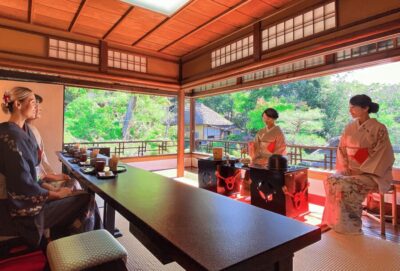
Tea Ceremony in a Traditional Tea House in Kiyomizu
Read our review →
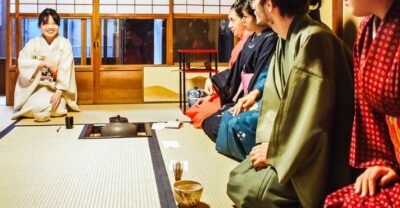
World Heritage Kyoto & Nara Uji Authentic Matcha Experience
Read our review →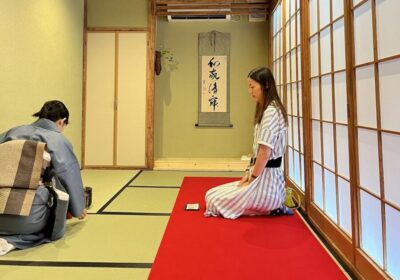
Browse the lists this tour appears in