
REVIEW · FOOD MARKET TOURS
Kyoto: Nishiki Market Food Tour
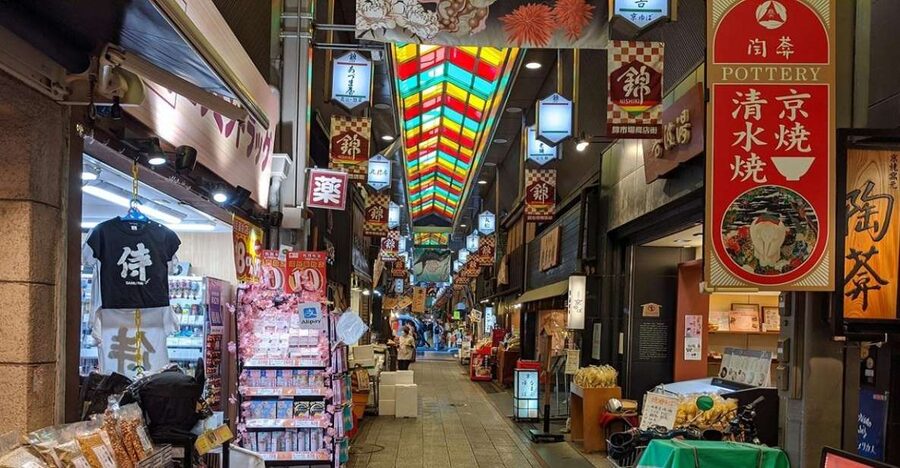
Nishiki Market is Kyoto’s Kitchen, but it can be a confusing place to eat well on your own. This three-hour tour leads you through about 10 family-run stalls, where you taste seasonal food, seafood, snacks, tea, and regional specialties while your guide explains what belongs on a Kyoto table. The food is the main event, but the cultural context gives each bite more meaning.
I like two things here. First, you get to try small portions of foods you might otherwise pass by, including items such as dried bonito and local pickles. Second, the group is limited to eight people, so guides such as Sanae, Sae, Marie, Raquel, and Ida have been able to offer friendly, personal explanations rather than deliver a speech to a crowd. The drawback is the price: at $173 per person, this is not a casual market snack crawl.
- About 10 vendor visits: Sample food from family-owned shops and stalls across Nishiki Market.
- Seasonal Kyoto flavors: Taste regional lunch items, seafood, snacks, sweets, and Japanese tea.
- English-speaking guide: Learn how ingredients connect to Japanese food customs and Kyoto’s seasons.
- Three hours on foot: Wear comfortable shoes and expect time spent walking and standing.
- Small group of up to eight: A useful size for asking questions and keeping the group together in narrow market lanes.
- Shopping time included: Return to stalls that catch your eye and buy additional food at your own expense.
In This Review
- Why Nishiki Market Makes a Good Food Tour
- What the Three Hours Usually Feel Like
- The First Tastes: Seafood, Snacks, and Seasonal Produce
- Meeting Family-Owned Shops With a Local Guide
- Japanese Tea and the Rhythm of a Kyoto Meal
- Shopping Time: The Practical Benefit
- Is $173 a Fair Price?
- Who Will Enjoy This Tour Most?
- Timing, Transport, and Booking Details
- My Verdict: Book It If Food Context Matters
- FAQ
- Where does the Nishiki Market Food Tour meet?
- How long does the tour last?
- How many people can join the group?
- What food and drinks are included?
- Is transportation from my hotel included?
- Is the tour conducted in English?
- What should I bring or tell the tour provider?
Why Nishiki Market Makes a Good Food Tour
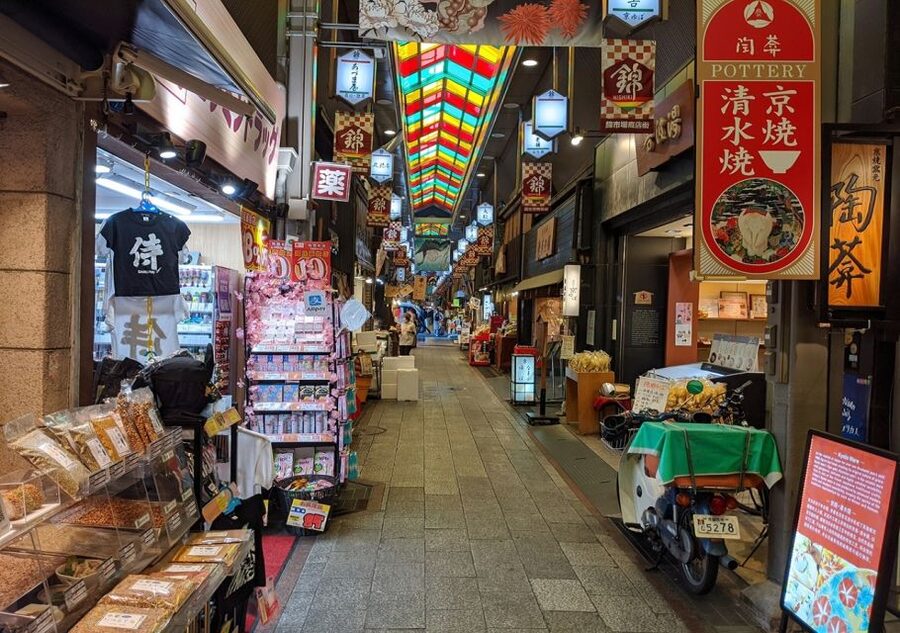
Nishiki Market is a long, narrow shopping corridor in central Kyoto. Its nickname, the Kitchen of Kyoto, tells you more than a brochure can. This is not simply a row of restaurants. It is a place where ingredients, snacks, prepared foods, tea, sweets, and cooking supplies sit side by side.
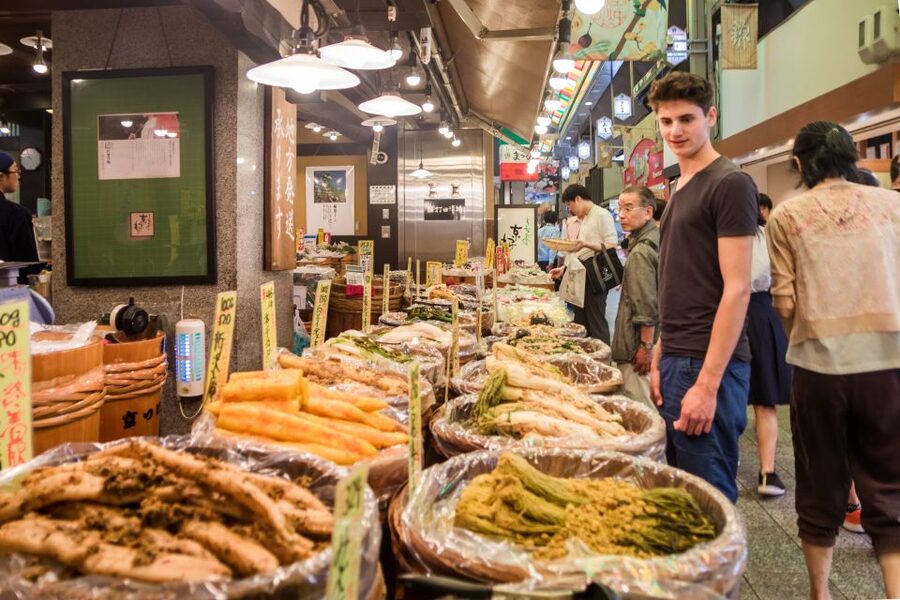
That variety is exactly why a guide helps. You might see an unfamiliar pickle, a carefully arranged seafood item, or a packet of dried ingredients and have no idea how it is used. Your guide can explain the food, point out seasonal specialties, and help you understand the difference between something meant for a quick snack and something bought for a home kitchen.
I like the way this tour treats the market as part of daily food culture, not just a photo stop. The stalls are family-owned, and the focus is on meeting local sellers and trying foods in small portions. You get a taste of Kyoto without having to commit to a full meal at every stop.
The market also gives you a practical introduction to washoku, the Japanese approach to food recognized by UNESCO as an Intangible Cultural Heritage. The important point is not a formal lecture. It is seeing how seasonality, careful presentation, regional ingredients, and respect for the food come together in ordinary market shopping.
What the Three Hours Usually Feel Like
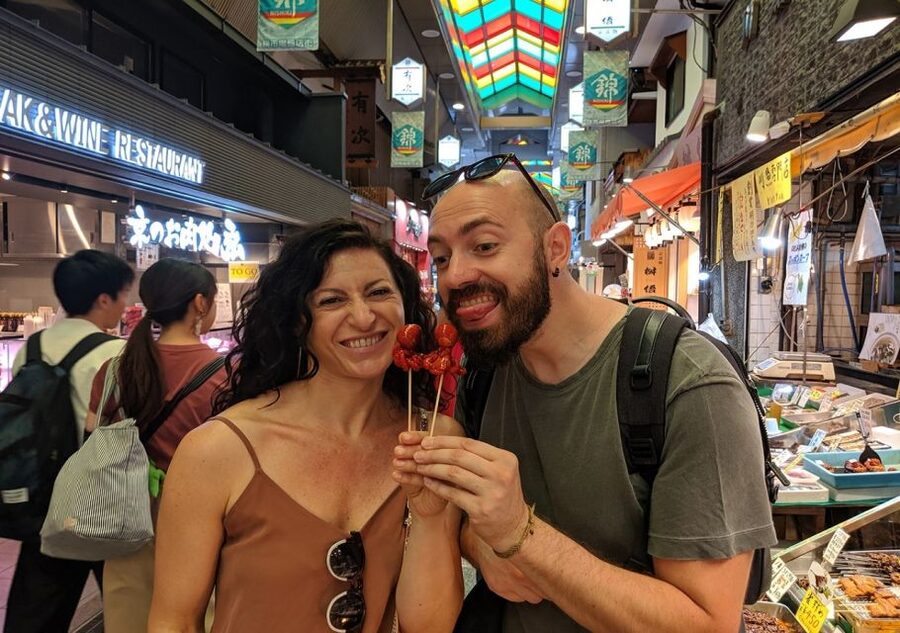
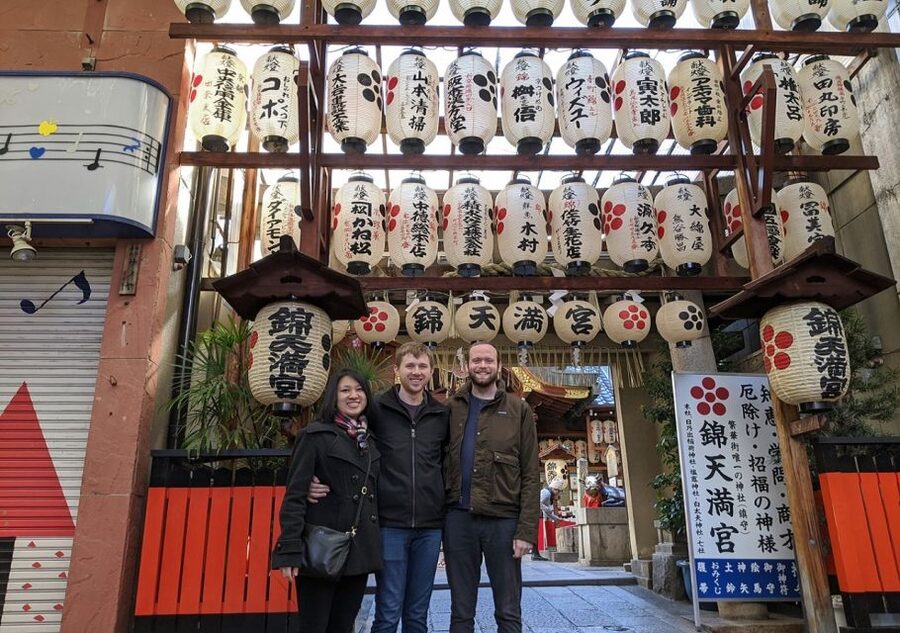
The meeting point is in front of Lacoste at Naramonochi 375, on Shijo Street near Kawaramachi. From the Hankyu Line, use Kawaramachi Station Exit 9. Arrive with comfortable shoes and enough room in your schedule to walk without rushing.
The experience begins with orientation. Your guide introduces the market and sets up the tasting plan, then leads you from vendor to vendor. Since the tour includes around 10 stops, you are not simply handed one large meal and sent on your way. The appeal is the range: a bite here, a taste there, and a growing picture of Kyoto’s food traditions.
Expect the exact order and selection to change with the season and the day’s supply. That is a strength rather than a flaw. A market tour should respond to what is fresh, and the description specifically places seasonal and regional food at the center of the experience.
You will have lunch-sized tastings along the way, plus Japanese tea. Additional food and drinks can be purchased if you want more. The included tastings are designed to give you variety, but a particularly hungry person may still choose to buy something extra.
More Food Market Tours in Kyoto
- Nishiki Market Brunch Walking Tour (7 Tastings + Brunch)
★ 5.0 · 1,355 reviews - Kimono Tea Ceremony at Kyoto Maikoya, NISHIKI
★ 5.0 · 911 reviews - Kyoto Nishiki Market Food and Culture Walking Tour
★ 5.0 · 412 reviews
The First Tastes: Seafood, Snacks, and Seasonal Produce
Fresh seafood is one of the advertised highlights, and market seafood often rewards a guide’s explanation. You may see items that are familiar in appearance but different in preparation, along with foods that are new to you entirely. Your guide helps you understand what you are tasting instead of leaving you to guess.
Small snacks are another strong part of the route. A market stall can offer a quick, focused taste that says more about local habits than a generic restaurant dish. One past participant became a fan of dried bonito after learning about it on the tour. That detail captures the value of guided tasting: a plain-looking ingredient can become memorable once you know how it fits into Japanese cooking.
Pickled vegetables, roasted tea, sweets, and seasonal produce also form part of the market’s appeal. The food is not presented as one fixed menu. You are seeing how Kyoto’s ingredients shift through the year and how shopkeepers present them for home cooks and passing customers.
I would not expect every stop to appeal equally to every palate. Some items may be salty, sweet, strongly flavored, or unfamiliar. That is part of the point, but you should tell the company about allergies and dietary needs before booking so the guide can plan appropriately.
Meeting Family-Owned Shops With a Local Guide
A good market tour depends heavily on the guide. Here, that is especially true because the experience is built around explanation and conversation rather than a simple list of samples.
Several guides associated with this experience have been singled out for warmth, preparation, and cultural insight. Sanae has been praised for making the market’s past and customs easy to understand. Sae has been described as an excellent companion for trying many different foods. Marie has also offered wider Kyoto eating suggestions, useful if you want to continue exploring after the tour.
Raquel has been noted for being professional, pleasant, and attentive to the group. Ida led a straightforward walk through the market with plenty of tasting opportunities, while Kohei brought a gracious, personable style. Rosalia Yoshiko was especially appreciated for stories and food tips, including an introduction to dried bonito.
Guide quality can vary from person to person, as it does on any guided outing. The strongest version of this tour is not just someone pointing at food. It is a guide who explains why an ingredient matters, how it connects to home cooking, and how the market fits into Kyoto life. The small group gives you a better chance to ask those questions.
You should also be aware that the tour does not promise a private guide. It is a small-group experience, with up to eight participants, and at least two people are required per booking. That creates a social setting rather than a completely personal one.
Japanese Tea and the Rhythm of a Kyoto Meal
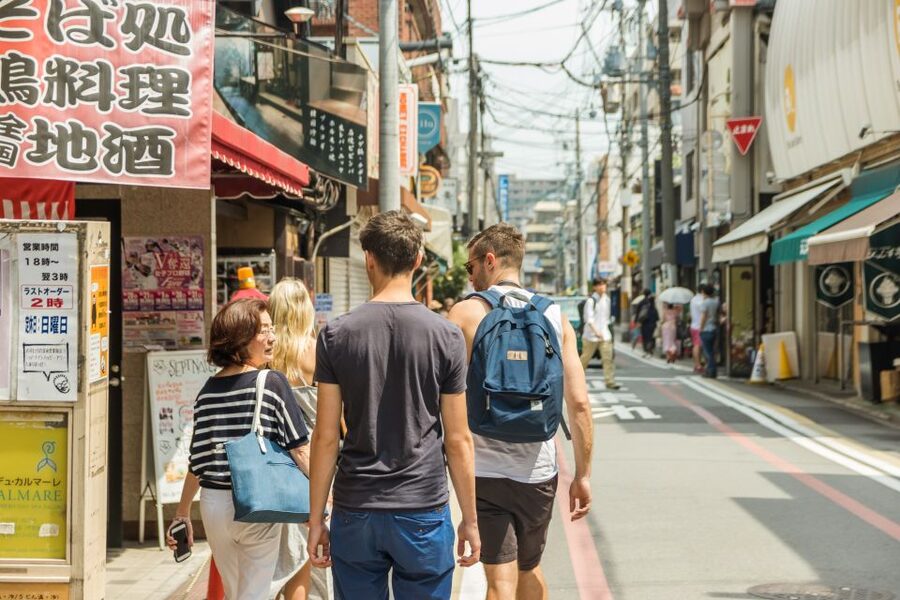
Tea is included, and it provides a quiet pause in a route filled with tastes and conversation. Japanese tea is not simply a drink added to the end of lunch. It is part of the broader food culture the tour is trying to explain.
The meal tastings are seasonal and regional, so you are getting more than random samples. The guide’s job is to connect those items to Kyoto’s way of eating. Look for explanations about ingredients, preparation, local habits, and the role of the seasons.
I like this approach because it helps you remember the food. Without context, a market tour can become a blur of small bites. With context, you start to notice why one ingredient is dried, another is pickled, and another is prepared fresh.
The traditional lunch has also been an important part of the experience for some groups. The supplied details do not specify one fixed restaurant or menu, so you should not book expecting a particular dish or dining room. Treat the lunch as a seasonal component that may change.
Same city, a completely different kind of day:
- PERFECT KYOTO 1-Day Bus Tour
★ 5.0 · 13,518 reviews - Kyoto: Fushimi Inari, Kinkakuji, Bamboo Grove 1 Day Bus Tour
★ 4.8 · 4,316 reviews - Kyoto: Tea Ceremony in a Traditional Tea House in Kiyomizu
★ 4.9 · 3,519 reviews - Kyoto Geisha Walking Tour: Gion District & Hidden Gems
★ 4.7 · 3,273 reviews
Shopping Time: The Practical Benefit
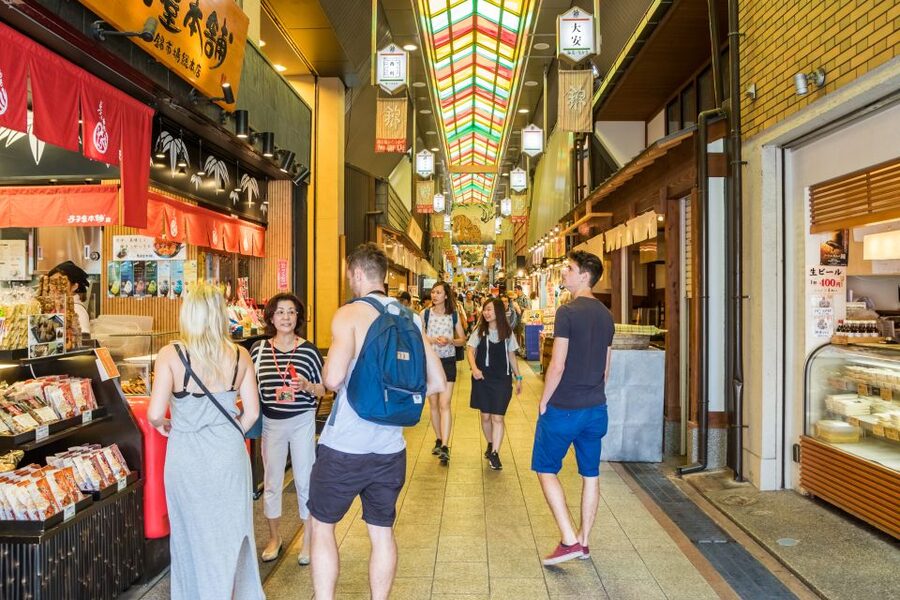
Shopping time is included, which makes this more useful than a tour that rushes you past every stall. Once you have tasted something and heard how it is used, you can decide if it deserves space in your suitcase.
This is also where the guide’s advice can save you from buying blindly. You can ask about an ingredient, a tea, a sweet, or a packaged specialty before spending money. Additional purchases are not included in the tour price, but you can buy them at your own expense.
Keep your shopping expectations sensible. The tour gives you time to browse, but it is still a three-hour walking experience with several tastings. It is not a dedicated shopping trip, and the market’s narrow corridors may not make leisurely browsing easy when the group is moving.
Is $173 a Fair Price?
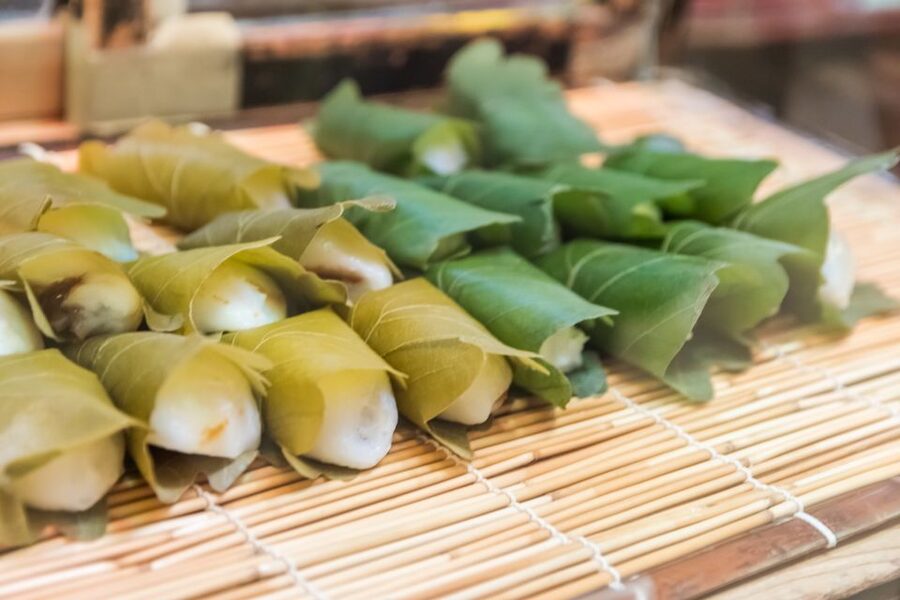
The cost is $173 per person, which places this firmly in the premium food-tour category. You are paying for more than the food itself. The price covers an English-speaking guide, a three-hour route, around 10 vendor visits, included tastings, lunch items, Japanese tea, and the convenience of having someone explain what you are eating.
That can be good value if this is your first visit to Nishiki Market or your first serious introduction to Kyoto food. You get variety without having to research each stall, guess at menus, or risk buying a full portion of something you do not enjoy.
It is harder to justify if you are comfortable exploring markets alone, already know Japanese food well, or mainly want a cheap lunch. Nishiki Market can be visited without a tour, and extra purchases are not included. You are paying for access to interpretation and a planned tasting route, not an all-you-can-eat meal.
For a short Kyoto stay, I think the price makes more sense. A guide can help you use three hours well and may give you ideas for later meals. If you have several days in Kyoto and enjoy researching food on your own, you may prefer to spend the money at individual restaurants and stalls.
Who Will Enjoy This Tour Most?
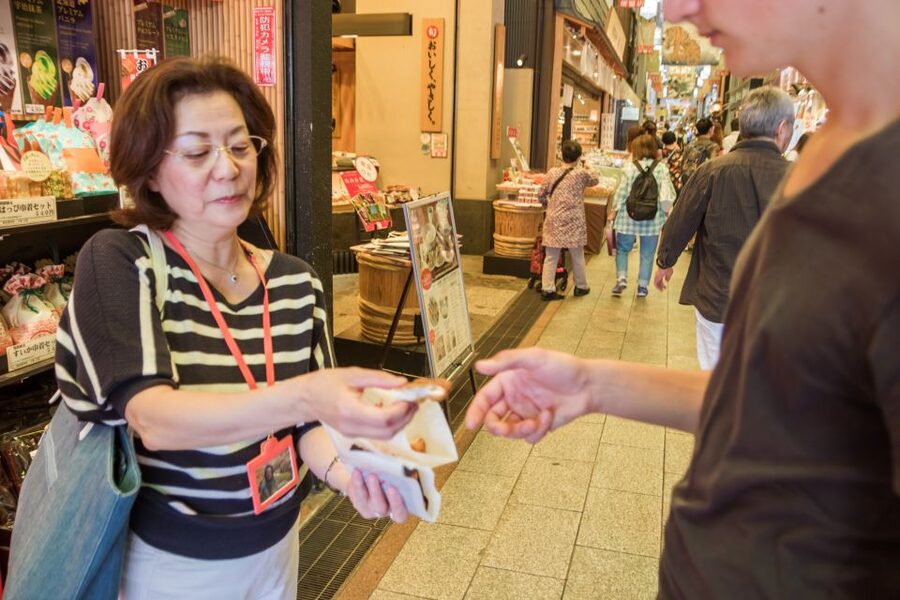
This experience suits first-time visitors who want a friendly introduction to Kyoto food without facing the market alone. It is also useful for people who enjoy trying unusual ingredients but want someone nearby to explain them.
Families and mixed groups may like the small portions and range of food, though food allergies and dietary requirements must be shared in advance. The tour requires walking and standing, so comfortable shoes matter.
I would also recommend it to curious eaters who care about the story behind a dish. If you want to know how Kyoto’s seasonal cooking works, why certain products appear in the market, and how local shops serve daily life, the guide adds real value.
It may not suit someone seeking a private, slow-paced food experience. The group can include up to eight people, the route involves several stops, and the food selection changes. It is also not the right pick if your main goal is a very large meal or a fixed menu.
Timing, Transport, and Booking Details
Hotel pick-up is not included, though it can be arranged for an additional charge. You are responsible for transportation costs, so plan your route to the Kawaramachi meeting point before the start time.
The Hankyu Line is the clearest access option listed: get off at Kawaramachi Station and use Exit 9. The meeting point is in front of Lacoste at the Shijo Teramachi area. Give yourself extra time to find the exact spot in central Kyoto.
The tour lasts three hours, and starting times depend on availability. It is conducted in English, with a small group of no more than eight participants. A minimum of two people per booking is required.
You must provide a copy of passport information for every participant aged 10 and over. Cancellation is free up to 24 hours before the activity for a full refund, and the reserve-now, pay-later option can help if your Kyoto plans are still shifting.
My Verdict: Book It If Food Context Matters
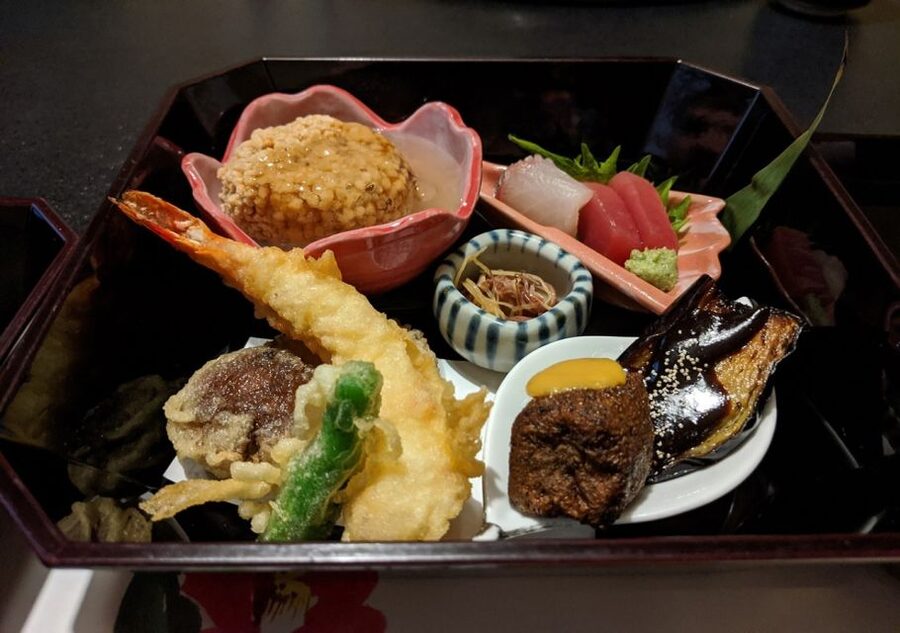
I would book the Nishiki Market Food Tour if I wanted a guided first look at Kyoto’s food culture, especially on an initial visit. The best parts are the family-run stalls, the seasonal tastings, the included tea, and the chance to ask what unfamiliar foods are and how they fit into Japanese cooking.
The main warning is cost. At $173, this is a serious purchase for three hours, and the included food alone does not explain the full price. Book it for the guide, the route, and the confidence of knowing what you are tasting, not for a bargain meal.
If you already know Nishiki Market well, you may find more value in exploring independently. If you are new to Kyoto and want an easy, thoughtful introduction with a small group, this tour makes the market much easier to read.
FAQ
Where does the Nishiki Market Food Tour meet?
The meeting point is in front of Lacoste at Naramonochi 375, Kyoto. From the Hankyu train Line, get off at Kawaramachi Station and use Exit 9.
How long does the tour last?
The walking food tour lasts three hours. Starting times depend on availability when you book.
How many people can join the group?
The tour is limited to eight participants. A minimum of two people per booking is required.
What food and drinks are included?
Seasonal and regional lunch items, market food tastings, and Japanese tea are included. Additional food and drinks can be purchased at your own expense.
Is transportation from my hotel included?
No. Hotel pick-up is not included, though it can be arranged for an additional charge. Transportation costs are also not included.
Is the tour conducted in English?
Yes. The tour includes a live English-speaking guide.
What should I bring or tell the tour provider?
Wear comfortable shoes because the experience involves walking. Inform the provider about any food allergies or dietary requirements, and provide passport information for all participants aged 10 and over.
More Food in Kyoto
- Kyoto: Gion Food Tour 13 Dishes at 4 Eateries
★ 5.0 · 408 reviews - Kyoto Foodie Night Tour
★ 5.0 · 376 reviews - Kyoto: Gion & Pontocho Food Tour with 13 Dishes
★ 4.9 · 235 reviews - Kyoto: Local Food Tasting Tour at the Nishiki Market
★ 4.7 · 135 reviews
More Food & Drink in Kyoto
- Kyoto Night Foodie Tour in Gion (9+ dishes + 6 Sake tastings)
★ 5.0 · 1,762 reviews - 3-Hour Kyoto Insider Sake Brewery Tour with Tastings & Pairings
★ 5.0 · 917 reviews - Arashiyama Bamboo, Temple, Monkeys, or Secret Sake Brewery
★ 4.8 · 886 reviews - Kyoto: Insider Sake Brewery Tour with Sake and Food Pairing
★ 5.0 · 704 reviews
Just added around Kyoto
- Taste of Nishiki Market Walking Food Tour with Local guide★ 5.0 · 17 reviews
- Kyoto: Sushi Making Class with Sushi Chef★ 4.8 · 64 reviews
- Kyoto: City Secrets eBike Tour★ 4.9 · 196 reviews
- Sacred Pathways: Discover the Philosopher’s Path of Kyoto★ 4.9 · 20 reviews
- Private Tour to Monkey Park and Arashiyama Highlights★ 5.0 · 22 reviews
- Private Nara Tour from Osaka – Meet at Your Hotel★ 5.0 · 22 reviews
- Private Sake Tasting in Central Kyoto with Sake Sommelier★ 5.0 · 13 reviews
- Kyoto : Private Custom Walking Tour With A Local Guide★ 4.6 · 144 reviews
Food Market Tours, compared.
Shinjuku Food Tour (13 Dishes at 4 Local Eateries)
Read our review →
Tokyo Tsukiji Fish Market Food and Culture Walking Tour
Read our review →
Shinsekai Food Tour with 13-15 Dishes at 5 Eateries
Read our review →
Osaka Food Tour: 13 Dishes at 5 Local Eateries
Read our review →
Shinjuku Food Tour (15 Dishes and 4 Eateries)
Read our review →
Best of Shinjuku: Izakaya Food Tour (4 Stops, 14+ Tastings)
Read our review →
Hungry Osaka Street Food Tour:15 Tastings & 3 Drinks with a Local
Read our review →
Browse the lists this tour appears in