
REVIEW · FOOD MARKET TOURS
Kyoto Evening Gion Food Tour
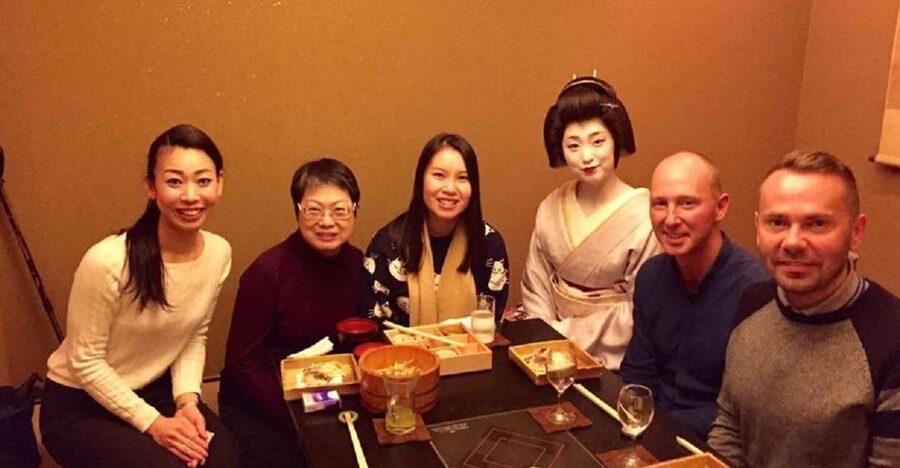
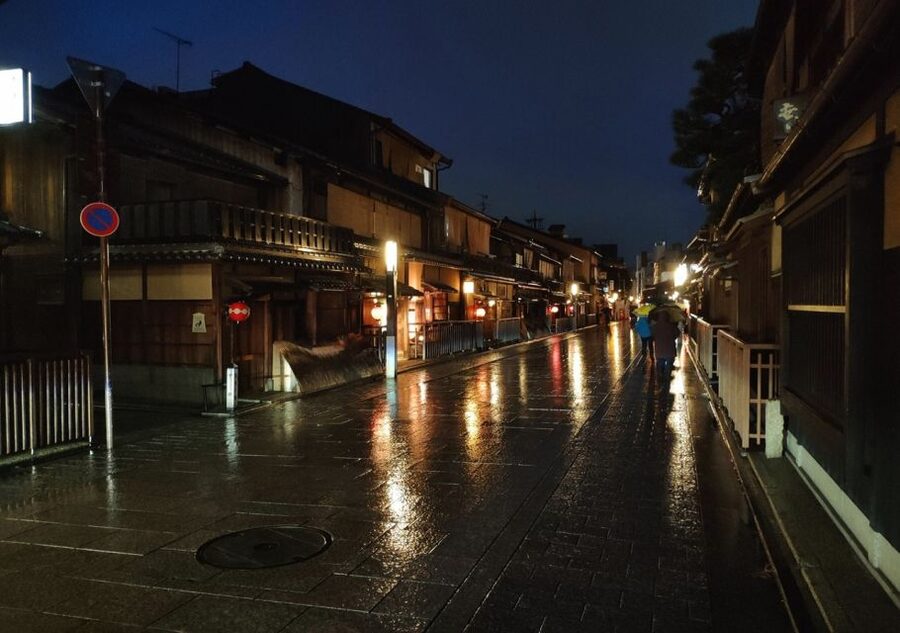
Gion after sunset is the star here. Lanterns glow along narrow lanes, wooden teahouses take on a soft evening hush, and your guide explains the customs behind Kyoto’s Maiko and Geiko world before leading you to dinner. I especially like the small group of up to 10 and the way the walk combines architecture, local snacks, and cultural background. The 10-course kaiseki meal gives you a proper taste of seasonal Kyoto cooking, not just a handful of street bites.
The main thing to understand is that this is more a Gion walking tour with a substantial dinner than a nonstop food crawl. You get several snack stops, but the bulk of the meal arrives at the final restaurant. At $216 per person, that makes the experience a better fit for someone who values a polished evening, a guide, and cultural context rather than someone seeking the cheapest way to eat in Kyoto.
In This Review
- Key points at a glance
- Gion after dark, where the tour begins
- Understanding Maiko and Geiko life
- Small bites before the main meal
- The ten-course kaiseki dinner
- What $216 buys you
- Walking demands and evening timing
- Food allergies, age, and group details
- Who should book this Gion evening?
- Practical booking advice
- Should you book the Kyoto Evening Gion Food Tour?
- FAQ
- Where does the Kyoto Evening Gion Food Tour meet?
- How long does the tour last?
- What language is the tour offered in?
- How many people are in the group?
- Is hotel pickup included?
- Is transportation included?
- What food is included?
- Are additional drinks included?
- Can dietary requirements be accommodated?
- Is there a minimum number of people for booking?
- What should I wear?
- What identification is required?
- How late will the guide wait at the meeting point?
- Can I cancel for a refund?
Key points at a glance
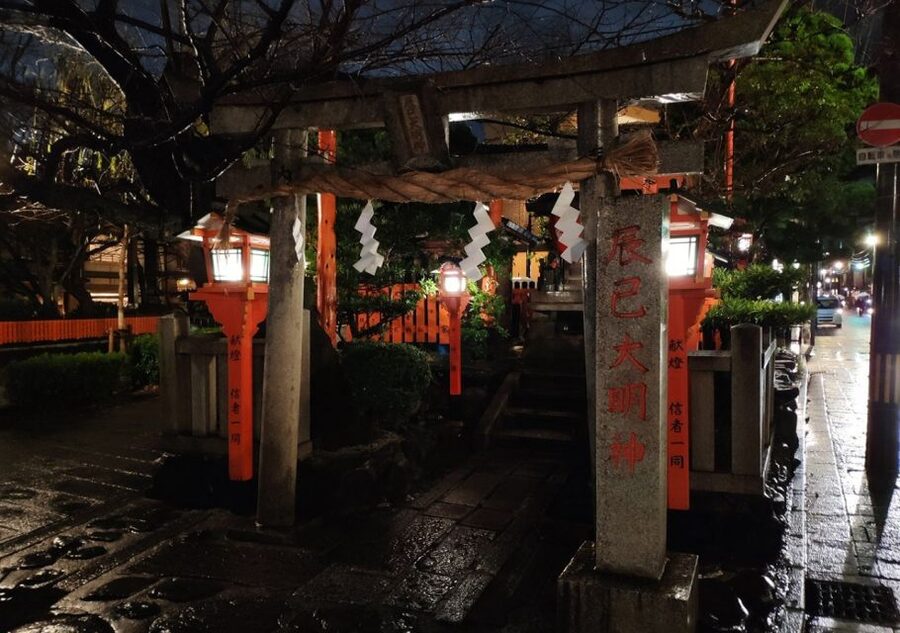
- Lantern-lit Gion and Shirakawa: Walk historic lanes and admire traditional wooden buildings as evening begins.
- Maiko and Geiko culture: Learn about the working traditions, artistry, and present-day practices of Kyoto’s entertainers.
- Small English-speaking group: The group is limited to 10 people, allowing room for questions and personal attention.
- Snack stops before dinner: Taste several traditional Kyoto treats, though most of the food comes during the final meal.
- Ten-course kaiseki dinner: Expect seasonal and regional ingredients presented on attractive Japanese ceramics.
- Useful first-night orientation: Guides such as Russ have helped participants understand local customs and move around Japan with more confidence.
Gion after dark, where the tour begins
Meet your guide in front of the Japan Kanji Museum & Library in Gionmachi Minamigawa. This is a central Gion location, but you should arrive early. The guide waits only five minutes after the scheduled start, so this is not the time to rely on a last-minute dash from the wrong side of Kyoto.
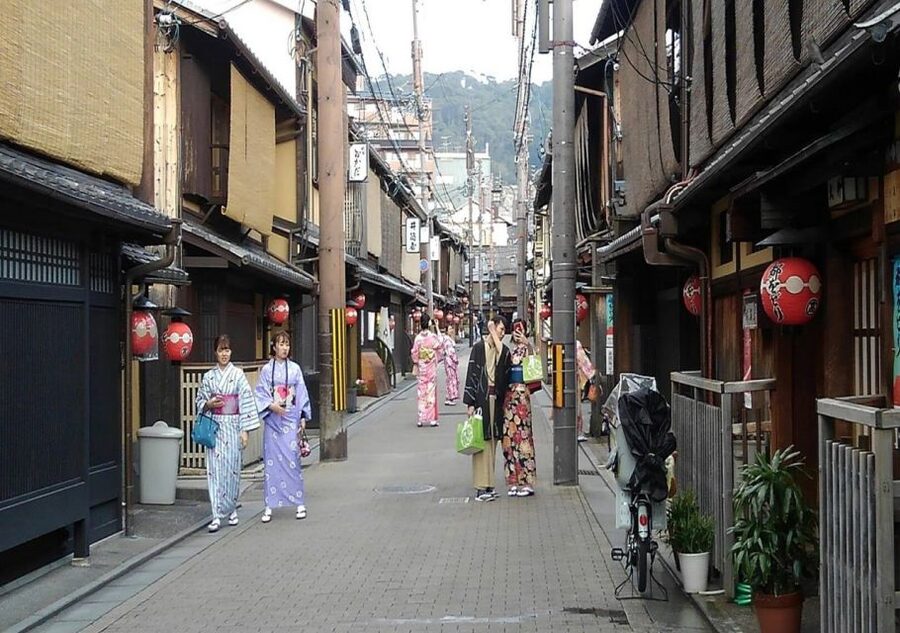
From here, the evening moves into Gion and the Shirakawa area. These districts are famous for old wooden townhouses, teahouses, stone lanes, and carefully preserved streets. The setting changes as daylight fades. Shopfronts and restaurant signs begin to glow, and the architecture becomes more atmospheric than it is in the middle of a bright afternoon.
Your guide provides the context that a solo walk often misses. You hear how the entertainment districts work, why certain streets and buildings matter, and how Kyoto’s traditional arts remain part of modern life. This is useful because Gion can otherwise become a pretty backdrop for photographs, with little sense of the people and customs behind it.
The walk is also a lesson in restraint. Gion is a working neighborhood, not a theme park. If you see a Maiko or Geiko, your guide can help explain what you are seeing, but you should behave respectfully and avoid blocking lanes or treating people as costumed attractions.
More Food Market Tours in Kyoto
- Nishiki Market Brunch Walking Tour (7 Tastings + Brunch)
★ 5.0 · 1,355 reviews - Kimono Tea Ceremony at Kyoto Maikoya, NISHIKI
★ 5.0 · 911 reviews - Kyoto Nishiki Market Food and Culture Walking Tour
★ 5.0 · 412 reviews
Understanding Maiko and Geiko life
One of the strongest parts of the evening is the explanation of Maiko and Geiko culture. The terms are often flattened into the single word geisha, but the traditions are more specific than that. Your guide discusses their training, performance arts, clothing, and role within Kyoto’s teahouse districts.
The emphasis is on current practices as well as older customs. That matters. You are not simply hearing a romantic story about an earlier Kyoto. You are getting a clearer picture of a living profession shaped by music, dance, hospitality, discipline, and long apprenticeship.
Several guides have been praised for making this subject approachable. Sae, Miki, Marie, Russ, and Rosalia are among the guides who have received especially warm personal feedback for their explanations and friendly manner. The exact guide depends on the departure, so you should not book expecting one particular person. Still, the pattern is clear: the guide is an important part of the value here.
You might even see a Maiko or Geiko during the walk. That is possible, but it should never be treated as a promised feature. The tour’s real strength is learning how to understand the district, not chasing a sighting.
Small bites before the main meal
The food portion begins along the route, with stops at shops or small food businesses for traditional Kyoto snacks. These short tastings break up the walking and give you an introduction to local flavors before the formal meal.
The available information does not specify every snack, and that is sensible since stops may change. You can expect tastes connected to Kyoto’s traditional cuisine, with an emphasis on regional ingredients and careful preparation. Your guide explains what you are eating and how it fits into local food culture.
Keep your expectations in check here. This is not a dozen-stop market crawl. One participant described only two small bites before the restaurant, which is a useful warning for anyone booking mainly for quantity. You should arrive ready for a full dinner, not hungry enough to need a large meal halfway through.
The advantage of the modest snack section is pacing. You get to see more of Gion, pause at selected places, and learn how everyday Kyoto treats differ from the dishes served at the dinner table. It also gives your guide a natural chance to answer questions about ingredients, ordering, and local etiquette.
The ten-course kaiseki dinner
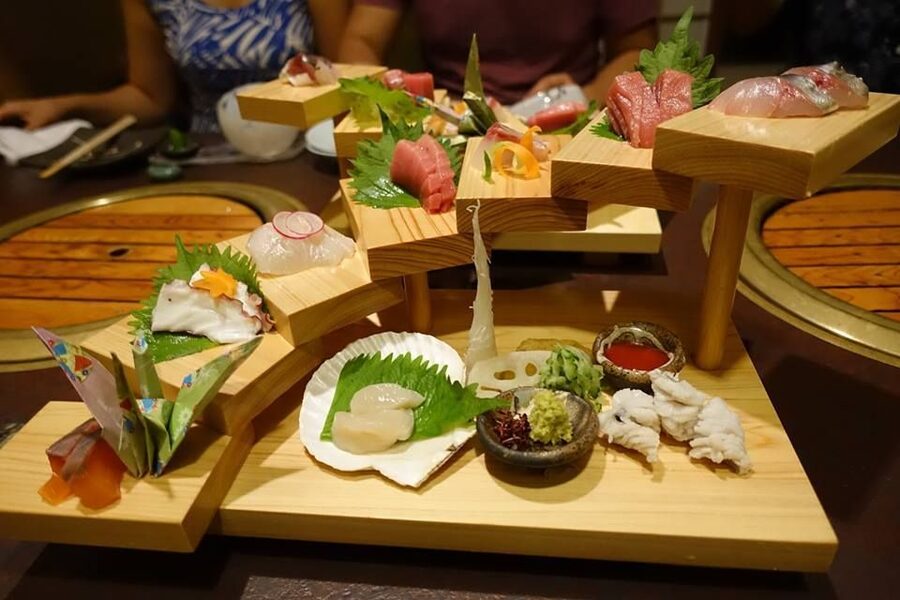
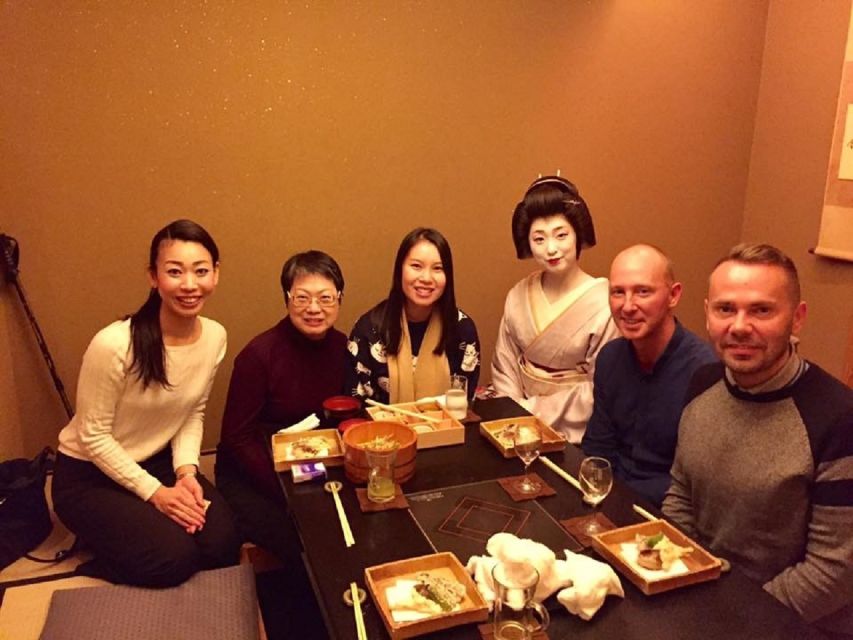
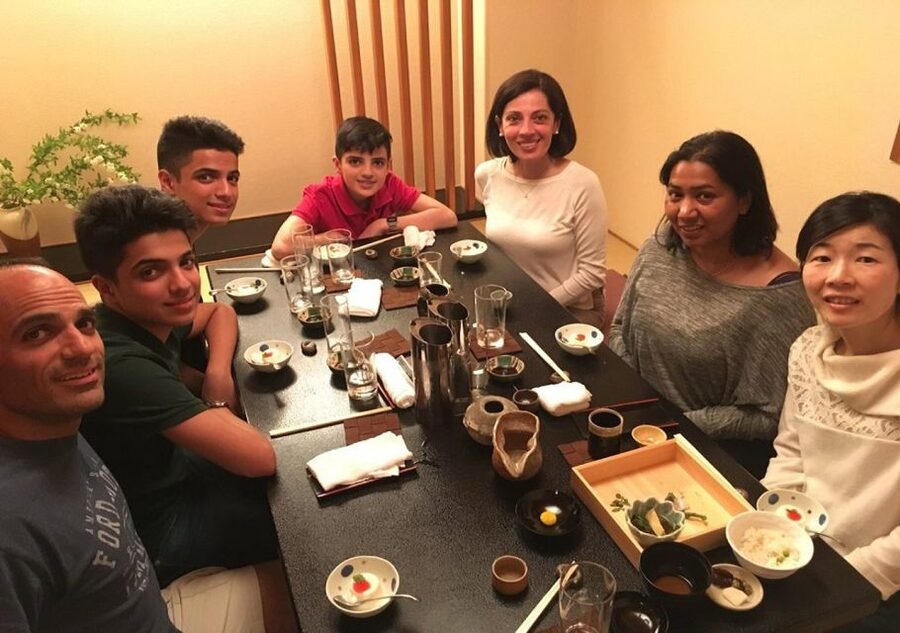
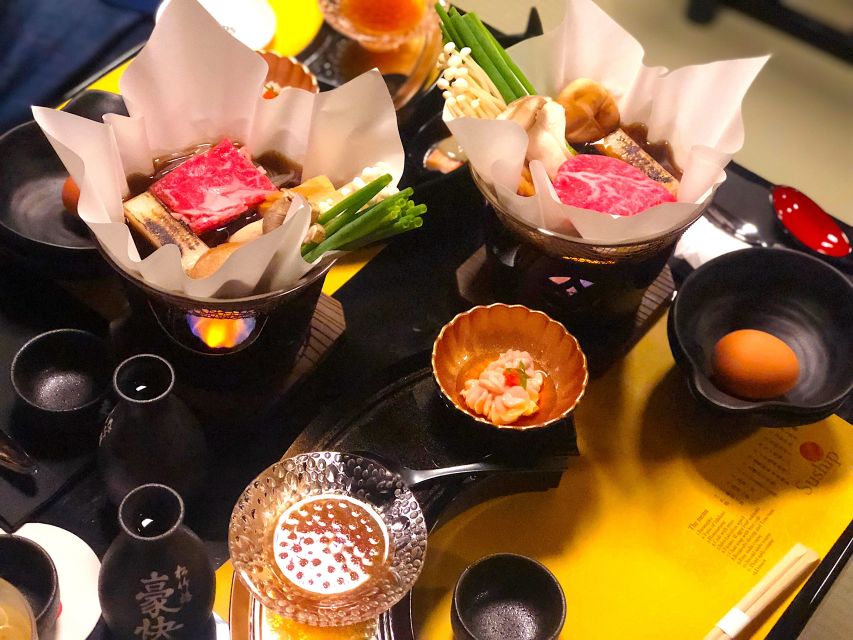
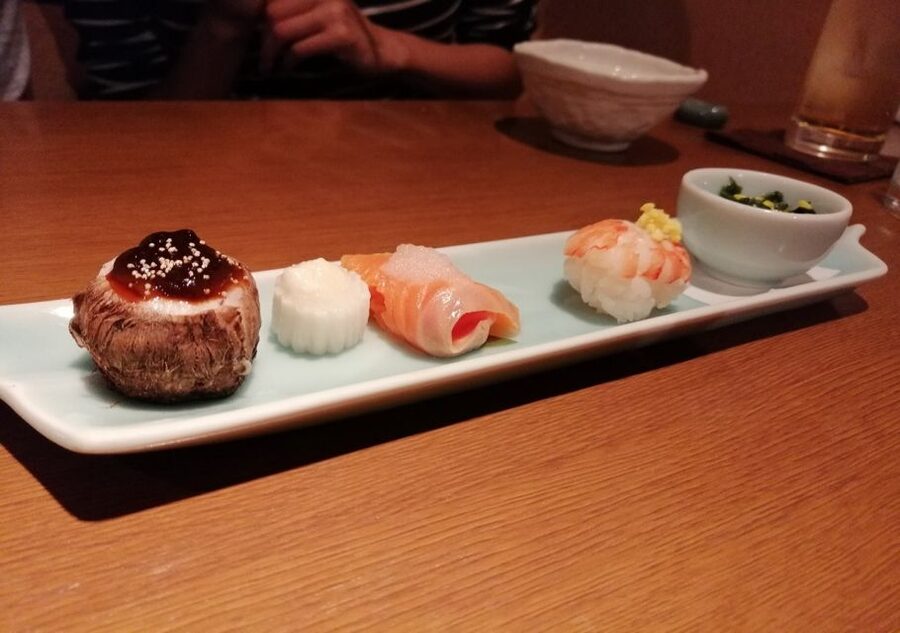
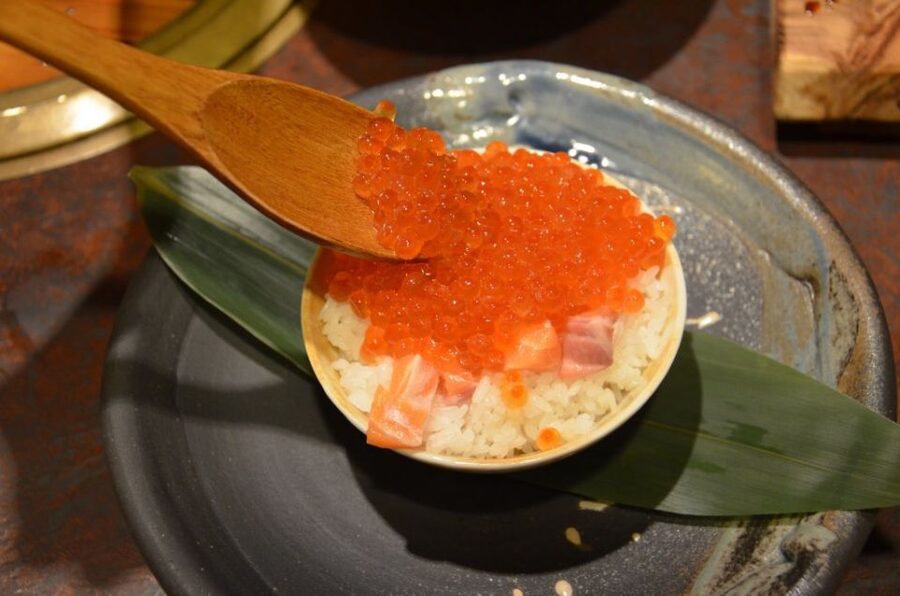
The evening ends with a 10-course kaiseki dinner, dessert, and one drink. This is the part that makes the price easier to understand. Kaiseki is not simply a large meal. It is a sequence of small dishes built around seasonality, balance, presentation, and the natural character of each ingredient.
You might find umami-rich miso, delicate yuba, grilled fish, and other seasonal or regional foods. The exact menu is not provided, and dishes can change with availability. That uncertainty is part of the point: kaiseki follows the season rather than forcing the same fixed plate onto every table.
Presentation matters here. The food is arranged on small Japanese ceramics, with each course designed to look considered rather than piled high. If you enjoy noticing texture, temperature, color, and small changes from one dish to the next, this dinner can be a memorable introduction to formal Kyoto dining.
It is also unlike the casual noodle shops, conveyor-belt sushi counters, and market snacks you may already have tried in Japan. One participant described the dinner as unlike other meals during a Japan trip, while another praised the service and the setting. A separate account found the food good but not exceptional, which is a fair reminder that taste is personal and the restaurant experience may matter as much as any single dish.
The dinner is likely to be most satisfying if you see it as a cultural meal rather than a bargain feast. Ten courses does not mean ten large plates. Kaiseki portions are usually measured, and the pleasure comes from variety and presentation. If you prefer generous servings of one familiar dish, this may feel more refined than filling.
Same city, a completely different kind of day:
- PERFECT KYOTO 1-Day Bus Tour
★ 5.0 · 13,518 reviews - Kyoto: Fushimi Inari, Kinkakuji, Bamboo Grove 1 Day Bus Tour
★ 4.8 · 4,316 reviews - Kyoto: Tea Ceremony in a Traditional Tea House in Kiyomizu
★ 4.9 · 3,519 reviews - Kyoto Geisha Walking Tour: Gion District & Hidden Gems
★ 4.7 · 3,273 reviews
What $216 buys you
At $216 per person, this is a costly evening. You are paying for more than the food: an English-speaking guide, a three-hour route through one of Kyoto’s most historic districts, multiple tastings, a 10-course dinner, dessert, and one drink.
The small group helps justify part of the cost. With a maximum of 10 participants, your guide can explain details without using a microphone, answer questions, and keep the walk moving. The difference between a group of 10 and a large bus outing is especially noticeable in narrow Gion lanes.
The guide’s cultural interpretation is another major part of the price. If you already know Kyoto’s districts well and feel comfortable arranging a kaiseki dinner yourself, you could spend less by booking a restaurant directly and walking Gion independently. You would, however, lose the organized food stops and the explanations about Maiko and Geiko culture.
I would consider this good value for a first or second evening in Kyoto, especially if you want one polished night that combines sightseeing and dinner. It is less convincing for repeat visitors who mainly want an inexpensive food tour or a long list of tastings.
One useful detail from the feedback is that a strong guide can add value beyond the advertised route. Russ, for example, helped participants understand how to get around Japan and avoid basic cultural missteps. That kind of practical advice can be particularly useful at the start of a trip.
Walking demands and evening timing
The tour lasts three hours and takes place on foot. Comfortable shoes are essential. Gion’s lanes can be uneven, and you will be walking between the meeting point, sightseeing areas, snack stops, and the restaurant.
The exact starting time varies, so you need to check availability when booking. An evening departure is important to the mood. You see Gion first in the remaining daylight, then watch the streets change as lanterns come on.
Transportation is not included. You are responsible for reaching the meeting point and making your own way afterward. Hotel pickup may be arranged for an extra charge, but it is not part of the standard booking. Plan your route before the start and allow extra time for Kyoto’s streets, especially if you are coming from outside central Gion.
The five-minute waiting limit is strict. If you arrive late, the group may already be moving through the district, and finding it could be difficult. I would aim to be at the museum several minutes before the meeting time, with the guide’s sign easy to spot.
Food allergies, age, and group details
Tell the provider about food allergies and dietary requirements in advance. The tour has handled several restrictions successfully, but you should not assume every request can be met unless it has been confirmed.
A minimum of two people per booking is required. Solo visitors should check availability rather than assume an individual reservation will be accepted.
All participants aged 10 and over must provide a copy of their passport information. Have that document ready when required, and check the booking instructions carefully so it does not become a last-minute problem.
The tour is offered in English with a live guide. That makes it a good choice if you want to ask questions as you walk rather than listen to a recorded explanation. It also means the quality of your evening depends partly on the individual guide’s style. Past guides have ranged from Miki and Sae to Marie, Mickey, Ellen, Russ, and Rosalia, with particularly strong praise for friendliness, patience, and clear explanations.
Who should book this Gion evening?
I would recommend this tour to first-time Kyoto visitors who want a gentle introduction to Gion without having to plan every stop themselves. It suits couples, families with older children, and small groups who enjoy trying unfamiliar food and hearing the story behind a place.
It is also a strong choice for the first night of a Japan trip. The walk gives you practical orientation, while the guide can explain local manners and customs before you spend more time on your own.
You may want to skip it if your main goal is a cheap food crawl, a large amount of food, or an in-depth restaurant tour with many separate venues. The snack stops are limited, and the final restaurant carries most of the culinary weight.
I would also think twice if you dislike set menus or carefully presented dishes. Kaiseki can include unfamiliar textures and ingredients, and the menu changes with the season. That is part of its appeal, but it is not designed for someone who wants complete control over every course.
Practical booking advice
Book at least 24 hours ahead if your plans could change, since cancellation is free until that point. The reserve-now, pay-later option also helps if you are still arranging your Kyoto schedule.
Before booking, check four things:
- Confirm the starting time and route to the Japan Kanji Museum & Library.
- Send all allergy and dietary information in advance.
- Prepare passport information for participants aged 10 and over.
- Wear shoes suitable for three hours of walking.
Bring an appetite, but do not expect the early snack stops to replace dinner. Also bring patience. The meal is a sequence of small courses, and the evening works best when you allow time for the food and conversation rather than rushing toward the next plate.
Should you book the Kyoto Evening Gion Food Tour?
Book it if you want Gion’s atmosphere, a clear introduction to Maiko and Geiko culture, and a formal Kyoto dinner wrapped into one three-hour evening. The strongest reasons to choose it are the small group, the personable English-speaking guides, and the chance to experience kaiseki with context instead of simply sitting down at a restaurant without knowing what to expect.
Do not book it expecting a packed food crawl. You will sample a few snacks, but the main event is the 10-course dinner. At $216, this is a special-occasion experience, not a casual budget outing.
For a first visit to Kyoto, I think the combination makes sense. You get beautiful old streets, useful cultural guidance, and a dinner that feels distinct from ordinary Japanese restaurant meals. Just arrive early, wear good shoes, report dietary needs, and judge the price as payment for the complete evening rather than for the food alone.
FAQ
Where does the Kyoto Evening Gion Food Tour meet?
It meets in front of the Japan Kanji Museum & Library at Gionmachi Minamigawa, Higashiyama Ward, Kyoto, Kyoto Prefecture 605-0074, Japan.
How long does the tour last?
The tour lasts three hours.
What language is the tour offered in?
The tour is conducted in English by a live local guide.
How many people are in the group?
The group is limited to 10 participants.
Is hotel pickup included?
No. Hotel pickup is not included, though it can be arranged for an additional charge.
Is transportation included?
No. Transportation costs are not included in the tour price.
What food is included?
The tour includes several snack stops, a 10-course dinner, dessert, and one drink.
Are additional drinks included?
No. Additional drinks and food are not included.
Can dietary requirements be accommodated?
You must inform the provider about food allergies or dietary requirements. The information provided does not guarantee that every request can be accommodated.
Is there a minimum number of people for booking?
Yes. A minimum of two people per booking is required.
What should I wear?
Wear comfortable shoes suitable for walking.
What identification is required?
A copy of passport information is required for all participants aged 10 and over.
How late will the guide wait at the meeting point?
The guide will wait no more than five minutes after the scheduled starting time.
Can I cancel for a refund?
Yes. You can cancel up to 24 hours in advance for a full refund.
More Food in Kyoto
- Kyoto: Gion Food Tour 13 Dishes at 4 Eateries
★ 5.0 · 408 reviews - Kyoto Foodie Night Tour
★ 5.0 · 376 reviews - Kyoto: Gion & Pontocho Food Tour with 13 Dishes
★ 4.9 · 235 reviews - Kyoto: Local Food Tasting Tour at the Nishiki Market
★ 4.7 · 135 reviews
More Food & Drink in Kyoto
- Kyoto Night Foodie Tour in Gion (9+ dishes + 6 Sake tastings)
★ 5.0 · 1,762 reviews - 3-Hour Kyoto Insider Sake Brewery Tour with Tastings & Pairings
★ 5.0 · 917 reviews - Arashiyama Bamboo, Temple, Monkeys, or Secret Sake Brewery
★ 4.8 · 886 reviews - Kyoto: Insider Sake Brewery Tour with Sake and Food Pairing
★ 5.0 · 704 reviews
Just added around Kyoto
- Taste of Nishiki Market Walking Food Tour with Local guide★ 5.0 · 17 reviews
- Kyoto: Sushi Making Class with Sushi Chef★ 4.8 · 64 reviews
- Kyoto: City Secrets eBike Tour★ 4.9 · 196 reviews
- Sacred Pathways: Discover the Philosopher’s Path of Kyoto★ 4.9 · 20 reviews
- Private Tour to Monkey Park and Arashiyama Highlights★ 5.0 · 22 reviews
- Private Nara Tour from Osaka – Meet at Your Hotel★ 5.0 · 22 reviews
- Private Sake Tasting in Central Kyoto with Sake Sommelier★ 5.0 · 13 reviews
- Kyoto : Private Custom Walking Tour With A Local Guide★ 4.6 · 144 reviews
Food Market Tours, compared.
Shinjuku Food Tour (13 Dishes at 4 Local Eateries)
Read our review →
Tokyo Tsukiji Fish Market Food and Culture Walking Tour
Read our review →
Shinsekai Food Tour with 13-15 Dishes at 5 Eateries
Read our review →
Osaka Food Tour: 13 Dishes at 5 Local Eateries
Read our review →
Shinjuku Food Tour (15 Dishes and 4 Eateries)
Read our review →
Best of Shinjuku: Izakaya Food Tour (4 Stops, 14+ Tastings)
Read our review →
Hungry Osaka Street Food Tour:15 Tastings & 3 Drinks with a Local
Read our review →
Browse the lists this tour appears in