
REVIEW · JAPANESE COOKING CLASSES
Japanese home cooking class in Osaka Umeda
The most appealing part of this class is the setting: you cook inside a real Osaka home with local hosts, not in a polished restaurant kitchen built for tourists. Hisako and Naoko guide you through approachable dishes, answer questions about Japan, and let you work at a pace that suits your group.
I like the private format, which gives you room to ask about ingredients, customs, and cooking methods. I also like the practical focus: you learn how to shop in Japanese supermarkets and receive recipes that make the dishes easier to repeat at home. The main consideration is time. Two hours is enough for a focused lesson and lunch, but not for a long, leisurely cooking course.
In This Review
- Key points to know
- A real Osaka kitchen instead of a staged food lesson
- Choosing between bento, takoyaki, udon, and more
- What the two-hour lesson is likely to feel like
- The difference between restaurant food and home cooking
- Teaching style: patient, personal, and useful
- Why the $59.12 price can make sense
- Who will get the most from this class
- Practical details before you reserve
- Should you book this Osaka cooking class?
- FAQ
- Where does the Japanese home cooking class take place?
- What time does the class start?
- How long does the cooking class last?
- Is the class private?
- Who teaches the class?
- What dishes can I choose?
- Is lunch included?
- Is transportation included?
- Do I receive recipes after the class?
- Can I cancel for a full refund?
Key points to know
- Cook in a local Osaka home: The lesson takes place in a kitchen and dining room rather than a standard cooking school.
- Choose from familiar Japanese dishes: Options include bento, takoyaki, udon, onigiri, tempura, and beef stew.
- Work privately with Hisako and Naoko: Your group receives personal guidance instead of following a large class.
- Learn supermarket basics: The hosts explain which Japanese ingredients to buy and how to find them.
- Eat what you prepare: Lunch, water, and Japanese tea are included.
- Plan around a two-hour morning: The class starts at 10:00 a.m. and ends back at the meeting point.
A real Osaka kitchen instead of a staged food lesson
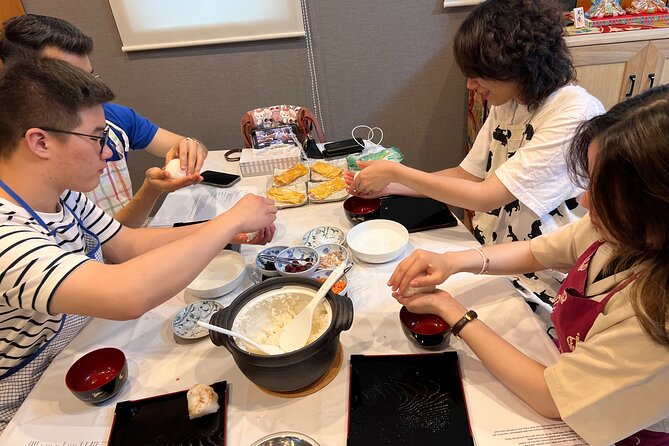
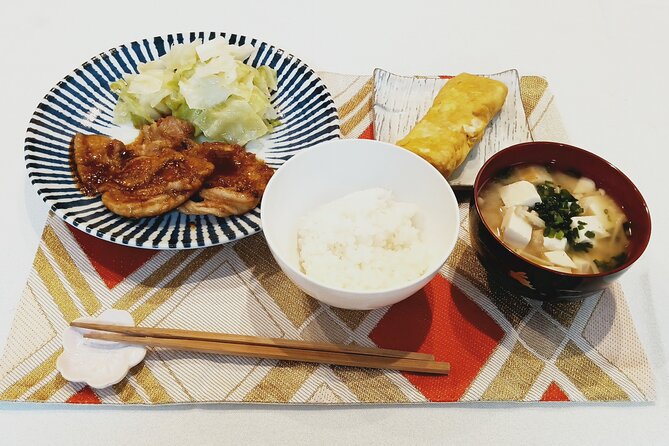
This class takes you into the kitchen and dining room of a typical house in Osaka. That matters because Japanese home cooking is not the same thing as ordering ramen, sushi, or okonomiyaki in a restaurant. You see how ordinary meals are put together, how several small dishes can share a table, and how recipes can be adapted for a home cook.
Hisako and Naoko lead the class together. The available information describes them as Osaka mothers, and their teaching style is practical rather than formal. They demonstrate each part, then have you prepare the food yourself. That balance is useful: you are not simply watching a cooking show, but you also are not left to guess what to do next.
The private arrangement is one of the strongest reasons to book. You can slow down when a technique is new, ask why a particular ingredient is used, or move ahead when a step is familiar. A large class often forces everyone to follow the same rhythm. Here, the pace belongs to your group.
More Japanese Cooking Classes in Osaka
- Sushi Making Osaka Roll and Authentic Japanese Sushi Class
★ 5.0 · 1,220 reviews - Osaka Sushi Making Experience
★ 5.0 · 400 reviews - Osaka: Ramen and Gyoza Cooking Class in Dotonbori
★ 5.0 · 378 reviews
Choosing between bento, takoyaki, udon, and more
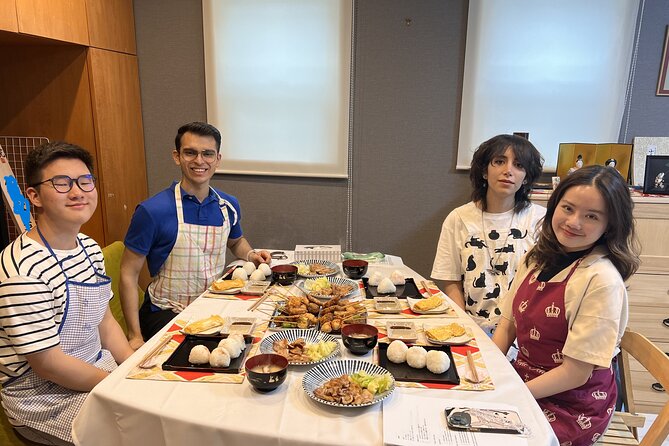
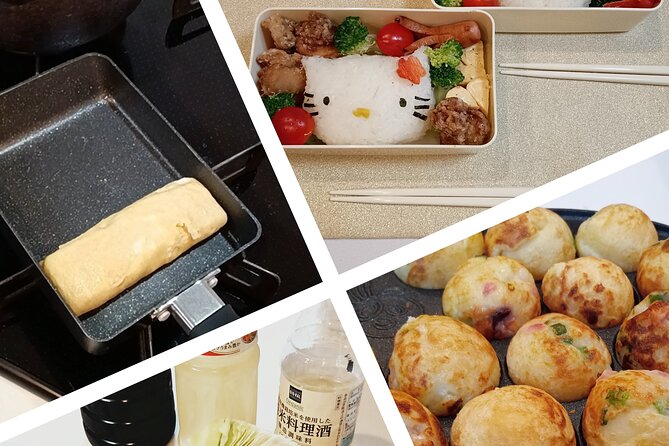
You choose dishes from a menu of Japanese and Osaka specialties. The stated choices include bento and takoyaki, while the class has also included udon, onigiri, tempura, and beef stew. The exact selection may depend on the booking, so check what is available for your date before you reserve.
A bento lesson is a good pick if you want to understand the careful arrangement of a Japanese lunch box. You learn that bento is more than packing leftovers into a container. Small portions, color, texture, and shape all matter. One reported class produced especially cute bento boxes, making this a fun option for families and anyone who enjoys food presentation.
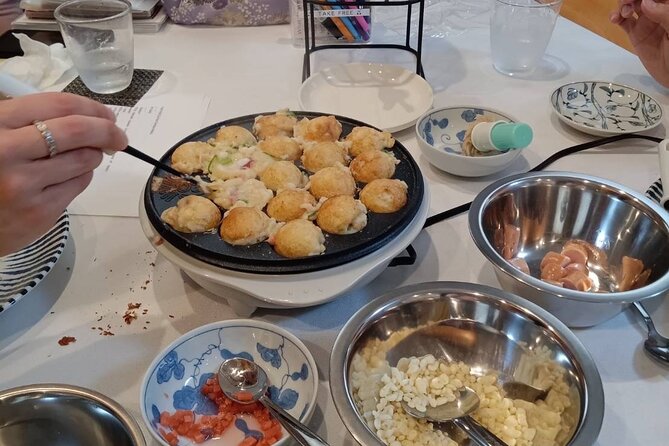
Takoyaki connects the lesson to Osaka’s street-food identity. It is a local specialty with a hands-on cooking process, although the supplied information does not spell out the exact equipment or filling choices. If takoyaki is your priority, ask in advance whether it is available during your session.
Udon and tempura offer useful technique practice. One class prepared both from scratch, including frying tempura for someone who had never fried food before. That kind of guided practice can give you the confidence to repeat the meal at home, though you should remember that recipes and kitchen equipment will vary outside Japan.
Onigiri is a particularly sensible choice for a home cook. It uses simple ingredients and can fit into a quick lunch, picnic, or packed meal. Beef stew gives you a different lesson, with a more substantial dish and a method that may feel familiar while still using Japanese ingredients and seasoning.
What the two-hour lesson is likely to feel like
The class begins at 10:00 a.m. at 1-chōme-4-1 Tamagawa in Osaka’s Fukushima Ward. The location is near public transportation, but private transportation is not included, so you need to make your own way there. The activity finishes at the same meeting point.
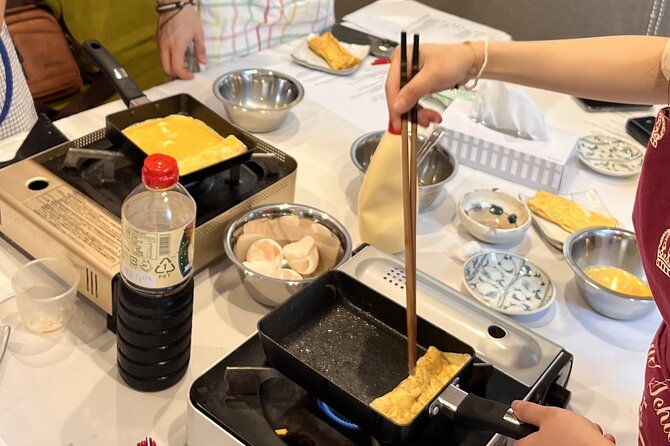
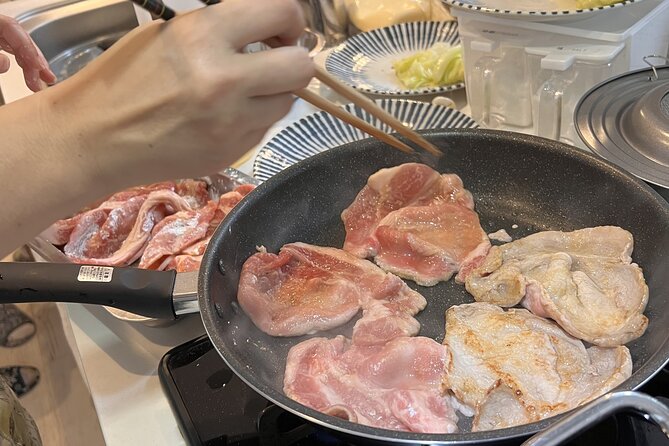
Once inside, you cook in the home kitchen and dining room. The format is hands-on: the hosts demonstrate, you prepare the ingredients and dishes, and then you sit down to eat lunch. Water and Japanese tea accompany the meal, adding a small but welcome break between cooking tasks.
Two hours passes quickly when you are preparing several dishes. If you want a slow cultural conversation, extensive knife practice, and a large meal, this may feel short. If you want a manageable introduction with food to eat at the end, the timing works well.
The course is also private, meaning only your group takes part. That is useful for couples, families, and small groups with different levels of cooking experience. A child can ask basic questions without holding up a room full of people, while an experienced cook can ask for more detail about ingredients or technique.
The difference between restaurant food and home cooking
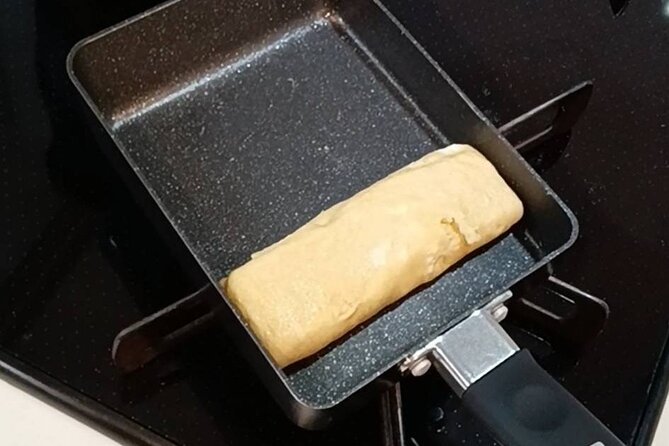
The most valuable lesson here may not be a single recipe. It is learning what Japanese people cook at home when they are not ordering a restaurant specialty.
Restaurant food is often designed for a particular effect: a beautiful bowl of noodles, a sizzling plate, or a carefully arranged set meal. Home cooking tends to be more practical. It needs to fit the day, use accessible ingredients, and work in an ordinary kitchen. This class focuses on those repeatable meals.
That makes the supermarket advice especially helpful. Hisako and Naoko explain which ingredients to buy and how to shop in Japanese supermarkets. You can ask about products you have seen but could not identify, and you can learn which items are worth bringing into your own kitchen.
The recipes are intended to be accessible. The point is not to send you home with a difficult restaurant formula requiring specialized equipment. You receive printed recipes and instructions, giving you something concrete to refer to after your holiday.
Still, keep expectations sensible. Japanese ingredients outside Japan may use different brand names, and some items may be harder to find. The class can show you the basic method, but recreating the exact taste may require a little adjustment.
Same city, a completely different kind of day:
- Osaka Go Karting Tour with Funny Costume
★ 5.0 · 2,658 reviews - Osaka Castle: Museum and Tower Entry Ticket
★ 4.5 · 2,380 reviews - Osaka: Shinsekai Food Tour with 13-15 Dishes at 5 Eateries
★ 4.8 · 2,204 reviews - Osaka Food Tour: 13 Dishes at 5 Local Eateries
★ 5.0 · 2,149 reviews
Teaching style: patient, personal, and useful
The strongest feature of the instruction is its personal nature. Hisako and Naoko are described as patient and good at breaking the cooking into easy steps. That is important if you are new to Japanese food preparation or unsure about techniques such as frying tempura.
You also get room for conversation. The class is not only about following a recipe. You can ask questions about Japan, local attractions, food customs, and daily life. The hosts have also provided suggestions for other places to visit, which can add practical help to your Osaka plans.
English communication has been described as good, but this is still a cooking class rather than a formal language course. Cooking demonstrations, printed instructions, and visual cues do much of the work. If you have dietary restrictions or strong dislikes, tell the provider before booking and confirm what can be changed. The supplied details do not promise vegetarian, vegan, allergy-safe, or halal menus.
The class has also included traditional touches beyond cooking. One session featured a tea ceremony, and children were able to wear real traditional kimono. These elements are not listed as standard inclusions for every booking, so treat them as possible additions rather than guaranteed parts of the two-hour class.
Why the $59.12 price can make sense
At $59.12 per person, this is not the cheapest way to eat lunch in Osaka. You can buy a satisfying meal for far less. The price needs to be judged against what is included: a private lesson, instruction from two local hosts, hands-on preparation, lunch, tea, supermarket guidance, and take-home recipes.
The private format is where the value improves. You are not paying only for food. You are paying for time in a local home, personal feedback, and the chance to ask questions that would be difficult in a large demonstration.
The class is also a better value if you will actually use the recipes. A dish you can repeat at home has more lasting worth than a lunch that disappears after one sitting. Families may find the lesson especially useful because cooking together gives children a clear activity, while couples can share the work rather than sit side by side at a restaurant.
The cost is less attractive if you mainly want to taste Osaka specialties. In that case, a food tour or several inexpensive meals may offer more variety. Book this class for the instruction and connection, not simply for the amount of food on the table.
Who will get the most from this class
I would recommend this activity to you if you:
- Want a local home setting rather than a commercial cooking studio
- Enjoy Japanese food and want recipes you can make after returning home
- Prefer a private lesson with time for questions
- Are traveling as a couple, family, or small private group
- Want to learn supermarket ingredients and everyday cooking habits
- Like cultural conversation along with a meal
It is less suitable if you want a long professional cooking course or a broad tasting session. The lesson lasts about two hours, and you choose from a set of dishes rather than sampling everything Osaka has to offer.
Families should note that the private format can make the experience easier for children. There is less pressure to keep up with strangers, and the hosts can give more direct help. The kimono and tea ceremony elements may be available in some sessions, but they should be confirmed before booking if they are central to your plans.
Practical details before you reserve
You receive confirmation at booking, and the activity uses a mobile ticket. The meeting point is 1-chōme-4-1 Tamagawa, Fukushima Ward, Osaka, postal code 553-0004. One class description places the activity in the SGS building, so follow the current meeting instructions carefully rather than relying only on a map pin.
The class starts at 10:00 a.m. Since lunch is included, this works as a late-morning activity followed by an early afternoon meal. Give yourself enough time to reach Tamagawa, especially if you are coming from another part of Osaka.
The activity ends where it begins. Transportation to and from the class is not included. There is no separate sightseeing transfer, so plan this as a stand-alone morning visit rather than something that moves you between Osaka attractions.
Cancellation is flexible if you act early. You can cancel at least 24 hours before the local start time for a full refund. Changes or cancellations inside that window are not accepted for a refund.
Should you book this Osaka cooking class?
You should book it if you want to understand Japanese food from the kitchen outward. The chance to cook with Hisako and Naoko in a real home, choose a dish such as bento or udon, eat lunch, and take recipes with you gives the class more value than a simple meal.
I would be more cautious if your main goal is a large menu, professional culinary training, or guaranteed access to one specific dish. Confirm the menu and any dietary needs before paying, and remember that the class lasts only two hours.
For a couple, family, or small private group with a genuine interest in Japanese home cooking, this is a strong Osaka choice. The perfect five-star rating from 24 reviews supports its appeal, but the practical test is simple: if you want to cook the meal again at home, the price and time are easier to justify.
FAQ
Where does the Japanese home cooking class take place?
It takes place at 1-chōme-4-1 Tamagawa, Fukushima Ward, Osaka, 553-0004, Japan, in the kitchen and dining room of a typical Osaka home.
What time does the class start?
The class starts at 10:00 a.m.
How long does the cooking class last?
The activity lasts approximately two hours.
Is the class private?
Yes. Only your group participates in the activity.
Who teaches the class?
The hosts are Hisako and Naoko, described as local Osaka mothers who guide participants through the cooking and meal.
What dishes can I choose?
The menu includes local specialties such as bento and takoyaki. Other dishes prepared in classes have included udon, onigiri, tempura, and beef stew. Confirm the available choices for your booking.
Is lunch included?
Yes. Lunch is included, along with water and Japanese tea with the meal.
Is transportation included?
No. Private transportation is not included. You need to travel to the meeting point yourself, and the activity ends there.
Do I receive recipes after the class?
Yes. Printed recipes and instructions are provided for you to take home.
Can I cancel for a full refund?
Yes, if you cancel at least 24 hours before the experience start time. Cancellations or changes made less than 24 hours before the start are not refunded or accepted.
More Workshops in Osaka
- Matcha Making Class in Osaka with Authentic Japanese Sweets Set
★ 5.0 · 509 reviews - Osaka Sushi Making Class – Hands-On Nigiri & Rolls (Same-Day OK)
★ 5.0 · 352 reviews - Osaka: Roll and Authentic Sushi Making Class in Dotonbori
★ 4.9 · 239 reviews - Osaka: Sushi Class in Dotonbori
★ 4.9 · 160 reviews
More Cooking Classes in Osaka
- Osaka Cooking Class: Okonomiyaki &Japanese cuisines experience
★ 5.0 · 261 reviews - Ramen and Gyoza Cooking Class in Osaka
★ 5.0 · 202 reviews - Osaka Sake Tasting with Takoyaki Cooking
★ 5.0 · 156 reviews - Osaka Sake Tasting & Takoyaki Cooking Experience
★ 5.0 · 149 reviews
Just added around Osaka
- Samurai dress-up and shows, plus Tea Ceremony & Calligraphy★ 5.0 · 27 reviews
- Kyoto & Nara Private customized tour with English speaking Guide★ 4.5 · 99 reviews
- Well-balanced BENTO (lunch box) Cooking Class★ 5.0 · 35 reviews
- Volleyball in Osaka & Kyoto with Locals!★ 5.0 · 21 reviews
- Urban Canvas: Osaka Street Art Bike Tour★ 5.0 · 47 reviews
- OSAKA:Feel the Power! Learn Taiko Drum from Professionals★ 5.0 · 28 reviews
- 1.5〜2 Hours Traditional Kintsugi Work Shop in Namba Osaka★ 5.0 · 75 reviews
- Umami Town Street Food Tour★ 5.0 · 120 reviews
Japanese Cooking Classes, compared.

Sushi Making Tokyo Roll and Authentic Japanese Sushi Class
Read our review →
Roll and Authentic Sushi Making Class in Asakusa
Read our review →
Ramen Cooking Class at Ramen Factory in Kyoto
Read our review →
Sushi Making Class in a Happi Coat near a Famous Spot
Read our review →
Sushi Making Osaka Roll and Authentic Japanese Sushi Class
Read our review →
Tokyo Sushi Making Class in Tsukiji with Professional Chef
Read our review →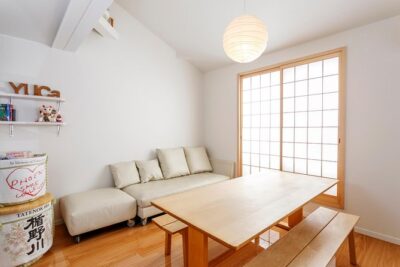
Ramen & Gyoza Cooking Class in Tokyo with Local Supermarket Visit
Read our review →
Tsukiji Fish Market Guided Tour and Sushi Making with Pro Chef
Read our review →Browse the lists this tour appears in