REVIEW · KYOTO TOURS
Scenic Green Tea Fields of Hidden Kyoto & Local Tea Exp (Private)
Kyoto’s best tea country is far from the usual temple circuit. This private drive takes you to Wazuka and Ujitawara, where tea fields fold up the hills in tidy, geometric rows. I like the mix of famous Byodo-in and quiet rural stops, and I like that guide Daiki can explain tea, temples, monks, samurai, and ninjas without making the day feel like a lecture.
The private vehicle is another strong point, especially when you want countryside views that are hard to reach by train. The main caution is time: five and a half hours includes a long drive and several stops, so this is a focused taste of tea country, not a slow farm stay. Admission fees and your own tea or coffee also cost extra.
In This Review
- Key points to know before you book
- Why Kyoto’s tea country deserves half a day
- Byodo-in and the Phoenix Hall on the 10-yen coin
- Wazuka tea, served close to the farms
- Ishitera and the tea fields reaching uphill
- Ujitawara and the story behind Japanese tea
- Shoju-in and the heart-shaped window
- A private vehicle changes the feel of rural Kyoto
- What Daiki adds to the day
- Price, group size, and what you really receive
- Who will enjoy this most
- Practical planning for the afternoon
- Should you book Scenic Green Tea Fields of Hidden Kyoto?
- FAQ
- How long does the tour last?
- How many people can join the private tour?
- What vehicle is provided?
- Are pickup and drop-off included?
- What admission fees are extra?
- Is tea or coffee included at the cafe?
Key points to know before you book
- Wazuka supplies superb Uji matcha: Taste local tea and shop for premium leaves at prices described as about one-half to one-third of city prices.
- Byodo-in gives the day a famous anchor: The Phoenix Hall is the image on Japan’s 10-yen coin and represents Buddhist paradise.
- The tea fields are the visual highlight: Ishitera and Ujitawara offer the striking hillside views that make this area worth the drive.
- Daiki shapes the day around your group: His guiding style includes history, cultural explanation, patience with photographs, and possible drop-off changes.
- The ride matters here: Groups of two to six use an air-conditioned Nissan van, while solo guests may ride in an open-air convertible Mini Cooper.
- Expect a few practical extras: Byodo-in costs ¥600 per person, Shoju-in costs ¥1,000, and short walks with stairs are part of the visit.
Why Kyoto’s tea country deserves half a day
Central Kyoto gives you grand temples, narrow lanes, and plenty of visitors. Southern Kyoto offers something different: cedar-covered roads, open farmland, quiet shrines, and tea plants shaped into smooth rows across the hills.
That contrast is the reason I find this trip appealing. You are not simply checking off another temple. You are seeing the rural setting that helped make Uji tea famous, then tasting the product close to where it is grown.
The tour begins at 1:00 p.m. and lasts about five and a half hours. The schedule is well suited to a day when you want a later start, though the afternoon drive means some stops may feel brisk. The listed timing adds up neatly: two hours at Byodo-in, one hour for tea, thirty minutes at Ishitera, thirty minutes in Ujitawara, and ninety minutes at Shoju-in.
The private format is especially useful here. A large group would spend too much time gathering people at each rural stop. With your own group of up to six, you can move at the pace set by the guide, pause for photos, and request a different drop-off point when possible.
A few more Kyoto trips to weigh up
- Fushimi Inari Hidden Hiking Tour (Private Option Available)
★ 5.0 · 1,750 reviews - Private Kyoto Tour with a Local, Highlights & Hidden Gems, Personalised
★ 5.0 · 1,543 reviews - Kyoto 6hr Private Tour with Government-Licensed Guide
★ 5.0 · 1,369 reviews
Byodo-in and the Phoenix Hall on the 10-yen coin
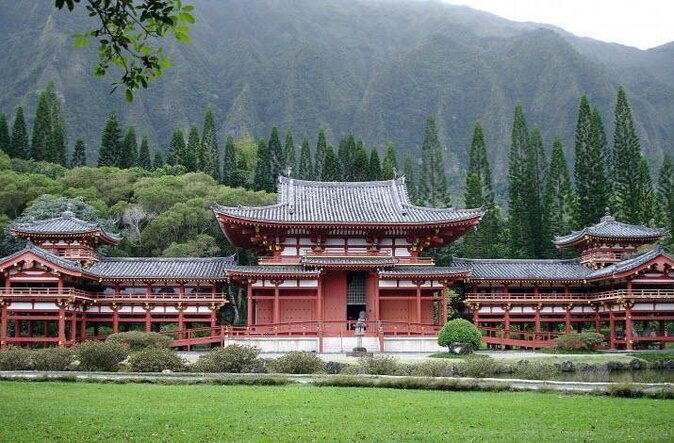
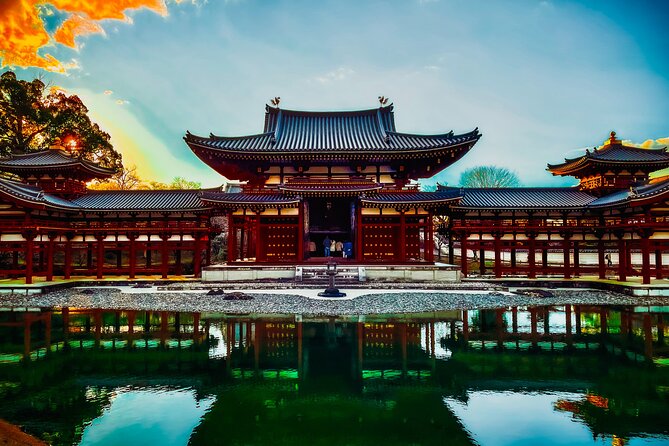
The first major stop is Byodo-in, one of Kyoto’s most recognizable temples. Its Phoenix Hall appears on the back of the 10-yen coin, so you may already know the building before you arrive. Seeing it in person gives that familiar coin image some scale and context.
The hall was designed to represent the Buddhist Pure Land, or paradise on Earth. Its elegant form sits beside the pond, creating the kind of balanced view that makes Japanese temple architecture easy to appreciate even if you do not know much about Buddhism.
The planned visit lasts two hours, which gives you time to take in the temple grounds rather than rush in, photograph the hall, and leave. Byodo-in admission is not included and costs ¥600 per person. That is a small extra beside the tour price, but you should include it when working out your day’s cost.
I like placing this stop near the start. You begin with a major cultural site, then spend the rest of the afternoon moving toward smaller temples and tea farms. Daiki can connect the architecture to the role of monks and the development of tea culture, giving the rural stops more meaning later.
Wazuka tea, served close to the farms
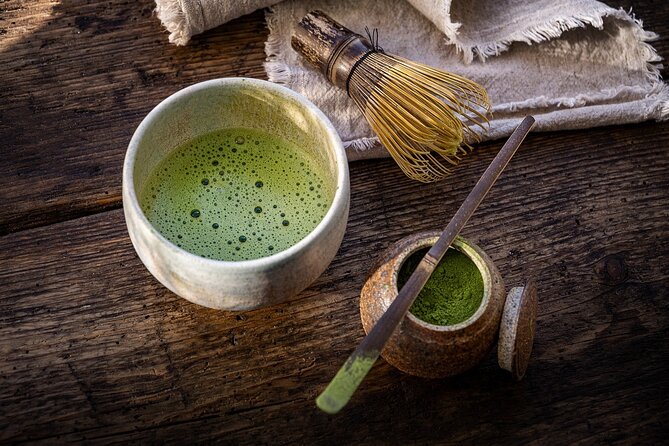
The Wazuka-cha Cafe is the day’s central food and drink stop. You have about an hour to taste green tea and matcha, with coffee or tea purchased for yourself not included in the tour price.
Wazuka is presented as a source of particularly high-quality tea, even within the famous Uji tea region. The important point for you is not simply the ranking claim. It is the chance to taste tea in a local setting and compare the flavor with what you may have tried in Kyoto’s city shops.
Matcha desserts add a sweeter side to the visit. If powdered tea alone sounds too serious, a dessert makes the stop more relaxed. You can also shop for premium tea, with the tour information placing prices at roughly one-half to one-third of city prices. That can make the purchase worthwhile, especially if you already planned to bring home tea.
Ask Daiki to explain what you are buying. Tea names, grades, preparation methods, and regional labels can be confusing when you are looking at shelves of Japanese products. A local guide can help turn a souvenir into something you will know how to use.
This stop also gives you a needed break from the van. The route covers rural roads, and the tea cafe is not just a quick photo pullout. You have time to sit, taste, ask questions, and shop.
Ishitera and the tea fields reaching uphill
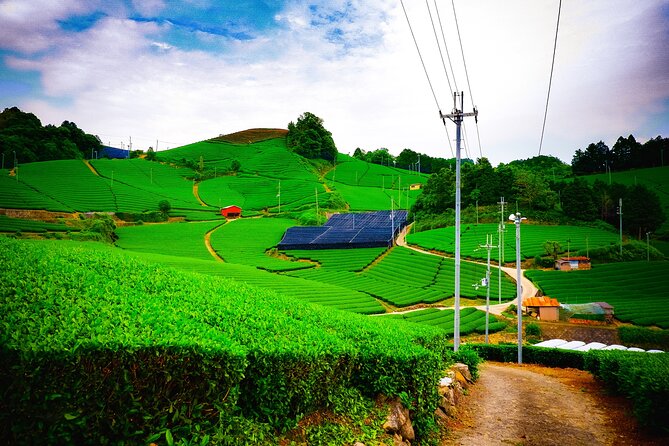
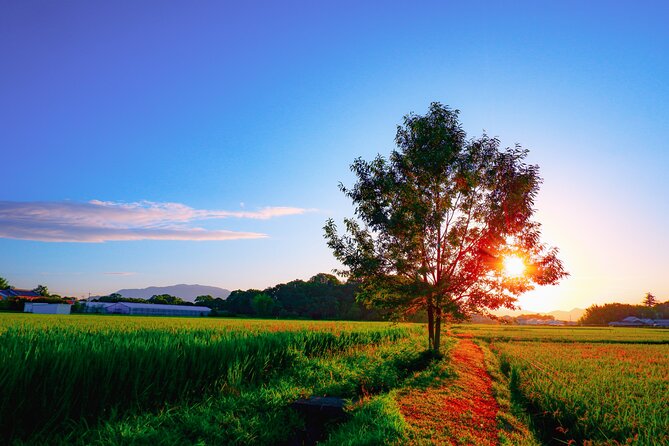
At Ishitera Tea Plantation, the focus shifts from tasting tea to seeing how it is grown. The rows are planted with remarkable precision, following the shape of the hills and creating the famous effect of green fields rising toward the sky.
This is the stop to plan your best photographs. The regular planting pattern gives the hills a graphic look, while the surrounding countryside supplies a quieter, more natural frame. The fields are attractive in every season, not only during the freshest spring growth. Even winter can show the evergreen shape clearly.
You have about thirty minutes here. That is enough for a walk and photographs, but not enough for a long farm visit or detailed agricultural lesson. Wear shoes you can manage on an uneven rural path, and remember that short walks and stairs are part of the day.
The tour description indicates that the fields are locally accessible rather than a staged attraction. That matters. You are seeing working tea country, not a set built for sightseeing. Stay on the allowed route and follow instructions around planted areas.
Same city, a completely different kind of day:
- PERFECT KYOTO 1-Day Bus Tour
★ 5.0 · 13,518 reviews - Kyoto: Fushimi Inari, Kinkakuji, Bamboo Grove 1 Day Bus Tour
★ 4.8 · 4,316 reviews - Kyoto: Tea Ceremony in a Traditional Tea House in Kiyomizu
★ 4.9 · 3,519 reviews - Kyoto Geisha Walking Tour: Gion District & Hidden Gems
★ 4.7 · 3,273 reviews
Ujitawara and the story behind Japanese tea
The Ujitawara stop adds another tea-growing district to the picture. This area is tied to the development of Japanese green tea and matcha, so it helps explain why the region matters beyond its good views.
You stop at a beautiful tea field where you can walk on one farm and take photographs. The thirty-minute visit is short, but it gives you a second look at the way tea farms shape the countryside. I appreciate that the schedule includes both Ishitera and Ujitawara instead of treating one scenic field as the whole tea experience.
The two stops may look similar if you are moving too quickly. Their value comes from the broader story: Wazuka shows the local tea connection and tasting; Ishitera provides the striking hillside view; Ujitawara adds context about the origins and development of Japanese tea and matcha.
This is also where the private setup earns its keep. If you are especially interested in photographs, Daiki can allow time for careful shots when the road and schedule permit. One particularly praised part of his guiding is patience with picture taking, a small detail that can make a big difference when the view is the main reason you came.
Shoju-in and the heart-shaped window
Shoju-in, also written as Seijuin in the supplied details, is the final listed stop. It sits in the southern Kyoto countryside and requires about an hour of driving from central Kyoto, so you need to be comfortable spending part of the tour on the road.
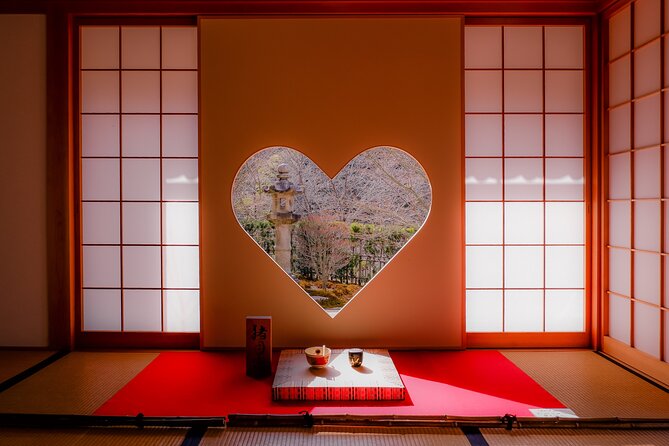
The reward is the temple’s tea room and its famous heart-shaped window. The window frames the outside view in a way that gives this visit a different mood from Byodo-in. Byodo-in is grand and instantly recognizable. Shoju-in is smaller in feel and more focused on atmosphere, framing, and quiet observation.
Admission costs ¥1,000 per person and is not included. That fee is higher than Byodo-in’s, so factor it into the value calculation. You may also encounter stairs and short walks at the temple.
The long drive is the main tradeoff. If you want five solid hours of temple interiors and tea instruction, this schedule may feel too spread out. If you enjoy scenic driving and want to reach places public transport does not easily connect, the road time becomes part of the experience.
A private vehicle changes the feel of rural Kyoto
For two to six people, the tour uses an air-conditioned Nissan van. That is the practical choice for a family or small group, especially if you have spent a hot day walking in Kyoto. Reviews of the service describe the van as comfortable even for a group of larger-built adults.
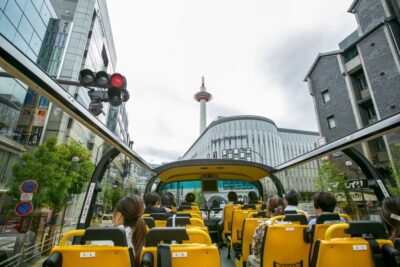
Solo guests may receive an open-air convertible Mini Cooper instead. That is a very different experience. The car makes the countryside drive feel more personal and memorable, though an open-air ride may not suit every weather condition or passenger.
Pickup is offered from a wide area, with pinpoint pickup and drop-off available. You can also set different starting and ending points. This flexibility is useful if you want to finish near dinner rather than return to your original pickup location. Daiki has made special drop-offs for meals, and one group was taken to a nearby restaurant at the end of the day.
Fuel and highway fees are included. That removes two common surprises from a private driving tour. Still, the final route can change because of road conditions, closures, crowd levels, or seasonal events.
What Daiki adds to the day

The guide is central to this experience. Daiki is described as energetic, patient, and easy to talk with, with a strong command of Japanese history and culture. His explanations cover more than tea production. You can expect connections to monks, samurai, ninjas, temple life, and the development of tea.
His guiding style appears especially useful for groups with mixed interests. One person can focus on photography, another on food, and another on history without being locked into a fixed coach-tour script.
The ninja connection is a distinctive touch. One forest shrine visited on an extended version of the outing was associated with ninjas who lived and trained in the area. That detail shows how the countryside can reveal a side of Japan that the standard Kyoto route rarely reaches.
Some past outings also ran eight or nine hours and included extra temples, shrines, Nara, Osaka, dinner, or a nighttime temple visit. Do not assume those additions are part of this 5.5-hour product. They show that Daiki may be flexible, but you should confirm any custom route before booking.
Price, group size, and what you really receive
The listed price is $250.38 per group of up to six. For six people, that works out to about $42 per person before temple admissions and personal drinks. For two people, the per-person price is much higher, but a private car and guide can still compare well with separate taxis, trains, and paid activities across a rural route.
Solo guests pay for privacy and the unusual Mini Cooper ride rather than group savings. The value depends on how much you care about reaching tea country without arranging several connections on your own.
You should add ¥600 for Byodo-in and ¥1,000 for Shoju-in per person, plus anything you order at the cafe. Tea shopping is optional, but the lower local prices may help offset part of the spending if you intended to buy matcha or green tea anyway.
The strongest value comes from the combination of transport, local explanation, and access to multiple rural areas in one afternoon. The weaker value appears if you mainly want a long tea ceremony or a guided farm tour. The supplied schedule does not promise a full tea-making workshop, so book it for scenery, tasting, temples, and countryside context.
Who will enjoy this most
I would suggest this tour to:
- Small families who want a private vehicle and flexible pickup
- Couples looking for rural scenery beyond central Kyoto
- Solo visitors interested in the convertible Mini Cooper option
- Photographers who want tea fields, temple architecture, and framed views
- Tea drinkers who want to shop near the growing region
- Repeat Kyoto visitors who have already seen the major city temples
It may be less suitable if you dislike driving, need a fully level route, or want to spend the whole day in one place. There are short walks and stairs, and the schedule includes a long ride to Shoju-in.
Most people can take part, and service animals are allowed. The tour is private, so only your own group participates.
Practical planning for the afternoon
Start with comfortable shoes. You will not be hiking for hours, but the tea fields and temples require some walking, and stairs are noted in the practical information.
Bring room for tea purchases. Wazuka is a good place to buy leaves or matcha at a lower price than city shops, and the cafe may tempt you with matcha sweets.
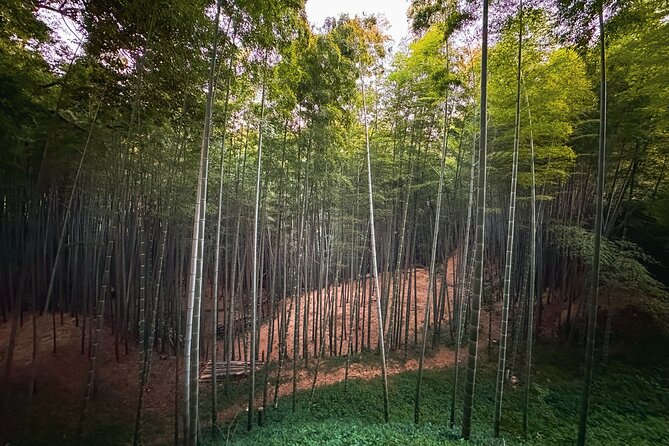
Keep your camera ready during the drives. The route passes rural Japan, including tea country, bamboo, and tall red cedar groves. Some of the most memorable views may come between the official stops.
The tour offers free cancellation up to 24 hours before the start time. Cancellations made less than 24 hours before departure are not refunded, and late changes are not accepted.
Should you book Scenic Green Tea Fields of Hidden Kyoto?
Book this tour if you want Kyoto’s rural side, not another packed temple circuit. The best parts are the tea hills, the local tasting and shopping, the private vehicle, and Daiki’s personal explanations. You also get a useful contrast between Byodo-in’s famous architecture and Shoju-in’s quieter heart-shaped window.
Think twice if you want a slow, specialized tea workshop or dislike spending time in a car. The route covers a lot in 5.5 hours, and admission fees sit outside the main price.
For most small groups, I see strong value here. You reach places that are awkward to connect by public transport, learn how tea fits into Japanese culture, and get a taste of countryside Kyoto that many first-time visitors miss.
FAQ
How long does the tour last?
The tour lasts approximately 5 hours and 30 minutes. It begins at 1:00 p.m.
How many people can join the private tour?
The private tour is available for groups of up to six people. Only your group participates.
What vehicle is provided?
Groups of two to six use an air-conditioned Nissan van. Solo guests may use a convertible Mini Cooper.
Are pickup and drop-off included?
Yes. Pinpoint pickup and drop-off are offered, and different starting and ending locations can be arranged.
What admission fees are extra?
Byodo-in admission costs ¥600 per person, and Shoju-in admission costs ¥1,000 per person. These fees are not included in the tour price.
Is tea or coffee included at the cafe?
No. Coffee and tea ordered for yourself are not included. The tour does include the visit to the Wazuka-cha Cafe, where you can taste tea and matcha products and shop for premium tea.
Just added around Kyoto
- Private Guided Traditional Buddhist Cooking in Japan★ 5.0 · 16 reviews
- Kyoto: Gion Geisha District & Sake-in-Hand Walking Tour★ 5.0 · 37 reviews
- Your Private Vacation Photography Session In Kyoto★ 5.0 · 110 reviews
- Kyoto: Zen Meditation at a Private Temple with a Monk★ 5.0 · 25 reviews
- Traditional Japanese Washi Papermaking- Kyoto morning★ 5.0 · 77 reviews
- Kyoto Wagashi(Japanese sweets) Cooking Class near Fushimiinari★ 5.0 · 60 reviews
- Private Pewter Sake Cup Experience with a Kyoto Artisan★ 5.0 · 31 reviews
- Kyoto Private 6 hour Tour: English Speaking Driver Only, No Guide★ 5.0 · 88 reviews
Kyoto Tours, compared.
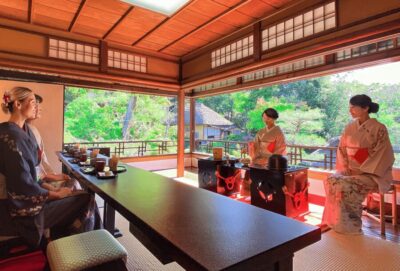
Tea Ceremony in a Traditional Tea House in Kiyomizu
Read our review →
Kyoto Geisha Walking Tour: Gion District & Hidden Gems
Read our review →

Gion Magical Night Walking Tour with Geisha Trivia
Read our review →

Gion Geisha District Walking Tour – Stories of Geisha
Read our review →
Best of Kyoto: Gion, Geisha, Pagodas & Cobblestones
Read our review →