
REVIEW · TICKETS
Kyoto: Hop-on Hop-off Sightseeing Bus Ticket
Kyoto’s sights are spread across a wide area, and this bus gives you a useful way to connect them without learning the city bus system on your first morning. I especially like the freedom to hop off near major temples and the open-top view, which helps you get a feel for how Kyoto’s old districts and newer streets fit together.
I also like that the pass covers one or two full days and includes both western and eastern Kyoto stops, from Kinkakuji to Ginkakuji and Kiyomizu-dera. The main thing to consider is timing: buses can be spaced far apart, and traffic or a missed bus may cost you close to an hour.
In This Review
- Key points
- Why this bus works well in spread-out Kyoto
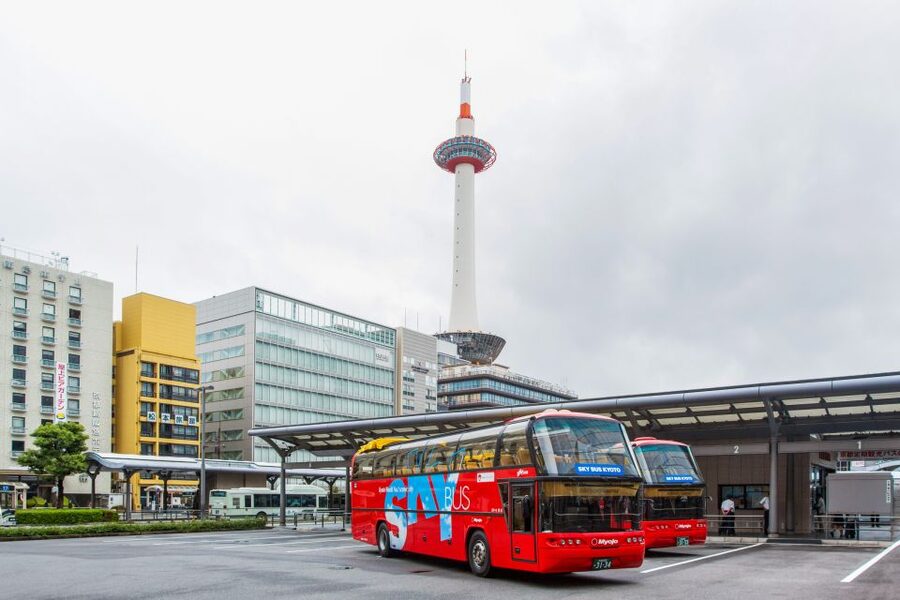
- Starting at Kyoto Station
- Nishihonganji and the route into central Kyoto
- Nijo Castle and Kyoto’s central history
- Kitano-tenmangu and the old entertainment district
- Kinkakuji, the Golden Pavilion
- Daitokuji and the quieter northern route
- Kyoto Imperial Palace and the eastern university area
- Ginkakuji, the Silver Pavilion
- Heian-jingu and Okazaki Park
- Gion and Gojozaka for Kyoto’s eastern highlights
- Sanjusangendo and the Kyoto National Museum
- The open-top ride and audio guide
- One day or two days?
- Who should book it?
- Should you book this Kyoto bus?
- FAQ
- Where can I board the Kyoto sightseeing bus?
- How long is the ticket valid?
- Which Kyoto attractions are served by the bus?
- Is audio commentary included?
- Are attraction entrance fees included?
- Can young children ride without a ticket?
- What happens in rainy or severe weather?
Key points
- Reach Kyoto’s major sights by one ticket: Stops serve Nijo Castle, Kinkakuji, Ginkakuji, Kiyomizu-dera, Gion, and Kyoto Station.
- Choose one or two days: The two-day option gives you time to visit temples instead of watching the clock.
- Ride with multilingual audio: Commentary is available in English, French, Japanese, Korean, Chinese, Spanish, and German.
- See Kyoto from the open top deck: You get broad views of the city, but direct sun, rain, and cold can affect comfort.
- Move between two sightseeing lines: The red and blue routes help connect temple areas with central Kyoto shopping streets.
- Use the bus as an orientation tool: A full circuit takes about 45 minutes, making the first ride useful for planning later stops.
Why this bus works well in spread-out Kyoto
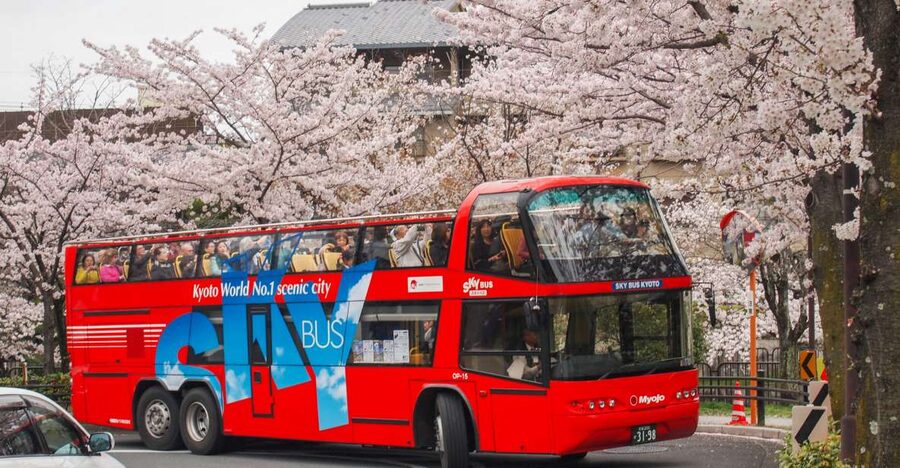
Kyoto looks compact on a map, but its best sights are not gathered in one walkable center. Nijo Castle is west of central Kyoto, Kinkakuji is farther northwest, Ginkakuji sits in the northeast, and Kiyomizu-dera rises on the eastern side. Add Gion, Nishiki Market, the Imperial Palace, and the museums, and a day of taxis or transfers can become tiring and expensive.
This service gives you a simple chain between those areas. You show your mobile voucher when boarding, then ride as much as you like during the selected one or two days. At $27 per person, the value is strongest if you make several stops. Two rides alone may not justify the cost, but a day that links three or four distant districts can make the pass worthwhile.
I see the bus as both transport and a first look at Kyoto. Take one full circuit, about 45 minutes, and you can decide which places deserve your time. That approach is especially useful if you arrive for a short stay or feel unsure about Kyoto’s train and city bus network.
The service uses red and blue sightseeing routes, with stops covering the city’s main temple and shrine areas. Check the route information carefully before boarding, since confusion between the lines can waste time.
A few more Kyoto trips to weigh up
- Kyoto: Tea Museum Tickets and Matcha Grinding Experience
★ 4.9 · 739 reviews - Skip the lines Basic Ticket at SAMURAI NINJA MUSEUM KYOTO
★ 4.5 · 632 reviews - Kyoto: Nidec Kyoto Tower Observation Deck Admission Ticket
★ 4.5 · 273 reviews
Starting at Kyoto Station
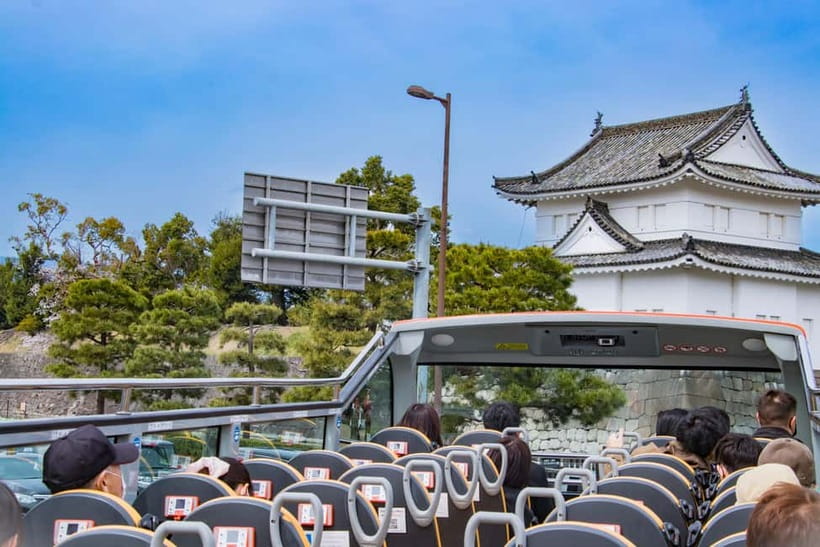
The easiest boarding point is Kyoto Station. Leave through the north central exit, then look for the sightseeing bus stop directly in front of the Isetan department store. This is a practical starting point because Kyoto Station has restaurants, shops, toilets, and connections for the rest of your trip.
Starting here also lets you ride the complete circuit before choosing where to get off. If you are arriving with luggage, remember that hotel pickup and drop-off are not included, so you need to reach a stop on your own.
The station area can feel busy, and the bus stop may serve several types of transport. Give yourself a little time to identify the sightseeing bus rather than rushing onto the first vehicle with a similar destination.
Nishihonganji and the route into central Kyoto
The Nishihonganji stop is near the Kyoto Tokyu Hotel. Nishihonganji is one of Kyoto’s major Buddhist temple complexes, known for its large wooden buildings and broad grounds. Even if you do not stop here, passing through this part of the city shows you a quieter side of central Kyoto.
The route then moves toward Shijo Karasuma and Nishiki-ichiba Market. This is one of the most useful stops for combining sightseeing with food and shopping. Nishiki Market runs through a narrow central street filled with small food stalls and specialty shops, while nearby Teramachi-dori and the Kawaramachi area offer more shopping streets.
Do not treat Nishiki as a quick five-minute photo stop. The market area can take much of an afternoon, particularly if you pause for snacks or browse the arcades. If you plan to visit Nishiki, note the next bus time before walking away from the stop.
Nijo Castle and Kyoto’s central history
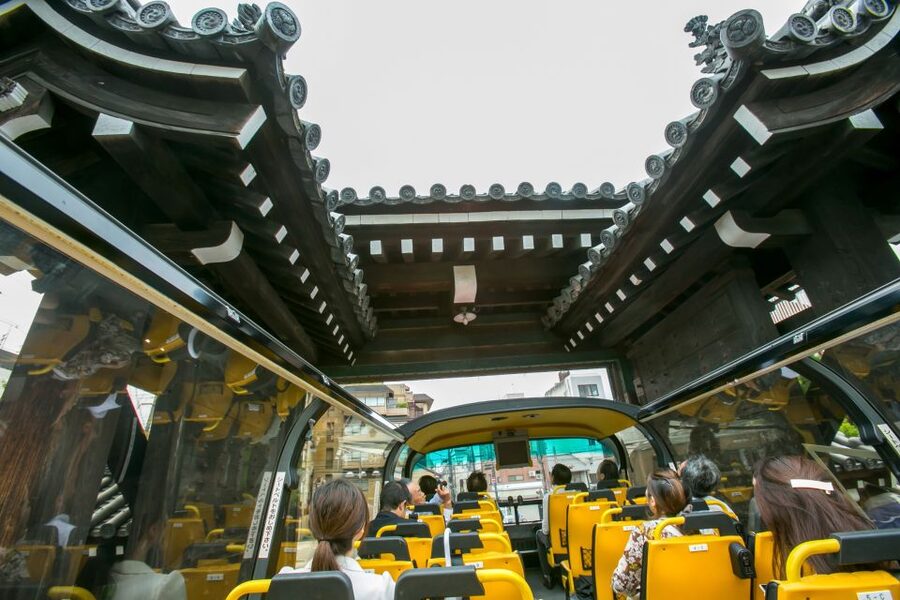
Nijo-jo Castle is one of the strongest stops on the western and central part of the route. Built as a residence for the shogun, it gives you a different view of Kyoto from the city’s temples. The palace interiors, gardens, gates, and defensive design make it a good counterpoint to the religious sites later in the day.
The bus stop saves you from arranging a separate ride to the castle, but you still need to pay the entrance fee yourself. Admission is not included in the bus ticket, so keep a separate budget for each attraction.
Nijo Castle is best for visitors who want more than temple architecture. The site helps explain the political side of old Japan, while the audio commentary on the bus gives you background as you move between stops. The onboard narration is an introduction, not a full guided visit. At some points, it may switch from a site description to a direction such as the attraction being on your right, so do not expect a complete history lesson from the speakers.
Same city, a completely different kind of day:
- PERFECT KYOTO 1-Day Bus Tour
★ 5.0 · 13,518 reviews - Kyoto: Fushimi Inari, Kinkakuji, Bamboo Grove 1 Day Bus Tour
★ 4.8 · 4,316 reviews - Kyoto: Tea Ceremony in a Traditional Tea House in Kiyomizu
★ 4.9 · 3,519 reviews - Kyoto Geisha Walking Tour: Gion District & Hidden Gems
★ 4.7 · 3,273 reviews
Kitano-tenmangu and the old entertainment district
The Kitano-tenmangu Shrine and Kamishichiken stop serves two distinct Kyoto experiences. Kitano-tenmangu is a major Shinto shrine with a long connection to scholarship, while Kamishichiken is one of Kyoto’s traditional geisha districts.
This stop is a good choice if you want to see a less uniform side of the city. You can move from a broad shrine setting to old wooden streets and traditional architecture without crossing the whole city. As always, allow time to walk, since the stop name covers more than one point of interest.
Kinkakuji, the Golden Pavilion
Kinkakuji, or the Golden Pavilion, is one of Kyoto’s most famous sights and a key reason many people choose this bus. The stop is close to the temple, making the visit far easier than trying to judge local bus connections from Kyoto Station.
The pavilion itself is striking, especially when its gold exterior reflects in the pond. The grounds are not enormous, but the site attracts heavy crowds, particularly during popular seasons. You should plan for a slow-moving visit rather than a quiet stroll.
One practical warning matters here: the entrance fee is not included, and cash is needed at the Golden Pavilion. There is no ATM on the premises, so arrive with enough Japanese yen. This small detail can prevent an annoying walk back through crowded streets.
Because Kinkakuji is so popular, it may be wise to visit early in your day. The bus can get you there, but the ticket does not give you priority entry or a shorter line.
Daitokuji and the quieter northern route
Daitokuji Temple gives the route a calmer northern stop. The name refers to a large temple complex with several subtemples, though access and opening arrangements can vary within the complex. You should check what is open when you arrive rather than assuming every building is available.
This stop suits you if you want a break from Kyoto’s most photographed sites. It is also useful as part of a slower two-day plan, when you can afford to spend time in less crowded temple grounds instead of collecting only famous landmarks.
Kyoto Imperial Palace and the eastern university area
The Kyoto Imperial Palace stop is near Doshisha University. The palace grounds offer broad paths, formal gates, and a sense of the city’s role as Japan’s imperial capital. It is a worthwhile pause between the northern temple stops and the eastern shrines.
The scale here is different from Kinkakuji or Ginkakuji. You are not visiting a single compact building with one famous view. Give yourself time to walk, and wear comfortable shoes. The palace area also gives you a chance to see a more open part of Kyoto after several enclosed temple compounds.
Ginkakuji, the Silver Pavilion
Ginkakuji, or the Silver Pavilion, is reached from the eastern side of the route. Despite its name, the pavilion is not covered in silver. Its appeal comes from the restrained architecture, carefully shaped gardens, and the path through the surrounding hillside.
This is one of the most useful inclusions on the bus route because Ginkakuji is not always included in short guided day trips. The stop lets you reach it without building a separate transport plan.
Allow more time than the pavilion’s name might suggest. The garden route and approach can take a while, and the nearby streets lead toward the Philosopher’s Path area. The bus will get you close, but it will not replace walking. If you want to explore beyond the main entrance, watch the return schedule closely.
Heian-jingu and Okazaki Park
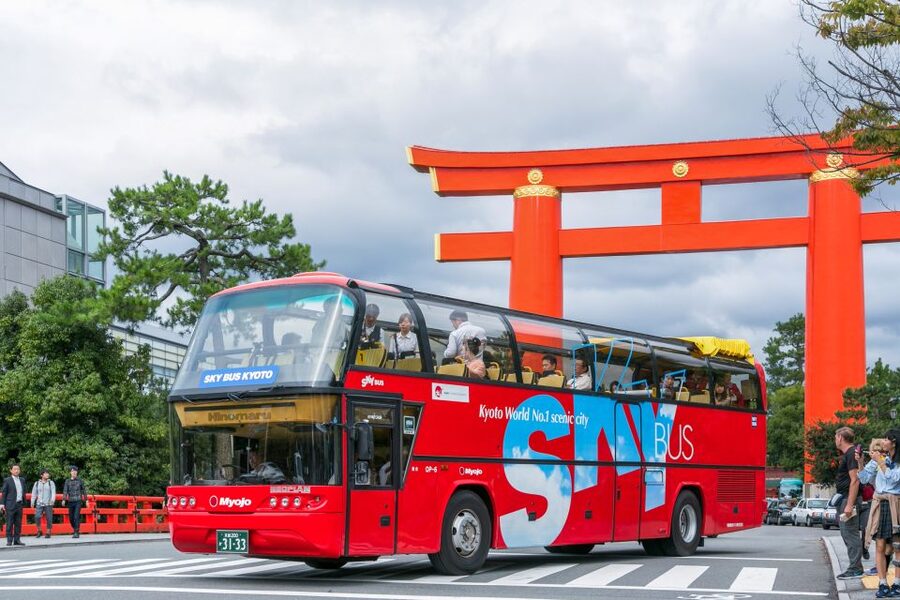
The Heian-jingu and Okazaki Park stop opens up Kyoto’s cultural district. Heian-jingu is known for its large torii gate and colorful shrine buildings, while Okazaki Park is near museums and other cultural venues.
This is a useful stop when you want variety. You can combine a shrine visit with the Kyoto Municipal area and then continue toward Gion or Kiyomizu-dera. Entrance fees for separate attractions remain your responsibility, so check costs before committing to several stops in one day.
Gion and Gojozaka for Kyoto’s eastern highlights
The Gion stop, near Kotowa-Kyoto Yasaka, places you close to Kyoto’s best-known traditional district. Gion’s lanes, wooden facades, and tea-house streets are most rewarding when you walk slowly and respect private areas. The bus gives you access, but the real experience happens away from the road.
Gojozaka is the stop for Kiyomizu-dera and the Gion side of eastern Kyoto. The temple sits uphill, so expect a walk from the bus stop. The approach is part of the visit, with shops and crowds leading toward the temple entrance, but it can be tiring in summer heat or wet weather.
Kiyomizu-dera is one of Kyoto’s essential visits, with its broad wooden stage and views over the city. The bus stop makes the transport simple, but it cannot remove the climb or the crowd. Start with sturdy shoes, water in a lidded bottle, and enough time for the temple grounds.
Sanjusangendo and the Kyoto National Museum
The Sanjusangendo and Kyoto National Museum stop, near the Hyatt Regency Kyoto, serves two excellent indoor and cultural options. Sanjusangendo is famous for its long wooden hall and rows of Buddhist statues. The Kyoto National Museum offers exhibitions that can add context to the art, religion, and craftsmanship you see across the city.
This stop is particularly helpful in poor weather because both attractions give you a break from the open air. Entrance fees are not part of the bus ticket, and you should allow enough time for the museum or temple before checking the next departure.
The open-top ride and audio guide
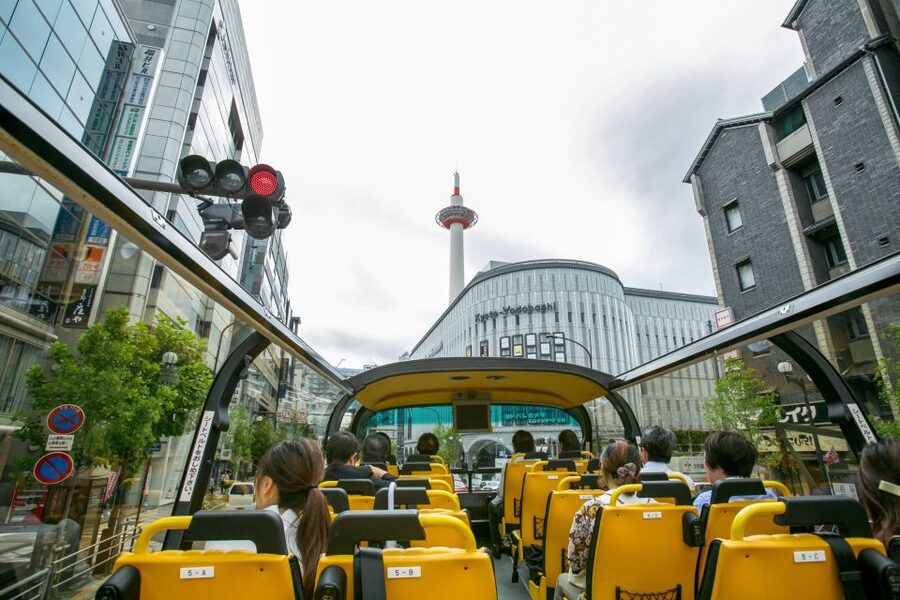
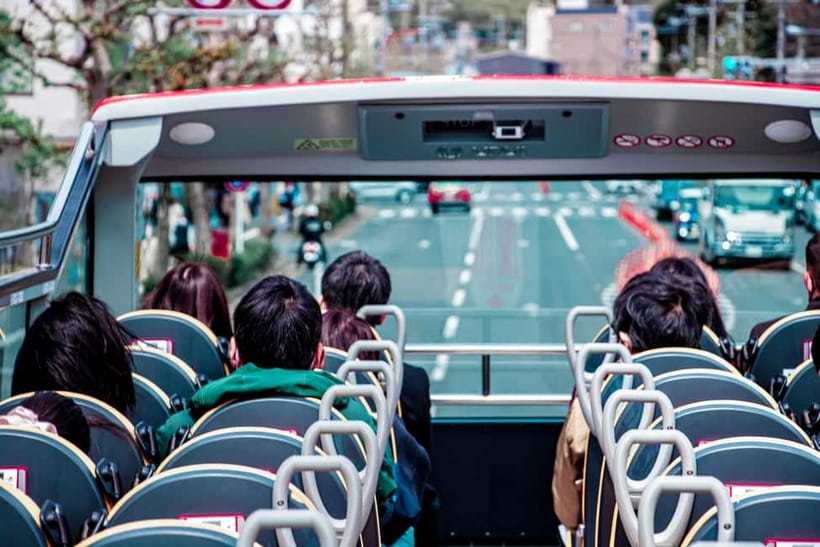
The open top is the bus’s most enjoyable feature on a clear day. You get a higher view than from a normal city bus, and the ride helps you notice changes in Kyoto’s streets, from modern commercial areas to low wooden buildings and temple approaches.
The drawback is equally clear: you are in direct sunlight. Summer rides can be hot, while winter mornings can feel very cold. Wet-weather raincoats are provided, but severe conditions such as typhoons or thunderstorms may stop the service. A half-covered upper deck helps in some conditions, though it does not turn the bus into an indoor sightseeing experience.
The audio guide is included in seven languages: English, French, Japanese, Korean, Chinese, Spanish, and German. It is useful for orientation and short facts about the places along the route. Do not rely on it as a substitute for a guide inside each temple. Some narration may be cut short when the bus reaches a stop or changes to directions.
Staff are often an important part of the experience. Guides named Miyuki, Casey, Lauren, and Frederick have been praised for clear help, local tips, storytelling, and friendly service. The exact onboard staff can vary, but you can reasonably expect assistance with stop locations and route questions.
One day or two days?
A one-day pass works if you want a broad survey and have a clear list of priorities. I would use it for a circuit with two or three major stops, such as Nijo Castle, Kinkakuji, and Gion or Kiyomizu-dera. Trying to visit every stop in one day will leave little time inside the attractions.
The two-day pass is the better choice for most first visits. Use the first day to ride around and get your bearings, then return to the places that interest you most. On the second day, you can spend proper time at Ginkakuji, Nishiki Market, Kiyomizu-dera, or the museum instead of rushing back to the bus.
Bus gaps deserve attention. At some times, especially around the late morning period, departures may be about 45 minutes apart. Missing one can force you to wait much longer than expected, so check the timetable before leaving a stop. A route-tracking feature has also helped riders judge where the next bus is, though you should still leave a margin for traffic.
Who should book it?
I recommend this pass most strongly to first-time Kyoto visitors, short-stay visitors, families who want simple connections, and anyone uneasy about navigating crowded rail stations. It is also useful for older passengers who prefer one clear sightseeing network, though the lower deck has limited seating and the service does not list a ramp.
You should think twice if you prefer quiet streets, long walks, or detailed guided visits. The bus reaches the right areas, but Kyoto’s best moments still require walking, waiting, and paying separate admission fees. In poor weather, the open-top feature becomes less useful, and the lower deck may offer limited views.
At 3.9 out of 5 from 2,034 ratings, this is not a flawless service. The strongest points are its friendly staff, clean buses, clear stops, useful routes, and low cost for a full day of transport. The main weaknesses are long gaps between buses, occasional route confusion, and audio that can feel brief or poorly timed.
Should you book this Kyoto bus?
Book it if you want an affordable way to connect Kyoto’s major sights and you value flexibility more than a detailed guided tour. Choose two days if your schedule allows, especially if Kinkakuji, Ginkakuji, Kiyomizu-dera, Nishiki Market, and Nijo Castle are all on your list.
Choose one day only when you are disciplined about priorities. Start at Kyoto Station, ride a circuit if you need orientation, carry cash for Kinkakuji, and check the next departure before walking away from each stop. Used that way, the $27 ticket can save both money and mental effort.
FAQ
Where can I board the Kyoto sightseeing bus?
You can board at any stop along the route. The first stop is at Kyoto Station, directly in front of the Isetan department store after you leave through the north central exit.
How long is the ticket valid?
You can choose a one-day or two-day ticket. Check availability for the applicable starting times when booking.
Which Kyoto attractions are served by the bus?
Stops serve Kyoto Station, Nishihonganji, Nishiki Market, Nijo Castle, Kitano-tenmangu, Kinkakuji, Daitokuji, Kyoto Imperial Palace, Ginkakuji, Heian-jingu, Gion, Kiyomizu-dera, Sanjusangendo, and the Kyoto National Museum.
Is audio commentary included?
Yes. Audio commentary is included in English, French, Japanese, Korean, Chinese, Spanish, and German.
Are attraction entrance fees included?
No. Food, drinks, and entrance fees are not included in the bus ticket.
Can young children ride without a ticket?
Children aged 0 to 5 do not need a ticket if they sit on the lap of an adult passenger who has a ticket. The allowance is one child per ticketed adult passenger.
What happens in rainy or severe weather?
Raincoats are provided in wet weather. Buses may not operate during severe conditions such as typhoons or thunderstorms.
Just added around Kyoto
- Taste of Nishiki Market Walking Food Tour with Local guide★ 5.0 · 17 reviews
- Kyoto: Sushi Making Class with Sushi Chef★ 4.8 · 64 reviews
- Kyoto: City Secrets eBike Tour★ 4.9 · 196 reviews
- Sacred Pathways: Discover the Philosopher’s Path of Kyoto★ 4.9 · 20 reviews
- Private Tour to Monkey Park and Arashiyama Highlights★ 5.0 · 22 reviews
- Private Nara Tour from Osaka – Meet at Your Hotel★ 5.0 · 22 reviews
- Private Sake Tasting in Central Kyoto with Sake Sommelier★ 5.0 · 13 reviews
- Kyoto : Private Custom Walking Tour With A Local Guide★ 4.6 · 144 reviews
Tickets, compared.

teamLab Planets TOKYO Digital Art Museum Entry Ticket
Read our review →

Japanese Dance Cabaret Theater Asakusa-Kaguwa Ticket
Read our review →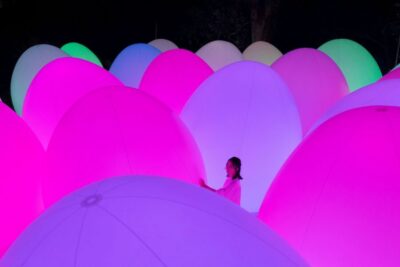
Kamakura & Enoshima Day Trip including Temple Tickets
Read our review →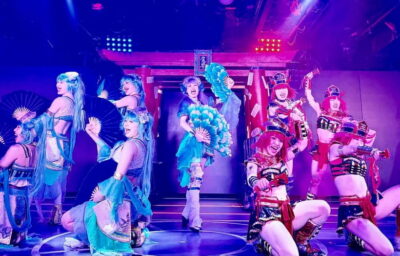
Browse the lists this tour appears in