REVIEW · TEA CEREMONY EXPERIENCES
KYOTO Tea Ceremony with kimono near by Imamiya Jinjya Shrine
A kimono fitting, hair styling, photo session, and traditional tea ceremony come together in this 90-minute Kyoto experience. You choose a kimono from a collection associated with Nishijin, then learn how the clothing, tea, gestures, and quiet pace all fit Japanese culture.
I especially like the hands-on tea preparation, since you do not simply watch a master perform. I also like the care given to the kimono fitting and photographs, with staff helping you pose and making sure you are comfortable. The main consideration is that the dressing process can feel busy when a full group arrives at once, so arriving early is a smart move.
In This Review
- Key points at a glance
- Why this Kyoto experience feels more substantial than a costume photo shoot
- Choosing a Nishijin kimono and getting dressed
- Photo time before the tea begins
- Watching a 30-year tea master perform
- Matcha, seasonal sweets, and your turn with the whisk
- What the small group changes
- Location near Daitoku-ji and Imamiya Shrine
- Who will get the most from the $99.49 price
- Practical details before you book
- Should you book this Kyoto tea ceremony?
- FAQ
- How long does the tea ceremony experience last?
- Where does the activity begin and end?
- Is a kimono included?
- Is hair styling included?
- Do I get to make tea myself?
- Is food included?
- How many people can join the activity?
- Is private transportation included?
- Can I cancel for a full refund?
Key points at a glance
- Choose your own kimono: Select a color and pattern from a collection connected with Kyoto’s Nishijin textile tradition.
- Hair styling is included: Women have their hair arranged before the kimono is put on.
- Learn from a seasoned tea master: The master has studied tea ceremony for 30 years and presents the ceremony in a room used for three generations.
- Prepare your own tea: After watching the formal demonstration, you get a chance to make matcha yourself.
- Small-group setting: The maximum group size is 12 people, which helps keep the lesson personal.
- Useful cultural context: The guide explains kimono patterns, tea ceremony history, manners, and the meaning behind the movements.
Why this Kyoto experience feels more substantial than a costume photo shoot
Many kimono activities in Kyoto focus mainly on appearance. This one uses the clothing as an introduction to tea culture. You are not only dressed up for photographs, but also seated for a formal ceremony, shown how the tea is made, and invited to try it yourself.
That difference matters. A kimono changes how you move. The layers, sash, and careful dressing help you understand why Japanese formal clothing is put on with such precision. One part of the fitting involves several layers and careful adjustments, which can make you appreciate the work behind the finished look.
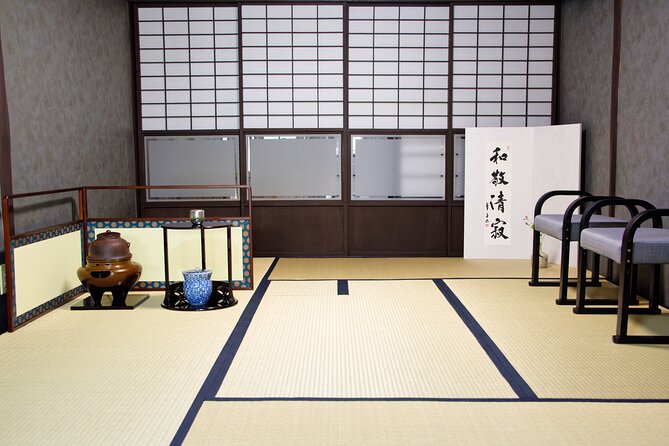
The setting also adds weight to the activity. The tea room has been used for three generations and is near Daitoku-ji, an area closely linked with Japanese tea culture. The room is described as somewhat old, so do not expect a polished modern studio. I see that as part of the appeal, though anyone seeking a sleek, high-end setting should keep expectations in check.
At $99.49 per person, this is not a cheap add-on. Still, the price covers more than a cup of tea. You receive assistance with dressing, hair styling for women, photographs, instruction, interpretation, a seasonal sweet, and your own turn at preparing tea. If you already plan to rent a kimono separately and attend another tea ceremony, the value is less clear. If you want both experiences in one compact session, the price is easier to justify.
More Kimono & Culture Experiences in Kyoto
- Kyoto Geisha Walking Tour: Gion District & Hidden Gems
★ 4.7 · 3,273 reviews - Kyoto: Gion Magical Night Walking Tour with Geisha Trivia
★ 4.9 · 2,393 reviews - Kyoto: Gion Geisha District Walking Tour – Stories of Geisha
★ 4.7 · 2,187 reviews
Choosing a Nishijin kimono and getting dressed
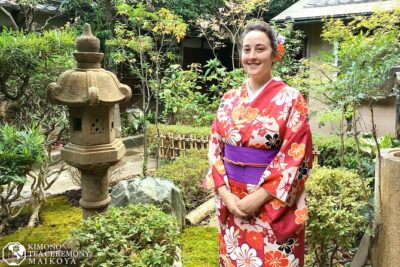
The experience begins with a choice of kimono. You select your preferred color and pattern from the available collection, then the staff help dress you in the traditional layers. This is not a quick robe-and-belt costume change. The process is detailed, and that is one reason the activity feels more connected to real Japanese dress.
You may want to think ahead about the colors you like. The fitting moves efficiently, and having a general idea before you arrive can make the choice easier. At the same time, try not to rush. The kimono is one of the main cultural elements of the experience, not merely something worn for a picture.
Women have their hair styled before the kimono fitting is complete. The hair service is practical and fast, designed to finish the traditional look without taking up the whole session. The available details do not specify a particular hairstyle or styling menu, so you should not expect to select from a long list of salon options.
The staff dress both men and women. That makes this a good choice for families and couples, rather than an activity designed only for women. One particularly useful detail is that the staff pay attention to comfort while adjusting the clothing. A kimono should feel secure, but it also changes your posture and stride, so speak up if anything feels too tight.
Photo time before the tea begins
Once dressed, you have a simple photo session. Staff help take pictures and suggest poses, making the most of the color and structure of the kimono. This is a practical benefit because arranging a full kimono look, then finding someone to take a good picture, can be difficult on your own.
The photo session is not described as a long professional portrait appointment. Think of it as a short, organized chance to record the experience. The staff are attentive and willing to help, and the photographs give you something lasting before the clothing is removed.
I would bring a phone with enough storage and battery. The experience includes photo assistance, but the supplied information does not promise professionally edited images or printed photographs. You should also remember that the kimono is provided for use during the activity, not presented as a souvenir.
For many people, this is the most playful part of the morning or afternoon. For others, it may feel a bit posed. The ceremony that follows gives the activity a quieter and more thoughtful center, so the photo session does not define the entire visit.
Watching a 30-year tea master perform
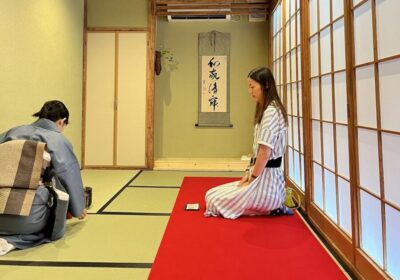
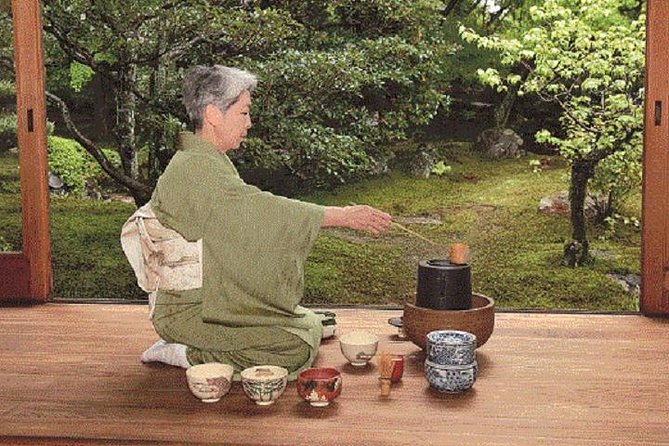
After the dressing and photographs, you move to the tea room for the ceremony. A tea master with 30 years of study demonstrates the traditional preparation. The presentation is performed in Japanese and explained with interpretation, including help from Akira in some sessions.
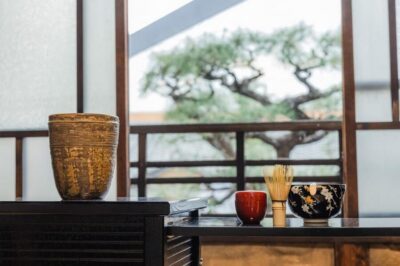
The ceremony is deliberate. You watch the tea master handle the utensils, prepare the matcha, and follow the established movements. The guide explains the background of the ceremony and the manners expected when receiving tea. This context helps you understand why the actions are slow and exact rather than treating them as decoration.
You also learn about kimono patterns and the meaning attached to the tea ceremony. The supplied details do not identify the tea master by name, but her experience is part of what gives the demonstration authority. One interpretation session also included additional information about the history of the tea ceremony fan, a small detail that shows how objects in the room can carry their own story.
The ceremony takes place in a room used for three generations. That gives the setting a sense of continuity that a temporary hotel event would not offer. Since the room is somewhat old, expect a traditional home-style environment rather than a large cultural center. The setting may feel close and personal, but it is not designed for luxury.
More Tea Ceremony Experiences in Kyoto
- Kyoto: Tea Ceremony in a Traditional Tea House in Kiyomizu
★ 4.9 · 3,519 reviews - Kyoto: Tea Ceremony Ju-An at Jotokuji Temple
★ 4.9 · 3,207 reviews - Kyoto: 45-Minute Tea Ceremony Lesson Experience
★ 4.3 · 2,378 reviews - Kyoto: Table-Style Tea Ceremony at a Kyo-Machiya
★ 4.9 · 1,211 reviews
Matcha, seasonal sweets, and your turn with the whisk
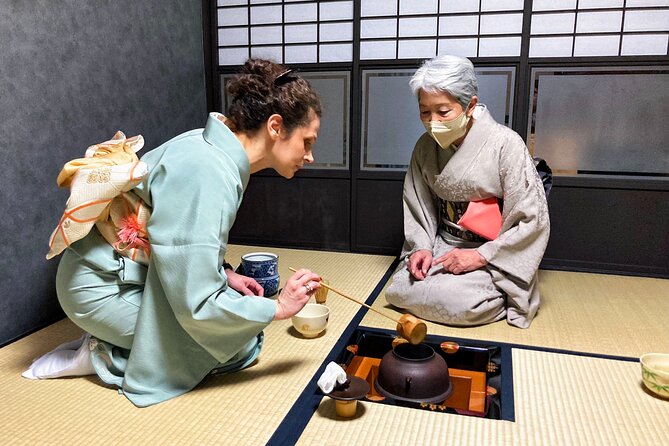
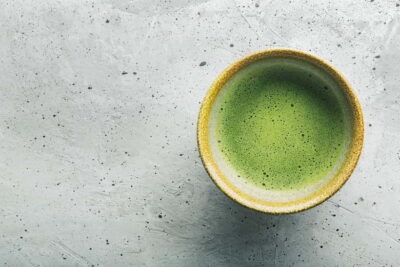
You receive a cup of tea with a seasonal sweet before preparing tea yourself. The sweet is not just a snack. In a formal tea setting, the food balances the bitterness of matcha and gives you a small lesson in how the ceremony handles hospitality.
The most valuable part for me is the chance to take a turn. You do not need prior experience. The instructor explains the steps and encourages you as you prepare tea for another person. Your movements may not be as precise as the master’s, and that is fine. The point is to understand the process through your own hands.
This hands-on section also makes the activity work well for families. Teenagers can participate rather than sit quietly through a demonstration, and older family members can take part at their own pace. Solo participants are also included, with the group format allowing each person a chance to prepare tea.
You should expect instruction rather than a long tasting session. The experience centers on one cup of tea, the ceremony around it, and the manners involved. If you are looking for a detailed lesson in different tea varieties, this may feel limited. If you want to understand the ritual of making and receiving matcha, it gives you a useful introduction.
What the small group changes
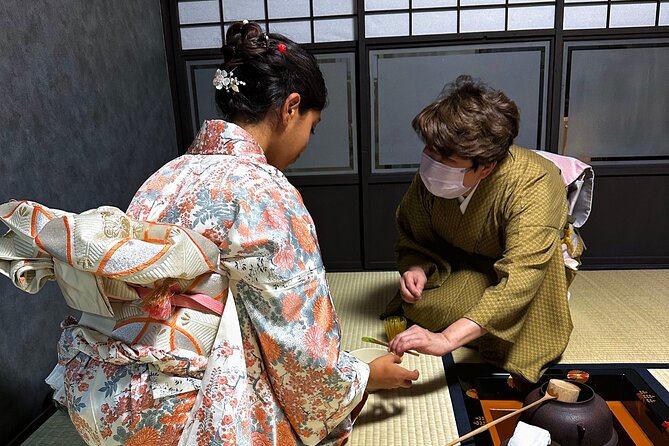
The maximum group size is 12 people. That is small enough for the guide and tea master to answer questions, help with movements, and take photographs without losing control of the room.
The dressing stage may be the busiest part. Several people can arrive at the same time, and the fitting and hair arrangements involve hands-on work. Arriving a little early gives the staff more room to prepare you and reduces the chance of feeling hurried.
Once upstairs in the tea room, the pace becomes calmer. You meet people from different places, share the demonstration, and take turns making tea. The group format means this is not a private ceremony, so couples seeking complete seclusion should consider that before booking.
For most people, the shared setting is a plus. Tea ceremony is about hospitality and attention between people, and meeting others can make the event feel less staged. Still, the experience is best for someone comfortable participating in front of a small group.
Location near Daitoku-ji and Imamiya Shrine
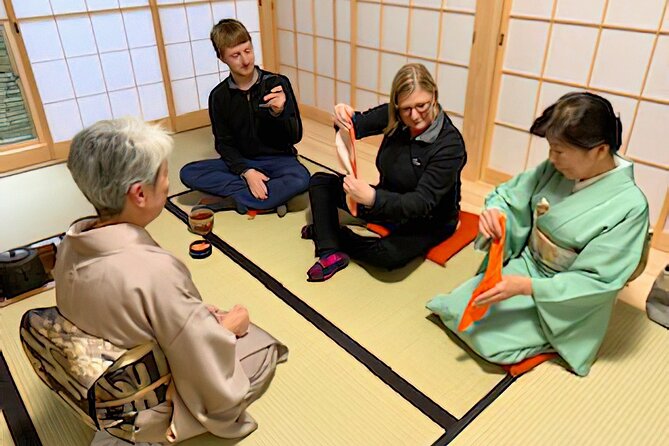
The meeting point is Tea Ceremony Caren at 74-4 Murasakino Daitokujicho, Kita Ward, Kyoto, postal code 603-8231. The activity ends at the same location.
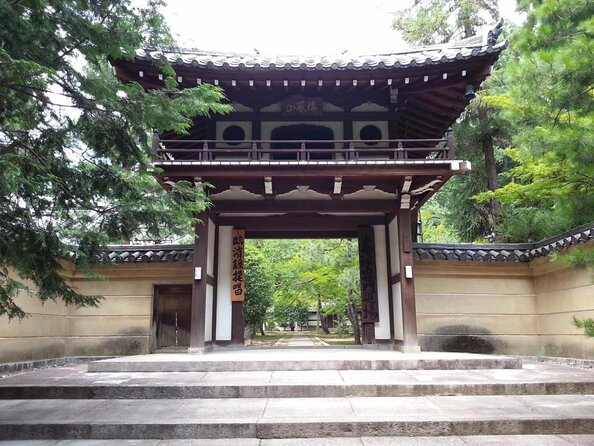
The experience is described as being near public transportation, but private transportation is not included. Plan your route carefully and allow extra time to find the building. The area near Daitoku-ji has strong ties to tea culture, which gives the location more relevance than a ceremony held in an unrelated commercial district.
Some descriptions of the experience place it near Imamiya Shrine, while the meeting address is near Daitoku-ji. Treat the exact meeting address as the important detail when planning your day. If you want to visit Imamiya Shrine or Daitoku-ji around the ceremony, allow separate time rather than assuming the activity includes a full shrine or temple visit.
One account describes walking to a temple as part of the occasion, but the formal information only confirms the tea room meeting point and return. I would therefore regard any nearby walk as something that may depend on the session, not a guaranteed sightseeing stop.
Who will get the most from the $99.49 price
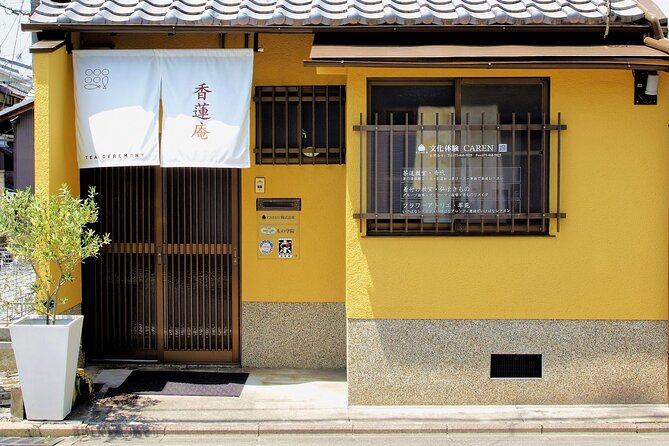
I think the cost makes the most sense for first-time visitors to Japan who want several connected experiences in one booking. You receive traditional clothing, hair styling for women, photographs, cultural explanation, a formal demonstration, tea, a sweet, and practical instruction.
It is also a strong fit for:
- Couples wanting a shared Kyoto memory
- Families with children or teenagers who enjoy hands-on activities
- Solo visitors who want structured cultural contact
- Anyone curious about tea ceremony but unsure how formal it will feel
- People who value photographs as part of their Japan trip
The value is weaker if you dislike dressing up, sitting through a formal presentation, or participating in front of others. The kimono fitting is not optional decoration. It is a major part of the experience, and the tea ceremony depends on a calm, respectful pace.
The duration is about 90 minutes, making it easy to place between other Kyoto plans. I would not schedule it too tightly against a distant attraction, since the meeting point is in the northern part of the city and private transportation is not provided.
Practical details before you book
You receive confirmation when you book, and the activity accepts mobile tickets. The maximum group size is 12 people. The experience requires a minimum number of participants, and poor weather can also lead to cancellation, with a new date or full refund offered in those cases.
Free cancellation is available until 24 hours before the start time. Cancellations or changes made inside that 24-hour window are not refunded or accepted, so check your Kyoto schedule before the deadline.
Wear something that allows staff to dress you easily. The provided information does not set a specific clothing requirement, but loose, uncomplicated clothing should make the fitting more comfortable. Since you will be wearing a kimono and having your hair arranged, plan to arrive ready for a hands-on preparation process rather than treating the meeting point as a quick check-in.
The ceremony itself uses tea and a seasonal sweet. Coffee is also listed among the included refreshments, though tea is clearly the focus of the activity.
Should you book this Kyoto tea ceremony?
I would book it if you want more than a quick kimono photograph. The strongest part is the combination of careful dressing, a three-generation tea room, a 30-year tea master, clear interpretation, and your own chance to prepare matcha.
I would skip it if you want a private ceremony, a luxury venue, or a long study of Japanese tea varieties. The room is old, the group may be full, and the fitting can feel hectic if everyone arrives together.
For most visitors with 90 minutes to spare, this is a thoughtful and approachable introduction to Kyoto tea culture. Arrive early, use the exact meeting address, keep your schedule flexible, and take the ceremony seriously while allowing yourself to enjoy the fun of wearing a kimono.
FAQ
How long does the tea ceremony experience last?
The experience lasts approximately 1 hour and 30 minutes.
Where does the activity begin and end?
It begins at Tea Ceremony Caren, 74-4 Murasakino Daitokujicho, Kita Ward, Kyoto, 603-8231, Japan, and ends back at the same meeting point.
Is a kimono included?
Yes. You can choose a kimono from the available collection and receive assistance putting it on.
Is hair styling included?
Yes. Hair setting is included before the kimono is put on. The supplied information specifically mentions this service for women.
Do I get to make tea myself?
Yes. After watching the tea master prepare tea and learning about the ceremony, you have an opportunity to prepare your own cup.
Is food included?
A seasonal sweet is served with the tea. Coffee and/or tea are also listed as included refreshments.
How many people can join the activity?
The maximum group size is 12 participants.
Is private transportation included?
No. Private transportation is not included, although the meeting point is near public transportation.
Can I cancel for a full refund?
Yes, if you cancel at least 24 hours before the experience start time. Cancellations or changes made less than 24 hours before the start time are not refunded or accepted.
More Temple & Shrine Tours in Kyoto
- Kyoto: Fushimi Inari, Kinkakuji, Bamboo Grove 1 Day Bus Tour
★ 4.8 · 4,316 reviews - Fushimi Inari Hidden Hiking Tour (Private Option Available)
★ 5.0 · 1,750 reviews - Kyoto/Osaka: Nara, Fushimi Inari Taisha, Arashiyama Bus Tour
★ 4.7 · 1,275 reviews - Arashiyama Bamboo, Temple, Monkeys, or Secret Sake Brewery
★ 4.8 · 886 reviews
Just added around Kyoto
- Taste of Nishiki Market Walking Food Tour with Local guide★ 5.0 · 17 reviews
- Kyoto: Sushi Making Class with Sushi Chef★ 4.8 · 64 reviews
- Kyoto: City Secrets eBike Tour★ 4.9 · 196 reviews
- Sacred Pathways: Discover the Philosopher’s Path of Kyoto★ 4.9 · 20 reviews
- Private Tour to Monkey Park and Arashiyama Highlights★ 5.0 · 22 reviews
- Private Nara Tour from Osaka – Meet at Your Hotel★ 5.0 · 22 reviews
- Private Sake Tasting in Central Kyoto with Sake Sommelier★ 5.0 · 13 reviews
- Kyoto : Private Custom Walking Tour With A Local Guide★ 4.6 · 144 reviews
Tea Ceremony Experiences, compared.
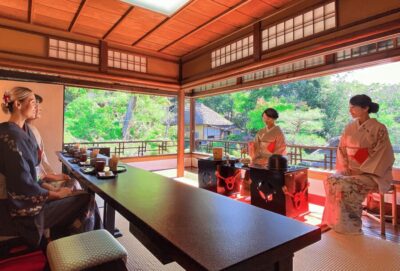
Tea Ceremony in a Traditional Tea House in Kiyomizu
Read our review →
World Heritage Kyoto & Nara Uji Authentic Matcha Experience
Read our review →