
REVIEW · KIMONO & CULTURE EXPERIENCES
Kyoto: Kiyomizu-dera, Fushimi Inari & Gion Geisha District
Fushimi Inari’s long tunnel of red torii gates is the star here, but the smart part of this tour is the way it links three very different sides of Kyoto. You get Shinto at Fushimi Inari, Buddhist worship at Kiyomizu-dera, old merchant streets around the temple, and Gion’s traditional entertainment district, all in four hours.
I like the private format, since Roberto can adjust explanations and the pace to your group. I also like the practical help: he uses images on an iPad, takes photos and videos, and offers advice about moving around Kyoto. The main drawback is the pace. With two train rides, a temple visit, several walks, and a finish in Gion, this is a focused introduction rather than a slow temple day.
In This Review
- Key points at a glance
- Why this four-hour route works
- Meeting Roberto at Kyoto Station
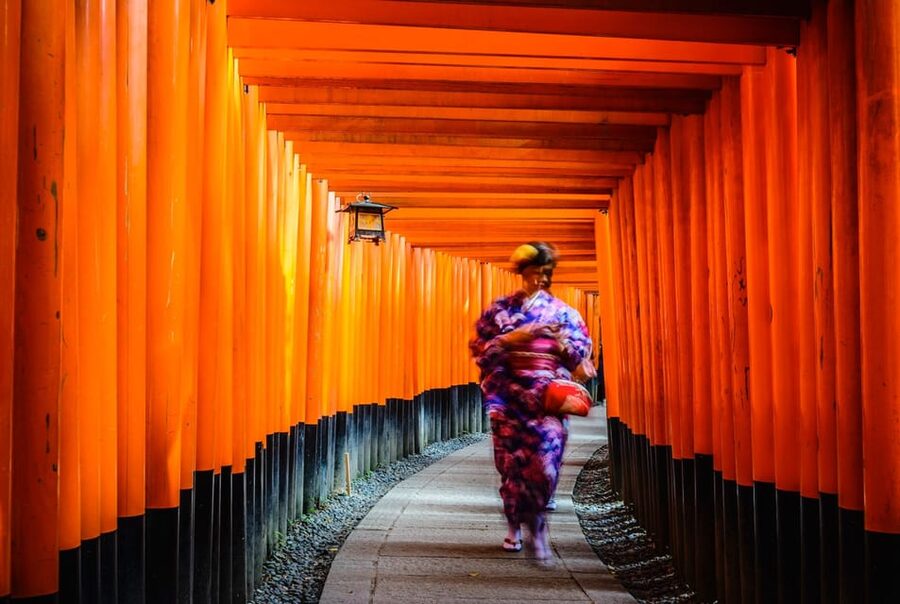
- Fushimi Inari and its endless red gates
- Kiyomizu-dera and Kyoto’s power spots
- Sannenzaka and Ninen-zaka on foot
- Gion, maiko, and geisha explained clearly
- Roberto’s guiding style and the private format
- Timing, walking, and what to bring
- Who gets the best value from this tour
- Should you book it?
- FAQ
- Where does the tour begin?
- How will I recognize the guide?
- How long does the experience last?
- Which languages are available?
- Is this a private tour?
- Are transportation costs included?
- Is the Kiyomizu-dera entrance fee included?
- Where does the tour finish?
Key points at a glance
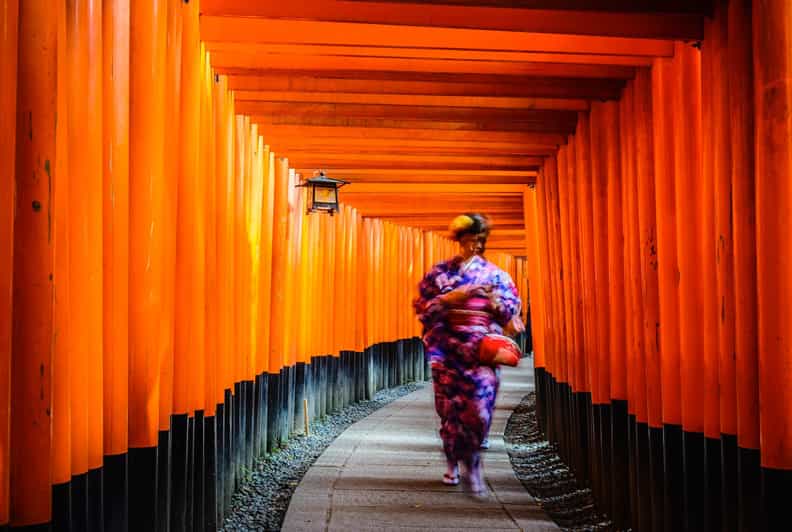
- Follow the 1,000 vermilion torii at Fushimi Inari: You get 75 minutes to see the shrine and walk part of its famous uphill route.
- Understand Kyoto through two faiths: Roberto explains Shinto at Fushimi Inari and Buddhist traditions at Kiyomizu-dera.
- Visit Kiyomizu-dera’s power spots: The temple visit covers places linked with love, longevity, and academic success.
- Walk historic Ninen-zaka and Sannen-zaka: Wooden buildings and traditional shops give you a strong sense of old Kyoto.
- Finish in Gion: You learn how geisha and maiko fit into Kyoto’s traditional teahouse culture.
- Use a guide who helps with photos: Roberto speaks English and Spanish, carries an iPad, and takes as many pictures as you like.
Why this four-hour route works
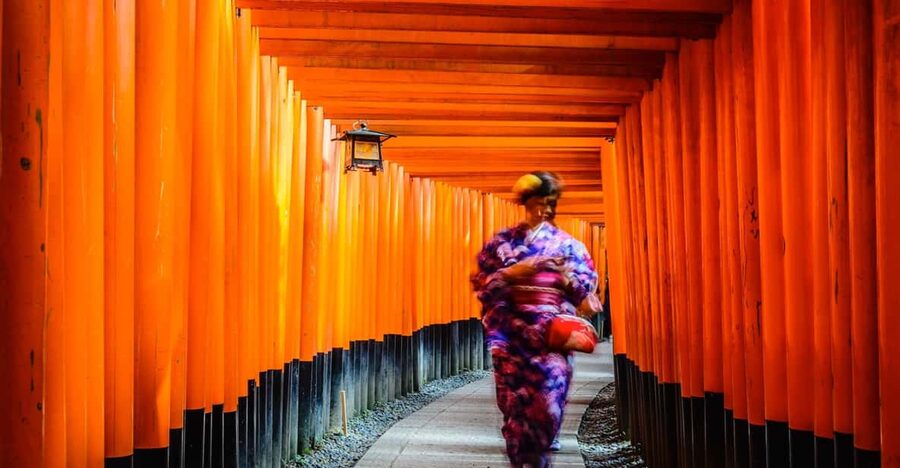
Kyoto can be hard to read on your own. A shrine may look like a temple, a red gate may seem purely decorative, and a woman in a beautiful kimono may be mistaken for a geisha. This tour gives you a framework for the sights instead of asking you to admire them without context.
The route also makes good use of a short half-day. Fushimi Inari and Kiyomizu-dera are not next door to each other, and Gion is best reached on foot from the Kiyomizu area. Public transport keeps the route moving, while the walking sections connect the sights in a natural order.
At $90 per person, the price makes the most sense for a private group that wants interpretation and help with photos. You still pay for public transport and the 500-yen Kiyomizu-dera entrance fee, so the actual cost is a little higher. For a solo visitor, the price may feel steep. For two or more people, the private guide, flexible explanations, and saved planning time improve the value.
More Kimono & Culture Experiences in Kyoto
- Kyoto Geisha Walking Tour: Gion District & Hidden Gems
★ 4.7 · 3,273 reviews - Kyoto: Gion Magical Night Walking Tour with Geisha Trivia
★ 4.9 · 2,393 reviews - Kyoto: Gion Geisha District Walking Tour – Stories of Geisha
★ 4.7 · 2,187 reviews
Meeting Roberto at Kyoto Station
The meeting point is in front of the 7-Eleven at the JR Kyoto Station Building, on the first floor. Use the Kyoto Tower side exit. Roberto will be holding an iPad and a red card marked RBRT, making him easier to spot in a station that can feel confusing on a first visit.
This starting point is practical because Kyoto Station is a major transport hub. Arrive with enough time to find the correct side of the building rather than assuming every station exit leads to the same place. The tour then begins with public transport, so keep your ticket or transit card ready if you use one.
The guide’s use of an iPad is more useful than it sounds. Historical sites can be difficult to explain while standing in a crowd or facing a large wooden structure. Images give Roberto a way to point out details and make cultural explanations easier to follow.
The tour is offered in English or Spanish. Past bookings describe Roberto as punctual, polite, and good at adjusting the visit for a small private group. That flexibility is useful if you want more explanation at a shrine, need a slower pace for photos, or have particular questions about Japanese culture.
Fushimi Inari and its endless red gates
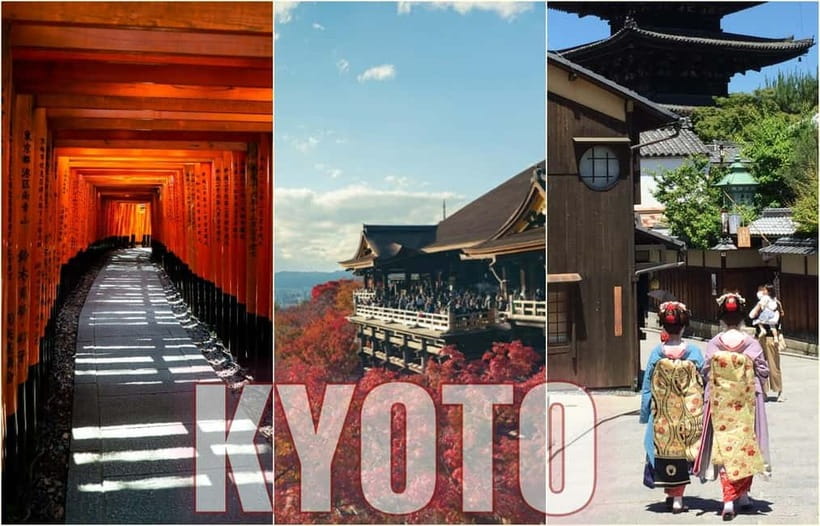
The first major stop is Fushimi Inari Taisha, reached by train from Kyoto Station. The journey is listed as about 10 minutes, followed by a 75-minute guided visit.
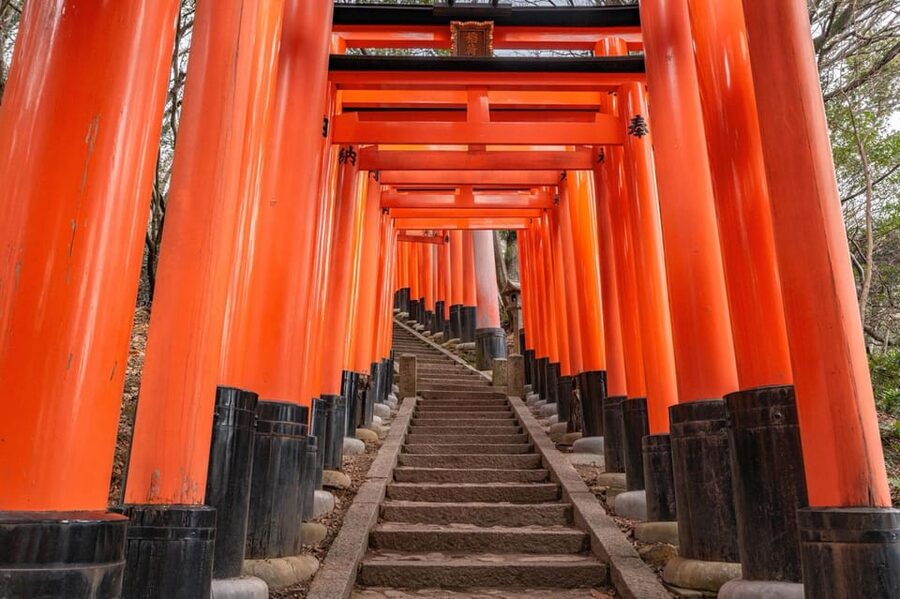
Fushimi Inari is a Shinto shrine with ancient origins and a long connection to Inari, a deity associated with rice and prosperity. Its most famous feature is the trail lined with thousands of vermilion torii gates. The advertised walk refers to the 1,000-gate route, though you should understand that 75 minutes is not enough for every section of the full mountain path.
That time limit is not a flaw if you treat this as an introduction. You can walk into the torii tunnel, pause for photographs, and learn how the shrine works without spending half a day on the mountain. The gates create a memorable visual effect, but Roberto’s explanation gives them meaning: they are offerings connected to worship and gratitude, not simply a scenic walkway.
Fushimi Inari is an active place of worship, so the visit is more rewarding if you pay attention to the Shinto customs around you. Roberto explains the shrine’s origins and Shinto practices, helping you see the difference between a sacred approach and a tourist photo stop.
The route includes steps and an uphill walk. Comfortable shoes and water matter here. You should also expect other people on the most photographed sections, especially when the gates narrow the path. The private format helps, but it cannot remove crowds or change the physical nature of the shrine.
If fitness is limited, this is an important point to consider. The experience is not recommended for people with mobility impairments, wheelchair users, people with back problems, or people with a low level of fitness. It is also not considered suitable for people over 75 or for people with visual impairments.
Kiyomizu-dera and Kyoto’s power spots
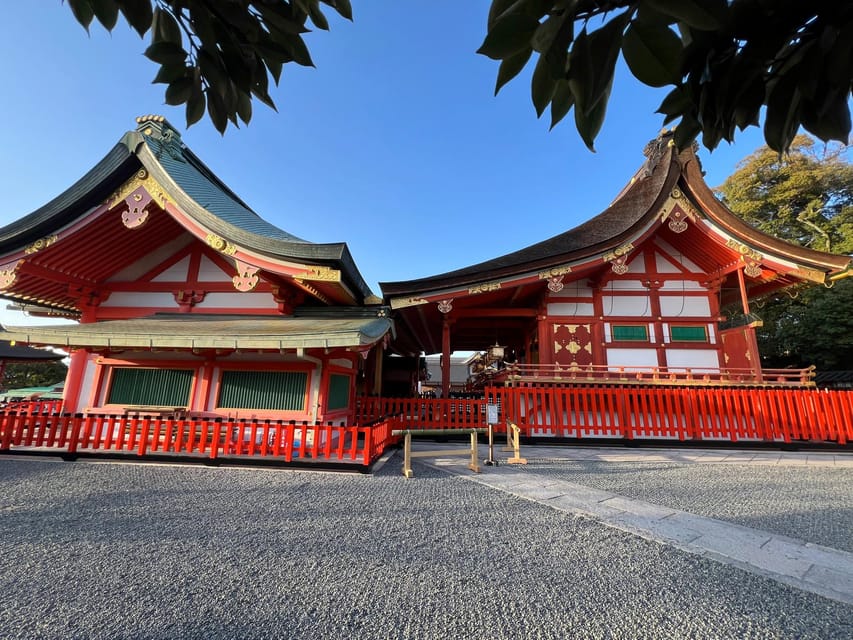
From Fushimi Inari, the tour uses public transport for a longer transfer, listed as about 30 minutes. The next stop is Kiyomizu-dera, with 80 minutes for a guided visit.
Kiyomizu-dera is one of Kyoto’s best-known temples, and its appeal comes from more than the main building. The tour focuses on its power spots, places associated with blessings for love, longevity, and academic success. These beliefs give you a simple way to understand how visitors use religious sites in daily life: people come not only to look at architecture, but also to ask for help with specific hopes.
The temple entrance fee is not included and costs 500 yen, about US$3.10. You pay for your own admission, while Roberto’s entrance and transport costs do not need to be covered. Bring cash, since the tour’s practical notes specifically recommend it.
The 80-minute stop gives Roberto time to explain the temple and lead you to the key worship areas. It is enough for a meaningful visit, but not for every corner of the wider complex. If you want extended time for shopping, repeated photographs, or a long personal prayer, you may find the schedule tight.
I like the pairing of Fushimi Inari with Kiyomizu-dera because the religious contrast is useful. At Fushimi Inari, you are learning about Shinto. At Kiyomizu-dera, you encounter a Buddhist temple and a different set of traditions. You do not need a background in either faith to follow the explanations, and the guide’s iPad images can help when the site’s stories become hard to picture.
The temple area also has slopes, stairs, and busy passages. Wear shoes that can handle a long morning on foot. Comfortable clothes and a bottle of water will make the day easier, especially in warm weather.
More Temple & Shrine Tours in Kyoto
- Kyoto: Fushimi Inari, Kinkakuji, Bamboo Grove 1 Day Bus Tour
★ 4.8 · 4,316 reviews - Kyoto: Tea Ceremony in a Traditional Tea House in Kiyomizu
★ 4.9 · 3,519 reviews - Kyoto: Tea Ceremony Ju-An at Jotokuji Temple
★ 4.9 · 3,207 reviews - Fushimi Inari Hidden Hiking Tour (Private Option Available)
★ 5.0 · 1,750 reviews
Sannenzaka and Ninen-zaka on foot
After Kiyomizu-dera, the route leaves the temple through two of Kyoto’s most recognizable historic streets. Sannenzaka and Ninen-zaka each receive about 10 minutes of walking time, followed by another 12-minute walk toward Gion.
These lanes are lined with wooden buildings and traditional merchant shops. They offer the visual side of old Kyoto, with tiled roofs, narrow streets, and shops that fit the historic setting. The important thing is to see them as working streets, not as a museum display. You may find food, souvenirs, and small traditional goods here, though shopping is not the main purpose of this tour.
Twenty minutes of scheduled walking is enough to connect Kiyomizu-dera and Gion, but it is not a leisurely shopping stop. If you want to browse every shop or stop for a snack, you will likely need to choose between shopping and keeping close to the planned route.
The streets can also be crowded and uneven. Large bags are not allowed on the tour, and that is sensible. A small day bag is easier to manage on narrow streets and public transport. Leave suitcases at your accommodation rather than bringing them to the meeting point.
This section is valuable because it links the temple visit with Gion without another vehicle transfer. You get a short look at the traditional streets that make this part of Kyoto feel distinct from the modern station area.
Gion, maiko, and geisha explained clearly
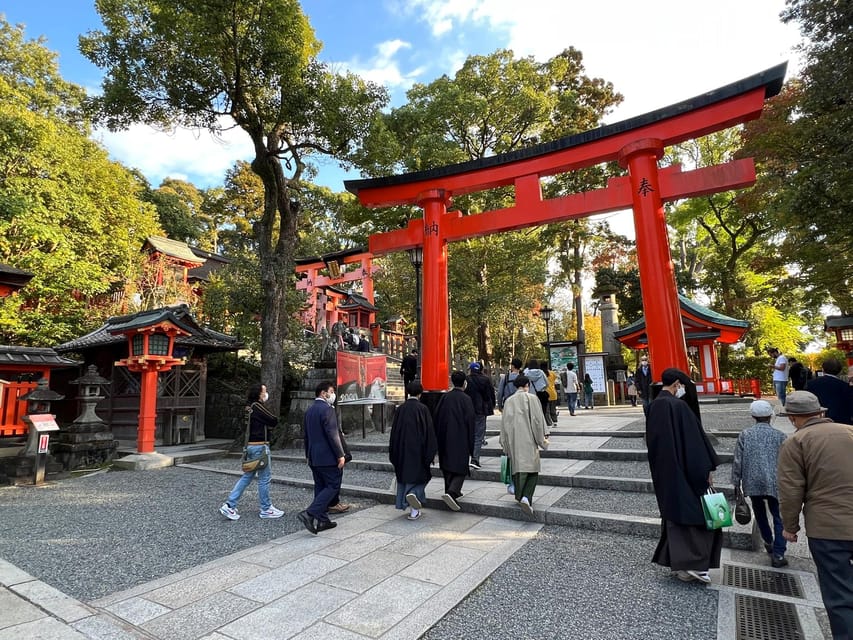
The tour finishes in Gion after about 15 minutes of walking through the district. Gion is Kyoto’s best-known geisha area, with shops, restaurants, traditional wooden machiya houses, and ochaya, the teahouses where geisha and maiko provide entertainment.
The guide’s role here is especially helpful. Gion is a place where visitors can easily get the wrong idea from costumes and photographs. Roberto explains the facts about geisha and maiko, including the difference between an established geisha and an apprentice maiko, so you can look at the district with greater care.
This is a walking visit, not a promise of a geisha performance or entry to a teahouse. The tour introduces the district and its traditions from public streets. That distinction matters. You should not expect a private meeting with a geisha, a meal, or reserved access to an ochaya unless separately arranged.
Gion is also the end point, which is convenient if you plan to continue exploring eastern Kyoto. From here, you can take a city bus or taxi back to your hotel. Since the tour does not return to Kyoto Station, plan your next stop before you set out.
The finish gives the day a satisfying arc. You begin with Shinto worship, move through a Buddhist temple and old merchant streets, and end in a district tied to Kyoto’s traditional arts. It is a lot of ground, but the sequence makes cultural sense.
Roberto’s guiding style and the private format
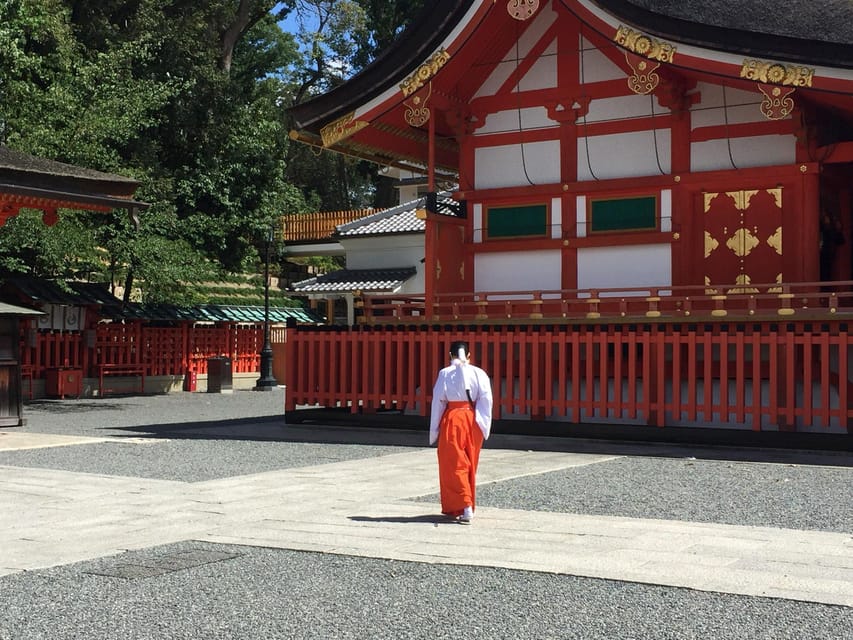
The strongest feature of this experience is the personal guidance. Roberto is a Kyoto City Certified Tourist Guide, and his explanations cover Buddhist customs, Shinto, Japanese culture, Fushimi Inari, Kiyomizu-dera, and the geisha world.
The private group setup means you are not placed with a large mixed crowd. That can make it easier to ask basic questions without feeling rushed or self-conscious. It also allows the visit to be adapted to your group, a useful benefit for couples or families with different interests.
Photography is another practical advantage. Roberto can take as many pictures of you as you like, and several bookings specifically highlight the quality of the photos and videos. This is helpful at the torii gates, where taking a good picture of the whole group can be awkward.
The guide also offers advice about getting around Kyoto. Since you use a train and city transport during the outing, that help can be useful beyond the four-hour visit. Still, remember that transport costs are extra, as are food, drinks, and the Kiyomizu-dera admission fee.
The overall rating is 5 from 24 ratings, and the strongest pattern in the written feedback is clear: people valued Roberto’s detailed cultural explanations, his friendly manner, his timing, his photography, and his ability to tailor the experience. The praise is most convincing when it describes specific help rather than simply calling the tour excellent.
Timing, walking, and what to bring
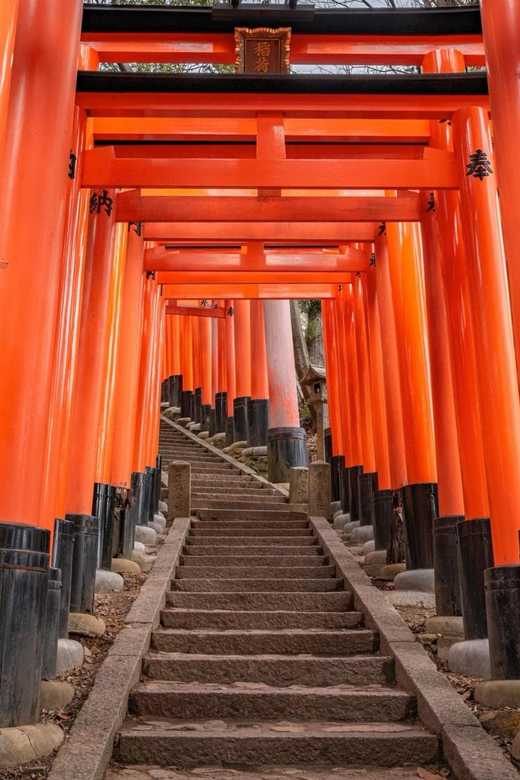
Four hours sounds generous until you look at the route. You have a meeting at Kyoto Station, a short train ride, 75 minutes at Fushimi Inari, a longer transfer, 80 minutes at Kiyomizu-dera, two short historic-street walks, a 12-minute connection, and 15 minutes in Gion.
Expect a steady outing rather than a slow afternoon. You should be comfortable walking, standing, using public transport, and handling steps or slopes. The tour is not designed for wheelchairs, people with significant mobility limits, or anyone who needs frequent long breaks.
Bring:
- Comfortable walking shoes
- Water
- Comfortable clothes
- Cash for transport and the Kiyomizu-dera entrance fee
Smoking is not allowed. Large bags and luggage are also not allowed, so this is not a good activity to schedule while moving between hotels with suitcases.
Free cancellation is available up to 24 hours before the start for a full refund, and you can reserve now and pay later. Starting times vary, so you need to check availability for your date.
Who gets the best value from this tour
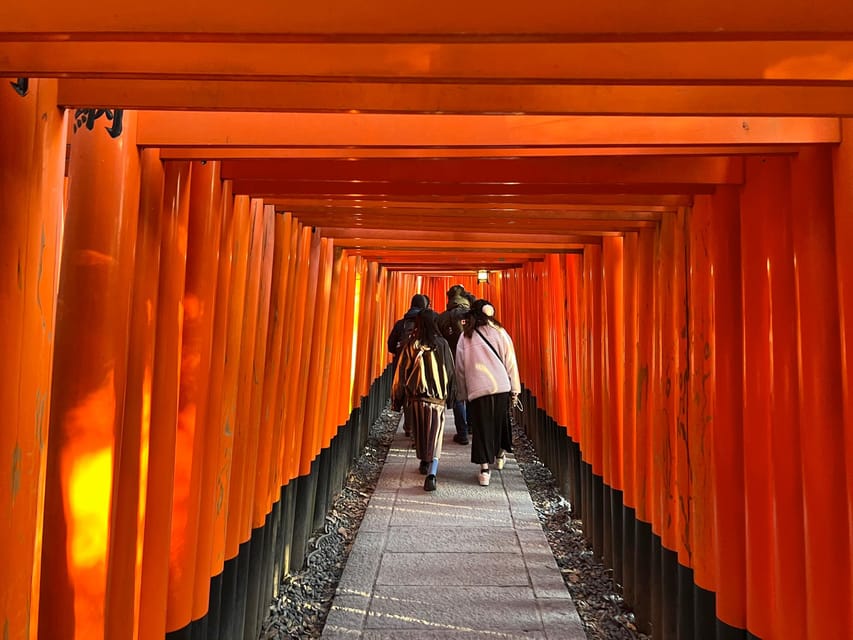
I would choose this tour if you have limited time in Kyoto and want cultural explanation rather than a simple list of famous sights. It is especially suited to couples, families, and private groups who want help with photos and the freedom to ask questions.
It also fits first-time visitors who are unsure how Shinto, Buddhism, geisha, and maiko relate to Kyoto. The route gives you a useful first look at each subject without requiring you to plan several separate visits.
Spanish-speaking visitors have a clear advantage here because the tour is offered in Spanish as well as English. If your group prefers one of those languages, that can make the cultural details easier to follow.
I would hesitate if you want a quiet, unhurried temple visit, a full hike up Mount Inari, extensive shopping, or a meal in Gion. The tour covers a lot, but it does so at a brisk pace. It is also a poor fit if stairs, uneven streets, or public transport are difficult for you.
Should you book it?
Book this tour if you want Kyoto’s major eastern sights tied together by a private certified guide, with clear explanations and practical photo help. Roberto’s punctuality, cultural teaching, friendly manner, and flexible approach are the main reasons to choose it over exploring the same route alone.
Skip it if you already know Kyoto well or prefer to set your own pace. At $90 per person, plus transport and the 500-yen temple fee, you are paying for guidance and convenience rather than admission to a special performance or restricted site.
For a first visit, I think the route offers strong value when your priority is understanding what you are seeing. Just bring good shoes, keep your bag small, and accept that four famous Kyoto stops require a little hustle.
FAQ
Where does the tour begin?
It begins in front of the 7-Eleven at the JR Kyoto Station Building on the first floor. Use the Kyoto Tower side exit.
How will I recognize the guide?
Roberto will be holding an iPad and a red card with the letters RBRT.
How long does the experience last?
The tour lasts four hours. Starting times depend on availability.
Which languages are available?
The live guide is available in English and Spanish.
Is this a private tour?
Yes. The experience is arranged for a private group.
Are transportation costs included?
No. The tour uses public transportation, including trains and city buses, and you pay your own transportation fees.
Is the Kiyomizu-dera entrance fee included?
No. The entrance fee is 500 yen, approximately US$3.10.
Where does the tour finish?
The tour finishes in Gion. From there, you can take a city bus or taxi to your hotel.
Just added around Kyoto
- Taste of Nishiki Market Walking Food Tour with Local guide★ 5.0 · 17 reviews
- Kyoto: Sushi Making Class with Sushi Chef★ 4.8 · 64 reviews
- Kyoto: City Secrets eBike Tour★ 4.9 · 196 reviews
- Sacred Pathways: Discover the Philosopher’s Path of Kyoto★ 4.9 · 20 reviews
- Private Tour to Monkey Park and Arashiyama Highlights★ 5.0 · 22 reviews
- Private Nara Tour from Osaka – Meet at Your Hotel★ 5.0 · 22 reviews
- Private Sake Tasting in Central Kyoto with Sake Sommelier★ 5.0 · 13 reviews
- Kyoto : Private Custom Walking Tour With A Local Guide★ 4.6 · 144 reviews
Kimono & Culture Experiences, compared.
Kyoto Geisha Walking Tour: Gion District & Hidden Gems
Read our review →
Gion Magical Night Walking Tour with Geisha Trivia
Read our review →
Gion Geisha District Walking Tour – Stories of Geisha
Read our review →
Best of Kyoto: Gion, Geisha, Pagodas & Cobblestones
Read our review →
Kyoto Gion Geisha District Walking Tour – The Stories of Geisha
Read our review →
Browse the lists this tour appears in