
REVIEW · CYCLING TOURS
Kyoto: Hidden Gems E-Bike Tour with Local Japanese Guide
Kyoto is easier to understand from a bicycle seat. This three-and-a-half-hour e-bike ride links the Kamo River, Ginkaku-ji, the Philosopher’s Path, Nanzen-ji, and Heian Jingu without making you fight for space on a crowded bus. I like the calm river riding and the chance to talk with a Japanese guide such as Aska, Tai, or Natsuki. I also like that the route mixes major sights with quieter streets and time for a coffee or matcha crepe.
The main thing to consider is cycling in a real city. Parts of the route use moderately trafficked roads, and some temple areas can be crowded, especially during autumn color season. You need to ride confidently, keep control around pedestrians, and handle a few hours in the saddle.
In This Review
- Key points at a glance
- Why a bicycle works so well in Kyoto
- Meeting near Gojo and getting set up
- Following the Kamo River north
- Ginkaku-ji and time for a small treat
- The Philosopher’s Path by bicycle
- Nanzen-ji, aqueduct views, and a grand finish
- Heian Jingu and the ride back
- The guide makes the difference
- What the $75 price covers
- Weather, traffic, and fitness matters
- Who should book this Kyoto bike tour?
- Should you book it?
- FAQ
- How long does the Kyoto e-bike tour last?
- Which places does the tour visit?
- Who guides the tour?
- What is included in the $75 price?
- Is the tour suitable for children?
- What happens if it rains?
Key points at a glance
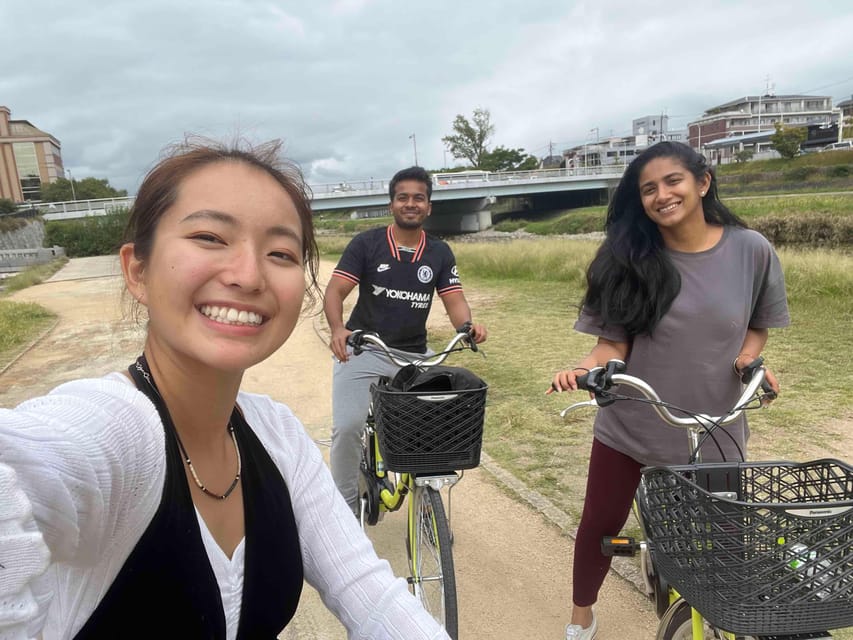
- A useful route through northeast Kyoto: Visit Ginkaku-ji, the Philosopher’s Path, Nanzen-ji, and Heian Jingu while covering more ground than you could on foot.
- A relaxed guide-led outing: Aska and the other Japanese guides focus on conversation, local culture, and a manageable amount of historical information.
- Electric assistance for Kyoto’s gentle hills: The e-bikes make uphill sections easier, though you still need to pedal and control the bike yourself.
- Small groups of up to eight: A compact group allows the guide to answer questions and adjust the pace.
- A good value at $75: Bike rental, helmet, guide, entry ticket, and parking are included.
- Best for confident cyclists aged 12 and up: The tour is not suitable for people who cannot ride, wheelchair users, pregnant women, or those with a low fitness level.
Why a bicycle works so well in Kyoto
Kyoto’s famous sights are spread across a broad city grid. Walking between them can eat up much of your day, while buses often move slowly through crowded streets. An e-bike gives you a third option: you can cover useful distances, enjoy the scenery between temples, and stop without searching for a bus or train.
This route is especially practical because it follows a natural line through northeast Kyoto. You begin near Gojo, travel north toward Ginkaku-ji, continue along the Philosopher’s Path to Nanzen-ji, then finish at Heian Jingu before returning to the rental shop.
The electric motor does not turn the ride into a sightseeing cart. You still ride a bicycle, but the assistance takes the strain out of gradual climbs. That matters near the temple district, where a fully loaded day of walking can leave you tired before lunch. One visitor in their sixties described the tour as a good fit for moderately fit people, which is a fair way to think about it.
The route also gives you a look at Kyoto between the famous stops. You ride along the river, pass ordinary streets, and see how the temple quarter connects to daily city life. That in-between time is part of the experience, not wasted time.
More Walking Tours in Kyoto
- Kyoto Geisha Walking Tour: Gion District & Hidden Gems
★ 4.7 · 3,273 reviews - Kyoto: Gion Magical Night Walking Tour with Geisha Trivia
★ 4.9 · 2,393 reviews - Kyoto: Gion Geisha District Walking Tour – Stories of Geisha
★ 4.7 · 2,187 reviews
Meeting near Gojo and getting set up
You meet at a bicycle rental shop in the Gojo area. From Kyoto Station, the meeting point is about six minutes by train or roughly 20 minutes on foot. Hotel pickup is not included, so allow time to reach the shop and arrive ready to ride.
The tour includes an electric bike and helmet. You should wear comfortable clothes and shoes, and leave large luggage at your accommodation. High heels, oversized luggage, and large bags are not allowed on the ride.
A short introduction to the bike is important. One useful suggestion from the tour feedback was to allow a few minutes at the start for bike adjustment and a look at the route. If you are new to e-bikes, speak up early and make sure the seat, handlebars, and controls feel right before leaving.
The bikes have generally been described as comfortable and easy to use, though they are rental bikes rather than brand-new machines. That is normal for a city cycling tour. Check the brakes and fit, ask how the electric assistance works, and tell the guide if anything feels wrong.
Following the Kamo River north
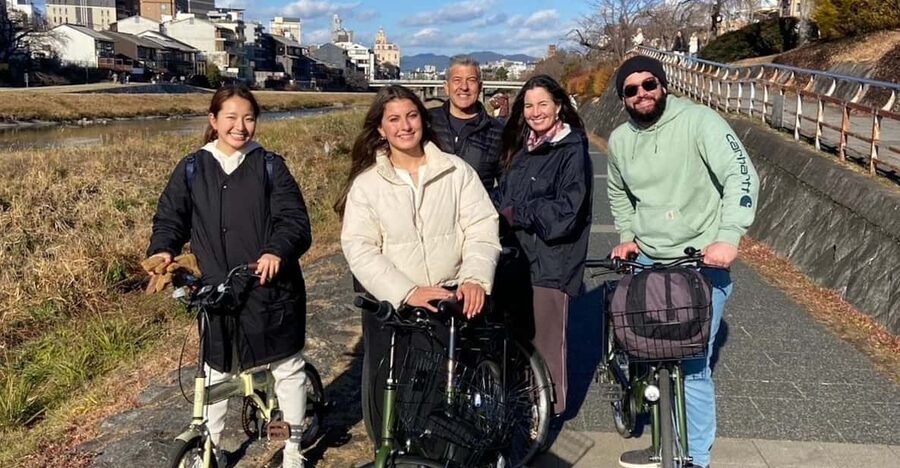
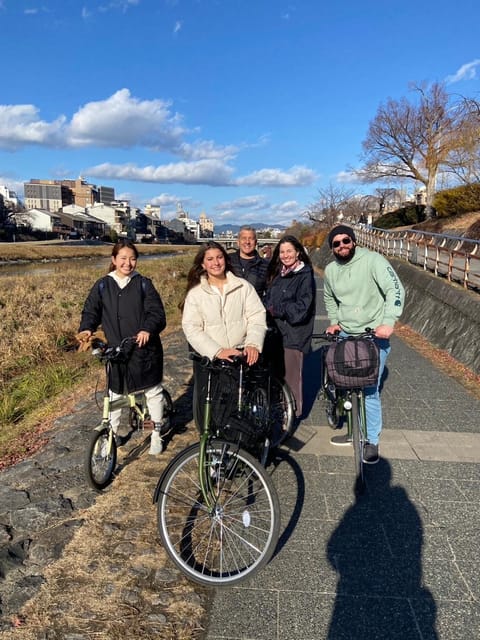
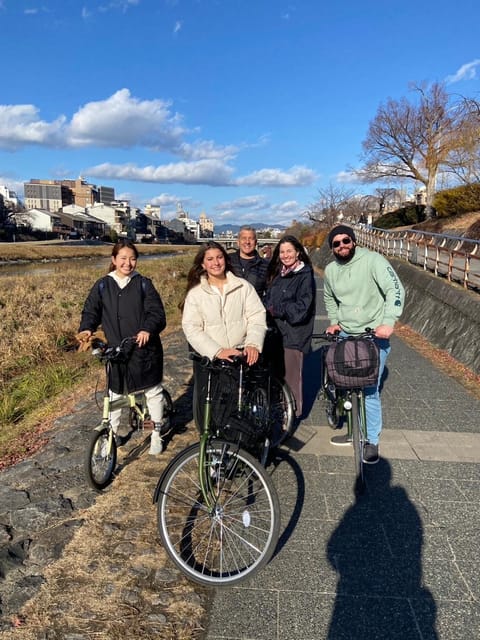
The ride begins with one of the outing’s most enjoyable stretches: cycling beside the Kamo River. The riverbank offers open views and a break from traffic. At one point, the route includes crossing the river on stepping stones, an amusing Kyoto touch that gets you off the bike for a moment and into the setting.
This section helps set the tone. The goal is not to rush from one ticket gate to another. You ride, stop, talk, and take in the city at ground level. The guide can share details about Japanese customs and local life, while you have room to ask questions about the rest of your Kyoto trip.
The river route is peaceful, but you still need to pay attention. Paths can include pedestrians, and you should not assume you can ride at full speed. Stay behind the guide, watch for people stepping into the route, and be ready to walk the bike when needed.
Ginkaku-ji and time for a small treat
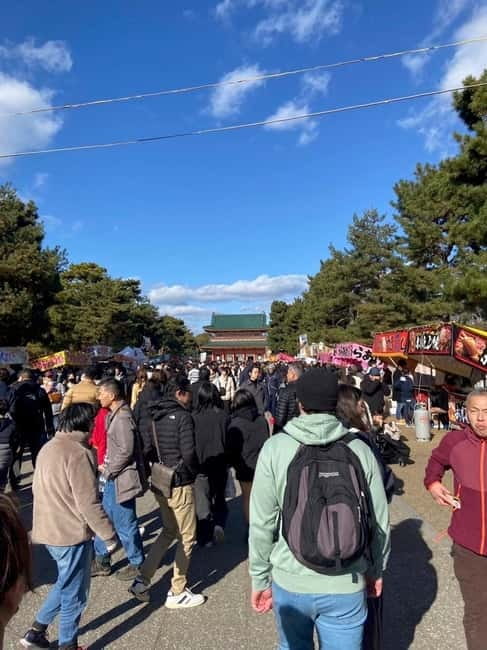
The first major stop is Ginkaku-ji, the Silver Pavilion. It is one of Kyoto’s best-known temples, but the experience here is not only about the building itself. The grounds include carefully arranged gardens, moss, paths, and views that reward a slower look.
An entry ticket is included, which improves the value of the $75 price. You are not simply getting transportation to a temple. You have a guide, a bike, a helmet, and admission bundled into one half-day outing.
Near the temple is a shopping street where you have free time. This is a useful pause in the schedule. You might browse souvenirs, stop for coffee, or try a matcha crepe. Food and drinks are not included, so bring money and carry water with you.
The free time also makes the tour feel less rigid. You are not expected to trail the guide every second. If you find a small item worth buying or want to take a few extra photos, this is the place to do it.
Ginkaku-ji can draw crowds, particularly at popular times of day. The tour avoids Kyoto’s most crowded areas where possible, but it cannot make a major temple disappear. Go in expecting a well-known sight with periods of pedestrian traffic, not an empty private visit.
Same city, a completely different kind of day:
- PERFECT KYOTO 1-Day Bus Tour
★ 5.0 · 13,518 reviews - Kyoto: Fushimi Inari, Kinkakuji, Bamboo Grove 1 Day Bus Tour
★ 4.8 · 4,316 reviews - Kyoto: Tea Ceremony in a Traditional Tea House in Kiyomizu
★ 4.9 · 3,519 reviews - Kyoto: Tea Ceremony Ju-An at Jotokuji Temple
★ 4.9 · 3,207 reviews
The Philosopher’s Path by bicycle
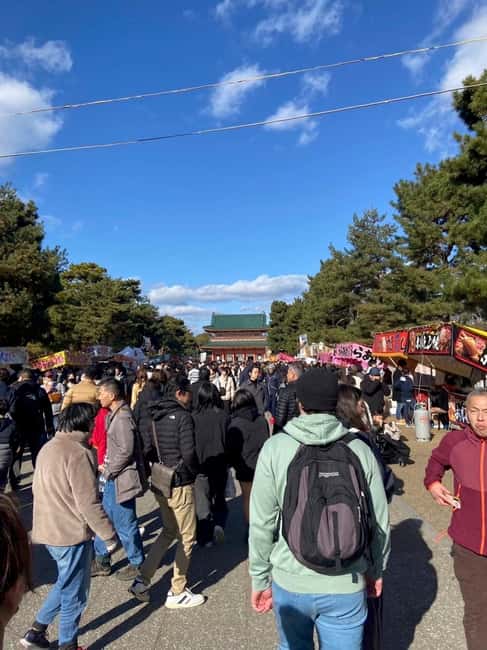
After Ginkaku-ji, you ride along the Philosopher’s Path toward Nanzen-ji. This pleasant route follows a canal and is known for its seasonal trees and quiet atmosphere. In spring, the setting is associated with cherry blossoms. In autumn, the leaves can be striking. Summer brings heat, but the waterway and trees still provide a welcome change from broad city roads.
Cycling here is more about atmosphere than speed. The path is not a racecourse, and pedestrians may be present. You may need to slow down or walk the bike in tighter sections. That is a small tradeoff for seeing this part of Kyoto without spending the entire day on foot.
I particularly like this part for readers who want more than a checklist of temples. The canal, residential streets, and short riding stretches show how Kyoto’s historic district works as a living part of the city. You get a sense of the spaces connecting the monuments.
The guide’s role matters here. Aska is described as friendly and fluent in English, with experience living in North Carolina and London. Other guides, including Tai and Natsuki, may lead the outing on some dates. The guides are Japanese and have lived abroad, so the conversation can move easily between Japanese customs and questions from international visitors.
Nanzen-ji, aqueduct views, and a grand finish
Nanzen-ji brings a larger scale to the route. The temple complex is known for its imposing entrance and broad views. The tour includes time to take in the monumental setting rather than simply stopping for a quick photograph.
The area also includes an old aqueduct, a memorable feature that adds variety to the temple visit. It is a good example of how the route combines religious buildings with unexpected pieces of Kyoto’s urban past.
Nanzen-ji can be busy, and the approach may involve pedestrians and moderate traffic. This is one of the places where confidence on a bicycle helps. You will need to follow instructions, park neatly, and walk when the surroundings become too crowded.
The guide provides historical and cultural context, but the information is not designed as a long lecture. Several comments describe the balance as just right, with enough explanation to understand the sights without losing the relaxed mood. I see that as a real strength for a three-hour tour. You learn what you are seeing, then have time to look at it yourself.
Heian Jingu and the ride back
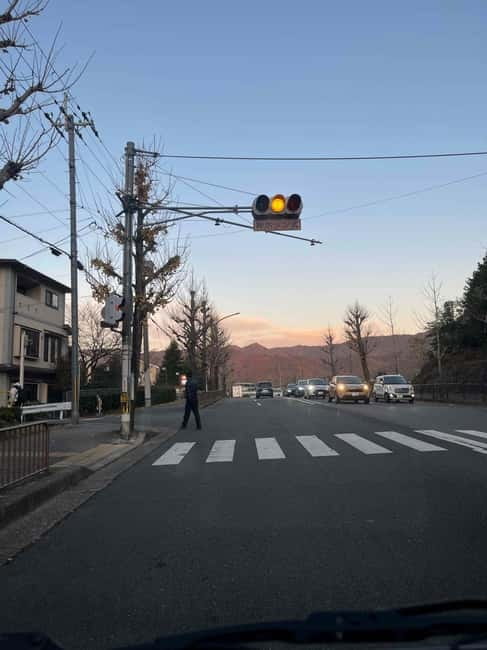
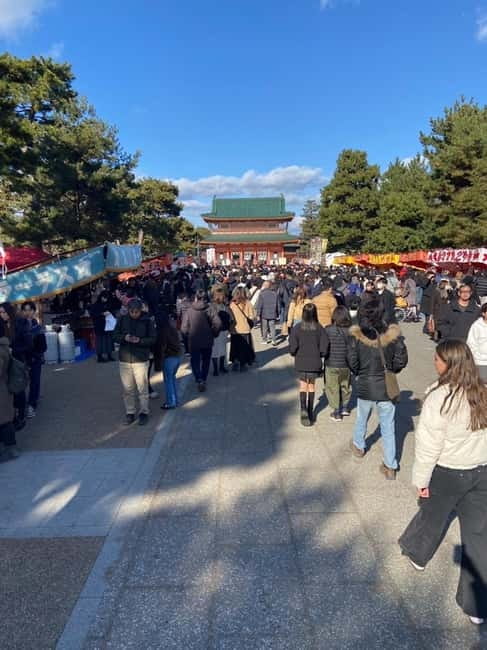
The final major stop is Heian Jingu Shrine. Its scale and open approach provide a change from the smaller paths and temple gardens earlier in the day. The shrine is a useful ending because it gives the route a strong visual finish before you return to the bicycle shop.
By this point, you will have spent a few hours alternating between riding and sightseeing. The schedule is active, but not built around constant pedaling. Stops break up the effort, and the electric motor helps with inclines.
The tour ends back at the rental shop. If you want to keep the bicycle for the rest of the day, the operator can arrange continued rental if you ask. That option could be useful if you want to explore another part of Kyoto independently after the guided route, though the extension is not part of the $75 tour price.
The guide makes the difference
The strongest part of this experience is the human side. Aska created the tour with the idea that cycling can reduce the environmental cost of sightseeing while helping people connect across cultures. Her background in sociology and international relations also shapes the tone: this is not only a temple tour, but a chance to ask about Japanese life and share your own background.
The guides are presented as friendly Japanese young adults with experience abroad. That makes the tour feel more like a local introduction than a formal speech. Aska’s English is described as excellent, and Tai has been praised for his energy and attentiveness. Natsuki has also been singled out for making the ride fun.
You should not expect the exact same guide every time. Aska may lead the tour, but another member of the team can guide your group. The common thread is English service, a Japanese point of view, and a social style.
The group limit is eight people. That is small enough for conversation and practical enough for the guide to keep track of riders. Some departures may have only a few people, which can make the outing feel especially personal.
What the $75 price covers
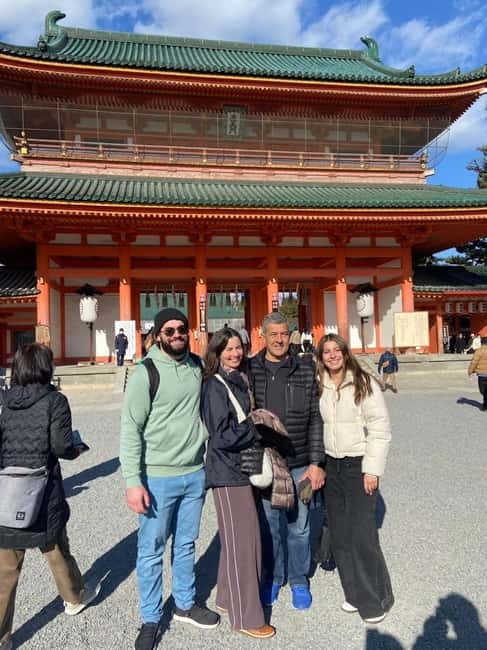
At $75 per person, this is not the cheapest way to see Kyoto’s temples. It is also not simply a bicycle rental. The price includes:
- Electric bike rental
- Helmet
- English-speaking guide
- Entry ticket
- Parking fees
Water, food, tips, and hotel transportation are extra. Bring a bottle of water, especially in July and August. Several outings took place on hot days, and the cycling can feel more demanding in the heat even with electric assistance.
The value comes from combining transportation, admission, and local guidance. If you were already planning to rent an e-bike and pay for entry to Ginkaku-ji, the difference may be reasonable. The guide also saves you the work of planning a route that connects the river, temple district, canal, and shrine.
I would consider it good value for a first or second day in Kyoto, especially if you want orientation. You can ask your guide for ideas about places to eat and other parts of the city to visit. The tour is also a pleasant alternative to spending another morning boarding crowded buses.
Weather, traffic, and fitness matters
You must know how to ride a bicycle. The operator does not accept responsibility for injuries or accidents, so take the safety warning seriously. You do not need to be an athlete, but you should be comfortable starting, stopping, turning, and riding near pedestrians and cars.
The route includes quiet river riding and moderately trafficked roads. At some temple areas, you may need to pick your way through crowds. If you wobble when starting or feel nervous in city traffic, this may not be the right outing.
The tour is not suitable for children under 12, pregnant women, wheelchair users, people with diabetes, people with altitude sickness, people with a low fitness level, or people over 95. Comfortable shoes are essential. High heels and large bags are not allowed.
Rain does not automatically cancel the plan. The group can use raincoats or reschedule, depending on the situation. Free cancellation is available up to 24 hours before departure, and the reserve-now-pay-later option gives you some flexibility when arranging a busy Japan itinerary.
Who should book this Kyoto bike tour?
I would choose this for an active couple, solo visitor, or small family with older children who wants to see several important sights without walking seven or eight miles. It also suits anyone who enjoys conversation and wants a Japanese guide who can discuss culture in an informal way.
It is a particularly good match if you have already seen Kyoto’s central shopping streets and want a quieter route through the northern Higashiyama area. The river, canal, aqueduct, and side streets give you a fuller picture of the city.
I would be cautious about booking it for anyone who dislikes cycling in traffic or wants a completely private, slow temple visit. The tour is relaxed, but it is still a city ride. Summer heat and autumn crowds can change the feel of the route.
Should you book it?
Book this tour if you want a friendly introduction to Kyoto by bicycle, with enough temple time and cultural explanation to make the route worthwhile. The e-bike removes much of the strain, the eight-person limit keeps the group manageable, and the $75 fee covers several costs you would otherwise pay separately.
Skip it if you cannot ride confidently, need a wheelchair-accessible activity, or prefer a vehicle-based tour. For everyone else, this is a smart way to connect Kyoto’s famous sights while enjoying the river, canal, and ordinary streets between them. Ask for bike adjustments at the start, bring water, and leave your large bags behind.
FAQ
How long does the Kyoto e-bike tour last?
The tour lasts about 210 minutes, or roughly three to three and a half hours.
Which places does the tour visit?
The route includes the Kamo River, Ginkaku-ji Temple, the Philosopher’s Path, Nanzen-ji Temple, and Heian Jingu Shrine.
Who guides the tour?
Aska is the founder and a Japanese English-speaking guide who has lived in North Carolina and London. Other Japanese guides, including Tai and Natsuki, may lead some departures.
What is included in the $75 price?
The price includes an electric bike, helmet, tour guide, entry ticket, and parking fees.
Is the tour suitable for children?
The tour is not suitable for children under 12 years old. Participants must also know how to ride a bicycle.
What happens if it rains?
The group can use raincoats or reschedule the tour if it rains. You can also cancel up to 24 hours in advance for a full refund.
More E-Bikes in Kyoto
- E-Bike Tours of the highlights of Kyoto!!!
★ 5.0 · 291 reviews - Kyoto: City Secrets eBike Tour
★ 4.9 · 196 reviews - Best of Kyoto: Ginkakuji & Path of Philosophy E-Bike Tour
★ 4.9 · 79 reviews - Kyoto: Fushimi Inari Shrine and Tofukuji Temple E-Bike Tour
★ 5.0 · 75 reviews
More Cycling Tours in Kyoto
- Hidden Kyoto E-Biking tour
★ 5.0 · 1,843 reviews - Bike Tour Exploring North Kyoto plus Lunch
★ 5.0 · 1,087 reviews - Arashiyama Bamboo Forest & Hidden Gems Bike Tour (Early Bird)
★ 5.0 · 613 reviews - 5 Top Highlights of Kyoto Full Day Bike Tour (E-bike option)
★ 5.0 · 511 reviews
Just added around Kyoto
- Taste of Nishiki Market Walking Food Tour with Local guide★ 5.0 · 17 reviews
- Kyoto: Sushi Making Class with Sushi Chef★ 4.8 · 64 reviews
- Kyoto: City Secrets eBike Tour★ 4.9 · 196 reviews
- Sacred Pathways: Discover the Philosopher’s Path of Kyoto★ 4.9 · 20 reviews
- Private Tour to Monkey Park and Arashiyama Highlights★ 5.0 · 22 reviews
- Private Nara Tour from Osaka – Meet at Your Hotel★ 5.0 · 22 reviews
- Private Sake Tasting in Central Kyoto with Sake Sommelier★ 5.0 · 13 reviews
- Kyoto : Private Custom Walking Tour With A Local Guide★ 4.6 · 144 reviews
Cycling Tours, compared.

3h Tokyo E-Bike Tour: Hidden Gems, and Local Life with guide
Read our review →
Arashiyama Bamboo Forest & Hidden Gems Bike Tour (Early Bird)
Read our review →
Hiroshima in a Nutshell: Morning Bike Adventure
Read our review →
5 Top Highlights of Kyoto Full Day Bike Tour (E-bike option)
Read our review →Browse the lists this tour appears in