
REVIEW · TEMPLE & SHRINE TOURS
Inside of Fushimi Inari – exploring and lunch with locals
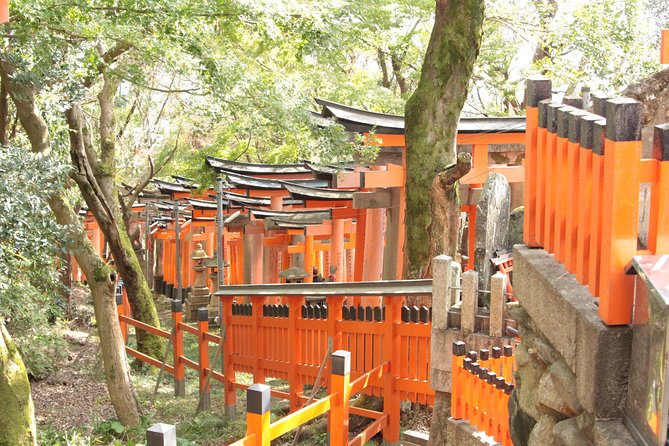
Fushimi Inari is famous for its thousands of orange-red torii gates, but the best part of this tour is the quieter route beyond the main crowd. You walk through bamboo and cedar forest, visit worship stones and a waterfall, see where torii gates are made, and climb to the summit shrine.
I like the small-group format, which allows guides such as Go, Satsuki, and Ko to adjust the pace and explain the mountain’s religious meaning. I also like the soba lunch and tea break, since they turn a brisk shrine hike into a fuller taste of everyday Kyoto.
The catch is simple: this is a real uphill walk, with many steep stairs. The hike takes about four hours, and the summit reaches 233 meters, so it is not the right pick if stairs are difficult for you.
In This Review
- Key points to know before booking
- Why this Fushimi Inari hike feels different
- Starting at the Great Torii
- The main shrine and the first torii gates
- Bamboo, cedar, worship stones, and a waterfall
- Seeing a torii gate factory
- The 20-minute climb to the summit
- Lunch, tea, and a boiled egg
- Group size and guide quality
- Is $72.26 good value?
- Who should book this experience?
- FAQ
- How long does the Fushimi Inari tour last?
- Where does the tour begin and end?
- Does the tour include lunch?
- Is the Fushimi Inari hike difficult?
- Does the tour reach the summit?
- What else does the tour visit besides the torii gates?
- Can dietary requirements be accommodated?
- What happens if the weather is poor?
- Should you book it?
Key points to know before booking
- Quiet paths beyond the torii gates: Leave the busiest shrine approach for bamboo, cedar trees, small worship sites, and a waterfall.
- A full Fushimi Inari visit: The route includes the main shrine, the famous torii-lined mountain, and the summit shrine.
- Local food included: You receive a soba noodle lunch, plus Japanese tea and a boiled egg break.
- Personal guiding: The group is advertised at up to 12 people, while the additional tour information lists a maximum of 6, so confirm the final group size when booking.
- A moderate fitness test: The summit climb takes about 20 minutes and includes steep stairs.
- Flexible dietary choices: Vegetarian, halal-friendly, and gluten-free food can be arranged.
Why this Fushimi Inari hike feels different
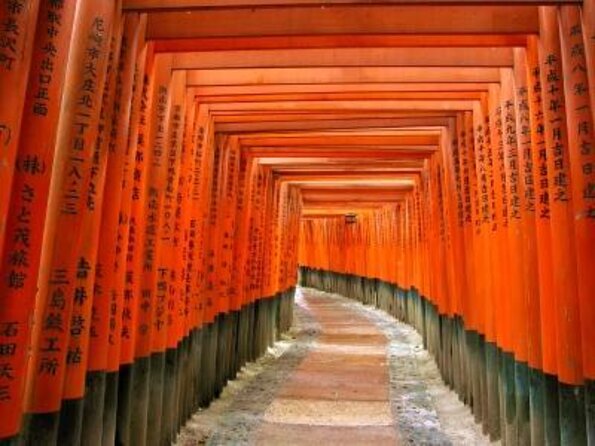
Most people first meet Fushimi Inari-taisha at the main shrine and the famous tunnel of torii gates. That opening section can be crowded, noisy, and slow, especially around the lower gates. This tour gives you the famous sights, then takes you toward the mountain’s quieter side.
That change matters. Fushimi Inari is not just a photogenic line of gates. It is a working Shinto shrine spread across Mount Inari, with worship stones, small shrines, forest paths, and places where people come to pray. A guide can help you understand why the gates are there and how the mountain functions as a sacred site.
I especially like the way this route balances the well-known and the lesser-seen. You still get the classic torii photographs, but you are not limited to standing in the same crowded passage as everyone else. The forest section gives the walk a calmer rhythm and makes the mountain feel like more than a sightseeing stop.
The tour lasts about four hours, including lunch and breaks. That is long enough to reach the summit area without turning the outing into an all-day commitment. You should still set aside energy for the climb, since the route is more demanding than the word half-day might suggest.
More Temple & Shrine Tours in Kyoto
- Kyoto: Fushimi Inari, Kinkakuji, Bamboo Grove 1 Day Bus Tour
★ 4.8 · 4,316 reviews - Kyoto: Tea Ceremony in a Traditional Tea House in Kiyomizu
★ 4.9 · 3,519 reviews - Kyoto: Tea Ceremony Ju-An at Jotokuji Temple
★ 4.9 · 3,207 reviews
Starting at the Great Torii
The meeting point is the Great Torii in Fushimi Ward, at 68 Fukakusa Yabunouchicho. The tour ends at the same meeting point, which keeps the plan straightforward and avoids leaving you at an unfamiliar part of Kyoto.
Look carefully at the meeting instructions before setting out. One unpleasant experience described a missed connection between guide and participant, while the tour provider stated that the guide had arrived early and wore a noticeable red cap. This is a useful reminder to arrive on time, know the exact Great Torii meeting spot, and watch for the guide’s identifying clothing.
The shrine is near public transportation, but the supplied information does not specify a particular station or train line. You should therefore check your own route to the Great Torii before the day of the hike rather than assume the shrine entrance is the meeting point. A little planning here can prevent a rushed start.
The main shrine and the first torii gates
The first part of the walk covers the main shrine and the lower section of the torii route. Your guide explains the shrine’s background and the meaning of its red-orange gates, giving you more to notice than color and repetition.
The gates are donated, and their presence reflects a long-standing connection between worship, gratitude, and offering. The tour description specifically promises cultural and historical explanation, so this is the point where you can ask questions about the shrine, the gates, and the religious customs you see.
This lower section is the most popular part of Fushimi Inari, and you should expect more people here than on the upper paths. The advantage of joining a guide is not that the crowds vanish, but that you can understand the place before moving away from its busiest stretch.
If photography is important to you, the lower gates offer the most recognizable views. If quiet is more important, be patient and save your attention for the forest route. The experience is strongest when you treat the famous gate tunnel as one part of the mountain rather than the entire attraction.
Bamboo, cedar, worship stones, and a waterfall
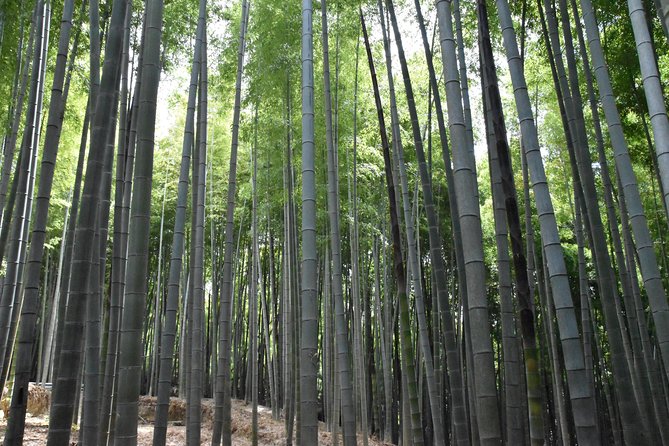
After the main shrine, the route heads into bamboo and cedar forest. This section is one of the tour’s best features because it changes the mood quickly. Instead of focusing only on the torii gates, you walk through a more peaceful setting and visit authentic holy spots.
The tour includes worship stones and a waterfall. These details show how the sacred mountain is made up of many small religious places, not just one grand shrine building. You might find this part more meaningful than the headline attraction because it gives you time to observe how worship is spread through the forest.
The guide’s role is important here. Go has been praised for adjusting the pace to suit the group, while Satsuki and Ko have been singled out for taking people away from the main crowds and explaining the mountain. The guide names may vary on your date, but the experience depends heavily on having someone who can point out what you would otherwise walk past.
The route is called an alternative path, not a completely empty one. Fushimi Inari remains one of Kyoto’s most popular sights, so do not expect total solitude. You can expect a quieter walk than the main approach, along with a closer look at the mountain’s smaller sacred sites.
Same city, a completely different kind of day:
- PERFECT KYOTO 1-Day Bus Tour
★ 5.0 · 13,518 reviews - Kyoto Geisha Walking Tour: Gion District & Hidden Gems
★ 4.7 · 3,273 reviews - Kyoto: Gion Magical Night Walking Tour with Geisha Trivia
★ 4.9 · 2,393 reviews - Kyoto: 45-Minute Tea Ceremony Lesson Experience
★ 4.3 · 2,378 reviews
Seeing a torii gate factory
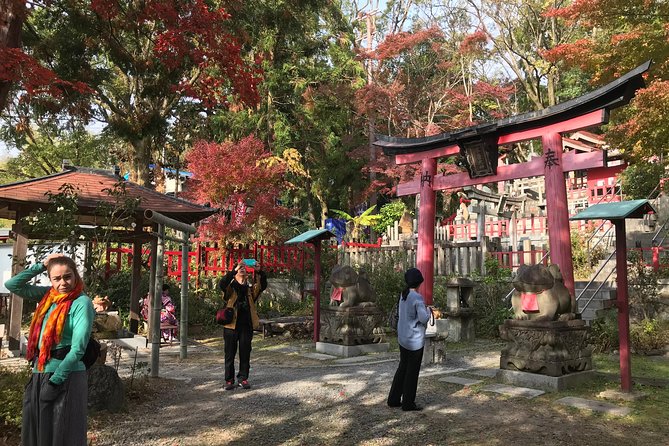
A particularly unusual stop is the gate factory. Fushimi Inari’s gates can seem endless when you walk beneath them, but seeing where they are made adds a practical side to the shrine experience.
This stop helps connect the spiritual custom with the physical work behind it. The gates are not abstract decoration. They are built, installed, and maintained, and the factory gives you a glimpse of that process.
The information available does not promise a formal factory demonstration or a chance to enter every work area, so keep your expectations measured. The value is in seeing this local, working detail on a route that most visitors do not include in a quick shrine visit.
The 20-minute climb to the summit
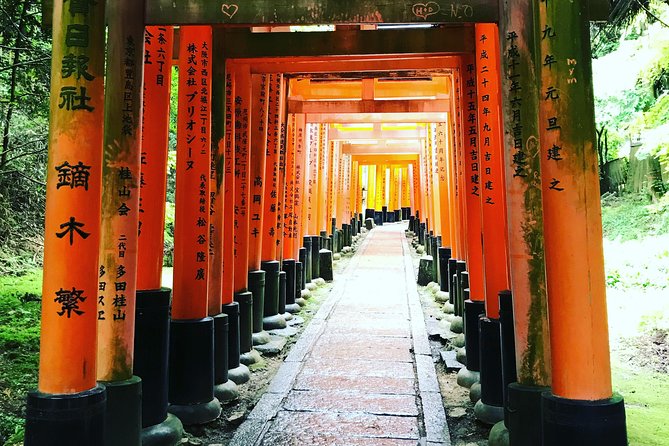
The summit route takes about 20 minutes, according to the tour details, and reaches 233 meters. That number may not sound dramatic, but the stairs are steep enough to affect the pace.
One of the clearest pieces of advice from the experience is that the hike can be harder than expected. The route is described as suitable for people with moderate physical fitness, and one account specifically warns that there are many steep stairs. I would take that seriously.
You do not need to be an experienced mountain hiker based on the information provided, but you should be comfortable with sustained uphill walking and stairs. Wear sensible shoes, bring enough energy for the full four hours, and do not choose this tour if a steep climb is likely to spoil your day.
The reward is the summit shrine and the chance to see the upper mountain as a place of worship rather than merely a viewpoint. Your guide shows you around the summit shrine, and you can pray there if you wish. That option gives the visit a personal element without requiring any particular religious belief.
Lunch, tea, and a boiled egg
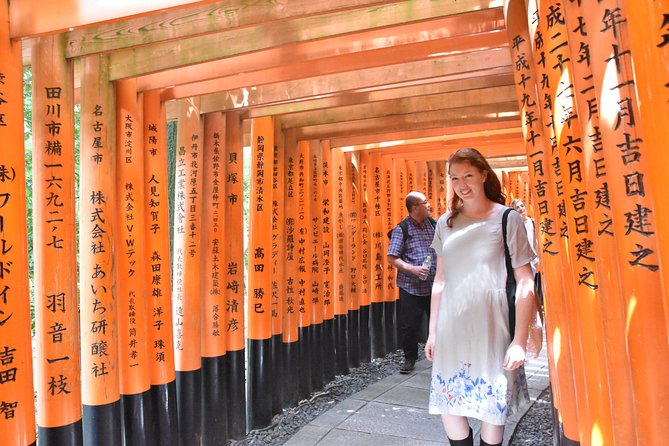
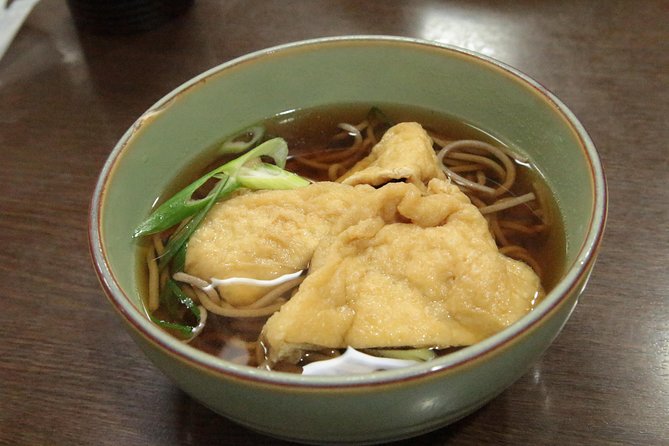
Food is included, which makes the $72.26 price easier to assess. The tour provides a soba noodle lunch, along with a Japanese tea and boiled egg break. These are modest but fitting additions to a morning or midday hike.
Soba is a practical choice after walking. It is familiar enough for many people, but still gives you a taste of a common Japanese noodle meal. The tea and egg break also give you a chance to pause instead of pushing through the mountain without rest.
Vegetarian, halal-friendly, and gluten-free food can be made available. You should communicate your needs when booking rather than wait until the meeting point. The information confirms those options, but it does not describe the exact restaurant, menu, or substitutions.
The lunch is part of the value, but I would not book this solely for a gourmet meal. The strength of the food stop is that it supports the day’s rhythm: shrine, forest, climb, rest, and conversation. It makes the outing feel more like time spent with a local guide than a simple walk past famous gates.
Group size and guide quality
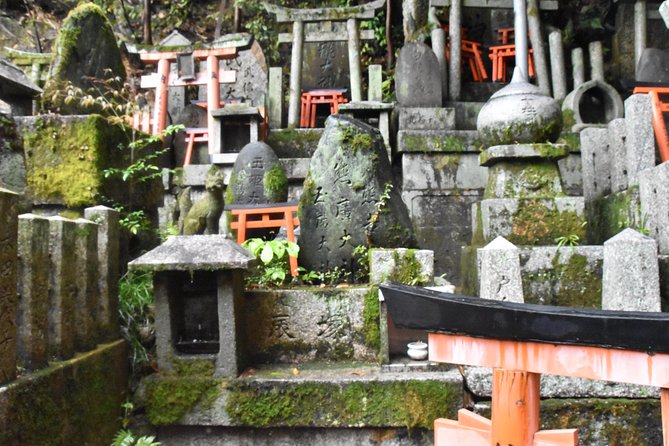
The tour is presented as a small-group experience. The main description says the group is limited to 12 participants, while the additional information lists a maximum of 6 travelers. Because those figures conflict, I would confirm the expected group size before paying if personal attention is a major reason for booking.
Even a group of 12 is more manageable than a large coach tour, especially on narrow forest paths and stairways. A group of 6 would offer an even more personal pace and more room for questions. Either way, the small-group design is a better fit for this route than a large group moving through the gates in a tight pack.
The guides named in the supplied information include Go, Satsuki, and Ko. Their strongest qualities are practical: adjusting walking speed, explaining the mountain, and leading people away from the busiest paths. That is exactly what you need here.
Guide quality can affect the outing more than any individual stop. Fushimi Inari is easy to visit on your own, but it is also easy to see only the surface. A good guide turns the torii gates, worship stones, waterfall, and summit shrine into parts of one connected place.
Is $72.26 good value?
At $72.26 per person, this is not the cheapest way to visit Fushimi Inari. You can enter the shrine grounds independently, and there is no admission charge listed as a separate cost here. The price is paying for the guide, route planning, cultural explanation, lunch, snacks, and the structure of a four-hour outing.
I think the value is strongest if you want more than a quick photograph under the gates. You receive access to a less direct route, a summit walk, local food, and help understanding the shrine. Those elements would take more effort to organize on your own.
The value is weaker if you prefer to walk alone, move at your own speed, or stop whenever you like. You also need to be comfortable with the physical demands. Paying for a guided hike you cannot enjoy is poor value, even if the lunch is included.
The experience is often booked well in advance, with an average lead time of about 80 days. That suggests you should plan ahead if the tour fits a fixed Kyoto schedule. The cancellation terms are reasonably forgiving: you can cancel up to 24 hours before the start for a full refund. If poor weather causes the operator to cancel, you are offered another date or a full refund.
Who should book this experience?
I would recommend it to you if this is your first visit to Fushimi Inari and you want context, not just photographs. It also suits anyone who enjoys moderate walking, smaller groups, local food, and side paths that show a less crowded part of a famous place.
It is a particularly good choice for people who might otherwise stop at the lower torii gates. The summit, waterfall, worship stones, and gate factory add much more substance to the visit.
You should think twice if stairs are difficult, if you want a slow and fully independent morning, or if you dislike fixed meal stops. Families and mixed-ability groups should also consider the pace carefully, since the guide can adjust speed, but the steep climb remains part of the route.
The dietary options make the tour more workable for people who need vegetarian, halal-friendly, or gluten-free food. Still, you should arrange this in advance. The experience requires good weather, so keep some flexibility if rain threatens.
FAQ
How long does the Fushimi Inari tour last?
The experience lasts approximately four hours. The main shrine and hidden-route hiking portion is listed as about three and a half hours, with lunch and breaks included in the overall outing.
Where does the tour begin and end?
The tour begins at the Great Torii in Fushimi Ward, Kyoto, at 68 Fukakusa Yabunouchicho. It ends back at the same meeting point.
Does the tour include lunch?
Yes. A soba noodle lunch is included, along with a Japanese tea and boiled egg break.
Is the Fushimi Inari hike difficult?
The tour requires moderate physical fitness. The route includes many stairs, some of them steep, and the climb to the summit takes about 20 minutes. The summit is 233 meters high.
Does the tour reach the summit?
Yes. The route climbs to the summit shrine, where the guide shows you around. You may pray at the shrine if you wish.
What else does the tour visit besides the torii gates?
The route includes bamboo and cedar forest paths, worship stones, a waterfall, a gate factory, the main shrine, and the summit shrine.
Can dietary requirements be accommodated?
Vegetarian, halal-friendly, and gluten-free food is available. You should request the appropriate option when booking.
What happens if the weather is poor?
The activity requires good weather. If the operator cancels because of poor weather, you are offered a different date or a full refund. You can also cancel up to 24 hours before the start time for a full refund.
Should you book it?
Book this tour if you want Fushimi Inari to feel like a sacred mountain visit rather than a quick stop at Kyoto’s most famous torii gates. The quieter forest route, waterfall, gate factory, summit shrine, and soba lunch give you a fuller day, while guides such as Go, Satsuki, and Ko add useful local context.
Skip it if steep stairs are a serious concern or if you would rather explore independently. For everyone else, the $72.26 cost is reasonable when you value a planned route, a small group, food, and a better chance of seeing the quieter side of Fushimi Inari.
More Lunch Experiences in Kyoto
- Bike Tour Exploring North Kyoto plus Lunch
★ 5.0 · 1,087 reviews - Osaka/Kyoto: Arashiyama, Nara & Fushimi Inari Shrine w/Lunch
★ 4.4 · 754 reviews - Kyoto Zen Meditation & Garden Tour at a Zen Temple with Lunch
★ 5.0 · 441 reviews - 4.5-Hour Kyoto Bike Tour with Lunch and UNESCO Zen Temples
★ 5.0 · 122 reviews
Just added around Kyoto
- Private Guided Traditional Buddhist Cooking in Japan★ 5.0 · 16 reviews
- Kyoto: Gion Geisha District & Sake-in-Hand Walking Tour★ 5.0 · 37 reviews
- Kyoto: Zen Meditation at a Private Temple with a Monk★ 5.0 · 25 reviews
- Your Private Vacation Photography Session In Kyoto★ 5.0 · 110 reviews
- Traditional Japanese Washi Papermaking- Kyoto morning★ 5.0 · 77 reviews
- Kyoto Wagashi(Japanese sweets) Cooking Class near Fushimiinari★ 5.0 · 60 reviews
- Private Pewter Sake Cup Experience with a Kyoto Artisan★ 5.0 · 31 reviews
- Kyoto Private 6 hour Tour: English Speaking Driver Only, No Guide★ 5.0 · 88 reviews
Temple & Shrine Tours, compared.

Tea Ceremony in a Traditional Tea House in Kiyomizu
Read our review →

Meiji Shrine, Asakusa, Skytree Bus Tour and Cruise
Read our review →
Asakusa Walking Tour with Sensoji Temple Visit
Read our review →
Kamakura & Enoshima Day Trip including Temple Tickets
Read our review →
Kyoto/Osaka: Nara, Fushimi Inari Taisha, Arashiyama Bus Tour
Read our review →
Nikko Toshogu Shrine and Kegon Waterfall Tour
Read our review →
Tokyo Panoramic 1 Day: Meiji Shrine, Asakusa, Odaiba and SKYTREE®
Read our review →Browse the lists this tour appears in