
REVIEW · TEMPLE & SHRINE TOURS
Kyoto Zen Meditation & Garden Tour at a Zen Temple with Lunch
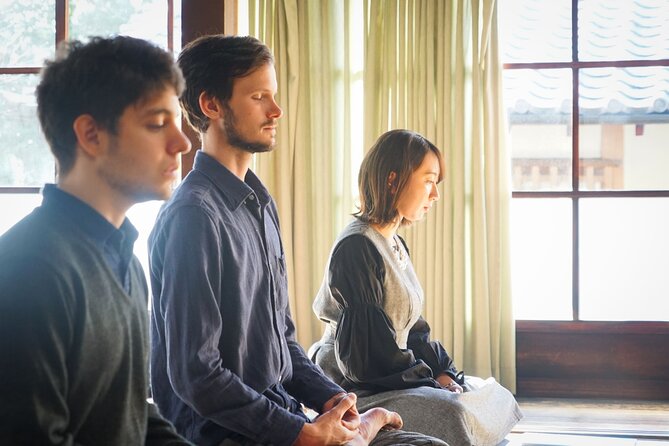
The most memorable part of this Kyoto outing is the chance to sit quietly with a Zen monk and learn zazen, or Zen meditation, inside a working temple. This is more than a temple sightseeing walk. You get an introduction to the practice, time in a dry garden, and a traditional Buddhist meal.
I especially like the small maximum of seven people, which gives you room to ask questions and makes the walk feel personal. I also like the guides, including Yutaka and Hikari, who explain Buddhist and Shinto customs in clear English and help prepare you for the meditation session.
The main thing to consider is the schedule. If you choose the 10:45 start, lunch is not served until about 14:15, so eat a good breakfast or brunch. You also need to arrive on time: if you miss the group, you cannot join later or receive a refund.
In This Review
- Key points at a glance
- Why this tour feels different from ordinary temple sightseeing
- Walking through Tofukuji’s Zen temple district
- Reading a dry garden instead of just photographing it
- What the zazen session is actually like
- A Buddhist lunch after the quietest part of the day
- How the four-and-a-half-hour schedule works
- What the $110.10 price gets you
- Weather, clothing, and small practical matters
- Who should book this Kyoto Zen experience
- Should you book the Tofukuji Zen tour?
- FAQ
- Where does the Kyoto Zen meditation tour start?
- Where does the tour end?
- How long does the tour last?
- Is lunch included?
- What type of food is served?
- Can I request a dietary accommodation?
- Is meditation led by a monk?
- Do I need previous meditation experience?
- How many people can join the tour?
- What happens if I arrive late?
- What should I bring in summer?
- What should I wear in winter?
Key points at a glance
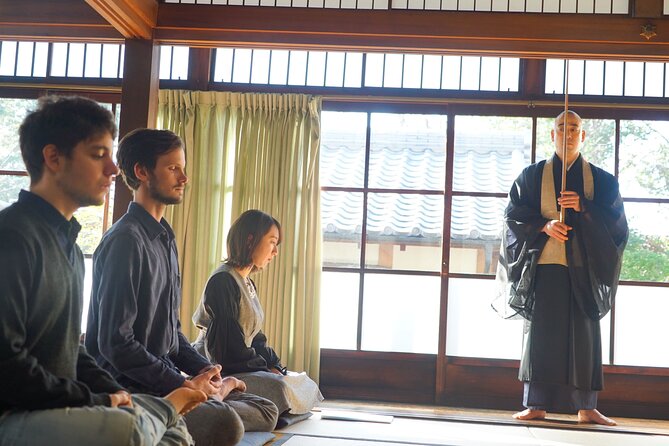
- Meditation with a monk: Learn the basics of zazen and practice in a temple setting.
- Tofukuji and Zen gardens: Walk through one of Kyoto’s major Zen temple areas with guide commentary.
- Small group size: A maximum of seven people allows for better questions and translation.
- Buddhist lunch included: Enjoy a traditional vegetarian-style meal historically served at Zen temples.
- Four and a half hours: The outing combines walking, temple visits, meditation, and food without taking your entire day.
- Seasonal comfort matters: Bring water and a hat in summer, and wear thick socks in winter.
Why this tour feels different from ordinary temple sightseeing
Kyoto has no shortage of beautiful temples. You can spend days moving from gate to gate, taking photographs, and trying to remember which building belonged to which Buddhist school. This experience takes a different approach. It asks you to slow down and spend real time with one tradition.
You begin near FamilyMart Nakai Tofukuji, at 12-chome-232 Honmachi in Kyoto’s Higashiyama Ward. From there, the group walks through the Tofukuji area and visits Zen temple grounds and gardens. Your guide explains what you are seeing as you go, rather than leaving you to puzzle over unfamiliar statues, halls, and customs.
That makes a difference. A dry garden can look like carefully raked gravel and a few stones if you do not know what you are looking at. With a guide, you get some context for the design and a better sense of why quiet observation matters in Zen practice.
The tour is best understood as a gentle introduction, not a formal retreat. You will see several religious sites, learn basic meditation, sit with a monk, and eat lunch. The combination gives the day a pleasing rhythm: walking, looking, listening, sitting, and sharing a meal.
More Garden & Palace Tours in Kyoto
- Kyoto: Nijo-jo Castle and Ninomaru Palace Guided Tour
★ 4.7 · 1,020 reviews - Kyoto: Nijo Castle, Kiyomizu & Fushimi Inari Guided Tour
★ 4.7 · 700 reviews - Kyoto: Imperial Palace & Nijo Castle Guided Walking Tour
★ 4.7 · 453 reviews
Walking through Tofukuji’s Zen temple district
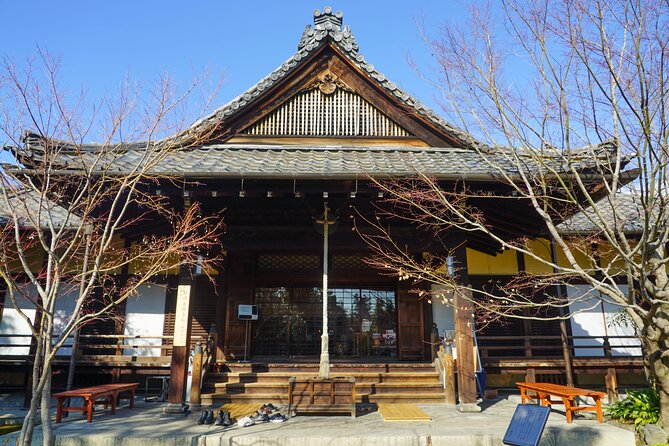
Tofukuji is one of Kyoto’s five major Zen temples, and the surrounding area gives the tour a strong setting from the start. The appeal is not only one famous view or one grand hall. It is the way the temple grounds, smaller religious spaces, garden design, and quiet lanes fit together.
Your guide leads the walk and provides commentary on Zen Buddhism, Shinto, temple organization, and local culture. Guides named Yutaka, Hikari, Yukata, and Yuka are praised for being warm, attentive, and easy to talk with. Yutaka, in particular, is described as a Kyoto native with a strong interest in Zen and the city’s traditions.
That local explanation is one of the tour’s best features. You can ask about the difference between a Buddhist temple and a Shinto shrine, the purpose of a garden, or the meaning behind a practice. The small group makes those exchanges more natural than they would be on a large coach tour.
Expect walking between stops, though the supplied information does not give an exact distance or accessibility details. Wear comfortable shoes and keep your pace manageable. The experience ends near Chishaku-in Temple, but the instructions also say the group may disband at the last shop rather than formally return to the original meeting point. Check the end point with your guide before you leave.
Reading a dry garden instead of just photographing it
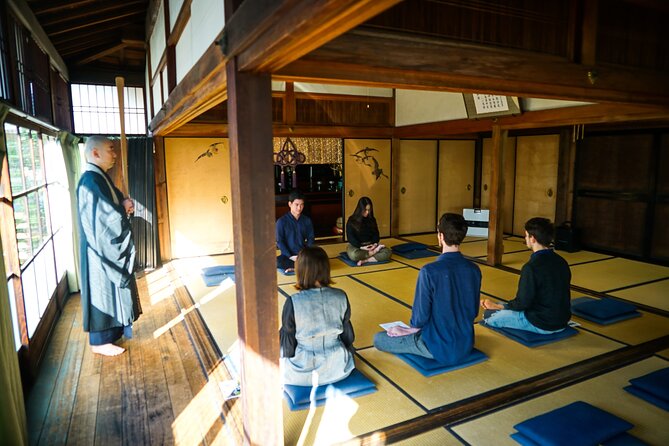
The Zen garden portion gives you a chance to sit, look, and listen. These dry landscape gardens use elements such as gravel, stones, and limited planting to create a quiet visual arrangement. The guide’s explanation helps you notice the design rather than simply snap a photograph and move on.
I like this part because it asks very little of you. You do not need prior knowledge of Zen, Buddhism, or meditation. You only need enough patience to pause while the guide explains the garden and gives you time to take it in.
The setting can also make the tour appealing if Kyoto’s larger sights feel tiring. You are still seeing important religious places, but the pace is reflective. Several people describe the walk itself as calm because of the guide’s manner, voice, and willingness to let the group pause.
Do keep expectations sensible. This is a guided cultural experience, not guaranteed private access to every temple building or a silent day from beginning to end. The tour includes conversation while walking, followed by a period when silence is required for the meditation session.
What the zazen session is actually like
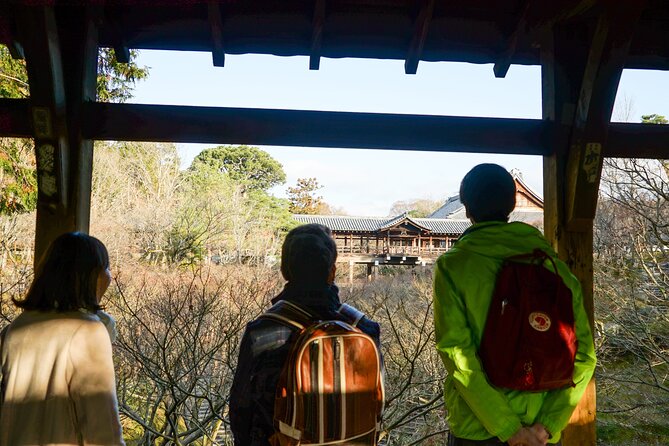
The meditation session is the heart of the experience. A resident monk introduces the fundamentals of Zen meditation and guides the group through zazen. The session lasts about an hour according to one detailed account, with a short break in the middle.
Your guide prepares you for what will happen before you enter the meditation space. This is useful if you have never meditated in a temple before. One account notes that the monk leading the session spoke only Japanese, while the guide explained the instructions in advance and translated additional comments and questions afterward.
That arrangement is worth understanding. You should not expect the monk to conduct a long English-language class. Instead, the guide helps you understand the process, the monk demonstrates and directs the practice, and questions can be translated when appropriate.
During zazen, private conversation is generally prohibited because other people are meditating. You may receive written material to read silently, but this is not a time for chatting with your travel companions. Treat that quiet as part of the experience, not as an inconvenience.
You also do not need to arrive as an experienced meditator. The session is designed to teach the basics. The emphasis is on posture, attention, and the mindset of sitting quietly, rather than on achieving some dramatic spiritual breakthrough.
That said, this portion may not suit everyone. If you find sitting still difficult, or if you want a highly active tour, the meditation could feel long. If you are curious about Zen but unsure how to begin, the monk’s presence gives the practice more weight than a casual meditation class in a hotel room.
More Temple & Shrine Tours in Kyoto
- Kyoto: Fushimi Inari, Kinkakuji, Bamboo Grove 1 Day Bus Tour
★ 4.8 · 4,316 reviews - Kyoto: Tea Ceremony in a Traditional Tea House in Kiyomizu
★ 4.9 · 3,519 reviews - Kyoto: Tea Ceremony Ju-An at Jotokuji Temple
★ 4.9 · 3,207 reviews - Fushimi Inari Hidden Hiking Tour (Private Option Available)
★ 5.0 · 1,750 reviews
A Buddhist lunch after the quietest part of the day
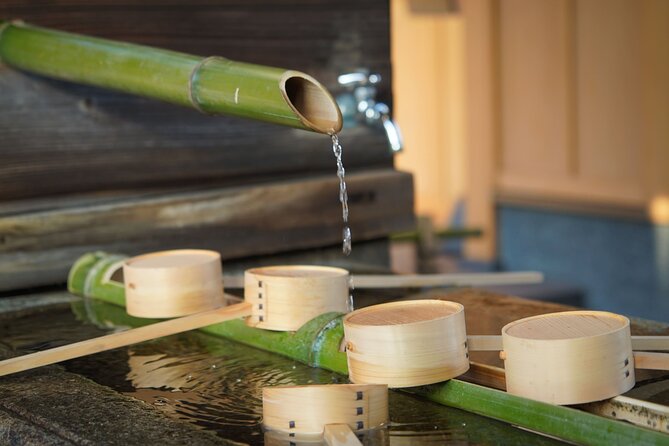
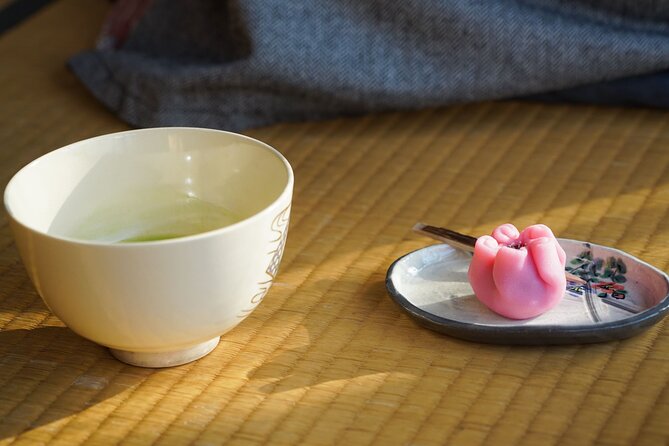
The included meal is traditionally associated with food served by Zen monks at temple settings. It is presented as a Buddhist meal and is described as vegetarian. Several detailed comments praise the food, with one person calling the Kyoto-style lunch both delicious and surprisingly filling.
The meal adds real value to the tour. Instead of treating meditation as an isolated activity, it connects the practice with daily life and food. You get to pause over a traditional meal after the temple visit, rather than rushing straight back into Kyoto’s sightseeing crowds.
Do plan around the timing. For the 10:45 departure, lunch is expected at about 14:15, after meditation. That is a late meal, especially if you are traveling with children or usually eat early. Have enough breakfast or brunch before meeting the group.
Dietary planning requires care. The operator cannot guarantee allergy-free food or meet every dietary restriction because meals come from kitchens outside its control. Substitutions may not be possible at every stop, though the guide will make efforts to compensate at other stops. Send any dietary request by the day before. Requests made on the day cannot be accepted.
How the four-and-a-half-hour schedule works
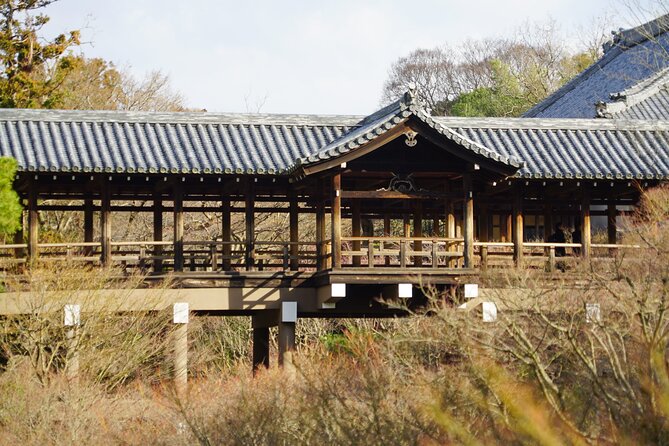
The stated duration is about four hours and 30 minutes. The exact order can vary, but you should expect a sequence along these lines:
- Meet at FamilyMart Nakai Tofukuji.
- Walk through the Tofukuji area and visit Zen temple sites.
- Explore a dry garden with explanations from the guide.
- Learn about Zen practice and prepare for zazen.
- Join a meditation session led by a monk.
- Enjoy the traditional Buddhist lunch.
- Finish near Chishaku-in Temple or disband at the final shop.
This is a full half-day, not a quick add-on between major attractions. You will get more from it if you leave your schedule open rather than trying to squeeze in another timed ticket immediately afterward.
The group maximum of seven is important here. Small groups are especially useful when a meditation session involves translation, questions, and instructions. They also make it easier for the guide to notice if someone needs clarification.
The tour operates near public transportation, but the information provided does not specify the exact train station instructions or travel time to the meeting point. Use the full address when planning your route, and allow extra time. The start is strict, and arriving late means losing the tour and the payment.
What the $110.10 price gets you
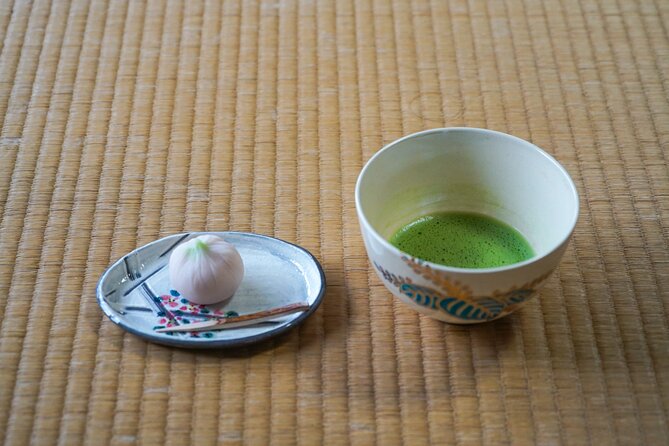
At $110.10 per person, this is not a budget temple walk. The value depends on how much you want the meditation and meal, rather than on how many sights you can count.
Admission to the temples is included, so you do not need to pay separate entry fees during the experience. You also receive a guided walk, monk-led meditation, and lunch. A maximum group size of seven adds another layer of value, since private questions and translation are easier in a small group.
I would not choose this tour simply to see Tofukuji. If your only goal is temple photography, you may prefer to visit independently and spend less. I would consider the price reasonable if you want a structured introduction to Zen and would otherwise struggle to arrange a meditation session with a monk.
The guides are part of the value. Yutaka and Hikari are singled out for clear explanations, warmth, and care with questions. One particularly useful detail is the guide’s role during the Japanese-language meditation session. The guide gives the group background beforehand and translates when needed, which helps turn an unfamiliar ritual into something you can follow.
The 100 percent recommendation rate and five-star score also show a very strong record, with 441 ratings listed. That does not guarantee that every person will love sitting in silence or eating a fixed meal, but it does support the idea that the experience consistently delivers what it promises.
Weather, clothing, and small practical matters
Kyoto summers are hot and humid. Bring water and wear a hat to help avoid heat exhaustion. The walk includes outdoor time, and meditation in a temple does not remove the need to prepare for the weather.
Winter brings the opposite problem. Temple floors can be cold, so thick socks are recommended. Choose clothing that lets you sit comfortably and follow temple customs without fuss.
The minimum age is 12. The group is capped at seven people. A mobile ticket is provided, and confirmation arrives when you book.
Free cancellation is available if you cancel at least 24 hours before the start time. Changes or cancellations made within 24 hours are not accepted and are not refunded. The cut-off follows local Kyoto time.
Who should book this Kyoto Zen experience
I would recommend this tour to you if you want more than a checklist of Kyoto temples. It suits solo visitors especially well, since the quiet setting and small group give you an easy way to take part without needing a companion.
It is also a good choice if you have an interest in Zen Buddhism, meditation, Japanese gardens, or the cultural meaning of temple life. You do not need previous meditation experience. The guide and monk provide an accessible first step.
Families with children over 12 may enjoy it if everyone can respect a quiet session. People with strict food allergies or complex dietary requirements should think carefully before booking, since a fully suitable meal cannot be promised.
I would skip it if you want a fast-moving sightseeing tour, dislike fixed meal arrangements, or have only a narrow window in Kyoto. The experience rewards patience, and the late lunch on the 10:45 departure makes planning important.
Should you book the Tofukuji Zen tour?
Book it if the idea of learning zazen from a monk, not merely looking at a temple, appeals to you. The strongest parts are the small group, thoughtful guide explanations, peaceful garden time, and the chance to ask questions with help from guides such as Yutaka or Hikari.
The $110.10 cost is fair for the combination of temple admission, a four-and-a-half-hour guided experience, meditation instruction, and lunch. Just arrive early, prepare for the weather, eat before a late lunch, and send dietary requests in advance.
If you want a calmer and more meaningful side of Kyoto, this is a strong choice. If you want maximum sightseeing mileage, choose another tour.
FAQ
Where does the Kyoto Zen meditation tour start?
It starts at FamilyMart Nakai Tofukuji, located at 12-chome-232 Honmachi, Higashiyama Ward, Kyoto, 605-0981, Japan.
Where does the tour end?
The activity ends near Chishaku-in Temple. The instructions also state that the group may disband at the last shop rather than return formally to the original meeting point.
How long does the tour last?
The experience lasts approximately four hours and 30 minutes.
Is lunch included?
Yes. A traditional Buddhist meal historically served at Zen temples is included.
What type of food is served?
The meal is described as a traditional Buddhist and vegetarian-style lunch. Allergy-free meals and all dietary substitutions cannot be guaranteed.
Can I request a dietary accommodation?
You can submit a dietary request by the day before the tour. Requests made on the day of the experience cannot be accepted.
Is meditation led by a monk?
Yes. A Zen monk guides the zazen meditation experience and explains the fundamentals of the practice.
Do I need previous meditation experience?
No previous experience is stated as a requirement. The tour includes an introduction to the basics of zazen.
How many people can join the tour?
The maximum group size is seven travelers.
What happens if I arrive late?
The tour starts on time. If you miss the group, you cannot join the tour later, reschedule, or receive a refund.
What should I bring in summer?
Bring water and wear a hat because Kyoto summers are very hot and humid.
What should I wear in winter?
Wear thick socks because temple floors can be quite cold in winter.
More Lunch Experiences in Kyoto
- Bike Tour Exploring North Kyoto plus Lunch
★ 5.0 · 1,087 reviews - Osaka/Kyoto: Arashiyama, Nara & Fushimi Inari Shrine w/Lunch
★ 4.4 · 754 reviews - From Kyoto: Nara History Guided Half Day Bus Tour with Lunch
★ 4.8 · 114 reviews - Kyoto: Zen Meditation and Garden Tour at a Temple with Lunch
★ 4.9 · 86 reviews
Just added around Kyoto
- Taste of Nishiki Market Walking Food Tour with Local guide★ 5.0 · 17 reviews
- Kyoto: Sushi Making Class with Sushi Chef★ 4.8 · 64 reviews
- Kyoto: City Secrets eBike Tour★ 4.9 · 196 reviews
- Sacred Pathways: Discover the Philosopher’s Path of Kyoto★ 4.9 · 20 reviews
- Private Tour to Monkey Park and Arashiyama Highlights★ 5.0 · 22 reviews
- Private Nara Tour from Osaka – Meet at Your Hotel★ 5.0 · 22 reviews
- Private Sake Tasting in Central Kyoto with Sake Sommelier★ 5.0 · 13 reviews
- Kyoto : Private Custom Walking Tour With A Local Guide★ 4.6 · 144 reviews
Temple & Shrine Tours, compared.
Tea Ceremony in a Traditional Tea House in Kiyomizu
Read our review →

Meiji Shrine, Asakusa, Skytree Bus Tour and Cruise
Read our review →
Asakusa Walking Tour with Sensoji Temple Visit
Read our review →
Kamakura & Enoshima Day Trip including Temple Tickets
Read our review →
Kyoto/Osaka: Nara, Fushimi Inari Taisha, Arashiyama Bus Tour
Read our review →
Nikko Toshogu Shrine and Kegon Waterfall Tour
Read our review →
Tokyo Panoramic 1 Day: Meiji Shrine, Asakusa, Odaiba and SKYTREE®
Read our review →Browse the lists this tour appears in