
REVIEW · WALKING TOURS
Tokyo: 2-Hour Vegan and Vegetarian Ramen Guided Walking Tour
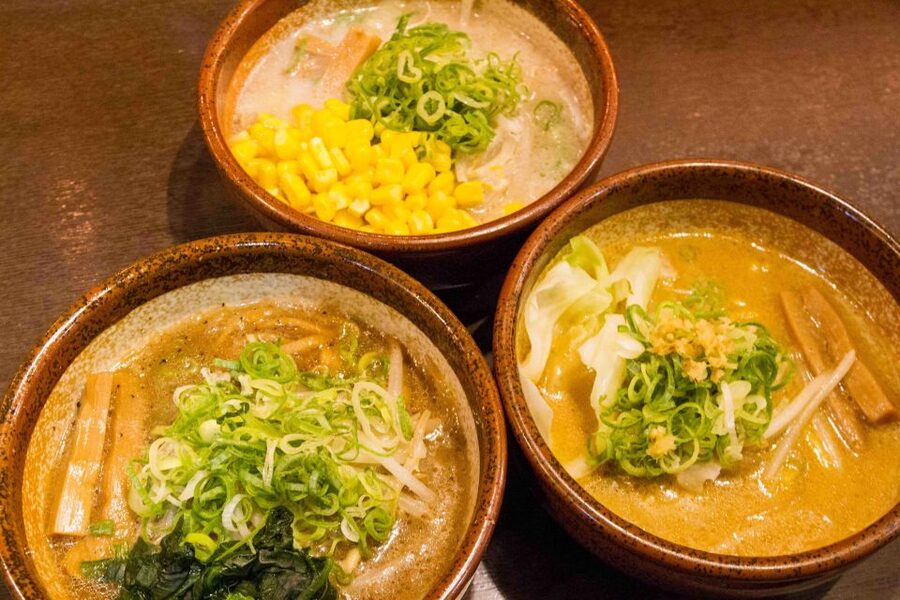
The clever part of this tour is the four mini bowls. Instead of committing to one large serving, you compare several ramen styles in two Tokyo neighborhoods, including Hokkaido-style ramen and classic Tokyo tsukemen. Guides such as Brian, Makayla, Bunga, Frank, and Sahori bring the food history to life without taking you away from the main event: eating.
I like the chance to taste hard-to-find vegetarian ramen without spending your evening searching restaurant menus. I also like the train ride from Shibuya to Shinjuku, since it connects two major Tokyo districts and gives the tour a useful sense of place. The main consideration is cost: at $96 per person, plus your train fare, this is a specialized food tour rather than a cheap meal.
In This Review
- Key points
- Four Small Bowls, Two Big Tokyo Ramen Styles
- Why Hokkaido Matters to Ramen
- Tokyo Tsukemen in Shinjuku
- A Good Introduction to Vegetarian Ramen
- The Guides Add More Than Directions
- Why the Mini Bowl Format Works
- Shibuya and Shinjuku Between Bites
- Is $96 a Fair Price?
- Who Should Book This Ramen Tour?
- Practical Details Before You Go
- Should You Book It?
- FAQ
- How long does the Tokyo vegan ramen tour last?
- How many ramen bowls are included?
- Are the ramen bowls vegan?
- Are gluten-free noodles available?
- Is a drink included?
- Where does the tour meet?
- How do you travel from Shibuya to Shinjuku?
- Is the tour offered in English?
- Is the activity suitable for wheelchair users?
Key points
- Four mini bowls: Compare several ramen styles without filling up on one serving.
- Two important ramen regions: Learn how Hokkaido and Tokyo shaped modern ramen.
- Shibuya to Shinjuku: Visit two ramen shops and use the train between them.
- Flexible dietary choices: Vegan bowls are offered, with gluten-free noodles and non-vegan broth options available.
- English-speaking guides: Guides including Brian, Makayla, Bunga, Frank, and Sahori lead the experience.
- Useful early-trip activity: Take the tour near the start of your visit, then return later for a full bowl of your favorite.
Four Small Bowls, Two Big Tokyo Ramen Styles
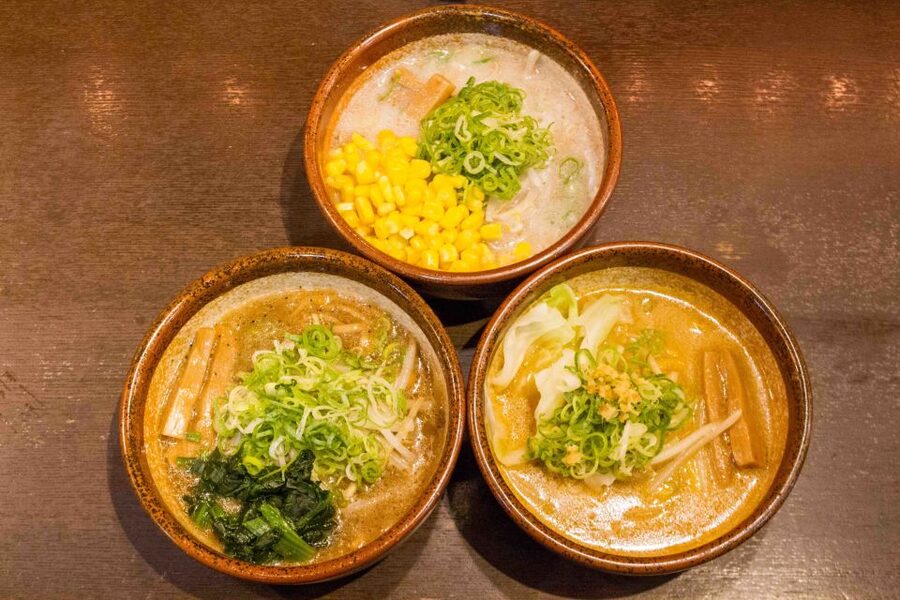
This two-hour tour is built around comparison. You visit two ramen shops, eating four mini bowls in total, with one drink included. The smaller portions matter. Ramen can be filling, and four full bowls would be absurd for most people. Mini servings let you focus on broth, noodles, toppings, and regional style instead of simply trying to survive the meal.
The tour begins in Shibuya, in front of Shibu Hachi Box across from the Hachiko statue. Look for the guide farther to the left, under the word Shibu, holding a Tokyo Ramen Tours sign. This is a busy meeting area, so allow enough time to find the exact spot rather than waiting beside the statue itself.
From there, the group visits a ramen shop specializing in Hokkaido-style ramen. Later, you take the train to Shinjuku for a shop focused on classic Tokyo tsukemen, or dipping ramen. This gives the tour a clear food story. You are not sampling four unrelated bowls. You are tasting different approaches shaped by two major ramen centers.
More Walking Tours in Tokyo
- Tokyo Tsukiji Fish Market Food and Culture Walking Tour
★ 5.0 · 3,184 reviews - Tokyo: Imperial Palace and Shogun Historical Walking Tour
★ 5.0 · 2,251 reviews - Tokyo: Shinjuku Local Bar and Izakaya Guided Walking Tour
★ 4.9 · 1,794 reviews
Why Hokkaido Matters to Ramen
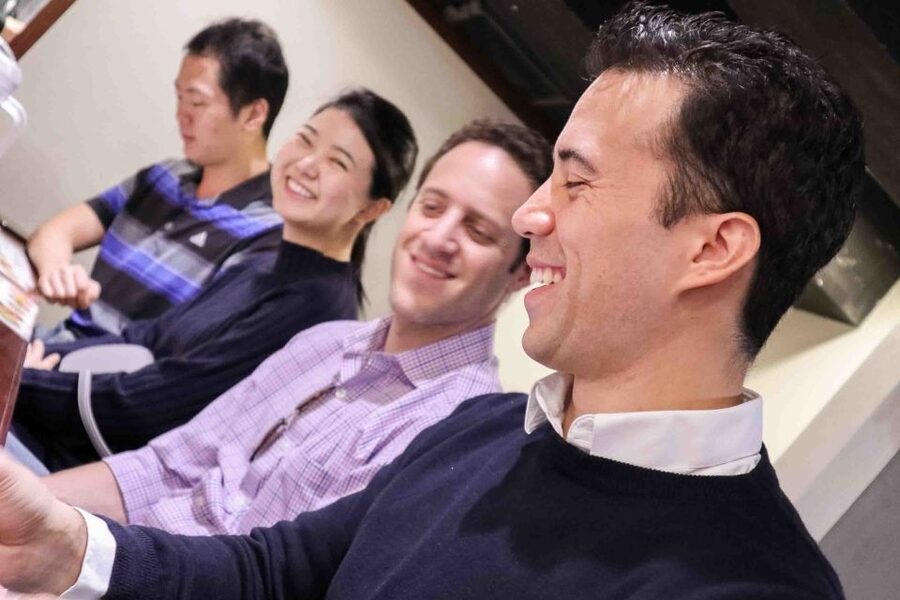
Hokkaido is Japan’s northernmost main island, and it has a major place in ramen culture. The tour explains Hokkaido’s role in the dish’s development and its influence on the broader ramen scene.
The tasting format gives that lesson a practical purpose. Rather than hearing a list of dates and names, you can connect the explanation to what is in front of you. A change in broth style or noodle texture becomes easier to understand when you taste it side by side with another bowl.
The Hokkaido stop is especially useful for anyone who knows ramen mainly as a Tokyo food. Ramen has strong regional identities across Japan, and this experience gives you a focused introduction to one of the most important. The information is also useful for the rest of your Japan trip. If you later see Hokkaido ramen on a menu, you will have a better idea of why it matters.
Tokyo Tsukemen in Shinjuku
The second stop centers on Tokyo-style tsukemen. Unlike standard ramen, tsukemen separates the noodles from the dipping broth. You pick up the noodles and dip them into the concentrated soup, adjusting the balance with each bite.
That difference makes tsukemen a good choice for a tasting tour. It changes the rhythm of eating and shows you that ramen is not one fixed dish. You can pay attention to how the noodles hold the broth and how dipping differs from eating noodles already sitting in soup.
Shinjuku also gives the tour a useful second setting. Shibuya and Shinjuku are both famous, but they do not feel identical. Moving between them by train makes the experience more than a sequence of restaurant visits. You get a small, practical look at how Tokyo’s food districts connect.
Your train fare is not included, so bring a transportation card or cash for the ticket. The ride itself is short enough to fit within the two-hour format, but the transfer is still something to keep in mind if you have mobility concerns or dislike navigating busy stations.
A Good Introduction to Vegetarian Ramen
Finding vegetarian ramen in Tokyo can take work. Many ramen broths rely on meat, fish, or other animal products, and a menu may not make every ingredient clear to a visitor. This tour removes much of that uncertainty by taking you to places selected for plant-based ramen.
The four featured bowls are vegan. Gluten-free noodles are also available, which makes the experience useful for people managing more than one dietary need. Non-vegan broth options are available for each tasting as well, so the group can include people with different preferences.
You should still explain your dietary needs clearly when booking or meeting the guide. The tour description specifically offers customization, but food restrictions can be personal and exact. If you are vegan, vegetarian, or gluten-free, this is the kind of activity where it pays to confirm your needs early.
The tour also has a broader benefit. You do not simply receive a safe meal. You get a way to compare flavor profiles across several bowls. That is valuable if you have been avoiding ramen because you assumed the dish would not suit your diet.
Same city, a completely different kind of day:
- Mt Fuji and Hakone 1-Day Bus Tour Return by Bullet Train
★ 5.0 · 26,383 reviews - 1-Day Tokyo Bus Tour
★ 5.0 · 14,250 reviews - Tokyo: TOKYO SKYTREE® Admission ticket
★ 4.5 · 11,192 reviews - Tokyo: teamLab Planets TOKYO Digital Art Museum Entry Ticket
★ 4.6 · 9,779 reviews
The Guides Add More Than Directions
The guide is an important part of this activity. The tour is offered in English, and named guides who have led it include Brian, Makayla, Bunga, Frank, and Sahori.
The strongest part of the guiding style is the combination of ramen facts and ordinary Tokyo advice. Frank, for example, has been especially useful for visitors with many questions about what to eat, see, and do around the city. That kind of conversation can make a short tour feel more useful than a meal alone.
The guides also explain the history and process behind ramen. You learn about regional roots, how different styles developed, and why Tokyo and Hokkaido matter. Bunga has been described as bringing plenty of information and a playful tone, while Makayla has led tours with a lively, educational approach.
Guide assignment can vary, so you should not book expecting one specific person. Still, the range of names gives you a sense of the experience: this is designed around a guide who cares about ramen and can answer questions, not just someone who walks you from one shop to another.
Why the Mini Bowl Format Works
Four mini bowls let you taste broadly. You can identify a favorite without wasting food or leaving the tour too full to enjoy the final stop.
The format also makes it easier to notice the small things. You might prefer one broth, another noodle style, or the dipping format at the Shinjuku stop. Several people have found the comparison so useful that they wanted to return later for a full bowl of the style they liked best.
That is one of my favorite practical benefits of taking this early in your Tokyo stay. You can use the tour as a food orientation. After tasting four options, you have a better chance of choosing ramen confidently on your own later.
The drawback is that a mini bowl is not a full restaurant meal. If you are looking for one large, leisurely bowl with plenty of time at the counter, this is not quite that experience. You are moving on a schedule, and the point is variety.
Shibuya and Shinjuku Between Bites
The meeting point near Hachiko is easy to connect with a day in Shibuya. You begin in one of Tokyo’s best-known neighborhoods, then finish in Shinjuku after traveling by train.
The route suits visitors who want food and orientation together. You get a guided walk through parts of both districts, though the tour is not presented as a full sightseeing walk. The ramen remains the focus, so you should not book it expecting a detailed tour of every major landmark in Shibuya and Shinjuku.
Still, the neighborhood setting adds useful context. Ramen shops are part of everyday Tokyo dining, and entering two different restaurants gives you a more grounded experience than simply eating at a place chosen for tourists. The tour helps you understand how a quick bowl of noodles fits into the city’s food culture.
Busy streets and stations may make the route harder for anyone who needs a great deal of space or a slow pace. The activity is not suitable for wheelchair users, so check this carefully before booking.
Is $96 a Fair Price?
At $96 per person, the tour is priced as a guided tasting experience, not as four inexpensive snacks. The fee includes four mini bowls and one drink, along with the English-speaking guide and the planning that links two specialty ramen shops.
The price makes more sense if you value food education, dietary help, and variety. Finding four suitable vegan or vegetarian ramen tastings on your own could take time, and you might end up ordering full portions. The tour lets you sample several styles in two hours while learning what you are eating.
It is less compelling if your main goal is simply to eat the cheapest ramen in Tokyo. You will also pay your own train fare from Shibuya to Shinjuku. Bring a transit card or cash, and treat that as a small extra cost rather than an unexpected surprise.
Private and small-group options are available. A private booking can be useful if you have detailed dietary questions or want more control over the pace, but the price and exact group arrangements should be checked when you choose your booking.
Who Should Book This Ramen Tour?
I would recommend this experience to anyone who loves ramen but needs vegan, vegetarian, or gluten-free choices. It is also a strong pick for first-time visitors who want an easy introduction to Japanese food culture without spending days decoding menus.
It suits curious eaters who like comparing styles. The Hokkaido stop and the Tokyo tsukemen stop give you a clearer picture of ramen than one standalone restaurant visit would.
The tour is less suitable for someone who wants a long sit-down meal, dislikes public transportation, or cannot manage busy urban walking routes. It is also not the right choice if you use a wheelchair, since the activity is listed as unsuitable for wheelchair users.
Book an early start if you want the best chance of a small group. An 11 a.m. Monday departure has sometimes been particularly quiet, although group size can change. A small group gives you more room to ask questions and discuss dietary preferences with the guide.
Practical Details Before You Go
The tour lasts two hours, with starting times shown according to availability. You meet in front of Shibu Hachi Box, across from the Hachiko statue. The guide waits to the left under the word Shibu and carries a Tokyo Ramen Tours sign.
Four mini bowls and one drink are included. Train fare from Shibuya to Shinjuku is not included, so carry your transportation card or cash.
The tour is conducted in English. Private or small-group bookings are available, and you can cancel up to 24 hours before the start for a full refund. The reserve-now, pay-later option can help if you are still arranging your Tokyo schedule.
Should You Book It?
Book this tour if you want to understand ramen by tasting several styles, especially if vegan, vegetarian, or gluten-free food is important to you. The combination of four mini bowls, two major Tokyo districts, Hokkaido context, and Tokyo tsukemen gives you a useful food lesson in a compact two-hour package.
Skip it if you only want one large bowl or if $96 feels high for a tasting. For the right eater, though, the value is not just the food. You leave with a better idea of what to order next, where Tokyo and Hokkaido fit into ramen culture, and which style deserves a return visit.
FAQ
How long does the Tokyo vegan ramen tour last?
The tour lasts two hours.
How many ramen bowls are included?
You receive four mini bowls of ramen.
Are the ramen bowls vegan?
The tour includes four vegan mini bowls. Non-vegan broth options are also available for each tasting.
Are gluten-free noodles available?
Yes, gluten-free noodles are available.
Is a drink included?
Yes, one drink is included.
Where does the tour meet?
Meet in front of Shibu Hachi Box, across from the Hachiko statue in Shibuya. The guide waits to the left under the word Shibu with a Tokyo Ramen Tours sign.
How do you travel from Shibuya to Shinjuku?
The group takes the train from Shibuya to Shinjuku. Train fare is not included, so bring a transportation card or cash for the ticket.
Is the tour offered in English?
Yes, the live tour guide speaks English.
Is the activity suitable for wheelchair users?
No. The activity is listed as not suitable for wheelchair users.
More Food in Tokyo
- Tokyo: Shinjuku Food Tour (13 Dishes at 4 Local Eateries)
★ 5.0 · 6,603 reviews - Tokyo: Shinjuku Food Tour (15 Dishes and 4 Eateries)
★ 4.9 · 2,033 reviews - Best of Shinjuku: Izakaya Food Tour (4 Stops, 14+ Tastings)
★ 5.0 · 1,863 reviews - Tokyo: Tsukiji Fish Market Food and Walking tour
★ 5.0 · 1,724 reviews
More Vegan & Vegetarian in Tokyo
- Shibuya Tokyo: Sushi Making Class (Vegan/Vegetarian/Halal)
★ 4.7 · 29 reviews
Just added around Tokyo
- Tokyo: Customizable Private Guided Walking Tour★ 4.5 · 129 reviews
- Private Harajuku Omotesando Architecture Tour★ 4.9 · 18 reviews
- Tokyo: Guided Helicopter Ride★ 4.9 · 24 reviews
- Tokyo: Guided Walking Tour of Tsukiji Market with Lunch★ 4.4 · 24 reviews
- Tokyo: Private Personalized Local Food Tour★ 4.5 · 101 reviews
- Tokyo GINZA: KONPARU Japanese Cabaret Show with Drink★ 4.8 · 38 reviews
- Tokyo: Guided Walking Tour of Tsukiji Market with Breakfast★ 4.4 · 134 reviews
- Tokyo: Gotokuji Cat Temple, Shinjuku Cat Cafe & 3D Cat Tour★ 4.9 · 38 reviews
Walking Tours, compared.
Kyoto Geisha Walking Tour: Gion District & Hidden Gems
Read our review →
Tokyo Tsukiji Fish Market Food and Culture Walking Tour
Read our review →
Gion Magical Night Walking Tour with Geisha Trivia
Read our review →
Imperial Palace and Shogun Historical Walking Tour
Read our review →
Gion Geisha District Walking Tour – Stories of Geisha
Read our review →
Asakusa Walking Tour with Sensoji Temple Visit
Read our review →
Kyoto Gion Geisha District Walking Tour – The Stories of Geisha
Read our review →Browse the lists this tour appears in