
REVIEW · COOKING CLASSES
Ramen & Dumpling Cooking in Tokyo with Chef/Vegan possible
Fresh noodles, folded gyoza, seasoned eggs, and a bowl of ramen built to your taste: this is a hands-on Tokyo cooking class rather than a demonstration from the sidelines. Chef Yoshi and Amo welcome you to their home near Ekoda Station, where you learn the methods behind a restaurant-style meal.
I like the small-group format, which leaves room for questions and cooking feedback. I also like the local feel: you leave central Tokyo behind, meet your hosts at a residential station, and spend time in a clean Japanese home instead of a formal cooking school.
The main consideration is the location. Ekoda is easy to reach by train, but it is not beside Tokyo’s main sightseeing districts. The class also costs $102.41 per person, so it makes the most sense if you value a full meal, personal instruction, and recipes you can use at home.
In This Review
- Key points to know before booking
- Making ramen in a Japanese home near Ekoda
- What happens during the two-hour class
- Fresh noodles, gyoza, and useful kitchen technique
- Why the hosts matter to the experience
- Vegetarian and food-restriction planning
- Is $102.41 good value?
- Getting there and choosing your time
- The small-group question
- Who should book this Tokyo cooking class?
- Cancellation and practical booking advice
- Should you book the ramen and gyoza class?
- FAQ
- Where does the ramen and dumpling class meet?
- Where does the activity end?
- How long does the cooking class last?
- What food do you make?
- Are morning and noon class times available?
- How many people can join?
- Can vegetarian food be prepared?
- Is the class suitable for families?
- What is the cancellation policy?
Key points to know before booking
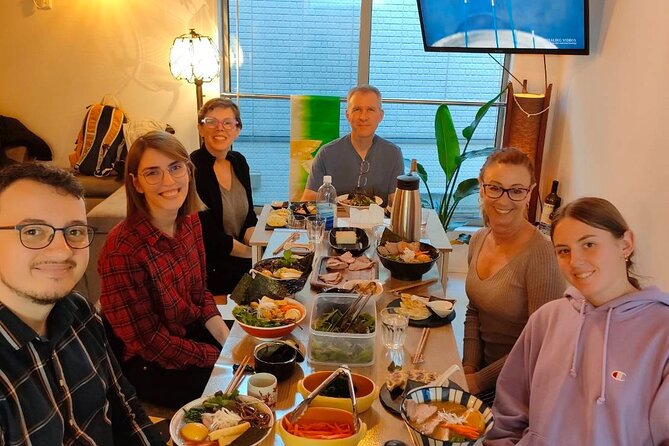
- Fresh ramen noodles are part of the lesson: You do not simply assemble a prepared bowl. You practice making noodles and learn how broth, toppings, and seasoning come together.
- Chef Yoshi and Amo lead the class: Their warm, conversational style suits families, couples, and first-time cooks.
- The meal is substantial: You make ramen and gyoza, along with toppings such as seasoned eggs, so arrive hungry.
- Vegetarian options are possible: Food restrictions, including vegetarian and no-fish or no-seafood needs, have been accommodated when arranged ahead of time.
- You meet at Ekoda Station: Amo meets you there and walks you to the home, which helps with the first part of the route.
- The group can reach 12 people: That is still more personal than a large commercial class, but not necessarily a private lesson.
Making ramen in a Japanese home near Ekoda
The setting shapes the experience. You meet at Ekoda Station in Nerima City, away from the busiest visitor zones, and Amo helps you find the home. That station meeting matters because a residential Tokyo neighborhood can be less obvious to first-time visitors than a major attraction or hotel lobby.
The class takes place in a clean, comfortable home set up for cooking. You get a look at a quieter side of Tokyo, with the practical feel of daily life rather than a staged cultural venue. I find that useful because food makes more sense when you see the setting in which people actually prepare and share it.
The listed address begins at Ekoda Station, 1 Chome-78 Asahigaoka, Nerima City. The activity ends back at the meeting point area. Plan your route carefully and allow enough time to find the station, since the hosts expect to meet you there rather than having you wander through the neighborhood alone.
You can choose a morning or noon class. That flexibility is handy in Tokyo, where a morning lesson leaves your afternoon open for sightseeing, while a noon start can work better after a late arrival or a slow breakfast.
A few more Tokyo trips to weigh up
- Ramen & Gyoza Cooking Class in Tokyo with Local Supermarket Visit
★ 5.0 · 823 reviews - Tokyo: Easy Ramen Cooking Experience in Kabukicho, Shinjuku
★ 4.6 · 321 reviews - Ramen and Sushi Cooking Class with Sake Pairing Set in Tokyo
★ 5.0 · 291 reviews
What happens during the two-hour class
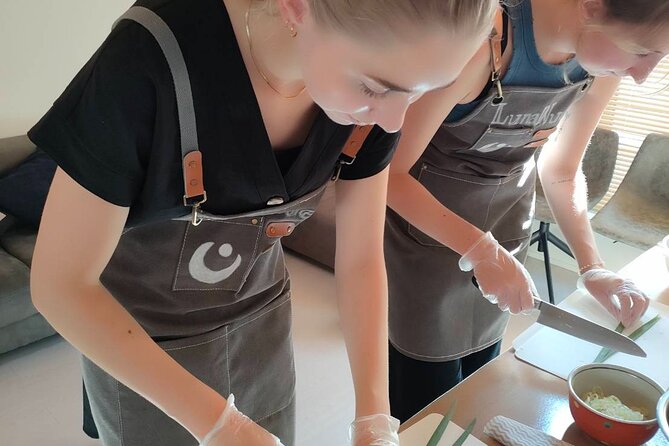
The class is built around participation. You learn how the ingredients work together, then practice the techniques yourself with guidance from the chef. The exact order can vary, but the experience includes several clear stages.
First comes an introduction to Japanese ingredients and ramen-making. Yoshi explains the cooking process and shares stories from the restaurant world. This context is valuable because ramen is not just noodles floating in soup. The final bowl depends on broth, seasoning, texture, toppings, and timing.
Some broth and meat preparation may be done before you arrive. That is practical rather than a shortcut. A full broth can take a long time, and spending the entire two-hour session waiting for it to develop would leave little time for hands-on work. You still learn about the broth process and get to taste the result of that longer preparation.
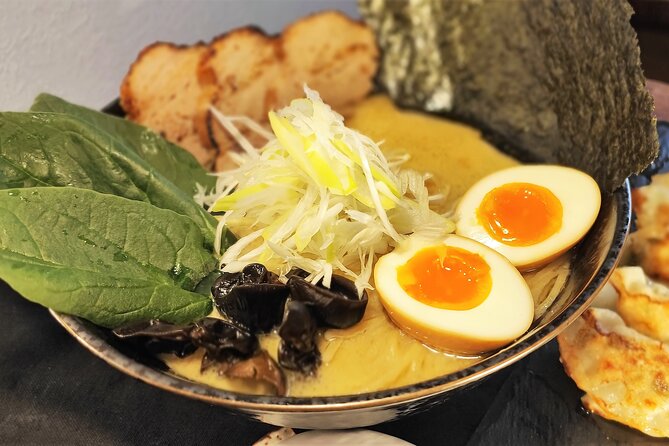
You also work with the parts that give the bowl its personal character. The class includes seasoned eggs and colorful toppings, and you can arrange them when plating your ramen. This is one of the more useful parts for home cooks because toppings change the look, texture, and balance of a bowl without requiring restaurant equipment.
The finale is your own ramen presentation. You place the noodles, soup, and toppings into a bowl and create a signature combination. It is a simple idea, but it gives the lesson a clear payoff: you can see how each earlier step affects the finished meal.
Fresh noodles, gyoza, and useful kitchen technique
The noodle-making portion gets special attention because it turns a familiar restaurant dish into a physical skill. You work with the dough and learn how fresh noodles are prepared. Several people have found this the most memorable part of the class, especially when they compare the texture with packaged noodles at home.
Gyoza, often written as gyoza rather than dumplings on local menus, adds a second set of techniques. You prepare the filling and practice folding the wrappers. Folding can look easy until you try to make neat, even pleats, so having Yoshi or Amo correct your technique is more useful than simply watching someone do it once.
You also get feedback while cooking. That makes this better suited to curious beginners than to someone who only wants a quick meal. You do not need to arrive with professional knife skills or previous ramen experience, but you should be ready to take part rather than sit back.
The food is not a token tasting. You make ramen and gyoza, and the portion can be generous enough that you should come hungry. If you plan a big dinner afterward, leave some time between meals.
Why the hosts matter to the experience
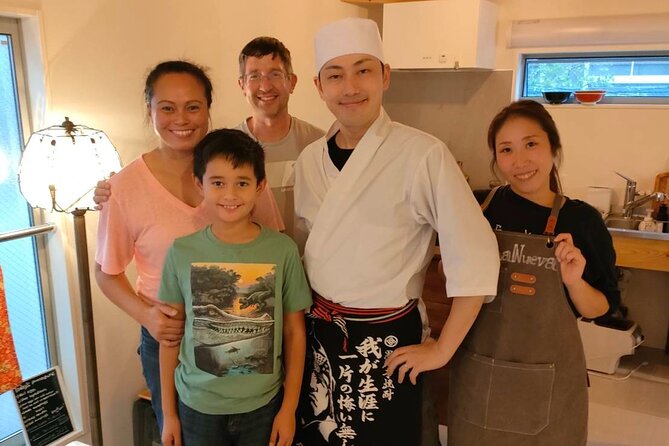
Yoshi and Amo are central to the appeal. Yoshi handles the chef and teaching role, while Amo helps welcome and guide the group. Their style is friendly, patient, and conversational, with room for questions about cooking and Tokyo.
The class also includes personal touches that go beyond the recipe. Past participants have received tips about other things to do in the city, and one family even enjoyed a brief hip-hop lesson before leaving. Those details are not guaranteed, but they show the relaxed tone of the experience.
This is especially useful for families. Children around 12 and 13 have taken part, and families with younger children have enjoyed making the food together. A picky eater can customize a bowl with preferred toppings, which may make the meal easier for a mixed-age group.
Couples also fit the class well. You can divide tasks, compare your gyoza folds, and share the finished meal. Solo visitors may find the small group a pleasant way to meet people, though the group maximum is 12, so do not assume you will receive one-on-one instruction throughout.
Same city, a completely different kind of day:
- Mt Fuji and Hakone 1-Day Bus Tour Return by Bullet Train
★ 5.0 · 26,383 reviews - 1-Day Tokyo Bus Tour
★ 5.0 · 14,250 reviews - Tokyo: TOKYO SKYTREE® Admission ticket
★ 4.5 · 11,192 reviews - Tokyo: teamLab Planets TOKYO Digital Art Museum Entry Ticket
★ 4.6 · 9,779 reviews
Vegetarian and food-restriction planning
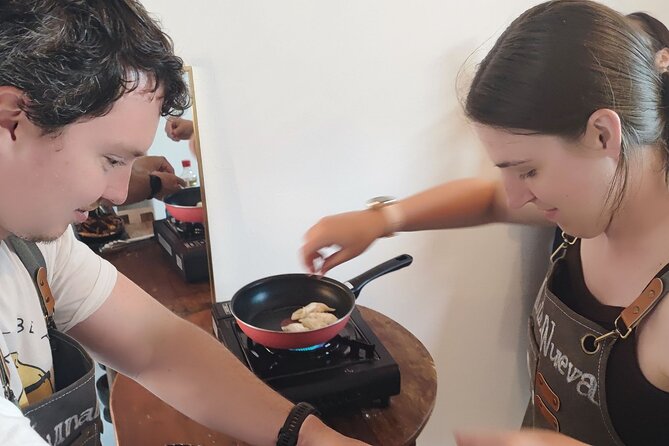
The experience is advertised as vegan possible, and vegetarian options have been prepared for participants who gave advance notice. No-fish and no-seafood requests have also been accommodated.
You should contact the provider before the class and explain your needs clearly. Ramen broth, toppings, dumpling fillings, and seasoning can contain ingredients that are not obvious, especially fish or seafood products. The available information supports vegetarian and some restricted diets, but it does not promise every form of vegan or allergy-free preparation.
This is an important distinction. A request made early gives Yoshi and Amo time to prepare suitable ingredients. A last-minute request may not be possible, and the published booking information does not promise that all restrictions can be handled on the day.
Is $102.41 good value?
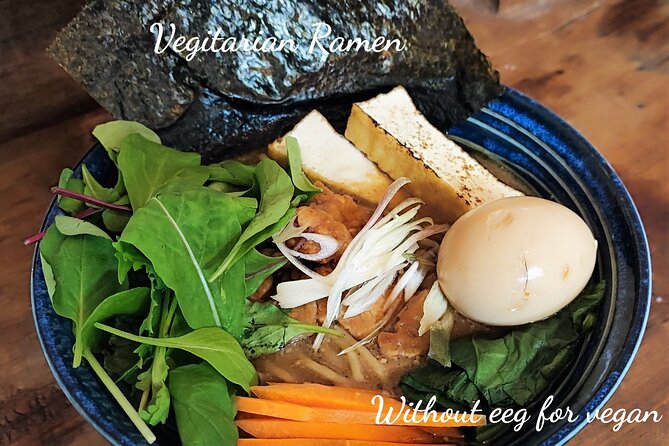
At $102.41 per person, this is not a budget lunch. You are paying for about two hours of instruction, a full ramen and gyoza meal, ingredients, a small-group setting, and the chance to repeat the recipes at home.
The value improves if you care about the process. A bowl of ramen in Tokyo can cost far less than the class, but a restaurant meal does not teach you to make noodles, fold gyoza, prepare toppings, or build the final bowl. The class also gives you direct access to a professional cook and feedback while you work.
The recipes add lasting value, although you should make sure you receive them before leaving or confirm how they will be sent. One participant had trouble locating the recipe message afterward, while the provider said it had been sent through the booking platform. Keep an eye on your post-class messages and save the recipes when they arrive.
I would call the price fair for a visitor who wants a food activity with a practical result. If you only want to eat ramen, choose a restaurant. If you want a memorable meal and a skill you can try at home, the class makes a stronger case.
Getting there and choosing your time
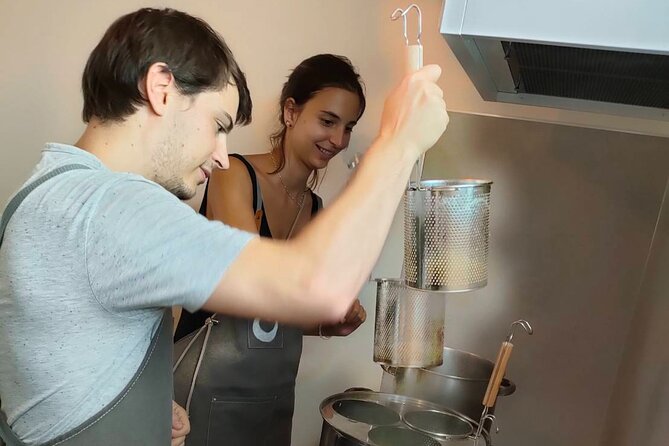
The meeting point is Ekoda Station in Nerima City, Tokyo. Amo meets the group at the station and walks everyone to the home, which removes some uncertainty from the final stretch.
Tokyo’s train system is efficient, but you still need to check your route and allow time for transfers. Ekoda is outside the main sightseeing core, and the trip is part of the experience. You get a view of a quieter neighborhood and can continue exploring the area afterward if you wish.
The class lasts about two hours. A morning booking works well if you want to combine the lesson with an afternoon in another part of Tokyo. A noon class gives you a less rushed start but takes up a central portion of the day.
The activity uses a mobile ticket. Confirmation is sent within 48 hours of booking, subject to availability, so do not leave this reservation until the last moment if your schedule is tight.
The small-group question
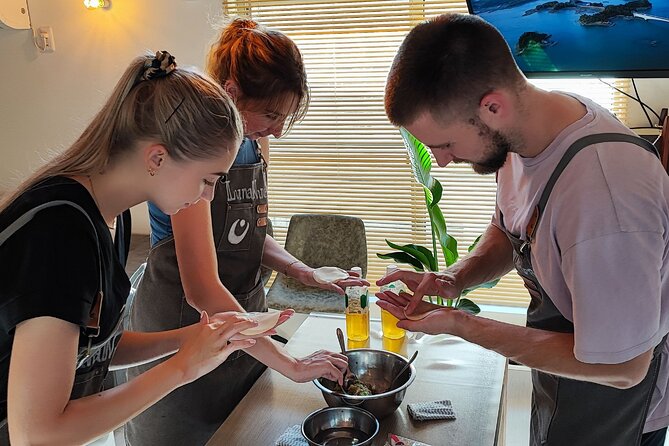
The maximum group size is 12. That is small compared with a large food tour, but it is not the same as a private class for two or four people.
The format appears to work best when everyone wants to cook and talk. You get access to the instructor, but the amount of personal feedback depends on how many people attend and how actively the group participates. If you want a quiet private lesson, check the group arrangement before booking.
For families, the limit is helpful because a group of several relatives can still fit within the class. For couples, it offers a social setting without the scale of a major cooking workshop.
Who should book this Tokyo cooking class?
I would recommend it most strongly to:
- Families looking for an activity that keeps children involved
- Couples who want a shared meal and a practical souvenir
- Food-focused visitors who want to understand ramen beyond eating it
- Beginners who appreciate patient instruction
- Vegetarians who can provide their requirements in advance
- Repeat visitors who want time in a residential part of Tokyo
It may be less suitable if you have a very tight sightseeing schedule, dislike group activities, or need strict allergy control that has not been confirmed with the provider. The location also requires a train ride away from central Tokyo, though that is a benefit if you want a break from the busiest districts.
The class is also a good rainy-day choice. You spend the time indoors, the activity has a clear structure, and the finished meal replaces the need to find lunch or dinner afterward.
Cancellation and practical booking advice
Free cancellation is available if you cancel at least 24 hours before the local start time. Cancellations or changes made within 24 hours are not accepted for a refund.
Before booking, check three things: your train route to Ekoda Station, your preferred morning or noon time, and any food restrictions. If you need vegetarian, vegan, no-fish, or no-seafood preparation, send that information early.
Bring your mobile ticket and arrive ready to cook. The meal is filling, so skip the oversized pre-class breakfast.
Should you book the ramen and gyoza class?
Book this experience if you want more than a restaurant meal. You will make fresh noodles, learn about broth, prepare toppings and seasoned eggs, fold gyoza, and sit down to a bowl you assembled yourself. The warm hosts, home setting, and small group give the class a personal feel that a standard cooking studio may not provide.
At $102.41, the class is an investment, but it offers food, instruction, local contact, and recipes in one package. I would book it for a family, couple, or food-minded visitor with enough time to reach Ekoda. I would skip it only if your priority is the cheapest possible meal or a private, fully customized lesson.
FAQ
Where does the ramen and dumpling class meet?
The class begins at Ekoda Station, at 1 Chome-78 Asahigaoka, Nerima City, Tokyo 176-0005, Japan.
Where does the activity end?
The activity ends back at the meeting point.
How long does the cooking class last?
The class lasts approximately two hours.
What food do you make?
You make ramen and gyoza, along with fresh noodles, seasoned eggs, and colorful toppings.
Are morning and noon class times available?
Yes. You can choose between a morning class and a noon class.
How many people can join?
The maximum group size is 12 travelers.
Can vegetarian food be prepared?
Yes. Vegetarian options have been prepared, and the experience notes that vegan arrangements may be possible. Contact the provider in advance with your requirements.
Is the class suitable for families?
Yes. Families with children, including children around 12 and 13, have taken part. The hands-on format allows family members to cook together.
What is the cancellation policy?
You can cancel for a full refund up to 24 hours before the experience start time. Cancellations or changes made less than 24 hours before the start time are not refunded or accepted.
More Food in Tokyo
- Tokyo: Shinjuku Food Tour (13 Dishes at 4 Local Eateries)
★ 5.0 · 6,603 reviews - Tokyo Tsukiji Fish Market Food and Culture Walking Tour
★ 5.0 · 3,184 reviews - Tokyo: Shinjuku Food Tour (15 Dishes and 4 Eateries)
★ 4.9 · 2,033 reviews - Best of Shinjuku: Izakaya Food Tour (4 Stops, 14+ Tastings)
★ 5.0 · 1,863 reviews
Just added around Tokyo
- Private Memorable Tokyo Tour with English Speaking Driver★ 5.0 · 30 reviews
- Private Tokyo Custom Full-Day Tour by Chartered Vehicle★ 5.0 · 16 reviews
- Private Sightseeing to Mt Fuji and Hakone with English Driver★ 5.0 · 51 reviews
- Tokyo Photography Masterclass – Private Photography Lesson★ 5.0 · 25 reviews
- Private Mt. Fuji Day Trip from Tokyo with English-Speaking Driver★ 5.0 · 33 reviews
- 4 Day Tour – Mount. Fuji, Tokyo, Hakone, Kamakura and Yokohama★ 5.0 · 19 reviews
- Private Unforgettable Mt Fuji Tour with English Speaking Driver★ 5.0 · 142 reviews
- Private Tokyo Food Tour – A Journey Through Time Through Food★ 5.0 · 36 reviews
Cooking Classes, compared.
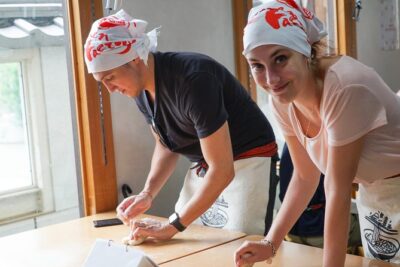
Ramen Cooking Class at Ramen Factory in Kyoto
Read our review →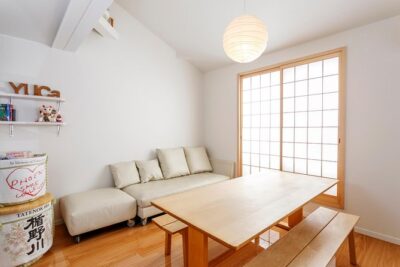
Ramen & Gyoza Cooking Class in Tokyo with Local Supermarket Visit
Read our review →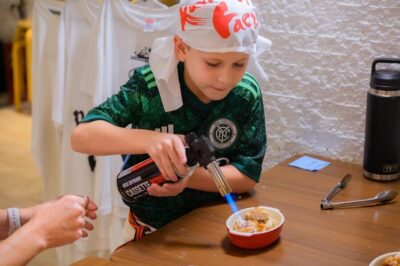
Ramen Cooking Class at a Ramen Factory with Souvenir
Read our review →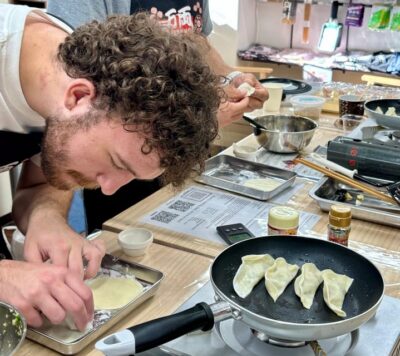
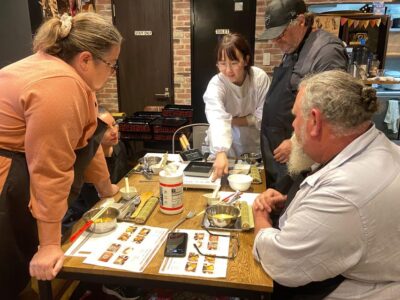
Japanese Washoku Bento Small Group Cooking Class
Read our review →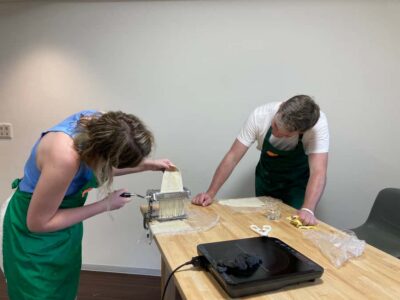
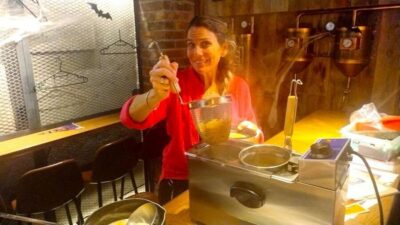
Easy Ramen Cooking Experience in Kabukicho, Shinjuku
Read our review →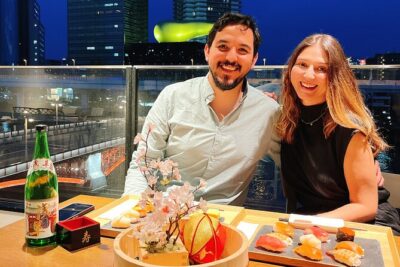
Ramen and Sushi Cooking Class with Sake Pairing Set in Tokyo
Read our review →Browse the lists this tour appears in