
REVIEW · COOKING CLASSES
Tokyo: Easy Ramen Cooking Experience in Kabukicho, Shinjuku
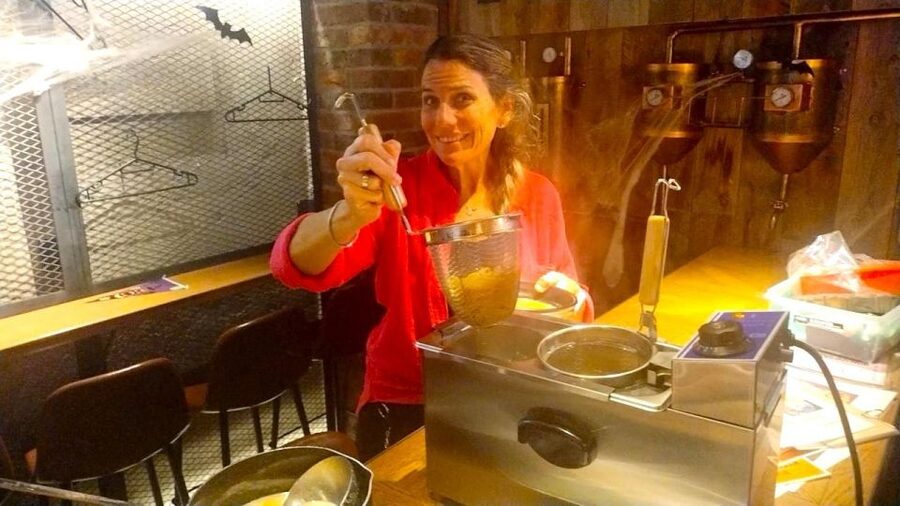
Ramen is not just a bowl you order in Tokyo. In this one-hour Kabukicho class, you learn how the parts fit together, then build a bowl to your own taste. The soup is prepared in advance because a true ramen broth can take many hours, or even days, but you handle the noodles, meat, vegetables, and toppings yourself.
I like the small groups of up to six, which leave room for questions and personal help. I also like the location: Shinjuku Ale is close to the Godzilla statue, so you can pair the class with an easy stroll through Kabukicho. The main point to consider is that this is a shortened cooking experience, not a full from-scratch noodle and broth workshop.
In This Review
- Key points at a glance
- What the Kabukicho ramen class is really about
- The opening lesson explains why ramen takes time
- Choosing soup and building your bowl
- Eating the ramen you made yourself
- The guides make the short format work
- Group size, families, and the venue
- Is $29 good value for Tokyo?
- Dietary limits you should take seriously
- Who will enjoy this most?
- Final verdict on the Shinjuku ramen experience
- FAQ
- How long does the ramen cooking experience last?
- Where does the class take place?
- Is there an elevator?
- What is included in the $29 price?
- Are drinks included?
- Can vegetarians or vegans join?
- Does the class make ramen broth and noodles completely from scratch?
- What should I bring?
- Can children participate?
Key points at a glance
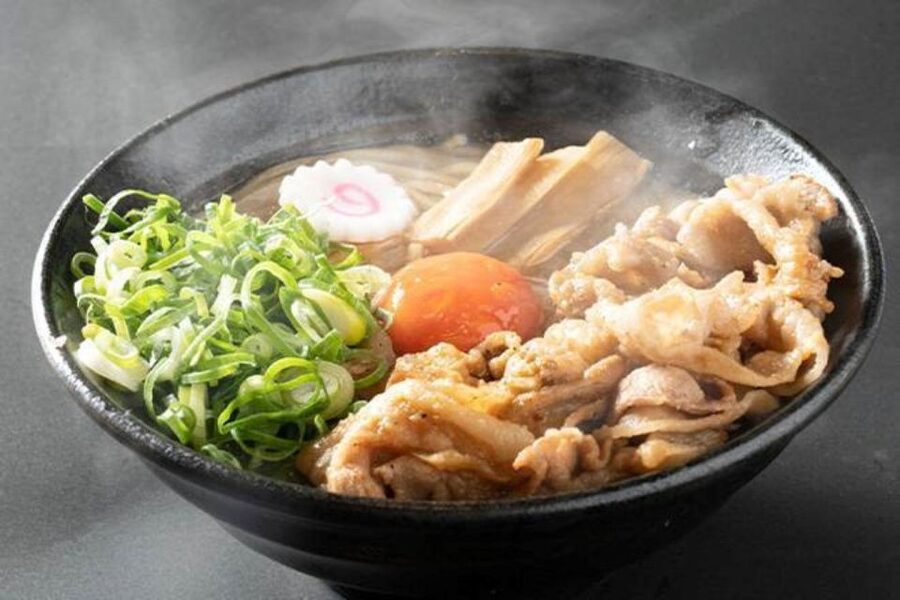
- A quick route into ramen culture: Learn the dish’s background and basic cooking process before eating your own bowl.
- Hands-on finishing work: Pick your soup, boil the noodles, cook selected ingredients, and arrange the toppings.
- Small-group setting: Classes can be limited to six people, with guides able to give close help.
- Friendly named instructors: Tak, Hinata, Mikhail, Nina, Chihiro, Kai, and Shuma have led sessions described as clear and welcoming.
- A filling meal in central Shinjuku: The class costs $29 per person and includes the ramen you prepare.
- Important food limits: The soup contains pork, chicken, and beef, and the class is not suitable for vegans, vegetarians, or people with gluten intolerance.
What the Kabukicho ramen class is really about
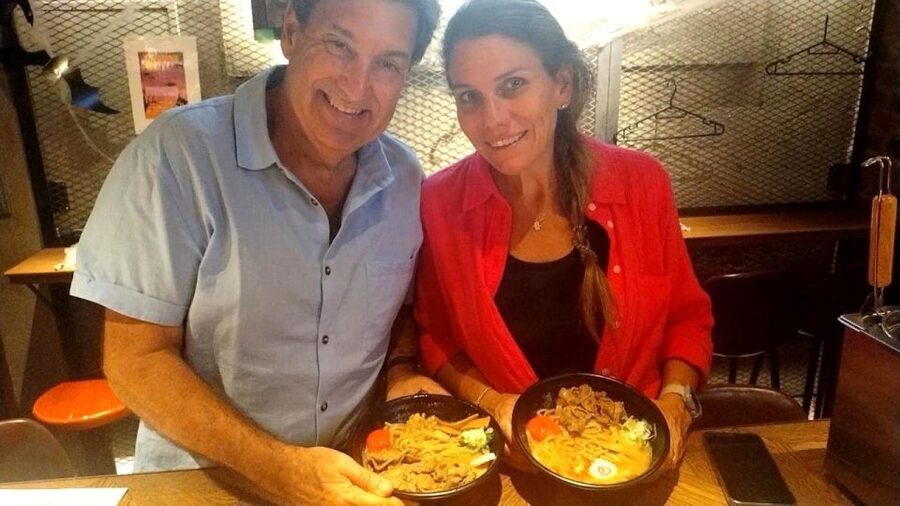
This experience takes place at Shinjuku Ale, an upstairs venue in the heart of Kabukicho. The meeting point is on the second floor, with no elevator, so allow time to find the building and climb the stairs. Once inside, tell the staff you have a trial reservation.
The setting is more intimate than a large cooking school. It has been described as a quirky upstairs bar with a private feel, decorative objects, and an interesting drinks area. That gives the class a relaxed character, though it may feel less polished than a purpose-built culinary studio.
The class is designed for beginners. You do not need cooking skills, and the guides lead you through each stage. People who say they cannot cook still get a usable bowl at the end, while more confident cooks can ask about ingredients, seasoning, and Japanese food culture.
A few more Tokyo trips to weigh up
- Ramen & Gyoza Cooking Class in Tokyo with Local Supermarket Visit
★ 5.0 · 823 reviews - Ramen and Sushi Cooking Class with Sake Pairing Set in Tokyo
★ 5.0 · 291 reviews - Tokyo: Wagyu and 7 Japanese Dishes Cooking Class
★ 4.9 · 273 reviews
The opening lesson explains why ramen takes time
The class begins with a clear explanation of ramen and its place in Japanese cuisine. You learn that ramen is built from several parts: noodles, soup, meat, eggs, vegetables, and other toppings. It can work as a main meal or a smaller side dish, depending on the portion and setting.
The introductory talk also sets an honest limit. Traditional ramen is not made in an hour from raw ingredients. The noodles and soup require much longer preparation, and some broth recipes take many hours or several days to develop.
That matters because the experience does not pretend to teach a complete restaurant recipe. Instead, it uses a shortened method that lets you take part in the practical stages and eat the result within the scheduled hour.
I see this as a sensible tradeoff. A full broth lesson would require long preparation, specialist equipment, and a much longer visit. Here, you get the useful idea of how the pieces work together without giving up a large part of your Tokyo day.
Choosing soup and building your bowl
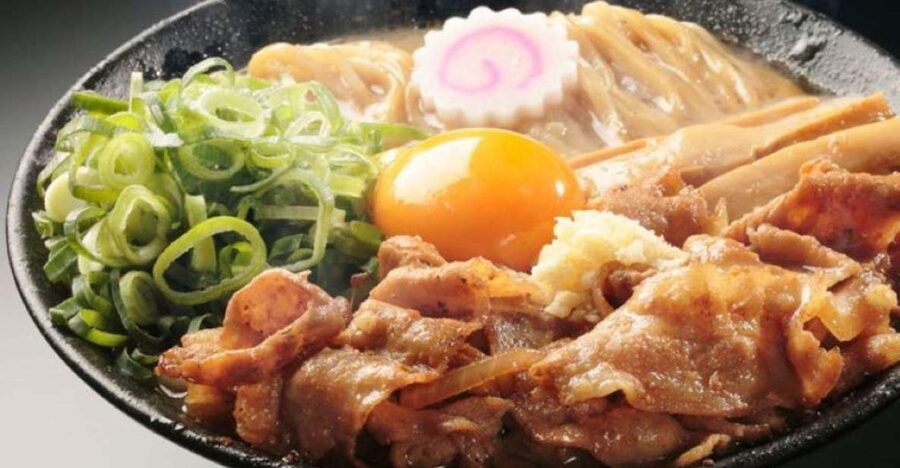
After the explanation, the hands-on part begins. You choose your soup, then prepare the other ingredients for your bowl. The exact range of soup choices is not specified, so you should expect options rather than a guaranteed menu of named styles.
The soup contains pork, chicken, and beef. It is made from a secret recipe, and staff cannot provide the full list of ingredients. This is important for anyone with allergies, religious dietary rules, or a strong dislike of a particular meat.
One class participant found the stock too salty and said the available choice was pork. That does not mean every session will taste the same to you, but it is a useful warning: soup selection may be limited, and ramen broth can have a strong salt level.
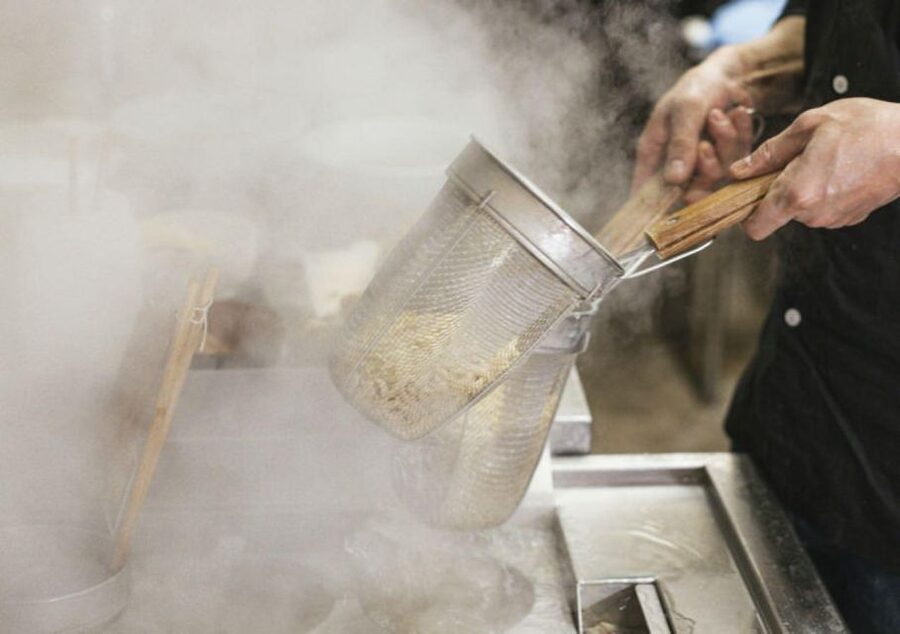
You then boil the noodles and add your chosen ingredients to the bowl. The process is simple enough for children over the stated minimum age when accompanied by a parent or guardian. Guides help with timing and assembly, so the focus is on learning and enjoying the task rather than avoiding every small mistake.
The final arrangement gives you some control over the meal. One participant particularly enjoyed making a spicy ramen, while others liked cooking pork and vegetables before adding them to the broth. Your choices may not turn the bowl into a custom restaurant order, but they do make the meal feel like your own work.
Eating the ramen you made yourself
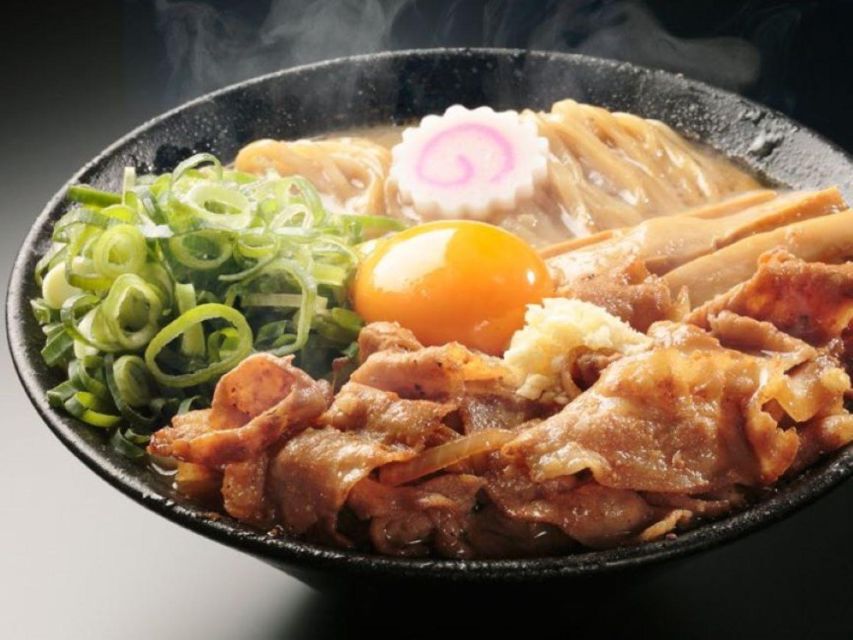
The best part comes when you sit down and eat. The meal is included in the $29 price, along with the cooking activity, so you are not paying for a demonstration and then buying lunch somewhere else.
The result should be a proper, filling bowl rather than a tiny tasting portion. Several people described the ramen as delicious, and one called it the best ramen they had eaten in Japan. Taste is personal, especially with a salty or meat-based broth, but the meal clearly gives the class good value for many people.
There is also a simple pleasure in eating food you just assembled. You can see how the soup, noodles, meat, and toppings affect one another. That makes it easier to remember the lesson later when you order ramen at another shop.
The scheduled experience ends when you finish eating. Water is available, and takeaway containers have been offered when needed. These are small touches, but they help if you are full or have food left at the end.
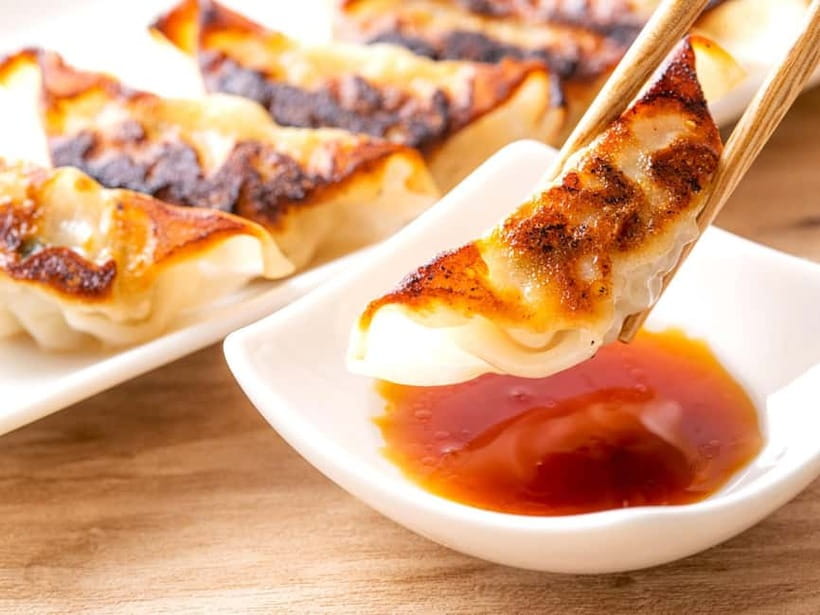
Some sessions also include optional extras. One booking added five gyozas per person and an alcoholic drink, with several drink choices available. Those additions are not part of the basic $29 package, so check the price carefully before selecting any upgrade. This is likely the extra cost that caused confusion for one budget-conscious participant.
Same city, a completely different kind of day:
- Mt Fuji and Hakone 1-Day Bus Tour Return by Bullet Train
★ 5.0 · 26,383 reviews - 1-Day Tokyo Bus Tour
★ 5.0 · 14,250 reviews - Tokyo: TOKYO SKYTREE® Admission ticket
★ 4.5 · 11,192 reviews - Tokyo: teamLab Planets TOKYO Digital Art Museum Entry Ticket
★ 4.6 · 9,779 reviews
The guides make the short format work
The quality of this class depends heavily on the person leading it. The strongest part of the experience is the direct help while you cook, especially in a small group.
Tak has been praised for meeting participants at the building entrance, helping families, and guiding children through the steps. Hinata has explained the difference between the full ramen process and the shorter class recipe, while Mikhail, also written as Michail in one account, has been described as passionate and clear.
Other named instructors include Kai, Nina, Chihiro, and Shuma. The teaching style can vary by guide, but the recurring pattern is friendly instruction, practical answers, and conversation about Japanese food and places to visit in Tokyo.
English ability also varies. Some guides speak excellent English, while other staff may use a translation machine. That should not stop you from booking, since the steps are visual and straightforward, but you should expect occasional pauses or machine-assisted explanations.
I would treat the guide as part of the experience rather than just a helper. You may get restaurant suggestions, tips on Japanese dishes beyond sushi, or a chance to ask questions about the city. If you want a serious culinary lecture in precise English, this may feel informal. If you want a friendly class with room for conversation, the format fits well.
Group size, families, and the venue
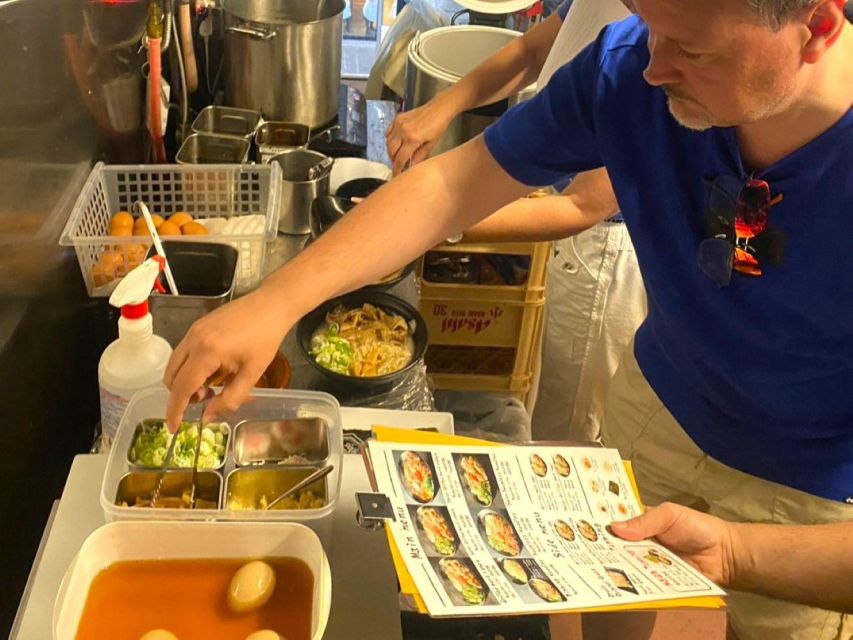
A maximum group of six makes this a good choice for couples, solo visitors, and small families. A solo booking may even become a near-private lesson if others do not attend, though that depends on the schedule.
Families should read the age rules carefully. Children under four are not suitable for the activity, and anyone under 20 must follow Japanese rules on alcohol. Participants under 20 must be accompanied by a parent or guardian. A 10-year-old has taken part with help from Tak, but younger children still need to meet the stated minimum age.
The venue sits near the Godzilla statue in Shinjuku, an easy landmark for planning the rest of your day. The surrounding area is lively, full of neon signs, restaurants, bars, and entertainment, though the class itself takes place in a quieter upstairs room.
Shinjuku Station can be confusing, and one couple arrived late after allowing what they thought was enough time. Staff were accommodating in that case, but I would not count on a late arrival being harmless. Give yourself extra time to navigate the station and locate the meeting point.
Is $29 good value for Tokyo?
At $29 per person, this is a fair price for a central Tokyo activity that includes instruction and a full meal. You are not paying for the long, expensive preparation needed for traditional broth, but you are getting a guided introduction plus food you help prepare.
The value is strongest if you want more than another restaurant meal. A standard bowl of ramen may cost less, but it will not teach you how noodles are boiled, how toppings are assembled, or why broth preparation takes so long.
The class is also a useful rainy-day or midday plan. At one hour, it leaves space for other Shinjuku stops, and the location works well before or after seeing the Godzilla statue. It is not a full afternoon workshop, so do not book it expecting extensive knife work, noodle kneading, or a recipe you can reproduce exactly at home.
Optional gyozas and drinks can change the final price. Bottled drinks, extra meals, additional drinks, transportation, and other add-ons are not included in the base package. Check the selected option and total before paying if your budget is tight.
Free cancellation is available up to 24 hours before the activity for a full refund, and you can reserve now and pay later. Bring an ID card, with a copy accepted. These details are useful if your Tokyo schedule is still shifting.
Dietary limits you should take seriously
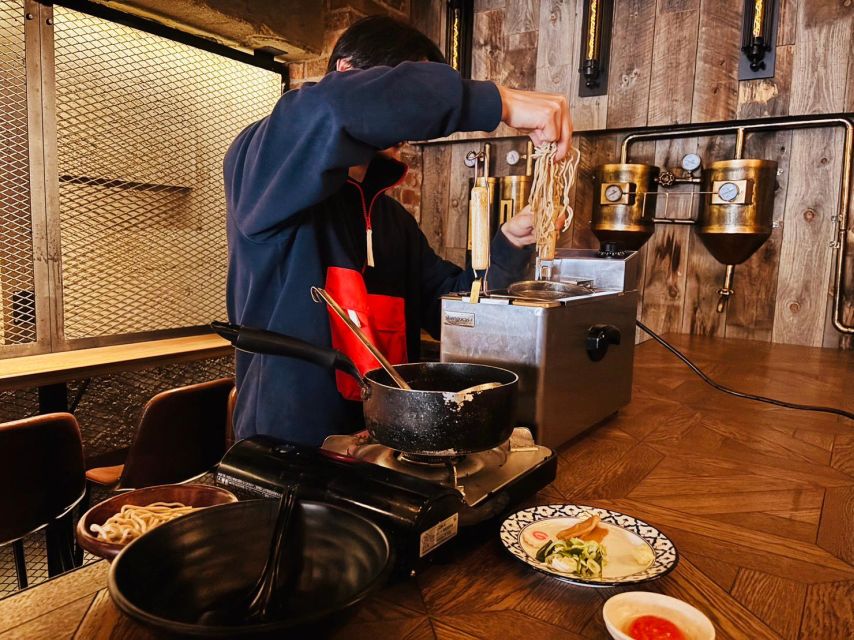
This is not a vegetarian-friendly class. The soup contains pork, chicken, and beef, and the experience is specifically unsuitable for vegans, vegetarians, and people with gluten intolerance.
The secret soup recipe creates another limit. Staff cannot tell you every ingredient, so this is not the right activity for anyone who needs complete allergen information before eating. You should also avoid assuming that choosing different toppings will remove meat from the broth.
There is no stated promise of halal, kosher, gluten-free, or allergy-safe preparation. If any of those conditions matter to you, skip this class unless the provider gives you clear confirmation before booking.
Who will enjoy this most?
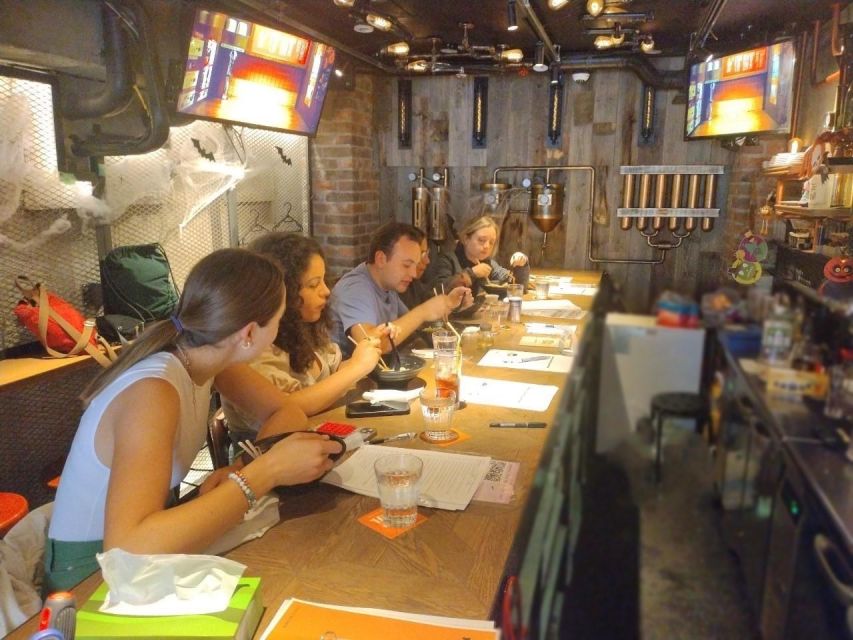
I would recommend the class to first-time visitors who want a simple introduction to Japanese cooking. It also suits people who love ramen but have never thought about the work behind the bowl.
It works well for couples and families with older children, especially when you want an activity that is social but not too long. Solo visitors can fit in easily, and a small group gives you a better chance to speak with the instructor.
The class is less suitable for serious home cooks seeking a full technical course. Since the broth and noodles are not made entirely from raw ingredients during the hour, you will learn the structure and finishing process rather than master every stage.
Book it if you value a friendly lesson, a filling meal, and a central Shinjuku location. Skip it if you need strict dietary control, dislike meat-based stock, or want to make noodles and soup completely from scratch.
Final verdict on the Shinjuku ramen experience
This is a short, affordable way to turn a familiar Japanese dish into a hands-on activity. I like the mix of food background, simple cooking, personal topping choices, and an included meal. The guides, including Tak, Hinata, Mikhail, Nina, and others, add warmth and practical Tokyo advice.
The main compromise is clear: you are not making the broth or noodles through the complete traditional process. For $29 and one hour, that is a reasonable limit, as long as you know it before arriving.
I would book this for a food-focused afternoon in Shinjuku, especially if you want something easy, social, and different from another restaurant stop. Allow extra time to find the upstairs venue, check any optional charges, and avoid it entirely if the meat-based secret broth conflicts with your diet.
FAQ
How long does the ramen cooking experience last?
The activity lasts one hour and ends when you finish eating the ramen you make.
Where does the class take place?
It takes place at Shinjuku Ale in Kabukicho, Shinjuku, on the second floor.
Is there an elevator?
No. The experience is on the second floor, and there is no elevator.
What is included in the $29 price?
The price includes the ramen cooking experience and the meal you prepare.
Are drinks included?
Bottled drinks and additional drinks are not included. Some booking options may include an alcoholic drink, but optional extras can cost more.
Can vegetarians or vegans join?
No. The activity is not suitable for vegans or vegetarians because the soup contains pork, chicken, and beef.
Does the class make ramen broth and noodles completely from scratch?
No. The class uses a shortened recipe. The noodles and soup require several days or many hours to prepare, so the full process is not completed during the one-hour session.
What should I bring?
Bring an ID card. A copy of the ID is accepted.
Can children participate?
Children under four are not suitable for the experience. Participants under 20 must be accompanied by a parent or guardian, and alcohol is prohibited by law for anyone under 20.
Just added around Tokyo
- Tokyo: Customizable Private Guided Walking Tour★ 4.5 · 129 reviews
- Private Harajuku Omotesando Architecture Tour★ 4.9 · 18 reviews
- Tokyo: Guided Helicopter Ride★ 4.9 · 24 reviews
- Tokyo: Guided Walking Tour of Tsukiji Market with Lunch★ 4.4 · 24 reviews
- Tokyo: Private Personalized Local Food Tour★ 4.5 · 101 reviews
- Tokyo GINZA: KONPARU Japanese Cabaret Show with Drink★ 4.8 · 38 reviews
- Tokyo: Guided Walking Tour of Tsukiji Market with Breakfast★ 4.4 · 134 reviews
- Tokyo: Gotokuji Cat Temple, Shinjuku Cat Cafe & 3D Cat Tour★ 4.9 · 38 reviews
Cooking Classes, compared.
Ramen Cooking Class at Ramen Factory in Kyoto
Read our review →
Ramen & Gyoza Cooking Class in Tokyo with Local Supermarket Visit
Read our review →
Ramen Cooking Class at a Ramen Factory with Souvenir
Read our review →
Japanese Washoku Bento Small Group Cooking Class
Read our review →
Ramen and Sushi Cooking Class with Sake Pairing Set in Tokyo
Read our review →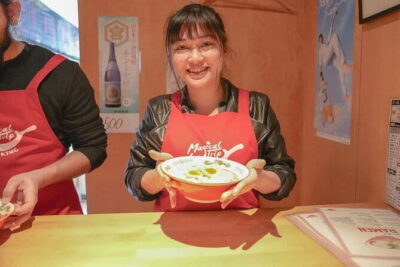
Kyoto Ramen and Gyoza Cooking Class with Professional Chefs
Read our review →Browse the lists this tour appears in