
REVIEW · JAPANESE COOKING CLASSES
Tokyo: Wagyu and 7 Japanese Dishes Cooking Class
Japanese cooking is less about flashy tricks than careful basics, and this three-hour Wagyu class gives you a generous taste of both. You prepare seven dishes plus the Wagyu centerpiece, then sit down to eat the full meal. The menu can include dashi-based miso soup, rolled omelet, sesame potato salad, stuffed tofu, cucumber salad, sukiyaki-style Wagyu, and dorayaki pancakes.
I like the small group of up to eight, which leaves room for questions and hands-on work. I also like that the recipes are practical enough to make at home, with tips on ingredient swaps and Japanese staples. The main thing to consider is the pace: seven dishes in about two and a half hours means this is a busy cooking session, not a slow culinary seminar.
In This Review
- Key points at a glance
- What this Tokyo cooking class is really about
- Finding the studio in Shinanomachi
- Starting with Japanese basics and dashi
- Preparing seven dishes without getting lost
- The Wagyu course and the full meal
- What makes the instructors effective
- Is $67 a fair price?
- The drawbacks to keep in mind
- Who should book this class?
- Should you book the Wagyu and seven-dish class?
- FAQ
- How long does the cooking class last?
- How many dishes do you make?
- Is Wagyu included in the meal?
- Is the class taught in English?
- What is included in the price?
- Can beginners join?
- Can dietary requirements be accommodated?
- How do you find the studio?
Key points at a glance
- Eight-part Japanese meal: Prepare seven Japanese dishes with Wagyu as the main course, then eat everything together.
- Everyday cooking, not sushi: Learn dashi, miso, omelet, salads, tofu, hotpot, and Japanese sweets.
- Small, friendly setting: The class is limited to eight participants and takes place in a clean residential studio.
- English instruction: Instructors explain techniques, ingredients, food customs, and useful cultural details in English.
- Recipes to take home: You receive recipes and practical suggestions for finding substitutes outside Japan.
- Good value for a full meal: At $67 per person, the class combines instruction, ingredients, equipment, and lunch.
What this Tokyo cooking class is really about
The Wagyu gets the headline, but the best part of the class is the wider look at Japanese home cooking. You are not spending three hours learning one difficult dish. Instead, you build a complete meal from small components, many of which teach a basic Japanese technique or ingredient.
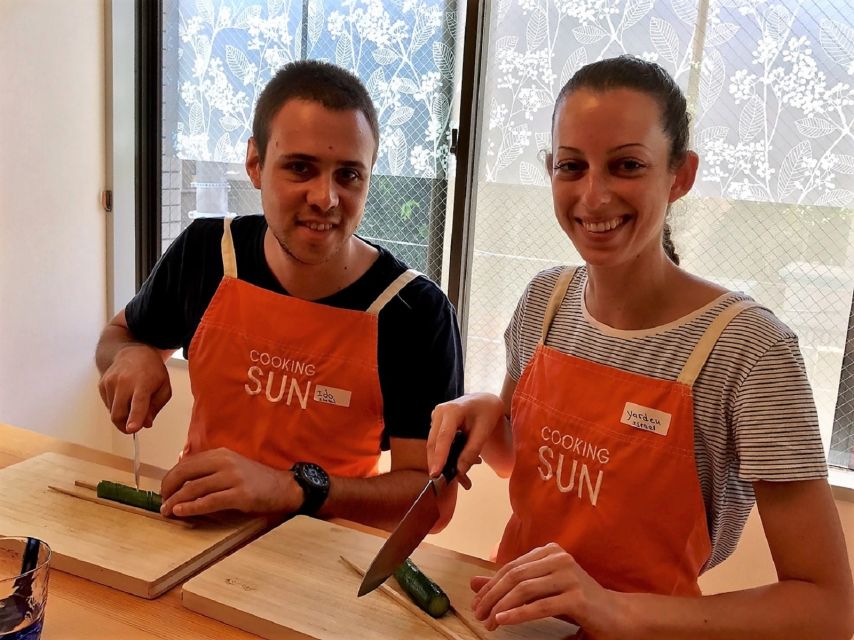
The class generally takes about 2.5 hours of cooking within a three-hour experience. English-speaking local instructors demonstrate each stage, then guide you as you work. The approach is designed for beginners, though anyone who already cooks will still pick up useful details about seasoning, presentation, and Japanese pantry ingredients.
The experience takes place with Cooking Sun in Shinjuku, in a residential neighborhood rather than a restaurant kitchen or a major sightseeing district. That setting gives the class a more personal feel. You are entering a working neighborhood, finding a modest studio, and cooking with local instructors who explain the food in a relaxed way.
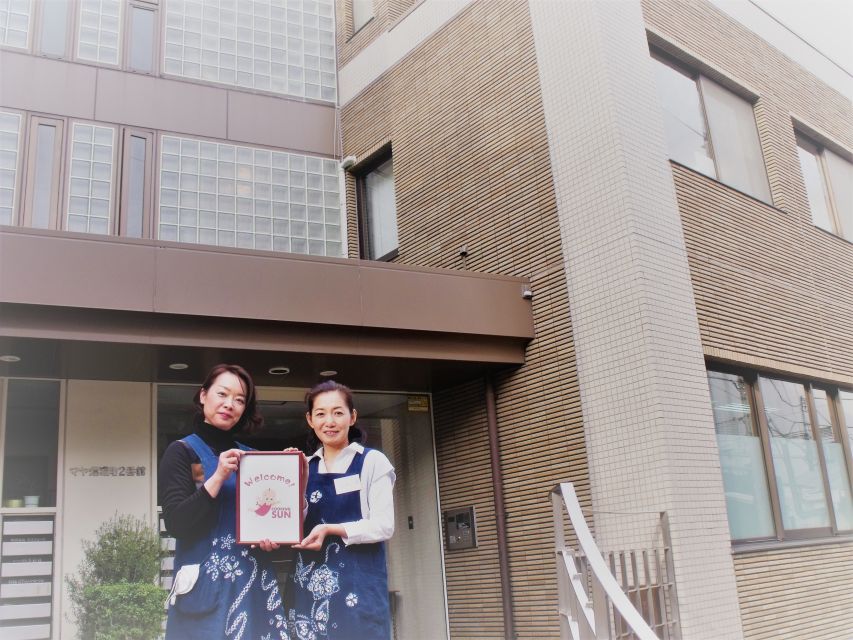
The studio is on the second floor of a beige residential building. At the entrance, use the right-hand door and press 314 on the intercom. This is not the sort of place you should rush toward at the last minute with no map, especially if you do not have mobile data.
More Japanese Cooking Classes in Tokyo
- Sushi Making Tokyo Roll and Authentic Japanese Sushi Class
★ 5.0 · 3,971 reviews - Tokyo: Roll and Authentic Sushi Making Class in Asakusa
★ 4.9 · 1,957 reviews - Tokyo: Sushi Making Class in a Happi Coat near a Famous Spot
★ 4.9 · 1,377 reviews
Finding the studio in Shinanomachi
The meeting point is in Shinanomachi, in Shinjuku-ku, and the building can be easy to miss. With Wi-Fi, search Google Maps for Cooking Sun Tokyo and use the address Shinanomachi 18-39, Shinjuku-ku, Tokyo.
I would save the map and detailed directions before leaving your hotel. The studio is in a quiet residential area, so you should not expect a large sign or a busy storefront to guide you. Allow a little extra time for the final walk from the station or your taxi drop-off.
Private vehicles are allowed, but the driver should not stop or wait in front of the building or along the neighborhood streets. If you have arranged a car, ask the driver to use a nearby coin-operated parking lot while waiting. This small courtesy matters in a quiet residential district.
There is no hotel pickup and no transportation included. You make your own way to the studio, which keeps the price down but puts the responsibility for navigation on you.
Starting with Japanese basics and dashi
The class begins with a welcome tea and an introduction to the menu. The instructors explain what you will make and how the different dishes fit together as a Japanese meal.
One useful lesson is dashi, the stock that forms the base of many Japanese soups and sauces. Making dashi from scratch helps you understand why Japanese food can taste full and savory without relying on heavy seasoning. You also get a chance to compare ingredients such as white and red miso, a small detail that can change the flavor and appearance of miso soup.
This early part of the class is valuable because it gives meaning to ingredients you may have seen in shops or restaurants without knowing how they are used. You are not simply following a recipe by numbers. The instructors explain the role of each item and offer tips for finding alternatives at home.
The teaching style is step by step. Instructors demonstrate first, then you copy the process at your station. The atmosphere is friendly rather than formal, and the group size allows for questions. Names mentioned by participants include Yuki, Yuki, Yuko, Kaori, and Bifuka, though the exact teaching team can vary by session.
Preparing seven dishes without getting lost
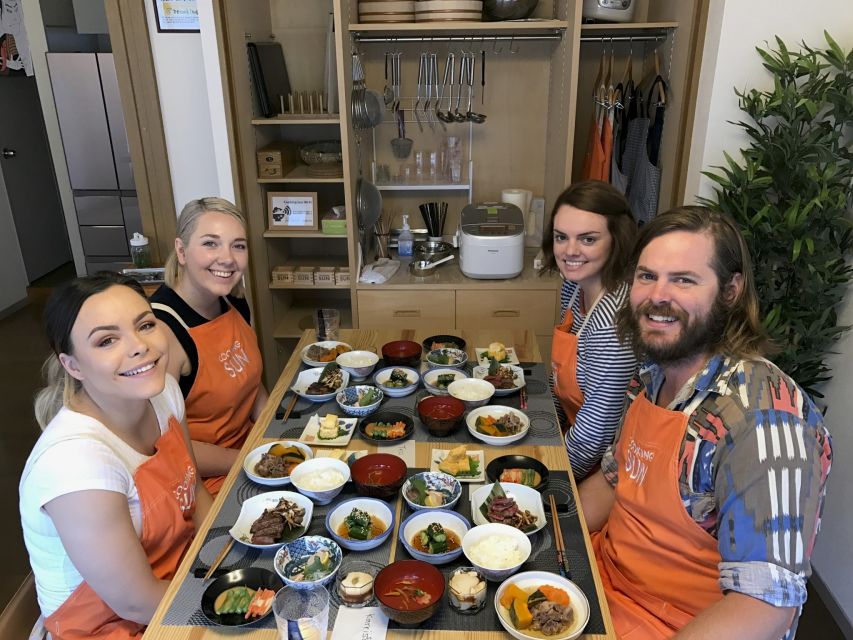
The menu is built to keep you moving. While one item cooks or rests, you work on another. That makes good use of the time, but it also means you should expect an active class with several tasks happening close together.
The exact seasonal menu may vary, but the dishes described include several useful examples:
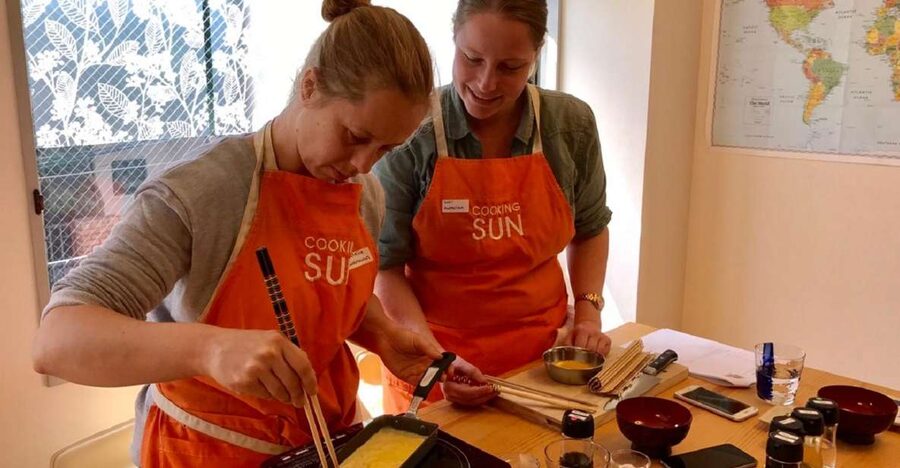
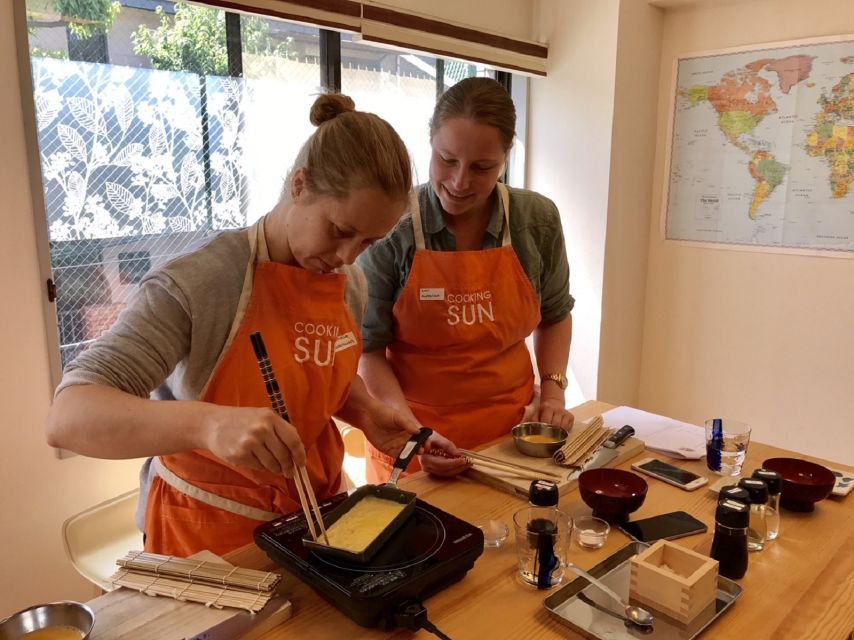
- A Japanese rolled omelet, which introduces a different approach to eggs than the thick Western-style omelet.
- Miso soup made with dashi from scratch.
- Cucumber salad, including an accordion-style cut that makes the vegetable flexible and attractive.
- Sesame potato salad.
- Tofu stuffed with ground chicken, ginger, and edamame.
- A Wagyu sukiyaki hotpot.
- Dorayaki-style rice flour pancakes for dessert.
This is a strong mix for a first Japanese cooking class. You get soup, vegetables, egg, tofu, meat, hotpot, and sweets. The variety also prevents the meal from becoming a single-note showcase for beef.
The techniques are approachable. You might learn a new knife cut or a different way to handle tofu, but the class is not presented as advanced chef training. That is good news if you want recipes you can repeat at home. If your main goal is professional knife work or elaborate restaurant plating, this will feel fairly gentle.
The instructors also explain how to replace ingredients outside Japan. That is an important practical touch. Some Japanese products can be difficult to find abroad, so suggestions for substitutions make the recipes more useful after your holiday ends.
Same city, a completely different kind of day:
- Mt Fuji and Hakone 1-Day Bus Tour Return by Bullet Train
★ 5.0 · 26,383 reviews - 1-Day Tokyo Bus Tour
★ 5.0 · 14,250 reviews - Tokyo: TOKYO SKYTREE® Admission ticket
★ 4.5 · 11,192 reviews - Tokyo: teamLab Planets TOKYO Digital Art Museum Entry Ticket
★ 4.6 · 9,779 reviews
The Wagyu course and the full meal
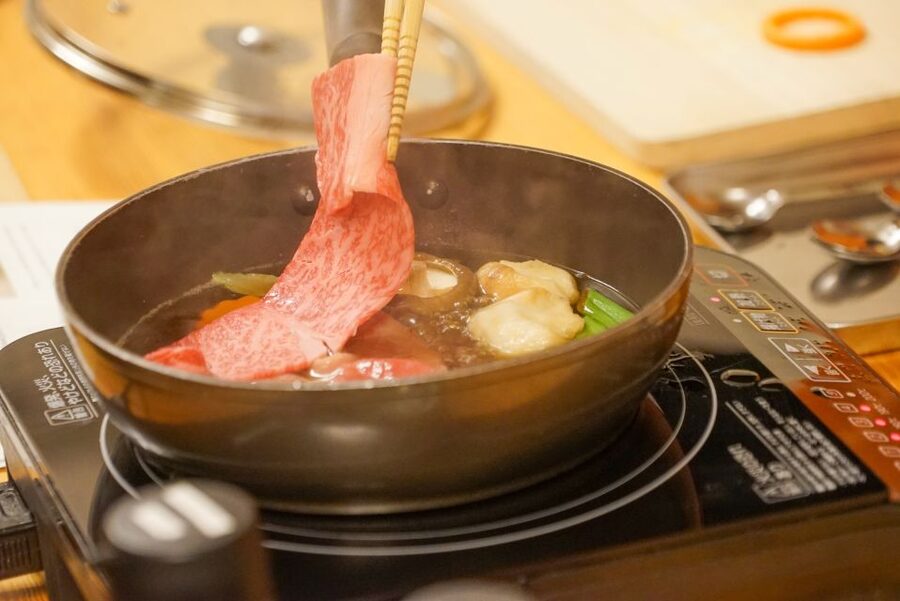
The Wagyu is the star of the menu, and you prepare it as part of a sukiyaki-style hotpot. This lets you experience the beef with a Japanese cooking method rather than simply receiving a prepared steak.
The appeal of Wagyu here is its tenderness and fat. Cut and cooked correctly, it brings a rich, soft texture to the meal. Since you prepare it yourself, you also see how little is needed to make good beef taste special. The other dishes provide contrast, from clear savory stock to fresh cucumber and sweet dorayaki.
One useful point is that this class does not focus on sushi. If you want to learn everyday Japanese food, this menu is more representative of the kinds of dishes that can appear in a home meal. It also works well for anyone who does not eat fish, since the menu centers on Wagyu and other non-fish dishes.
Once cooking is complete, you sit down and eat what you have made. This is not a quick tasting between demonstrations. You have prepared a substantial, full-course meal, so arrive ready to cook rather than having a large breakfast immediately beforehand.
The meal is also part of the lesson. You can see how the individual dishes work together and notice how Japanese cooking balances soup, vegetables, protein, and dessert. Eating at the end gives the class a satisfying finish, especially after a busy session.
What makes the instructors effective
The instructors speak English and explain both method and context. Their role is not just to tell you when to stir. They discuss ingredients, the background of dishes, and small customs connected with Japanese meals.
You may learn what different types of miso do, why dashi matters, how a particular vegetable is cut, or how a dish fits into Japanese food culture. The information stays tied to what you are cooking, so it does not feel like a separate lecture.
The teaching team also handles preparation and cleanup efficiently. That matters in a compact class with eight dishes. You spend your time cooking and learning rather than waiting for every ingredient to be measured.
The atmosphere is warm and encouraging, which makes this a good choice for solo visitors. You can work alongside other participants, ask questions, and share the final meal without needing to arrive with a group. Couples, families, and teenagers can also take part. An 11-year-old participant was able to enjoy the class, and the menu is simple enough for beginners to follow with guidance.
Is $67 a fair price?
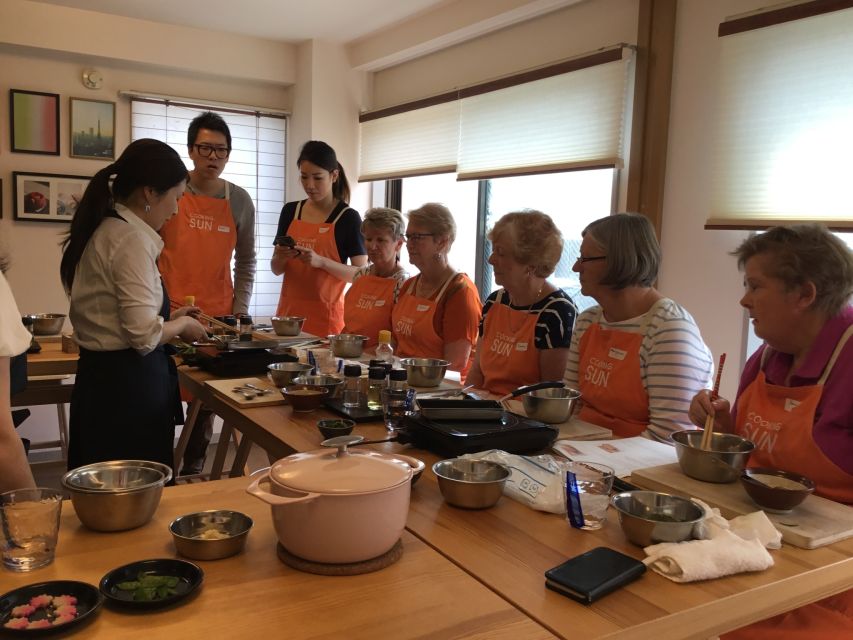
At $67 per person, the value is strong if you want more than a short demonstration. The price includes all ingredients, utensils, an apron and towel rental, welcome tea, recipes, instruction in English, and the meal you prepare.
Tokyo dining can easily cost $67 for a single special meal, particularly when Wagyu is involved. This class adds several hours of activity and gives you recipes and cooking skills to take home. You are paying for food, but also for access to local instructors and an explanation of how the dishes are made.
The value is highest if you enjoy participation. If you would rather sit quietly while someone else cooks, you may find the session too hands-on. You will be chopping, mixing, shaping, seasoning, and helping bring several dishes together.
The class also makes sense early in a Japan trip. Learning about dashi, miso, tofu, and everyday meal structure can help you understand restaurant menus and supermarket shelves during the rest of your visit. You may find yourself recognizing ingredients that seemed unfamiliar on your first day.
The drawbacks to keep in mind
The main drawback is the number of dishes. Seven dishes plus Wagyu sounds generous, and it is, but it creates a full schedule. You should expect a steady flow of demonstrations and tasks rather than a long, relaxed period devoted to one recipe.
The location is another small challenge. The residential studio is part of the charm, but it can be difficult to find. Save the directions before leaving, confirm the address, and look for the beige building and right-hand entrance.
You should also report dietary needs when booking. Ingredient substitutions can be made for allergies, gluten-free diets, religious restrictions, vegetarian preferences, and other requirements, but the instructors need notice in advance. Do not wait until you arrive to mention a serious allergy.
Finally, the class teaches practical home cooking more than advanced culinary technique. One participant specifically noted that the cutting and cooking methods are fairly easy. That is a benefit for most people, but experienced cooks looking for a demanding masterclass may want something more specialized.
Who should book this class?
I would recommend it to first-time visitors who want a friendly introduction to Japanese food beyond sushi and ramen. It is also a good fit for couples, families with older children, solo visitors, and anyone who likes to bring home a skill rather than only a photograph.
You will get the most from it if you enjoy tasting several types of food and do not mind working at a moderate pace. The English instruction makes it accessible, and the small group keeps the session personal.
This is less suited to someone seeking a quiet lunch, a luxury Wagyu tasting, or a highly technical chef lesson. The beef is an important part of the meal, but the real subject is the structure and flavor of Japanese home cooking.
The activity offers free cancellation up to 24 hours before the start time, and you can reserve now and pay later. Starting times vary, so check availability when choosing your date.
Should you book the Wagyu and seven-dish class?
I would book this class if you want a useful, food-focused morning or afternoon in Tokyo. The combination of Wagyu, dashi, miso, tofu, vegetables, omelet, and dorayaki gives you a better picture of Japanese cooking than a single-dish lesson.
The price is reasonable for the amount of food and instruction, and the recipes remain practical after you return home. Just prepare for a busy schedule, save the directions, and mention dietary needs when you reserve.
If that sounds like your kind of activity, Cooking Sun offers a rewarding way to spend three hours in Tokyo, with a full meal at the end and enough new ideas to change how you read a Japanese menu.
FAQ
How long does the cooking class last?
The full experience lasts three hours. The hands-on cooking portion takes about 2.5 hours, followed by time to eat the meal you prepare.
How many dishes do you make?
You prepare seven Japanese dishes, with Wagyu as the main highlight, for eight dishes in total.
Is Wagyu included in the meal?
Yes. Wagyu is included as the main meat dish, prepared in a sukiyaki-style hotpot.
Is the class taught in English?
Yes. The instructors provide English-language instruction and explain the ingredients, cooking methods, and cultural background of the dishes.
What is included in the price?
The price includes recipes, all ingredients and utensils, towel and apron rental, and welcome tea. Transportation and hotel pickup are not included.
Can beginners join?
Yes. The class is suitable for beginners and uses simple recipes with step-by-step demonstrations and guidance.
Can dietary requirements be accommodated?
Ingredient substitutions are available for food allergies, gluten-free diets, religious restrictions, vegetarian preferences, and other dietary needs. You must provide this information when booking.
How do you find the studio?
Search Google Maps for Cooking Sun Tokyo at Shinanomachi 18-39, Shinjuku-ku, Tokyo. The studio is on the second floor of a beige residential building. Use the right-hand entrance door and press 314 on the intercom.
More Workshops in Tokyo
- Tokyo Shinjuku Chopsticks Making Class
★ 5.0 · 1,763 reviews - Chopstick Making Workshop in Ginza
★ 4.8 · 1,366 reviews - Tokyo Sushi Making Class in Tsukiji with Professional Chef
★ 5.0 · 1,177 reviews - Matcha Making Class in Tokyo with Authentic Japanese Sweets Set
★ 5.0 · 744 reviews
More Cooking Classes in Tokyo
- Ramen & Gyoza Cooking Class in Tokyo with Local Supermarket Visit
★ 5.0 · 823 reviews - Tokyo: Easy Ramen Cooking Experience in Kabukicho, Shinjuku
★ 4.6 · 321 reviews - Ramen and Sushi Cooking Class with Sake Pairing Set in Tokyo
★ 5.0 · 291 reviews - Tokyo Washoku 4-hour Cooking Class: From Market to Table
★ 5.0 · 253 reviews
Just added around Tokyo
- Tokyo: Customizable Private Guided Walking Tour★ 4.5 · 129 reviews
- Private Harajuku Omotesando Architecture Tour★ 4.9 · 18 reviews
- Tokyo: Guided Helicopter Ride★ 4.9 · 24 reviews
- Tokyo: Guided Walking Tour of Tsukiji Market with Lunch★ 4.4 · 24 reviews
- Tokyo: Private Personalized Local Food Tour★ 4.5 · 101 reviews
- Tokyo: Guided Walking Tour of Tsukiji Market with Breakfast★ 4.4 · 134 reviews
- Tokyo: Gotokuji Cat Temple, Shinjuku Cat Cafe & 3D Cat Tour★ 4.9 · 38 reviews
- Tokyo GINZA: KONPARU Japanese Cabaret Show with Drink★ 4.8 · 38 reviews
Japanese Cooking Classes, compared.
Sushi Making Tokyo Roll and Authentic Japanese Sushi Class
Read our review →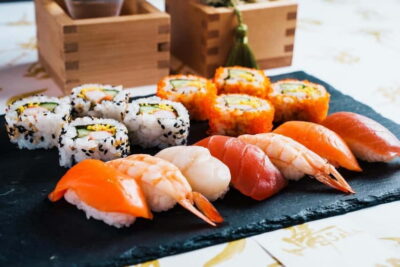
Roll and Authentic Sushi Making Class in Asakusa
Read our review →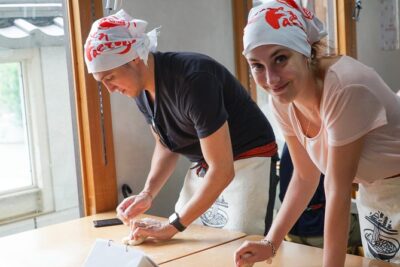
Ramen Cooking Class at Ramen Factory in Kyoto
Read our review →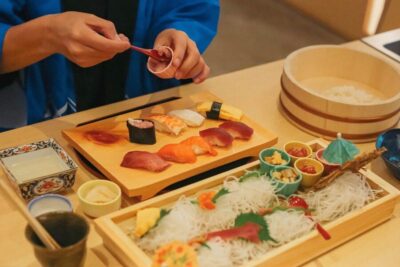
Sushi Making Class in a Happi Coat near a Famous Spot
Read our review →
Sushi Making Osaka Roll and Authentic Japanese Sushi Class
Read our review →
Tokyo Sushi Making Class in Tsukiji with Professional Chef
Read our review →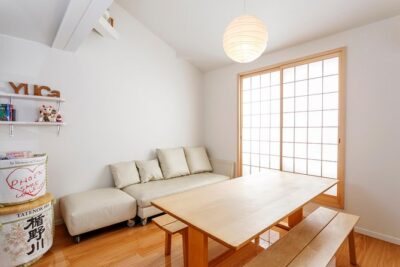
Ramen & Gyoza Cooking Class in Tokyo with Local Supermarket Visit
Read our review →
Tsukiji Fish Market Guided Tour and Sushi Making with Pro Chef
Read our review →Browse the lists this tour appears in