REVIEW · JAPANESE COOKING CLASSES
Ramen and Sushi Cooking Class with Sake Pairing Set in Tokyo
Tokyo has plenty of food tours, but this one puts you at the counter with a knife, a bowl of rice, and a simmering ramen broth. You make sushi, build ramen from broth to toppings, and taste sake chosen to go with the meal. Sato and her team keep the class personal, with a maximum of eight people.
I like the small-group format, which gives you a fair chance to ask questions and get help with sushi technique. I also like the mix of cooking and culture: a quiz, food stories, and practical tips make this more than a meal with a recipe card.
The main consideration is time. Three hours passes quickly, and ramen is not as hands-on as sushi, since some of the broth preparation is done for you or organized ahead. At $79.59 per person, the price is fair if you value instruction, food, and drinks together, but it is not the cheapest way to eat ramen in Tokyo.
In This Review
- Key points at a glance
- Starting in Tsukuda with a small group
- Making sushi instead of just eating it
- Building ramen broth from scratch
- Sake pairing with the meal
- Food stories, tips, and a bit of fun
- What the three-hour schedule feels like
- Is $79.59 a good value?
- Who will enjoy this Tokyo cooking class?
- Practical details before you book
- Should you book it?
- FAQ
- How long does the ramen and sushi cooking class last?
- Where does the activity start and end?
- What is included in the price?
- How many people can join the class?
- Is hotel pickup included?
- What is the cancellation policy?
Key points at a glance
- Maximum eight people: You get close instruction instead of trying to see a demonstration across a crowded room.
- Sushi is the most hands-on part: You shape and prepare your own sushi, with help when the rice, knife work, or presentation gets tricky.
- Ramen includes broth from scratch: You learn how the savory base comes together, then customize the finished bowl.
- Sake is part of the meal: Selected sake is served with the dishes, and all drinks are included.
- The setting has a river view: The Tsukuda location adds a pleasant sense of place to the cooking session.
- The class suits food-focused visitors: You leave with techniques and stories you can use at home, not just a full stomach.
Starting in Tsukuda with a small group
The class meets at HAUS Tsukishima, at 2-chōme 13-5 Tsukuda, Chuo City, Tokyo 104-0051. The area is near public transportation, and the activity returns to this same meeting point at the end.
That return-to-start setup is useful in Tokyo. You do not need to arrange a taxi from a distant neighborhood or guess where the meal will finish. Still, allow enough time to find the address. The meeting point is given as a specific building address, so checking your route before leaving is sensible.
The class is capped at eight people. That number matters more than it may sound. Sushi has small but important details: how firmly to press the rice, how much filling to use, and how to keep each piece together. In a large class, you may spend much of your time watching someone else. Here, you have a better chance of getting direct help from the instructor.
The teaching team includes Sato, Ryushi, Kaori, and Taka. The particular instructors can vary, but the teaching style is consistently described as warm, polite, and easy to follow. That relaxed tone is valuable if you are nervous about handling sushi rice or using unfamiliar ingredients.
More Japanese Cooking Classes in Tokyo
- Sushi Making Tokyo Roll and Authentic Japanese Sushi Class
★ 5.0 · 3,971 reviews - Tokyo: Roll and Authentic Sushi Making Class in Asakusa
★ 4.9 · 1,957 reviews - Tokyo: Sushi Making Class in a Happi Coat near a Famous Spot
★ 4.9 · 1,377 reviews
Making sushi instead of just eating it
Sushi is the main practical lesson. You prepare pieces yourself, then eat what you make. That simple change in viewpoint can make a familiar Japanese meal more interesting. You start noticing the balance between rice, fish or other toppings, seasoning, and shape.
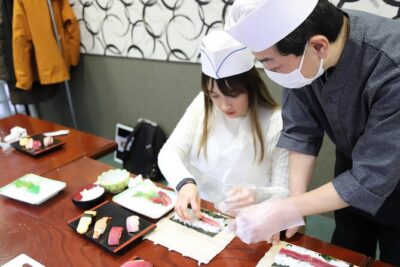
The class is especially useful if you have tried to learn sushi at home and found online videos too vague. Video instructions can show the motion, but they cannot correct your grip or tell you why your rice is falling apart. In this class, the instructor can demonstrate the technique close up and help you adjust it.
You should expect the sushi work to be the most active portion of the session. The precise steps are not fully listed, so the exact types and number of pieces may vary. What is clear is that ingredients are supplied, the food is prepared during the class, and you eat the finished meal as part of the activity.
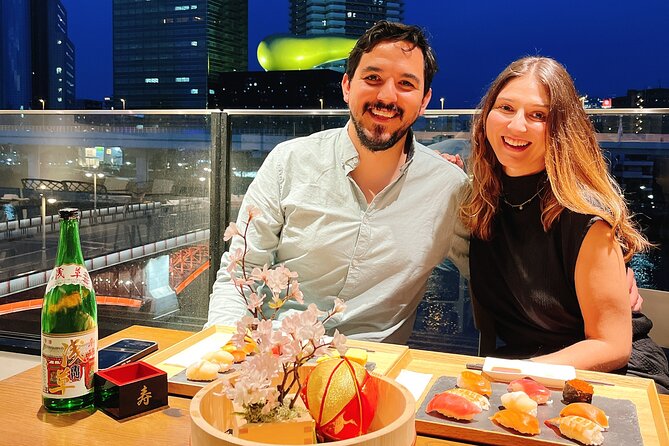
The setting also adds to the pleasure. One account describes a river view from the class space, giving you something pleasant to look at while the rice cools or the next step is explained. This is not a grand restaurant dining room. The appeal is the comfortable, personal setup.
Do not expect to become a professional sushi chef in three hours. You will, however, learn enough to approach sushi at home with more confidence. The useful lesson is not only how to make attractive pieces, but how to work calmly, follow proportions, and understand what each component contributes.
Building ramen broth from scratch
Ramen gives the class a second side. Sushi is about careful assembly. Ramen is about broth, texture, toppings, and the way separate parts come together in one bowl.
The class teaches you to prepare a savory broth from scratch, then finish the ramen with toppings. Pork belly is specifically praised as part of the dish, and you can customize the bowl to some degree. That makes the ramen lesson practical: you see how a basic broth becomes a meal through seasoning and additions.
The ramen portion is less hands-on than the sushi portion. That is not necessarily a flaw. Broth often needs time and careful preparation, and a short class cannot reproduce every step of a long restaurant process. Instead, you get the useful framework: how the broth is built, what makes it savory, and how toppings affect the final bowl.
If you want a class where every minute involves chopping, stirring, or rolling, this may feel uneven. If you want to understand Japanese food without spending a full day in a kitchen, the balance works well. You get instruction without turning the afternoon into hard labor.
The two dishes also make a sensible pair. Sushi teaches clean handling and presentation. Ramen shows you how warmth, seasoning, and texture work together. You can take different lessons from each dish when you cook at home.
Sake pairing with the meal
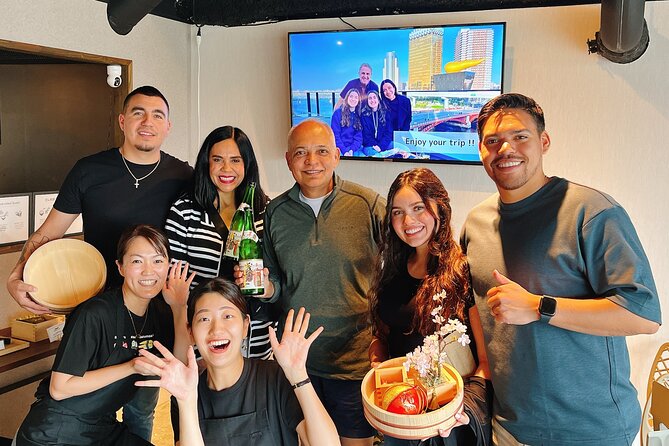
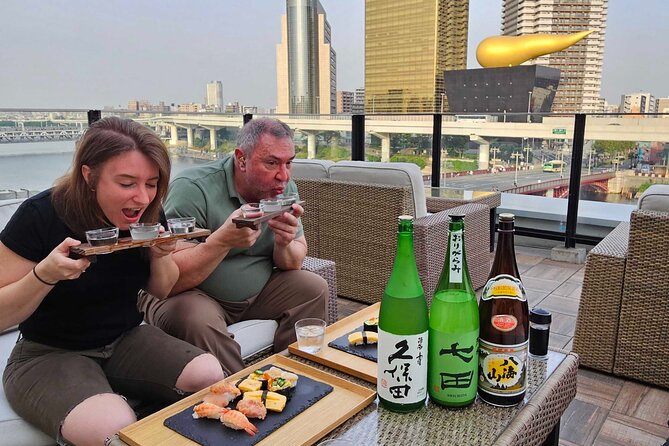
Sake is included, not an optional add-on. The class serves a selection chosen to complement the food, and all drinks are covered in the booking price.
That pairing element gives the class more context than a simple tasting. You can compare how sake works with sushi and how it feels alongside the stronger, savory flavors of ramen. The exact bottles and number of pours are not specified, so do not book this expecting a formal sommelier-style tasting with a fixed list.
The sake is described as smooth and high quality. More important for many people, the tasting is built into the meal rather than treated as a separate purchase. You can focus on the food and ask questions as the class moves along.
If you do not drink alcohol, check the provider’s current arrangements before booking. The supplied details say all drinks are included, but they do not spell out nonalcoholic alternatives. Service animals are allowed, and the activity is near public transportation.
More Sake & Bar Hopping Tours in Tokyo
- Tokyo Bar Hopping Tour in Shinjuku (All-You-Can-Drink + Dinner)
★ 5.0 · 3,587 reviews - Best of Shinjuku: Izakaya Food Tour (4 Stops, 14+ Tastings)
★ 5.0 · 1,863 reviews - Tokyo: Shinjuku Local Bar and Izakaya Guided Walking Tour
★ 4.9 · 1,794 reviews - Shibuya Meltdown Nightlife Tour: All-You-Can-Drink Bar Hopping
★ 5.0 · 1,058 reviews
Food stories, tips, and a bit of fun
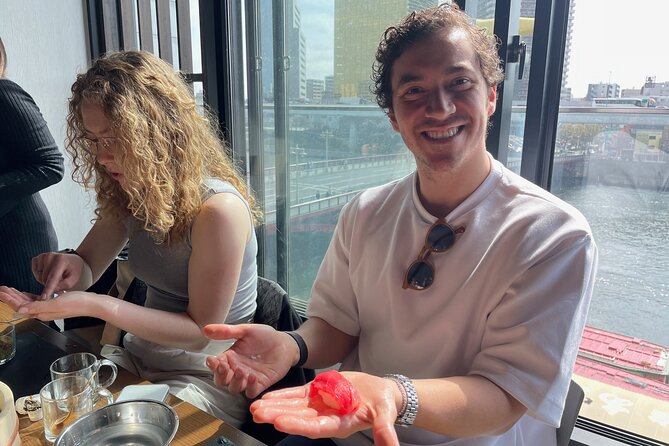
The class is not limited to recipes. The instructors explain Japanese culinary culture and the background of the dishes. A quiz about sushi and ramen history and facts is also part of the session, adding a light break from kitchen work.
I like this approach because food makes more sense when you know why it is prepared in a certain way. A tip about sushi rice, broth, or presentation becomes easier to remember when it is linked to a story. The lesson also helps you avoid treating Japanese cuisine as a set of decorative tricks.
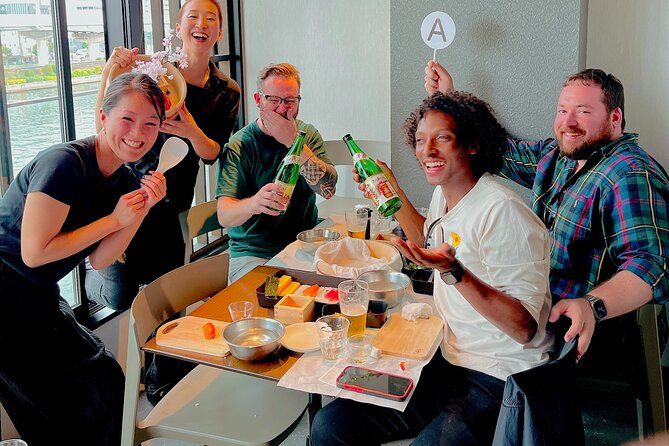
The guides are praised for making people feel at ease. That matters in a class where you may make an uneven roll or need to try a technique more than once. The tone is friendly rather than stern, with room for questions and a few laughs.
You should still keep your expectations realistic. This is a three-hour introduction, not a culinary school course. You get professional tips and useful methods, but the precise depth depends on the group, the instructor, and the dishes prepared that day.
What the three-hour schedule feels like
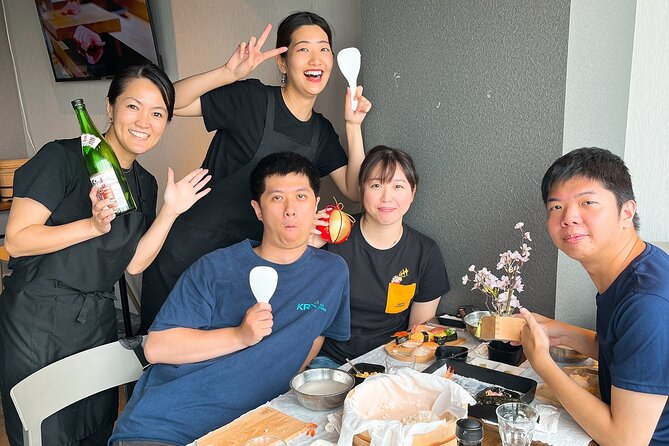
The published timing is approximately three hours. The class begins with instruction and preparation, moves through sushi and ramen work, includes sake and the meal, and ends back at the meeting point.
A likely rhythm is:
- An introduction to the instructors, ingredients, and Japanese food customs
- Hands-on sushi preparation with close guidance
- Ramen broth instruction and assembly of the finished bowl
- Sake tasting alongside the dishes
- Eating the food you prepared and wrapping up at the original location
The exact order is not provided, so the session may not follow this sequence minute by minute. You should plan the class as a complete three-hour activity rather than something to squeeze between two tightly timed attractions.
You will not go away hungry. The meal includes the ingredients used in class, and the food is served as part of the activity. That makes the timing easy for an afternoon or evening plan, though you may want to avoid booking another major food stop immediately afterward.
Is $79.59 a good value?
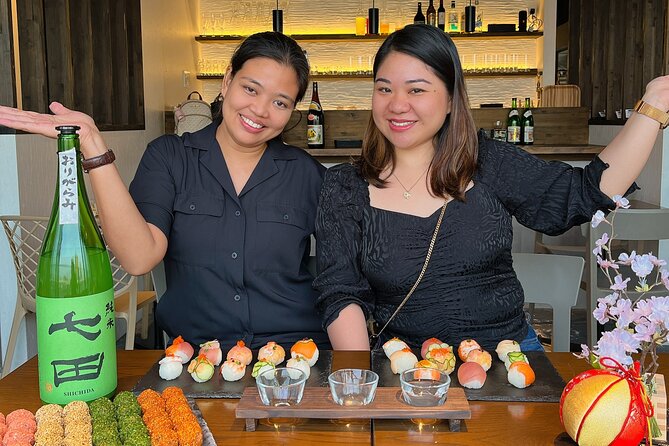
At $79.59 per person, this class sits above the cost of simply ordering sushi or ramen. That comparison misses the point. You are paying for instruction, ingredients, a meal, sake, an English-speaking guide, and a small group.
The value is strongest for couples, families, and solo visitors who want an activity with something to take home mentally. The techniques and explanations can influence how you cook later. You also get a social meal without needing to navigate a Japanese menu or wonder what you ordered.
The value is weaker if your only goal is to eat excellent ramen as cheaply as possible. Tokyo has countless places where you can enjoy a bowl for far less than the class price. It is also not the best match for someone who dislikes group activities or already has extensive sushi-making experience.
The maximum group size helps justify the fee. Personal attention is often the expensive part of a cooking class, and eight people is small enough for the teacher to notice when someone needs help. All drinks being included also keeps the final cost clearer.
Who will enjoy this Tokyo cooking class?
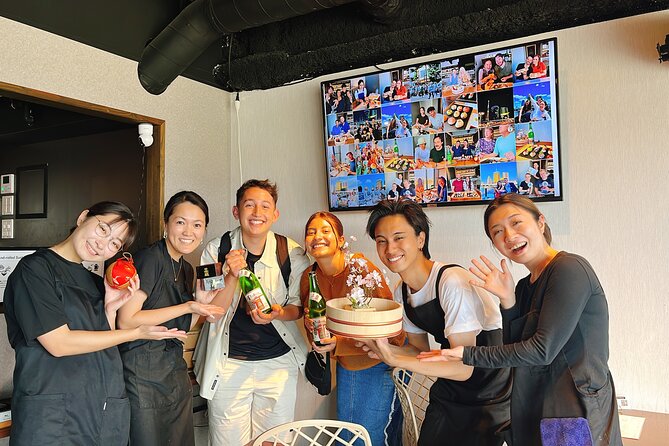
I would choose this for a food-focused first-time visitor who wants an activity with a local feel but does not speak Japanese. The English-speaking instructor removes much of the guesswork, while the class gives you a closer look at dishes you might otherwise only order.
It also works well for couples. You cook together, share the meal, and have plenty of time for conversation in a friendly setting. Families may enjoy it too, provided everyone is comfortable with a three-hour class and the food preparation involved.
It is a good option for anyone who has tried making sushi at home and become frustrated. Direct correction is the main advantage over watching online instruction. You may still need practice afterward, but you will have a clearer starting point.
I would think twice if you want a highly technical ramen course. The ramen section is more guided and customizable than fully hands-on, while sushi receives more of the close instruction. Likewise, people who do not drink should confirm drink options before paying.
Practical details before you book
Your mobile ticket should be available after booking, and confirmation is provided at the time of booking. The tour does not include hotel pickup or drop-off, so you are responsible for reaching HAUS Tsukishima and returning from the meeting point after the class.
The activity allows service animals and operates near public transportation. The maximum is eight participants, though the actual group may be smaller. One particularly personal session had only five people, and another had just two participants plus the instructors, but you should book on the assumption that the full group could attend.
Cancellation is flexible if you act early. You can cancel at least 24 hours before the local start time for a full refund. Cancellations or changes made within 24 hours are not accepted and are not refunded.
The provider is Sushi Making Tokyo Cooking Class in Japan. Since instructors can include Sato, Ryushi, Kaori, and Taka, you may meet different members of the team depending on the date.
Should you book it?
Yes, if you want to do more than eat Japanese food in Tokyo. The small group, personal sushi coaching, ramen lesson, river view, sake pairing, and included meal make this a well-rounded three-hour activity.
Book it especially if you like friendly instruction, want practical cooking advice, or have struggled to make sushi at home. The class is also a smart choice for a rainy day or for an afternoon when you want a break from shrines, shopping, and train stations.
Skip it if you are seeking a full ramen apprenticeship, a cheap meal, or a strictly alcohol-free event without first confirming drink choices. For most food-minded visitors, though, $79.59 buys a useful lesson, a social experience, and enough lunch or dinner to make the cost feel reasonable.
FAQ
How long does the ramen and sushi cooking class last?
The class lasts approximately three hours.
Where does the activity start and end?
It starts at HAUS Tsukishima, Japan, 104-0051 Tokyo, Chuo City, Tsukuda, 2-chōme 13-5. It ends back at the same meeting point.
What is included in the price?
The price includes an English-speaking instructor, cooking-class ingredients, the meal you prepare, and all drinks, including the sake pairing.
How many people can join the class?
The activity has a maximum of eight participants. The actual group may be smaller.
Is hotel pickup included?
No. Hotel pickup and drop-off are not included. You must make your own way to the meeting point.
What is the cancellation policy?
You can cancel at least 24 hours before the local start time for a full refund. Cancellations or changes made less than 24 hours before the start time are not accepted and are not refunded.
More Drinking Tours in Tokyo
- Tokyo: Pub Crawl and Bar Tour
★ 4.5 · 951 reviews - Tokyo: Shinjuku Local Bar & Izakaya Crawl Tour
★ 5.0 · 890 reviews - Tokyo: Shinjuku Bar Hopping with All-You-Can-Drink & Dinner
★ 4.9 · 440 reviews - Shibuya: Local Bar & Izakaya Crawl
★ 4.9 · 354 reviews
More Cooking Classes in Tokyo
- Ramen & Gyoza Cooking Class in Tokyo with Local Supermarket Visit
★ 5.0 · 823 reviews - Tokyo: Easy Ramen Cooking Experience in Kabukicho, Shinjuku
★ 4.6 · 321 reviews - Tokyo: Wagyu and 7 Japanese Dishes Cooking Class
★ 4.9 · 273 reviews - Tokyo Washoku 4-hour Cooking Class: From Market to Table
★ 5.0 · 253 reviews
Just added around Tokyo
- Tokyo: Customizable Private Guided Walking Tour★ 4.5 · 129 reviews
- Private Harajuku Omotesando Architecture Tour★ 4.9 · 18 reviews
- Tokyo: Guided Helicopter Ride★ 4.9 · 24 reviews
- Tokyo: Guided Walking Tour of Tsukiji Market with Lunch★ 4.4 · 24 reviews
- Tokyo: Private Personalized Local Food Tour★ 4.5 · 101 reviews
- Tokyo: Gotokuji Cat Temple, Shinjuku Cat Cafe & 3D Cat Tour★ 4.9 · 38 reviews
- Tokyo GINZA: KONPARU Japanese Cabaret Show with Drink★ 4.8 · 38 reviews
- Tokyo: Guided Walking Tour of Tsukiji Market with Breakfast★ 4.4 · 134 reviews
Japanese Cooking Classes, compared.
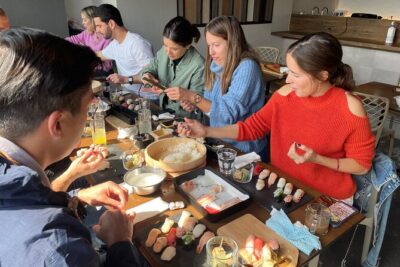
Sushi Making Tokyo Roll and Authentic Japanese Sushi Class
Read our review →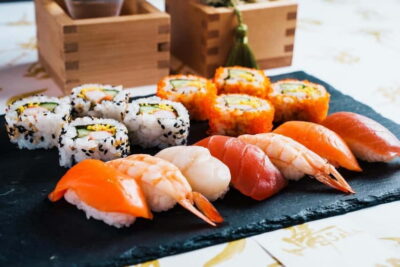
Roll and Authentic Sushi Making Class in Asakusa
Read our review →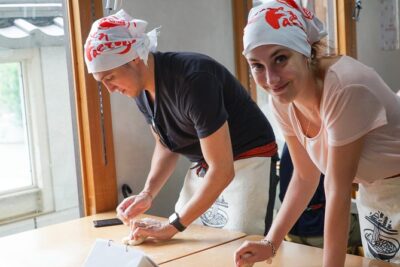
Ramen Cooking Class at Ramen Factory in Kyoto
Read our review →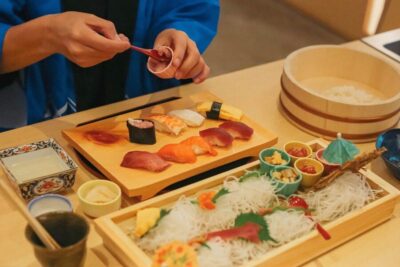
Sushi Making Class in a Happi Coat near a Famous Spot
Read our review →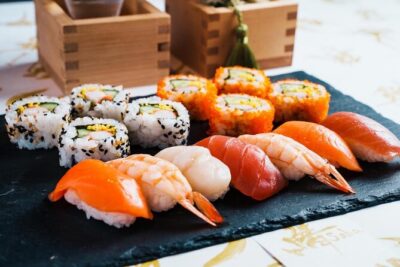
Sushi Making Osaka Roll and Authentic Japanese Sushi Class
Read our review →
Tokyo Sushi Making Class in Tsukiji with Professional Chef
Read our review →
Ramen & Gyoza Cooking Class in Tokyo with Local Supermarket Visit
Read our review →