
REVIEW · JAPANESE COOKING CLASSES
Shibuya Tokyo: Sushi Making Class (Vegan/Vegetarian/Halal)
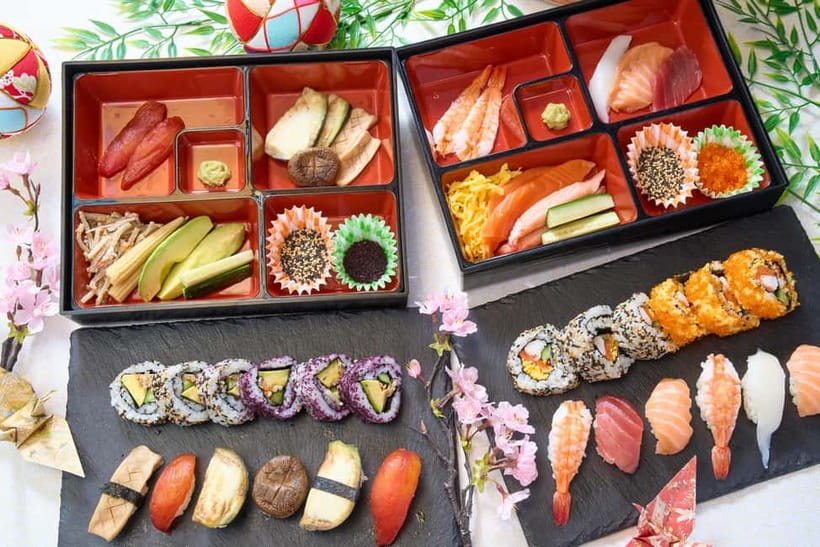
Making sushi in Tokyo usually means eating it. This class lets you make your own rolls and nigiri, using vegetables such as eggplant, mushrooms, tomato, and avocado. The format is friendly and practical, with a short sushi-history quiz before you pick up a knife or rolling mat.
I like the dietary flexibility, especially for vegan and vegetarian visitors who can have a hard time finding clearly suitable Japanese food. I also like the warm, patient teaching style reported by participants, with instructors including Momoyo and Kaito offering clear guidance. The main drawback is that the studio can take extra time to find, so do not arrive at the last minute.
In This Review
- Key points at a glance
- Why this Shibuya sushi class is different
- Starting with a sushi-history quiz
- Learning the ingredients before rolling
- Rolling California rolls without the pressure
- Shaping nigiri, Japan’s iconic sushi style
- A friendly class led in English
- Eating the sushi you made
- What the $58 price really covers
- Getting to the studio in Shibuya
- Who will enjoy this experience most
- Important details before booking
- Should you book the Shibuya sushi class?
- FAQ
- How long does the sushi-making class last?
- How much does the experience cost?
- Where does the class take place?
- Is the class taught in English?
- Are vegan and vegetarian options available?
- Can I request a halal-friendly menu?
- Is there a gluten-free option?
- What happens if I have an allergy or dietary restriction?
- What sushi will I learn to make?
- Can I cancel for a refund?
Key points at a glance
- A 90-minute hands-on class: You make California rolls and nigiri, then eat what you prepare.
- Designed for special diets: Vegan, vegetarian, halal-friendly, and gluten-free options are available when requested in advance.
- A useful Shibuya location: The studio is about a seven-minute walk from Shibuya Station, though the exact meeting point can vary by booking option.
- More than a cooking lesson: A short quiz introduces sushi history in a relaxed, easy-to-follow way.
- English instruction: Local English-speaking staff explain the ingredients, techniques, and rolling process.
- A good meal as well as an activity: The food you prepare is included, making the $58 price easier to judge as both a class and lunch or dinner.
Why this Shibuya sushi class is different
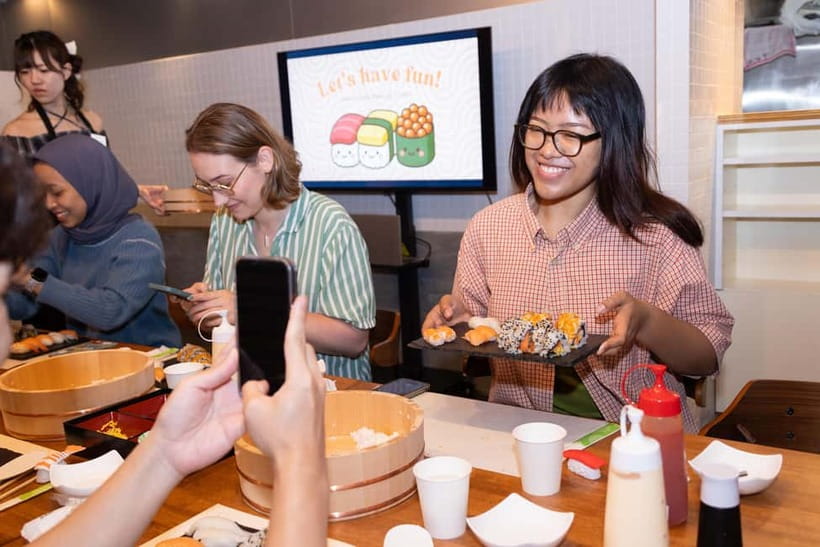
This is not a formal chef-training session, and it does not promise advanced sushi technique. Its appeal is simpler: you get a cultural activity, a meal, and a cooking skill you can try again at home, all within 90 minutes.
The class focuses on vegan and vegetarian sushi, but it also offers halal-friendly and gluten-free arrangements. That makes it more useful than many standard sushi lessons, where the menu may be fixed around seafood, soy sauce, or ingredients that do not suit every diet.
You work with fresh vegetables such as eggplant, mushrooms, tomato, and avocado. The food is not presented as a substitute for fish sushi. Instead, the class shows how texture, color, seasoning, and shape can make vegetable sushi satisfying in its own right.
The setting in Shibuya adds convenience. You can fit the lesson between shopping, sightseeing, and an evening meal without crossing Tokyo for a specialist food experience. Still, Shibuya’s streets and buildings can make a small studio harder to locate than you might expect, so allow extra time.
More Japanese Cooking Classes in Tokyo
- Sushi Making Tokyo Roll and Authentic Japanese Sushi Class
★ 5.0 · 3,971 reviews - Tokyo: Roll and Authentic Sushi Making Class in Asakusa
★ 4.9 · 1,957 reviews - Tokyo: Sushi Making Class in a Happi Coat near a Famous Spot
★ 4.9 · 1,377 reviews
Starting with a sushi-history quiz
The class begins with a short quiz about sushi. This is a smart opening because it gives you a little context before the practical work starts, without turning the experience into a long lecture.
You can expect surprising facts about how sushi developed and became one of Japan’s best-known foods. The quiz also gives people a natural way to talk to one another before the cooking starts. That matters if you arrive alone or find yourself in a mixed group.
The history section is brief and light. You are not signing up for a specialist food-history seminar, and that is part of the appeal. The class keeps the cultural information connected to what you will soon prepare and eat.
I would pay attention here, especially if this is your first food class in Japan. Knowing a little about sushi before handling the ingredients makes the activity feel less like a generic cooking workshop and more like a small introduction to Japanese food culture.
Learning the ingredients before rolling
After the quiz, the instructors introduce the ingredients and basic methods. The emphasis is on making sushi that looks good and tastes good, not on testing your cooking ability.
That beginner-friendly approach is important. You do not need prior experience, and the staff explain each stage in English. The instructors are local, and the class has earned repeated praise for its clear instructions, patient manner, and easy conversation.
The vegetable selection gives you several textures to work with. Eggplant and mushrooms can bring a soft, savory quality. Tomato and avocado add color and freshness. The exact menu may vary, so you should treat these as representative ingredients rather than a guaranteed complete list.
If you have allergies or strict dietary needs, tell the provider when you book. Menu changes cannot be made on the day, so last-minute requests may not be possible. This is one of the most important practical points in the entire experience.
The gluten-free option also requires advance notice. The same applies to vegan, vegetarian, and halal-friendly choices. The class is built to accommodate these needs, but the kitchen needs to prepare the correct ingredients before you arrive.
Rolling California rolls without the pressure
The California roll portion gives you the most familiar introduction to sushi-making. You learn how to place ingredients, manage the rice, and roll everything into a neat shape.
The trick is usually control. Too much filling makes the roll difficult to close. Too much rice can hide the vegetables and make each piece heavy. The instructor’s job is to show you how much to use and how to apply even pressure.
You should expect to make mistakes. That is part of the fun, and the class is intended to be interactive rather than polished from the first attempt. The instructors guide your hands through the process and offer tips to help the finished roll hold together.
The finished pieces are also part of the experience. Staff can take photos of your sushi before you eat it, giving you a record of the activity without requiring you to stop and manage your phone while cooking.
For families and couples, the roll-making stage creates an easy shared task. Solo participants also have a natural structure for meeting others, since everyone is working through the same steps at the same time.
Same city, a completely different kind of day:
- Mt Fuji and Hakone 1-Day Bus Tour Return by Bullet Train
★ 5.0 · 26,383 reviews - 1-Day Tokyo Bus Tour
★ 5.0 · 14,250 reviews - Tokyo: TOKYO SKYTREE® Admission ticket
★ 4.5 · 11,192 reviews - Tokyo: teamLab Planets TOKYO Digital Art Museum Entry Ticket
★ 4.6 · 9,779 reviews
Shaping nigiri, Japan’s iconic sushi style
The class also includes nigiri, the compact form of sushi made by shaping rice and placing a topping over it. Here, the topping is adapted to the dietary option you select.
Nigiri looks simple, but its shape depends on gentle handling. Press too hard and the rice becomes dense. Use too little pressure and it may fall apart. The instructor’s demonstrations help you see the difference between a piece that merely stays together and one that looks like sushi.
This is a useful part of the lesson because nigiri connects directly with the food you see throughout Japan. Even in a vegetable-focused class, you learn about proportion, presentation, and the relationship between rice and topping.
The lesson is not designed to turn you into a sushi chef in an hour and a half. It does give you enough technique to repeat the basic process at home. You leave with practical knowledge rather than just a few photographs.
A friendly class led in English
The English instruction is one of the strongest practical reasons to book. The staff explain the process directly, answer questions, and keep the mood relaxed.
Momoyo has received particular praise for making the class easy and enjoyable, while Kaito and Momoyo have both been described as enthusiastic instructors who helped make the activity feel special. Other participants have singled out the staff’s patience, politeness, and clear explanations.
That personal approach matters more in a cooking class than it does on a standard sightseeing stop. If you miss a step, you need help right away. If you are unsure how much rice to use, a friendly correction can save the entire roll.
The class also includes conversation about sushi culture along the way. You are not simply following a printed recipe. You hear small stories and explanations while working, which helps the activity feel connected to Japan rather than transplanted from a cooking school elsewhere.
The available information does not specify the class size, so you should not book expecting a private lesson. The exact meeting point can also depend on the option chosen. Confirm those details when making your reservation.
Eating the sushi you made
At the end, you sit down and eat your work. This is more satisfying than it may sound. The food has required your attention, and even an imperfect roll feels rewarding when you made it yourself.
The portion is described as a substantial meal by one participant, but the exact amount may depend on the menu and dietary option. I would see the food as an important part of the value, not as a substitute for a full restaurant meal for every appetite.
The meal also gives you time to ask final questions and look at the sushi before it disappears. If you want photographs, ask the staff before eating. They are happy to help capture the finished plates.
The taste will depend on the ingredients and your preparation. Fresh vegetables, properly prepared rice, and a decent roll can make a very good meal. You should not expect seafood flavors in the vegan or vegetarian version, but you can expect a colorful and filling introduction to vegetable sushi.
What the $58 price really covers
At $58 per person, this is not the cheapest food activity in Tokyo. The value depends on how you use it.
You receive a 90-minute guided class, an English-speaking instructor, fresh ingredients, cooking utensils, sushi-making tools, the quiz, the lesson, and the food you prepare. You also receive instruction that can be repeated at home, which gives the experience more lasting value than a meal that ends when the bill arrives.
The Shibuya location helps. You are paying for an activity in one of Tokyo’s most convenient districts, close to a major station and surrounded by other things to do. If you are already planning time in Shibuya, the class avoids the cost and hassle of making a separate trip across the city.
The price is harder to justify if you mainly want to eat sushi or if you have little interest in cooking. A restaurant will offer more menu choice and may cost less. This class is best judged as a food lesson and cultural activity with lunch or dinner included.
For someone seeking vegan or vegetarian food in Tokyo, the value improves. You get a clearly arranged menu, English help, and the chance to prepare the meal yourself. For strict dietary requirements, advance communication remains essential.
Getting to the studio in Shibuya
The studio is about a seven-minute walk from Shibuya Station. That sounds simple, and the distance is manageable, but Shibuya’s streets can be confusing when you are trying to match a small venue with a booking confirmation.
One participant specifically advised allowing extra time to find the venue. I would arrive early, keep the meeting details open on your phone, and avoid scheduling another activity immediately after the class.
The meeting point may change according to the option you book. Check the final instructions rather than relying only on the general Shibuya location.
Because the class lasts 90 minutes, punctuality matters. Arriving late could mean missing the quiz or the first ingredient demonstration, and those early steps help you understand the rest of the lesson.
Who will enjoy this experience most
This class suits you if you want a hands-on activity rather than another observation-only stop. It works particularly well for:
- Vegan and vegetarian visitors: The menu is designed to include you, not simply remove fish from a standard dish.
- Solo visitors: The quiz and shared cooking process make conversation easier.
- Couples and families: Rolling sushi gives everyone a task, including people with little cooking experience.
- First-time visitors to Japan: You get a small piece of food culture alongside a practical lesson.
- Food lovers on a tight schedule: The 90-minute format fits neatly into a day in Shibuya.
- People who want a souvenir skill: You can take the basic methods home and try them again.
It may suit you less if you want advanced knife work, a long chef-led demonstration, or a private kitchen. The focus is on accessibility, participation, and enjoyment.
Important details before booking
Book your dietary option at the same time as the class. The available choices are vegan, vegetarian, halal-friendly, and gluten-free. State allergies and food restrictions clearly because the menu cannot be changed on the day.
English is the listed teaching language. Audio recording is not allowed, so leave recording equipment at home. Photos of the finished sushi are welcomed, but ask the staff before taking pictures during the lesson.
The activity provider is Tabiji Partners Co., Ltd. The class has a 4.7 rating from 29 reviews, with especially strong praise for the instructors’ friendliness, clear teaching, clean studio, and relaxed atmosphere. Those are the qualities I would value most in a short cooking class, since poor instruction can make even a good menu frustrating.
Cancellation is free up to 24 hours in advance for a full refund. You can also reserve and pay later, which is useful when your Tokyo schedule is still shifting.
Should you book the Shibuya sushi class?
I would book this if you want to make food, not simply photograph it. The combination of a short sushi quiz, English guidance, vegetable-based ingredients, California rolls, nigiri, and a meal gives you plenty to do without taking over your day.
The strongest reason to choose it is the inclusive menu. Vegan, vegetarian, halal-friendly, and gluten-free options are available, but only when arranged ahead of time. The next strongest reason is the teaching style, with Momoyo, Kaito, and the wider staff creating the patient, friendly tone a beginner needs.
Skip it if you want an expert-level sushi course or a traditional seafood tasting. At $58, the class makes the most sense when you count the food, instruction, cultural context, and convenient Shibuya setting together.
Arrive early, confirm your dietary option, and allow time to find the studio. Do that, and you have a compact Tokyo experience that leaves you with both a meal and a skill.
FAQ
How long does the sushi-making class last?
The class lasts 90 minutes.
How much does the experience cost?
The listed price is $58 per person.
Where does the class take place?
The studio is in the heart of Shibuya, Tokyo, about a seven-minute walk from Shibuya Station.
Is the class taught in English?
Yes. The instructor language is English, and the class is led by English-speaking local instructors.
Are vegan and vegetarian options available?
Yes. Vegan and vegetarian options are available.
Can I request a halal-friendly menu?
Yes. A halal-friendly option is available, but you should state your preference when booking.
Is there a gluten-free option?
Yes. A gluten-free option is available when requested in advance.
What happens if I have an allergy or dietary restriction?
Indicate your food preference or restriction when you book. Menu changes cannot be made on the day of the activity.
What sushi will I learn to make?
The class includes California rolls and nigiri, with ingredients adapted to your selected dietary option.
Can I cancel for a refund?
You can cancel up to 24 hours in advance for a full refund. Reserve-now, pay-later booking is also available.
More Food in Tokyo
- Tokyo: Shinjuku Food Tour (13 Dishes at 4 Local Eateries)
★ 5.0 · 6,603 reviews - Tokyo Tsukiji Fish Market Food and Culture Walking Tour
★ 5.0 · 3,184 reviews - Tokyo: Shinjuku Food Tour (15 Dishes and 4 Eateries)
★ 4.9 · 2,033 reviews - Best of Shinjuku: Izakaya Food Tour (4 Stops, 14+ Tastings)
★ 5.0 · 1,863 reviews
More Vegan & Vegetarian in Tokyo
- Tokyo: 2-Hour Vegan and Vegetarian Ramen Guided Walking Tour
★ 4.8 · 33 reviews
Just added around Tokyo
- Tokyo: Customizable Private Guided Walking Tour★ 4.5 · 129 reviews
- Private Harajuku Omotesando Architecture Tour★ 4.9 · 18 reviews
- Tokyo: Guided Helicopter Ride★ 4.9 · 24 reviews
- Tokyo: Guided Walking Tour of Tsukiji Market with Lunch★ 4.4 · 24 reviews
- Tokyo: Private Personalized Local Food Tour★ 4.5 · 101 reviews
- Tokyo GINZA: KONPARU Japanese Cabaret Show with Drink★ 4.8 · 38 reviews
- Tokyo: Guided Walking Tour of Tsukiji Market with Breakfast★ 4.4 · 134 reviews
- Tokyo: Gotokuji Cat Temple, Shinjuku Cat Cafe & 3D Cat Tour★ 4.9 · 38 reviews
Japanese Cooking Classes, compared.
Sushi Making Tokyo Roll and Authentic Japanese Sushi Class
Read our review →
Roll and Authentic Sushi Making Class in Asakusa
Read our review →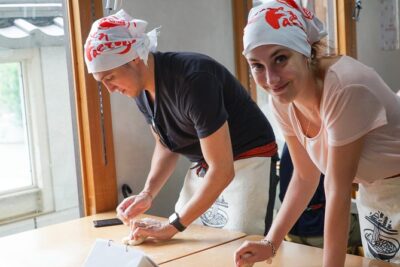
Ramen Cooking Class at Ramen Factory in Kyoto
Read our review →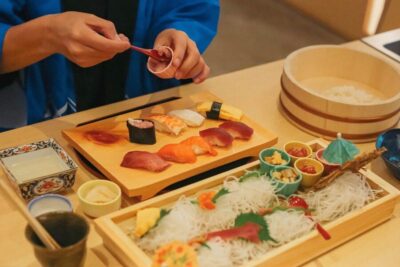
Sushi Making Class in a Happi Coat near a Famous Spot
Read our review →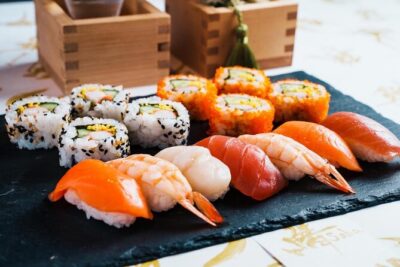
Sushi Making Osaka Roll and Authentic Japanese Sushi Class
Read our review →
Tokyo Sushi Making Class in Tsukiji with Professional Chef
Read our review →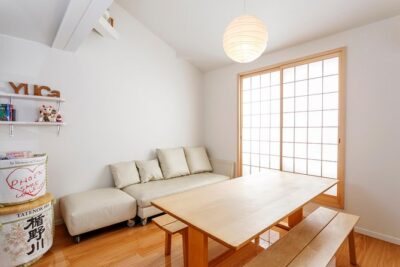
Ramen & Gyoza Cooking Class in Tokyo with Local Supermarket Visit
Read our review →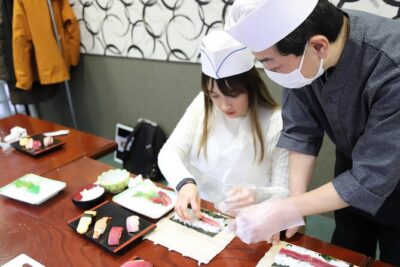
Tsukiji Fish Market Guided Tour and Sushi Making with Pro Chef
Read our review →Browse the lists this tour appears in