
REVIEW · COOKING CLASSES
Vegan/Vegetarian Ramen and Gyoza by Bentoya cooking
The best part of this Tokyo class is that you do not just learn how to assemble a bowl of noodles. You learn to make ramen soup from scratch, then prepare gyoza in a local home kitchen with an instructor who can explain the food clearly in English. The supermarket visit gives the lesson useful context before the cooking starts.
I like the small group limit of six, which leaves room for questions and hands-on practice. I also like the practical follow-through: Kaori provides detailed instruction files, so you can try the ramen and gyoza again at home. The main consideration is location. Komae is outside central Tokyo, so you need to allow time for the train ride.
In This Review
- Key points
- Why vegan ramen in Japan takes some planning
- Starting at Komae Station
- The supermarket visit makes the lesson more useful
- Preparing gyoza by hand
- Building ramen broth from the beginning
- Meeting Kaori, Miwa, and Rina
- What the two and a half hours feel like
- What makes the meal worth $75
- Who should book this cooking class
- Practical booking advice
- Is this the right Tokyo food experience for you?
- FAQ
- Where does the cooking class meet?
- How long does the experience last?
- What food do you make?
- Does the class include a supermarket visit?
- Why is dashi important for vegetarian cooking in Japan?
- How many people can join?
- Where does the activity finish?
- Can I cancel for a full refund?
Key points
- Ramen soup from scratch: Learn how to build a vegan or vegetarian broth instead of relying on ready-made stock.
- A supermarket introduction: See Japanese ingredients before using them in the kitchen.
- Fish-free cooking guidance: Get help avoiding bonito-based dashi, a common issue for vegetarians in Japan.
- Small groups: The class accepts a maximum of six people, making it easier to follow techniques and ask questions.
- Home-cooking atmosphere: The lesson takes place in an instructor’s kitchen, giving it a personal feel rather than a formal school setup.
- Recipes you can repeat: Detailed instruction files help you recreate the meal after returning home.
Why vegan ramen in Japan takes some planning
Ramen looks simple: noodles, broth, vegetables, and toppings. The difficult part for a vegetarian or vegan diner is often the broth. Japanese cooking uses dashi in many dishes, and ordinary dashi is commonly made with bonito flakes, a fish product.
That makes this class useful beyond the recipes themselves. You learn how to identify basic ingredients and understand where hidden fish products may appear. The instructor can point out suitable choices in a local supermarket, which is more practical than simply handing you a finished vegetarian dish.
The class focuses on both ramen and gyoza. That gives you two different skills to take home. Ramen teaches broth, seasoning, noodles, and presentation. Gyoza teaches filling, wrapper handling, shaping, and cooking. You finish with a complete Japanese meal rather than one isolated technique.
A few more Tokyo trips to weigh up
- Ramen & Gyoza Cooking Class in Tokyo with Local Supermarket Visit
★ 5.0 · 823 reviews - Tokyo: Easy Ramen Cooking Experience in Kabukicho, Shinjuku
★ 4.6 · 321 reviews - Ramen and Sushi Cooking Class with Sake Pairing Set in Tokyo
★ 5.0 · 291 reviews
Starting at Komae Station
The meeting point is outside Komae Station at 1 Chome-7 Motoizumi, Komae, Tokyo 201-0013. The class runs from 10 a.m. to 1 p.m. and lasts about two and a half hours, so you should arrive ready for a morning that combines shopping, cooking, and lunch.
Komae is not one of the standard first stops for a short Tokyo visit. That is both the charm and the drawback. You are leaving the most familiar tourist routes and going to a quieter part of Tokyo Prefecture for a local food lesson. You also need to budget extra time to reach the station from your hotel.
The information provided does not give a full train route from central Tokyo, so check your own starting point carefully before booking. The activity ends back at the meeting point, which makes the return journey simple once the class is over. It is also near public transportation.
The supermarket visit makes the lesson more useful
Before cooking, the instructors can show you a local supermarket and introduce basic Japanese ingredients. This may sound like a small add-on, but it is one of the most helpful parts of the experience.
A cooking class can teach you a recipe while leaving you unsure how to shop for it later. Here, you get a chance to connect the ingredient names, packages, and finished dishes. That matters in Japan, where labels may be unfamiliar and fish-based stock can appear in foods that seem vegetarian at first glance.
Use this time to ask direct questions. You can clarify which products are vegan, which are vegetarian, and which seasonings contain fish. You can also see the everyday ingredients that form the base of Japanese home cooking rather than only the specialty items found in restaurant kitchens.
The supermarket visit is also a good reason to bring your phone. You may want to photograph package labels or ingredient names for later reference. The class includes mobile ticketing, but the more important practical benefit is being able to keep notes for your own cooking after the trip.
Preparing gyoza by hand
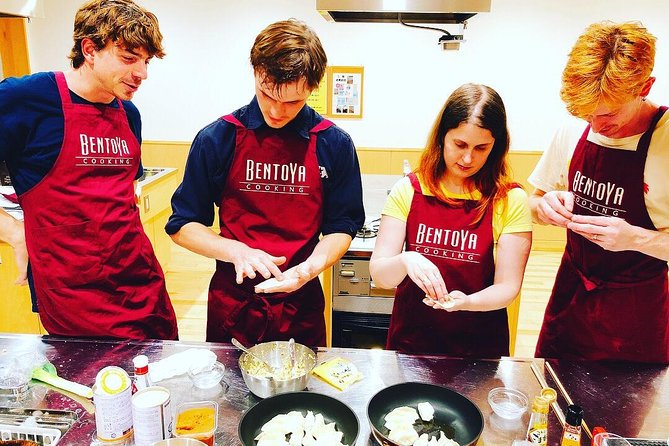
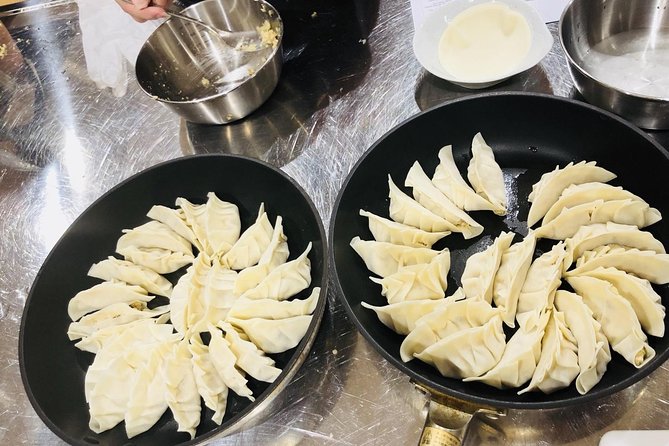
Gyoza are Japanese dumplings made with a minced filling wrapped in thin dough. The class gives you the chance to prepare them rather than simply watch an instructor cook a batch.
This is the more tactile part of the meal. You work with the filling, place it in the wrapper, and learn how to close the dumpling. The supplied information does not specify the exact vegetables or seasonings used, so the final recipe may depend on the day’s ingredients and the instructor’s method.
That flexibility is part of the home-cooking appeal. You are not being trained to reproduce a restaurant menu under commercial conditions. You are learning a dish that can be made in an ordinary kitchen, with ingredients you may be able to find after returning home.
Gyoza also rewards repetition. The first few dumplings may not look perfect, but the technique becomes easier as you work through the batch. A patient instructor matters here, and the class has received strong praise for the friendly, welcoming approach of Kaori.
Same city, a completely different kind of day:
- Mt Fuji and Hakone 1-Day Bus Tour Return by Bullet Train
★ 5.0 · 26,383 reviews - 1-Day Tokyo Bus Tour
★ 5.0 · 14,250 reviews - Tokyo: TOKYO SKYTREE® Admission ticket
★ 4.5 · 11,192 reviews - Tokyo: teamLab Planets TOKYO Digital Art Museum Entry Ticket
★ 4.6 · 9,779 reviews
Building ramen broth from the beginning
The ramen is the main reason to book this experience. Instead of opening a packet or adding noodles to premade stock, you learn how the soup comes together from the start.
The exact broth formula is not specified, so you should not expect a published ingredient list before the class. What is clear is the focus on vegan or vegetarian preparation and on avoiding the bonito-based dashi that creates problems for many plant-based diners in Japan.
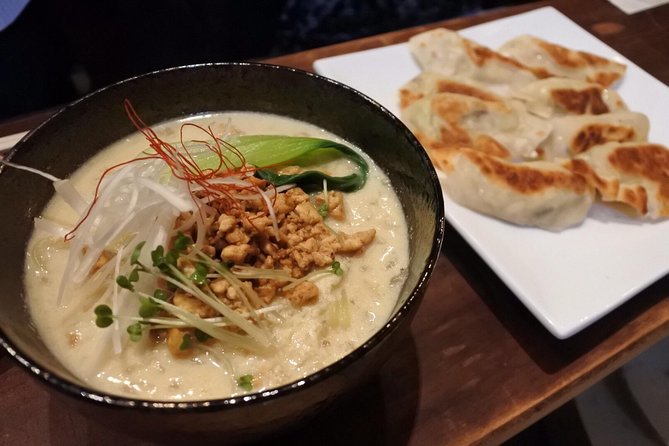
You can expect to work on seasoning and balance, then combine the broth with noodles and toppings. The lesson also covers presentation, according to the class feedback. That gives you a better sense of how a bowl becomes a finished meal, not just a pot of soup.
One useful feature is that the cooking is described as easy enough to repeat at home. That does not mean the class is effortless. It means the recipes are intended for ordinary cooks, not only people with professional equipment or advanced Japanese cooking skills.
Meeting Kaori, Miwa, and Rina
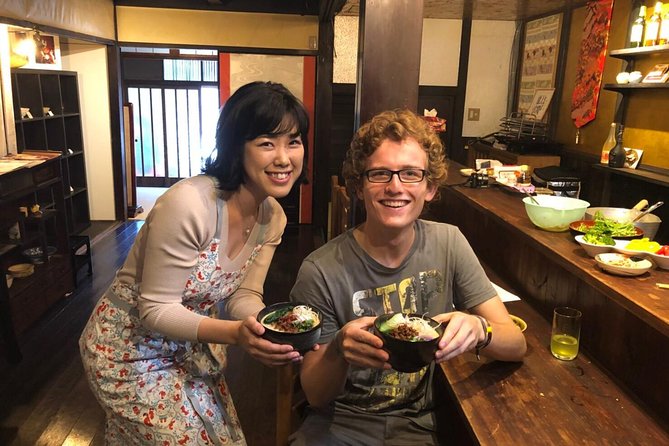
Kaori is the instructor most closely associated with this class. She is described as friendly, welcoming, and able to speak very good English. She has also picked people up at the train station for some sessions, though you should confirm the current meeting arrangement rather than assume a personal pickup is included every time.
One cooking session included both Kaori and Miwa. Another account identifies Rina as the instructor. Since more than one instructor may lead the activity, confirm the guide’s name and any pickup details after booking.
The English support is important. You can ask about Japanese food, ingredients, cooking methods, and daily life without the lesson becoming a silent demonstration. Several details from the class point to an informal conversation as part of the morning, especially for people who want food knowledge along with the recipes.
The setting is another part of the experience. The class takes place in an instructor’s own kitchen, according to the provided details. That makes the morning feel closer to being invited into a local home than attending a large commercial cooking school. The tradeoff is that a home kitchen may feel less polished or spacious than a professional studio.
What the two and a half hours feel like
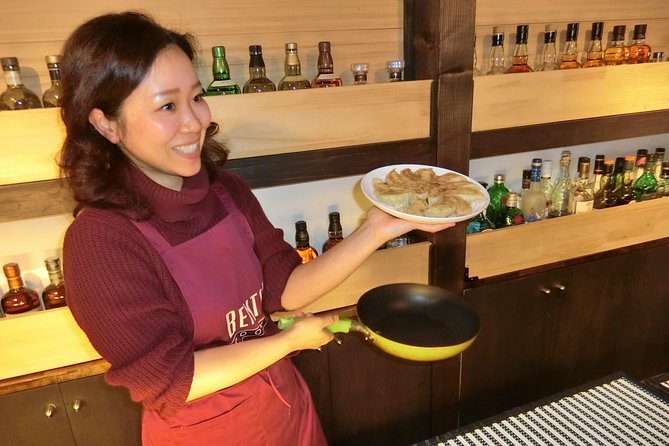
The schedule runs from 10 a.m. to 1 p.m., with the total activity lasting about two and a half hours. The precise time spent at the supermarket and in the kitchen is not given, so expect the pace to depend on group size and questions.
A typical flow is easy to understand:
- Meet at Komae Station.
- Visit a local supermarket and learn about Japanese ingredients.
- Return to the cooking space.
- Prepare the vegan or vegetarian ramen broth.
- Make and shape gyoza.
- Cook, arrange, and eat the finished meal.
- End at the same meeting point.
The group cap of six is a real advantage. You are less likely to spend the morning watching from the back of a room, and you should have more chances to handle ingredients directly. It also suits families and small groups who want to ask questions without holding up a large class.
The meal is served during the experience, so this is both a lesson and lunch. I would still avoid arriving extremely hungry. Cooking takes time, and you may want to concentrate on technique rather than rush through the instruction because you are waiting for food.
What makes the meal worth $75
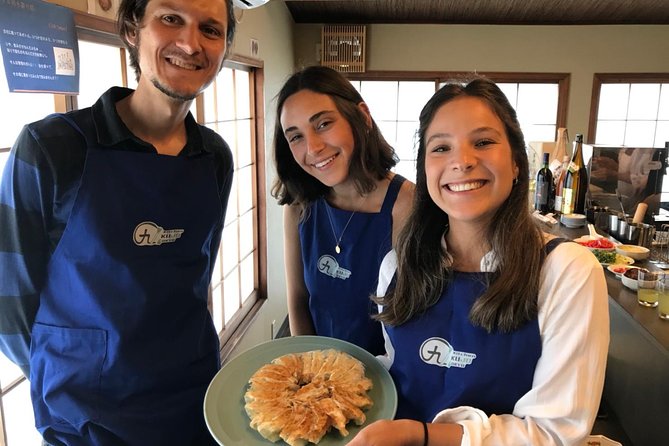
At $75 per person, this is not the cheapest way to eat ramen in Tokyo. A bowl at a casual restaurant costs far less. You are paying for instruction, ingredient guidance, a supermarket visit, a small group, and the chance to cook two dishes yourself.
The value improves if you are vegan or vegetarian. Finding genuinely fish-free Japanese food can take work, especially when dashi is involved. The class gives you a method for handling that problem in restaurants, supermarkets, and your own kitchen.
It also offers better value for people who will use the recipes again. If you return home and successfully cook the ramen and gyoza, the class becomes more than a one-time lunch. Detailed instruction files are provided afterward, which should help you repeat the dishes without relying on memory.
For a family or group of friends, the price also buys shared time and a meal that everyone helped prepare. For a solo visitor who only wants to taste ramen, a restaurant is the better deal. For someone who wants a practical food skill and a personal encounter outside central Tokyo, $75 is reasonable.
Who should book this cooking class
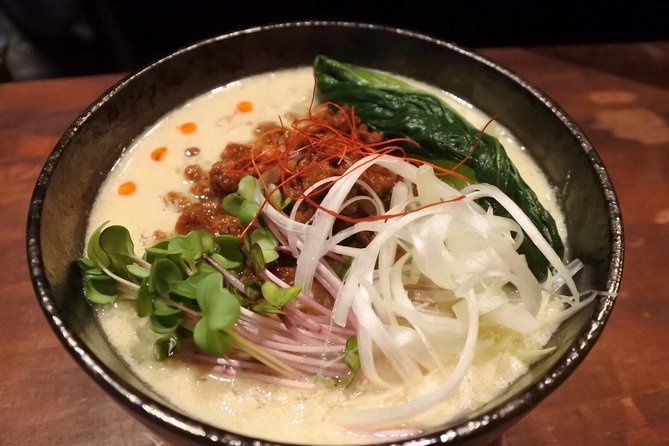
This experience is a strong fit for vegans and vegetarians who want to understand Japanese food rather than simply search for plant-based menu items. It also suits people with an interest in Japanese home cooking, even if they are not strictly plant-based.
Families can benefit from the hands-on format. One account describes a 13-year-old taking part, and the interactive cooking and meal preparation can work well for older children and teenagers. The small group size should make it easier for a child to follow along, though the provided information does not specify an age minimum.
You will also enjoy it if you like asking questions. The instructors are able to discuss Japanese food and daily life, and the supermarket stop gives you plenty of natural subjects to raise.
This may not be the right pick if you have only one morning in Tokyo and want to stay near the main sights. Komae takes planning, and the activity is focused on cooking rather than sightseeing. It is also less suitable for someone who wants a quick demonstration with no participation.
Practical booking advice
The experience is listed at $75 per person and is often booked about 27 days ahead. That pattern suggests you should reserve before your trip, especially if you need a particular date or are traveling with several people.
Confirmation is sent within 48 hours, subject to availability. The maximum group size is six, and the activity operates Monday through Sunday from 10 a.m. to 1 p.m. The booking uses a mobile ticket.
Free cancellation is available if you cancel at least 24 hours before the start time. Changes made inside that 24-hour window are not accepted, and the payment is not refunded for a late cancellation. The terms also say the activity requires good weather, with a different date or full refund offered if poor weather causes cancellation. That weather condition seems unusual for an indoor cooking lesson, so I would check the current policy when your booking is confirmed.
Is this the right Tokyo food experience for you?
Book this class if you want plant-based Japanese cooking you can repeat at home, not just another meal during your trip. The combination of supermarket guidance, scratch-made ramen broth, gyoza preparation, English instruction, and a six-person limit gives the experience real practical value.
Skip it if your priority is central Tokyo sightseeing, low-cost dining, or a formal chef-led school with a published menu and exact timetable. For everyone else, especially vegans, vegetarians, families, and curious home cooks, the class offers a personal morning with useful skills attached.
FAQ
Where does the cooking class meet?
The meeting point is Komae Station at 1 Chome-7 Motoizumi, Komae, Tokyo 201-0013, Japan.
How long does the experience last?
The activity lasts approximately two hours and 30 minutes. The listed hours are 10 a.m. to 1 p.m.
What food do you make?
You make vegan or vegetarian ramen and gyoza. The ramen soup is prepared from scratch.
Does the class include a supermarket visit?
Yes. The instructor can show you a local supermarket and introduce basic Japanese ingredients before the cooking session.
Why is dashi important for vegetarian cooking in Japan?
Dashi is a common Japanese soup stock, and it is mainly made with bonito flakes, which come from fish. The class explains this issue as part of its vegan and vegetarian cooking focus.
How many people can join?
The activity accepts a maximum of six participants.
Where does the activity finish?
The experience ends back at the meeting point.
Can I cancel for a full refund?
Yes, if you cancel at least 24 hours before the experience start time. Cancellations made less than 24 hours in advance are not refunded, and late changes are not accepted.
More Food in Tokyo
- Tokyo: Shinjuku Food Tour (13 Dishes at 4 Local Eateries)
★ 5.0 · 6,603 reviews - Tokyo Tsukiji Fish Market Food and Culture Walking Tour
★ 5.0 · 3,184 reviews - Tokyo: Shinjuku Food Tour (15 Dishes and 4 Eateries)
★ 4.9 · 2,033 reviews - Best of Shinjuku: Izakaya Food Tour (4 Stops, 14+ Tastings)
★ 5.0 · 1,863 reviews
Just added around Tokyo
- Private Memorable Tokyo Tour with English Speaking Driver★ 5.0 · 30 reviews
- Private Tokyo Custom Full-Day Tour by Chartered Vehicle★ 5.0 · 16 reviews
- Private Sightseeing to Mt Fuji and Hakone with English Driver★ 5.0 · 51 reviews
- Tokyo Photography Masterclass – Private Photography Lesson★ 5.0 · 25 reviews
- 4 Day Tour – Mount. Fuji, Tokyo, Hakone, Kamakura and Yokohama★ 5.0 · 19 reviews
- Private Mt. Fuji Day Trip from Tokyo with English-Speaking Driver★ 5.0 · 33 reviews
- Private Unforgettable Mt Fuji Tour with English Speaking Driver★ 5.0 · 142 reviews
- Private Tokyo Food Tour – A Journey Through Time Through Food★ 5.0 · 36 reviews
Cooking Classes, compared.

Ramen Cooking Class at Ramen Factory in Kyoto
Read our review →
Ramen & Gyoza Cooking Class in Tokyo with Local Supermarket Visit
Read our review →
Ramen Cooking Class at a Ramen Factory with Souvenir
Read our review →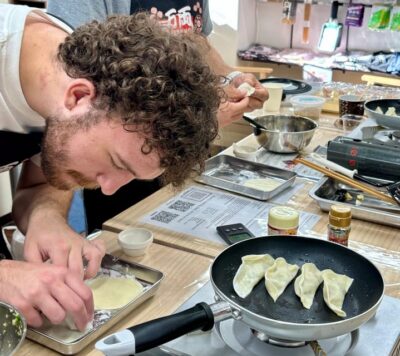
Japanese Washoku Bento Small Group Cooking Class
Read our review →

Easy Ramen Cooking Experience in Kabukicho, Shinjuku
Read our review →
Ramen and Sushi Cooking Class with Sake Pairing Set in Tokyo
Read our review →Browse the lists this tour appears in