
REVIEW · KIMONO & CULTURE EXPERIENCES
Samurai Ninja Museum Asakusa: Kid-Friendly Ninja Training
The best part of this Asakusa activity is simple: you do not just look at ninja displays, you put on a full ninja outfit and take part in the action. You will practice a blowgun, throw ninja stars, hunt for treasure, and pose for photos inside the Tokyo Samurai and Ninja Museum.
I like the mix of hands-on fun and Japanese culture, especially for families with children. I also like the English guidance and the chance to visit the museum as part of the experience. The main drawback is value: at $56 per person, the session may feel pricey if your group mainly wants a short dress-up activity.
In This Review
- Key Points for the 75-Minute Ninja Session
- Putting on the Ninja Outfit in Asakusa
- Learning Ninja Skills With an English Guide
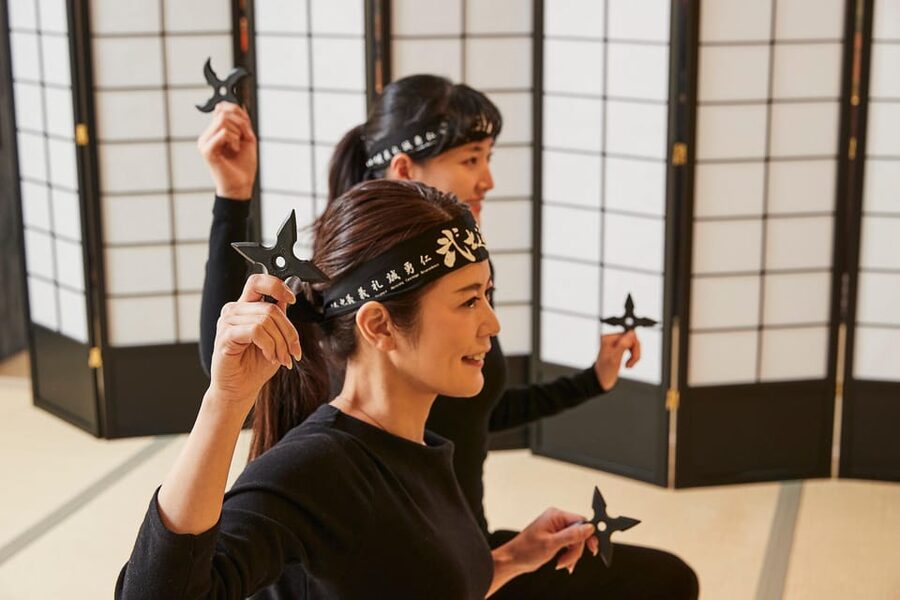
- Throwing Shuriken in the Ninja Star Contest
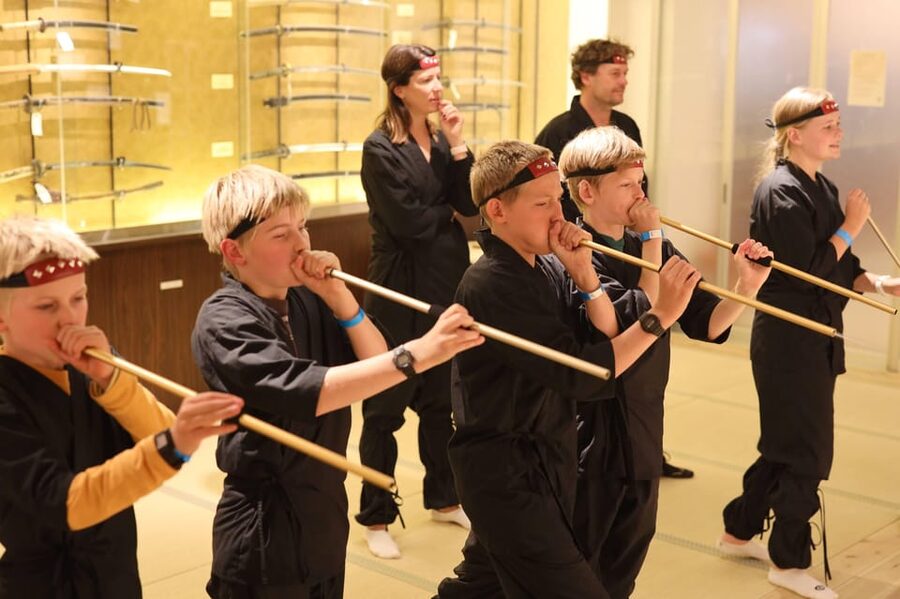
- Trying the Ninja Blowgun
- Following the Ninja Treasure Hunt
- The Samurai and Ninja Museum Visit
- Photos That Make the Experience Last
- Is $56 Per Person a Fair Price?
- Who Will Enjoy This Experience Most?
- Timing, Group Size, and Booking Flexibility
- Should You Book the Asakusa Ninja Training?
- FAQ
- Where is the Samurai Ninja Museum experience located?
- How long does the ninja activity last?
- How much does the experience cost?
- What activities are included?
- Is the experience conducted in English?
- Can children under three join the ninja activities?
- Is cancellation available?
Key Points for the 75-Minute Ninja Session
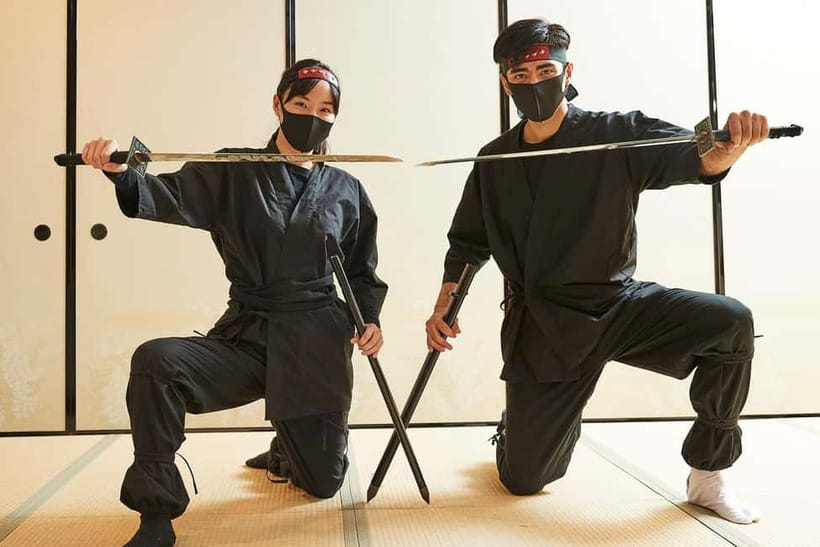
- Full ninja clothing: Dress in a complete ninja outfit for the activities and photo session.
- Shuriken competition: Practice throwing ninja stars and compete in a friendly accuracy challenge.
- Blowgun practice: Try a ninja blowgun, one of the more unusual parts of the session.
- Treasure hunt for children: The hunt adds movement and a simple goal that helps younger children stay engaged.
- Museum access included: Your ticket includes a complimentary tour of the Samurai and Ninja Museum.
- English-led, small-group format: The experience is listed as limited to five participants, with a maximum of 20 people stated for the activity venue.
Putting on the Ninja Outfit in Asakusa
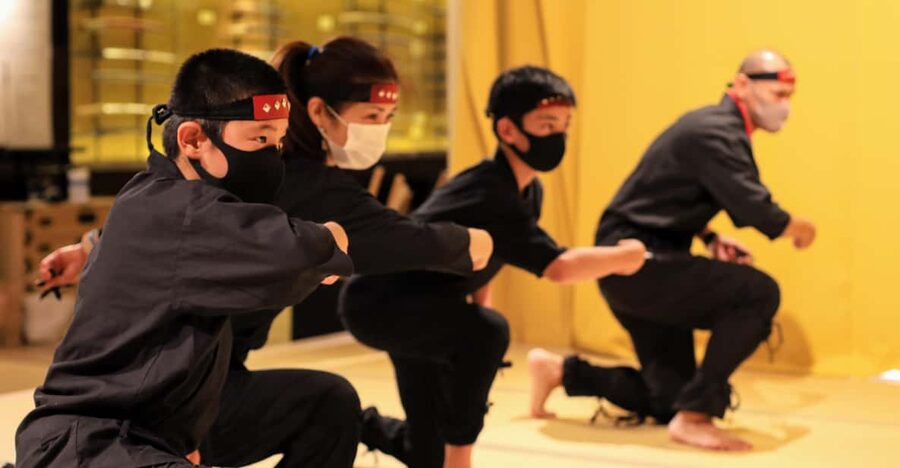
Your 75-minute visit begins with the part children usually understand at once: getting dressed as a ninja. The full outfit changes the mood quickly. Instead of standing beside a display case, you become part of the story for a little while.
That makes this activity different from a standard museum visit. You can take photos in costume, and the photo session is included in the price. Bring a camera or keep your phone ready, since the outfit is one of the clearest keepsakes from the experience.
The costume also helps younger children settle into the activity. A five-year-old may not care much about a formal museum explanation, but putting on ninja clothing gives the visit an immediate purpose. One recent family booking described the experience as especially enjoyable for a five-year-old, although the adult felt the price was high.
Children under three cannot take part in the ninja experience. They can enter the venue, so families with toddlers are not shut out completely, but you should plan on the youngest child watching rather than joining the activities.
More Kimono & Culture Experiences in Tokyo
- Tokyo: Samurai Ninja Museum Guided tour and Experience
★ 4.6 · 1,010 reviews - Tokyo: Samurai Sword & Archery Class from Samurai Descendant
★ 5.0 · 603 reviews - Best Samurai Experience in Tokyo
★ 5.0 · 458 reviews
Learning Ninja Skills With an English Guide
The session introduces the secrets of ninja through practical activities rather than a long classroom talk. You will receive explanations in English, then try the technique yourself. This is useful if you want a cultural activity that keeps the explanation short and gives you something to do with your hands.
The quality of the guide matters here. Koki received specific praise for being friendly and explaining things well, and another booking described the instructor as amazing. Guides may vary, but the experience is designed around live English instruction rather than a self-guided museum visit.
You should expect a light introduction to ninja methods, not a serious martial arts course. The information is aimed at a fun cultural experience, and the activities are the main event. If you want a detailed study of medieval Japanese warfare, this is not the right format. If you want a clear, child-friendly introduction with costumes and target practice, it fits much better.
The small-group promise is worth noting. The activity information describes a group limited to five participants, while also stating that the tour or venue can have a maximum of 20 travelers. Because those figures differ, check the group size shown for your selected departure when booking. A smaller group should make it easier to hear the guide and get a turn at each activity.
Throwing Shuriken in the Ninja Star Contest
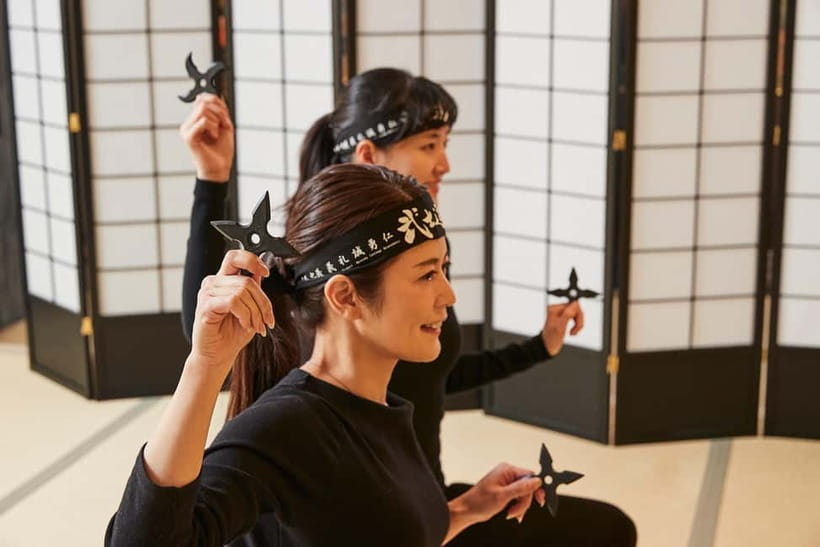
The ninja star throw is likely to be the most memorable skill for many children. You will practice throwing shuriken at a target, then take part in a friendly competition. The contest gives the activity a clear finish line and adds just enough challenge without turning the visit into a serious test.
This is also where the session works well for mixed ages. Adults can join in rather than simply watch, and children have a chance to compare their aim with parents or siblings. You do not need prior experience, according to the nature of the activity, and the guide explains what to do before you try.
Do not expect a large-scale sports event. The session lasts only 75 minutes and includes several different parts, so the throwing activity is one section of a short cultural program. Your exact number of attempts is not specified, and that may depend on the group size and timing.
Still, the competition gives the visit more energy than a simple costume photo. It also creates a natural moment for family pictures, especially if everyone is dressed as a ninja and holding the equipment.
Trying the Ninja Blowgun
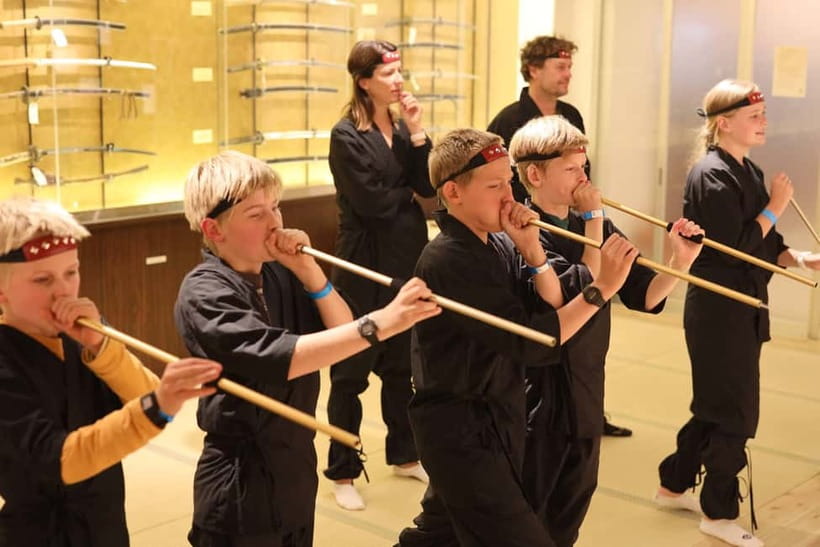
The blowgun is another hands-on feature that helps justify the activity for children who enjoy trying unusual tools. You will learn how to use it and practice precision under the guide’s direction.
This part is less familiar than throwing a ninja star. Most children have probably seen shuriken in films or cartoons, but a blowgun feels like a new discovery. It gives the guide another way to explain stealth and accuracy without relying only on a museum display.
As with the shuriken activity, the blowgun should be treated as supervised practice within a family attraction. The information provided does not specify the number of shots, the target setup, or the exact safety rules, so do not assume a long training session. The value comes from trying two different ninja skills during one visit.
If your child loses interest quickly, the change from costume to explanation to target practice should help. If your child wants extended practice with one skill, the 75-minute format may feel short.
Same city, a completely different kind of day:
- Mt Fuji and Hakone 1-Day Bus Tour Return by Bullet Train
★ 5.0 · 26,383 reviews - 1-Day Tokyo Bus Tour
★ 5.0 · 14,250 reviews - Tokyo: TOKYO SKYTREE® Admission ticket
★ 4.5 · 11,192 reviews - Tokyo: teamLab Planets TOKYO Digital Art Museum Entry Ticket
★ 4.6 · 9,779 reviews
Following the Ninja Treasure Hunt
The treasure hunt is designed with children in mind and adds a simple sense of discovery to the museum visit. You will follow the activity’s clues or tasks as part of the ninja program, rather than only moving from one exhibit to the next.
A treasure hunt can be especially helpful for families with children who do not yet enjoy traditional museums. It turns the surroundings into part of a game and gives young participants something to look for. The activity does not require you to know Japanese history in advance, so you can arrive without preparation.
The exact clues and prize details are not specified. Think of the hunt as a playful part of the session, not a full escape-room puzzle or a long independent investigation. The guide remains part of the experience, which means the activity should work better for children who need direction.
It also breaks up the more static moments. After dressing up and listening to explanations, the hunt gives children a reason to move around and stay alert.
The Samurai and Ninja Museum Visit
Your ticket includes a complimentary tour of the Samurai and Ninja Museum. This adds context to the practical activities, since you can connect the costume and equipment with displays about samurai and ninja traditions.
The museum portion matters because the experience is more than a photo opportunity. You get a short cultural visit alongside the games and training. That balance is useful in Tokyo, where families often want an activity that feels educational but does not demand a long attention span.
The available information does not give a detailed list of individual exhibits, the museum’s exact size, or the length of the museum tour. I would therefore think of it as a compact addition to the ninja program rather than planning your entire Asakusa sightseeing day around the museum alone.
The setting in Asakusa also makes practical sense. You can pair this activity with other Tokyo sightseeing in the area, but the experience itself is the focus. Allow the full 75 minutes and avoid treating it as a quick ten-minute photo stop.
Photos That Make the Experience Last
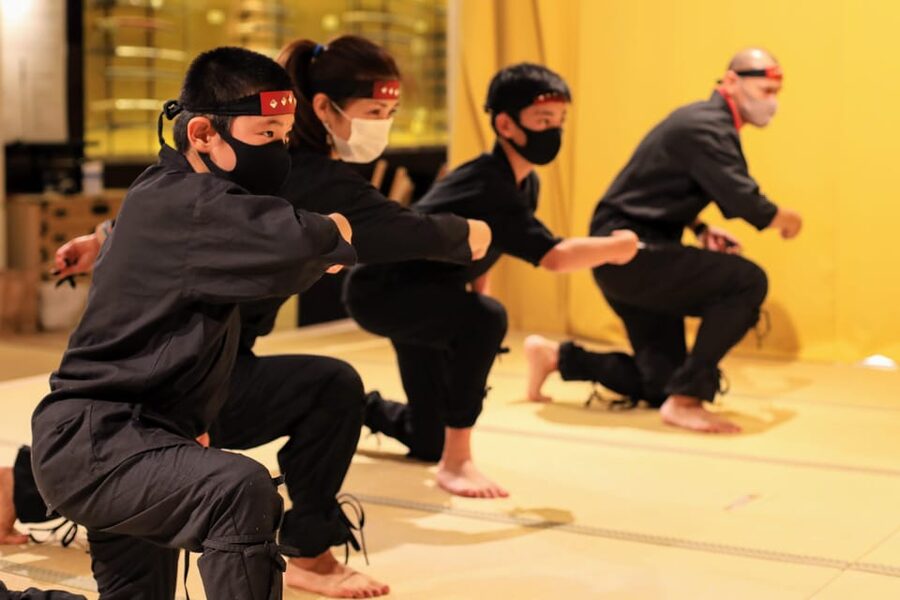
The included photo shoot is one of the strongest practical benefits for families. Costumes can be awkward to carry home, but a good photo gives you a lasting reminder without buying an extra souvenir.
You can expect to be photographed while wearing the ninja outfit. The supplied information does not specify whether the museum takes the pictures with a camera, provides digital files, or offers printed photos, so check the details at the venue if the photo is important to you.
I would still take your own pictures when appropriate. Group shots are often the hardest to capture during a family outing, and the included session should help with that. Keep the poses light and have fun with the competition theme. A child who was shy at the start may loosen up once the costume and games begin.
The photo session also gives the activity a clear memory beyond the museum displays. For a first visit to Tokyo, that can be more meaningful than another standard sightseeing stop.
Is $56 Per Person a Fair Price?
At $56 per person, this is not a cheap museum admission. You are paying for more than entry: the costume, live English guidance, ninja activities, treasure hunt, photo session, and museum tour are bundled into the 75-minute visit.
The value depends heavily on your goals. I think the price makes more sense for a family that wants a planned activity with a guide, equipment, and a strong photo opportunity. You do not need to organize separate costumes, search for a place to practice shuriken, or keep children occupied between museum exhibits.
For an adult who only wants to see samurai artifacts, the price may be harder to justify. A child who loves ninja stories, however, may get much more from the session than from a quiet museum visit. The experience also gives adults a chance to participate instead of supervising from the side.
One recent five-year-old enjoyed the activity, while the accompanying adult considered it somewhat overpriced. That is a fair warning. The guide can be excellent and the activity can be genuinely cute, yet the cost may still feel high if your group is focused mainly on the museum or expects a long training session.
Look at the price as a family entertainment expense with cultural content, not as a simple museum ticket.
Who Will Enjoy This Experience Most?
I would recommend this activity most strongly to families with children old enough to follow instructions and take part in the games. The treasure hunt, costume, star throw, and blowgun give the session several changes of pace.
It also suits first-time Tokyo visitors who want a memorable cultural activity in English. You get a taste of Japanese traditions without needing to plan a full day of historical sightseeing.
Adults can enjoy it too, especially if you are willing to play along. The competition works better when parents and children all take part. If you prefer quiet exhibits, formal lectures, or detailed historical interpretation, you may find the tone too playful.
Children under three can enter but cannot join the ninja experience. For families with a toddler and older children, decide in advance whether one adult will stay with the youngest child while the others participate.
The activity is wheelchair accessible, which makes it a practical option for participants who need an accessible venue. The supplied details do not explain the accessibility of every activity station, so contact the provider if you need information about specific equipment or movement requirements.
Timing, Group Size, and Booking Flexibility
The visit lasts 75 minutes, long enough to include several activities without taking an entire morning or afternoon. You should still check the available starting times, since the schedule can affect how well it fits with other Asakusa plans.
The experience is conducted in English. That makes the instructions easier to follow and removes the need to translate the basic games yourself.
The booking information describes a small group limited to five participants, but it also gives a maximum of 20 people for the activity. Since those numbers do not match, confirm the size attached to your chosen booking. Group size can affect how many turns you receive and how much personal attention the guide can give.
You can cancel up to 24 hours before the activity for a full refund. You can also reserve now and pay later, which is useful when you are still arranging a Tokyo schedule. Those policies do not change the experience itself, but they reduce the risk of committing too early.
Should You Book the Asakusa Ninja Training?
Book it if you want a short, active family experience with costumes, target practice, a treasure hunt, and an English-speaking guide. The strongest reasons are the full ninja outfit, the chance to try both shuriken and a blowgun, and the included photo session.
Think twice if $56 feels high for 75 minutes or if you want serious historical detail. This is playful cultural entertainment, not an advanced ninja lesson or an extended museum tour.
For families with children around five and older, the format has plenty to keep the visit moving. Koki and other guides can make a difference through clear, friendly explanations, and the activity gives children a real role rather than asking them to stand quietly beside exhibits. If that sounds like the kind of Tokyo memory you want, this is a sensible Asakusa booking.
FAQ
Where is the Samurai Ninja Museum experience located?
The experience takes place at the Tokyo Samurai and Ninja Museum in Asakusa, Tokyo, on Japan’s main island of Honshu.
How long does the ninja activity last?
The activity lasts 75 minutes.
How much does the experience cost?
The listed price is $56 per person.
What activities are included?
You can wear a full ninja outfit, learn ninja techniques, throw ninja stars, use a ninja blowgun, join a ninja treasure hunt, take part in a photo shoot, and receive a complimentary museum tour.
Is the experience conducted in English?
Yes. The experience includes a live English-speaking guide.
Can children under three join the ninja activities?
No. Children under three cannot join the ninja experience, but they can enter the venue.
Is cancellation available?
Yes. You can cancel up to 24 hours in advance for a full refund, and you can reserve now and pay later.
More Museums in Tokyo
- Ninja Experience (Family Friendly) at Samurai Ninja Museum TOKYO
★ 5.0 · 441 reviews - Tokyo Studio Ghibli Museum and Ghibli Film Appreciation Tour
★ 4.5 · 421 reviews - Tokyo Sword Experience – includes Museum Ticket/Ninja Experience
★ 5.0 · 314 reviews - Samurai Ninja Museum Asakusa: Samurai Sword Lesson & Tour
★ 4.8 · 306 reviews
Just added around Tokyo
- Private Memorable Tokyo Tour with English Speaking Driver★ 5.0 · 30 reviews
- Private Tokyo Custom Full-Day Tour by Chartered Vehicle★ 5.0 · 16 reviews
- Private Sightseeing to Mt Fuji and Hakone with English Driver★ 5.0 · 51 reviews
- Tokyo Photography Masterclass – Private Photography Lesson★ 5.0 · 25 reviews
- Private Mt. Fuji Day Trip from Tokyo with English-Speaking Driver★ 5.0 · 33 reviews
- 4 Day Tour – Mount. Fuji, Tokyo, Hakone, Kamakura and Yokohama★ 5.0 · 19 reviews
- Private Unforgettable Mt Fuji Tour with English Speaking Driver★ 5.0 · 142 reviews
- Private Tokyo Food Tour – A Journey Through Time Through Food★ 5.0 · 36 reviews
Kimono & Culture Experiences, compared.

Kyoto Geisha Walking Tour: Gion District & Hidden Gems
Read our review →
Gion Magical Night Walking Tour with Geisha Trivia
Read our review →
Gion Geisha District Walking Tour – Stories of Geisha
Read our review →
Best of Kyoto: Gion, Geisha, Pagodas & Cobblestones
Read our review →
Kyoto Gion Geisha District Walking Tour – The Stories of Geisha
Read our review →
Browse the lists this tour appears in