
REVIEW · WALKING TOURS
Private & Custom KYOTO Walking Tour – your Travel Companion
Kyoto is not a city you can neatly tick off in one day. Its famous sights sit across town, and the best plan depends on your interests, walking pace, and appetite for temples. This private eight-hour tour gives you a local companion to shape the day, guide the route, and handle the small snags that can slow you down.
I like two things here. First, you can build the day around what matters to you, from the Golden Pavilion and Fushimi Inari to food at Nishiki Market. Second, the guide can help with public transportation, tickets, photos, restaurant bookings, and local communication. The main caution is that the advertised sights are far too many for a relaxed eight-hour visit, especially since private transportation and admission fees cost extra.
In This Review
- Key points to know before booking
- A private Kyoto day built around your interests
- Kinkakuji and Kiyomizudera: two famous temples, two different moods
- Sannenzaka, Ninenzaka, and Gion for old Kyoto atmosphere
- Fushimi Inari and the practical problem of time
- Arashiyama, bamboo, and Tenryuji
- Nishiki Market for food and local browsing
- Ginkakuji, Sanjusangendo, and Kyoto’s imperial past
- Nijo Castle and Eikando for history and seasonal beauty
- What the guide can and cannot do for you
- Price, transport, tickets, and the real value
- Who should book this Kyoto companion?
- Should you book this private Kyoto tour?
- FAQ
- How long does the private Kyoto tour last?
- How many people can join the private tour?
- Is transportation included?
- Are entrance fees included?
- Can the itinerary be customized?
- Is pickup available, and where does the tour end?
Key points to know before booking
- Your itinerary is flexible: Choose temples, shrines, food, shopping, history, or Kyoto neighborhoods rather than following a fixed route.
- The group is private: The price of $265.82 covers up to five people, so the per-person value improves with a full group.
- Transport is not included: Your guide can assist with trains and buses, but you pay for public transportation or arrange and pay for any private vehicle yourself.
- Tickets cost extra: Kinkakuji, Kiyomizudera, Nijo Castle, Ginkakuji, Sanjusangendo, and Eikando may require admission fees.
- The guide quality matters greatly: Past guides named Jinshi, Rio, Femin, Dalivanh, and Karl received warm praise, while other experiences raised concerns about preparation and knowledge.
- The full stop list is a menu, not a promise: Seeing every listed attraction in one day would leave little time for travel, meals, or proper visits.
A private Kyoto day built around your interests
This experience is best understood as a personal guide service, not a standard sightseeing circuit. You and your group decide what kind of Kyoto day you want, then your companion helps make it workable.
That flexibility matters. A first visit may call for one or two major temples, a shrine, a traditional street, and a taste of Gion. A return visit might focus on gardens, shopping, food, or quieter corners. Families may need a slower pace, while a cruise passenger with limited time may want a compact route near the city’s main sights.
The guide is there to keep you moving in the right direction and reduce the friction of Kyoto’s transport system. Help with bus and train routes can be especially useful when you are connecting distant districts. One past guest specifically appreciated a guide named Dalivanh for navigating public buses and trains while adapting to a personal list of places.
You should still arrive with a short wish list. The more clearly you explain your priorities, the more useful the custom format becomes. Ask the guide to rank your choices by location and importance. Otherwise, you can lose valuable time crossing the city.
More Walking Tours in Kyoto
- Kyoto Geisha Walking Tour: Gion District & Hidden Gems
★ 4.7 · 3,273 reviews - Kyoto: Gion Magical Night Walking Tour with Geisha Trivia
★ 4.9 · 2,393 reviews - Kyoto: Gion Geisha District Walking Tour – Stories of Geisha
★ 4.7 · 2,187 reviews
Kinkakuji and Kiyomizudera: two famous temples, two different moods
Kinkakuji, better known as the Golden Pavilion, is one of Kyoto’s most recognizable sights. The gold-covered pavilion reflects in the pond, and the setting was once the retirement villa of shogun Ashikaga Yoshimitsu before becoming a Zen temple.
The suggested visit is only 30 minutes, which is enough for the main view and a walk through the grounds, but not a slow look at every garden feature. Admission is not included. If this is high on your list, tell your guide early, since the temple is in northern Kyoto and does not pair naturally with every other stop.
Kiyomizudera offers a very different scene. Its wooden stage projects from the main hall above the hillside, giving you a dramatic view over the trees and the city beyond. The temple complex also connects naturally with the old streets of Sannenzaka and Ninenzaka.
The suggested 45 minutes covers a quick visit, but the approach streets can take time. You will find slopes, crowds, shops, and plenty of places to pause. The temple admission fee is extra, and comfortable shoes are a good idea for this part of the day.
Sannenzaka, Ninenzaka, and Gion for old Kyoto atmosphere
Sannenzaka and Ninenzaka are preserved districts near Kiyomizudera. Their traditional buildings, narrow lanes, and shops make them a natural continuation of the temple visit. This is a good place to browse local goods, stop for a snack, or take photographs, though the route can feel crowded at popular times.
The planned 45 minutes is reasonable for a walk through the streets, but you will need longer if shopping is part of your plan. Ask your guide to point out places that fit your interests rather than trying to inspect every storefront.
Yasaka Shrine sits at the western edge of Gion and is tied to the famous Gion Matsuri, held each July. The shrine gives you a useful link between Kyoto’s religious life and its traditional entertainment district. The suggested stop is 30 minutes.
Gion itself is scheduled for another 30 minutes. You can walk through the historic district and look for traditional architecture, but keep your expectations sensible. A short daytime visit is not the same as seeing an evening performance or meeting a geisha. The guide can help you understand the district and communicate locally, but no special encounter is promised.
Fushimi Inari and the practical problem of time
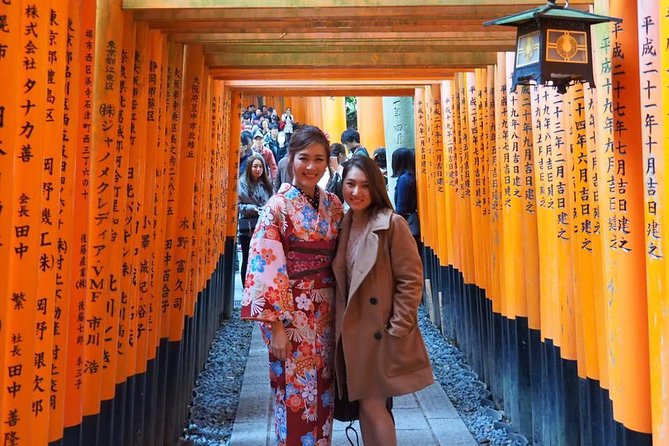
Fushimi Inari Taisha is famous for its long rows of vermilion torii gates climbing the wooded trails behind the main shrine. It is one of Kyoto’s most memorable settings, but the full route is much longer than a quick photo stop.
The suggested time here is only 15 minutes. That allows a look at the main area and the first gates, not a serious walk into the mountain. If Fushimi Inari is one of your main reasons for booking, make it a priority and give it more time. You may need to remove several other stops.
This is exactly where a private itinerary can help. A fixed group tour may rush you along, but here you can tell the guide that the torii gates matter more than checking off another temple. The tradeoff is simple: Kyoto rewards focus, not frantic collecting.
Same city, a completely different kind of day:
- PERFECT KYOTO 1-Day Bus Tour
★ 5.0 · 13,518 reviews - Kyoto: Fushimi Inari, Kinkakuji, Bamboo Grove 1 Day Bus Tour
★ 4.8 · 4,316 reviews - Kyoto: Tea Ceremony in a Traditional Tea House in Kiyomizu
★ 4.9 · 3,519 reviews - Kyoto: Tea Ceremony Ju-An at Jotokuji Temple
★ 4.9 · 3,207 reviews
Arashiyama, bamboo, and Tenryuji
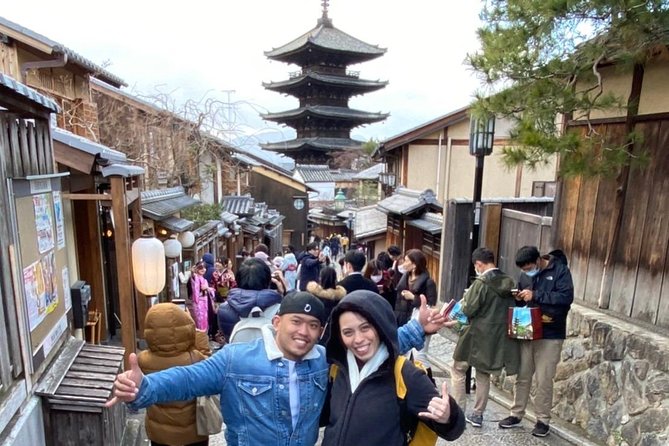
Arashiyama is one of Kyoto’s major sightseeing districts, known for temples, shrines, and its famous bamboo grove. The area also includes Tenryuji, one of Kyoto’s five major Zen temples, founded in 1339.
The suggested one-hour visit combines the Bamboo Forest and Tenryuji. That is a tight window. You can see the main bamboo path and get a taste of the temple grounds, but you will not have much time for a slow garden visit, food stop, or wandering beyond the central sights.
Arashiyama is on the western side of Kyoto, while Fushimi Inari is in the southeast and Kinkakuji is in the north. Combining all three requires careful routing and time on public transportation. If you want Arashiyama to feel like more than a quick stop, make it one of the day’s main anchors.
Admission to Tenryuji is not included. The bamboo grove itself is listed as free, but the temple and other paid sights require separate payment.
Nishiki Market for food and local browsing
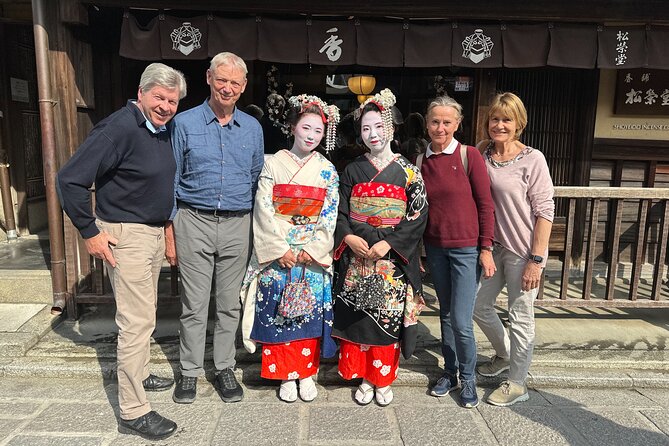
Nishiki Market is a narrow, five-block shopping street often called Kyoto’s kitchen. More than one hundred shops and restaurants line the passage, offering a chance to see food traditions and daily shopping in a compact setting.
The suggested 40 minutes works for a walk and a few small tastes. It is not enough for a leisurely meal and serious browsing. Tell your guide if food is central to your day. The guide may assist with communication and restaurant bookings, which can make the experience easier when menus or reservations are difficult to manage.
Nishiki is also a useful counterpoint to Kyoto’s temples. After a morning of formal grounds and sacred buildings, a market visit lets you see a more ordinary, active side of the city. Admission is free, but food purchases are yours to cover.
Ginkakuji, Sanjusangendo, and Kyoto’s imperial past
Ginkakuji is known as the Silver Pavilion. It was built by Ashikaga Yoshimitsu’s grandson, Ashikaga Yoshima, several decades after Kinkakuji. Despite its name, the pavilion is not covered in silver. The temple is valued for its gardens and restrained design.
The planned visit is 30 minutes, with admission extra. Ginkakuji can pair well with a quieter temple-focused day, but it is not close to every other listed attraction. You may find it better to choose Ginkakuji instead of Kinkakuji rather than trying to force both into a rushed schedule.
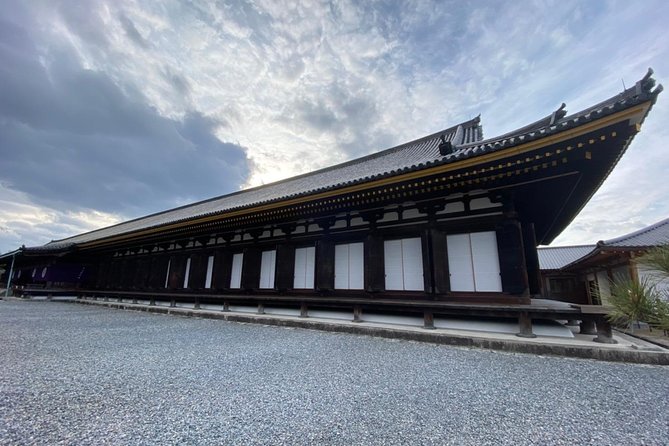
Sanjusangendo is famous for its 1,001 statues of Kannon, the goddess of mercy. The long temple hall creates a very different experience from the open gardens and outdoor paths at many Kyoto temples. A 30-minute stop gives you time to see the main hall and its statues, with admission not included.
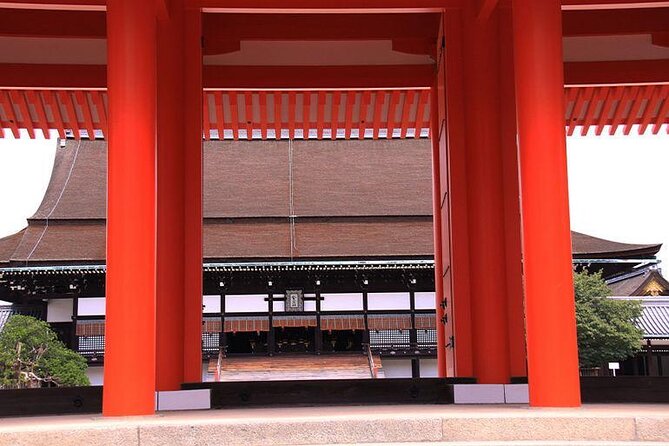
The Kyoto Imperial Palace offers a look at the former residence of Japan’s imperial family, before the emperor and capital moved to Tokyo in 1868. It sits within spacious Kyoto grounds and can provide a change of pace from tightly packed temple districts. The listed admission is free, though your guide can clarify the best way to fit the grounds into your route.
Nijo Castle and Eikando for history and seasonal beauty
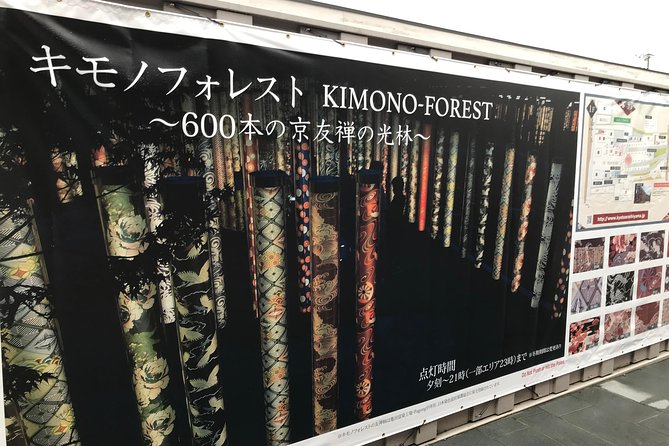
Nijo Castle was built in 1603 as the Kyoto residence of Tokugawa Ieyasu, the first shogun of the Edo period. Its palace buildings were completed by his grandson 23 years later. This makes the castle a strong choice if you want political history as well as religious sites.
The suggested visit is 45 minutes, and admission is extra. You will need to decide if the castle matters more to you than another shrine or market stop. Its location can work well with central Kyoto sightseeing, but the guide still needs to account for opening hours and transport.
Eikando, formally called Zenrinji, belongs to the Jodo sect of Buddhism and sits north of Nanzenji. It is particularly well known for its autumn colors. A 45-minute visit makes sense for a temple and garden sampler, but people visiting during fall may want more time.
Seasonal interest is one reason to use a custom guide. You can tell your companion that autumn foliage, gardens, or architecture matters most, then build the day around that priority. Admission is not included.
What the guide can and cannot do for you
The included service is a travel companion, a personalized itinerary, and assistance throughout the trip. That can mean route planning, help with communication, photographs, ticket arrangements, and restaurant bookings.
Past guide names connected with this experience include Jinshi, Rio, Femin, Dalivanh, and Karl. Jinshi was singled out for making a full day enjoyable across temples, shrines, gardens, and food. Rio was described as patient with older visitors, while Femin was praised for handling a child’s questions with a friendly attitude. Karl helped one group combine temples and shrines with local interests.
Those positive examples point to the best use of the service: treat the guide as a flexible companion who helps you connect your interests with the city. At the same time, the guide roster may vary. Two poor experiences described guides who lacked preparation, gave weak directions, or had limited knowledge of Kyoto. Another guide was a college student arranged after a last-minute illness.
That mixed record is important. The experience has an overall rating of 3.9 from 23 ratings, which suggests a useful service for some groups but not a dependable substitute for a specialist historian. Before the day begins, confirm the guide’s name, language, meeting point, and the sights you most want covered.
Price, transport, tickets, and the real value
The price is $265.82 per group of up to five people. For five people, that works out to about $53.16 per person before transport, meals, and admissions. For two people, it is about $132.91 each, so the value improves sharply when you fill the group.
Private transportation is not included. Your guide can help you use public transportation, as Dalivanh did for one group, but bus and train fares are separate. You also pay for temple and castle admissions, meals, accommodation, and anything you buy at Nishiki Market.
The price makes the most sense when you value saved time and personal planning. It is less attractive if you only want a low-cost walk through one neighborhood. A private guide can prevent wrong turns and help with reservations, but you are still paying the normal cost of getting around and entering sights.
The activity is offered daily from 6:00 AM to 10:00 PM, and pickup is available. The activity ends back at the meeting point. Since the meeting point and pickup details need to be arranged, confirm them before setting your day around an early train or late dinner.
Who should book this Kyoto companion?
I would consider this tour for a family, a group of friends, older visitors who want help with routes, or first-time visitors who feel unsure about Kyoto’s size. It can also suit cruise passengers, provided they set a realistic list and allow enough time to reach and return from the port.
It is a good choice if you want to mix major temples with food, shopping, and traditional districts. It is also useful if language concerns make restaurant bookings or local purchases stressful.
I would be cautious if you want a formal art historian, a guaranteed specialist guide, or a fixed luxury vehicle. None of those is included. You also need to accept a strict cancellation policy: the experience is non-refundable and cannot be changed for any reason.
Should you book this private Kyoto tour?
Book it if you want one-on-one planning and practical help more than a scripted lecture. The strongest version of this day is focused: choose two or three major sights, add one neighborhood or food stop, and let the guide build a sensible route.
Do not book it expecting to visit all 13 listed stops in eight hours. The timing adds up to more than eight hours before transportation, meals, queues, and photographs. Ask for a written priority list and confirm who your guide will be.
For a group of up to five, the price can be fair, especially if navigating Kyoto feels like work. For a couple seeking only a short temple walk, it is harder to justify. Your decision should rest on the value of flexibility, not on the promise of seeing every famous name in one day.
FAQ
How long does the private Kyoto tour last?
The tour lasts approximately eight hours.
How many people can join the private tour?
The price covers one private group of up to five people.
Is transportation included?
No. Private transportation is not included. The guide can assist with public transportation, but your group is responsible for related costs.
Are entrance fees included?
No. Admission fees are not included. Several suggested stops, including Kinkakuji, Kiyomizudera, Ginkakuji, Nijo Castle, Sanjusangendo, and Eikando, list admission as extra.
Can the itinerary be customized?
Yes. The itinerary is personalized around your interests, and the possible sights include temples, shrines, historic districts, markets, Gion, and the Kyoto Imperial Palace.
Is pickup available, and where does the tour end?
Pickup is offered. The activity ends back at the meeting point, so confirm the exact pickup and meeting arrangements when booking.
Just added around Kyoto
- Private Guided Traditional Buddhist Cooking in Japan★ 5.0 · 16 reviews
- Kyoto: Gion Geisha District & Sake-in-Hand Walking Tour★ 5.0 · 37 reviews
- Your Private Vacation Photography Session In Kyoto★ 5.0 · 110 reviews
- Kyoto: Zen Meditation at a Private Temple with a Monk★ 5.0 · 25 reviews
- Traditional Japanese Washi Papermaking- Kyoto morning★ 5.0 · 77 reviews
- Kyoto Wagashi(Japanese sweets) Cooking Class near Fushimiinari★ 5.0 · 60 reviews
- Private Pewter Sake Cup Experience with a Kyoto Artisan★ 5.0 · 31 reviews
- Kyoto Private 6 hour Tour: English Speaking Driver Only, No Guide★ 5.0 · 88 reviews
Walking Tours, compared.

Kyoto Geisha Walking Tour: Gion District & Hidden Gems
Read our review →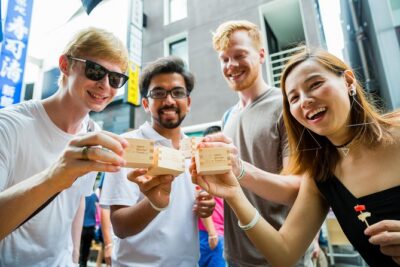
Tokyo Tsukiji Fish Market Food and Culture Walking Tour
Read our review →
Gion Magical Night Walking Tour with Geisha Trivia
Read our review →
Imperial Palace and Shogun Historical Walking Tour
Read our review →
Gion Geisha District Walking Tour – Stories of Geisha
Read our review →
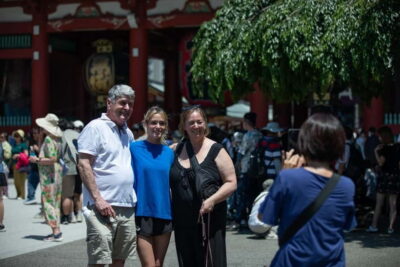
Asakusa Walking Tour with Sensoji Temple Visit
Read our review →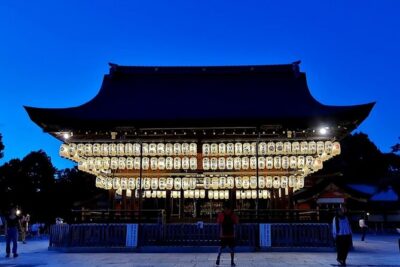
Kyoto Gion Geisha District Walking Tour – The Stories of Geisha
Read our review →Browse the lists this tour appears in