
REVIEW · WORKSHOPS
Private Art Sushi Roll Class in Kyoto
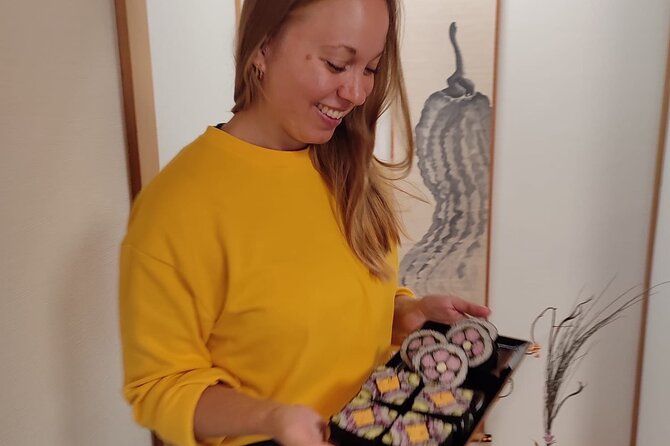
Kyoto’s kazarimaki sushi class turns an ordinary roll into a picture. With rice, nori, vegetables, and natural food colors, you build a peach-flower design piece by piece, then slice it to reveal the pattern. Aya leads the class in English, and the setting is a traditional home with tatami mats and optional Japanese clothing.
I like two things here. First, the class is private, so you can work at your own pace instead of trying to follow a teacher across a crowded room. Second, you leave with more than lunch: a booklet, a certificate, and a method you can repeat at home. The one-hour format is tidy and easy to fit into a Kyoto day.
The main caution is that the design is more involved than basic sushi rolling. One past participant found it best suited to people with some prior sushi-making experience, although beginners are welcome and Aya is patient. You also need to arrive on time and bring socks for the tatami room.
In This Review
- Key points to know before booking
- Building a picture inside a sushi roll
- Inside the private Kyoto home
- How Aya’s one-hour lesson works
- Why the private format matters
- What the strongest feedback tells you
- Who should book this Kyoto activity
- Timing, access, and cancellation details
- Is $93.32 a fair price?
- My recommendation for this sushi art class
- FAQ
- Where does the sushi class take place?
- What time does the class start?
- How long does the activity last?
- Is this a private class?
- What sushi design will I make?
- Is the class taught in English?
- Are vegetarian or vegan options available?
- Do I need to bring anything?
- What is included in the price?
- Can children join the class?
Key points to know before booking
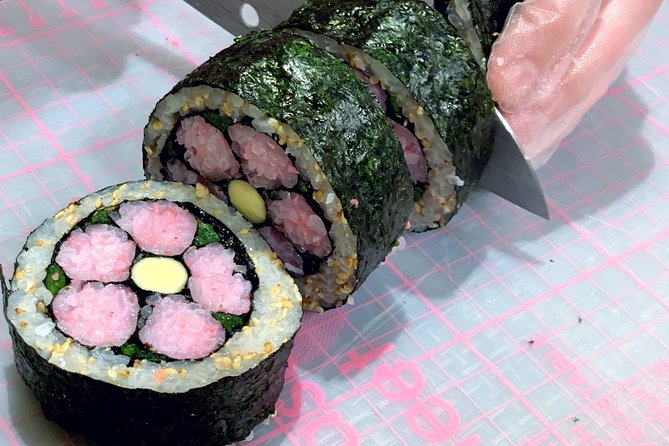
- A peach-flower design in 60 minutes: You assemble a colorful kazarimaki roll, then cut it open to see the image inside.
- A genuinely private class: Only your own group takes part, making this a good choice for families and friends.
- Aya teaches in English: Her clear instructions and patient approach help you keep up with the many small steps.
- Traditional clothing and tatami: Women receive a kimono, while men and children receive other traditional garments.
- Take-home extras: The price includes ingredients, tea or coffee, bottled water, a booklet, and a completion certificate.
- Socks are required: You cannot enter the tatami room without them, so pack a pair even in warm weather.
Building a picture inside a sushi roll
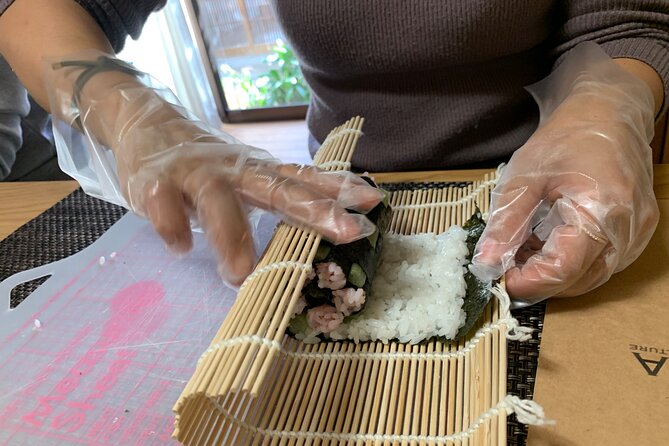
Regular makizushi gives you a neat cylinder of rice, nori, and filling. Kazarimaki goes further. The ingredients are arranged so that the cross-section forms a picture when the roll is sliced.
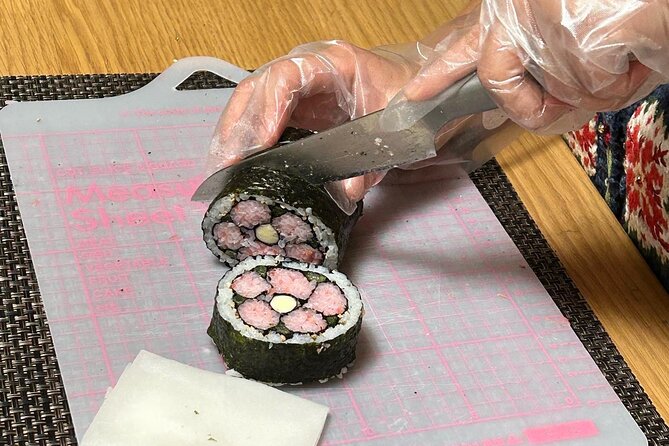
This class focuses on a peach-flower pattern. The design uses edible colors made from plants, rather than relying only on the pale tones you normally see in sushi. That gives the finished roll its visual appeal while keeping the process tied to traditional ingredients and Japanese cooking methods.
The clever part is the construction. You do not simply spread ingredients across a sheet and roll everything together. Each colored section has to be placed in the right position, with enough rice and filling to hold the shape. The final image only appears at the end, so the cutting moment gives the class a small but satisfying payoff.
I like this kind of cooking lesson because it teaches a technique, not just a recipe. You learn how food can be arranged for presentation, how pressure affects the roll, and how a few simple ingredients can create a more ambitious result. The finished sushi also makes a natural conversation piece at home.
Do not expect a long meal or a broad survey of Japanese cuisine. The class has one clear target, a peach-flower roll, and the short duration keeps the focus tight.
A few more Kyoto trips to weigh up
- Kyoto: 45-Minute Tea Ceremony Lesson Experience
★ 4.3 · 2,378 reviews - Ramen Cooking Class at Ramen Factory in Kyoto
★ 5.0 · 1,937 reviews - Kyoto : Chopsticks Making Workshop in Gion with Engraving Option
★ 5.0 · 958 reviews
Inside the private Kyoto home
The meeting point is SAKURA Experience Japanese Culture Nijo Home, at 660 Izumicho in Nakagyo Ward. The activity begins at 4:30 pm and ends back at the same location.
The home setting is part of the experience. You sit on tatami rather than in a standard cooking studio, and the hosts provide traditional clothing. Women wear a kimono, while men and children receive other traditional garments. This adds a cultural element without turning the class into a performance. You are there to cook, but the surroundings make the hour feel different from an ordinary food workshop.
Bring socks. This is not a small suggestion. Japanese customs require socks in the tatami room, and bare feet are not allowed. Put a pair in your day bag so you do not have to think about it after a long afternoon of sightseeing.
The meeting point is near public transportation, but the supplied details do not give a precise station or walking time. Check the exact map location before leaving your hotel, and allow enough time to arrive before 4:30 pm. If you arrive more than 15 minutes late, you cannot join the class.
How Aya’s one-hour lesson works
Aya is the English-speaking instructor. Her husband, Manabu Ito, may also help with photographs and cleanup. That practical support matters in a short class. You can concentrate on the hands-on work while someone else handles some of the behind-the-scenes tasks.
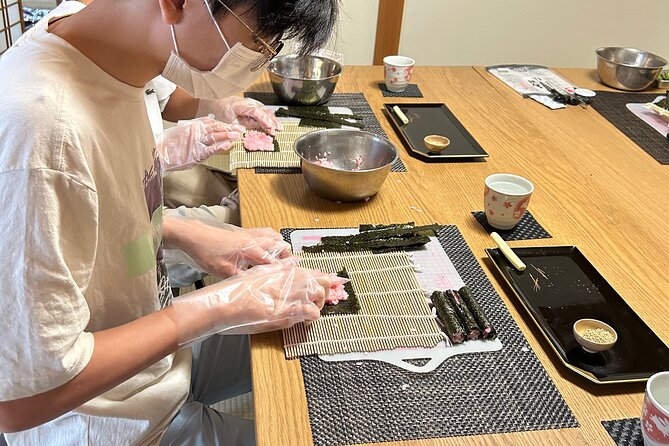
The class begins with instruction and commentary from Aya. You learn what kazarimaki is and how the design will be built. The directions need to be followed in order, since a misplaced piece early on can affect the flower pattern later.
Next comes the assembly. You work with the included sushi ingredients and edible plant-based colors. Vegan and vegetarian options are available, which makes the class easier to share with a mixed group. The information provided does not specify every filling, so tell the provider about your dietary needs when booking rather than assuming every ingredient will suit you.
The rolling stage is where the class asks for the most care. A picture roll needs more precise handling than a basic sushi roll. Keep your hands steady, listen closely, and do not rush the shaping. One useful point from the class feedback is that the steps are presented clearly, but a little familiarity with sushi can make the process feel easier.
At the end, you slice the roll and see the peach flower. You also receive a booklet and a certificate. The booklet gives the experience lasting value because it can help you repeat the method later, though the exact level of detail in it is not specified.
Tea or coffee, bottled water, and all sushi ingredients are included. This is helpful, but remember that the main value is the private teaching and cultural setting, not the amount of food. A one-hour cooking class is not designed to replace dinner.
Why the private format matters
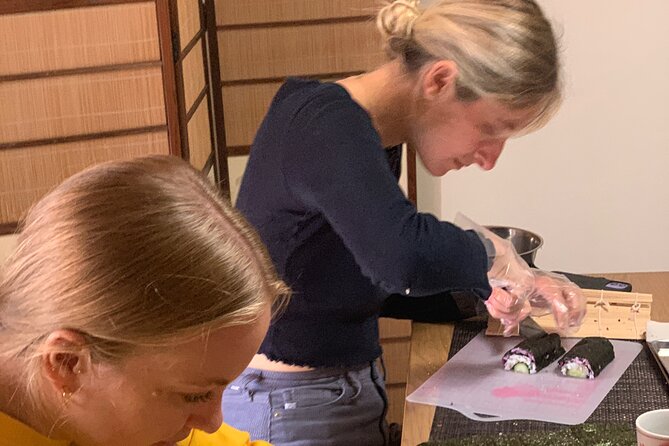
Private tours can cost more than shared classes, but here the format has a clear purpose. Kazarimaki involves several small stages, and your instructor can watch your work rather than give the same explanation to a large room.
The listed price is $93.32 per person. For a solo visitor, that is a fairly serious price for one hour. For a family or small group, the value improves because you are paying for a private activity that everyone can share. Group discounts are available, so check the current rate for your party before booking.
The private setup also suits different ages and abilities. Children can take part with a parent or guardian, and babies and toddlers may sit or sleep on the tatami mat. Anyone under 18 must come with a parent or guardian who is over 21.
You should still be realistic about the class format. Private does not mean completely casual. You are making a detailed food design in a limited time, so you will need to pay attention. If your group wants a slow, open-ended cooking lesson with several dishes, this is not that kind of activity.
Same city, a completely different kind of day:
- PERFECT KYOTO 1-Day Bus Tour
★ 5.0 · 13,518 reviews - Kyoto: Fushimi Inari, Kinkakuji, Bamboo Grove 1 Day Bus Tour
★ 4.8 · 4,316 reviews - Kyoto: Tea Ceremony in a Traditional Tea House in Kiyomizu
★ 4.9 · 3,519 reviews - Kyoto Geisha Walking Tour: Gion District & Hidden Gems
★ 4.7 · 3,273 reviews
What the strongest feedback tells you
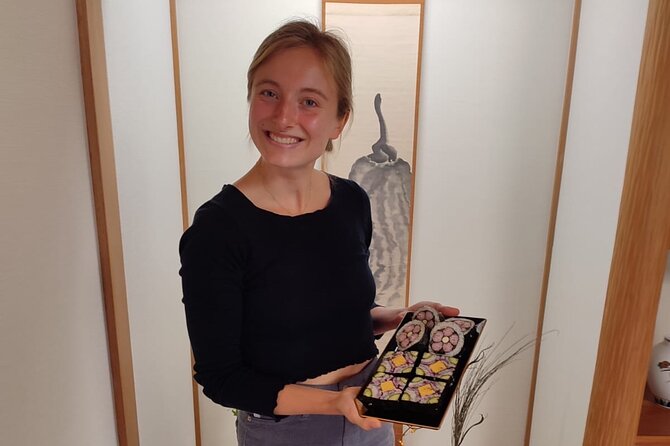
The best signs are consistent. Aya is described as patient, her English as clear, and her instructions as easy to follow. Those details matter more here than grand claims, since a picture roll can become confusing when the teacher skips steps.
The hosts also create a welcoming home atmosphere. Families with teenagers and grandparents have found the activity a special way to cook together. Manabu’s help with photographs and cleanup is another useful touch, especially if you want pictures of the process without stopping your own work.
A second useful point is the sense of achievement at the end. People have taken the method home and wanted to try sushi art again with family. That is a good sign for anyone choosing this as a hands-on souvenir rather than a one-time food sample.
There is one note to keep in mind. A participant felt the class might suit people who already knew a little about making sushi. That does not cancel the beginner-friendly promise, but it tells you to come ready to listen carefully and accept that the design may take concentration. If your group is comfortable following instructions, you should be fine. If you want a purely relaxed activity with no precision, choose something simpler.
Who should book this Kyoto activity
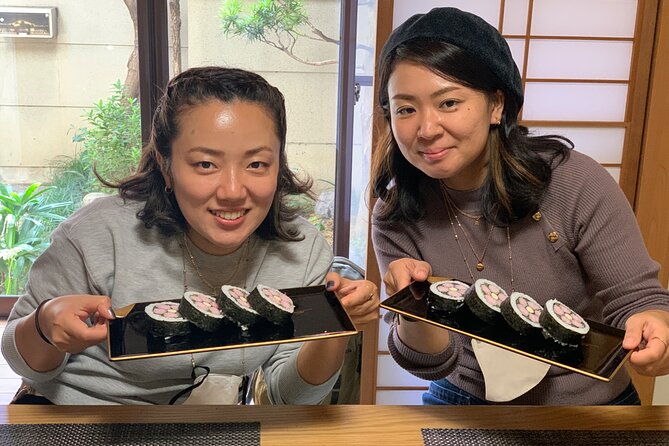
I would point this class toward families, couples, friends, and small private groups who want to make something together. It has a clear goal, a short running time, and enough cultural detail to feel connected to Kyoto rather than like a generic cooking session.
It also suits people who enjoy crafts, food presentation, and photography. The colored flower inside the finished roll gives you a strong visual result, and the traditional clothing and tatami room add interest to the pictures.
The class is a good fit for visitors who want to recreate a Japanese dish at home. The included booklet and certificate reinforce that idea. You are not only watching a demonstration. You are learning a repeatable process and taking home a reminder of how it works.
I would be more cautious about booking it for someone who dislikes detailed handwork, has limited patience for step-by-step instruction, or expects a large meal. The activity is about making one artistic roll. Its reward is the finished design and the shared process.
Timing, access, and cancellation details
The class starts at 4:30 pm and lasts about one hour. That makes it a useful late-afternoon plan, but you should not pair it with a tight dinner reservation immediately afterward. The end time is approximate, and late arrivals of more than 15 minutes cannot join.
The location is near public transportation, and the class ends where it begins. Mobile tickets are available, and confirmation is provided when you book.
Free cancellation is available if you cancel at least 24 hours before the local start time. Cancellations or changes made within 24 hours are not accepted for a refund.
Is $93.32 a fair price?
The answer depends on how you value private instruction. At $93.32 per person, this is not a bargain food lesson if you measure value by the amount you eat. The class lasts only about an hour, and it centers on one roll.
The price makes more sense when you count the full package: a private instructor, a traditional home, clothing, all ingredients, drinks, a booklet, and a certificate. You also avoid the uncertainty of a large shared class. Group discounts may bring the per-person cost down for families and friends.
I would book it for a special Kyoto afternoon, especially if your group wants an activity that produces something you can talk about and recreate later. I would skip it if your priority is a long cooking session, a full meal, or the lowest possible price.
My recommendation for this sushi art class
Book the Private Art Sushi Roll Class in Kyoto if you want a compact, personal activity with a strong visual result. Aya’s clear English, patient teaching, and the help from Manabu make the practical side easier, while the kimono, tatami room, and plant-colored sushi give the hour a distinct Japanese character.
Before paying, make sure everyone in your group understands that this is careful food assembly, not simply rolling a basic sushi log. Bring socks, arrive early, and ask about vegetarian or vegan ingredients in advance. For families and small groups, the private format and group discounts can make the $93.32 price worthwhile. For solo visitors or anyone seeking a full meal, the value is less convincing.
FAQ
Where does the sushi class take place?
It takes place at SAKURA Experience Japanese Culture Nijo Home, 660 Izumicho, Nakagyo Ward, Kyoto, Japan.
What time does the class start?
The class starts at 4:30 pm.
How long does the activity last?
The class lasts approximately one hour.
Is this a private class?
Yes. Only your own group participates in the activity.
What sushi design will I make?
You will make a peach-flower pattern sushi roll.
Is the class taught in English?
Yes. The activity is operated by an English-speaking instructor.
Are vegetarian or vegan options available?
Yes. Vegetarian and vegan options are available. Contact the provider about your needs when booking.
Do I need to bring anything?
You must bring socks because socks are required before entering the tatami room.
What is included in the price?
The class includes all sushi ingredients, bottled water, tea or coffee, traditional clothing, a booklet, and a certificate.
Can children join the class?
Children may join with a parent or guardian. Anyone under 18 must come with a parent or guardian over 21, and babies and toddlers may sit or sleep on the tatami mat.
Just added around Kyoto
- Private Guided Traditional Buddhist Cooking in Japan★ 5.0 · 16 reviews
- Kyoto: Gion Geisha District & Sake-in-Hand Walking Tour★ 5.0 · 37 reviews
- Your Private Vacation Photography Session In Kyoto★ 5.0 · 110 reviews
- Kyoto: Zen Meditation at a Private Temple with a Monk★ 5.0 · 25 reviews
- Traditional Japanese Washi Papermaking- Kyoto morning★ 5.0 · 77 reviews
- Kyoto Wagashi(Japanese sweets) Cooking Class near Fushimiinari★ 5.0 · 60 reviews
- Private Pewter Sake Cup Experience with a Kyoto Artisan★ 5.0 · 31 reviews
- Private Cooking Class Udon in Kyoto Japan★ 5.0 · 23 reviews
Workshops, compared.
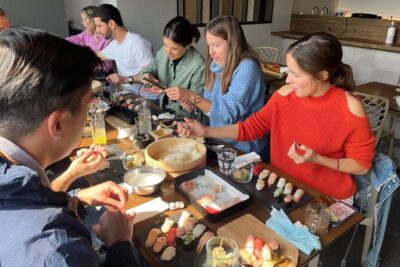
Sushi Making Tokyo Roll and Authentic Japanese Sushi Class
Read our review →
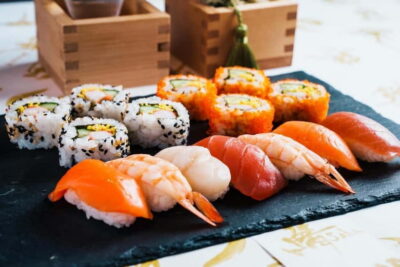
Roll and Authentic Sushi Making Class in Asakusa
Read our review →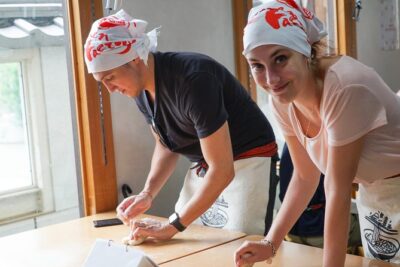
Ramen Cooking Class at Ramen Factory in Kyoto
Read our review →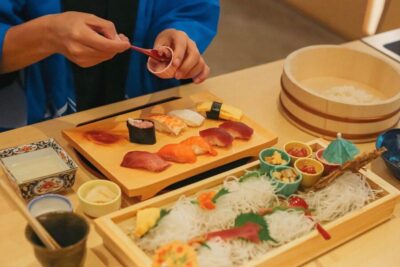
Sushi Making Class in a Happi Coat near a Famous Spot
Read our review →
Sushi Making Osaka Roll and Authentic Japanese Sushi Class
Read our review →
Tokyo Sushi Making Class in Tsukiji with Professional Chef
Read our review →Browse the lists this tour appears in