
REVIEW · KIMONO & CULTURE EXPERIENCES
Osaka: Temple Tour and Traditional Calligraphy Lesson
The most striking part of this Osaka experience is the setting: you practice calligraphy inside Saishoji Temple, only a few minutes from Yotsubashi Station, yet far removed from the noise of the shopping streets. The slow brushwork, ink scent, and quiet room give the hour a peaceful rhythm.
I especially like the small-group feel, which matters when you are holding a brush for the first time, and the useful keepsakes: your chosen kanji on a mini shikishi, a Japanese name card with its meaning, and a small ceramic plate. The main limitation is time. One hour gives you a fine introduction, but not a full study of calligraphy, meditation, or tea ceremony.
- Temple setting: Practice Japanese culture inside Saishoji Temple in Horie, close to Shinsaibashi.
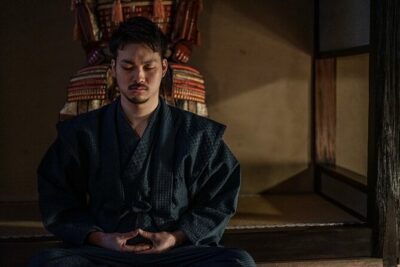
- Calm first step: Begin with breathing meditation to settle your mind before using the brush.
- Hands-on calligraphy: Learn basic strokes, then write one favorite kanji on a mini shikishi.
- Personal keepsakes: Take home a kanji name card and an 8 cm ceramic plate.
- English instruction: The activity is led in English and includes all needed materials.
- Easy access: Walk three minutes from Yotsubashi Station, or 10 minutes from Shinsaibashi.
In This Review
- A Quiet Temple Hour in Central Osaka
- What the First Few Minutes Teach You
- Zazen: Clearing Space Before the Brush
- Learning the Shape and Weight of Japanese Characters
- The Mini Shikishi Makes a Better Souvenir
- Matcha and the Wider Cultural Program
- Why the Temple Location Matters
- A Good Choice for Solo Visitors and Families
- What the Price Includes at $20
- Planning Your Visit Near Yotsubashi
- Small Details That Improve the Experience
- Should You Book This Saishoji Temple Experience?
- FAQ
- Where does the temple and calligraphy experience take place?
- How do I reach Saishoji Temple?
- How long does the activity last?
- Is the activity taught in English?
- What activities are included?
- What do I take home?
- How much does the experience cost, and can I cancel?
A Quiet Temple Hour in Central Osaka
Osaka is famous for food, neon, shopping, and quick-moving crowds. This experience offers a different side of the city without sending you far from the action.
Saishoji Temple is at 1-6-18 Kitahorie, in Osaka’s Nishi-ku. Yotsubashi Station is just a three-minute walk away, while Shinsaibashi Station takes about 10 minutes on foot and Namba Station about 15 minutes.
That location is a real strength. You can fit this into a day of shopping around Shinsaibashi, a visit to Amerikamura, or an afternoon near Namba. You do not need to spend half a day reaching a distant temple district.
The temple atmosphere gives the activity more weight than a standard classroom lesson. You are not simply copying characters at a desk in a tourist center. The setting encourages slower movements and quieter attention, which is exactly what calligraphy needs.
What the First Few Minutes Teach You
The session begins with a short guided lesson on Osaka and Japanese culture. Topics include the history of Shinsaibashi, Yotsubashi, and Osaka Castle, along with the difference between a temple and a shrine.
That background is useful because the two are easy to confuse. Buddhist temples and Shinto shrines have different traditions, layouts, and customs. A brief explanation helps you make better sense of other places you visit in Japan.
The language element adds another practical layer. You learn conversational phrases and cultural expressions while practicing mindful communication. This is not a full Japanese course, and you should not expect to leave speaking at a new level, but it gives context to the words you hear during your trip.
The English-speaking instructor keeps the session open to beginners and more advanced language learners. The emphasis is cultural understanding rather than grammar drills, so you can enjoy it even if your Japanese is limited to a few greetings.
More Kimono & Culture Experiences in Osaka
- Osaka: Sumo Show & Experience w/ Optional Kimono & Hot Pot
★ 4.5 · 609 reviews - Samurai Training Experience KENDO in Osaka
★ 5.0 · 515 reviews - OSAKA NIGHT FUSION Japanese Taiko Kabuki Samurai Dance Show
★ 4.8 · 155 reviews
Zazen: Clearing Space Before the Brush
Before calligraphy, you take part in a short Zazen meditation. The focus is simple: settle your thoughts, pay attention to breathing, and prepare for concentrated work.
This is a good choice for the activity. Beginners often grip a calligraphy brush too tightly and rush through the strokes. A brief pause first helps you notice your posture and breathing.
You should think of this as an introduction to meditation, not a long monastic retreat. The total activity lasts only one hour, and several cultural elements share that time. Still, the short meditation can change the pace of your day, especially if you arrive after crowded trains or busy shopping streets.
The quiet has been one of the strongest parts of the experience for solo participants. You can attend alone without needing to make conversation with a group, and the calm setting gives you a little private space even during a guided activity.
Learning the Shape and Weight of Japanese Characters
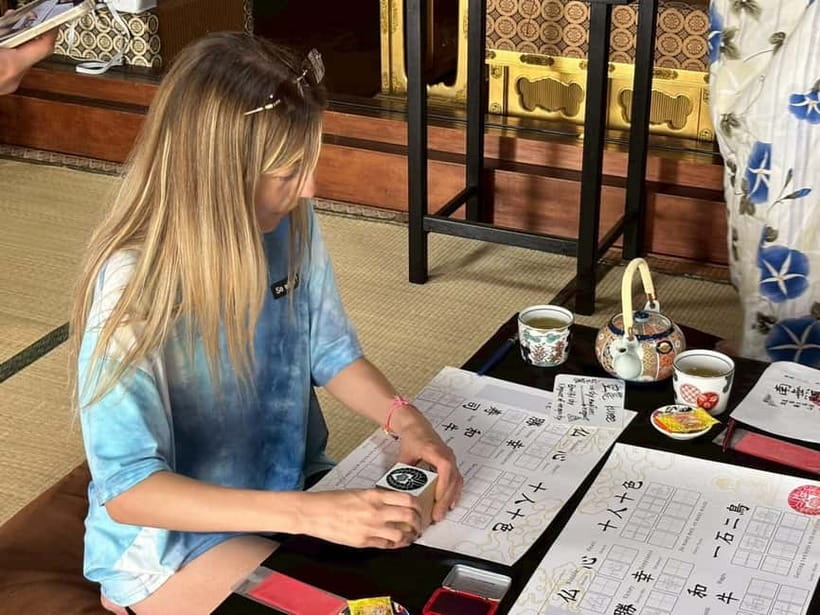
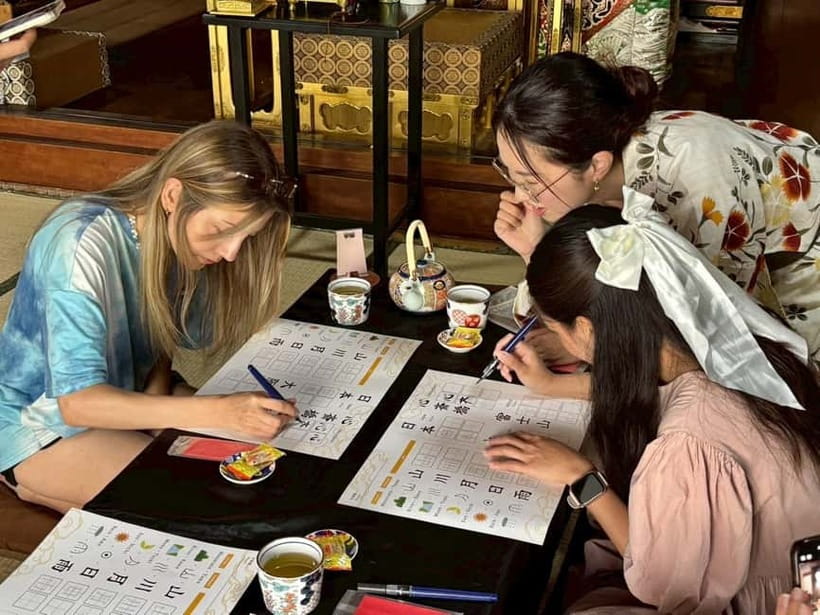
The calligraphy lesson is the heart of the experience. You first practice basic brushwork, then choose one favorite kanji to write on a mini shikishi.
A kanji is more than a decorative symbol. Each character carries meaning, and choosing one gives the final piece a personal connection to your trip. You may choose a character connected with peace, courage, joy, family, or another idea that matters to you. The supplied information does not prescribe a fixed character, so the choice is part of your own experience.
The instructor demonstrates how to handle the brush and explains the strokes in a way that works for first-timers. Several people with no previous calligraphy experience found the instructions easy to follow, which is encouraging if your handwriting skills stop at filling out a customs form.
Do not expect perfection. Japanese calligraphy rewards control, balance, and patience, not a quick attempt to make a flawless souvenir. Your first strokes may look uneven. That is normal, and the point is to feel how the brush responds as you slow down.
You also get a chance to focus on the physical details: the brush in your hand, the smell of ink, the movement from one stroke to the next, and the pause before lifting the brush. That sensory work explains why this activity feels more restful than a typical craft class.
The Mini Shikishi Makes a Better Souvenir
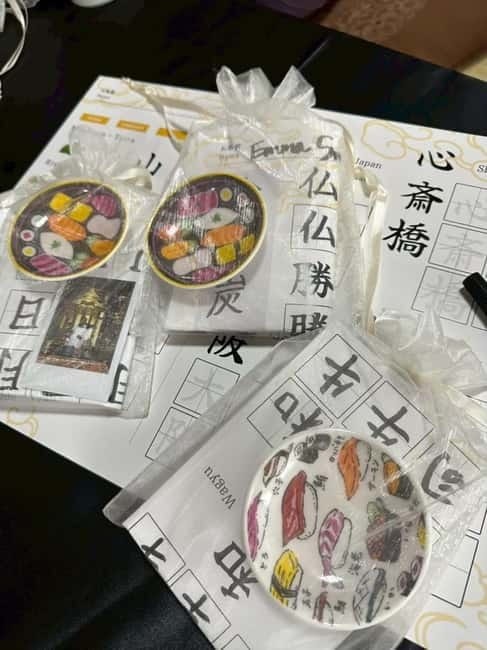
Your chosen kanji goes on a mini shikishi, a small presentation board traditionally used for calligraphy and artwork. It is compact enough to pack easily, but more personal than a mass-produced Osaka souvenir.
This is where the activity delivers good value. You leave with something you made, not just something you bought. The name card adds another personal touch, giving you a Japanese kanji name and its meaning.
The experience also includes a small ceramic plate measuring about 8 centimeters in diameter. It is a modest gift, but a useful one. You can use it for a small object or display it with your calligraphy at home.
The combination works well: the shikishi records your brushwork, the name card gives you a language connection, and the ceramic plate serves as a separate reminder of the temple visit.
More Temple & Shrine Tours in Osaka
- Osaka: Minoh, Katsuoji Temple, & Minoh Falls Full-day Tour
★ 4.9 · 172 reviews - Sagano Romantic Train & Arashiyama, Kiyomizudera, Fushimi Inari Taisha Day Tour
★ 4.5 · 171 reviews - Full Day Kyoto Tour : Bamboo Forest, Golden Temple, Fushimi Inari
★ 5.0 · 84 reviews - Osaka Temple Cool Foot Bath & Matcha Experience〈45min〉
★ 4.9 · 82 reviews
Matcha and the Wider Cultural Program
The session may also include a traditional matcha tea ceremony, alongside the meditation and calligraphy copying. These elements broaden the experience beyond writing characters.
Matcha preparation is a study in measured movements and attention to detail. It fits naturally with the slower pace of the temple and the concentration required for calligraphy.
Because the full activity lasts one hour, the amount of time devoted to each part can vary. If your main goal is calligraphy, you should treat the tea ceremony and history lesson as part of the cultural frame rather than expect an extended tea presentation.
That compact format is both an advantage and a drawback. You can sample several traditions in one easy session, but you will not receive a long formal lesson in every one. For a first introduction, the variety is useful. For serious calligraphy students or people seeking a lengthy meditation session, it may feel brief.
Why the Temple Location Matters
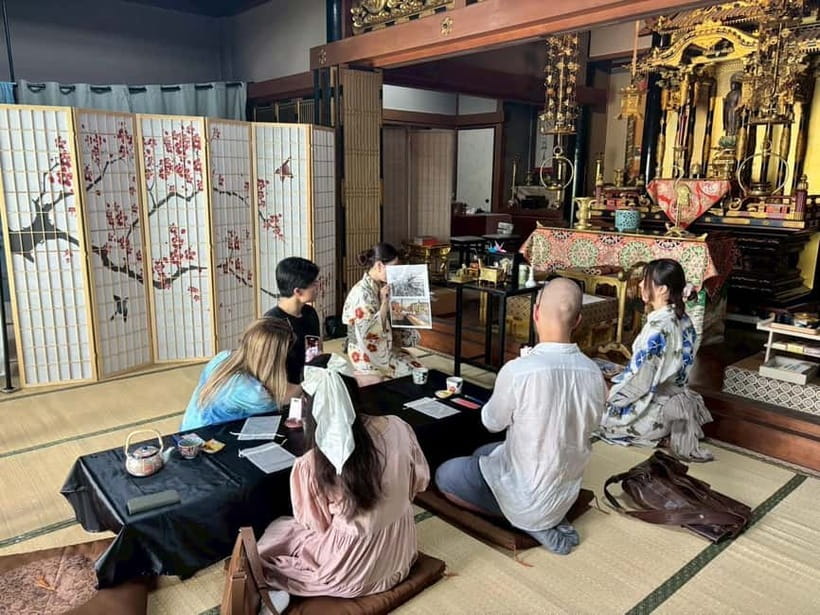
Saishoji Temple gives the session a sense of place. The experience is not just about learning what a kanji means. You are practicing a traditional art in a Buddhist setting, with resident monks and staff helping guide the process.
That connection matters because Japanese cultural activities can sometimes feel detached from their original context. Here, the temple setting links meditation, calligraphy, and tea in a way that makes the hour feel coherent.
The contrast with nearby Shinsaibashi is also part of the appeal. You can spend the morning among department stores and signs, then walk into a quiet temple room and shift your attention to one brushstroke at a time.
The setting is not a grand sightseeing stop on the scale of Osaka Castle. You should book this for the activity and atmosphere, not for a long temple tour or a major architectural spectacle.
A Good Choice for Solo Visitors and Families
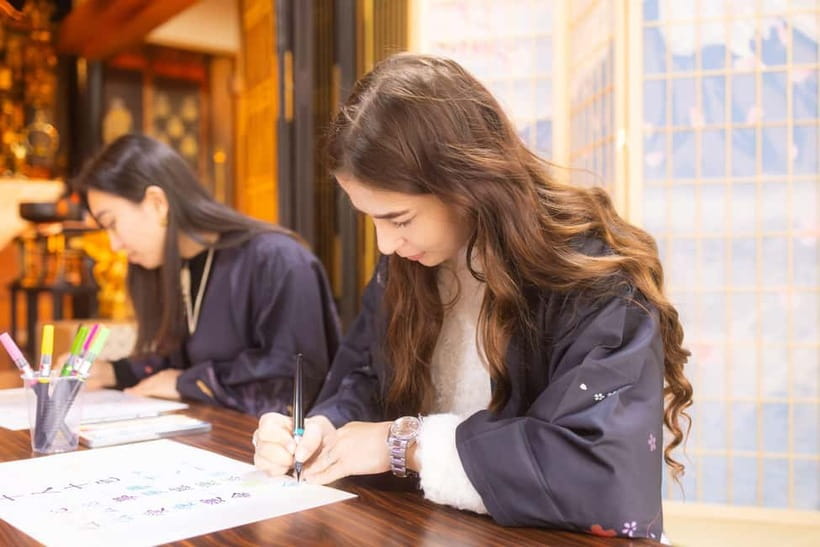
The activity suits solo visitors particularly well. You do not need a partner to participate, and the guided format gives you a clear role from the moment you arrive.
It also works for families. One family group found the chance to write kanji inside a temple unusual and memorable, while the staff provided attentive help throughout. Children who can follow simple instructions may enjoy the brushwork, though the supplied information does not give a minimum age.
Couples and friends can compare their chosen characters and finished shikishi. The experience is social enough to share, but quiet enough that you are not required to perform for the group.
Language learners will appreciate the English explanations of history, phrases, and cultural expressions. At the same time, you do not need to be studying Japanese. The calligraphy and meditation make sense even if you know no Japanese at all.
I would be less likely to recommend it to someone seeking a long, technical calligraphy workshop. The hour is designed as a broad cultural introduction, with several activities sharing the schedule.
What the Price Includes at $20
At $20 per person, this is one of the easier cultural activities to fit into an Osaka budget. The price includes the guided Japanese history and language lesson, cultural activities, interaction with resident monks, and all materials.
The value comes from the combination of instruction, temple access, and take-home items. A short calligraphy class alone might be worth the fee, but the meditation, name card, shikishi, and ceramic plate make the package feel fuller.
The duration keeps the cost practical, too. You are committing only one hour, so you can place the activity between larger plans instead of giving up a full morning or afternoon.
Still, keep your expectations in line with the price and schedule. This is not a private retreat, a long temple ceremony, or a professional art course. It is a compact introduction that gives you several well-chosen experiences and a few personal souvenirs.
The current rating is 4.9 from 24 ratings, with especially strong praise for the polite staff, clear instruction, peaceful temple atmosphere, and comfort of attending alone. Those are the areas where the activity appears strongest.
Planning Your Visit Near Yotsubashi
The meeting point is Saishoji Temple, at 1-6-18 Kitahorie, Nishi-ku, Osaka, 550-0014. From Yotsubashi Station, use Exit 4 on the Osaka Metro Yotsubashi Line, then walk about three minutes.
From Shinsaibashi Station on the Midosuji Line, allow about 10 minutes. From Namba Station, allow about 15 minutes.
I would save the map location before leaving your hotel. The temple is easy to reach, but central Osaka has plenty of lanes and changing streetscapes. Arriving a little early gives you time to find the entrance without hurrying into a quiet activity.
Starting times vary, so check availability when booking. The instructor language is English, and the activity provider is R株式会社.
You can cancel up to 24 hours in advance for a full refund, and the reserve-now, pay-later option helps if your Osaka schedule is still shifting. These policies are useful when you are arranging several short activities around weather, shopping, or day trips.
Small Details That Improve the Experience
Wear something that lets you sit and move comfortably. The supplied details do not state a dress code, but this is a temple-based activity, so modest, respectful clothing is a sensible choice.
Bring a small bag with room for the mini shikishi, name card, and ceramic plate. The plate is only 8 centimeters wide, but it still needs some protection in your luggage.
Keep your phone quiet and give yourself permission to slow down. The value of the session is partly lost if you treat the calligraphy as a race to finish a souvenir.
If you are attending alone, do not worry about being out of place. The format supports solo participation, and the staff are described as kind and attentive to individuals.
Should You Book This Saishoji Temple Experience?
I would book it if you want a short, affordable way to connect with Japanese traditions without leaving central Osaka. The temple setting, breathing meditation, beginner-friendly brush lesson, and personal souvenirs make the hour feel more thoughtful than a basic sightseeing stop.
It is particularly good for solo visitors, first-time calligraphy students, families, and people staying near Shinsaibashi, Yotsubashi, or Namba. The calm atmosphere also makes a useful break from Osaka’s shopping streets.
I would skip it only if you want an extended meditation, a serious calligraphy course, or a long tea ceremony. For everyone else, $20 buys a well-paced cultural introduction, clear English guidance, and keepsakes that carry more meaning than a shop-bought trinket.
FAQ
Where does the temple and calligraphy experience take place?
It takes place at Saishoji Temple, 1-6-18 Kitahorie, Nishi-ku, Osaka, 550-0014, Japan.
How do I reach Saishoji Temple?
The temple is a three-minute walk from Yotsubashi Station, Exit 4, on the Osaka Metro Yotsubashi Line. It is about 10 minutes from Shinsaibashi Station and 15 minutes from Namba Station.
How long does the activity last?
The activity lasts one hour. Starting times vary, so check availability for the date you want.
Is the activity taught in English?
Yes. The instructor language is English.
What activities are included?
The program includes a guided Japanese history and language lesson, breathing meditation or Zazen, basic calligraphy, calligraphy copying, and a traditional matcha tea ceremony. The exact time given to each part can vary within the one-hour session.
What do I take home?
You write one favorite kanji on a mini shikishi and receive a Japanese kanji name card with its meaning. You also receive a small ceramic plate measuring 8 centimeters in diameter.
How much does the experience cost, and can I cancel?
The price is $20 per person. You can cancel up to 24 hours in advance for a full refund, and you can reserve now and pay later.
More Workshops in Osaka
- Sushi Making Osaka Roll and Authentic Japanese Sushi Class
★ 5.0 · 1,220 reviews - Matcha Making Class in Osaka with Authentic Japanese Sweets Set
★ 5.0 · 509 reviews - Osaka: Ramen and Gyoza Cooking Class in Dotonbori
★ 5.0 · 378 reviews - Osaka Sushi Making Class – Hands-On Nigiri & Rolls (Same-Day OK)
★ 5.0 · 352 reviews
Just added around Osaka
- (Ticket Included) Explore Osaka Castle & Museum of History★ 4.8 · 21 reviews
- Hidden Osaka – Yukaku Red Light Tour & Culinary Adventure★ 4.8 · 96 reviews
- Osaka: Walking Tour and Top Highlights★ 4.8 · 104 reviews
- Osaka: Private Ceramic Painting Workshop★ 5.0 · 13 reviews
- Pickleball in Osaka, Kobe & Kyoto with Locals!★ 4.7 · 80 reviews
- Eat Like a Local in Osaka – Private Custom Street Food Tour★ 4.3 · 33 reviews
- Osaka:SUMO BEATS SHOWCASE: Taiko Drum and Wagyu burger!★ 4.2 · 37 reviews
- Kimono photoshoot-Includes 100 photo data★ 5.0 · 21 reviews
Kimono & Culture Experiences, compared.
Kyoto Geisha Walking Tour: Gion District & Hidden Gems
Read our review →
Gion Magical Night Walking Tour with Geisha Trivia
Read our review →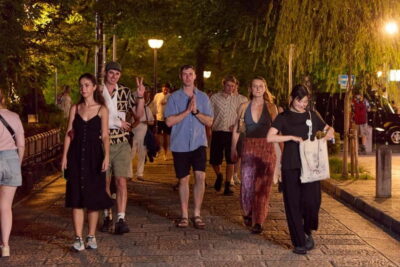
Gion Geisha District Walking Tour – Stories of Geisha
Read our review →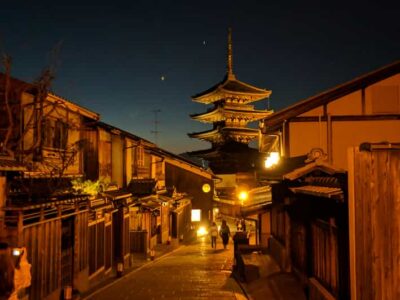
Best of Kyoto: Gion, Geisha, Pagodas & Cobblestones
Read our review →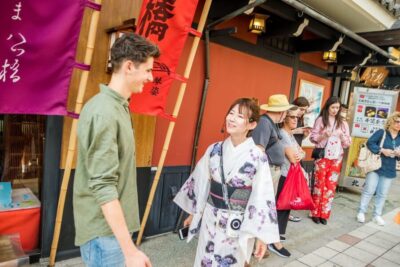
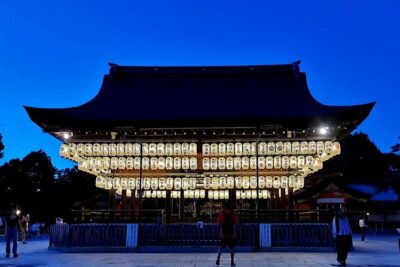
Kyoto Gion Geisha District Walking Tour – The Stories of Geisha
Read our review →
Browse the lists this tour appears in