
REVIEW · TEA CEREMONY EXPERIENCES
Osaka Temple Cool Foot Bath & Matcha Experience〈45min〉
The best part of this 45-minute Osaka experience is the way it joins temple worship, matcha, and foot care in one calm visit. You offer incense, learn simple customs, sit with kneaded incense, and then let tired feet rest in a cooling bath while your hosts explain each step.
I like the gentle cultural introduction and the fact that you make your own matcha rather than simply watching a tea service. I also like the practical extras: wagashi, matcha ice cream, a light foot massage, yukata dressing, and photos taken on your phone. The main drawback is time. Forty-five minutes goes quickly, so this is a compact taste of Japanese tradition, not a long formal tea ceremony.
In This Review
- Key Points
- A 45-Minute Pause Inside Osaka
- Beginning With Worship, Incense, and Quiet Attention
- The Cooling Foot Bath and Light Scrub Massage
- Matcha, Wagashi, and Matcha Ice Cream
- Wearing a Yukata and Taking Home Photos
- How the Hosts Shape the Visit
- Is $34 a Fair Price?
- Who Will Enjoy This Experience Most?
- Practical Advice Before You Book
- Should You Book the Osaka Temple Foot Bath and Matcha Experience?
- FAQ
- How long does the experience last?
- Where does the experience take place?
- What is included in the price?
- Do I make the matcha myself?
- Are Japanese sweets included?
- Is matcha ice cream included?
- Can I wear a yukata?
- Who takes the photos?
- What languages are available?
- How much does the experience cost?
- Can I cancel for a full refund?
Key Points
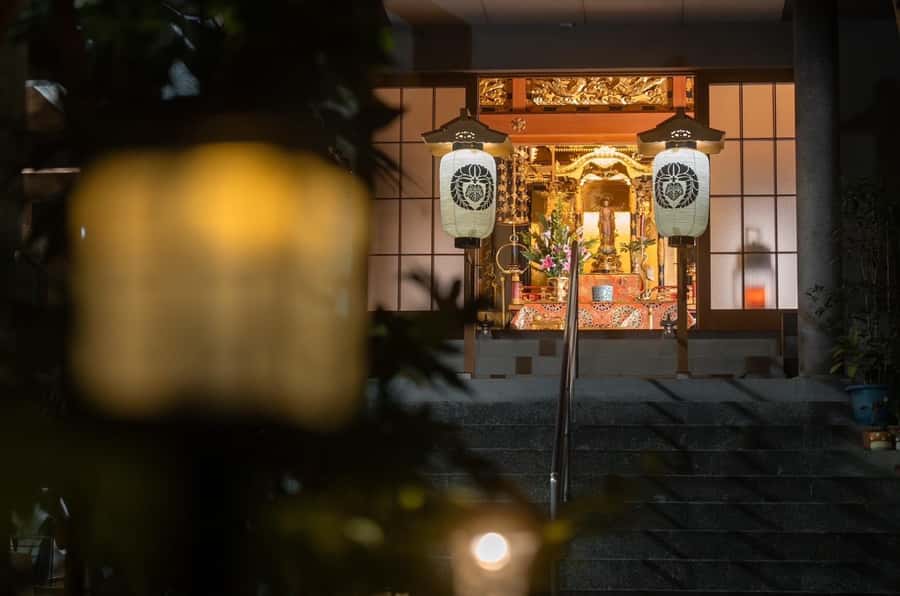
- A temple setting with hands-on worship: Learn about incense offering, kneaded incense, and meditation before the food and foot bath.
- Cooling foot bath after a day of walking: Your feet receive a soak and a light scrub massage, a welcome pause on an Osaka sightseeing day.
- You make your own matcha: The hosts explain the process and let you whisk the tea yourself.
- Wagashi and matcha ice cream included: Traditional sweets add a useful lesson in how Japanese tea is served.
- Yukata photos are part of the visit: Dress in a traditional robe, then have the staff take pictures with your smartphone.
- Good value at $34: The price covers the ceremony, sweets, foot care, photos, and language support in Japanese and English.
A 45-Minute Pause Inside Osaka
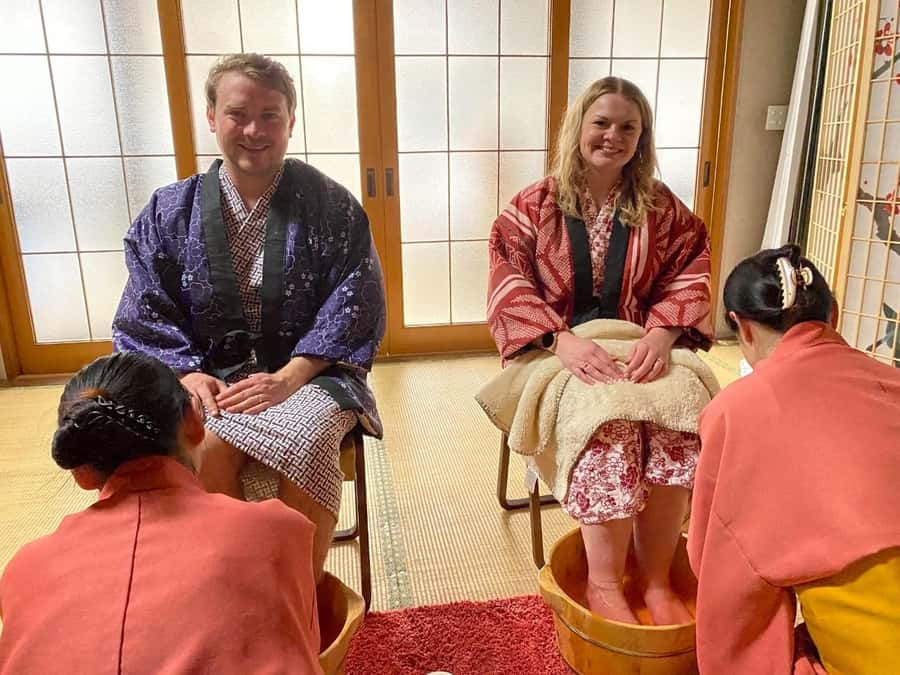
Osaka rewards energetic sightseeing. You can spend the morning in markets, the afternoon in shopping arcades, and the evening walking from one food stop to the next. That pace is fun, but it can leave your feet and attention worn out.
This experience gives you a short reset without asking you to give up half a day. In 45 minutes, you move from temple customs to incense, meditation, a foot bath, and matcha. The visit is designed for people who want cultural context, but who may not have the time, clothing, or confidence to book a longer formal tea ceremony.
The setting matters. A traditional temple changes the feel of the activity from a casual café lesson into something quieter and more connected to Japanese practice. You are not only learning how to whisk green tea. You are also shown how worship and stillness fit into the visit.
Do not expect a grand ceremony with an elaborate seasonal program. The short format means the experience stays focused and approachable. That is a strength for a first introduction, though anyone seeking a highly formal tea-school performance may find it too brief.
More Tea Ceremony Experiences in Osaka
- Osaka: Tea Ceremony Experience
★ 4.9 · 1,426 reviews - Tea Ceremony Experience in Osaka Doutonbori
★ 5.0 · 754 reviews - Matcha Making Class in Osaka with Authentic Japanese Sweets Set
★ 5.0 · 509 reviews
Beginning With Worship, Incense, and Quiet Attention
The experience starts with an explanation of the temple, worship, and the traditions behind matcha. You take part in worship and an incense offering, then apply kneaded incense and spend a little time with meditation.
These details give the tea its proper setting. Matcha can be treated as a pretty drink and a photo opportunity, but its meaning becomes clearer when you first learn about the calm, deliberate actions around it. The incense portion also helps slow the pace before the more playful parts of the visit begin.
You do not need prior knowledge of Japanese religious customs. The hosts explain what to do, which makes the activity friendly for first-time visitors. English support is available alongside Japanese, an important point if you want to understand the actions rather than copy them without context.
The meditation element is brief, based on the 45-minute schedule. Think of it as a moment to settle your mind, not a full meditation class. I like that the experience includes this pause, since it keeps the visit from becoming only a sequence of snacks and photographs.
The Cooling Foot Bath and Light Scrub Massage
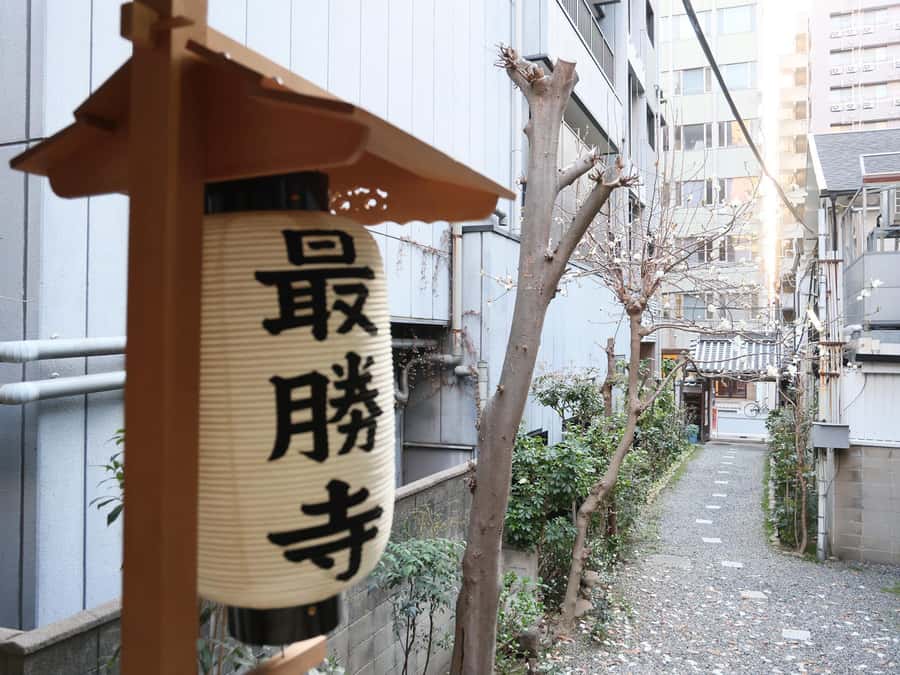
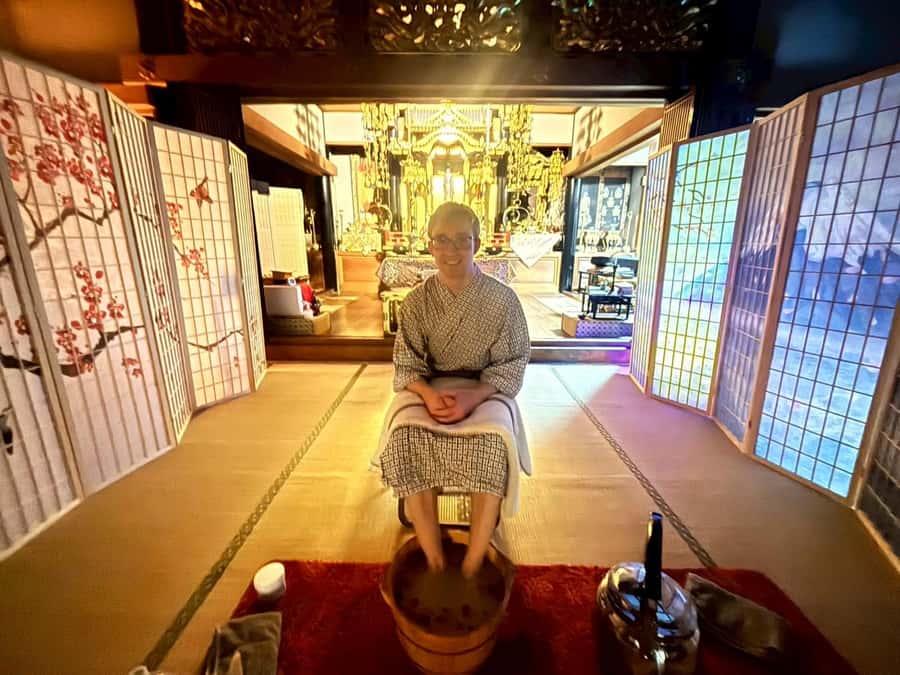
After the opening customs, you move to the foot bath. Your feet soak in cooling water, and the experience includes a light scrub massage. This is the practical heart of the visit for anyone who has spent the day walking around Osaka.
A foot bath is not a full spa treatment. The massage is described as light, so you should book this for relaxation rather than strong pressure or medical foot care. Still, a short soak can make a big difference when your shoes have carried you through a long day.
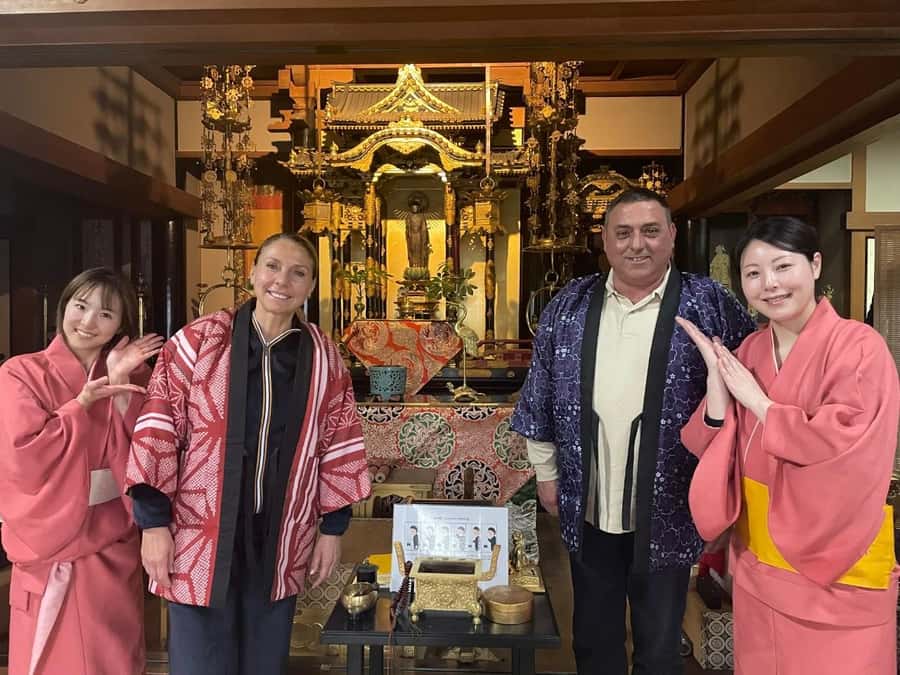
The foot bath also fits the mood of the temple. You are encouraged to pause, enjoy the quiet, and let the activity unfold at an easy pace. Several hosts are praised for their kindness and care, with Yuiitsumuni, Yumi, and Vanessa among the names associated with the experience. The warmth of the staff is an important part of the visit, especially when they are guiding you through unfamiliar customs.
For the best use of your time, schedule this after a day of sightseeing rather than before a major walking plan. The experience is especially well suited to an evening or late-afternoon break, although the available meeting time depends on the option you choose.
Matcha, Wagashi, and Matcha Ice Cream
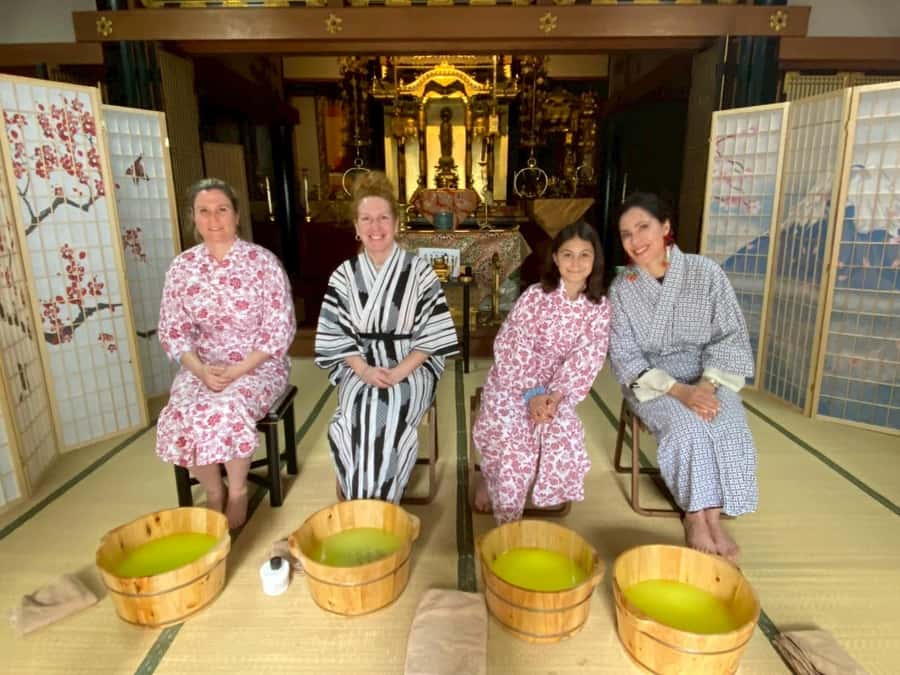
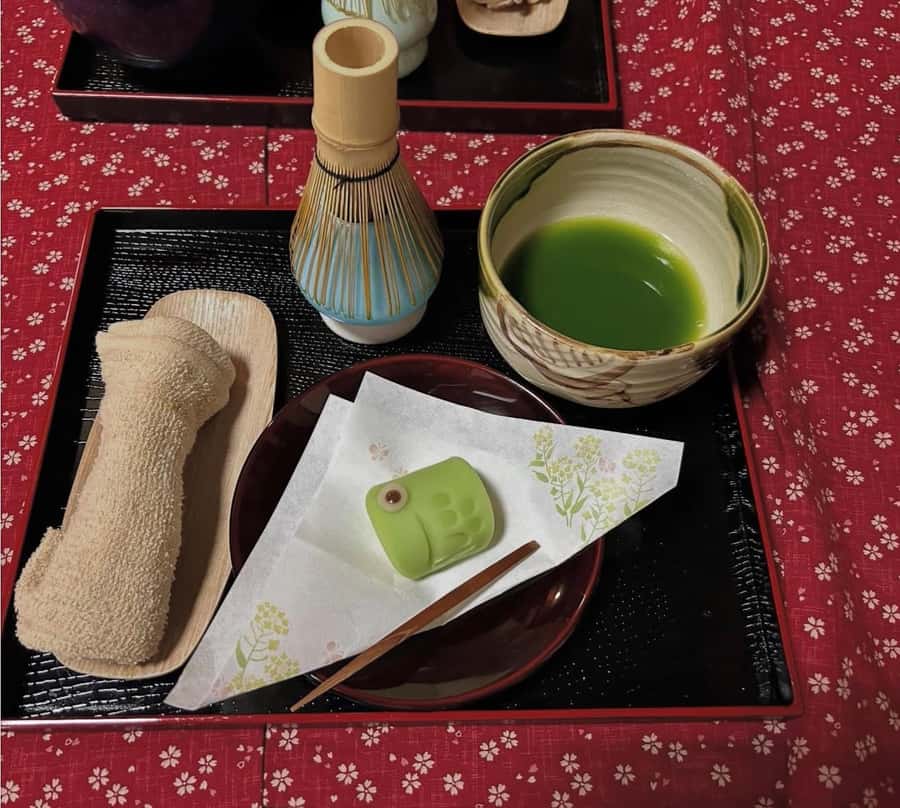
The tea portion goes beyond receiving a prepared cup. You learn how to make matcha yourself, with the staff explaining the process and showing you how to whisk it. That hands-on step makes the activity more memorable and gives you something useful to try again at home.
Matcha has a clean, grassy taste with a slight bitterness. The traditional wagashi served with it provides sweetness and balance. These small Japanese sweets are not just a snack on the side. They show you the classic pairing of a sweet bite with the stronger taste of powdered green tea.
The experience also includes matcha ice cream. That adds a more familiar, cool dessert to the traditional tea lesson and helps soften the sharper taste of the drink for anyone new to matcha.
You will use a specially designed cup, and the tea-making process is explained in a relaxed way. One small practical point: whisking matcha takes a little effort and can vary from person to person. If you want a perfectly smooth cup, pay attention to the demonstration and take your time. The point is participation, not speed.
More Temple & Shrine Tours in Osaka
- Osaka: Minoh, Katsuoji Temple, & Minoh Falls Full-day Tour
★ 4.9 · 172 reviews - Sagano Romantic Train & Arashiyama, Kiyomizudera, Fushimi Inari Taisha Day Tour
★ 4.5 · 171 reviews - Full Day Kyoto Tour : Bamboo Forest, Golden Temple, Fushimi Inari
★ 5.0 · 84 reviews - Osaka: Mind & Spirit Balance Temple Reiki Healing
★ 5.0 · 41 reviews
Wearing a Yukata and Taking Home Photos
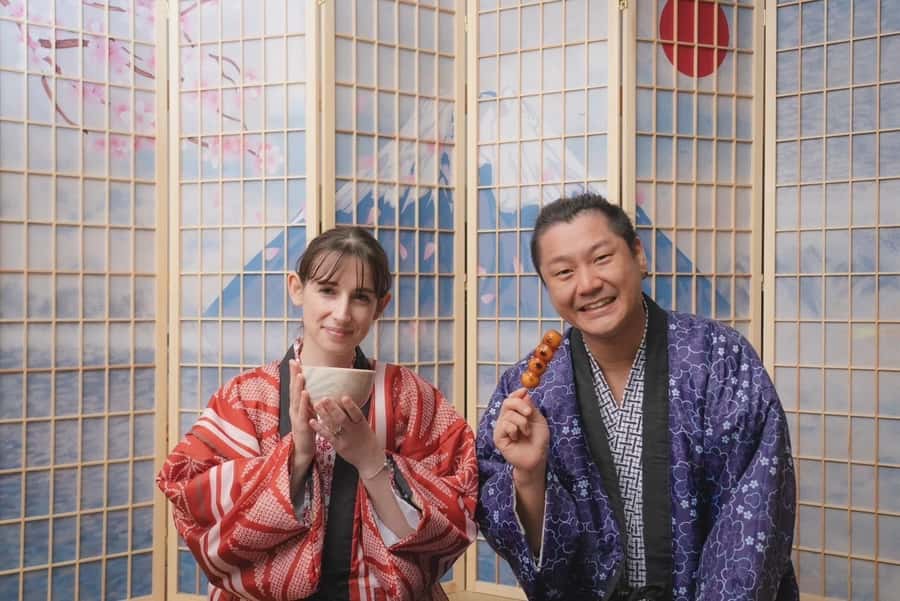
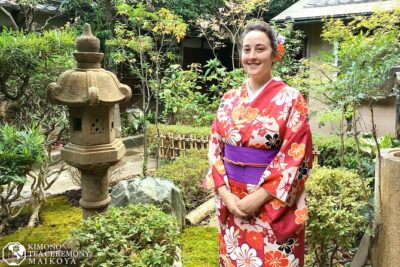
The yukata portion adds a visual memory to the visit. You can wear a traditional robe, learn how to put it on properly, and have the staff take photos using your smartphone.
This is a useful arrangement because you do not need to rely on strangers or rush to set up a timer. The hosts handle the pictures and give them to you on your own phone. You get a record of the temple setting, the tea, and the clothing without paying for a separate photography session.
The yukata is not the same as a fully formal kimono, and the visit does not appear to be a full dressing lesson. It is best understood as a short cultural activity tied to the experience. Still, learning how to wear it properly makes the photos feel more meaningful than simply putting on a robe for a quick snapshot.
If you are traveling with a partner or family member, the photos can make the activity feel shared. Solo visitors also benefit, since the staff can take pictures for you. Keep your phone charged, since the photos are taken with your device.
How the Hosts Shape the Visit
The staff are central to this activity. You are moving through religious customs, body care, tea preparation, sweets, and clothing in a short time. Clear instructions and a welcoming manner matter more here than a long lecture.
Yuiitsumuni is named as a friendly host who leads participants through the full experience. Yumi is also associated with a warm, cheerful approach, while Vanessa is mentioned in connection with the matcha whisking. The host assigned to your session may vary, but the available experience is offered in Japanese and English.
The teaching style is hands-on. You are shown how to worship, how to use incense, how to wear the yukata, and how to make matcha. That makes the activity a good choice if you prefer doing over listening.
The pace may feel quick if you want lengthy explanations about temple history or tea tradition. At the same time, the compact structure prevents the visit from becoming heavy. You receive enough background to understand what you are doing, then move on to the next part.
Is $34 a Fair Price?
At $34 per person, the value is strongest when you count the experience as several small activities joined together. The fee includes matcha, wagashi, matcha ice cream, the foot bath, a light foot massage, temple worship and incense, yukata use, and photos taken on your smartphone.
A regular tea service alone may cost less in some settings, but it may not include the temple customs, foot care, clothing, and staff photography. A spa visit may offer a longer massage, but it would not provide the tea lesson or cultural setting. This experience sits between those categories.
You are paying for convenience as much as for the individual items. In less than an hour, you can enjoy a cultural introduction and a physical rest without arranging several separate bookings.
The price is less compelling if you only want a formal tea ceremony or a serious massage. The foot treatment is light, and the tea ceremony is adapted for a short tourist visit. For a first taste of Japanese customs, the mix gives you a fair amount for the cost.
Flexible booking adds some practical value. You can reserve and pay later, and cancellation is allowed up to 24 hours in advance for a full refund. The meeting point can vary by the option booked, so check your selected option carefully before setting out.
Who Will Enjoy This Experience Most?
I would recommend this for first-time visitors to Osaka who want an introduction to Japanese culture without committing to a long ceremony. It also suits couples, families, and solo visitors who want photos and a simple activity with clear guidance.
It is especially useful after a full day on foot. The foot bath gives the experience a physical purpose, while the incense and tea create a mental break. People who enjoy small details, such as learning how to handle matcha or noticing the pairing of wagashi and tea, will get more from it.
This is also a good option if you feel unsure about temple etiquette. The staff guide you through worship and incense, so you can participate respectfully instead of guessing.
You may want something else if you need a long massage, a private meditation session, or a highly formal tea-school ceremony. The 45-minute schedule is tight, and every section is designed as an introduction. It is welcoming and varied, but not extensive.
Practical Advice Before You Book
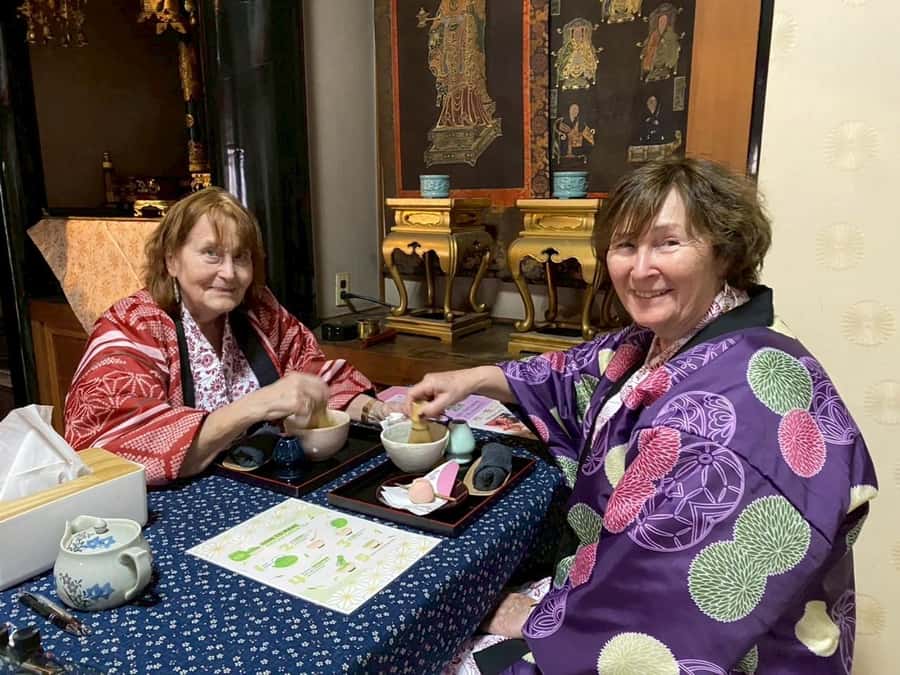
Plan this as a pause within an active Osaka day. Arriving after a long walk makes the foot bath more useful, but do not arrive so late that you feel rushed. The activity ends back at the meeting point, and the exact starting location depends on the option selected.
Wear clothing that makes it easy to sit comfortably and change into a yukata. The available information does not specify detailed clothing rules, so follow the host’s instructions on arrival.
Keep your smartphone ready for the photos. Since the staff use your phone, you do not need to purchase a separate photo package, but you should have enough battery and storage.
If you collect temple or shrine stamps, ask about the stamp mentioned during the visit. It can add a small personal touch to an already memorable stop, though stamp availability should be confirmed with the staff.
The activity is available in Japanese and English. If matcha is new to you, tell the host. The bitter taste is part of the drink, and the wagashi and ice cream help balance it.
Should You Book the Osaka Temple Foot Bath and Matcha Experience?
Book it if you want a short, well-rounded cultural stop that combines worship, tea, sweets, foot care, and a yukata photo. At $34, it offers more variety than a basic tea tasting and gives you a pleasant way to rest after a demanding day in Osaka.
Skip it if your priority is a long massage or a formal, highly detailed tea ceremony. This is a friendly introduction, not a specialist course.
For most first-time visitors, the mix is the appeal. You leave having learned a few temple customs, made matcha, tasted wagashi and matcha ice cream, rested your feet, and taken home photos. That is a lot to fit into 45 minutes, and the experience makes good use of every one of them.
FAQ
How long does the experience last?
The experience lasts 45 minutes.
Where does the experience take place?
It takes place at a traditional temple in Osaka, on Honshu, Japan.
What is included in the price?
The experience includes matcha, traditional wagashi sweets, a foot bath, a light foot massage, worship, incense offering, kneaded incense, meditation, matcha ice cream, and photos taken with your smartphone.
Do I make the matcha myself?
Yes. The experience includes instruction and a hands-on matcha-making activity.
Are Japanese sweets included?
Yes. Traditional wagashi are included with the tea experience.
Is matcha ice cream included?
Yes. Matcha ice cream is part of the experience.
Can I wear a yukata?
Yes. The experience includes wearing a yukata and taking a commemorative photo.
Who takes the photos?
The staff take photos using your smartphone and give the photos to you.
What languages are available?
The experience is available in Japanese and English.
How much does the experience cost?
The listed price is $34 per person.
Can I cancel for a full refund?
Yes. You can cancel up to 24 hours in advance for a full refund.
Just added around Osaka
- (Ticket Included) Explore Osaka Castle & Museum of History★ 4.8 · 21 reviews
- Hidden Osaka – Yukaku Red Light Tour & Culinary Adventure★ 4.8 · 96 reviews
- Osaka: Walking Tour and Top Highlights★ 4.8 · 104 reviews
- Osaka: Private Ceramic Painting Workshop★ 5.0 · 13 reviews
- Pickleball in Osaka, Kobe & Kyoto with Locals!★ 4.7 · 80 reviews
- Eat Like a Local in Osaka – Private Custom Street Food Tour★ 4.3 · 33 reviews
- Osaka:SUMO BEATS SHOWCASE: Taiko Drum and Wagyu burger!★ 4.2 · 37 reviews
- Kimono photoshoot-Includes 100 photo data★ 5.0 · 21 reviews
Tea Ceremony Experiences, compared.
Tea Ceremony in a Traditional Tea House in Kiyomizu
Read our review →
World Heritage Kyoto & Nara Uji Authentic Matcha Experience
Read our review →
Browse the lists this tour appears in