
REVIEW · WALKING TOURS
Nagasaki: Private Walking Tour with a Local
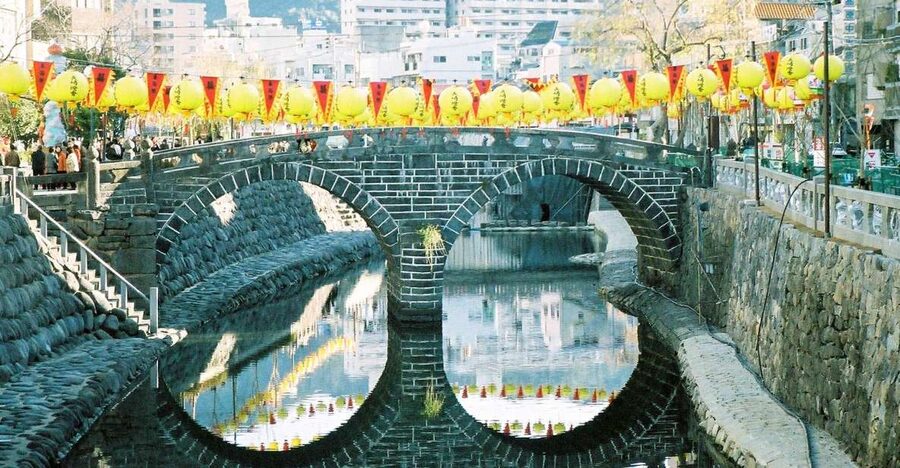
Nagasaki is best understood through personal stories, and this private walk gives you a local guide rather than a fixed script. Your Lokafyer might take you to the Atomic Bomb Museum and Peace Park, point out a favorite lunch spot, or lead you to places you would not easily find alone.
I like the one-to-one format and the freedom to set the pace. I also like that guides such as Yuki, Senyo, Masaaki, and Jun have adjusted plans for cruise schedules, public transport, lunch stops, and last-minute changes.
The tradeoff is simple: you need to help shape the tour. If you want a polished, preplanned route with a full commentary at every stop, this may feel too open-ended. Admission fees, food, drinks, and transport are extra.
In This Review
- Key points to know before you book
- A private introduction to Nagasaki
- Meeting your guide in central Nagasaki
- Choosing between memorial sites and everyday Nagasaki
- What the flexible itinerary really means
- The people who shape the experience
- Is $82 per person a fair price?
- Where this tour is strongest
- Where the tour may disappoint
- Practical ways to get more from your walk
- Should you book this Nagasaki walking tour?
- FAQ
- How long does the private Nagasaki walking tour last?
- Is the tour private?
- Where can the guide meet me?
- Can I request a specific starting time?
- Are entrance fees included?
- Are meals and local transport included?
- Is the tour wheelchair accessible?
- Are children charged the full price?
Key points to know before you book
- A route made for you: Choose your interests, from Nagasaki’s wartime memorials to food, shopping, cafés, and local neighborhoods.
- Private from start to finish: You walk with your own Lokafyer, with no shared group and no fixed route.
- Useful city help: Your guide can explain how to use local transport and suggest places to eat, shop, and spend the rest of your day.
- Good for cruise calls: Pickup can be arranged near the city center, and guides have met visitors at cruise terminals when practical.
- Flexible timing: Choose a tour of 3 to 6 hours and request a preferred starting time.
- Plan for extra costs: Entrance tickets, meals, drinks, taxis, and other local transport are not included.
A private introduction to Nagasaki
This is not a conventional sightseeing circuit. You do not simply follow a guide from one numbered stop to the next. You meet an English-speaking Lokafyer and shape the walk around what you want to understand, see, eat, or photograph.
That flexibility matters in Nagasaki. You may be focused on the Atomic Bomb Museum and Peace Park. You may care more about Dejima, local food, shopping, street art, cafés, or the city’s international connections. You can also arrive with no firm plan and ask your guide to help you decide.
The experience lasts from 3 to 6 hours. Three hours works well for a focused visit, especially if you want the major memorial sites or a short orientation. Six hours gives you room to combine history, neighborhoods, food advice, and scenic stops without rushing as much.
Your guide is called a Lokafyer. The tone is intended to feel like spending time with a local person who enjoys showing you around, not attending a formal lecture. That can make the day more relaxed, but it also means the quality and shape of the experience depend on the individual guide and your preparation.
More walking tours in Japan:
- Kyoto Geisha Walking Tour: Gion District & Hidden Gems
★ 4.7 · 3,273 reviews - Tokyo Tsukiji Fish Market Food and Culture Walking Tour
★ 5.0 · 3,184 reviews - Kyoto: Gion Magical Night Walking Tour with Geisha Trivia
★ 4.9 · 2,393 reviews
Meeting your guide in central Nagasaki
You can request a pickup near the city center. The meeting point may be your hotel, an iconic landmark, or a quiet café, as long as it is in or near the central area. Two listed reference points are the Statue of Dr. Sun Yat-sen, Umeya Shōkichi and Toku, and the Nagasaki Atomic Bomb Museum.
For a cruise visit, confirm the meeting plan early. One guide met a cruise passenger at the terminal, and another helped a group return to its ship after a morning outing. That kind of timing support can be worth more than a few extra sightseeing stops when your departure is fixed.
The meeting location is one of the first things to settle with the guide. Tell the company and your Lokafyer where you are staying, how much time you have, and if you must return to a ship or train. A private tour is most useful when the guide knows the limits before the walk begins.
Comfortable shoes are essential. This is a walking experience, and even a relaxed city walk can become tiring when you add museums, memorial sites, shops, and transport connections.
Choosing between memorial sites and everyday Nagasaki
The Atomic Bomb Museum and Peace Park are natural choices for a first visit. Several guides have taken people to both, and the experience can provide a clear introduction to the events that shaped modern Nagasaki. Senyo received especially strong praise for explaining the historical significance of the museum and Peace Park, while Masaaki helped make the sites easier to understand and navigate.
These places deserve time and attention, not a quick photo stop. If they are your priority, say so when booking and consider choosing at least three hours. You will also need to pay the guide’s admission fee if the tour enters a paid attraction.
The walk does not have to focus only on solemn history. One guide combined the museum and Peace Park with a tram ride to Dejima, then offered advice for the rest of the day. Dejima gives you a different side of Nagasaki, tied to the city’s role as a gateway for international exchange.
You might also ask for local food, shopping, or a café stop. One guide brought a group to an especially well-liked lunch restaurant. Another showed a visitor favorite parts of the city along with the historical places requested. These details are useful because they turn the tour into more than a checklist of famous sights.
If you are interested in street art and local culture, mention that directly. The experience is designed to respond to interests that a standard route may not cover. You can ask for less famous places, personal stories, or advice on where to wander after the tour ends.
What the flexible itinerary really means
The phrase customized walking tour can sound vague, but here it has a practical effect. You are not locked into a route that ignores your interests. Guides have changed plans for different needs, including a last-minute lack of preparation, a cruise schedule, and a change of port from Nagasaki to Sasebo.
One group had no plan on the morning of the tour. Jun quickly organized the outing and helped them get back toward their ship. Another guide balanced walking with public transport and taxis, which allowed the group to cover more ground without treating the entire day as a foot race.
That flexibility is valuable, but it is not unlimited. Local transport, taxis, meals, and entrance fees are not included. If you want to add an attraction, you must cover the admission cost for your guide too. Ask about the likely route and extra expenses before the day begins.
You can also request a specific start time. This is helpful if you are arriving by ship, have a train to catch, or want to fit the walk around another reservation. The tour provider says pickup is included when the meeting point is in or near central Nagasaki, but transport around the city itself is separate.
A few more Japan trips to weigh up
- Tokyo 6hr Private Tour with Government-Licensed Guide
★ 5.0 · 3,902 reviews - Private Tour to Mt. Fuji and Hakone (Fully Licenced Operator)
★ 5.0 · 1,910 reviews - Fushimi Inari Hidden Hiking Tour (Private Option Available)
★ 5.0 · 1,750 reviews - Private Kyoto Tour with a Local, Highlights & Hidden Gems, Personalised
★ 5.0 · 1,543 reviews
The people who shape the experience
The strongest part of this tour is the guide. The feedback points to several guides who made the day personal and easy to follow.
Yuki has been praised for careful preparation, good communication before the tour, and finding places that many visitors would not locate alone. She has also adjusted plans around personal interests and shown favorite parts of Nagasaki instead of sticking only to requested landmarks. Her language skills may be useful for people who want clear communication before and during the walk.
Senyo has helped first-time visitors with both historical context and a friendly introduction to the city. He has also been singled out for explaining the Atomic Bomb Museum and Peace Park with care.
Masaaki took a group to the museum, Peace Park, and the Nagasaki Ropeway during a three-hour outing. That combination shows how a guide can link major historical sites with a scenic stop when time allows.
Jun has handled a same-day request from a group that had not planned its sightseeing. Muhammad communicated several times before the walk and met a cruise passenger at the terminal. REM prepared around the requested sights and used very good English, according to the booking feedback.
These examples also show why you should share your priorities in advance. The guide can respond better when you say if you want serious historical discussion, food, shopping, scenic views, family-friendly pacing, or a simple orientation.
Is $82 per person a fair price?
At $82 per person, this is not the cheapest way to see Nagasaki. You still pay for admission, meals, drinks, and local transport. If you are comfortable using a map, tram, and guidebook, you can visit several sights for less money on your own.
The value comes from time and attention. You get a private guide for 3 to 6 hours, a meeting point suited to your plans, and advice shaped around your interests. A good guide can help you avoid wasting time on confusing connections, choose a worthwhile lunch, and adjust the route when your schedule changes.
The price makes the most sense for couples, families, or small private groups who want direct help. It is also useful for a first visit, a short cruise call, or anyone who wants context at serious historical sites rather than a quick self-guided stop.
For a solo visitor, the per-person cost may feel high. For a group sharing a private experience, it can be easier to justify. Compare the price with how much you value local guidance, transport help, and a plan that changes as the day develops.
Where this tour is strongest
This experience works particularly well in four situations:
- You are visiting Nagasaki for the first time and want to get oriented quickly.
- You have a short port call and need help using your time well.
- You want to combine famous sites with food, shopping, cafés, or less familiar areas.
- You prefer conversation and personal stories over a formal, rehearsed presentation.
It is also a good match if you want to ask questions as you go. A local can explain how to continue exploring after the walk and point you toward places for the afternoon.
Families may appreciate the private format because the pace can be adjusted. Children under 3 join free, and children from 3 to 12 receive a 50 percent discount. The activity is listed as wheelchair accessible, but you should still discuss the planned route and any transport needs before booking.
Where the tour may disappoint
The lack of a fixed itinerary is both the benefit and the risk. One past booking found the guide friendly and personable but wished the company had supplied more background material and suggested routes. That is fair criticism.
If you do not know Nagasaki, you may not know what to request. A guide who waits for you to name every sight may leave too much decision-making in your hands. To avoid that, ask for a suggested plan before the tour. You can then add or remove stops.
The experience may also vary from guide to guide. Some guides bring strong preparation and detailed historical context. Others may focus more on conversation and practical help. The supplied feedback includes high praise for English, preparation, patience, and flexibility, but it also makes clear that this is not presented as a formal professional guiding service with one standardized script.
Finally, remember that the guide’s admission fee is your responsibility when you enter a paid attraction. Budget for that, plus any tram, taxi, food, or drink costs.
Practical ways to get more from your walk
Before the tour, send three pieces of information: your top interests, your walking comfort, and your hard stop time. If you are arriving by cruise, state the ship departure time and the latest safe return time.
Ask your guide to balance major sights with one or two personal recommendations. That could mean the Atomic Bomb Museum and Peace Park in the morning, followed by Dejima, a food stop, or advice on shopping. The exact route will depend on timing and your interests, but the principle is sound: combine one clear priority with room for local suggestions.
Do not hesitate to ask for transport when a long walk would use too much of your allotted time. A previous guide balanced walking with public transport and taxis. Those costs are extra, but the choice may allow you to see more without exhausting yourself.
If you have no plan, say so. Jun helped organize a same-day outing for people who had not decided what to see. The tour is built to handle that kind of request, though you should still expect to discuss options rather than receive a guaranteed sightseeing circuit.
Should you book this Nagasaki walking tour?
Book it if you want a private, flexible introduction and value a local person’s advice as much as the sights themselves. It is especially useful for first-time visits, cruise calls, families, and people who want to mix the Atomic Bomb Museum and Peace Park with food, shopping, Dejima, scenic views, or less familiar corners.
Think twice if you want a fixed route, standardized commentary, or the lowest possible cost. In that case, an independent day using Nagasaki’s public transport may suit you better.
For the best result, request a suggested itinerary, name your must-see places, and confirm all extra costs. With those details settled, the $82 price can buy something difficult to arrange on your own: a day that responds to you instead of forcing you into someone else’s plan.
FAQ
How long does the private Nagasaki walking tour last?
You can choose a duration from 3 to 6 hours. Availability and starting times are shown when you check the booking options.
Is the tour private?
Yes. The tour is for a private group, with a customized walking plan and your own English-speaking Lokafyer.
Where can the guide meet me?
The guide can meet you at a preferred location in or near Nagasaki city center. This may be your hotel, an iconic landmark, or a quiet café. The listed meeting options include the Statue of Dr. Sun Yat-sen, Umeya Shōkichi and Toku, and the Nagasaki Atomic Bomb Museum.
Can I request a specific starting time?
Yes. You can request a preferred tour time.
Are entrance fees included?
No. Entrance fees are not included. If you visit a paid attraction, you must also pay the guide’s admission fee.
Are meals and local transport included?
No. Meals, drinks, personal expenses, optional activities, and local transportation around the city are not included.
Is the tour wheelchair accessible?
Yes, the activity is listed as wheelchair accessible. Since it is a walking tour, discuss your preferred route and needs with the guide before the day.
Are children charged the full price?
Children under 3 years old join free. Children from 3 to 12 years old receive a 50 percent discount.
Just added around Japan
- Tokyo: Customizable Private Guided Walking Tour★ 4.5 · 129 reviews
- Private Harajuku Omotesando Architecture Tour★ 4.9 · 18 reviews
- Tokyo: Guided Helicopter Ride★ 4.9 · 24 reviews
- Tokyo: Guided Walking Tour of Tsukiji Market with Lunch★ 4.4 · 24 reviews
- Tokyo: Private Personalized Local Food Tour★ 4.5 · 101 reviews
- Tokyo GINZA: KONPARU Japanese Cabaret Show with Drink★ 4.8 · 38 reviews
- Tokyo: Guided Walking Tour of Tsukiji Market with Breakfast★ 4.4 · 134 reviews
- Tokyo: Gotokuji Cat Temple, Shinjuku Cat Cafe & 3D Cat Tour★ 4.9 · 38 reviews
Walking Tours, compared.
Kyoto Geisha Walking Tour: Gion District & Hidden Gems
Read our review →
Tokyo Tsukiji Fish Market Food and Culture Walking Tour
Read our review →
Gion Magical Night Walking Tour with Geisha Trivia
Read our review →
Imperial Palace and Shogun Historical Walking Tour
Read our review →
Gion Geisha District Walking Tour – Stories of Geisha
Read our review →
Asakusa Walking Tour with Sensoji Temple Visit
Read our review →
Kyoto Gion Geisha District Walking Tour – The Stories of Geisha
Read our review →Browse the lists this tour appears in