
REVIEW · TEA CEREMONY EXPERIENCES
Matcha Grinding Experience and Walking Tour in Uji Kyoto
Uji gives you two strong Japan experiences in one morning: the calm beauty of Byodo-in Temple and the hands-on pleasure of making your own matcha. You walk through one of Japan’s best-known tea towns, learn why Uji tea matters, and drink powder you ground yourself.
I like the small group limit of six, which makes it easier to ask questions and keep the pace relaxed. I also like that the temple admission, matcha class, and Japanese snack or ice cream are included. The main drawback is the price, $130.46 per person, especially since you must make your own way to the Kyoto Station meeting point.
I would choose this tour if you want more than a tea shop tasting. You will spend about four hours with an English-speaking guide, often Vincent, and the walk includes temples, a shrine, local tea culture, and a traditional stone mill workshop.
In This Review
- Key points at a glance
- Why Uji is the right place for a matcha lesson
- Meeting at Kyoto Station at 9:30 a.m.
- Byodo-in and the famous 10-yen coin view
- Uji Shrine adds a quieter second stop
- Fukujuen Ujicha Kobo and the stone mill
- What the guide adds to the walk
- Is $130.46 a fair price?
- Who will enjoy this Uji morning
- Timing, communication, and cancellation
- Should you book this Uji matcha tour?
- FAQ
- How long does the Matcha Grinding Experience and Walking Tour last?
- Where does the tour begin?
- What time does the tour start?
- Where does the tour end?
- Is hotel pickup included?
- What places are included in the route?
- Is admission to Byodo-in Temple included?
- What is included with the matcha workshop?
- How many people can join the tour?
- Do I need WhatsApp for the tour?
- Do I need to wear a mask?
- Can I cancel for a full refund?
Key points at a glance
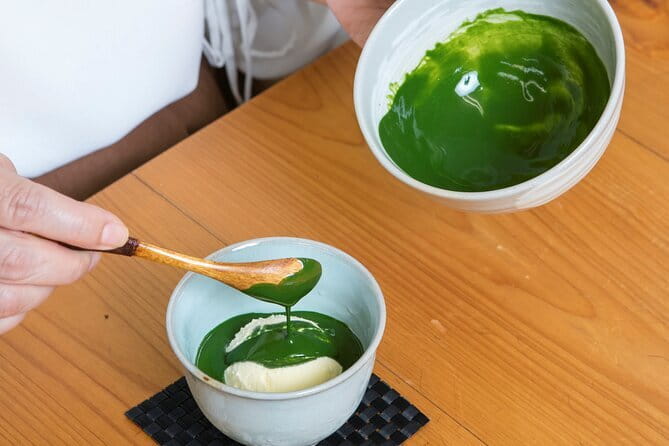
- Fresh matcha made by hand: Grind tea leaves with a traditional stone mill, then drink the powder you prepared.
- Byodo-in admission included: See the temple shown on Japan’s 10-yen coin and visit a UNESCO World Heritage Site.
- A small group of six or fewer: The format should feel more personal than a large coach tour.
- Three distinct Uji stops: Byodo-in Temple, Uji Shrine, and Fukujuen Ujicha Kobo each give the morning a different focus.
- A Kyoto Station start: Meet at Shinshindo near the JR Kyoto Station Central Exit at 9:30 a.m.
- A sweet finish: Your tea comes with Japanese snacks or matcha ice cream.
Why Uji is the right place for a matcha lesson
Uji is closely tied to high-quality Japanese green tea, so the setting makes sense before you even reach the workshop. This is not simply a generic tea class placed in a sightseeing district. The walking route connects the drink to the town where Uji tea has become a major part of local identity.
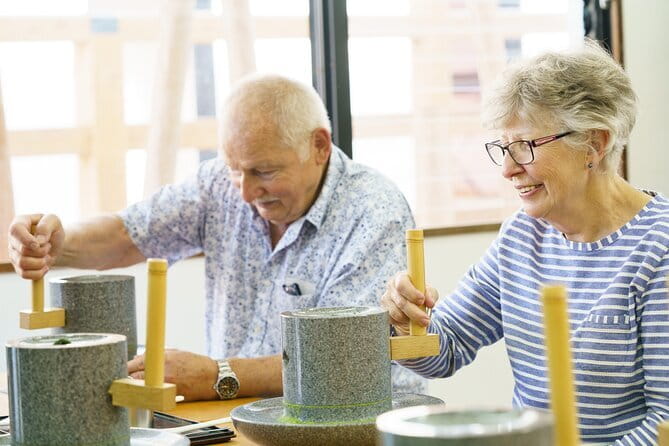
The class focuses on powdered tea made from leaves ground with a stone mill. That detail matters. You are not just watching a server whisk a prepared bowl. You take part in the slow step that turns tea leaves into fine matcha powder, then drink the result.
I like this approach because it gives you a better feel for the work behind a familiar Japanese product. Matcha is often presented as a finished café drink. Here, the process becomes part of the lesson.
The workshop also includes your choice of Japanese sweets or matcha ice cream. That adds a light, easygoing end to the activity, and it gives you a chance to compare the strong, earthy tea with something sweet.
More Tea Ceremony Experiences in Kyoto
- Kyoto: Tea Ceremony in a Traditional Tea House in Kiyomizu
★ 4.9 · 3,519 reviews - Kyoto: Tea Ceremony Ju-An at Jotokuji Temple
★ 4.9 · 3,207 reviews - Kyoto: 45-Minute Tea Ceremony Lesson Experience
★ 4.3 · 2,378 reviews
Meeting at Kyoto Station at 9:30 a.m.
The tour begins at Shinshindo near the JR Kyoto Station Central Exit, inside the bus ticket center area. You do not receive hotel pickup, so plan to reach the station on your own and allow enough time to find the exact meeting point.
A 9:30 a.m. start gives you a useful morning in Uji and leaves part of the afternoon open. It also means you should not treat this as a casual, sleep-in outing. Arrive ready to walk, and keep your phone available for contact.
Before the tour, make sure WhatsApp works on your phone. The guide uses it for communication, so this is an important practical step rather than a minor suggestion. You should also expect to wear a mask during the matcha-making workshop.
The activity ends back at the original meeting point. That is helpful if you have a later plan in Kyoto, since you do not need to arrange a separate return location. Still, the exact timing can vary, so I would avoid booking a tight connection immediately afterward.
Byodo-in and the famous 10-yen coin view
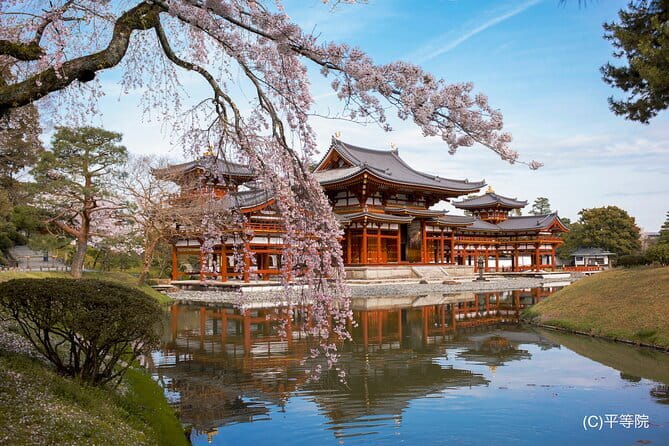
Byodo-in Temple is the visual anchor of the morning. Its image appears on Japan’s 10-yen coin, giving the building an unusual place in daily life. You may have handled the coin many times, but seeing the temple in person gives that familiar design a real setting.
Admission is included, which improves the value of the tour. You are not only walking past a famous building while the guide points toward it from outside. The route includes entry to the temple grounds.
Byodo-in is also a UNESCO World Heritage Site, so this stop carries more weight than a quick photo break. The visit gives your guide a chance to explain the site and connect its architecture with the wider story of Uji.
The practical point is that this is a walking tour, not a long temple lecture. The supplied information does not give a detailed schedule for the stop, so you should expect the guide to set the pace based on the group. If you want a full scholarly study of every building, this will feel brief. If you want a clear introduction while seeing the main attraction, the format should suit you well.
Bring a phone or camera if you like taking pictures, but do not let the coin connection become the whole visit. The temple is valuable as a place to see, not only as a design printed on money.
Uji Shrine adds a quieter second stop

Uji Shrine gives the route a different mood from Byodo-in. The itinerary includes both temple and shrine, so you get a chance to see two forms of Japanese religious tradition during the same morning.
This variety is one of the tour’s strengths. A tea activity alone could feel like a single-purpose workshop, while a temple walk alone might leave you without a hands-on element. Uji Shrine helps link the cultural sightseeing with the town’s wider character.
Your guide can explain what you are seeing as you move between stops. Vincent has been praised for explaining local sights and history clearly, and his tours have included several temples and shrines when the group size allowed a more flexible pace.
That flexibility is worth noting, but do not assume the tour can always become a private custom route. The group maximum is six, and one booking may sometimes create a private outing, but that is not guaranteed. You should see the small-group size as the benefit you can count on.
More Walking Tours in Kyoto
- Kyoto Geisha Walking Tour: Gion District & Hidden Gems
★ 4.7 · 3,273 reviews - Kyoto: Gion Magical Night Walking Tour with Geisha Trivia
★ 4.9 · 2,393 reviews - Kyoto: Gion Geisha District Walking Tour – Stories of Geisha
★ 4.7 · 2,187 reviews - Private Kyoto Tour with a Local, Highlights & Hidden Gems, Personalised
★ 5.0 · 1,543 reviews
Fukujuen Ujicha Kobo and the stone mill
Fukujuen Ujicha Kobo is where the matcha-making element comes into focus. You grind tea leaves into powder using a traditional stone mill, then prepare and drink the tea.
The physical act is simple, but it changes the way you think about matcha. You have to give the process time and attention rather than pressing a button or ordering a ready-made cup. That makes this the most distinctive part of the morning.
You should wear a mask during the workshop, as requested by the operator. This is also the part of the tour where clear communication matters most, so having WhatsApp available before the start is wise.
Your tea is paired with Japanese snacks or matcha ice cream. The inclusion is practical because you do not have to budget for a separate treat during the class. It also keeps the activity from feeling too formal. You can enjoy the tea as a cultural ritual, but also as a pleasant food experience.
The available details do not specify how long each person operates the mill or exactly how the tea is whisked. I would expect a guided introduction rather than an advanced tea ceremony course. Choose this tour for participation and context, not for professional tea training.
What the guide adds to the walk

An English-speaking guide gives the route its shape. Without a guide, you could visit Byodo-in, Uji Shrine, and a tea workshop on your own, but you would need to research the connections between them and manage the timing yourself.
Vincent is the guide named in the available feedback. He has been praised for being friendly, explaining the places along the route, and making the workshop easier to follow. One outing became private because of the booking size, which allowed the group to adjust the pace and go with the flow.
That is useful information for you, but keep expectations sensible. A friendly guide does not guarantee the same person on every date unless the booking confirms it. The tour promises an English-guided visit, while Vincent is an example of the guide you may encounter.
The maximum of six is a real advantage. You can ask about tea, the temple, or local customs without waiting behind a large group. A small party also helps during the workshop, where instructions and personal attention are more useful than a crowded room.
Is $130.46 a fair price?
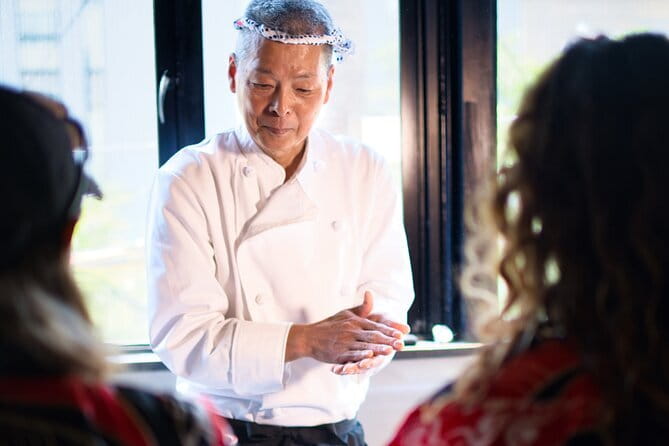
At $130.46 per person, this is not a budget way to see Uji. The price makes the most sense if you value a planned route, an English-speaking guide, temple admission, and a hands-on class in one package.
You are paying for four connected parts:
- Guided transport from the meeting point into a planned Uji route
- Admission to Byodo-in Temple
- The matcha-making workshop
- Japanese snacks or matcha ice cream
Hotel pickup is not included, and you must reach the starting point at Kyoto Station yourself. That keeps the tour from being a door-to-door service, so the value depends on how much help you want once the walking portion begins.
I would find the price easier to justify for a first visit to Uji, especially if you want cultural explanation rather than independent sightseeing. If you already know Uji well, speak Japanese, and mainly want to grind matcha, you may prefer arranging a shorter workshop on its own.
The small group also affects the calculation. A group of six or fewer usually gives you more direct contact with the guide than a low-cost outing with dozens of people. You are paying for that personal scale as much as for the individual inclusions.
Who will enjoy this Uji morning
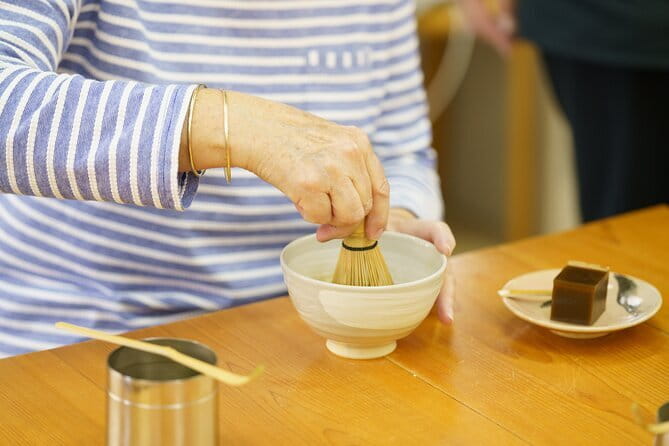
This tour fits matcha lovers who want to understand how the powder is made instead of only drinking it in a café. It also suits first-time visitors who want a gentle introduction to Uji without planning every stop themselves.
Families and mixed-interest groups may find the format useful because the morning does not rely on tea alone. Byodo-in and Uji Shrine provide sightseeing, while the stone mill and sweet treat give the activity a hands-on finish.
The route should also work well for people who prefer a small group. With no more than six participants, you can ask questions and hear the guide more easily.
I would be less likely to recommend it to someone seeking a long, highly detailed temple study or an advanced tea ceremony lesson. The tour combines several elements in four hours, so its strength is variety. You get a taste of Uji rather than an exhaustive course in one subject.
You should also consider the walking format. The supplied information describes a walking tour, but it does not give the distance, amount of stairs, or accessibility details. If those issues matter for you, ask the provider before booking.
Timing, communication, and cancellation
The tour lasts about four hours and starts at 9:30 a.m. The end point is the same as the start, which keeps the day simple, but you should leave room after the activity in case the group moves at a relaxed pace.
Confirmation arrives within 48 hours of booking, subject to availability. The activity requires a minimum number of participants, so a cancellation for that reason results in an alternative date or experience, or a full refund.
You can cancel for a full refund up to 24 hours before the local start time. Cancellations or changes made inside that 24-hour window are not accepted for a refund. I would check your Kyoto schedule before booking, especially if you are moving between cities.
The mobile ticket makes the booking easy to carry on your phone. Keep the meeting details accessible, and confirm that WhatsApp is installed and working before the morning begins.
Should you book this Uji matcha tour?
I would book this tour if you want a small-group introduction to Uji that combines a famous temple, a shrine, and a real tea-making activity. The strongest reason to choose it is the balance: you see important places, then do something with your hands and taste the result.
The price is the main question. At $130.46, it is best for you if the guide, included admission, and simple planning are worth paying for. It is less appealing if you only want a quick matcha drink or intend to explore Uji independently.
For a first visit, the four-hour format is sensible and focused. Make sure WhatsApp is ready, wear a mask in the workshop, arrive at Shinshindo by 9:30 a.m., and do not schedule a rushed connection afterward. If those details fit your day, this offers a pleasant and meaningful way to meet Uji through its temples and tea.
FAQ
How long does the Matcha Grinding Experience and Walking Tour last?
The tour lasts approximately four hours.
Where does the tour begin?
It begins at Shinshindo near the JR Kyoto Station Central Exit, inside the bus ticket center area at Kyoto Station.
What time does the tour start?
The start time is 9:30 a.m.
Where does the tour end?
The activity ends back at the original meeting point.
Is hotel pickup included?
No. Hotel pickup is not included, so you must reach the Kyoto Station meeting point yourself.
What places are included in the route?
The route includes Byodo-in Temple, Uji Shrine, and Fukujuen Ujicha Kobo.
Is admission to Byodo-in Temple included?
Yes. The Byodo-in Temple admission fee is included.
What is included with the matcha workshop?
You grind tea leaves into matcha powder with a traditional stone mill, make fresh tea, and receive Japanese snacks or matcha ice cream.
How many people can join the tour?
The maximum group size is six travelers.
Do I need WhatsApp for the tour?
Yes. You should make sure WhatsApp is available before the tour because the guide uses it for communication.
Do I need to wear a mask?
Yes. A mask is required during the matcha-making workshop.
Can I cancel for a full refund?
Yes. You can cancel at least 24 hours before the local start time for a full refund. Cancellations or changes made less than 24 hours before the start are not refunded or accepted.
Just added around Kyoto
- Private Guided Traditional Buddhist Cooking in Japan★ 5.0 · 16 reviews
- Kyoto: Gion Geisha District & Sake-in-Hand Walking Tour★ 5.0 · 37 reviews
- Your Private Vacation Photography Session In Kyoto★ 5.0 · 110 reviews
- Kyoto: Zen Meditation at a Private Temple with a Monk★ 5.0 · 25 reviews
- Traditional Japanese Washi Papermaking- Kyoto morning★ 5.0 · 77 reviews
- Kyoto Wagashi(Japanese sweets) Cooking Class near Fushimiinari★ 5.0 · 60 reviews
- Private Pewter Sake Cup Experience with a Kyoto Artisan★ 5.0 · 31 reviews
- Kyoto Private 6 hour Tour: English Speaking Driver Only, No Guide★ 5.0 · 88 reviews
Tea Ceremony Experiences, compared.
Tea Ceremony in a Traditional Tea House in Kiyomizu
Read our review →

World Heritage Kyoto & Nara Uji Authentic Matcha Experience
Read our review →
Browse the lists this tour appears in