
REVIEW · TEMPLE & SHRINE TOURS
Kyoto: Zen Meditation and Garden Tour at a Temple with Lunch
Kyoto’s Zen tradition makes the most sense when you experience it slowly, and this tour gives you a rare chance to meditate with a Zen monk rather than simply admire a temple from the outside. You begin in a quiet garden, visit Tofukuji, sit through a one-hour zazen session, and finish with a traditional Buddhist lunch.
I like the small group, limited to seven people, and the way guides such as Yutaka, Eri, Tammy, and Louis add useful context about Buddhism, symbols, and Japanese culture. I also like the mix of quiet time and conversation, including a short discussion with the monk after meditation.
The main consideration is that the meditation may not always feel private. One session took place in a large L-shaped room with about 30 other people, and the monk may not speak English. During zazen, you read silent materials rather than chatting with your guide.
In This Review
- Key points to know before booking
- Why this Kyoto Zen tour feels different
- Meeting at Tofukuji Station
- Kōmyō-in Garden: learning to look at Zen
- Tofukuji Temple and its striking details
- Shōrin-ji and the one-hour zazen session
- The temple atmosphere after meditation
- Shojin Ryori lunch near the temples
- What the $107 price really covers
- Who should book this experience
- FAQ
- Where does the Kyoto Zen meditation tour meet?
- How do I reach Tofukuji Station from Kyoto Station?
- Which trains should I use from Shijo Keihan?
- How long is the tour?
- Is the meditation session conducted in English?
- What kind of lunch is included?
- Should you book this Kyoto Zen experience?
Key points to know before booking
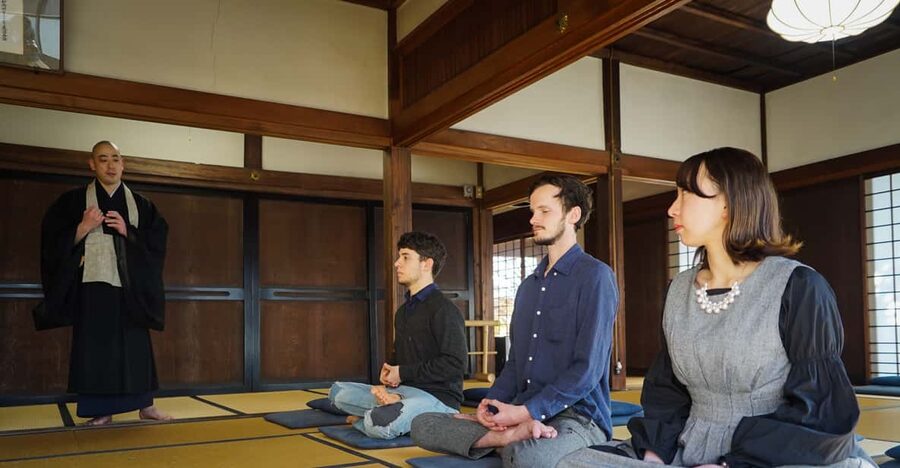
- A one-hour zazen session covers posture, breathing, concentration, and the ideas behind Zen meditation.
- Kōmyō-in Garden offers a calm introduction to Zen before the formal meditation begins.
- Tofukuji Temple includes notable features such as the San-mon gate, dragon ceiling paintings, and an old temple toilet.
- The small group is capped at seven, though the meditation room itself may sometimes include other participants.
- Lunch is traditional Shojin Ryori, with vegetables, mushrooms, seaweed, and dashi broth.
- The 10:45 start has a late 2:15 lunch, so eat a proper breakfast or brunch first.
Why this Kyoto Zen tour feels different
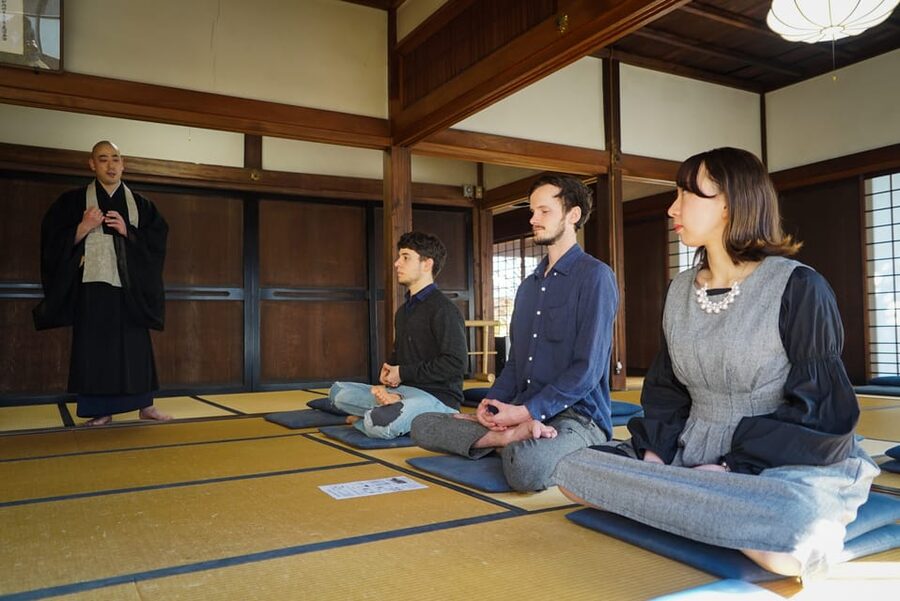
Many Kyoto temple visits are visual affairs. You walk through a gate, take a few photos, read a sign, and move on to the next sight. This experience asks you to slow down and pay attention to how a Zen setting works, then gives you a guided introduction to sitting meditation.
That order matters. You first visit a garden and hear how Zen ideas appear in its design. Only then do you move into the meditation session. I like this approach because it gives you something to consider while sitting, instead of treating zazen as a random silent pause in the middle of a sightseeing day.
The tour lasts 270 minutes, or four and a half hours. At $107 per person, it is not a bargain in the simple transportation-and-sightseeing sense. You are paying for temple admissions, an English-speaking guide, a meditation experience, photos, a small-group format, and lunch. For someone who wants a cultural activity with real explanation, the price is fair. If you only want to see Tofukuji quickly, you can visit the temple on your own for far less.
The experience is best for adults and older teenagers who are curious about Buddhist practice, not just Japanese architecture. Children under 12 cannot join, and the quiet format may not suit anyone looking for a lively food tour or a fast-moving temple circuit.
More Garden & Palace Tours in Kyoto
- Kyoto: Nijo-jo Castle and Ninomaru Palace Guided Tour
★ 4.7 · 1,020 reviews - Kyoto: Nijo Castle, Kiyomizu & Fushimi Inari Guided Tour
★ 4.7 · 700 reviews - Kyoto: Imperial Palace & Nijo Castle Guided Walking Tour
★ 4.7 · 453 reviews
Meeting at Tofukuji Station
The meeting point is outside Exit 2 of Tofukuji Station, next to FamilyMart. This is an important detail. One participant was dropped at the temple by taxi instead of the station and had to hurry to find the group, so do not simply tell a driver Tofukuji and assume you are at the right place.
From Kyoto Station, take the JR line to Tofukuji. Rapid and local trains can be used. From Shijo Keihan, use the Keihan line, but avoid express trains. Sub-express, semi-express, and local services are the accepted choices.
Arrive early. The tour starts on time, and the rules are strict if you miss the group. You cannot join later, receive a refund, or reschedule after missing the departure. That may sound severe, but the group enters quiet temple spaces and a meditation session, so late arrivals would disrupt the experience.
Kōmyō-in Garden: learning to look at Zen
The first formal stop is Kōmyō-in Temple, where you spend about 40 minutes. This garden is the best place to get your bearings before zazen.
Your guide explains basic Zen ideas and how to look at the garden. The point is not merely to identify stones, moss, or gravel. You are encouraged to notice the relationship between empty space, carefully placed forms, and the way the garden changes as you sit or walk past it.
Guides are central here. Yutaka, who led several particularly well-received sessions, is described as calm, funny, and clear when explaining Buddhist philosophy. Eri has also been praised for explaining symbols and their meanings, while Tammy and Louis have been noted for their enthusiasm and helpful cultural background.
The garden visit is not long, which works in its favor. Forty minutes gives you time to settle into the atmosphere without turning the first stop into a full lecture. If you are hoping for a large, famous garden with extensive viewing platforms, this may feel modest. Its value is the quiet introduction and the chance to learn a way of looking.
Tofukuji Temple and its striking details
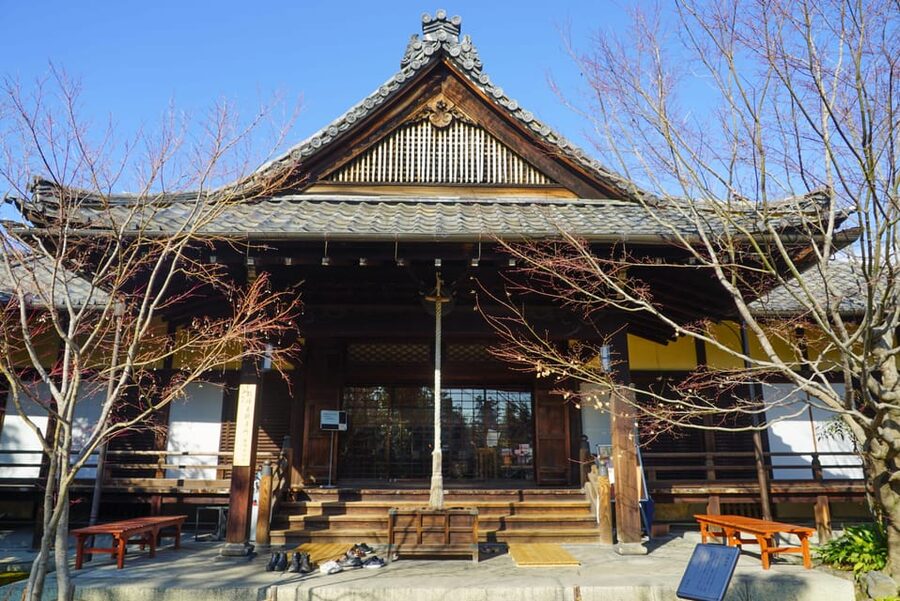
From Kōmyō-in, the tour continues to Tofukuji, one of Kyoto’s five major Zen temples. The temple has served as a place of residence and Zen training for monks since the 13th century, giving the visit more weight than a quick photo stop.
The scheduled visit here is about 10 minutes, so expect a focused look rather than a full exploration of every building. Your guide points out the San-mon gate, the dragon paintings on a temple ceiling, and the oldest surviving toji, or temple toilet.
The toilet is an especially interesting detail. It offers a glimpse of the practical side of monastic life, something that grand gates and painted ceilings can hide. A good temple visit includes both the sacred and the ordinary, and this stop does that in a compact way.
The short timing also means you should not expect a long independent wander through the entire Tofukuji complex. The tour is built around the meditation session, not around covering every corner of the temple grounds. If you want extended sightseeing at Tofukuji, plan a separate visit.
More Temple & Shrine Tours in Kyoto
- Kyoto: Fushimi Inari, Kinkakuji, Bamboo Grove 1 Day Bus Tour
★ 4.8 · 4,316 reviews - Kyoto: Tea Ceremony in a Traditional Tea House in Kiyomizu
★ 4.9 · 3,519 reviews - Kyoto: Tea Ceremony Ju-An at Jotokuji Temple
★ 4.9 · 3,207 reviews - Fushimi Inari Hidden Hiking Tour (Private Option Available)
★ 5.0 · 1,750 reviews
Shōrin-ji and the one-hour zazen session
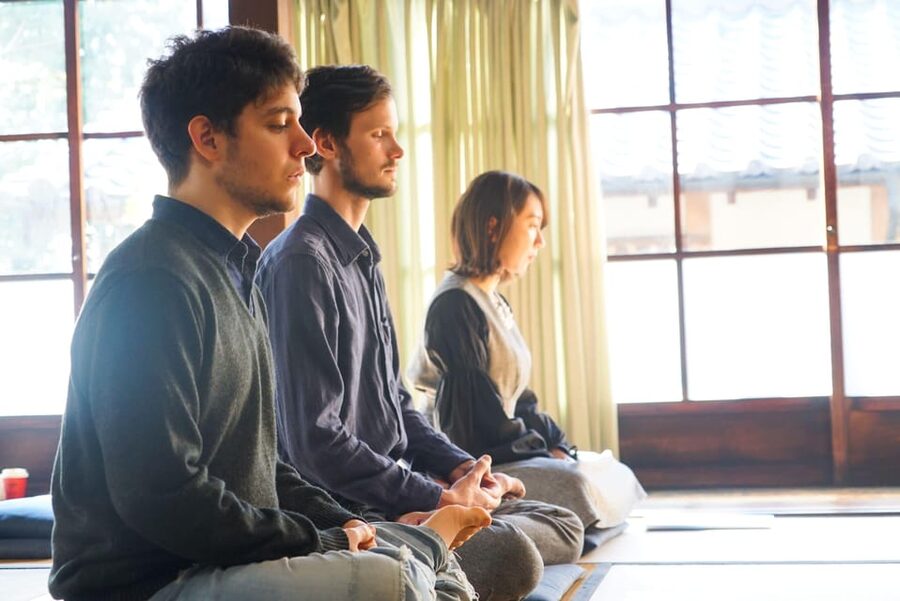
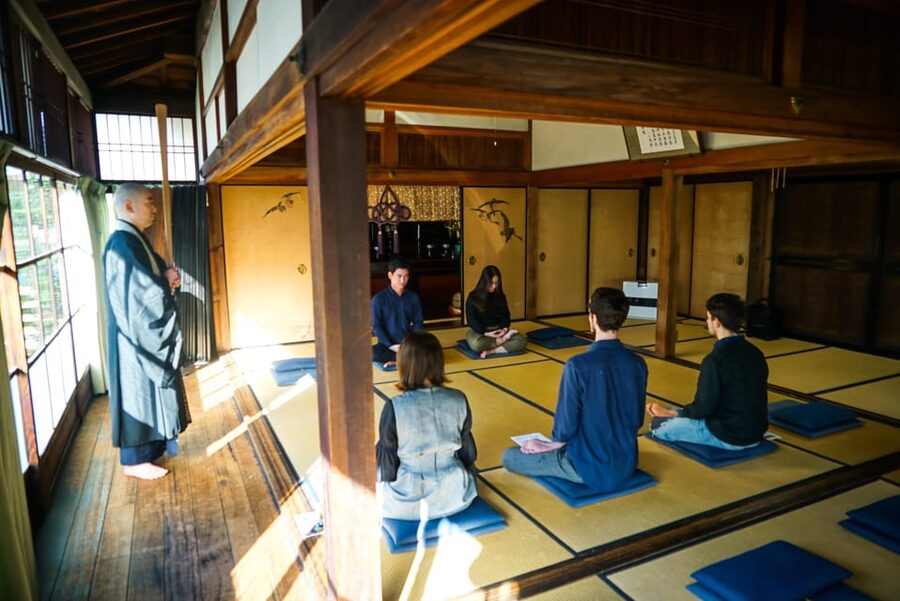
The heart of the experience takes place at Shōrin-ji, also called Bishamon-dō Temple. The stop lasts about 70 minutes, including the meditation session and the surrounding temple visit.
Before sitting, you receive instruction on posture, breathing, and the basic methods and ideas of zazen. This matters if you have never meditated before. You are not expected to arrive with prior knowledge, and the guide helps you understand what to do before the room becomes silent.
The zazen session lasts about one hour. During that time, the guide remains silent, as do the other participants. You receive reading materials to study quietly, covering the practice and its purpose. This arrangement respects the meditation setting, but it is worth knowing in advance that you will not have a running English explanation during the session.
The monk may not speak English, so questions can depend on the guide translating before or after meditation. One participant found it disappointing to rely on a booklet while the monk remained unable to communicate in English. Another described the chance to discuss the session with the monk, with the guide translating questions, as one of the most meaningful parts of the day.
Both points can be true. The language barrier limits direct conversation, but it does not remove the value of sitting in a working temple setting. Afterward, there is a short discussion where you can share your thoughts and ask questions. The experience is less like a classroom and more like a quiet introduction to a practice that is normally learned through repetition.
The group size needs a little explanation. The tour itself is limited to seven participants, which helps the walk and discussion feel personal. However, the meditation room may include other people. A session was described as taking place with about 30 others in a large L-shaped room, leaving one participant wishing for a smaller setting.
So, book this for the chance to practice zazen in a temple, not for a guaranteed private meditation room. The room size and number of other sitters may vary.
The temple atmosphere after meditation
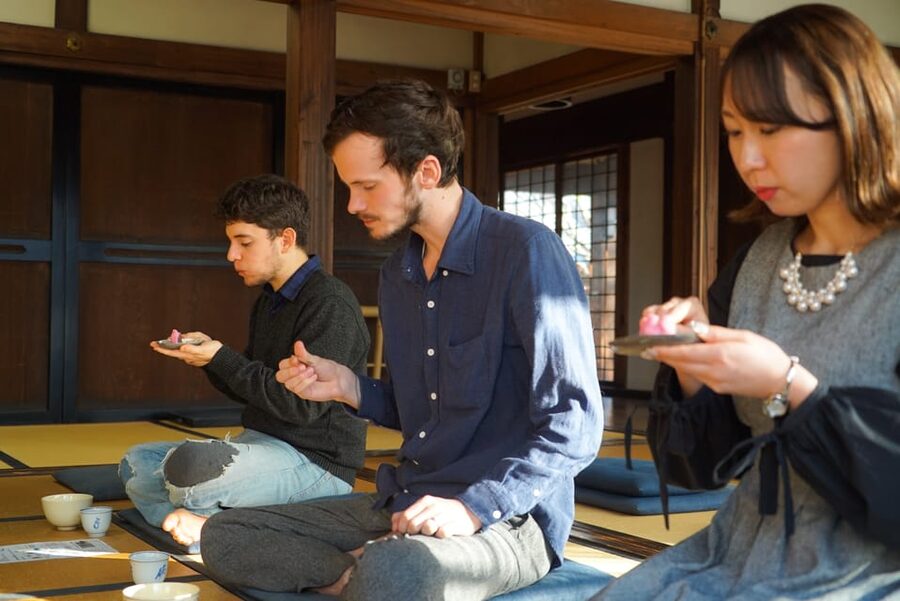
After sitting, the tour continues through another garden and temple setting before lunch. This part gives you time to let the meditation settle rather than jumping straight onto public transport or into a crowded shopping street.
You may find that the same garden looks different after zazen. That is not a mystical promise, just a practical effect of spending an hour paying attention to your posture and breathing. The guide also helps connect the physical places to Buddhist ideas, including symbols, religious traditions, and the role of temples in daily life.
Several guides have helped make this section useful. Yutaka is known for answering questions and adding humor without losing the calm tone of the visit. Eri has offered suggestions for places to see later in Kyoto, and Louis has taken photographs during the day. Photos are included, which is helpful if you want a record of the experience without interrupting every quiet moment to use your own phone.
Shojin Ryori lunch near the temples
The final stop is a local restaurant, where lunch lasts about 45 minutes. The meal is Shojin Ryori, the traditional Buddhist cuisine associated with Japanese monks. Expect vegetables, mushrooms, seaweed, and several small dishes rather than a meat-centered plate.
This is one of the tour’s strongest practical features. Kyoto has plenty of restaurants, but a meal linked to temple life gives the day a clear ending. You are not simply eating after an activity. You are learning how Buddhist practice shaped food, ingredients, and presentation.
The meal is described as vegetarian, but you should read that term carefully. Dashi fish broth is included, and a small amount of dairy may also be used. It is therefore not suitable for strict vegans, and anyone with gluten intolerance should not book this activity.
The 10:45 departure has a late lunch at about 2:15 p.m. That is a long stretch if you leave your hotel without food, so have a solid breakfast or brunch. Earlier starting times may be easier if you prefer lunch at a normal hour.
The lunch has received strong praise for its variety and flavor, with several people finding it better than expected. Still, this is not the place for familiar Western comfort food. If you dislike vegetables, mushrooms, seaweed, or subtle dishes, the meal may be less rewarding.
What the $107 price really covers
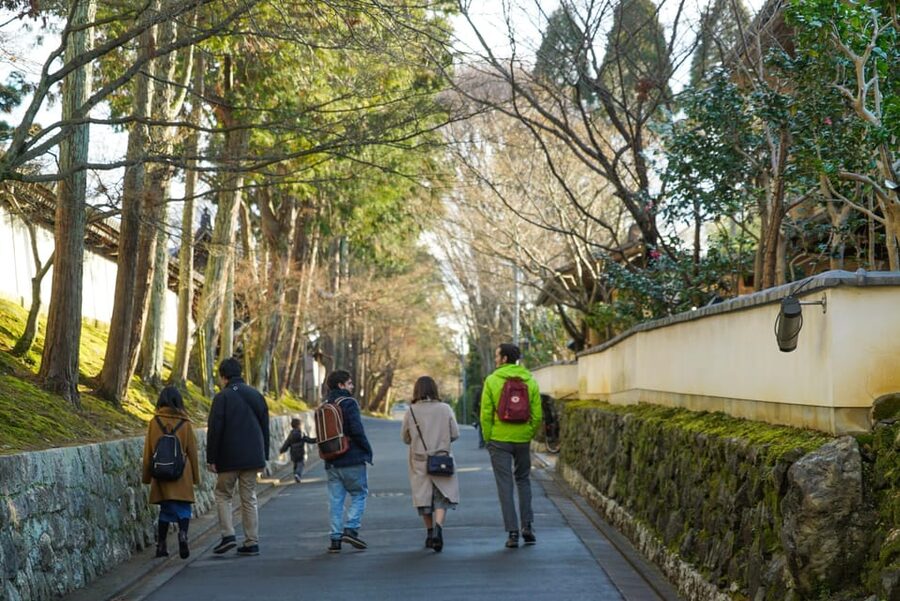
At $107, the cost makes the most sense when you use every part of the experience. You receive temple and garden admission, a live English-speaking guide, zazen instruction, the meditation session, photos, and a traditional lunch.
The guide is the main value. Without one, you could see Tofukuji, but you would miss much of the explanation about Zen garden design, Buddhist symbols, posture, breathing, and temple customs. The guide also handles communication with the monk and helps the group move between the different sites.
The seven-person limit is another reason the price can work. You have a better chance to ask questions than on a large bus tour, and the walking pace can remain calm. Just keep the meditation-room warning in mind: the paid tour group is small, but the sitting itself may not be exclusive.
The tour also offers free cancellation and date changes up to 24 hours before the start, subject to availability, plus a reserve-now-and-pay-later option. These policies help if your Kyoto schedule is still shifting, but they do not protect you from arriving late on the day.
Who should book this experience
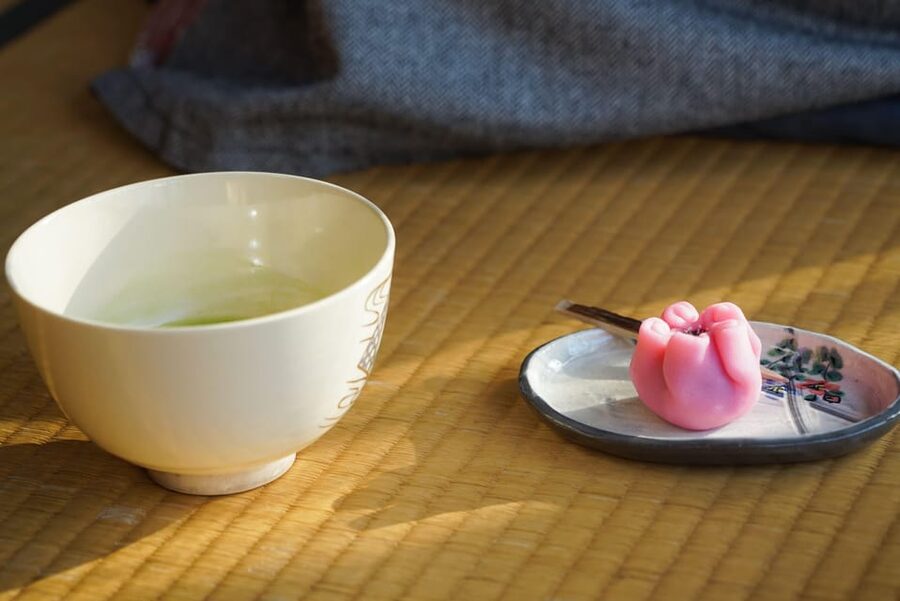
I would choose this tour if you want to understand Zen beyond the word’s modern lifestyle meaning. It suits first-time meditators because the guide explains what to do, but it also has something for people who already practice. One participant with seven years of personal meditation experience found the temple setting and monk-led session offered a different level of focus.
It is also a good fit if you want quieter Kyoto. The schedule visits temple spaces away from the most crowded sightseeing pattern and leaves room for observation instead of rushing from one major landmark to another.
You should think twice if you need a fully private experience, direct English conversation with the monk, or a strict vegan meal. You should also skip it if you are under 12, have gluten intolerance, or dislike sitting still for an hour.
Wear comfortable clothes that allow you to sit properly. Bring water and a hat in summer, when Kyoto is hot and humid. In winter, temple floors can be cold, so thick socks are a smart choice.
FAQ
Where does the Kyoto Zen meditation tour meet?
The meeting point is outside Exit 2 of Tofukuji Station, next to FamilyMart.
How do I reach Tofukuji Station from Kyoto Station?
Use the JR line from Kyoto Station. Both rapid and local trains are allowed.
Which trains should I use from Shijo Keihan?
Use the Keihan line, choosing a sub-express, semi-express, or local train. Do not use an express train.
How long is the tour?
The experience lasts 270 minutes, or four and a half hours. Starting times vary, so check availability when booking.
Is the meditation session conducted in English?
The live tour language is English, but the monk may not speak English. During zazen, the guide remains silent and provides materials for quiet reading.
What kind of lunch is included?
You receive Shojin Ryori, a traditional Buddhist meal featuring vegetables, mushrooms, and seaweed. Dashi fish broth and a small amount of dairy may be included, and the tour is not suitable for people with gluten intolerance.
Should you book this Kyoto Zen experience?
Book it if you want a thoughtful half-day built around actual practice, not just temple photography. The combination of Kōmyō-in’s garden, Tofukuji’s historic details, zazen with a monk, and Shojin Ryori lunch gives you a clear sense of how Zen appears in both religious spaces and everyday habits.
The strongest reasons to go are the small tour group, patient English-speaking guides, and the chance to ask questions after meditation. The main limits are the possible larger meditation room, silent reading during zazen, and the fish-based dashi in the vegetarian meal.
Arrive early at the station, eat beforehand if you choose the 10:45 start, bring water in summer, and wear thick socks in winter. With those details handled, this is a calm, substantial way to spend a morning or afternoon in Kyoto.
More Lunch Experiences in Kyoto
- Bike Tour Exploring North Kyoto plus Lunch
★ 5.0 · 1,087 reviews - Osaka/Kyoto: Arashiyama, Nara & Fushimi Inari Shrine w/Lunch
★ 4.4 · 754 reviews - Kyoto Zen Meditation & Garden Tour at a Zen Temple with Lunch
★ 5.0 · 441 reviews - From Kyoto: Nara History Guided Half Day Bus Tour with Lunch
★ 4.8 · 114 reviews
Just added around Kyoto
- Taste of Nishiki Market Walking Food Tour with Local guide★ 5.0 · 17 reviews
- Kyoto: Sushi Making Class with Sushi Chef★ 4.8 · 64 reviews
- Kyoto: City Secrets eBike Tour★ 4.9 · 196 reviews
- Sacred Pathways: Discover the Philosopher’s Path of Kyoto★ 4.9 · 20 reviews
- Private Tour to Monkey Park and Arashiyama Highlights★ 5.0 · 22 reviews
- Private Nara Tour from Osaka – Meet at Your Hotel★ 5.0 · 22 reviews
- Private Sake Tasting in Central Kyoto with Sake Sommelier★ 5.0 · 13 reviews
- Kyoto : Private Custom Walking Tour With A Local Guide★ 4.6 · 144 reviews
Temple & Shrine Tours, compared.
Tea Ceremony in a Traditional Tea House in Kiyomizu
Read our review →

Meiji Shrine, Asakusa, Skytree Bus Tour and Cruise
Read our review →
Asakusa Walking Tour with Sensoji Temple Visit
Read our review →
Kamakura & Enoshima Day Trip including Temple Tickets
Read our review →
Kyoto/Osaka: Nara, Fushimi Inari Taisha, Arashiyama Bus Tour
Read our review →
Nikko Toshogu Shrine and Kegon Waterfall Tour
Read our review →
Tokyo Panoramic 1 Day: Meiji Shrine, Asakusa, Odaiba and SKYTREE®
Read our review →Browse the lists this tour appears in