
REVIEW · KYOTO TOURS
Kyoto: Traditional Concert at Townhouse or Bathhouse
Kyoto’s traditional music is at its best when you can hear the fingers, strings, breath, and small changes in tone. This experience places you close to professional koto and shamisen musicians, either in a townhouse seating about 11 people or a former bathhouse hall with room for about 30.
I like the small audience and the plainspoken explanations about instruments, notation, and musical history. I also like the choice of a hands-on koto lesson, which turns a concert into something you can take part in. The main drawback is practical: the townhouse can be tricky to find, and the bathhouse program runs only irregularly on Mondays.
In This Review
- Key points to know before booking
- A quiet musical hour in Kyoto
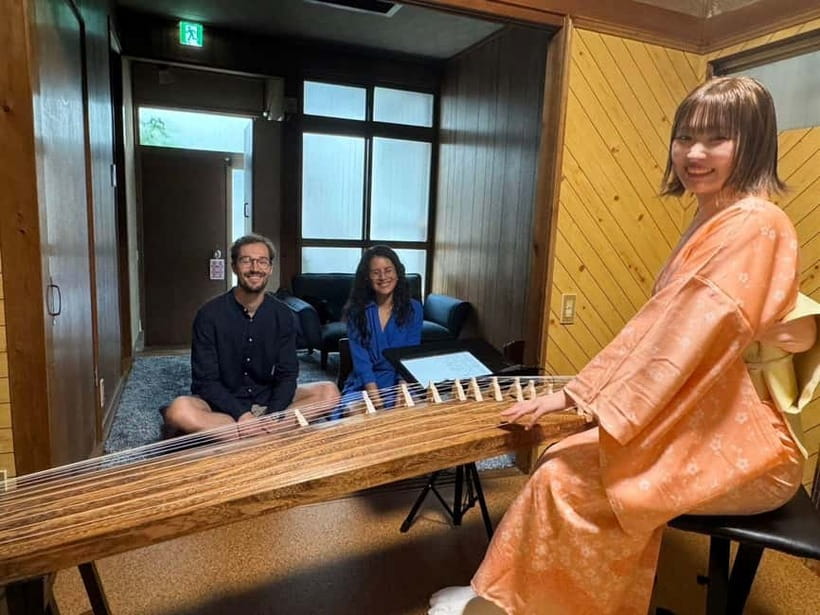
- The traditional townhouse: close, warm, and personal
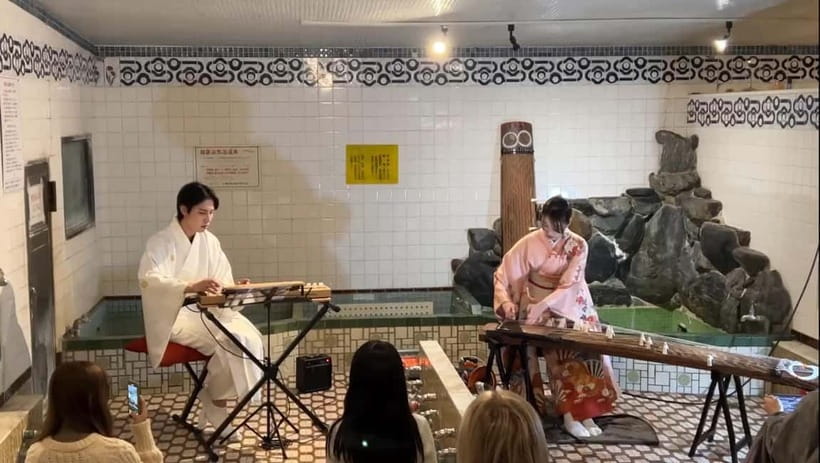
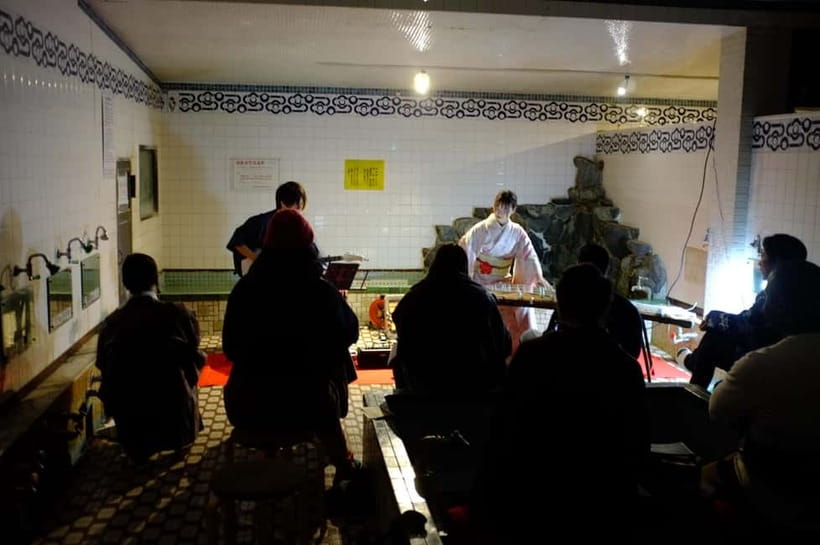
- The bathhouse hall: sound that fills the room
- What happens from check-in to the final note
- Why the explanations matter
- The workshop is worth considering
- How the value works at $32
- Fitting it into a Kyoto day
- Who will enjoy this most
- Booking details worth keeping in mind
- Should you book this Kyoto concert?
- FAQ
- How much does the Kyoto traditional concert cost?
- How long does the experience last?
- Which instruments can I hear?
- What is the difference between the two venues?
- Is the concert suitable for beginners?
- Is the koto workshop included?
- Is bathing included at the bathhouse venue?
- What languages are available?
- Can I cancel my booking?
Key points to know before booking
- Two very different venues: Choose a cozy townhouse solo concert or a resonant bathhouse duet.
- Close-up musicianship: The townhouse holds about 11 people, so you hear each pluck and vocal phrase clearly.
- Four to five pieces: Programs mix Japanese classical music, newer arrangements, and original works selected by the performer.
- Useful bilingual commentary: Hosts such as Gen and Shohei explain the koto, shamisen, picks, bridges, strings, and Japanese music notation.
- Optional koto workshop: Townhouse bookings can include a 35 to 40 minute lesson with sanitized instruments.
- Good value at $32: You receive a concert, cultural explanation, questions with the musicians, photos, and possibly a practical lesson.
A quiet musical hour in Kyoto
This is not a large theater production. It is a small cultural meeting built around Japanese string music.
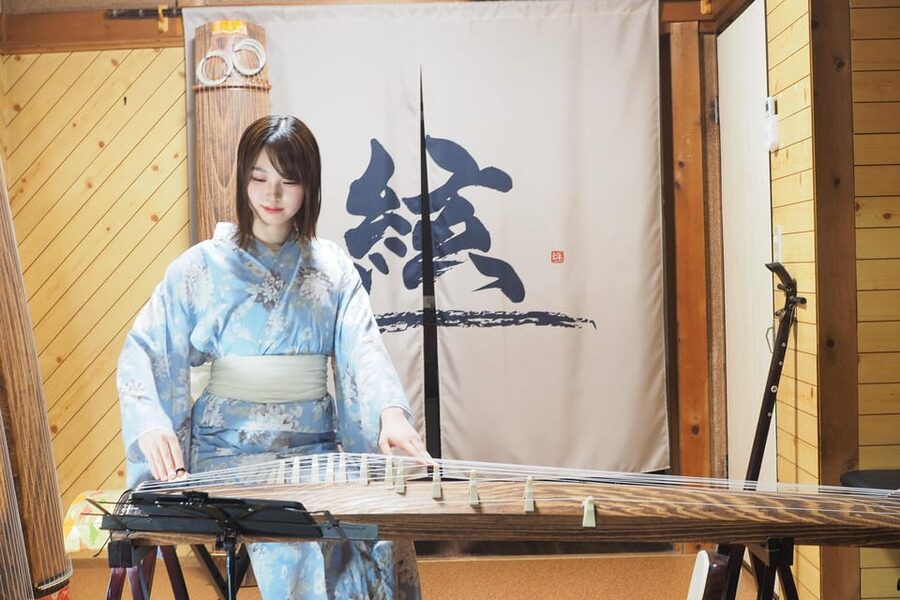
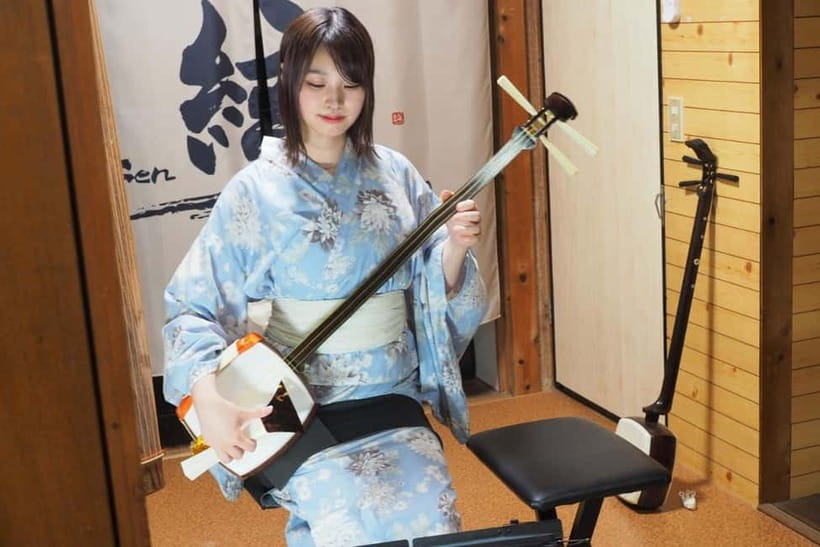
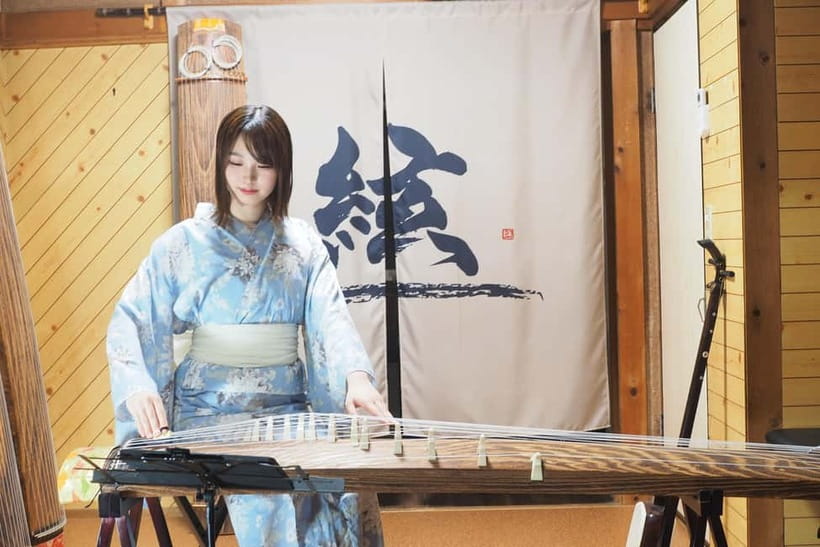
At the traditional townhouse, you may sit on cushions or chairs in a living-room-like space. The musician performs solo pieces on the koto and shamisen, sometimes singing traditional songs. The setting keeps the distance between performer and audience very short. You can watch the right hand work the strings and see how the instrument’s shape affects its sound.
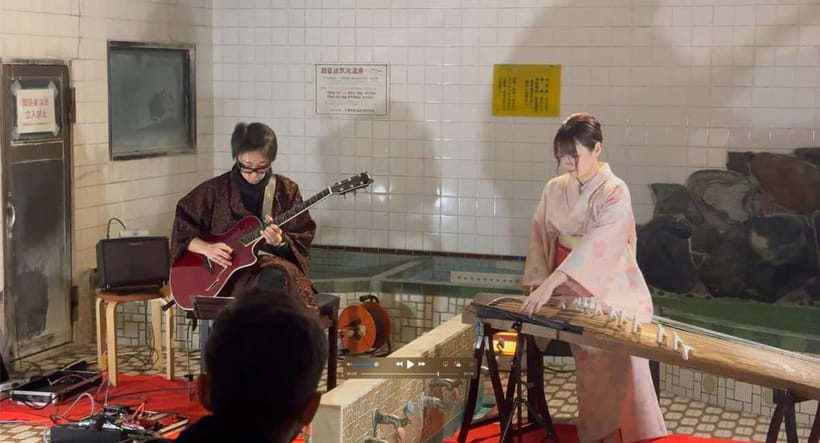
The bathhouse hall offers a different mood. Its tiled walls create natural reverberation, so the music spreads around the room instead of staying close and dry. Here, the koto may be paired with shamisen, shakuhachi, flute, guitar, taishōgoto, or another instrument. It is the more dramatic choice, but dates are limited and irregular.
In both settings, the program is built for people who know little about Japanese music. You do not need to recognize a scale, read Japanese notation, or understand the long history of the instruments before arriving. The explanations give you enough context to listen with purpose without turning the event into a lecture.
A few more Kyoto trips to weigh up
- Kyoto: Japanese Koto & Shamisen Concert and Koto Class
★ 4.9 · 31 reviews
The traditional townhouse: close, warm, and personal
The townhouse is the safer choice if you want flexibility. Performances are held almost every day, and the room seats up to about 11 people.
The small size matters. You are not looking at a musician from the back of a concert hall. You can see the koto player’s hands, the picks on the fingers, and the movements used to bend and color the notes. The shamisen has a sharper, more percussive voice, while the koto can sound delicate, bright, or surprisingly forceful.
The room itself is part of the experience. It feels like a Japanese home rather than a formal performance venue. That makes the event especially appealing if you have already spent days moving through major temples and crowded sightseeing areas. The music creates a slower hour, with little visual distraction.
The solo program usually includes four or five pieces. Titles can include Kajimakura, Chidorino Kyoku, and Kaede no Hana, though the exact selection changes by season and performer. You may hear classical works beside contemporary pieces, modern arrangements, or original compositions. The changing program means you should not book expecting one fixed concert every time.
Several performers appear in the program rotation. Names found in the concert experience include Furan, Kyoko, Aoi, and other professional musicians. Furan has been praised for playing and singing, while Kyoko’s combination of voice, koto, and shamisen has made a strong impression on audiences. The performer you see depends on the date you choose.
The bathhouse hall: sound that fills the room
The second venue uses a historic bathhouse hall, but it is important to understand what that means. Your ticket is for the music only. It does not include bathing, food, drinks, or access to bathhouse facilities.
The tiled interior gives the concert its main character. Koto notes linger longer, and instruments in duet can blend into a broad, enveloping sound. A shakuhachi or flute adds breath and space. Shamisen brings a firm rhythmic edge. Guitar or taishōgoto can push the program in a more contemporary direction.
The bathhouse program contains four or five pieces, normally combining solo work and duets. The repertoire is chosen to suit the hall as well as the musicians. A quiet solo can make use of the echo, while a duet gives the room more movement and contrast.
This is the better option if you want a more theatrical setting or enjoy hearing traditional instruments beside less expected partners. It is not as flexible, though. The hall is offered irregularly on Mondays, so check the calendar before building your Kyoto schedule around it.
What happens from check-in to the final note
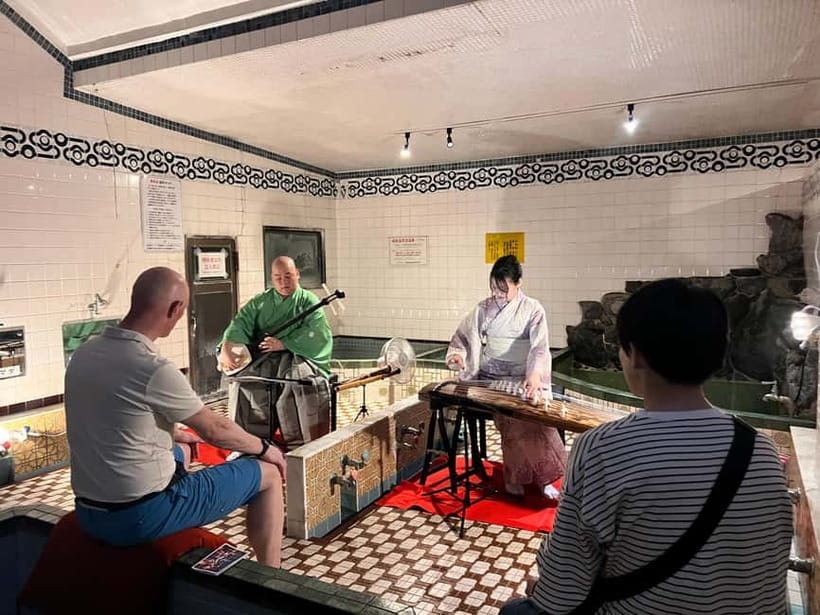
The complete experience can last from 45 to 105 minutes, depending on the venue and your choice of workshop.
Check-in and seating take about five to ten minutes. The host welcomes you, explains basic venue etiquette, and settles the group. At the townhouse, seating may be on cushions or chairs. At the bathhouse, you sit in rows.
Next comes a 10 to 15 minute introduction. This is one of the most useful parts for first-time listeners. You learn how the koto and shamisen are made, how strings are arranged, what the picks and bridges do, and how Japanese notation differs from the Western staff system.
The host also explains the musical setting of the pieces. That preparation helps you notice changes in rhythm, vocal style, and tone once the performance starts. English and Japanese are used, so international audiences can follow along.
The concert itself lasts about 25 to 30 minutes. Four or five pieces give you variety without making the program feel padded. One work may sound restrained and lyrical, while another brings faster plucking or a stronger vocal line. The commentary between pieces keeps the music approachable.
After the performance, allow five to ten minutes for questions, photographs, and conversation. The format is friendly and direct. You can ask about the instruments, the performer’s training, the meaning of a song, or the reason a particular instrument was chosen.
At the townhouse, the optional workshop adds another 35 to 40 minutes. The instruments are sanitized, and the lesson is designed for complete beginners. You learn how to sit, position your hands, pluck the strings, and play a short phrase. Do not expect to become a koto musician in one afternoon, but you will understand the physical work behind the sound.
Same city, a completely different kind of day:
- PERFECT KYOTO 1-Day Bus Tour
★ 5.0 · 13,518 reviews - Kyoto: Fushimi Inari, Kinkakuji, Bamboo Grove 1 Day Bus Tour
★ 4.8 · 4,316 reviews - Kyoto: Tea Ceremony in a Traditional Tea House in Kiyomizu
★ 4.9 · 3,519 reviews - Kyoto Geisha Walking Tour: Gion District & Hidden Gems
★ 4.7 · 3,273 reviews
Why the explanations matter
A traditional instrument can seem mysterious when you only hear it from a distance. The introduction gives you a way into the music.
The koto is long and horizontal, with movable bridges beneath its strings. Small changes in finger pressure can bend notes and alter their character. The shamisen has a different construction and a tougher, more pointed voice. Seeing the picks, bridges, strings, and notation before the concert makes the performance easier to follow.
The bilingual format also keeps the event from becoming passive. Hosts have drawn the audience into discussion, answered questions carefully, and explained the materials and history of the instruments in plain English. Gen is associated with the organizing team, while Shohei has served as a welcoming host and workshop teacher at some performances. Staff and performers can vary by date.
The music is not presented as a museum display. You hear how old forms can sit beside contemporary writing and personal interpretations. That is useful cultural context: Japanese traditional music is not frozen in the past, and the performers are not simply reproducing an antique sound.
The workshop is worth considering
If you want more than a performance, add the townhouse workshop.
The lesson is beginner-friendly and guided step by step. You are shown how to sit correctly, how to pluck, and how to follow a short piece of notation. The staff helps each person produce a small tune, including children and adults with no musical background.
This option works particularly well for families and anyone who enjoys learning by doing. It also helps you appreciate the musician’s skill. A simple phrase can require more control than it first appears.
The workshop is only available with traditional townhouse bookings. It is not part of the bathhouse option, so choose the venue based on your priority: participation and intimacy at the townhouse, or a larger and more resonant concert setting at the bathhouse.
How the value works at $32
At $32 per person, this is a fair price for a specialized Kyoto activity.
You are paying for a professional live performance, bilingual interpretation, an instrument introduction, a question period, photographs with the musicians, and venue seating. The townhouse workshop may add another layer of value, especially if you have been looking for an activity that involves your hands rather than only your camera.
The concert lasts less than an hour in its basic form, so it is not a full evening show. That is worth keeping in mind if you measure value by length alone. I think the small group and quality of access make the price reasonable, particularly for visitors who want a focused cultural experience instead of another large attraction.
Private and small-group options are available. A private booking can be especially appealing for couples or families who want plenty of time for questions, though the exact format and price should be checked when booking.
Fitting it into a Kyoto day
The venue location can take some planning. Several people have found the townhouse address difficult to identify, so use the supplied meeting details carefully and allow time to get there. A map pin or latitude and longitude may be more useful than typing the street address into a navigation app.
The experience fits well into a day around western or central Kyoto:
- Arashiyama: Allow about 25 minutes. Walk to Saiin Station, take the Hankyu Line to Katsura, then transfer to the Randen Line.
- Nijō Castle: Allow about 20 minutes. The route from Saiin includes a connection toward the Tozai subway line.
- Kinkaku-ji: Allow about 20 minutes by bus from Nishioji Sanjō, followed by a short walk.
- Nishiki Market: Allow about 25 minutes by direct Hankyu service to Karasuma or Kawaramachi.
These times are approximate, and they do not include waiting or walking around stations. I would avoid squeezing the concert between two fixed-ticket attractions. Give yourself a buffer, especially if you choose the townhouse and are unfamiliar with the neighborhood.
Who will enjoy this most
This experience is a strong fit for first-time visitors who want a clear introduction to Japanese music. You will get more from it if you enjoy close observation, live performance, and a calm setting.
It also suits:
- Couples looking for a quiet evening activity
- Families with older children who can sit through a short concert
- Music lovers interested in unusual instruments
- Visitors tired of large group sightseeing
- Anyone who wants to ask questions directly
- People who prefer a local home setting to a formal stage
It may not suit babies under one year old, who are specifically excluded. The townhouse’s small room can also feel tight when filled to capacity. If personal space matters to you, consider a private booking or the larger bathhouse hall.
The basic concert is also less suitable if you want a long, highly theatrical production. This is a short, intimate program with explanation and conversation around the music.
Booking details worth keeping in mind
The meeting point depends on the option you book, so read the final instructions carefully. Transportation is not included, and neither venue includes food or drinks.
You can cancel up to 24 hours before the start time for a full refund. The reserve-now, pay-later option can help if your Kyoto schedule is still changing. English and Japanese instruction is available.
Because the bathhouse dates are irregular, the townhouse is usually the easier choice. It is offered almost every day, has the workshop option, and keeps the group very small.
Should you book this Kyoto concert?
I would book the townhouse if you want the most personal version of the experience. You get a professional solo performance, clear explanations, a cozy setting, and the chance to try the koto yourself. It is especially good value for visitors who want one thoughtful cultural hour rather than another crowded sightseeing stop.
Choose the bathhouse hall if the date works and you care most about acoustics, duets, and a more unusual room. Its larger capacity and tiled reverberation change the mood, but its limited schedule requires more planning.
For $32, this is an easy recommendation for curious listeners, first-time visitors to Japan, and anyone who wants music to add depth to a Kyoto itinerary. Skip it only if you need a large-scale concert, dislike sitting in a small room, or cannot make the venue and schedule work.
FAQ
How much does the Kyoto traditional concert cost?
The listed price is $32 per person.
How long does the experience last?
The concert experience lasts between 45 and 105 minutes. The longer format includes the optional koto workshop.
Which instruments can I hear?
The program features koto and shamisen. At the bathhouse hall, the koto may also be paired with shakuhachi, taishōgoto, flute, guitar, or another instrument.
What is the difference between the two venues?
The traditional townhouse offers solo performances for up to about 11 people and includes the optional koto workshop. The historic bathhouse hall seats about 30 people and presents solo and duet programs with natural reverberation.
Is the concert suitable for beginners?
Yes. Most people arrive with little prior knowledge of Japanese instruments, and the bilingual introduction explains the instruments, notation, and repertoire.
Is the koto workshop included?
The workshop is optional and available only with traditional townhouse bookings. It lasts about 35 to 40 minutes and includes guided practice on sanitized instruments.
Is bathing included at the bathhouse venue?
No. The ticket includes the concert only. Bathing, food, drinks, and access to bathhouse facilities are not included.
What languages are available?
The activity is offered in English and Japanese.
Can I cancel my booking?
You can cancel up to 24 hours in advance for a full refund. A reserve-now, pay-later option is also available.
Just added around Kyoto
- Taste of Nishiki Market Walking Food Tour with Local guide★ 5.0 · 17 reviews
- Kyoto: Sushi Making Class with Sushi Chef★ 4.8 · 64 reviews
- Kyoto: City Secrets eBike Tour★ 4.9 · 196 reviews
- Sacred Pathways: Discover the Philosopher’s Path of Kyoto★ 4.9 · 20 reviews
- Private Tour to Monkey Park and Arashiyama Highlights★ 5.0 · 22 reviews
- Private Nara Tour from Osaka – Meet at Your Hotel★ 5.0 · 22 reviews
- Private Sake Tasting in Central Kyoto with Sake Sommelier★ 5.0 · 13 reviews
- Kyoto : Private Custom Walking Tour With A Local Guide★ 4.6 · 144 reviews
Kyoto Tours, compared.
Tea Ceremony in a Traditional Tea House in Kiyomizu
Read our review →
Kyoto Geisha Walking Tour: Gion District & Hidden Gems
Read our review →
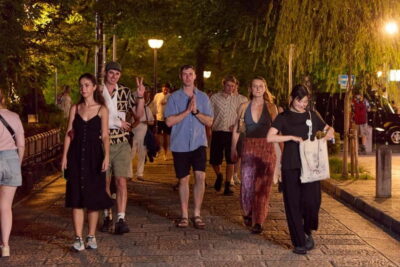
Gion Magical Night Walking Tour with Geisha Trivia
Read our review →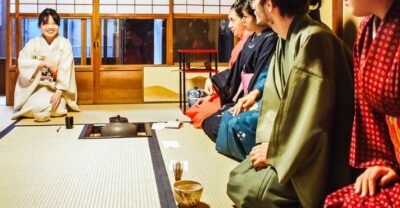
Gion Geisha District Walking Tour – Stories of Geisha
Read our review →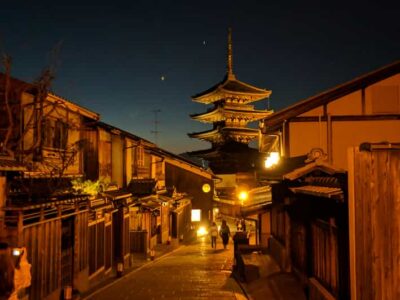
Best of Kyoto: Gion, Geisha, Pagodas & Cobblestones
Read our review →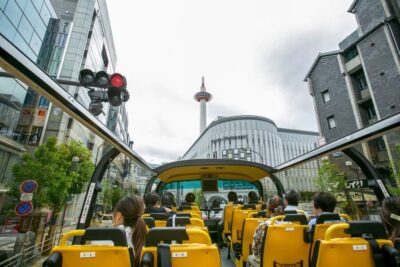
Browse the lists this tour appears in