
REVIEW · WORKSHOPS
Kyoto: Japanese Koto & Shamisen Concert and Koto Class
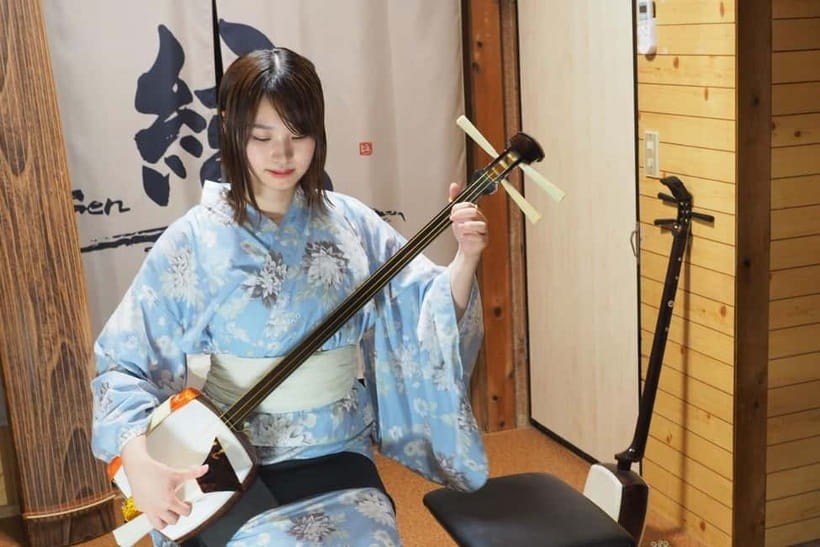
Kyoto’s traditional music is often presented in grand temples or formal halls. This experience takes a different route: you enter a small old Japanese house, sit close to the musicians, and hear the koto and shamisen at arm’s length. The program moves from a short introduction to a professional concert, questions, photos, and a beginner koto lesson.
I like the personal setting, where you can talk freely with the performers instead of simply watching from a distance. I also like the musical range, which can include classical songs, contemporary pieces, vocals, and original compositions. The main drawback is practical: the house sits in a residential area and can be hard to spot, with one visitor noting a dark alley and a wait outside until shortly before the performance.
In This Review
- Key points at a glance
- Why this Kyoto music experience feels different
- Entering the old house near Saiin
- The opening introduction to koto, shamisen, and notation
- Hearing classical, contemporary, and original pieces
- The question-and-answer time is part of the value
- Trying the koto yourself
- How the $38 price compares with the experience
- Fitting it into a Kyoto day
- Who should book this activity
- Practical details before you reserve
- Should you book the Kyoto koto concert and class?
- FAQ
- How long does the koto and shamisen experience last?
- What instruments will I hear?
- Do I get to play the koto?
- Is the activity held in a concert hall?
- Is the session available in English?
- What is included in the $38 price?
Key points at a glance
- A concert inside an old Kyoto home: Expect a warm, domestic setting rather than a theater, temple, or large cultural venue.
- Koto and shamisen played up close: Professional musicians demonstrate the instruments with different techniques and tones.
- Classical to contemporary music: The program may include traditional vocal pieces, modern works, and original compositions.
- A real hands-on lesson: You use the koto and learn a simple piece with guidance from a professional.
- Time for questions and photos: The close setting makes it easy to ask about the instruments, notation, and performance.
- Good value at $38: The price includes the concert, cultural introduction, koto use, instruction, materials, and photos.
Why this Kyoto music experience feels different
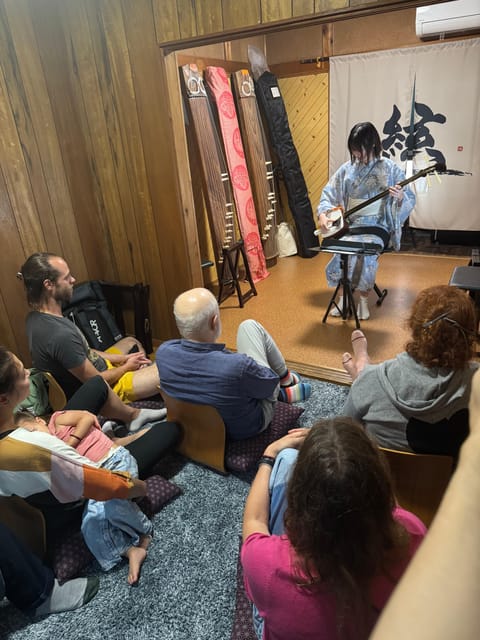
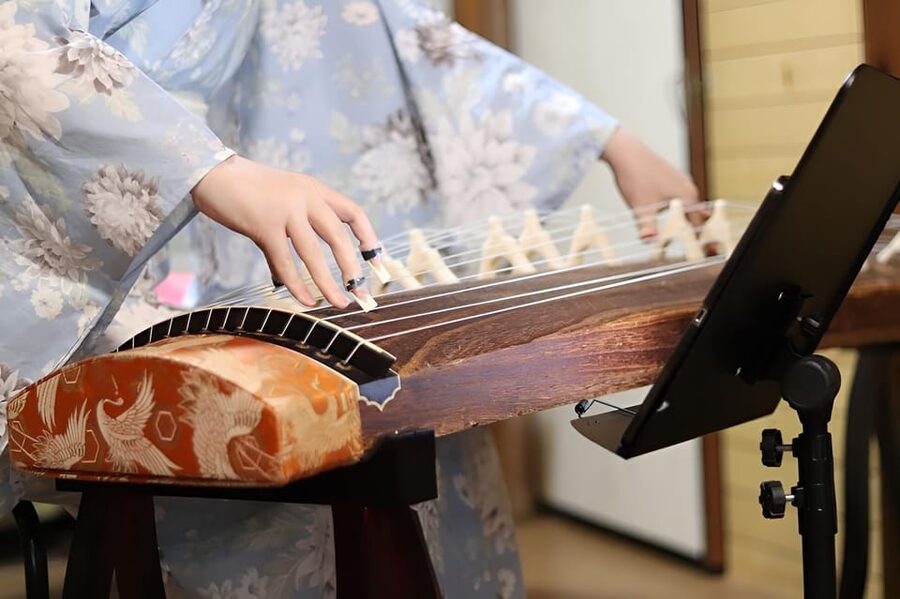
The best reason to book this activity is the scale. You are not watching a distant stage from the back of a hall. You sit in a cozy home and see the performer’s hands, posture, strings, and technique at close range.
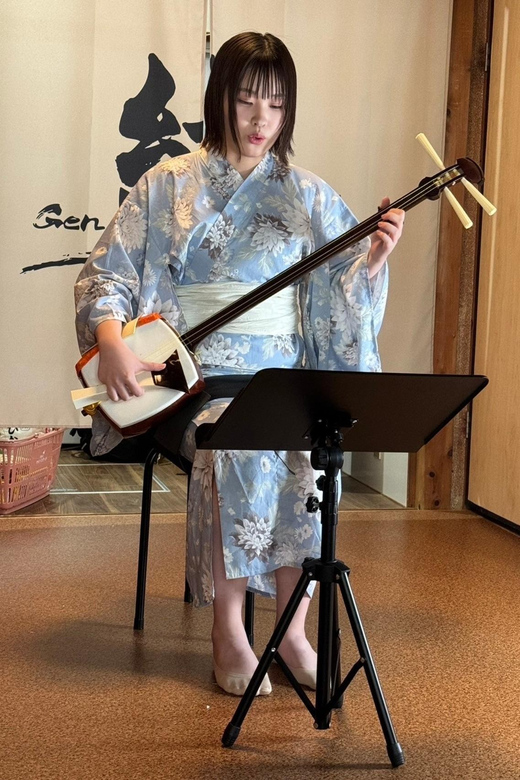
That changes the way you hear the music. The koto can sound delicate and bright, while the shamisen has a sharper, more percussive voice. When the musician changes technique, you can see how the sound changes. That visual link makes the performance easier to follow, especially if Japanese traditional music is new to you.
The home setting also removes some of the stiffness that can come with formal cultural performances. The session is private or arranged for a small group, and English and Japanese are available. The presenter helps explain the instruments and their musical notation, then opens the floor for questions.
I would not book this expecting a full-scale concert production. The house is small, the location is residential, and the atmosphere is informal. That is the point, but it also means the experience depends on your liking intimate settings rather than polished theater surroundings.
A few more Kyoto trips to weigh up
- Kyoto: Traditional Concert at Townhouse or Bathhouse
★ 4.9 · 224 reviews
Entering the old house near Saiin
The exact meeting point can vary by the option you book, so check your confirmation carefully. The venue is in a residential area, not at one of Kyoto’s main sightseeing landmarks. Give yourself extra time to find it, particularly if you are arriving after dark.
One visitor found the house manageable by taxi but described the alley as very dark and noted that the group waited outside until five minutes before the show. That is useful advice: do not assume you can walk in early and settle down. Have the address ready, allow a little spare time, and avoid cutting arrival close.
Once inside, the small house gives the session its character. You are surrounded by the feel of an ordinary Japanese home rather than a staged tourist attraction. The setting is simple, warm, and close to the music.
This is a good match for people who value local atmosphere over grand architecture. If you have already visited several temples and traditional townhouses, the home setting gives your Kyoto schedule a welcome change of pace.
The opening introduction to koto, shamisen, and notation
The program begins with a short cultural introduction. You learn about the koto and shamisen, two instruments with different shapes, playing methods, and sounds.
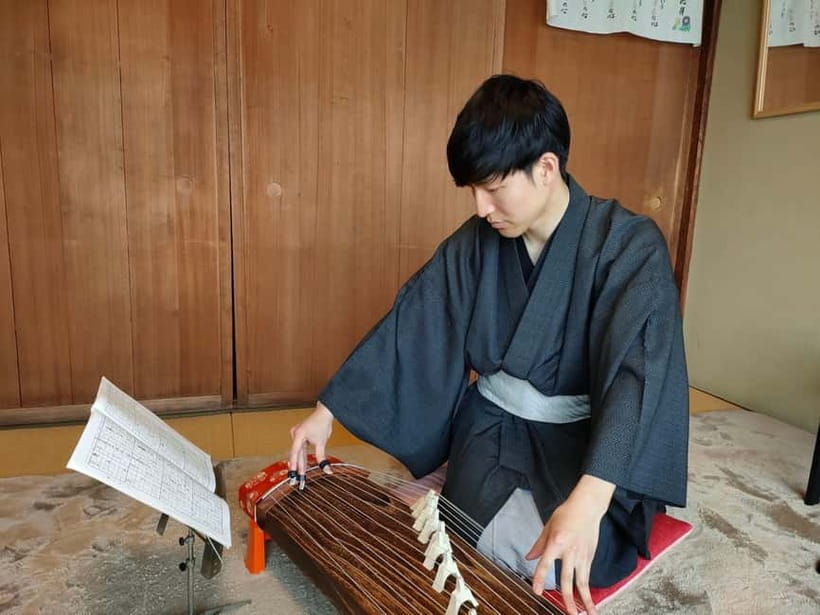
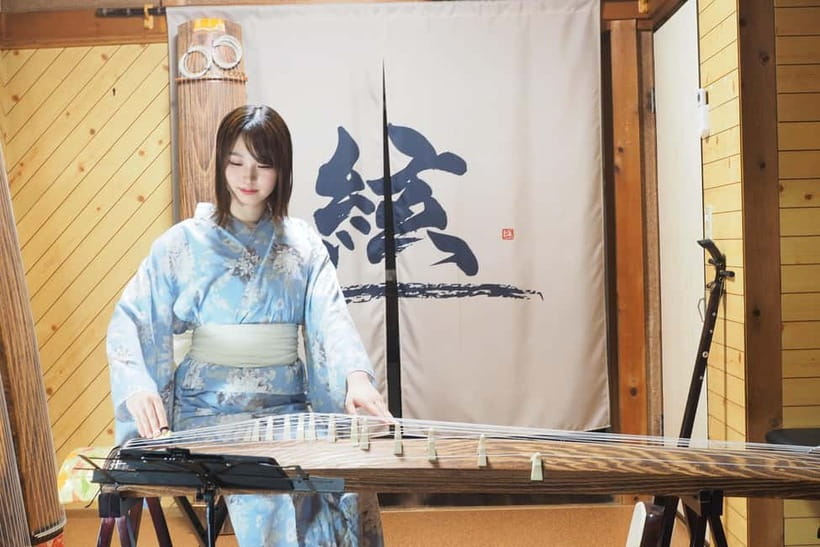
The koto is a long stringed instrument played with picks attached to the fingers. The musician can produce more than one basic tone by plucking and manipulating the strings. The shamisen is a three-stringed instrument played with a plectrum, and its sound has a more pronounced snap and rhythm.
You also get an explanation of the instruments’ unusual sheet music. This matters because traditional Japanese notation does not look like the Western staff notation many people recognize. Seeing the score before hearing the performance gives you a small but useful window into how the musician prepares and reads a piece.
The introduction is brief, so do not expect a formal music lecture. It gives you enough background to listen with sharper ears without taking over the concert. The English support is particularly helpful if you want to ask about technique or musical structure.
Hearing classical, contemporary, and original pieces
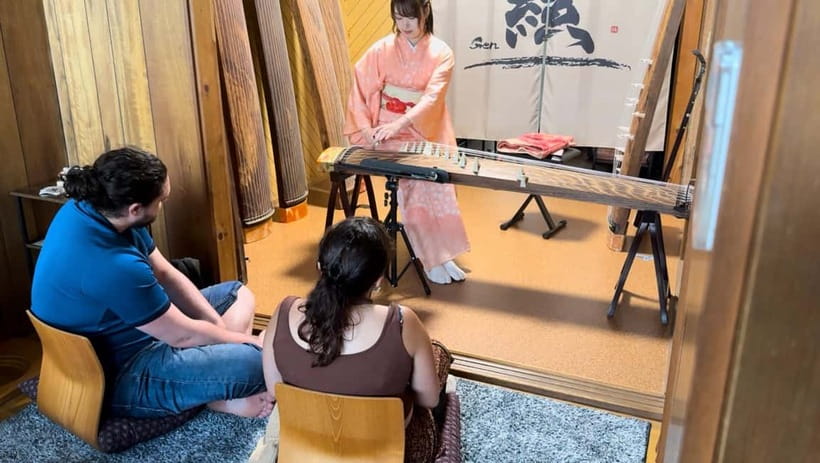
The concert itself has a changing program. It can include classical works, contemporary compositions, original pieces, and traditional songs with vocals. The exact selection depends on the season and the performer, so you should not book this expecting one fixed set list.
That variety is one of the activity’s strongest features. Classical pieces show the instruments in their traditional setting, while modern and original works make it clear that koto and shamisen are not museum pieces. They can carry a gentle melody, a strong rhythmic attack, or a more dramatic modern sound.
Several details make the performance feel personal. Aoi, named by several people who took the session, is praised for both her koto playing and singing. One participant had a birthday song performed during the visit, showing that the close format can allow for small personal touches when arranged with the team.
Do keep your expectations realistic about the length. The total activity lasts from about one hour to 100 minutes, depending on the option and program. The concert is one part of that time, followed by conversation and practice. If you want a long evening of music, choose a larger concert. If you want a focused introduction with personal contact, this shorter format makes better sense.
Same city, a completely different kind of day:
- PERFECT KYOTO 1-Day Bus Tour
★ 5.0 · 13,518 reviews - Kyoto: Fushimi Inari, Kinkakuji, Bamboo Grove 1 Day Bus Tour
★ 4.8 · 4,316 reviews - Kyoto: Tea Ceremony in a Traditional Tea House in Kiyomizu
★ 4.9 · 3,519 reviews - Kyoto Geisha Walking Tour: Gion District & Hidden Gems
★ 4.7 · 3,273 reviews
The question-and-answer time is part of the value
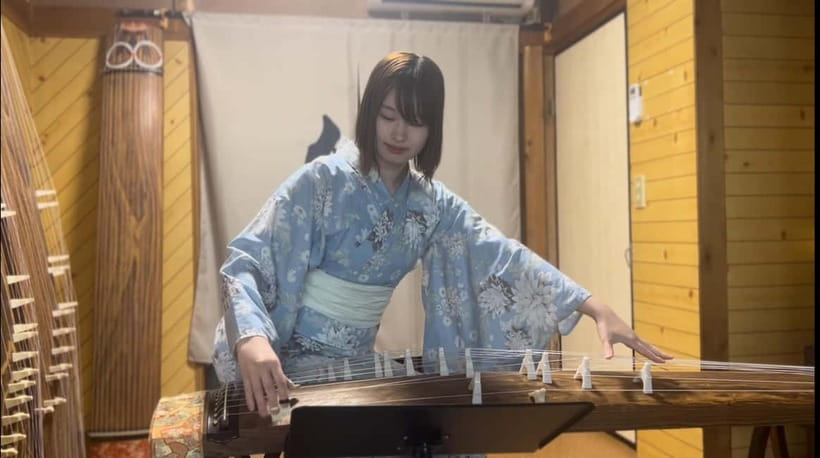
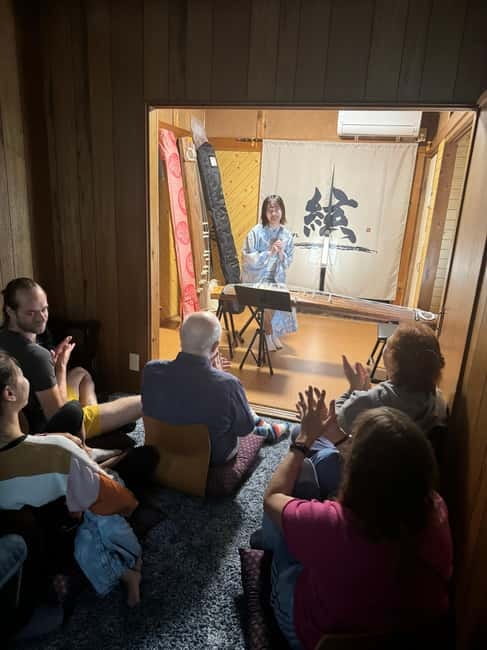
After the performance, you can speak directly with the performer and presenter. This is not a quick thank-you at the door. The format allows you to ask about the instruments, the music, playing methods, and the performer’s work.
I consider this one of the most useful parts for first-time listeners. A koto can look simple from a distance, but the close-up view raises practical questions. How are the strings tuned? How does the musician create different tones? Why does the notation look different? What makes a shamisen phrase sound so crisp?
You can also take photos during the designated photo opportunity. The photos of your group trying the koto are sent afterward, according to the activity details. That is a thoughtful extra, especially if you are booking this as a family activity or marking a birthday.
The tone is friendly and open. One visitor who plays music particularly liked being able to ask questions and try personal ideas during the lesson. You do not need musical training to take part, but people with a strong interest in instruments will find plenty to discuss.
Trying the koto yourself
The hands-on portion is not a token pluck for a group photograph. A professional instructor guides you through a simple piece and basic techniques. All necessary materials and use of the koto are included.
For most people, this will be the moment that turns a pleasant concert into a memorable activity. Listening tells you what the instrument can do. Playing it yourself shows how much control is required to produce even a simple result.
The lesson is designed for beginners, including people who say they have no musical ability. Guidance is encouraging and supportive, and the instruction can include playing part of a piece with the performer. You should not expect to master the koto in one short session, but you can learn the basic feel of the instrument and gain respect for the musician’s skill.
Families can enjoy this part together, though the age limits matter. Children under four are not suitable for the activity, and the information also lists restrictions for children under three, children under two, and babies under one. Since those categories overlap, check the booking option’s exact age rule before paying.
If you have physical limitations or allergies, tell the provider in advance. The activity involves sitting and handling an instrument, but no further accessibility details are provided.
How the $38 price compares with the experience
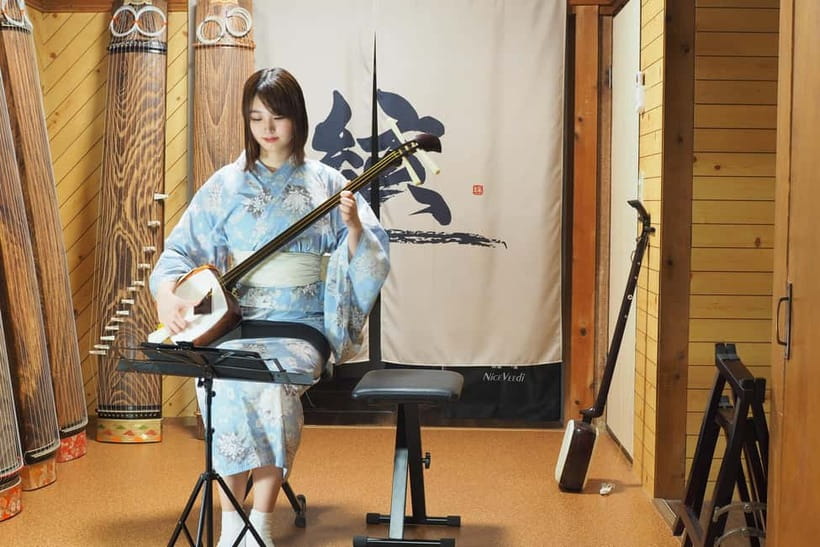
At $38 per person, this is good value if you want both a performance and an activity. Your fee covers the concert, cultural explanation, use of the koto, required tools and materials, professional instruction, and photos.
The private or small-group format is important here. You are paying for personal access, not simply admission to a public show. The chance to ask questions, receive individual guidance, and play a simple piece gives the price more weight than a concert-only ticket.
One person who attended alone described the lesson as exceptional value for the price. That makes sense: a solo or very small session can provide more direct attention than a larger group. Still, group size can vary by option, so check what you are booking if personal instruction is your main reason for going.
Meals, drinks, transportation, souvenirs, and extra koto accessories are not included. Plan this as a compact cultural activity, not a dinner event. If you want to keep costs down, the performance-only option may be available at a lower price, but confirm the current choices when booking.
The reserve-now-and-pay-later option can help if your Kyoto schedule is still shifting. Free cancellation is available up to 24 hours before the activity for a full refund. Late arrival can shorten your session, so flexibility works best when you still arrive on time.
Fitting it into a Kyoto day
The location works well as part of a west or central Kyoto day, though you should allow time for the final walk and finding the house.
- Arashiyama: About 25 minutes by train and on foot. Saiin Station is a useful transfer point between the Hankyu Line and the Randen Line, making this pairing practical before or after Arashiyama.
- Nijo Castle: About 20 minutes by train and on foot. The activity is close enough to combine with a visit to Nijo Castle, with Nijo Castle-mae Station on the Tozai Line.
- Kinkakuji, the Golden Pavilion: About 20 to 25 minutes by bus and on foot. The Nishioji Sanjo bus stop provides access in roughly 16 minutes by bus, followed by walking.
- Nishiki Market: About 25 minutes by train and on foot. The Hankyu Line connects directly toward Karasuma or Kawaramachi, making this a practical food and shopping combination.
I would avoid booking the concert in the middle of a tightly timed sightseeing chain. Kyoto transport and walking can take longer than the map suggests, and the meeting point may be in a small lane. The activity works best as a planned stop with breathing room before and after.
An afternoon or evening booking can also give your day a different rhythm. After temples, markets, and crowded streets, the quiet house and focused music provide a calm change. Just remember the warning about dark streets if your session is later in the day.
Who should book this activity
I recommend it most strongly to:
- First-time visitors who want an introduction to Japanese traditional music
- Couples looking for a quiet cultural activity
- Families with children old enough to take part
- Musicians and instrument enthusiasts
- People who prefer personal contact to large group demonstrations
- Visitors who want a short activity that fits around major Kyoto sights
It is also a good choice if you are unsure how much you will enjoy traditional music. The introduction keeps the subject approachable, the repertoire is not limited to old classical pieces, and the lesson gives you something active to do.
I would think twice if you dislike small rooms, sitting close to other people, or finding residential addresses. The venue is intentionally homey, not formal. Also, the program changes, so fans hoping to hear one particular song should not count on it unless the provider confirms the selection.
Practical details before you reserve
The duration ranges from one hour to 100 minutes, and starting times depend on availability. English and Japanese are offered, with a guide or presenter helping explain the music.
The meeting point varies by option. Check the specific address rather than relying only on the neighborhood name. For a smooth arrival, plan your route before leaving your hotel, keep your phone charged, and arrive early enough to handle a wrong turn.
Late arrivals may receive less time, which matters in a short session. Tell the provider about physical limitations or allergies ahead of time. Transportation and refreshments are your responsibility.
The activity is rated 4.9 from 31 ratings, and the most consistent strengths are clear: beautiful musicianship, a welcoming atmosphere, patient instruction, and the chance to ask questions. Those qualities fit the design of the experience, but the real appeal is the combination of listening and doing.
Should you book the Kyoto koto concert and class?
Book it if you want an intimate introduction to Japanese music, especially if the idea of trying the koto appeals to you. At $38, the concert, explanation, lesson, instrument use, and photos make a strong package for a one-hour to 100-minute activity.
Choose another option if you want a grand concert hall, a fixed program, or a venue that is effortless to find. For everyone else, this is a smart Kyoto add-on: personal, reasonably priced, beginner-friendly, and far more memorable than simply reading about the koto in a museum.
FAQ
How long does the koto and shamisen experience last?
The activity lasts from one hour to 100 minutes. The exact length depends on the option and available starting time.
What instruments will I hear?
You will hear the Japanese koto and shamisen performed by professional musicians. The program may include classical, contemporary, and original works, plus traditional pieces with vocals.
Do I get to play the koto?
Yes. The experience includes use of the koto and professional guidance. You learn to play a simple piece as a beginner.
Is the activity held in a concert hall?
No. It takes place in an old, small Japanese house in a residential area. The atmosphere is homey and informal rather than theatrical.
Is the session available in English?
Yes. English and Japanese are available. The presenter or guide introduces the instruments, explains the notation, and helps with questions and instruction.
What is included in the $38 price?
The price includes the concert, cultural introduction, necessary materials and tools, use of the koto, professional instruction, and photos of your experience. Transportation, meals, drinks, souvenirs, and extra koto accessories are not included.
Just added around Kyoto
- Taste of Nishiki Market Walking Food Tour with Local guide★ 5.0 · 17 reviews
- Kyoto: Sushi Making Class with Sushi Chef★ 4.8 · 64 reviews
- Kyoto: City Secrets eBike Tour★ 4.9 · 196 reviews
- Sacred Pathways: Discover the Philosopher’s Path of Kyoto★ 4.9 · 20 reviews
- Private Tour to Monkey Park and Arashiyama Highlights★ 5.0 · 22 reviews
- Private Nara Tour from Osaka – Meet at Your Hotel★ 5.0 · 22 reviews
- Private Sake Tasting in Central Kyoto with Sake Sommelier★ 5.0 · 13 reviews
- Kyoto : Private Custom Walking Tour With A Local Guide★ 4.6 · 144 reviews
Workshops, compared.
Sushi Making Tokyo Roll and Authentic Japanese Sushi Class
Read our review →

Roll and Authentic Sushi Making Class in Asakusa
Read our review →
Ramen Cooking Class at Ramen Factory in Kyoto
Read our review →
Sushi Making Class in a Happi Coat near a Famous Spot
Read our review →

Sushi Making Osaka Roll and Authentic Japanese Sushi Class
Read our review →
Tokyo Sushi Making Class in Tsukiji with Professional Chef
Read our review →Browse the lists this tour appears in