
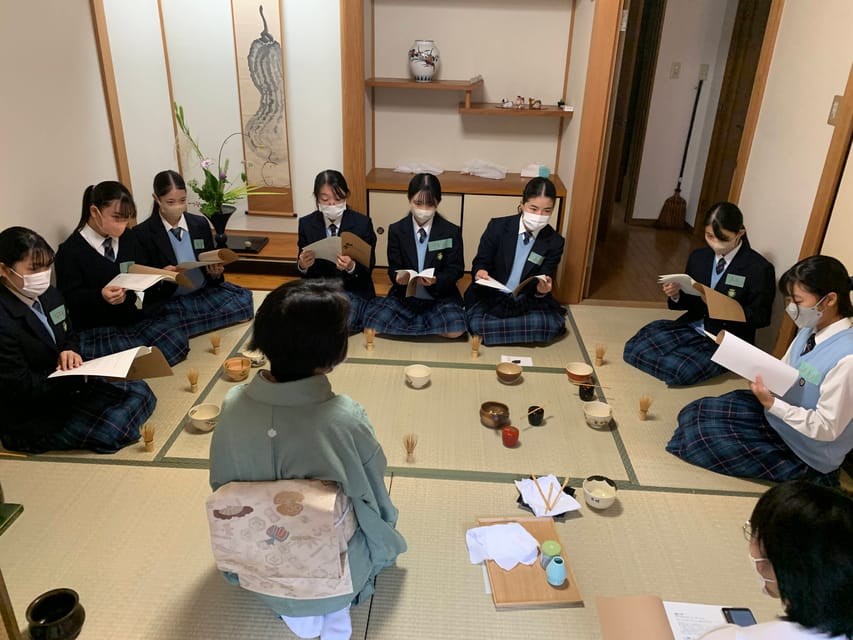
REVIEW · TEA CEREMONY EXPERIENCES
Kyoto: Private Tea Ceremony at local home with tea master
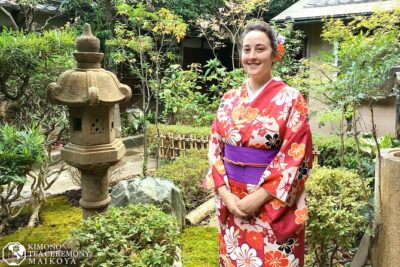
Kyoto’s tea ceremony is not simply a lesson in whisking green tea. At this private home near Nijo Castle, Aya-san, a certified tea master born and raised in Kyoto, explains the meaning behind the quiet movements, the utensils, and the sweets before you take part yourself. The setting feels personal rather than staged.
I like the direct cultural context, especially the explanation of how the tea ceremony developed and why each gesture matters. I also like the hands-on portion: you watch the demonstration, then prepare your own matcha using high-quality tea from Uji, Kyoto. The main consideration is time. One hour gives you a clear introduction, but the final questions and reflection may feel short if another booking follows.
In This Review
- Key points to know before booking
- Entering a Kyoto tea room near Nijo Castle
- The opening lesson explains why every gesture matters
- Tea bowls, whisks, and scoops become part of the story
- A demonstration followed by your own matcha
- Seasonal Japanese sweets balance the bitter tea
- Etiquette is taught without making you feel awkward
- The private format suits curious beginners and small groups
- How the one-hour schedule feels
- Is $101 a fair price for this Kyoto experience?
- Who should book this tea ceremony?
- Should you book it?
- FAQ
- Where does the tea ceremony take place?
- How far is the meeting point from Nijo Castle?
- How long does the tea ceremony last?
- Is the activity suitable for children?
- What languages are available?
- What should I wear?
- What is included in the price?
Key points to know before booking
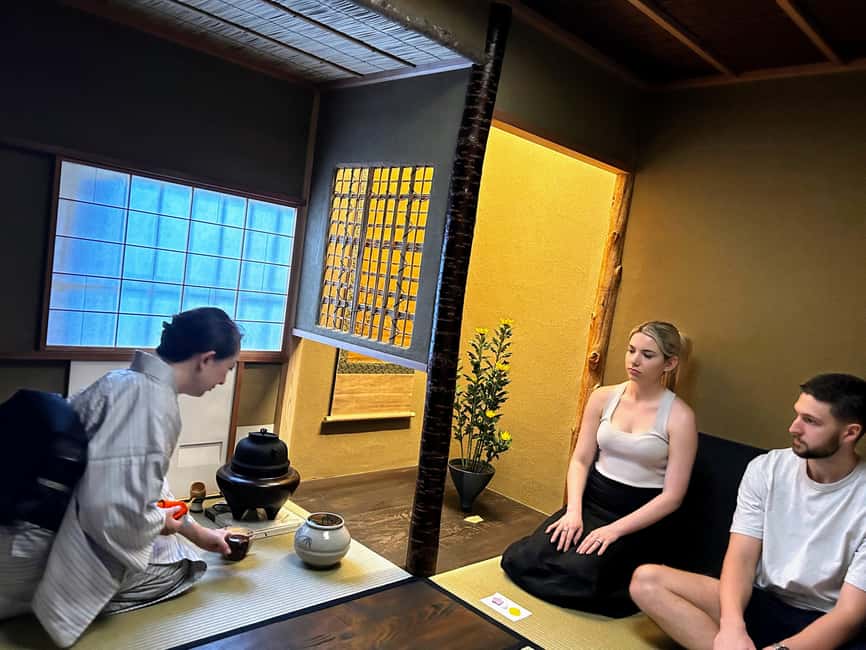
- A local-home setting near Nijo Castle: You are only about three minutes on foot from Nijo Castle and Nijojo-mae subway station, yet the activity takes place in a private tea room rather than a large tourist venue.
- Aya-san leads the experience: Your certified tea master was born and raised in Kyoto and teaches in English or Japanese.
- You take part, not just watch: After the demonstration, you prepare matcha yourself and learn how to handle the bowl, scoop, and whisk.
- Uji matcha and made-to-order sweets: The experience includes two servings of matcha and two kinds of traditional dried Japanese sweets, with seasonal presentation.
- Dress rules matter: Wear socks and long trousers or a long skirt. Shorts, short skirts, bare feet, hats, sleeveless shirts, jewelry, perfume, and strong fragrances are not permitted.
- Private and accessible: The booking is for a private group, is wheelchair accessible, and can accommodate LGBTQ, Halal, vegan, and various allergy needs.
Entering a Kyoto tea room near Nijo Castle
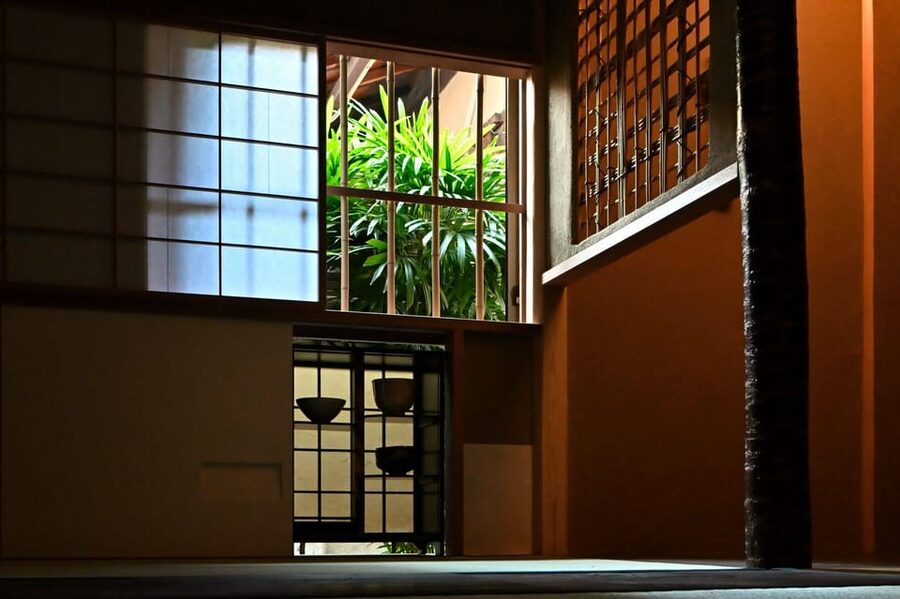
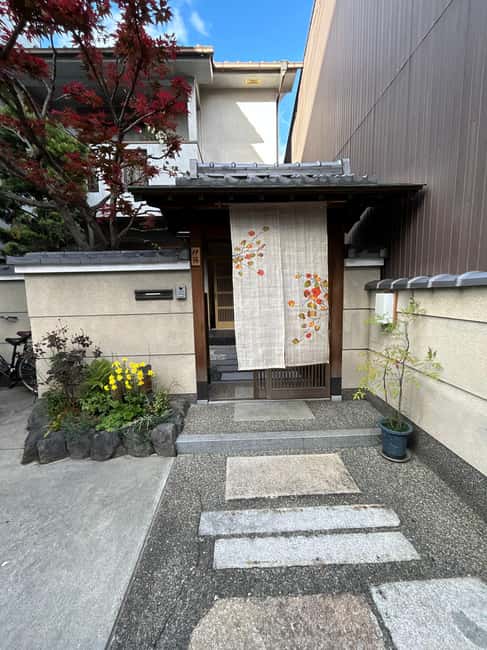
The location gives you an easy way to pair a cultural activity with sightseeing. The meeting point, さくら 日本文化体験, is about three minutes from Nijo Castle and Nijojo-mae Station on the Kyoto subway. It is also roughly 15 minutes on foot from Shijo Station on the Hankyu line, three minutes from the Nijojo-mae city bus stop, and about 10 minutes by taxi from Kyoto Station.
That convenience matters. You do not need to set aside half a day or travel to a distant mountain temple. You can visit Nijo Castle first, attend the ceremony, then continue toward the Kyoto Imperial Palace or central Kyoto. The short walk also makes this a practical choice during a busy sightseeing day.
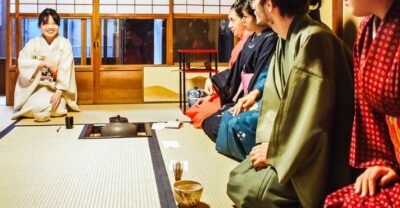
Once inside, you enter a traditional tea room in a local home. The room itself is part of the lesson. The arrangement of the utensils, the bowl, the folded cloth, and the calm pace all show how Japanese hospitality is expressed through order and attention.
You should arrive prepared to remove your shoes. Shoes are not allowed indoors, and bare feet are not acceptable. Long trousers or a long skirt are required because short clothing can be uncomfortable in the tea room. Socks are essential. If you arrive without them, socks are available for purchase, but bringing your own is the simpler choice.
More Tea Ceremony Experiences in Kyoto
- Kyoto: Tea Ceremony in a Traditional Tea House in Kiyomizu
★ 4.9 · 3,519 reviews - Kyoto: Tea Ceremony Ju-An at Jotokuji Temple
★ 4.9 · 3,207 reviews - Kyoto: 45-Minute Tea Ceremony Lesson Experience
★ 4.3 · 2,378 reviews
The opening lesson explains why every gesture matters
The session begins with an introduction to the history and cultural background of the tea ceremony. I like this opening because it keeps the activity from becoming a set of unexplained hand movements. You learn how the tradition developed and how it has been passed down in Japan.
The tea ceremony, known as chanoyu or sado, is built around careful preparation and shared attention. The host prepares tea for the visitor, and the visitor responds with proper manners. The movements are not meant to show off speed or technical skill. They create a calm rhythm in which both people acknowledge the time and effort being shared.
Aya-san explains the ceremony in a relaxed way for beginners. Complex terms and formal actions are simplified, so you do not need previous knowledge. This is useful if you have seen a tea ceremony before but still found its rules hard to follow. Instead of merely telling you to copy a movement, the lesson connects the action to its purpose.
The idea of respect appears in small details. Folding the ceremonial cloth, turning the bowl, receiving the tea, and placing utensils in the correct position all have a role. You may not remember every Japanese term after one hour, but you should leave with a better sense of why the ceremony feels so deliberate.
Tea bowls, whisks, and scoops become part of the story
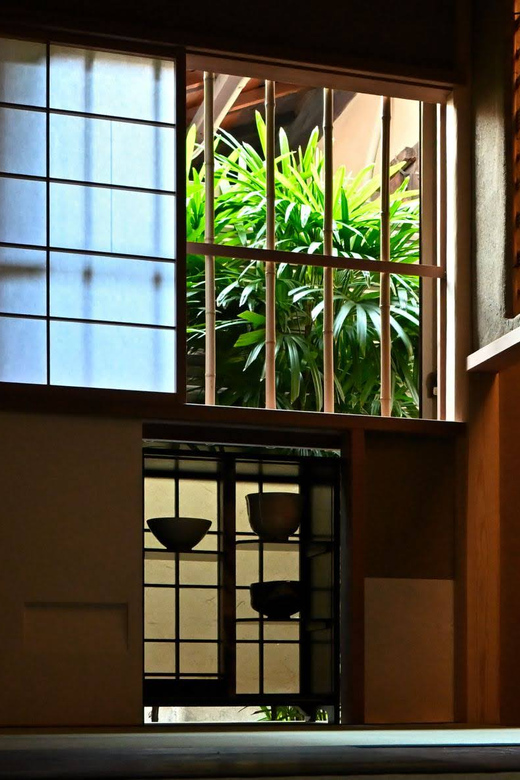
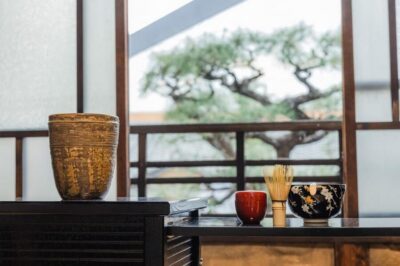
A central part of the lesson covers the tools used to prepare and serve matcha. You learn about the chawan, or tea bowl, the chasen, or bamboo whisk, and the chashaku, or tea scoop.
This section is more useful than a simple display of beautiful objects. You learn how each utensil is handled, what it contributes to the preparation, and how to care for it in daily life. The bowl is not just a cup. Its shape, texture, and position affect how you receive the tea. The whisk is not just a mixing tool. It creates the smooth texture that makes matcha pleasant to drink.
The tea scoop measures the powdered tea, while the cloth helps keep the process clean and orderly. As you watch Aya-san arrange and use each item, the room begins to feel less mysterious. The objects work together, and the ceremony becomes easier to follow.
I especially like this practical angle for people who want to continue drinking matcha at home. You will not leave with a full tea-school qualification, but you gain basic guidance on how the equipment is used and maintained. The included certification from the tea master adds a small keepsake to the experience.
A demonstration followed by your own matcha
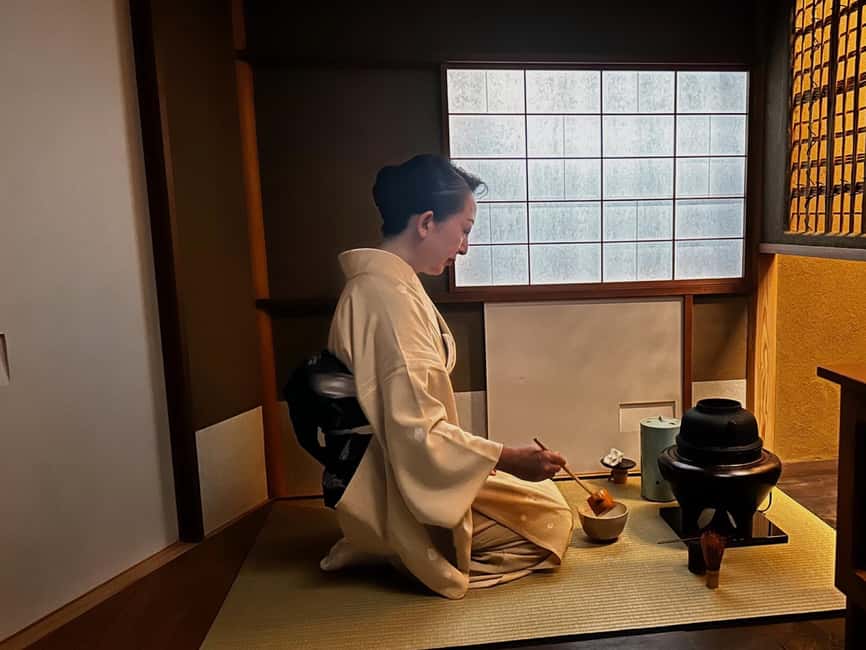
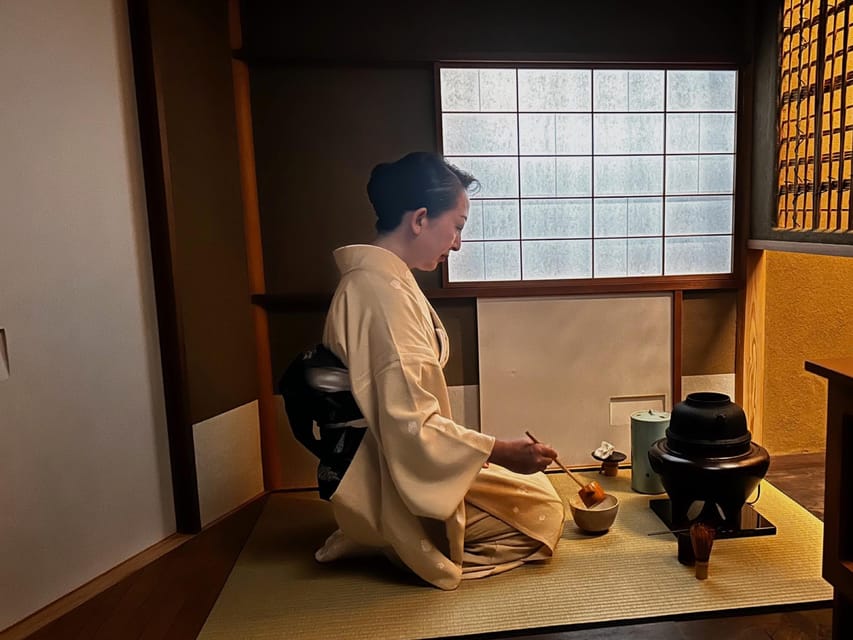
After the explanation, Aya-san demonstrates the ceremony. Watch the pace closely. The graceful movements are slow enough to follow, but they are not empty decoration. Each movement creates a neat transition from one stage to the next.
You then have the chance to prepare matcha yourself. This is where the activity becomes more engaging than a standard demonstration. You hold the utensils, measure the tea, add water, and use the whisk to prepare the drink under guidance.
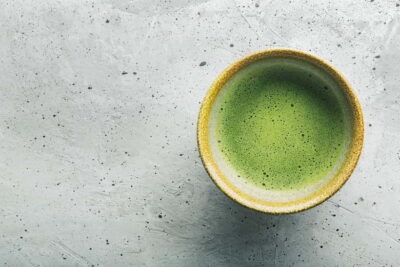
Matcha has a stronger flavor and thicker texture than ordinary steeped green tea. The powder is whisked into the water rather than strained out, so you drink the whole leaf. The tea used here comes from Uji in Kyoto, one of Japan’s best-known tea-producing areas. The description does not specify the exact cultivar or grade, so you should think of the Uji sourcing as a quality regional detail rather than a promise of a particular luxury tea.
The experience includes two servings of matcha. One is part of the tea master’s preparation, and the hands-on portion allows you to prepare tea yourself. That gives you a chance to compare the feel of watching with the concentration required to perform the movements.
Do not worry about making a perfect bowl on your first try. The value is in noticing the process: how the whisk moves, how the bowl is held, and how the final drink is received. The calm atmosphere makes the activity approachable, even if you have never handled a bamboo whisk before.
Same city, a completely different kind of day:
- PERFECT KYOTO 1-Day Bus Tour
★ 5.0 · 13,518 reviews - Kyoto: Fushimi Inari, Kinkakuji, Bamboo Grove 1 Day Bus Tour
★ 4.8 · 4,316 reviews - Kyoto Geisha Walking Tour: Gion District & Hidden Gems
★ 4.7 · 3,273 reviews - Kyoto: Gion Magical Night Walking Tour with Geisha Trivia
★ 4.9 · 2,393 reviews
Seasonal Japanese sweets balance the bitter tea
The matcha is served with two kinds of traditional dried Japanese sweets. They are made to order and presented with seasonal attention, so the food is not an afterthought.
Japanese sweets served with tea are designed to balance the tea’s bitterness and strong taste. The sweetness prepares your palate for the matcha, while the tea keeps the dessert from feeling too sugary. The pairing is part of the ceremony’s structure, not simply a snack added to the booking.
You should expect beautiful presentation, but the available details do not identify the exact sweets used on your date. Seasonal ingredients and the tea master’s order may affect what you receive. If you have allergies or dietary restrictions, tell the operator in advance. Vegan, Halal, LGBTQ, and various allergy accommodations are available, but clear advance notice is still the sensible approach.
The sweets also give you a chance to slow down. You are not rushing through a plate of food between sightseeing stops. You observe the shape and appearance, taste it, and then notice how the matcha changes on your palate.
Etiquette is taught without making you feel awkward
Tea ceremony etiquette can seem intimidating if you are worried about holding the bowl incorrectly or missing a formal cue. This class is intended for beginners, and the instructions are designed to make the actions understandable.
You learn how to receive the bowl, how to appreciate it, and how to drink the tea in the proper manner. The ceremony includes turning the bowl before drinking, an action that shows respect for the bowl’s most decorative side. The exact explanation and sequence come from the tea master, so follow the demonstration rather than trying to memorize rules beforehand.
The lesson also covers the mindset behind the manners. Japanese etiquette often gives importance to the condition of the other person, the cleanliness of shared objects, and the timing of an action. In a tea room, these ideas become visible and physical.
You should treat the room with the same care you would show in a private home. No smoking, vaping, alcohol, or drugs are allowed. Video and audio recording are not permitted, and perfume or strong fragrances should be avoided. These rules protect the quiet setting and prevent scents from interfering with the tea.
The private format suits curious beginners and small groups
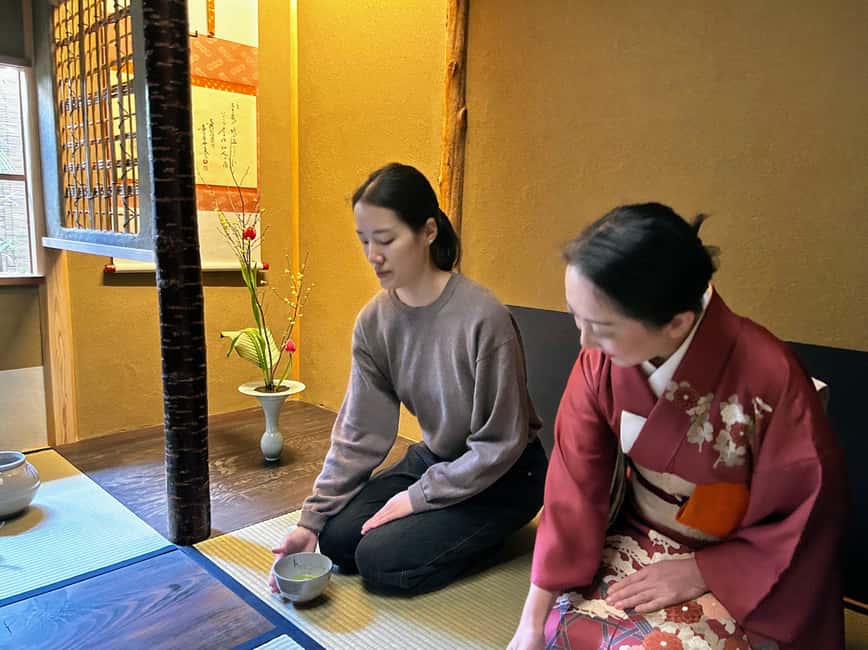
Because this is a private group experience, you are not being folded into a large class. That makes it easier to ask questions and receive help when preparing the matcha. The language options are English and Japanese.
The private format also changes the mood. A tea ceremony depends on attention, and fewer people means fewer distractions. If you are traveling with a partner, friend, or family member over age 13, you can share the experience without competing for a view of the utensils.
Children under 13 are not accepted. That rule is worth noting if you are planning a family itinerary. The formal clothing requirements and quiet pace may suit older children and adults better than younger children anyway.
The activity is wheelchair accessible, which is useful when comparing cultural experiences in older homes or traditional interiors. You should still raise any specific access needs when booking, since the available information confirms accessibility but does not describe the exact room layout.
How the one-hour schedule feels
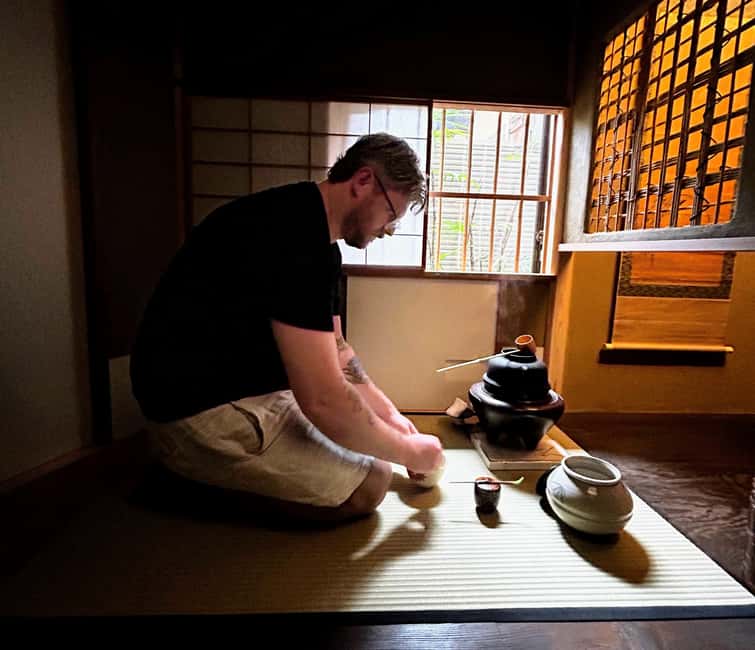
The full experience lasts one hour and begins and ends at the same location. That compact timing is a strength for most Kyoto itineraries. You can fit it between visits to Nijo Castle, the Kyoto Imperial Palace, or other central sights without losing an entire morning or afternoon.
The hour includes the introduction, explanation of utensils, etiquette instruction, demonstration, hands-on matcha preparation, sweets, questions, and reflection. That is a lot to cover. I would arrive ready to focus rather than expecting a long, leisurely tea-school lesson.
One practical caution is that the final part can feel rushed if another booking is arriving. If you have many questions, ask them during the explanation rather than saving everything for the last few minutes. The tea master’s guidance is one of the best parts of the experience, so use the available time well.
Still, the compact schedule can work in your favor. You get a clear introduction without committing to several hours of formal study. It is enough to help you understand the ceremony, appreciate a bowl of matcha, and decide if you want to learn more.
Is $101 a fair price for this Kyoto experience?
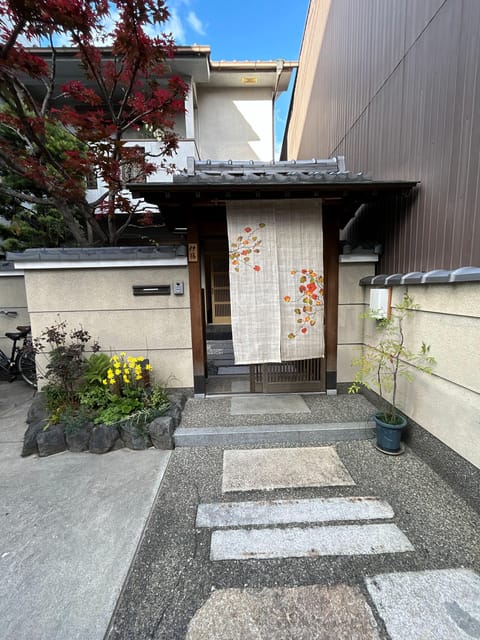
At $101 per person, this costs more than simply ordering matcha and sweets in a Kyoto café. You are paying for a private setting, a certified tea master, instruction in English or Japanese, two servings of matcha, two kinds of traditional sweets, and time for your own preparation.
The price makes the most sense if you want cultural explanation and personal guidance rather than a quick photo opportunity. The local-home setting is important here. You are not just watching a performance behind a barrier. You are learning how the tea room works and taking part in its etiquette.
The value is less clear if you only want to taste matcha or see a short ceremony. A café or public cultural demonstration may meet those needs for less money. This booking earns its price through interaction, privacy, and the teacher’s explanations.
The experience has a five-star rating from 25 verified bookings, with particular praise for the calm atmosphere, careful explanations, beautiful bowls, and the history of Kyoto and tea traditions. One person specifically appreciated Aya-san’s welcome and the meticulous nature of the ceremony. Another found the ending a little hurried because of a following appointment. Those details give you a fair picture: strong teaching and atmosphere, with a tight schedule at the finish.
Free cancellation is available up to 24 hours before the start time, and you can reserve now and pay later. Starting times vary, so check availability before building your day around it.
Who should book this tea ceremony?
I would choose this for a first visit to Kyoto if you want a focused introduction to Japanese culture. It is also a good fit if you have already visited temples and gardens and want an activity that explains a living tradition rather than another sightseeing stop.
It suits adults and children age 13 or older who can sit quietly, follow instructions, and respect the room’s rules. The private format works well for couples, friends, and small families. It is also suitable for people who want to ask questions without feeling self-conscious in a large group.
You should think twice if you dislike formal clothing rules, cannot wear socks, want to record every moment, or prefer a loose, drop-in activity. Shorts, short skirts, sleeveless shirts, hats, jewelry, bare feet, perfume, and indoor shoes are not allowed. The ceremony asks you to put your phone and camera aside for the hour.
Should you book it?
Book this experience if you want to understand the meaning behind Kyoto’s tea ceremony and take part under the guidance of a local certified teacher. The combination of a private home, Uji matcha, seasonal sweets, and hands-on preparation gives you more than a brief demonstration.
Skip it if your main goal is a cheap cup of tea or a casual activity with no etiquette requirements. For everyone else, especially first-time visitors who value context and quiet instruction, $101 is a reasonable price for a thoughtful one-hour introduction near Nijo Castle. Wear socks, arrive without perfume, and save your questions for the middle of the lesson rather than the final minute.
FAQ
Where does the tea ceremony take place?
It takes place at さくら 日本文化体験, in a local home near Nijo Castle in central Kyoto.
How far is the meeting point from Nijo Castle?
The meeting point is about three minutes on foot from Nijo Castle and three minutes from Nijojo-mae subway station.
How long does the tea ceremony last?
The activity lasts one hour and begins and ends at さくら 日本文化体験.
Is the activity suitable for children?
Children under 13 are not accepted. The experience is designed for beginners age 13 and older.
What languages are available?
The instructor can teach in English or Japanese.
What should I wear?
Wear comfortable clothing, long trousers or a long skirt, and socks. Shorts, short skirts, sleeveless shirts, hats, jewelry, and bare feet are not allowed.
What is included in the price?
The experience includes two servings of matcha, two kinds of traditional dried Japanese sweets, and certification from the tea master.
Just added around Kyoto
- Taste of Nishiki Market Walking Food Tour with Local guide★ 5.0 · 17 reviews
- Kyoto: Sushi Making Class with Sushi Chef★ 4.8 · 64 reviews
- Kyoto: City Secrets eBike Tour★ 4.9 · 196 reviews
- Sacred Pathways: Discover the Philosopher’s Path of Kyoto★ 4.9 · 20 reviews
- Private Tour to Monkey Park and Arashiyama Highlights★ 5.0 · 22 reviews
- Private Nara Tour from Osaka – Meet at Your Hotel★ 5.0 · 22 reviews
- Private Sake Tasting in Central Kyoto with Sake Sommelier★ 5.0 · 13 reviews
- Kyoto : Private Custom Walking Tour With A Local Guide★ 4.6 · 144 reviews
Tea Ceremony Experiences, compared.
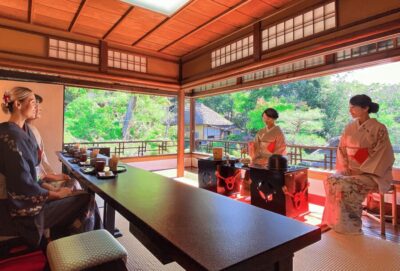
Tea Ceremony in a Traditional Tea House in Kiyomizu
Read our review →
World Heritage Kyoto & Nara Uji Authentic Matcha Experience
Read our review →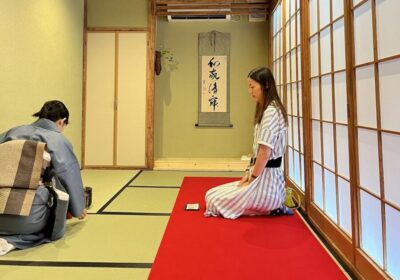
Browse the lists this tour appears in