
REVIEW · SHOW
Kyoto: Non-Verbal Theatre Show Tickets at GEAR
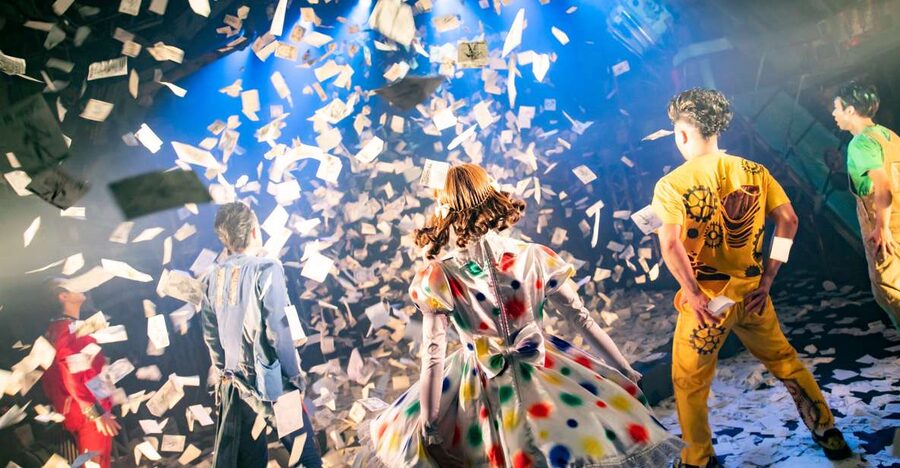
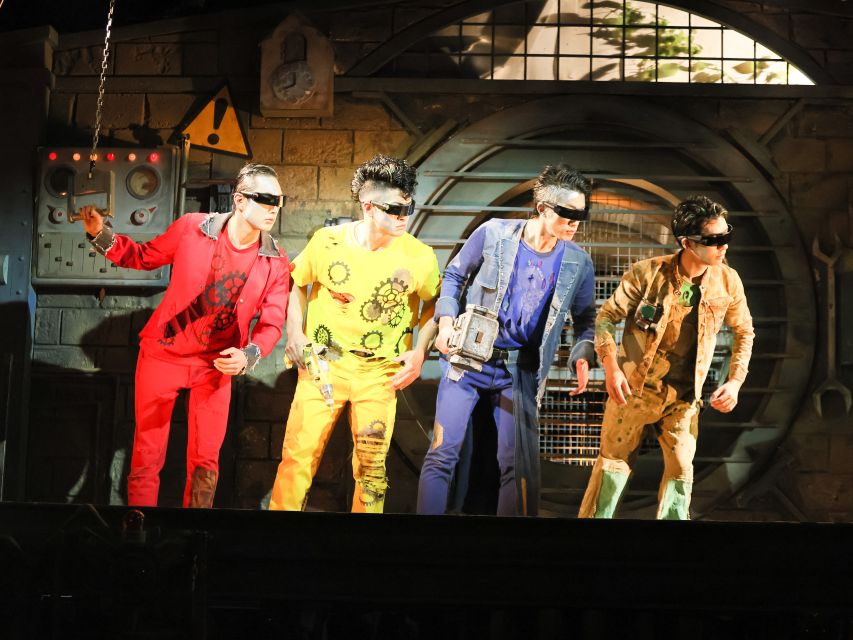
GEAR turns a broken toy factory into a small, clever world where robots learn what it means to be human. With no spoken dialogue, the show uses mime, dance, magic, juggling, music, light, and sharply timed movement to carry its story across language barriers.
I like the close-up view, since the theater has only 72 seats, and I like the mix of old Japanese stage ideas with modern effects. The main caution is practical: seats are compact, about 18 by 18 inches, and the show is not a traditional Japanese performance in style, even though Kabuki techniques help shape it.
In This Review
- Key points
- A toy factory where robots discover feeling
- What the 90 minutes actually contain
- The old theater changes the experience
- Stage tricks that borrow from Kabuki
- A performance that crosses language barriers
- Why the close seating matters
- The $46 ticket: good value for the right evening
- Small details that make a repeat visit worthwhile
- Planning the visit around Kyoto
- Who will enjoy GEAR most
- Should you book GEAR in Kyoto?
- FAQ
- How long is the GEAR theatre show?
- Where does GEAR take place?
- How much does admission cost?
- What type of ticket is included?
- Can I choose my seat number?
- How many seats are in the theater?
- Are children under four allowed to attend?
- When do the doors open?
Key points
- A wordless story: Robots and a living doll discover touch, feeling, and human connection without spoken dialogue.
- Many performance styles: Expect mime, magic, breakdancing, juggling, physical comedy, and precise robotic movement.
- Intimate 72-seat theater: Every seat is close to the action, though the small seats may not suit everyone.
- High-tech effects with traditional roots: Kabuki-inspired stage methods meet lighting, sound, and modern theatrical tricks.
- A 90-minute evening activity: The compact running time fits neatly into a Kyoto sightseeing day.
- S-seat admission only: Tickets cost $46 per person, and seat numbers cannot be selected.
A toy factory where robots discover feeling
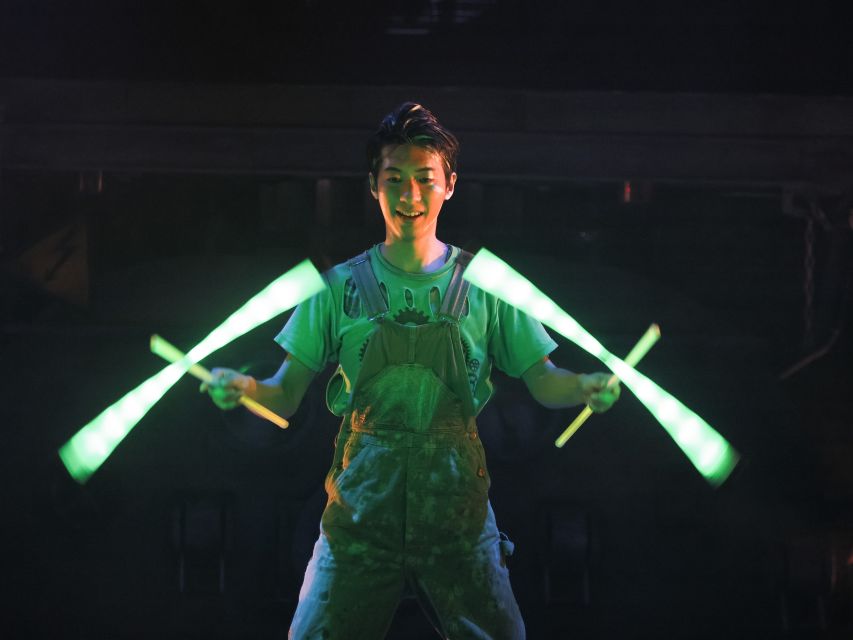
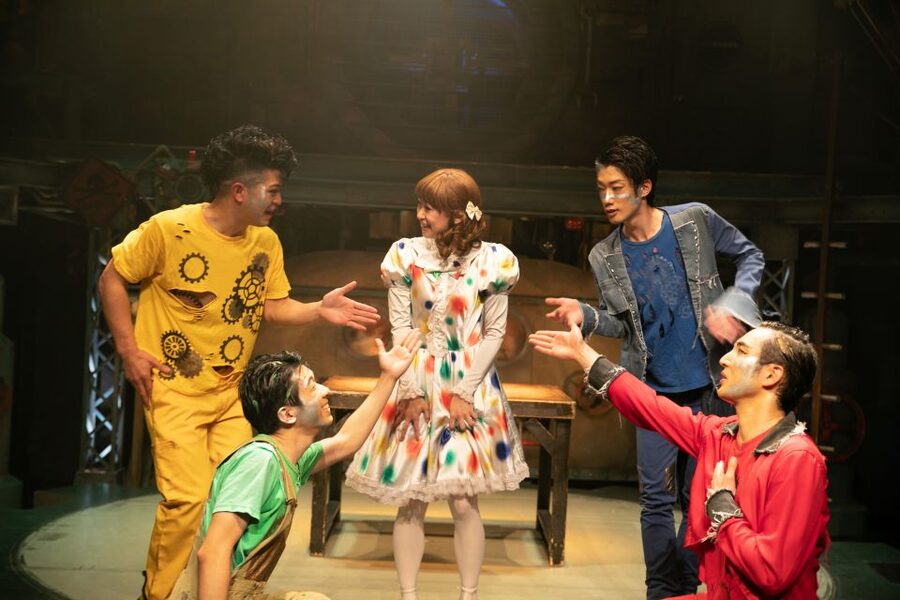
The basic story is easy to follow. In a future setting, robot workers operate inside a broken toy factory. A doll comes to life, and her arrival begins a journey that pushes the robots beyond their programmed routines.
You do not need a translation or a plot briefing to understand the emotional arc. The performers communicate through faces, gestures, rhythm, music, and physical comedy. That makes GEAR especially useful for an international audience, but the story is not thin. The central idea, the power of touch and human connection, gives the visual tricks a purpose.
I like that the production does not rely on spoken jokes or long explanations. A robot’s stiff movement, a doll’s expressive reaction, or a sudden change in the stage can tell you plenty. The result is broad enough for children and clear enough for adults, while still leaving room for emotion.
The show also has a gentle contrast at its center. Robots represent order, repetition, and mechanical precision. The doll introduces surprise, curiosity, and feeling. That simple setup gives the performers a clear job, and they make a lot from it.
A few more Kyoto trips to weigh up
- Kyoto Gion Cultural Walk & Geisha Show with Dining Options
★ 5.0 · 518 reviews - Kyoto Gion Cultural Walk & Geisha Show with Dining Options
★ 5.0 · 483 reviews - 1 Hour Geisha Show in Kyoto
★ 5.0 · 452 reviews
What the 90 minutes actually contain
GEAR is not a single-style dance performance. It moves between several forms of stage entertainment, so the pace stays active. You might see physical comedy followed by mime, then a magic sequence, juggling, breakdancing, or a carefully timed group routine.
The performers’ control is a major part of the appeal. Robotic movement sounds simple until you see how exact it has to be. A tilted head, a sudden stop, or a repeated mechanical gesture can become funny and expressive when the timing is right.
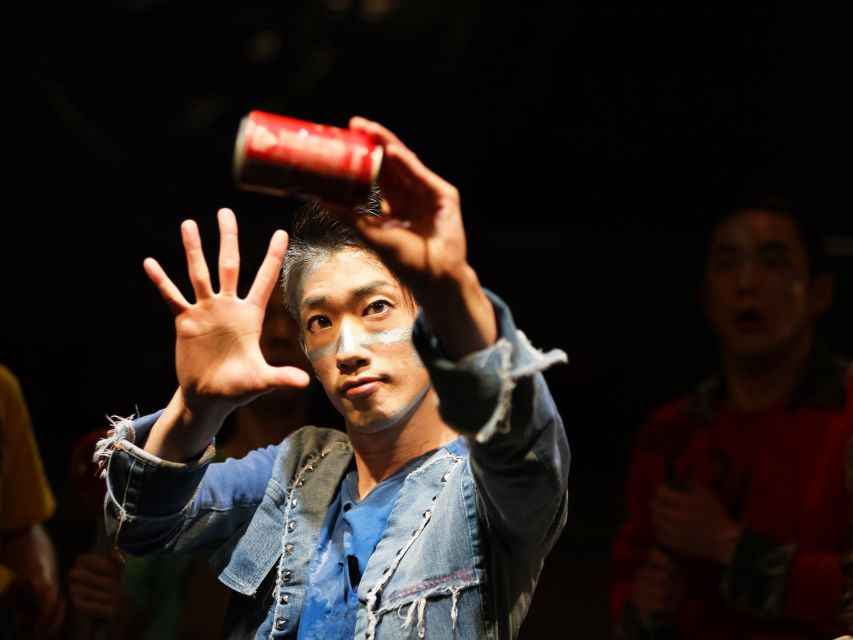
Magic and juggling add a different kind of tension. These moments give the audience something immediate to watch, while the larger story continues in the background. Some tricks may invite interaction with the audience, including children, but the supplied information does not promise audience participation at every performance.
Music and sound design help carry the action. Since nobody is speaking, the audio has to signal mood and momentum. Lighting also changes the feel of the old factory setting, making the stage appear more active than its physical size suggests.
The running time is 90 minutes. That is long enough to feel like a proper theater outing, but short enough to fit before dinner or after a day among Kyoto’s temples and streets. There is no indication of an interval, so plan to remain in your seat for the performance.
The old theater changes the experience
GEAR Theatre occupies an old building dating from 1928. That setting matters. You are not entering a huge modern auditorium designed to put distance between the audience and the stage. You are entering a compact space where the performers’ expressions and movements can register clearly.
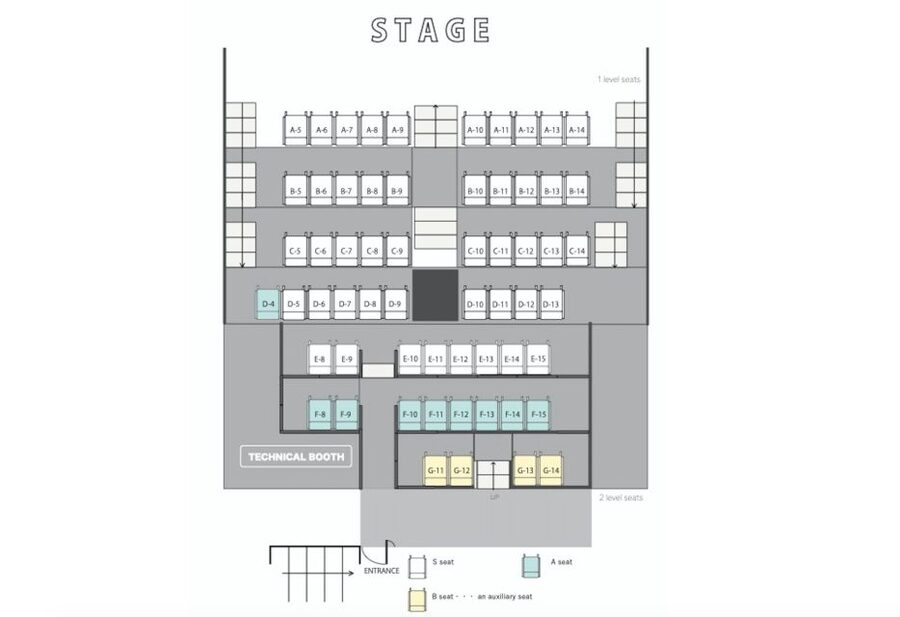
The theater has only 72 seats. This limited capacity helps explain the close view and the need to assign seats rather than let you choose exact numbers. Only S, or Premium, seats are currently offered for sale.
The small room is one of the show’s practical strengths. You can catch the performers’ faces and fine movements more easily than you might in a large theater. Several parts of GEAR depend on precision, so being close helps you notice the work behind the illusion.
The same design creates the main comfort issue. Each seat is approximately 18 by 18 inches. That is compact by many international standards, and you should consider it carefully if you need extra room. The theater does not allow children under four years old to enter for security reasons.
Doors open 30 minutes before the show begins. I would use that time rather than arriving at the last moment. The venue is in an old building, and the small seating capacity gives you little reason to rush through the entrance process.
Stage tricks that borrow from Kabuki
GEAR’s technical appeal comes from its combination of stage traditions. The production draws on methods associated with Kabuki theater while also using modern technology, lighting, sound, and visual effects.
That does not mean you are watching a Kabuki performance. The style is contemporary and international. Instead, Kabuki provides part of the production’s theatrical vocabulary: controlled movement, strong visual presentation, and stage effects that can make a physical space feel larger or stranger than it is.
I enjoy this combination because it fits Kyoto. The city is famous for traditional arts, but it has also long supported experimentation and new forms. GEAR takes an old theatrical sensibility and places it inside a futuristic toy factory.
The set is not just decoration. It helps create the broken factory, provides surfaces and objects for the action, and supports the show’s visual surprises. The stage design has been praised for its inventiveness, and the lighting and sound work with it rather than merely filling the room.
You should go in knowing that the effects are part of the pleasure. If you prefer a quiet drama built mainly around conversation, this may feel too busy. If you enjoy watching performers solve physical problems in real time, GEAR offers plenty to notice.
Same city, a completely different kind of day:
- PERFECT KYOTO 1-Day Bus Tour
★ 5.0 · 13,518 reviews - Kyoto: Fushimi Inari, Kinkakuji, Bamboo Grove 1 Day Bus Tour
★ 4.8 · 4,316 reviews - Kyoto: Tea Ceremony in a Traditional Tea House in Kiyomizu
★ 4.9 · 3,519 reviews - Kyoto Geisha Walking Tour: Gion District & Hidden Gems
★ 4.7 · 3,273 reviews
A performance that crosses language barriers
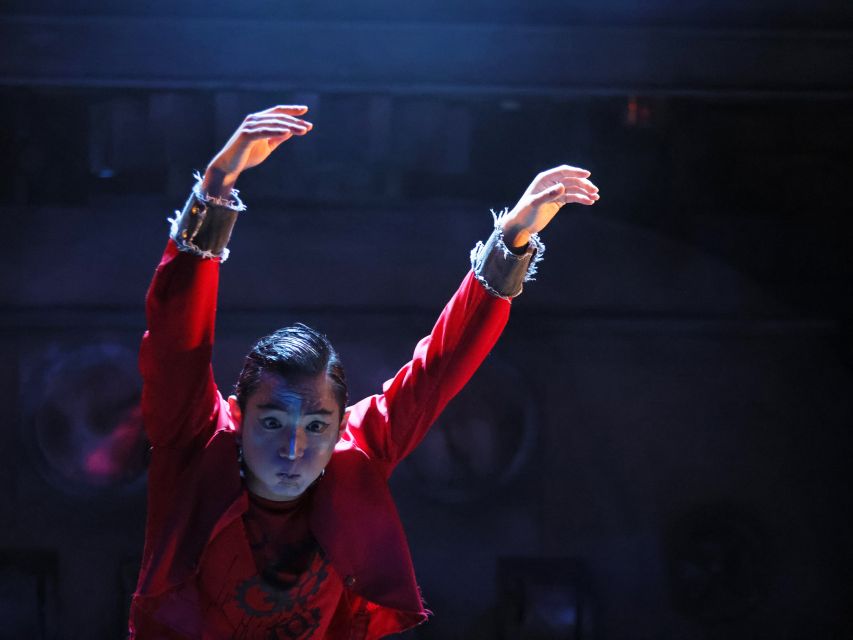
The absence of dialogue is more than a convenience for international audiences. It shapes the entire performance. You read the characters through posture, movement, expression, music, and the reactions of the other performers.
That makes GEAR a strong choice for a mixed-language group. Nobody needs to translate every line, and you do not need prior knowledge of Japanese theater. The emotional points are designed to come through visually.
The show also avoids making language the only route to humor. Physical comedy can be understood quickly, and the combination of mime and exaggerated character movement makes the robots and doll easy to distinguish.
Still, nonverbal does not mean passive. You need to watch. A small gesture may set up a later joke or show a change in a character. The close seating helps, but the production moves quickly enough that you may miss details if you look away.
For families, the age rule is clear: children under four cannot enter. Older children may enjoy the magic, motion, and visual comedy, while adults can pay more attention to the themes and technical skill. The show is not presented as a children’s performance, so parents should judge their child’s ability to sit through a 90-minute theater production.
Why the close seating matters
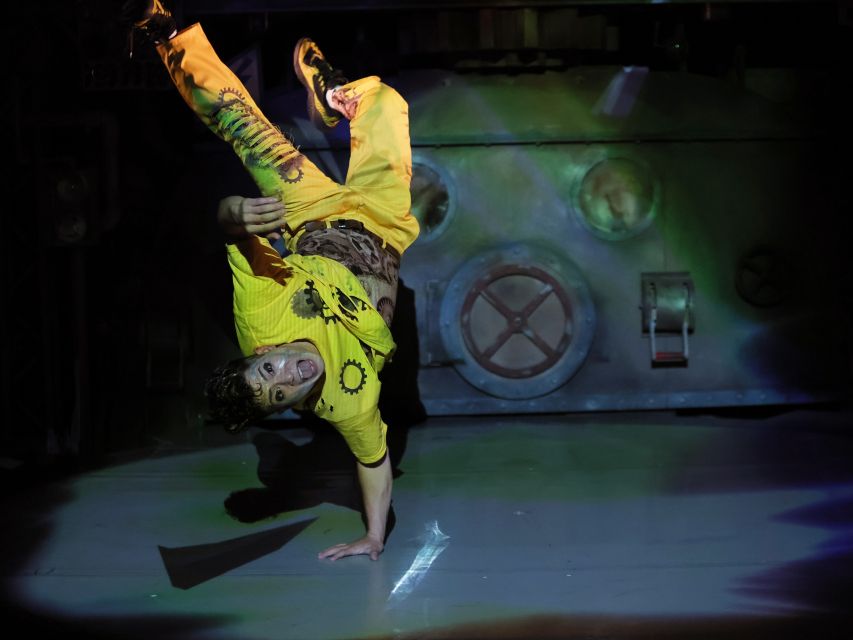
A 72-seat venue gives GEAR a sense of intimacy that suits mime and physical theater. You can see the difference between a performer moving like a machine and a performer reacting like a person. That distinction is central to the story.
The limited seating also means there are no obvious distant sections. The available ticket category is S-seat, and you cannot select a seat number. Several details point to generally good views, but you should not book expecting to choose the exact center or front row.
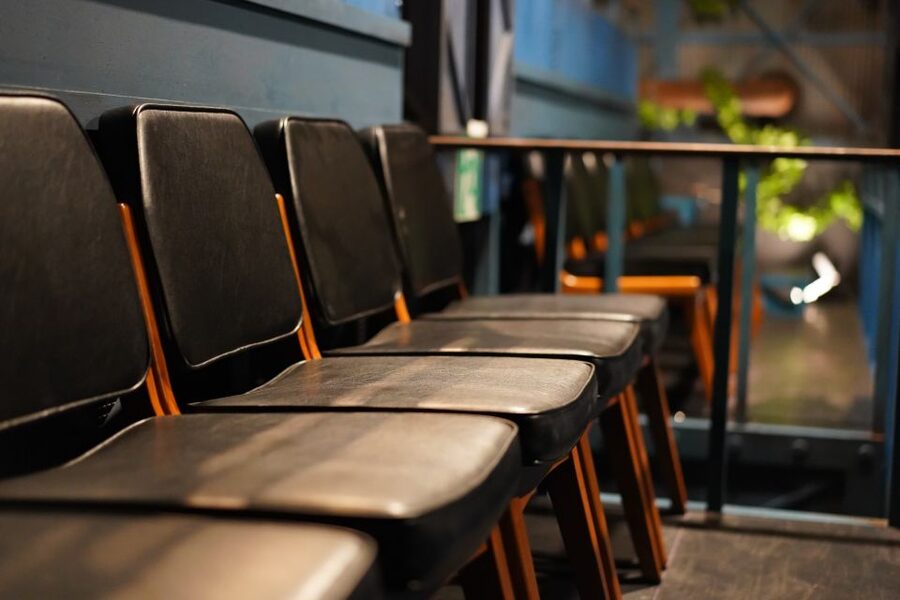
The tradeoff is comfort. At roughly 18 by 18 inches, the seats are small. One piece of feedback specifically found them fine for larger European visitors, but that should not be treated as a guarantee. If extra personal space is important to you, the theater’s compact layout deserves serious thought before booking.
Food and drinks are not allowed inside. Take care of those before entering, especially if you are combining the show with an early dinner or bringing children.
The $46 ticket: good value for the right evening
At $46 per person, GEAR is not a casual free-time stop, but it compares reasonably with a full evening theater performance. You get 90 minutes of live entertainment, a specialized cast, a custom set, music, lighting, and effects in a very small room.
The value improves if you want something different from Kyoto’s temples, gardens, and food experiences. GEAR gives you a modern cultural night out without requiring Japanese language skills. It also works well on a rainy evening or on a day when your sightseeing energy is running low.
The value is less clear if you are mainly looking for a traditional Japanese art form. Although the production uses Kabuki-related techniques, the overall show includes breakdancing, magic, juggling, mime, and contemporary stage design. One assessment found it entertaining but not especially Japan-oriented in style.
That is a fair distinction. Book GEAR for inventive nonverbal theater with Japanese stage influences, not for an introduction to Kabuki, Noh, or bunraku. If your schedule already includes several temples and formal cultural performances, GEAR can provide a useful change of pace.
Flexible booking helps if your Kyoto plans are still shifting. You can reserve now and pay later, and cancellation is free up to 24 hours before the show for a full refund. Check the available start times before you settle your dinner plans.
Small details that make a repeat visit worthwhile
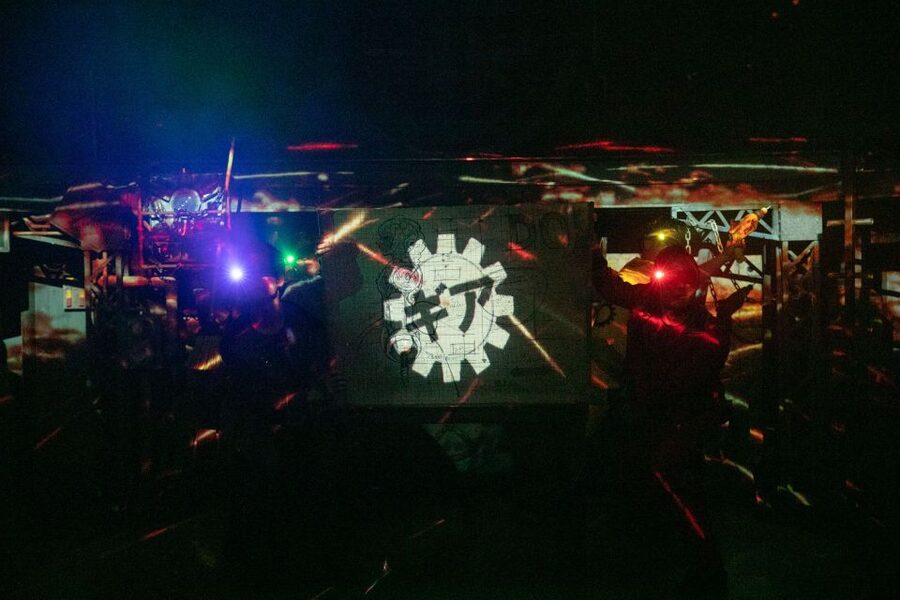
GEAR has enough moving parts that a second visit need not feel identical. The performers, timing, and small variations in the show can change the experience, and one repeat attendee noticed differences between two performances.
That does not mean you should book twice on your first trip. It means the production is not built around a single cheap trick. The cast has room to shape moments through timing, expression, and interaction.
The performers cover distinct specialties. You may see dancers, mime artists, magicians, jugglers, and actors sharing the same story rather than appearing in unrelated acts. The best moments come when those skills support the characters and the factory setting.
The performance can also be funny and touching in the same evening. That balance is important. A show made only of tricks might entertain you for an hour and then disappear from memory. GEAR gives the tricks an emotional frame, so the doll and robots have somewhere to go beyond the next visual surprise.
Planning the visit around Kyoto
The venue is identified simply as GEAR / Non-Verbal Theatre, so follow the booking directions carefully and allow time to find the theater. Doors open 30 minutes before showtime, which gives you a sensible arrival target.
The area around the theater has unique shops, so arriving early can be worthwhile rather than wasted time. You can look around nearby before entering, though you should not count on a long pre-show meal inside the venue because food and drinks are prohibited in the theater.
A 90-minute performance makes scheduling simple. You can place it in the afternoon or evening, depending on the available starting time. Leave enough room around it for getting to the building, entering, and leaving without turning the experience into a race.
The old building and small theater may not provide the polished ease of a large modern venue. That is part of the character, but it also means you should arrive prepared for compact seating and a more intimate setup.
Who will enjoy GEAR most
I would recommend GEAR to you if you want:
- A theater show that works without Japanese language skills
- A break from temples, museums, and formal sightseeing
- Physical comedy, mime, magic, juggling, dance, and visual effects
- A family-friendly option for children aged four and older
- A close view of highly controlled movement and stage work
- A short evening activity with a clear 90-minute duration
I would be more cautious if you need generous seating, dislike highly visual stage productions, or want a distinctly traditional Japanese performance. The show draws from Japanese theatrical practice, but it is contemporary and international in tone.
It is also not ideal for very young children because under-four admission is not permitted. Older children may respond well to the action and magic, but the adult themes of humanity and connection are part of the experience too.
Should you book GEAR in Kyoto?
Yes, if you want a polished, unusual theater experience that does not depend on dialogue. The strongest reasons are the intimate 72-seat room, the inventive set, the range of performance skills, and the simple story that makes the effects matter.
The decision comes down to expectations. At $46, you should want more than a quick magic act, and GEAR offers more: a connected story, precise character work, music, lighting, and a stage full of practical surprises. But you should not book it as a traditional Japanese theater lesson, and you should be comfortable with compact seats.
Arrive 30 minutes early, keep food and drinks outside, and go in knowing as little of the plot as possible. If you enjoy live performance, GEAR is one of Kyoto’s more distinctive evening choices.
FAQ
How long is the GEAR theatre show?
The performance lasts 90 minutes.
Where does GEAR take place?
The show takes place at GEAR Theatre, also identified as GEAR / Non-Verbal Theatre, in Kyoto on Honshu, Japan.
How much does admission cost?
The listed price is $46 per person.
What type of ticket is included?
Admission includes an S-seat ticket. S, or Premium, is currently the only seat category available for sale.
Can I choose my seat number?
No. Seat numbers cannot be selected because the venue has limited seating.
How many seats are in the theater?
The theater has a limited capacity of 72 seats.
Are children under four allowed to attend?
No. Children under four years of age are not allowed to enter the theater for security reasons.
When do the doors open?
Doors open 30 minutes before the show starts. Food and drinks are not allowed inside the theater.
Just added around Kyoto
- Taste of Nishiki Market Walking Food Tour with Local guide★ 5.0 · 17 reviews
- Kyoto: Sushi Making Class with Sushi Chef★ 4.8 · 64 reviews
- Kyoto: City Secrets eBike Tour★ 4.9 · 196 reviews
- Sacred Pathways: Discover the Philosopher’s Path of Kyoto★ 4.9 · 20 reviews
- Private Tour to Monkey Park and Arashiyama Highlights★ 5.0 · 22 reviews
- Private Nara Tour from Osaka – Meet at Your Hotel★ 5.0 · 22 reviews
- Private Sake Tasting in Central Kyoto with Sake Sommelier★ 5.0 · 13 reviews
- Kyoto : Private Custom Walking Tour With A Local Guide★ 4.6 · 144 reviews
Show, compared.

Mt Fuji & Hakone Cruise, Drum Show Bullet Train 1 Day from Tokyo
Read our review →
Sumo Show Experience with Chicken Hot Pot and a Photo
Read our review →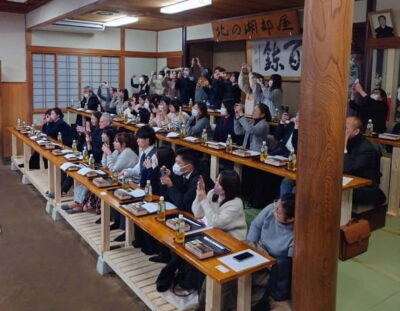
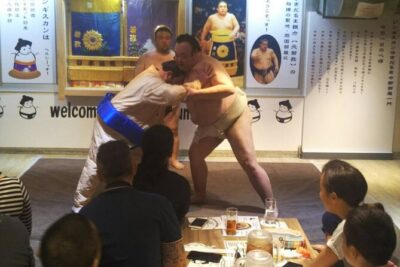
Tokyo Shinjuku Sumo Show & Experience with Photo
Read our review →

Mt Fuji & Hakone Cruise, Drum Show Bus 1 Day from Tokyo
Read our review →
Browse the lists this tour appears in