
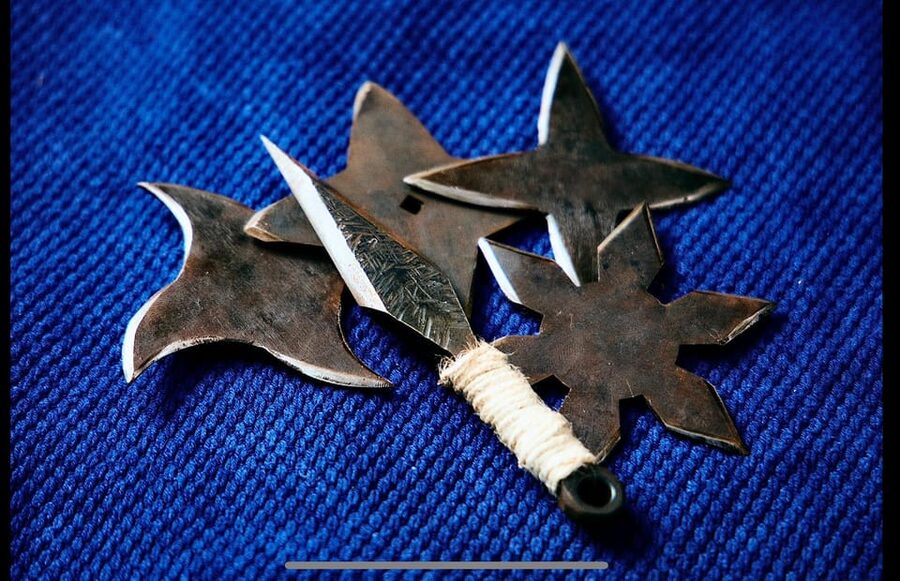
REVIEW · KIMONO & CULTURE EXPERIENCES
Kyoto: Ninja Weapon Forging Experience
The most memorable part of this Kyoto activity is simple: you heat real steel in an 800°C furnace, then shape it with a hammer under close guidance. This is not a costume photo stop with a plastic souvenir. You take part in the work, from rough metal to finished shuriken or kunai.
I like the hands-on pace, especially the hammering, belt sanding, blackening, and final polishing. I also like the personal touch of choosing a kanji character for engraving, then carrying home something you helped make. The main consideration is the price, $148 per person, plus ¥3,000 for a kunai, which makes this a special splurge rather than a casual stop.
In This Review
- Quick takeaways
- A Kyoto souvenir with sparks, sweat, and a story
- Suiting up in samue before the furnace
- Choosing between shuriken and kunai
- The 800°C furnace is the heart of the class
- Sanding shows the weapon taking shape
- Kanji engraving makes the keepsake yours
- A short ninja lesson gives the craft context
- Blackening and polishing bring the final character
- Location, timing, and the hill near Hieizanguchi Station
- Is $148 a fair price?
- Who will enjoy this most?
- Travel home with your finished weapon
- Should you book the Kyoto Ninja Weapon Forging Experience?
- FAQ
- How long does the Kyoto Ninja Weapon Forging Experience last?
- How much does the experience cost?
- Which weapons can I make?
- Is the experience held in English?
- What is included in the booking?
- Where do I meet the instructor?
- Can I take the finished weapon on my flight?
- Can I cancel the booking?
Quick takeaways
- Forge real steel: Strike heated metal and watch its shape change under an instructor’s direction.
- Choose your weapon: Pick one of three shuriken styles, or reserve a kunai for an extra ¥3,000.
- Wear the part: Change into samue work clothes and a tenugui head wrap before entering the workshop.
- Make it personal: Select a kanji character for engraving and choose how refined or sharp the final piece becomes.
- Easy meeting point: The studio is listed as a one-minute walk from Hieizanguchi Station, up the hill near a red postbox.
- Plan your flight home: Your weapon must travel in checked luggage, never in your carry-on bag.
A Kyoto souvenir with sparks, sweat, and a story
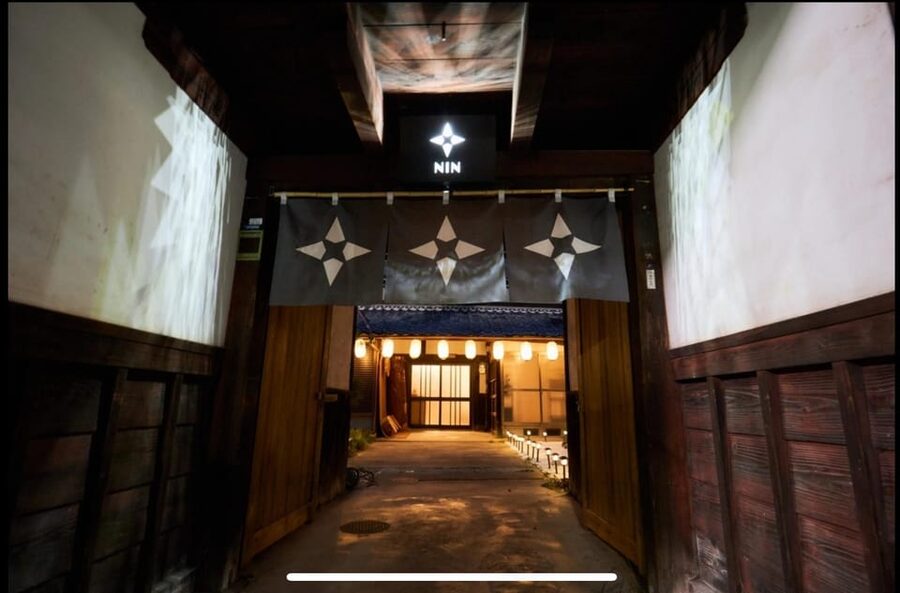
Kyoto has no shortage of souvenirs. You can buy fans, sweets, ceramics, knives, and every manner of ninja-themed trinket. This experience takes a different route. Instead of selecting a finished object from a shelf, you help make one.
The class lasts 150 minutes and is conducted in English. It combines a craft lesson, a short introduction to ninja history and symbolism, and a finished object you can display at home. The tone is friendly rather than stern. Taka is often singled out for his energy, humor, and clear teaching, while Mits, Ako, Yok, and other team members help with the separate stages.
I would not book this expecting to become a Japanese swordsmith in one afternoon. The basic weapon form is prepared for you, and the instructors control the dangerous parts of the work. Still, you do enough yourself to feel the change in the metal. You heat, hammer, sand, polish, and finish the object with help at every stage.
That balance is important. You get genuine contact with blacksmithing without needing prior experience or spending a full day on technical training.
More Kimono & Culture Experiences in Kyoto
- Kyoto Geisha Walking Tour: Gion District & Hidden Gems
★ 4.7 · 3,273 reviews - Kyoto: Gion Magical Night Walking Tour with Geisha Trivia
★ 4.9 · 2,393 reviews - Kyoto: Gion Geisha District Walking Tour – Stories of Geisha
★ 4.7 · 2,187 reviews
Suiting up in samue before the furnace
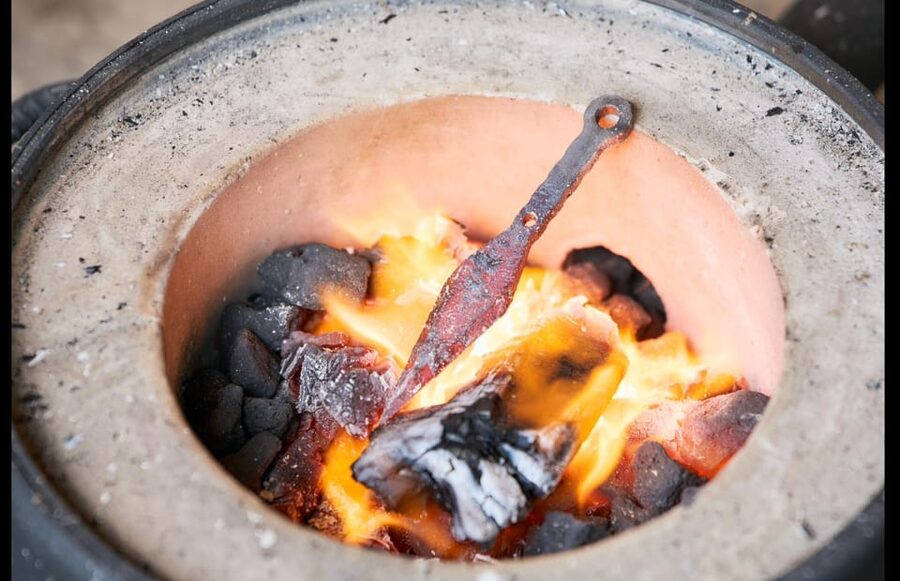
The session begins with a change of clothes. You put on samue, the loose traditional workwear associated with Japanese craftspeople, and wrap a tenugui around your head. It is a small step, but it helps shift the mood from ordinary sightseeing to workshop time.
You will also have access to the tools and uniform as part of the booking. The outfit is practical for the setting and makes photographs more fun, especially if you are traveling with children or friends. The staff also help capture photos and videos, so you do not have to choose between taking part and recording the moment.
The workshop has a playful side, but the equipment is real and the metal gets hot. Listen closely to the instructions and follow the staff’s directions. The experience is designed for beginners, and the instructors guide each stage rather than leaving you to guess.
Families have found the activity workable for children, with reports of children as young as eight taking part with staff help. The data does not state a formal minimum age, so check the current booking conditions if age matters for your group.
Choosing between shuriken and kunai
You choose your weapon near the beginning. Three shuriken styles are included, giving you some control over the look and character of the final piece. A shuriken is the familiar ninja throwing star, but the finished object is also a handmade souvenir, not a promise that you will receive a historically exact weapon.
The kunai option costs an additional ¥3,000. You need to select it when booking, rather than assuming you can change your choice after arriving. The extra charge covers added material and processing costs.
I like having a choice, but the difference matters to your budget. At $148, the included shuriken already makes this a fairly expensive activity. Add the kunai fee and the total climbs further. If your main goal is the forging process, the included option offers the better value. If the knife-like shape matters to you, the extra charge may be worthwhile.
The studio also sells replica swords for an additional fee. Those are separate purchases, not part of the weapon you forge in class.
The 800°C furnace is the heart of the class
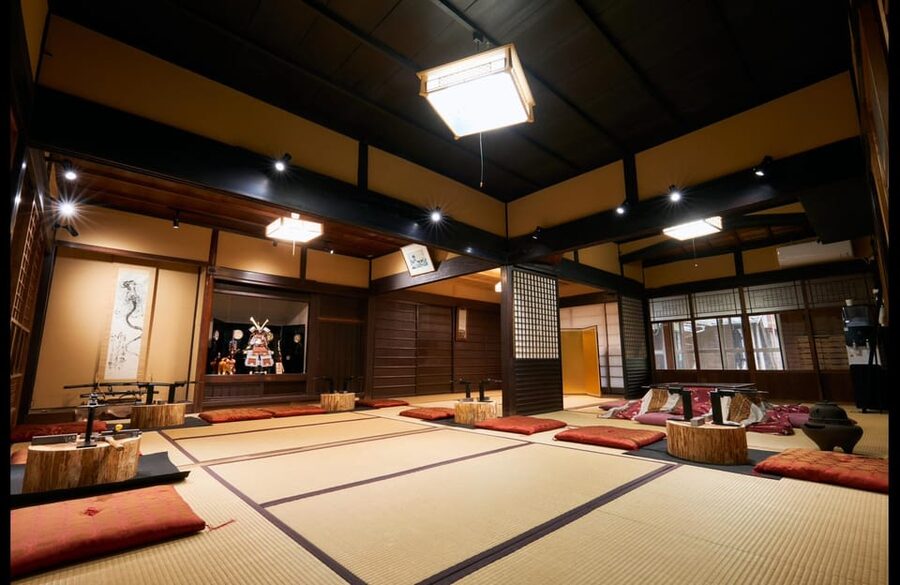
The furnace is where the activity becomes more than a standard craft workshop. You watch the steel heat until it glows, then use a hammer to strike it under instruction. The sparks, heat, and noise give this stage real presence.
You will not be expected to manage the furnace alone. The instructor handles the hot metal and tells you when and where to strike. Your part is controlled, but it is not symbolic. The shape changes because you take part in the work.
Several people describe the forging stage as their favorite part, while others wish they had more time hammering and forming the metal. That is a fair criticism. A 150-minute class has to fit several steps into one sitting, and safety means the staff must keep the furnace work organized.
Still, even a short turn at the anvil can make the craft easier to understand. Blacksmithing is not just heat and force. Timing, repeated blows, and careful shaping matter. You get a glimpse of that discipline without the long apprenticeship.
Bring your phone or camera if you want pictures of the furnace. The staff can help with photos and videos, and the glowing metal makes this one of the best moments to record.
Same city, a completely different kind of day:
- PERFECT KYOTO 1-Day Bus Tour
★ 5.0 · 13,518 reviews - Kyoto: Fushimi Inari, Kinkakuji, Bamboo Grove 1 Day Bus Tour
★ 4.8 · 4,316 reviews - Kyoto: Tea Ceremony in a Traditional Tea House in Kiyomizu
★ 4.9 · 3,519 reviews - Kyoto: Tea Ceremony Ju-An at Jotokuji Temple
★ 4.9 · 3,207 reviews
Sanding shows the weapon taking shape
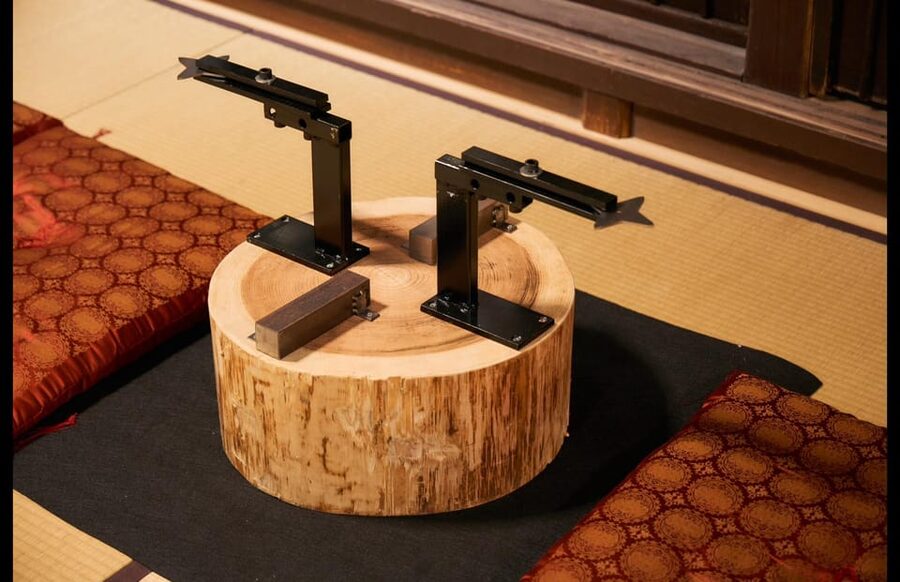
After forging, you refine the piece with a professional belt sander. This stage may sound less dramatic than the furnace, but it is where many people begin to see a recognizable weapon emerge.
The rough edges become cleaner. Lines sharpen. The surface changes under your hands. You are still working with an instructor nearby, and the staff guide you through the equipment so you can make progress without needing previous experience.
This is also the point where the class feels most like a real workshop rather than a staged demonstration. You are not merely watching a craftsperson complete the object. You help turn a heated, uneven piece of steel into something with a finished outline.
The process is not entirely independent. The instructors step in when precision or safety requires it. That may disappoint anyone hoping to do every technical task alone, but it is sensible for a short class using powered equipment.
You can also influence the final result to some degree. One participant chose a fairly dull finish for classroom display, while others wanted a sharper-looking object. Ask the staff about the available finish and sharpness options during the session.
Kanji engraving makes the keepsake yours
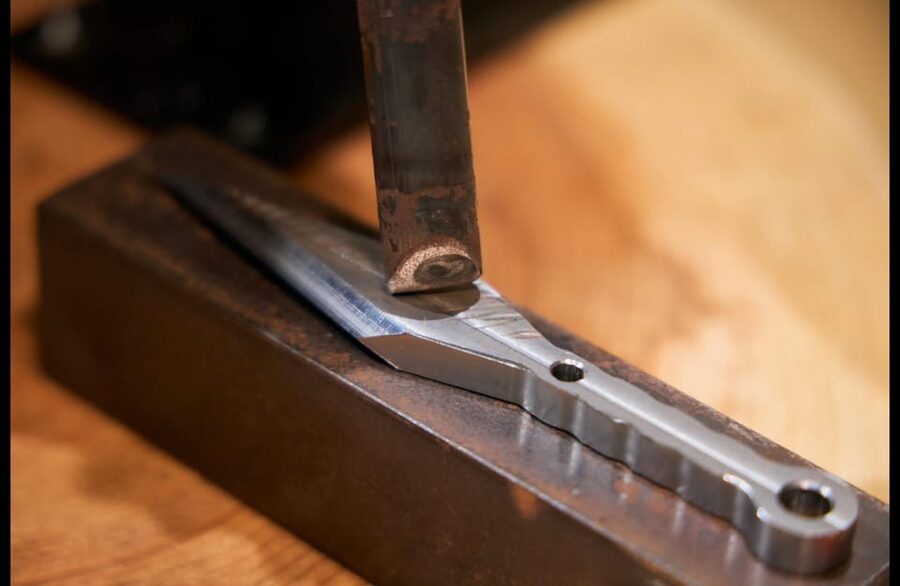
Once the form is ready, you choose a kanji character to be engraved on the weapon. Staff members do the engraving with precision, but the choice is yours.
This is one of the strongest reasons to book the experience as a souvenir activity. A mass-produced ninja star may look the part, but a weapon with a kanji character selected during your class carries a personal connection to your time in Japan.
Choose carefully. If you do not read Japanese, ask the English-speaking instructors about the meaning of the characters before deciding. The supplied information confirms that you choose the kanji, but it does not list a set menu of characters or promise translation help for every possible choice. It is sensible to ask before the engraving begins.
The engraving also makes group visits more memorable. Each person can select a different character, so families and friends leave with related but distinct objects.
A short ninja lesson gives the craft context
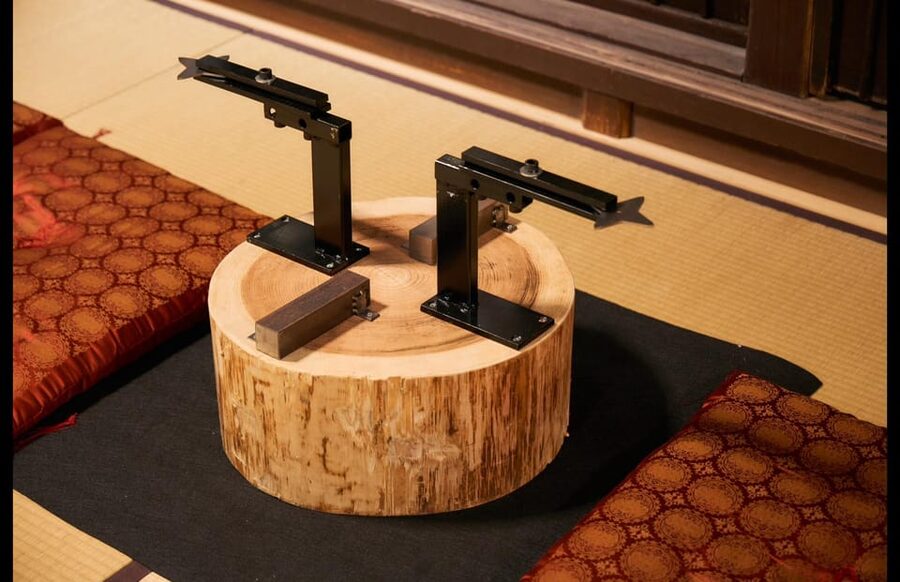
The class includes an explanation of ninja history, symbolism, and techniques. This part keeps the activity from being only a metalworking session.
You learn why the tools matter and how they fit into popular ideas about ninja. The lesson is not presented as a long academic lecture. It is woven into the practical work, with the instructors explaining the next step and adding cultural context along the way.
That format works well for a first visit to Japan. You get enough background to understand the object you are making, but the afternoon remains active. The staff’s humor and enthusiasm help keep the information moving, especially for younger participants.
If you are already a serious student of Japanese arms or medieval military history, keep your expectations measured. The class is an introduction for visitors, not a specialist seminar. Its strength is connecting a short cultural lesson with something you can handle and make.
Blackening and polishing bring the final character
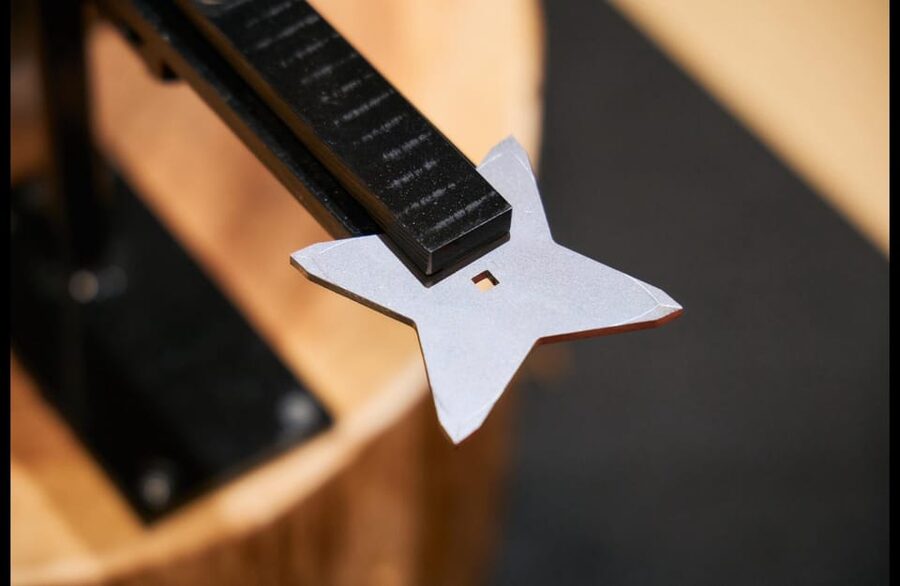
The steel is treated with a special solution that darkens the surface and helps protect it from rust. The black finish gives the piece a shadowy ninja look, while also serving a practical purpose.
You then complete the final polishing. This last stage brings out the smoothness and shine, and it can be surprisingly satisfying after the harder work earlier in the session. The object looks far more finished than it did when it came from the furnace.
You may also be able to choose a cord for the finished piece, based on details shared by participants. Confirm the available choices with the staff on the day, since the provided booking information does not list the full range of colors or fittings.
At the end, your weapon is placed in a beautiful box for taking home. That packaging matters. It protects the souvenir and gives it a proper presentation, rather than leaving you with a loose piece of metal in your luggage.
Location, timing, and the hill near Hieizanguchi Station
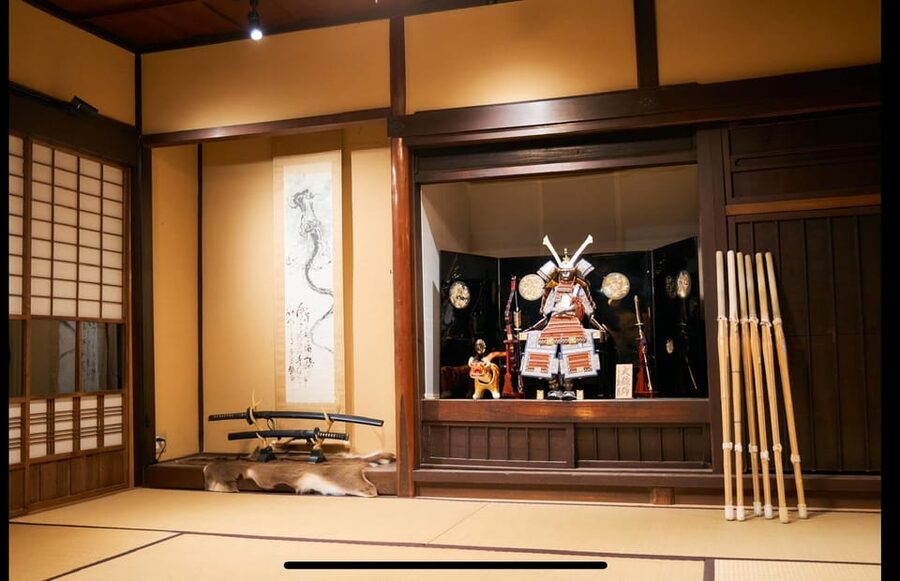
The stated meeting point is a one-minute walk from Hieizanguchi Station. From the station, go up the hill toward the red postbox in front of the station.
That sounds simple, but the wider journey deserves attention. The studio is outside the most central sightseeing area, and one account describes about a 40-minute bus ride from central Kyoto. Another recommends a taxi because public transport may not bring you close enough without an uphill walk.
Use the exact meeting instructions when planning your route. Allow extra time, especially if you have a fixed dinner reservation afterward. The class is advertised at 150 minutes, but some participants describe the full experience as closer to three hours once all stages and finishing touches are included.
The less-central setting is not necessarily a flaw. The surrounding residential area can feel quiet and removed from Kyoto’s crowded tourist routes. It does mean you should not treat this as a quick activity between Kiyomizu-dera and Gion.
Is $148 a fair price?
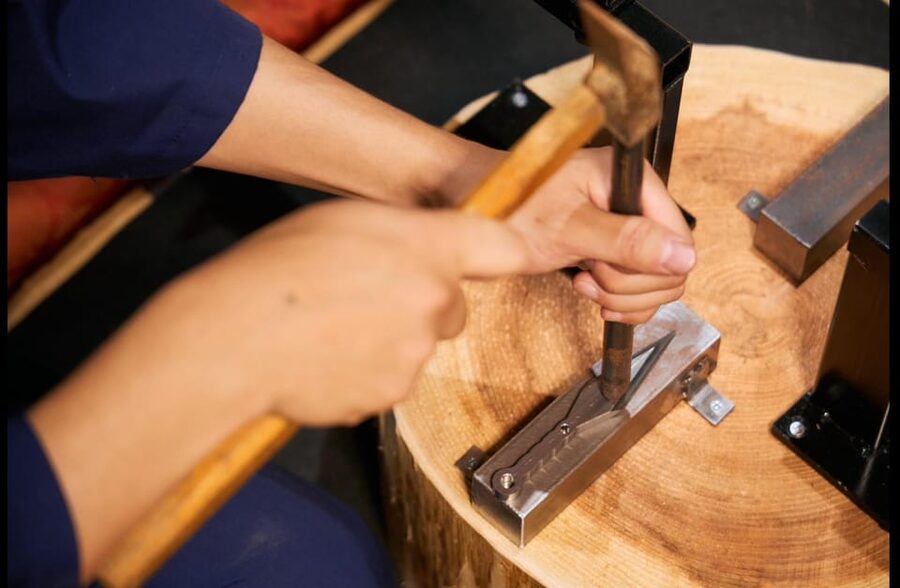
At $148 per person, this is not a bargain activity. You are paying for instruction, a uniform, tools, furnace work, finishing materials, engraving, photographs or videos, and the weapon you take home.
The value depends on how you measure a souvenir. If you want the cheapest ninja-themed object, buy one elsewhere. If you want a guided activity that fills most of an afternoon and leaves you with something you helped shape, the price is easier to justify.
The included shuriken is the sensible choice for keeping costs under control. The kunai adds ¥3,000, and replica swords cost extra if you decide to shop at the studio.
I think the price works best for a first or only visit to Kyoto, when you want one unusual memory beyond temples and food. It is harder to justify for a large family on a tight budget, especially once transport and optional purchases are added.
Who will enjoy this most?
I would recommend the class to you if you like practical activities, Japanese culture, unusual souvenirs, or learning by doing. It suits solo visitors too. One solo participant made friends during the class and went for drinks afterward.
Families with older children and teenagers are a strong match. The staff keep the mood light, explain each step, and provide help when needed. Children have enjoyed the interactive format, though parents should remember that the experience involves hot metal, hammers, sanding equipment, and sharp objects.
It also works well for couples and friends who want a shared memory. You can compare weapon shapes, kanji choices, polishing results, and photos at the end.
I would hesitate to recommend it if you dislike heat, noise, workshop clothing, or structured instruction. It is also not right for anyone expecting to test the weapon afterward. One participant specifically wished there had been a chance to try the finished tool, but this is a making experience, not a target practice session.
Travel home with your finished weapon
Plan the return journey before you book. The weapon can go home on your flight, but only in checked luggage. It cannot be carried onto the plane.
Pack it securely in the provided box and check the rules for your airline and destination. One family returning to Australia reported declaring the items successfully, but customs rules vary by country. Declaration is the safer approach when required.
Do not place the weapon in your day bag for the airport. Keep it with your checked baggage from the start, and leave enough room for the presentation box.
The studio’s replica swords need the same kind of care, and they are separate purchases. Ask staff about packing if you buy one.
Should you book the Kyoto Ninja Weapon Forging Experience?
Book it if you want an active Kyoto memory and you are willing to pay for instruction, equipment, and a handmade souvenir. The best parts are the glowing steel, the controlled hammering, the visible change during sanding, and the kanji engraving at the end.
Choose the included shuriken for the better value, or pay the ¥3,000 supplement for a kunai if that shape matters to you. Schedule it as a main half-day outing, not a quick add-on, and plan your checked luggage before you arrive.
I would skip it only if your budget is tight, your schedule is packed, or you want a serious traditional forging course. For families, couples, solo visitors, and anyone who wants to make rather than simply buy a souvenir, it is a memorable and unusually personal choice in Kyoto.
FAQ
How long does the Kyoto Ninja Weapon Forging Experience last?
The advertised duration is 150 minutes. Some participants describe the complete session as closer to three hours, so allow extra time if you have plans afterward.
How much does the experience cost?
The listed price is $148 per person. A kunai requires an additional ¥3,000 fee for processing and materials.
Which weapons can I make?
You can choose from three shuriken styles. A kunai is also available, but you must select the kunai option when booking and pay the additional fee.
Is the experience held in English?
Yes. The instructor language is English, and the activity information lists English as the available language.
What is included in the booking?
Your booking includes the instructor, weapon-making class, uniform, tools, and the weapon you make to take home.
Where do I meet the instructor?
The meeting point is a one-minute walk from Hieizanguchi Station. Go up the hill near the red postbox in front of the station.
Can I take the finished weapon on my flight?
Yes, but only in checked luggage. You cannot bring the finished weapon in your carry-on baggage.
Can I cancel the booking?
You can cancel up to 24 hours in advance for a full refund. A reserve-now, pay-later option is also available.
Just added around Kyoto
- Taste of Nishiki Market Walking Food Tour with Local guide★ 5.0 · 17 reviews
- Kyoto: Sushi Making Class with Sushi Chef★ 4.8 · 64 reviews
- Kyoto: City Secrets eBike Tour★ 4.9 · 196 reviews
- Sacred Pathways: Discover the Philosopher’s Path of Kyoto★ 4.9 · 20 reviews
- Private Tour to Monkey Park and Arashiyama Highlights★ 5.0 · 22 reviews
- Private Nara Tour from Osaka – Meet at Your Hotel★ 5.0 · 22 reviews
- Private Sake Tasting in Central Kyoto with Sake Sommelier★ 5.0 · 13 reviews
- Kyoto : Private Custom Walking Tour With A Local Guide★ 4.6 · 144 reviews
Kimono & Culture Experiences, compared.
Kyoto Geisha Walking Tour: Gion District & Hidden Gems
Read our review →
Gion Magical Night Walking Tour with Geisha Trivia
Read our review →
Gion Geisha District Walking Tour – Stories of Geisha
Read our review →
Best of Kyoto: Gion, Geisha, Pagodas & Cobblestones
Read our review →
Kyoto Gion Geisha District Walking Tour – The Stories of Geisha
Read our review →
Browse the lists this tour appears in