
REVIEW · KIMONO & CULTURE EXPERIENCES
Kyoto: Kimono Rental Traditional Experience at Wargo in Gion
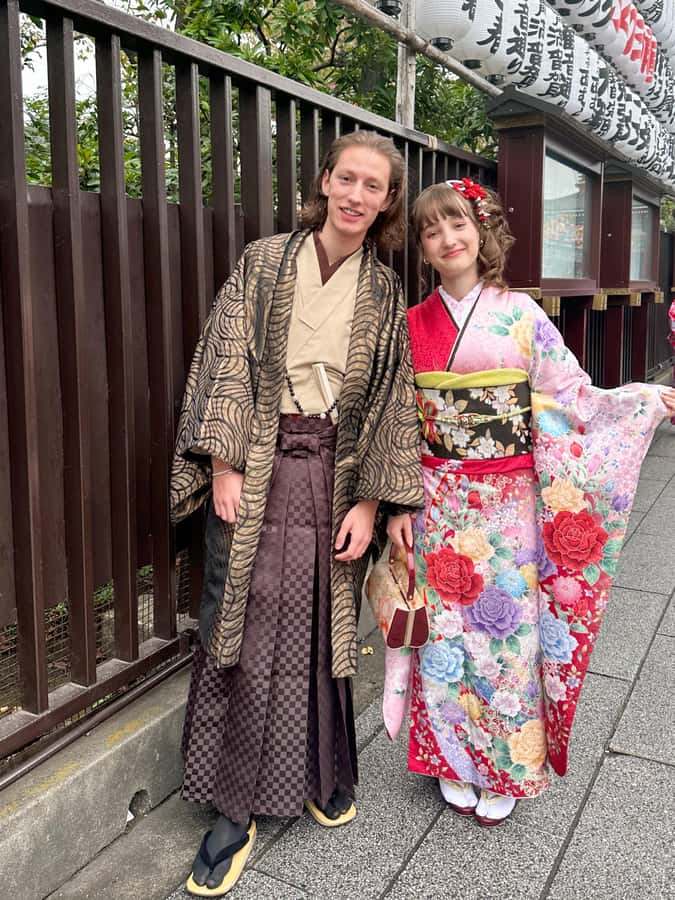
Wearing a kimono through Kyoto turns a normal sightseeing day into a small cultural event. At Kyoto Kimono Rental WARGO, you choose your pattern, then the staff handle the tricky layers, obi belt, sandals, and finishing touches. You are free to stroll Gion and take photos at your own pace.
I like the broad choice of styles and the practical help getting dressed. I also like that plus-size kimonos are available, and that the $33 standard price includes the full outfit rather than only the robe. The main catch is waiting: busy periods can add 30 to 90 minutes before you are ready.
In This Review
- Key points to know before you book
- Choosing a Kyoto day in traditional dress
- What the $33 standard plan gives you
- Picking your kimono and obi
- Getting dressed can take up to 90 minutes
- The Deluxe Plan and women’s hairstyling
- Exploring Gion after the fitting
- Returning the kimono by 5:30 PM
- Is the price good value?
- Who will enjoy this experience most?
- Small practical details that make a big difference
- Should you book Kyoto Kimono Rental WARGO?
- FAQ
- How much does the standard kimono rental cost?
- What does the Deluxe Plan include?
- How long does the dressing process take?
- When must I return the kimono?
- Are plus-size kimonos available?
- Can I choose any kimono grade at every shop?
- Is this activity suitable for pregnant women or wheelchair users?
- Can I cancel for a full refund?
Key points to know before you book
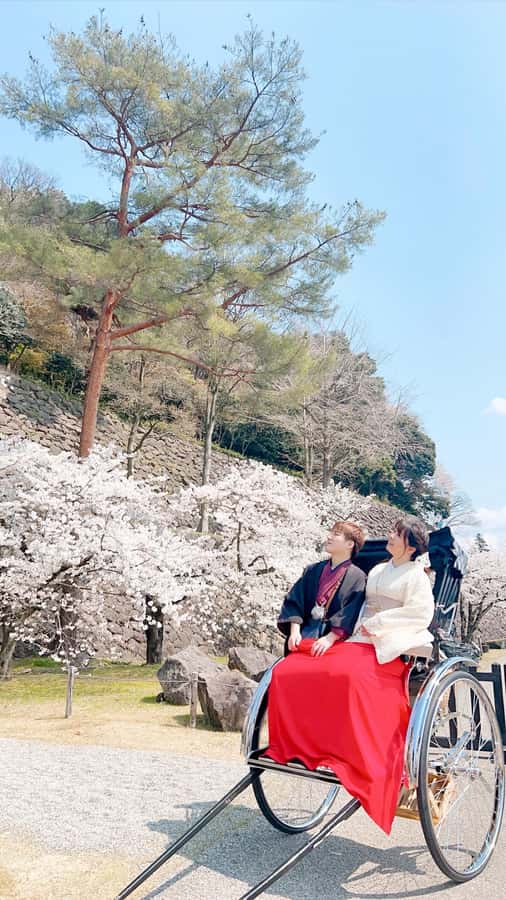
- The $33 standard plan includes the full outfit: Kimono, obi, Japanese satchel, sandals, and socks are supplied.
- The Deluxe Plan adds styling: Women receive a simple hairstyle with a kanzashi hair ornament, along with access to upgraded kimono and obi choices.
- Plan around the fitting time: Dressing can take less than an hour when the shop is quiet, but waits of 30 to 90 minutes are possible.
- You return the outfit the same day: The kimono must normally be back by 5:30 PM, with next-day return available for an extra on-site fee.
- The staff do the hard work: You select the clothing, while the on-site team helps dress you properly and finishes the look.
- This is best for mobile visitors: The activity is not suitable for pregnant women, wheelchair users, or people with mobility impairments.
Choosing a Kyoto day in traditional dress
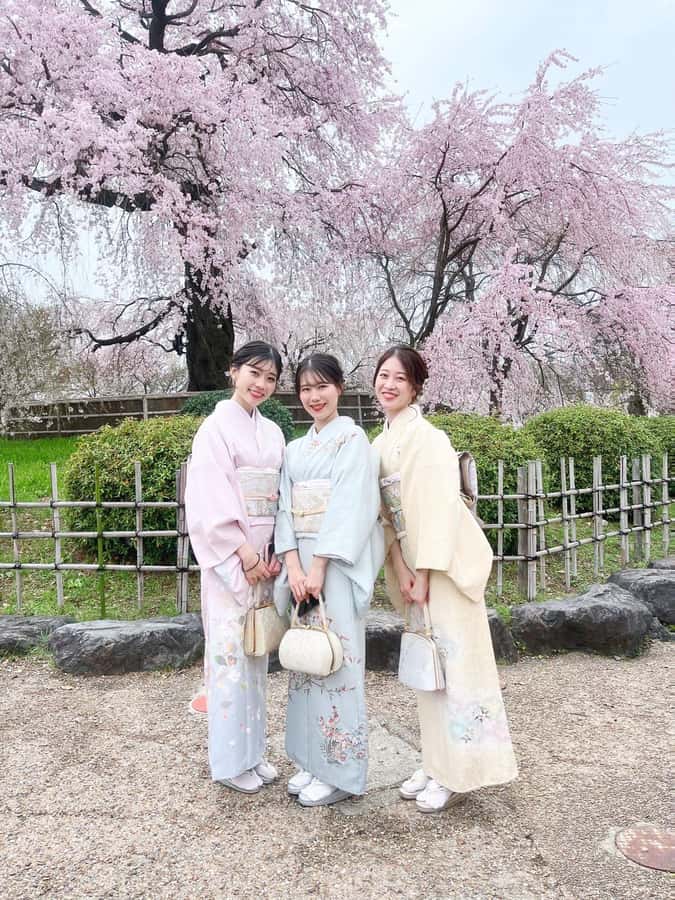
The appeal here is simple: you get to see Kyoto while dressed in one of Japan’s most recognizable forms of clothing. That changes the feel of the day. A walk through Gion becomes more memorable, and ordinary stops become photo opportunities.
You are not joining a guided tour, so the pace belongs to you. After dressing, you can explore the historical streets of Kyoto, take pictures, visit nearby sights, or combine the rental with another activity. The experience ends back at the shop, where you return the outfit.
The exact store depends on the option selected at checkout. Check that meeting point carefully before setting out, since WARGO operates through different locations. The booking details provide the place to go, and the activity begins when you arrive at that selected shop.
More Kimono & Culture Experiences in Kyoto
- Kyoto Geisha Walking Tour: Gion District & Hidden Gems
★ 4.7 · 3,273 reviews - Kyoto: Gion Magical Night Walking Tour with Geisha Trivia
★ 4.9 · 2,393 reviews - Kyoto: Gion Geisha District Walking Tour – Stories of Geisha
★ 4.7 · 2,187 reviews
What the $33 standard plan gives you
The standard plan is a solid choice if your main goal is to wear a kimono and enjoy Kyoto without spending much. At $33 per person, it includes more than the central garment. You receive:
- A kimono
- An obi, the wide sash belt
- A Japanese satchel or clutch
- Traditional sandal-like shoes
- Socks
- Help getting dressed
That package matters because the accessories complete the look. Wearing a kimono with ordinary shoes and a daypack would undercut the whole point. The satchel also gives you a more suitable way to carry small items while walking.
You choose from traditional patterns and more modern designs. The selection can vary by shop, and some kimono or obi grades may cost more. If a particular fabric, color, or pattern matters to you, ask what is included in your chosen plan before you settle on an outfit.
This is not a lesson in kimono history or textile design. It is a practical rental service that lets you dress in Japanese clothing for the day. For many people, that is exactly the right level of structure.
Picking your kimono and obi
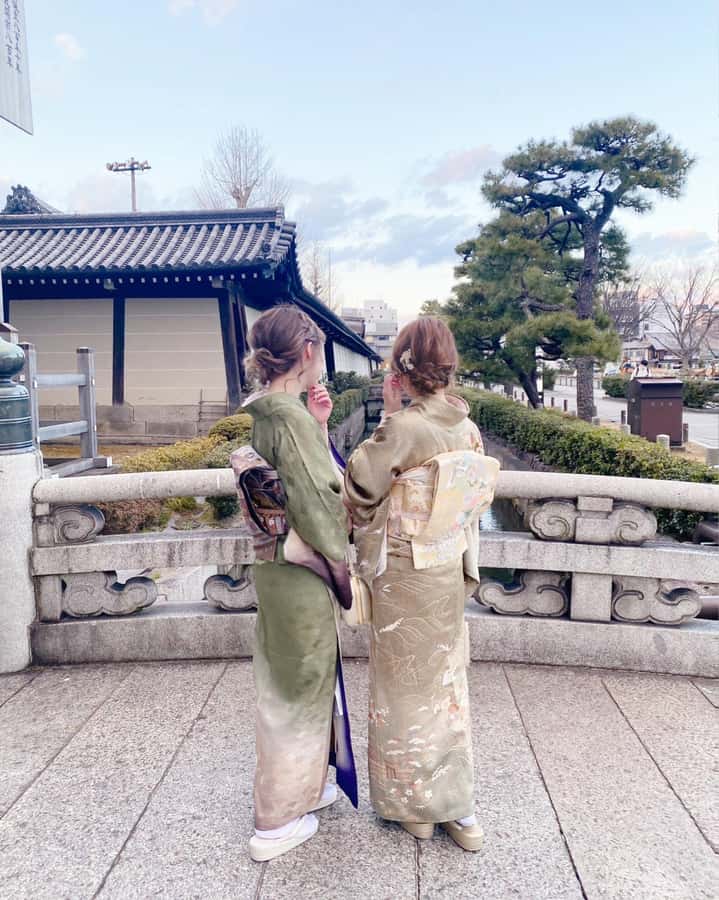
The selection process is part of the fun, but it can also take time. You browse the available designs, compare colors and patterns, and choose the combination you want to wear. The staff then help turn those separate pieces into a proper outfit.
The kimono itself is only one part of the final appearance. The obi adds shape and color, and the sandals and satchel make the outfit feel complete. If you choose the Deluxe Plan, you can also ask about higher-grade kimono and obi options, up to the levels offered at that shop.
Do not assume every WARGO location carries the same grades. The choices vary by store, so the staff at your selected location are the best source for current options. You may also find that certain upgrades cost extra, depending on what you choose.
The process works best when you keep an open mind. A pattern that looks plain on a hanger can work well once paired with the right obi. You do not need to know the names of fabrics or formal kimono types. The staff help make the outfit work as a whole.
Getting dressed can take up to 90 minutes
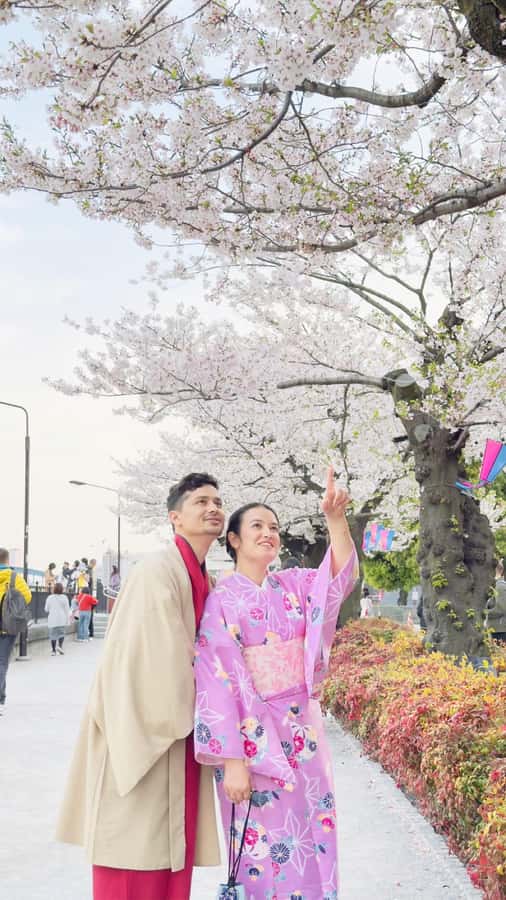
The dressing itself is one of the most interesting parts of the experience. The staff arrange the layers, secure the obi, and make sure the clothing sits correctly. You are not expected to know how to wrap or fasten everything yourself.
When the shop is not busy, the preparation can take less than an hour. That is the best-case timing, not a guarantee. During popular seasons or crowded time slots, you may wait about 30 to 90 minutes before the fitting begins.
Build that wait into your sightseeing plan. Do not schedule a major appointment immediately after arriving at the shop. One useful approach is to book early in your day, then plan a relaxed walk afterward rather than racing to a timed attraction.
The staff are praised for being kind, patient, professional, and efficient once the fitting begins. English ability may be limited, but the process is easy to follow through gestures and demonstration. You can show your preference through simple words, pointing, and photos of the styles you like.
The fitting also explains why this is more than a costume pickup. The layers and belt need to be arranged properly, and the clothing has a different feel from everyday clothes. It can be snug around the waist and less flexible for long strides, so plan a walking route that allows breaks.
Same city, a completely different kind of day:
- PERFECT KYOTO 1-Day Bus Tour
★ 5.0 · 13,518 reviews - Kyoto: Fushimi Inari, Kinkakuji, Bamboo Grove 1 Day Bus Tour
★ 4.8 · 4,316 reviews - Kyoto: Tea Ceremony in a Traditional Tea House in Kiyomizu
★ 4.9 · 3,519 reviews - Kyoto: Tea Ceremony Ju-An at Jotokuji Temple
★ 4.9 · 3,207 reviews
The Deluxe Plan and women’s hairstyling
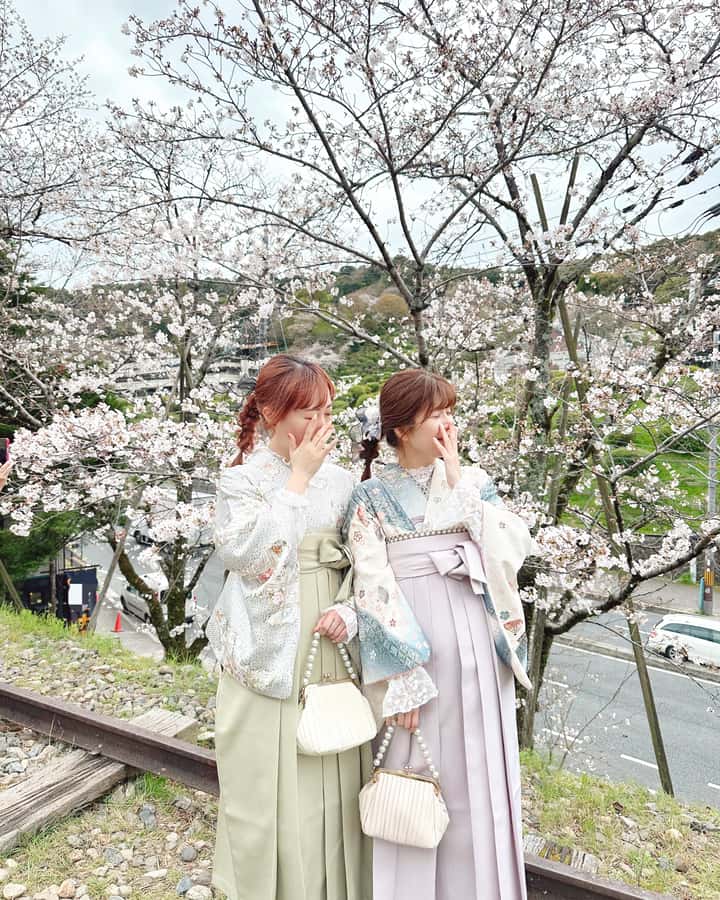
The Deluxe Plan is aimed at people who want a fuller transformation. It provides more kimono and obi choices, and women receive a standard hairstyle with a kanzashi, a traditional ornamental hairpin.
The hairstyle is simple rather than a full salon session. That distinction matters if you are expecting an elaborate wedding-style arrangement. It is still a useful finishing touch, since hair styling helps the outfit look intentional in photographs.
The plan also permits some upgrades to the kimono and obi grade, but the available range depends on the store. Ask about the included choices and any extra fees before selecting a higher-grade item.
For men, the supplied information does not include a hairstyling service. The hair set is listed for women only. The standard plan may be the better value if you mainly want the clothing and do not need extra styling or a wider selection.
Exploring Gion after the fitting
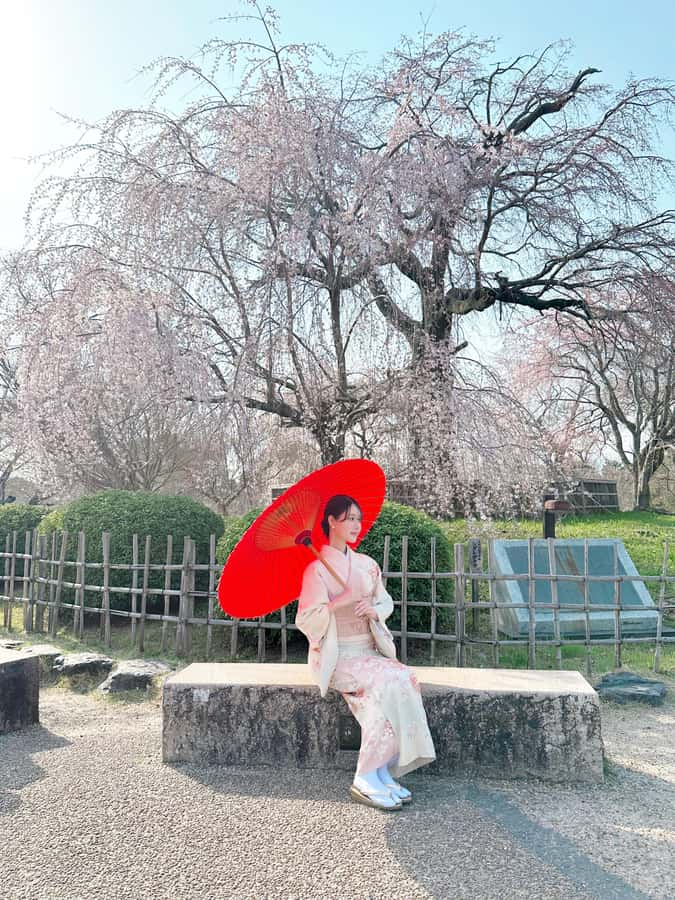
Once you leave the shop, the activity becomes self-guided. You can stroll Kyoto’s historical streets, take photographs, and decide how much of the day you want to spend in the kimono.
Gion is a natural setting for the experience because its old streets provide the visual backdrop most people hope for. The rental does not include a photographer or a guided walking route, so you arrange your own pictures and sightseeing. Bring a companion who is happy to take photos, or use a timer when possible.
You should also remember that Kyoto can involve a lot of walking. Traditional sandals are part of the outfit, but they may not feel like your usual sightseeing shoes. Keep the route manageable, allow time to sit down, and avoid packing the day with distant stops.
The clothing can make even a short outing feel special. You might walk for an hour, pause for photos, have a meal, and return to the shop without trying to cover half of Kyoto. That slower rhythm suits the experience better than treating it as a race between attractions.
Returning the kimono by 5:30 PM
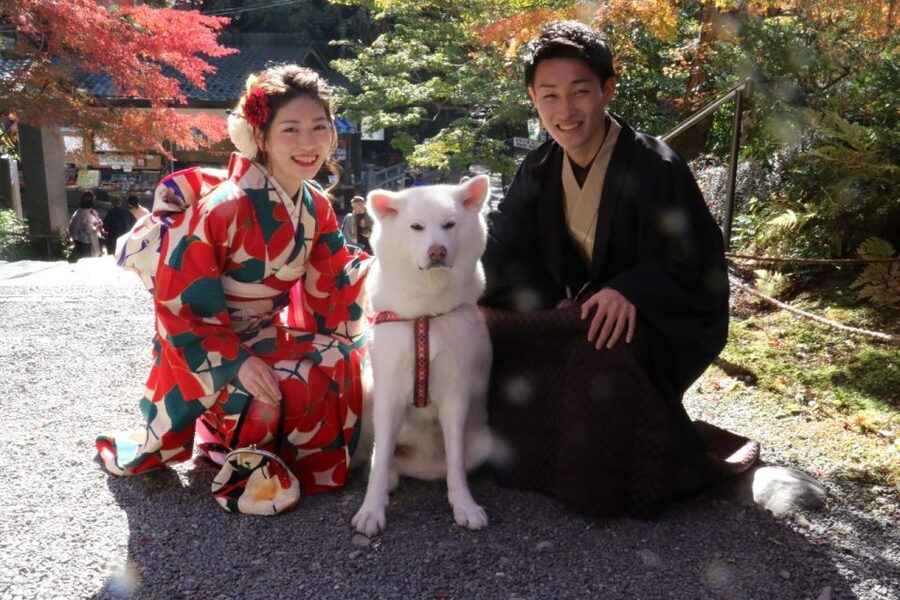
The normal rental period runs during the shop’s operating hours, from 10:00 AM to 5:30 PM. You need to return the kimono by 5:30 PM unless you arrange another option.
Next-day return is possible if you want to stay out in the evening, but it costs extra and is paid at the shop. Confirm the additional charge and return terms before leaving if you plan to keep the outfit overnight.
The return deadline is the main planning limit. A morning or early afternoon appointment gives you the most useful time outside. A late booking can leave little room for sightseeing once waiting and dressing are added.
Reservations made after 3 PM on the day before may also involve some waiting at the shop. If your schedule is tight, book earlier and allow generous time around the appointment.
Is the price good value?
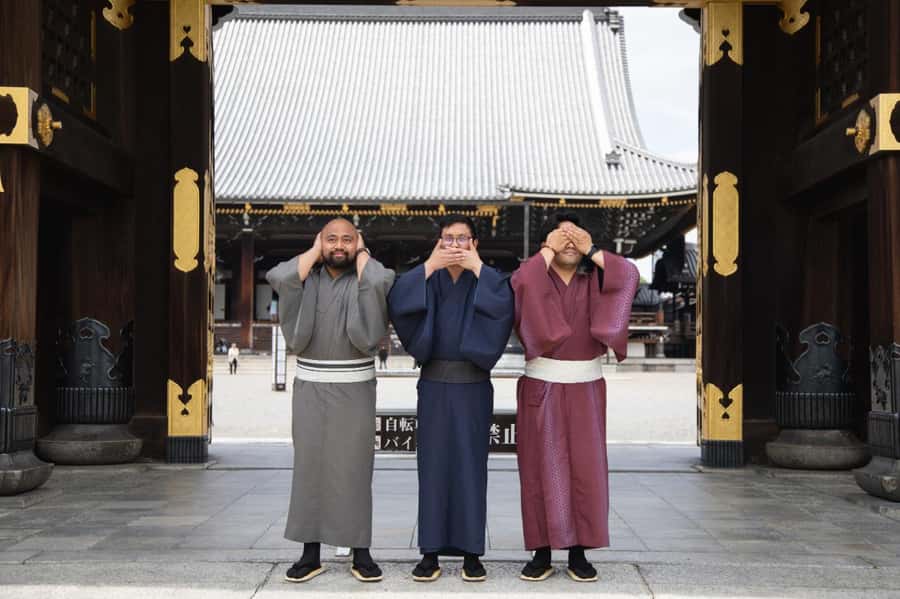
At $33, the standard plan offers good value for a short cultural activity, especially because it includes the obi, bag, footwear, socks, and dressing help. You are paying for the clothing and the service that makes it wearable, not merely borrowing a robe from a rack.
The value improves if you already plan to explore Gion. You do not need a separate guided route or a special photo session to enjoy the main benefit. The kimono becomes part of your own Kyoto day.
The Deluxe Plan makes more sense for you if the outfit and photos are central to your visit. The broader choices and simple hairstyle add to the finished appearance. If you only want to try a kimono for a few hours, the standard option keeps costs down.
Watch for possible extra charges. Kimono and obi upgrades can vary by shop, and next-day return costs more. Ask before making a final selection so the low starting price does not surprise you later.
Who will enjoy this experience most?
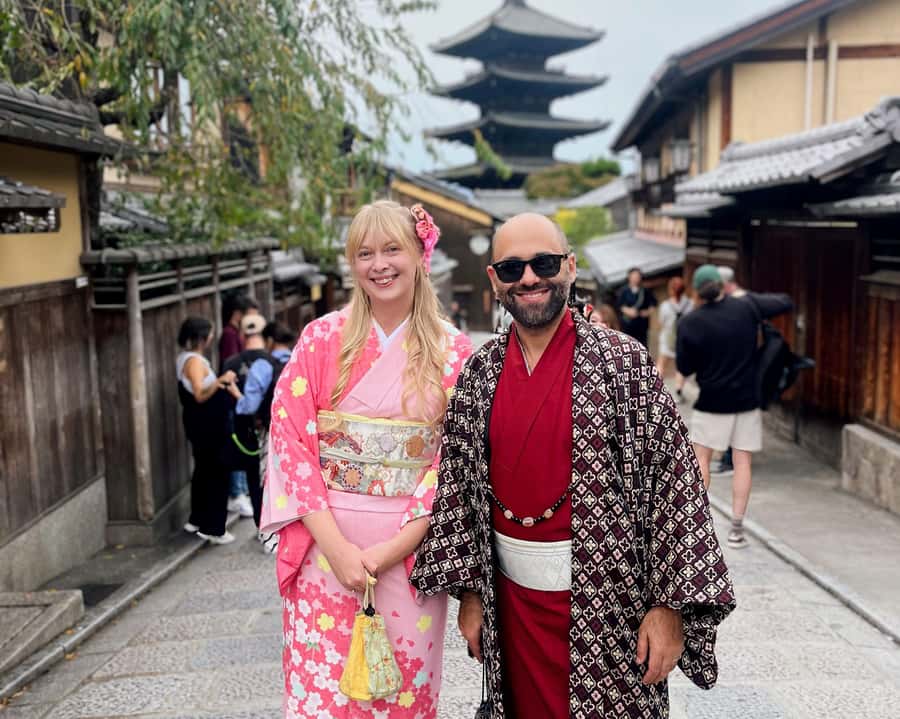
I would recommend this rental to couples, families, friends, and solo visitors who want a visual memory of Kyoto. It is especially suitable if you enjoy taking photos and are happy to explore independently.
The activity also works well for people who want a gentle cultural experience without committing to a formal class. You get a close look at the clothing process and spend the rest of the time using Kyoto as your setting.
It is less suitable for anyone with limited mobility. The activity is not designed for wheelchair users or people with mobility impairments, and it is not suitable for pregnant women. The walking, fitted layers, and traditional footwear can make the day uncomfortable even for an otherwise healthy visitor.
You should also skip it if your schedule is extremely tight. A 30 to 90 minute wait is possible, and the dressing process adds more time. A flexible morning or afternoon makes this experience much more enjoyable.
Small practical details that make a big difference
Wear something comfortable underneath your clothes. The supplied information does not set a specific dress code, but you will be dressed in several layers, so comfort matters.
Arrive with enough time to find the correct shop. The meeting point varies by the selected option, and the experience ends at that same meeting point. Check the location before leaving your hotel or station.
Ask about the kimono grade before choosing. Some stores offer different levels, and the available options are not identical at every location. If you want the Deluxe Plan hairstyle, confirm that your booking includes the women’s hair set.
Keep your return time in mind from the moment you leave. The kimono is a rental, not a souvenir, and the standard deadline is 5:30 PM. If you want an evening walk, ask about next-day return at the shop.
The staff may not speak much English, but that should not stop you. The dressing process is visual and hands-on, and the team can guide you through it. A picture of a color combination or hairstyle can make your preference easier to explain.
Should you book Kyoto Kimono Rental WARGO?
Book it if you want to add a traditional Japanese outfit to an independent Kyoto day, especially in Gion. The price is fair, the clothing package is complete, and the staff take care of the part most visitors could not manage alone.
Choose the standard plan for the best budget value. Choose Deluxe if you care about a wider range of kimono and obi choices, or if the women’s hairstyle and kanzashi are important to your photos.
The only serious caution is time. Allow for a possible 30 to 90 minute wait, leave room for the dressing process, and return by 5:30 PM unless you pay for next-day return. With that planning, this is a memorable and reasonably priced way to see Kyoto in traditional dress.
FAQ
How much does the standard kimono rental cost?
The listed price is $33 per person. The standard plan includes the kimono, obi, Japanese satchel, sandals, socks, and help getting dressed.
What does the Deluxe Plan include?
The Deluxe Plan includes access to additional kimono and obi choices, possible upgrades to the kimono and obi grade up to the level offered by the store, and a standard hairstyle for women with a kanzashi ornament.
How long does the dressing process take?
If the shop is not busy, dressing should take less than an hour. Depending on the season and time slot, you may also face a waiting time of about 30 to 90 minutes.
When must I return the kimono?
The kimono should normally be returned by 5:30 PM. Next-day return may be possible for an additional cost paid at the shop.
Are plus-size kimonos available?
Yes. Plus-size kimonos are available, allowing more people to take part comfortably.
Can I choose any kimono grade at every shop?
No. Kimono grades and available choices can vary by store. Check with the selected shop for its specific options.
Is this activity suitable for pregnant women or wheelchair users?
No. The activity is not suitable for pregnant women, people with mobility impairments, or wheelchair users.
Can I cancel for a full refund?
Yes. You can cancel up to 24 hours in advance for a full refund.
Just added around Kyoto
- Taste of Nishiki Market Walking Food Tour with Local guide★ 5.0 · 17 reviews
- Kyoto: Sushi Making Class with Sushi Chef★ 4.8 · 64 reviews
- Kyoto: City Secrets eBike Tour★ 4.9 · 196 reviews
- Sacred Pathways: Discover the Philosopher’s Path of Kyoto★ 4.9 · 20 reviews
- Private Tour to Monkey Park and Arashiyama Highlights★ 5.0 · 22 reviews
- Private Nara Tour from Osaka – Meet at Your Hotel★ 5.0 · 22 reviews
- Private Sake Tasting in Central Kyoto with Sake Sommelier★ 5.0 · 13 reviews
- Kyoto : Private Custom Walking Tour With A Local Guide★ 4.6 · 144 reviews
Kimono & Culture Experiences, compared.
Kyoto Geisha Walking Tour: Gion District & Hidden Gems
Read our review →
Gion Magical Night Walking Tour with Geisha Trivia
Read our review →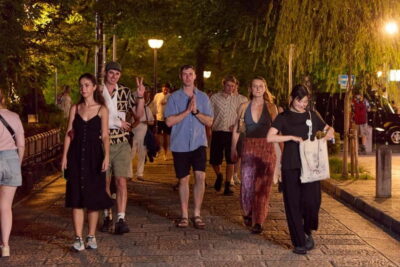
Gion Geisha District Walking Tour – Stories of Geisha
Read our review →
Best of Kyoto: Gion, Geisha, Pagodas & Cobblestones
Read our review →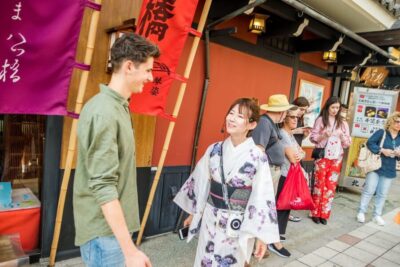
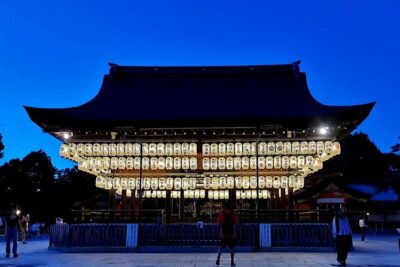
Kyoto Gion Geisha District Walking Tour – The Stories of Geisha
Read our review →
Browse the lists this tour appears in