
REVIEW · KIMONO & CULTURE EXPERIENCES
Kyoto: Kendo and Samurai Experience with Uniform and Gear
The most memorable part of this Kyoto experience is not simply holding a sword. It is training inside a more than 100-year-old machiya, where the wooden rooms, courtyard, and dojo setting give the lesson a sense of place that a modern studio cannot copy. You put on the uniform, learn how to handle the equipment, and begin to understand why kendo is built around discipline, posture, and respect.
I like two things right away: the session offers real instruction rather than a quick costume photo, and Taka brings warmth, humor, and patience to the teaching. You also get photos and videos to take home. The main drawback is location. The old house is in a residential area reached by a winding route, and the dojo can be chilly, especially when practice moves outside.
In This Review
- Key points
- Entering the old Kyoto machiya
- Changing into samurai training gear
- Learning samurai history from Taka
- Handling the sword safely
- Partner practice and the lively finale
- Photos inside the dojo and courtyard
- What the two-hour schedule feels like
- What this experience does not include
- Is $103 a fair price?
- Who should book this Kyoto activity?
- Practical details before you reserve
- Should you book the kendo and samurai experience?
- FAQ
- How long does the Kyoto kendo and samurai experience last?
- How much does the experience cost?
- Is instruction provided in English?
- What is included in the price?
- Do I need previous kendo or sword experience?
- Where is the meeting point?
- Can children take part?
- Can I cancel for a full refund?
Key points
- A 120-year-old machiya dojo: Train in an atmospheric old Japanese house with a large gate and traditional spaces.
- Taka’s friendly English instruction: Learn samurai history, kendo basics, etiquette, and safe sword handling without needing previous experience.
- Uniform, armor, footwear, and equipment included: You can arrive with nothing special prepared.
- Hands-on practice: Use bamboo, foam, or other safe training swords for basic movements and partner work.
- Photos and video included in the experience: Leave with samurai-style memories, not just a short lesson.
- A cool-weather tip: Wear a warm base layer and thick socks because the dojo and outdoor courtyard may feel cold.
Entering the old Kyoto machiya
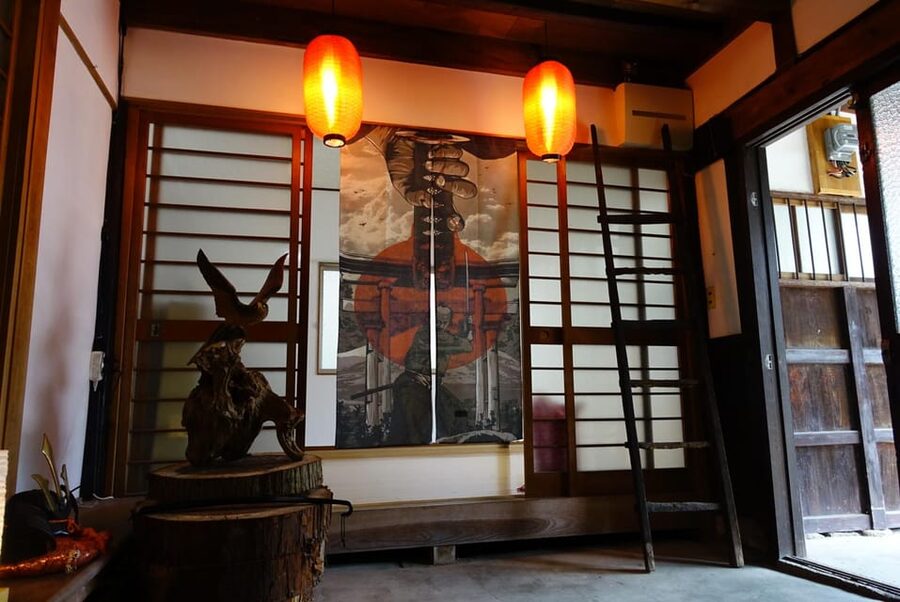
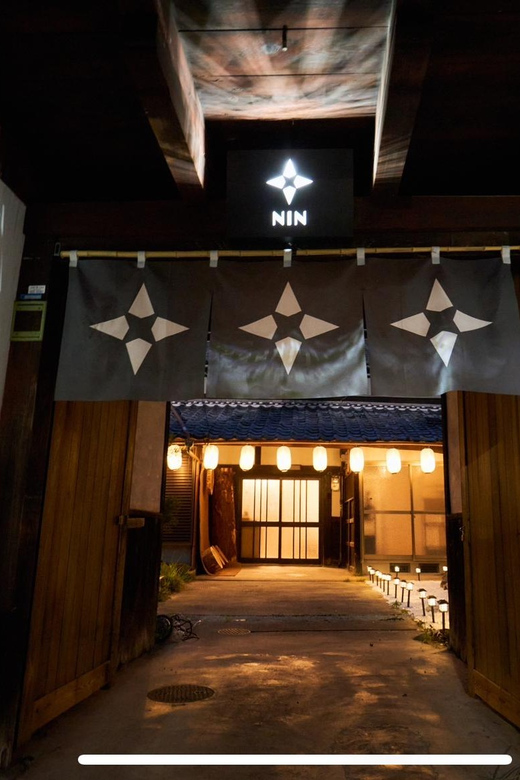
The meeting point is an old Japanese house marked by a large gate. Give yourself extra time to find it. The route runs through a residential area, and the winding approach can be harder to follow than a major Kyoto street. If you come by train, a taxi from the station is a sensible choice, particularly if you are carrying luggage or trying to arrive on time.
That slightly out-of-the-way setting is part of the appeal. You are not walking into a bright commercial attraction with plastic armor lined up by the entrance. You are entering a traditional house used for training, with the kind of worn surfaces and quiet atmosphere that make the activity feel connected to Kyoto.
Do keep your expectations realistic. One person found the room a little dusty and worn. That is not a dealbreaker for me, since the age and plain condition help explain the atmosphere, but visitors who want a polished, museum-like setting may prefer something more modern.
More Kimono & Culture Experiences in Kyoto
- Kyoto Geisha Walking Tour: Gion District & Hidden Gems
★ 4.7 · 3,273 reviews - Kyoto: Gion Magical Night Walking Tour with Geisha Trivia
★ 4.9 · 2,393 reviews - Kyoto: Gion Geisha District Walking Tour – Stories of Geisha
★ 4.7 · 2,187 reviews
Changing into samurai training gear
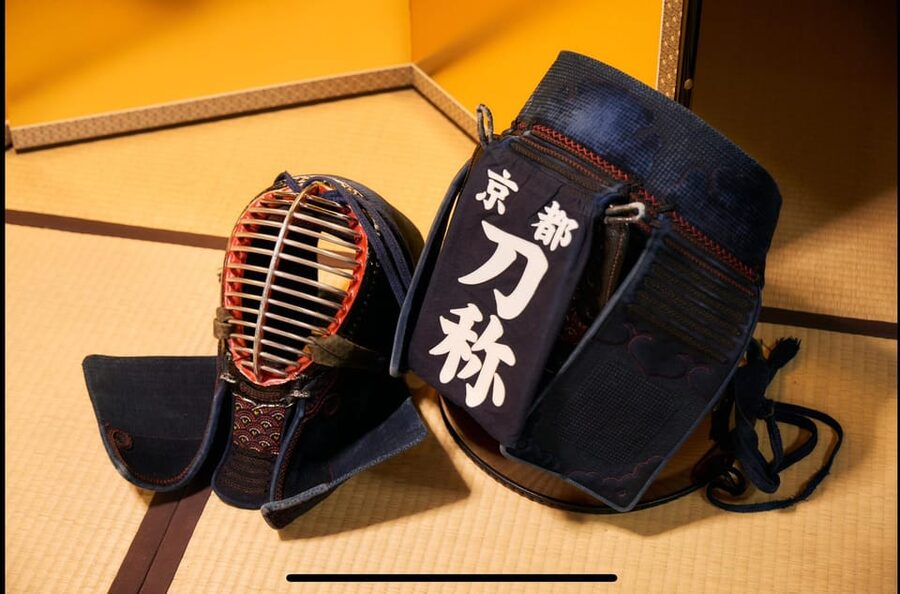
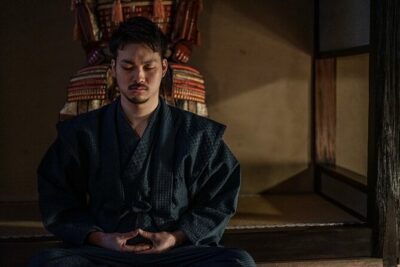
The first stage is your transformation into a kendo student. The experience provides the uniform, footwear, and training equipment, so you do not need to rent or buy anything beforehand. Putting on the clothing is more than a photo opportunity. It helps you understand that kendo has a formal structure, and that clothing, movement, and conduct all matter.
Your instructor explains how the uniform and protective gear are worn. This is useful because Japanese martial arts equipment can look simple until you try to arrange it correctly. Expect guidance rather than a rushed costume change, with attention to how you stand, move, and handle the sword.
The gear also makes the activity more physical than a standard samurai-themed photo stop. You will be learning movements while dressed for training, not simply posing in a robe. The equipment is supplied, but a replica sword for purchase is not included. If you want a souvenir blade, that is an additional expense.
Learning samurai history from Taka
Taka is the central reason this two-hour session works so well. He teaches in English and combines information about samurai culture with practical instruction. His approach is friendly, funny, and patient, which matters when a group includes people with no martial arts background.
The cultural section covers the role of the samurai in Japanese history, the customs connected with warrior life, and the ideas behind kendo. You are not expected to become an expert in one afternoon. Instead, you get enough context to understand why the movements are performed with care and why etiquette comes before mock combat.
The owner of the studio is also described as having a family connection reaching back to the samurai era. Treat that as part of the setting and family story, not as a claim that you are meeting a living samurai. The real value is the chance to hear traditional culture explained by someone who has spent decades practicing kendo.
One instructor is described as having more than 50 years of kendo experience. That kind of long practice shows in the way the lesson is paced. Beginners receive clear demonstrations, corrections, and encouragement instead of being left to copy a movement from across the room.
Handling the sword safely
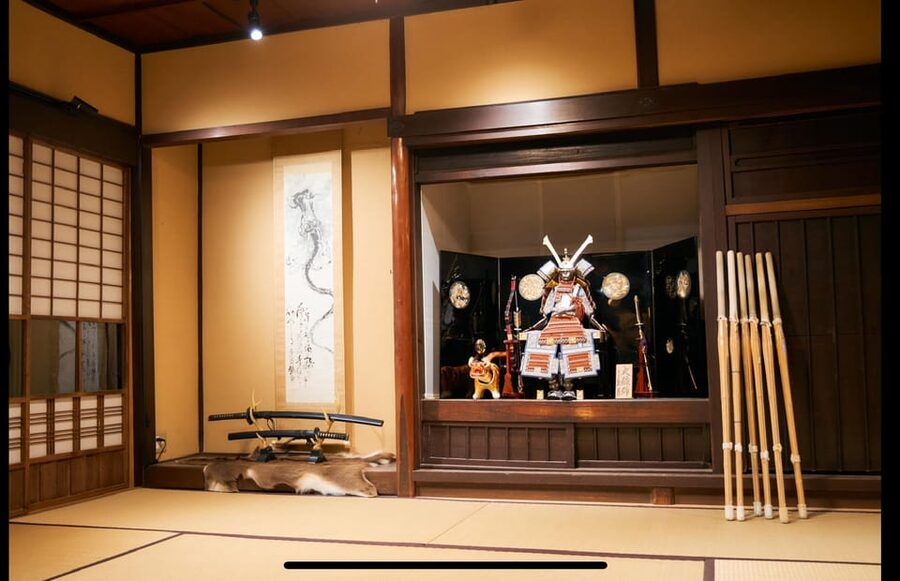
The lesson begins with the foundations: grip, posture, footwork, and basic sword movements. Depending on the exercise, you may use bamboo swords, foam swords, or other safe training blades. The focus is on control and correct form, not on swinging as hard as possible.
You will work through strikes, blocks, and movement patterns. The instructor explains where to place your hands and how your body should move together. This is where the activity becomes more than dress-up. Even a simple-looking sword motion requires balance, timing, and awareness of the person standing opposite you.
Safety is explained at the start and reinforced during practice. The session is designed for first-timers, so you do not need previous kendo experience. You should still listen carefully and treat the equipment with respect. Alcohol and drugs are not allowed, and the experience is not suitable for children under seven.
Same city, a completely different kind of day:
- PERFECT KYOTO 1-Day Bus Tour
★ 5.0 · 13,518 reviews - Kyoto: Fushimi Inari, Kinkakuji, Bamboo Grove 1 Day Bus Tour
★ 4.8 · 4,316 reviews - Kyoto: Tea Ceremony in a Traditional Tea House in Kiyomizu
★ 4.9 · 3,519 reviews - Kyoto: Tea Ceremony Ju-An at Jotokuji Temple
★ 4.9 · 3,207 reviews
Partner practice and the lively finale
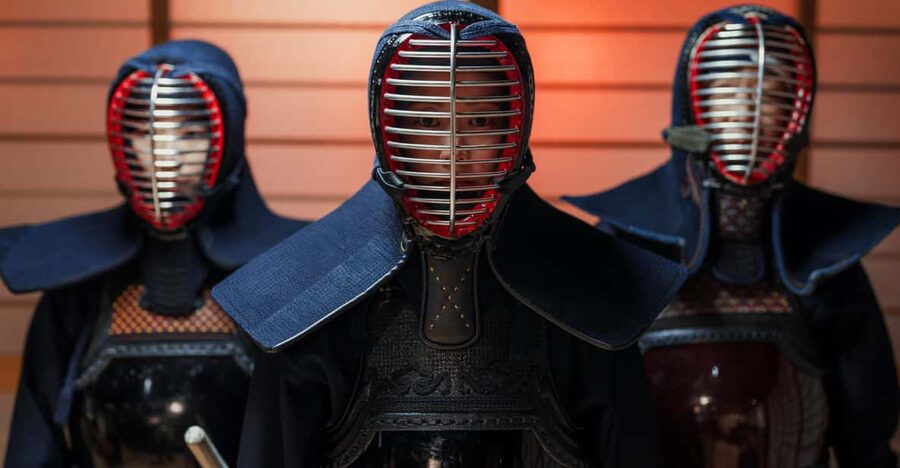
The most active part of the lesson is partner practice. After learning the basic movements, you may work with another participant using protected training swords. Some sessions finish with a playful sparring lesson or a short competition using foam swords.
This is usually the point where the room loosens up. People who began cautiously start paying attention to footwork and timing, then laugh when the practice becomes a friendly contest. It gives the class a clear payoff: you have learned a few movements, put on the gear, and now get to use those skills in a controlled setting.
The exact balance between demonstration, practice, sparring, and photos can vary with the group. Do not book this expecting a full martial arts course or serious combat training. You are receiving an introduction, not a qualification. Still, the active portion gives the two hours more substance than a lecture followed by pictures.
Photos inside the dojo and courtyard
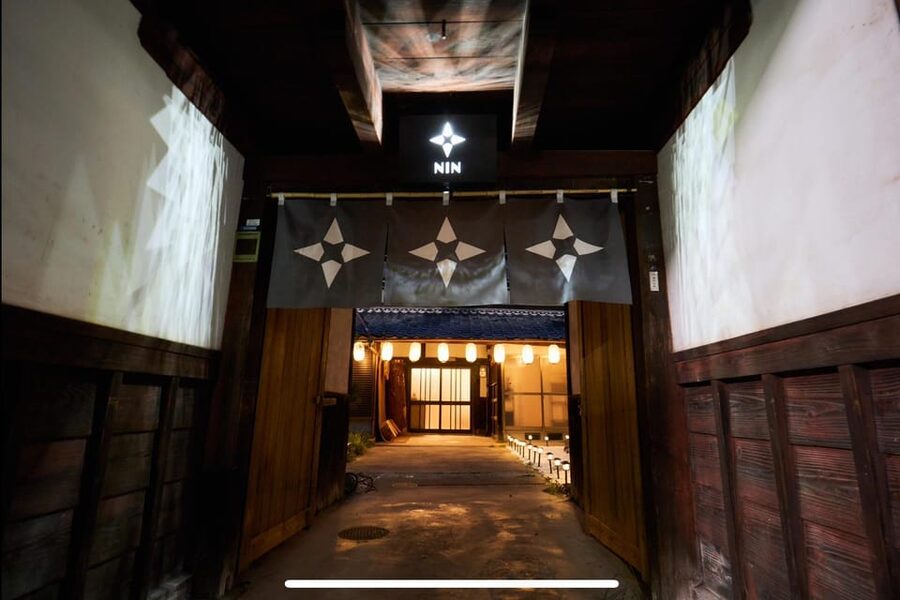
The photo and video session comes after you have learned the basics. Fully dressed in the uniform and gear, you can pose with the sword and equipment while the instructor helps record the moment. The old interior provides a natural backdrop, and the courtyard can add a more dramatic setting.
One family had the memorable experience of practicing outside as snow began to fall. Weather will decide whether your session has that kind of scene, but it shows why the traditional building adds value. You are not just standing in front of a printed screen. The house, gate, wooden details, and courtyard become part of the picture.
Bring a phone if you want extra personal photos, but the instructor helps with the main images and videos. This is especially handy for solo visitors, couples, and families who otherwise struggle to photograph everyone together.
What the two-hour schedule feels like
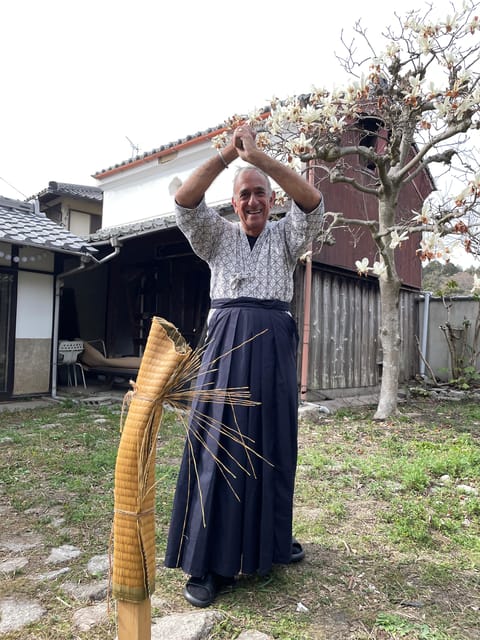
The session is compact but active. A typical flow looks like this:
- Arrival at the old house and changing into training clothes
- An introduction to samurai culture, kendo, and safety
- Instruction in grip, stance, footwork, and sword movements
- Practice with training equipment and, where offered, a partner
- Photos and video in the uniform and gear
- A final cultural explanation, reflection, and changing back
Two hours is a good length for this format. You have enough time to ask questions and repeat the movements, but not so much time that the lesson becomes tiring or repetitive. Arrive early. A late arrival can interrupt the class, particularly when everyone is already learning a sequence together.
The dojo may be cold during the cooler months, and some practice takes place outside. Wear a warm base layer and warm socks under the supplied clothing. You will be moving, so choose clothes that are comfortable to change in and avoid arriving overdressed.
What this experience does not include
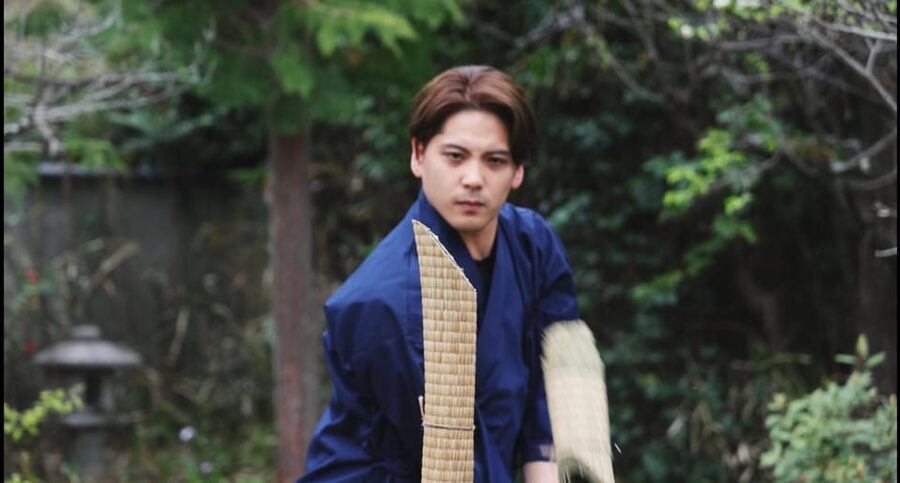
The word samurai can suggest dramatic sword cutting, but that is not what you should expect here. Cutting tatami mats is no longer part of the activity because it is illegal. A participant who hoped to cut something with a katana was disappointed, so this is worth knowing before you book.
The focus is safe handling, kendo movements, cultural explanation, and controlled partner work. You may handle a katana-style replica during the lesson, but do not expect to use a sharp blade. Replica swords are available for purchase, but they are not part of the $103 price.
That limitation is a strength as well as a possible disappointment. The session avoids turning sword use into a reckless stunt. You receive instruction in a setting where safety, etiquette, and control matter more than spectacle.
Is $103 a fair price?
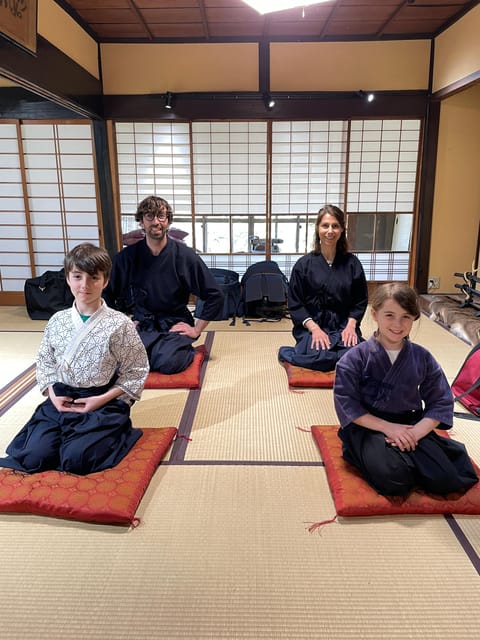
At $103 per person, this is not a cheap add-on activity. I would compare it with what you are getting rather than with the price of a museum ticket. The fee covers instruction, uniform rental, shoe rental, equipment, and other gear, plus the cultural talk and photo and video portion.
For a simple costume rental, the price would be high. For a two-hour class in a historic machiya with an English-speaking instructor, supplied equipment, active practice, and guided photos, the value is easier to justify. You are paying for access to a specialist setting and for the instructor’s time, not just for a few minutes holding a prop.
The strongest value is for someone who would otherwise spend money on several separate activities: a cultural talk, a costume session, a martial arts demonstration, and a family photo experience. This workshop joins those elements in one booking.
If your main goal is to swing a katana dramatically or cut targets, save your money. That is not the program. If you want a cultural activity with real participation and a memorable setting, the price is reasonable, especially for visitors who have already seen Kyoto’s temples and want something more hands-on.
Who should book this Kyoto activity?
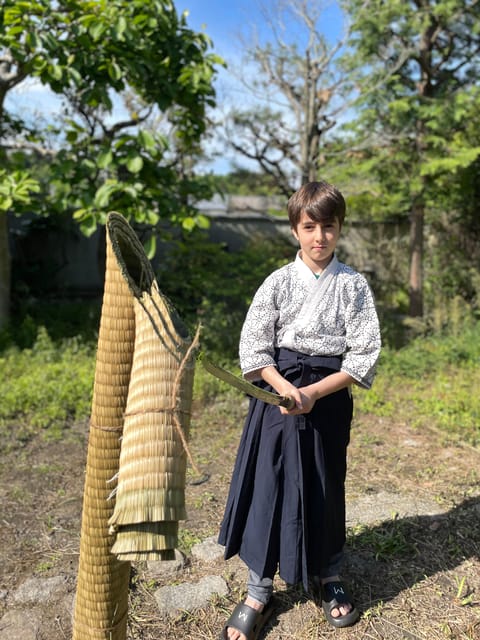
I would recommend it to adults, couples, solo visitors, and families with children aged seven and older who are interested in Japanese culture. You do not need athletic ability or martial arts experience. Curiosity and willingness to follow instructions matter more.
It is also a good choice for people who find ordinary sightseeing tiring. The session gives you a story to take home: you learned the basics of kendo, wore the equipment, heard about samurai customs, and practiced with another person. That is a more active memory than simply taking another photograph outside a temple.
The experience can work well for a family group because the instructor is described as patient and attentive, including with a child who needed extra help. Still, the activity includes equipment, movement, and partner practice. Parents should decide if their children can listen closely and handle the lesson respectfully.
Solo visitors should not worry about arriving alone. The format includes group practice, and the instructor makes a point of involving everyone. Couples and friends may enjoy the playful competition, while serious kendo students should view the workshop as a beginner introduction rather than advanced coaching.
Practical details before you reserve
The class is conducted in English. The listed price is $103 per person, and the duration is two hours. Free cancellation is available up to 24 hours before the activity for a full refund, and you can reserve now and pay later, which helps if your Kyoto schedule is still changing.
Wear comfortable clothing beneath the supplied uniform, and plan for a cool dojo in winter. Warm socks are especially useful. The location is not described as central, so check the route carefully and consider a taxi from the nearest station rather than relying on a last-minute search through residential lanes.
Do not arrive expecting alcohol, drug use, or a party atmosphere. This is a martial arts lesson with cultural instruction. The humor keeps it relaxed, but the equipment and etiquette still deserve care.
Should you book the kendo and samurai experience?
Book it if you want real participation in a traditional setting, not just a samurai costume photograph. Taka’s patient English teaching, the old machiya dojo, the supplied gear, and the chance to practice with a partner make this one of Kyoto’s better choices for visitors who want culture they can physically take part in.
Think twice if you want sharp sword demonstrations, tatami cutting, or a polished modern studio. The building may feel worn, the location takes planning, and the winter dojo can be cold. For most culture-minded visitors, those are manageable tradeoffs for a two-hour introduction that feels personal, active, and memorable.
FAQ
How long does the Kyoto kendo and samurai experience last?
The experience lasts two hours, including changing, instruction, practice, cultural explanation, and photos or video.
How much does the experience cost?
The listed price is $103 per person.
Is instruction provided in English?
Yes. The instructor provides the activity in English.
What is included in the price?
Instruction, uniform rental, equipment rental, shoe rental, and gear rental are included.
Do I need previous kendo or sword experience?
No. The activity is designed to teach beginners the basic grip, posture, movements, etiquette, and safety.
Where is the meeting point?
The meeting point is an old Japanese house with a large gate. It is in a residential area reached by a winding route, so allow extra time to get there.
Can children take part?
Children under seven are not suitable for this activity. The supplied information does not specify a maximum age.
Can I cancel for a full refund?
Yes. You can cancel up to 24 hours in advance for a full refund. You can also reserve now and pay later.
Just added around Kyoto
- Taste of Nishiki Market Walking Food Tour with Local guide★ 5.0 · 17 reviews
- Kyoto: Sushi Making Class with Sushi Chef★ 4.8 · 64 reviews
- Kyoto: City Secrets eBike Tour★ 4.9 · 196 reviews
- Sacred Pathways: Discover the Philosopher’s Path of Kyoto★ 4.9 · 20 reviews
- Private Tour to Monkey Park and Arashiyama Highlights★ 5.0 · 22 reviews
- Private Nara Tour from Osaka – Meet at Your Hotel★ 5.0 · 22 reviews
- Private Sake Tasting in Central Kyoto with Sake Sommelier★ 5.0 · 13 reviews
- Kyoto : Private Custom Walking Tour With A Local Guide★ 4.6 · 144 reviews
Kimono & Culture Experiences, compared.
Kyoto Geisha Walking Tour: Gion District & Hidden Gems
Read our review →
Gion Magical Night Walking Tour with Geisha Trivia
Read our review →
Gion Geisha District Walking Tour – Stories of Geisha
Read our review →
Best of Kyoto: Gion, Geisha, Pagodas & Cobblestones
Read our review →
Kyoto Gion Geisha District Walking Tour – The Stories of Geisha
Read our review →
Browse the lists this tour appears in