
REVIEW · KIMONO & CULTURE EXPERIENCES
Kyoto: Gion Night Walking Tour with Geisha Insight
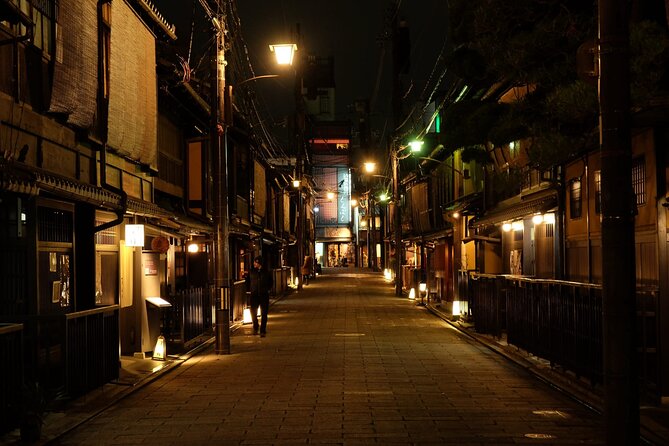
Gion after dark is Kyoto at its most atmospheric. Lanterns glow outside wooden teahouses, willow branches hang over the Shirakawa Canal, and narrow lanes lead away from the city’s main shopping streets. This two-hour walk gives you a guide, a route, and some cultural context instead of leaving you to guess what you’re seeing.
I like the small-group format, capped at 15 people, and the practical food tips at the end. I also like the route’s balance: one hour in traditional Gion, then one hour around Kawaramachi, where old machiya houses meet modern Kyoto. The main consideration is simple: seeing a geisha or maiko is possible, not promised, and photography is limited by both etiquette and the low evening light.
In This Review
- Key points
- Why Gion Works Best After Sunset
- Starting Near Tanaka Coffee Gion
- Hanamikoji Street and Gion’s Teahouses
- Shirakawa Canal and Tatsumi Daimyojin Shrine
- Learning to Recognize Geisha and Maiko
- Kawaramachi, Where Old Kyoto Meets the City
- What $25 Really Buys You
- Who Should Choose This Night Walk
- Practical Details Before You Book
- Should You Book the Gion Night Walking Tour?
- FAQ
- How long does the Kyoto Gion night walking tour last?
- Where does the tour begin?
- Where does the tour end?
- What locations are included?
- Can I see a geisha or maiko?
- Is photography allowed around geisha and maiko?
- How many people can join the tour?
Key points
- Hanamikoji Street after sunset: Walk past traditional wooden teahouses in the heart of Kyoto’s geisha district.
- Shirakawa Canal and Tatsumi Daimyojin Shrine: See a quieter side of Gion, with stone lanes, red bridges, willow trees, and a small local shrine.
- Geisha etiquette explained: Learn how to identify geisha and maiko and how to behave if one is heading to an appointment.
- A second hour in Kawaramachi: Move from old Gion into backstreets filled with eateries, bars, and machiya houses.
- Good value at $25: A guided two-hour orientation costs little compared with the time and confusion saved.
- Flexible cancellation: You can receive a full refund if you cancel at least 24 hours before the start time.
Why Gion Works Best After Sunset
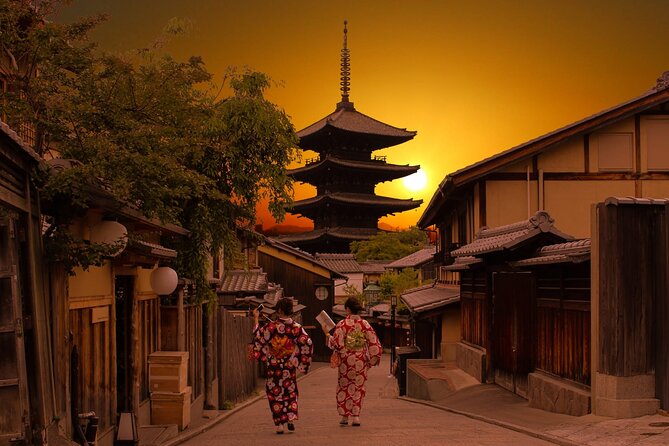
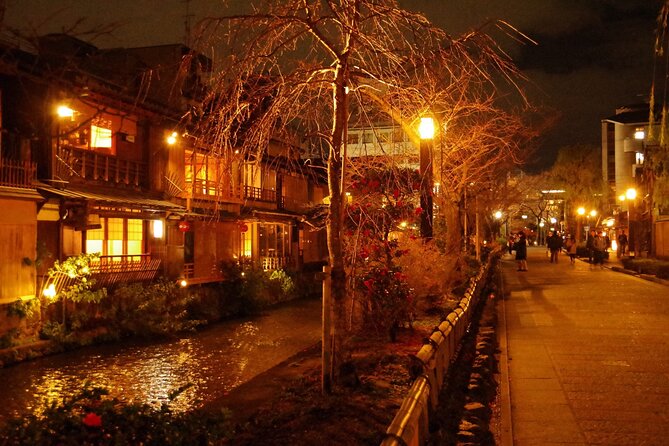
Gion is beautiful by day, but night changes its mood. The crowds thin, the lanterns begin to matter, and the wooden facades along Hanamikoji Street look less like a postcard and more like working neighborhood architecture.
This is not a show or a staged geisha performance. You walk through a district where geisha and maiko may be traveling to evening appointments. That distinction matters. The possibility of seeing one adds interest, but it should not be the sole reason you book.
Your guide helps you read the setting. Instead of simply pointing at a wooden building, the walk explains the role of traditional teahouses, the difference between a geisha and a maiko, and the customs that shape this part of Kyoto. Guide Ryu received specific praise for explaining geisha traditions and practices clearly, so the quality of the explanation can make a real difference.
The tour has a strong basic score, with a 4.8 rating from 39 reviews and 97 percent recommending it. Those figures suggest a dependable experience, but they do not erase the central warning: a night walk through Gion is about atmosphere and cultural insight, not guaranteed sightings.
More Kimono & Culture Experiences in Kyoto
- Kyoto Geisha Walking Tour: Gion District & Hidden Gems
★ 4.7 · 3,273 reviews - Kyoto: Gion Magical Night Walking Tour with Geisha Trivia
★ 4.9 · 2,393 reviews - Kyoto: Gion Geisha District Walking Tour – Stories of Geisha
★ 4.7 · 2,187 reviews
Starting Near Tanaka Coffee Gion
The meeting point is Tanaka Coffee Gion at 993 Shinchisu Yoshicho, Higashiyama Ward, Kyoto, postal code 605-0085. You receive confirmation when you book, and the ticket is mobile, so you do not need to collect paper documents.
Arrive ready to walk for about two hours. The route includes stone-paved lanes and backstreets, so comfortable shoes matter more than smart clothes. The experience ends back at the same meeting point, which makes the evening easier to plan if you have dinner or another activity afterward.
The group can include up to 15 people. That is not a private tour, but it is small enough for a guide to keep the group together and answer questions without shouting across a crowd. If your schedule is tight, note that the tour is generally booked 31 days ahead. That does not mean every date sells out, but advance planning is sensible during busy Kyoto seasons.
Hanamikoji Street and Gion’s Teahouses
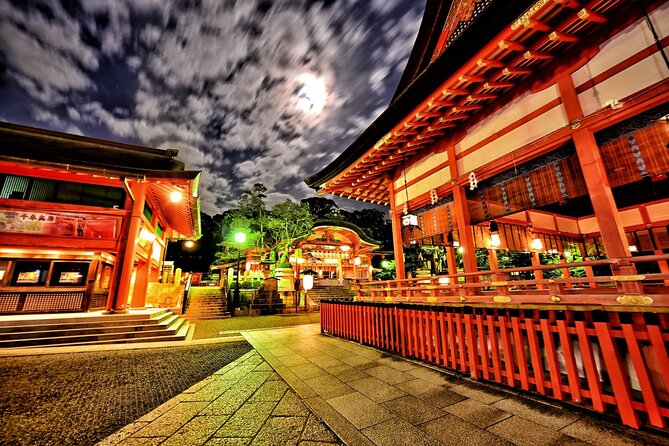
The first hour focuses on Gion, beginning with Hanamikoji Street. This is the district’s best-known traditional lane, lined with wooden teahouses called ochaya. Their plain exteriors can seem quiet or even closed to outsiders, but that reserve is part of the neighborhood’s character.
A guide gives you useful context for what you are seeing. You learn to distinguish a traditional teahouse from an ordinary restaurant or shop, and you get a better sense of why this district is treated with care. The walk is more rewarding when you understand that these streets are not simply a decorative old quarter. They remain part of a professional entertainment world with its own rules.
Hanamikoji is also the place where expectations can get out of hand. The chance of seeing a geisha or maiko is part of the appeal, but you may walk the full route without seeing one. One disappointed participant felt the experience was poorly advertised after learning at the start that a sighting was unlikely and that speaking to or photographing geisha was not appropriate.
I think that concern is fair if you arrive expecting a guaranteed encounter. Go instead for a guided walk through Gion, with a sighting treated as a lucky extra. That framing makes the experience more honest and helps you behave properly in a neighborhood where people are working.
Shirakawa Canal and Tatsumi Daimyojin Shrine
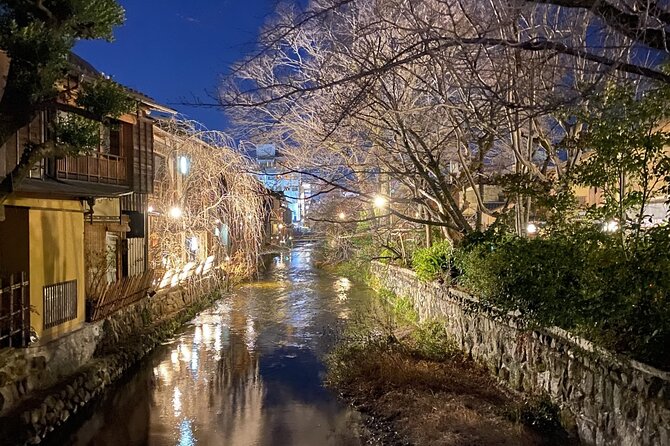
From Hanamikoji Street, the route continues through the Shirakawa Canal area. This is likely the most scenic section of the evening. Stone-paved lanes run beside the water, red bridges add color, and willow trees soften the view.
The canal area shows why walking works better here than rushing past by taxi. You notice the narrow scale of the streets and the contrast between the dark timber buildings and small pools of lantern light. Your guide can also help you find corners that are easy to miss when you explore alone.
The route includes Tatsumi Daimyojin Shrine, a small religious site tucked into Gion’s backstreets. It is not a grand temple complex, and that is precisely why it fits this walk. You see a modest place of local importance rather than another major sightseeing stop surrounded by souvenir shops.
The admission ticket is included, though this is a walking visit rather than a formal attraction with a separate entry procedure. The value comes from reaching the shrine in context and understanding how it fits into the surrounding streets.
Bring realistic expectations about photography. Parts of the route are dark, and the evening lighting that creates Gion’s mood also makes sharp photos harder. More important, you must not treat geisha and maiko as performers available for close-up pictures. The tour gives you guidance on how to spot them and how to act, but good manners remain your responsibility.
More Walking Tours in Kyoto
- Private Kyoto Tour with a Local, Highlights & Hidden Gems, Personalised
★ 5.0 · 1,543 reviews - Kyoto Gion Geisha District Walking Tour – The Stories of Geisha
★ 5.0 · 1,441 reviews - Nishiki Market Brunch Walking Tour (7 Tastings + Brunch)
★ 5.0 · 1,355 reviews - Kyoto Arashiyama Walking Tour: Bamboo, Monkeys, Gardens & Secrets
★ 5.0 · 1,216 reviews
Learning to Recognize Geisha and Maiko
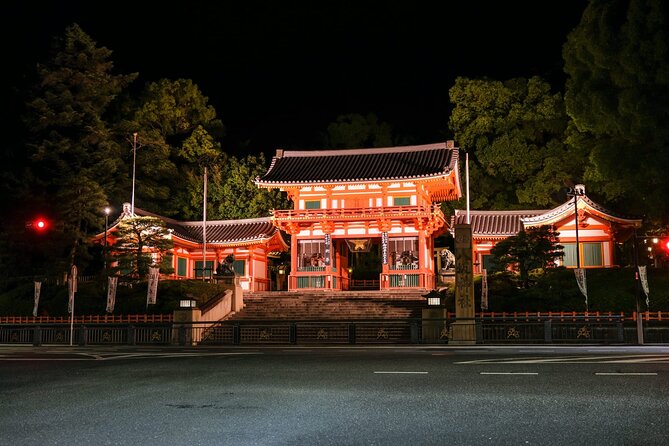
The geisha section is the tour’s main cultural feature. You learn what to look for when a geisha or maiko passes through the district, as well as the difference between someone working in Gion and a person dressed for a themed photo session.
The guide’s advice is useful because mistaken assumptions are common. Not every person in kimono is a geisha or maiko, and not every sighting means you should stop someone for a photo. The tour sets a more respectful tone by explaining that these women may be on their way to an evening appointment.
This is also where the tour’s limits need to be clear. The walk cannot control who appears on the street. It cannot guarantee access to a teahouse, a conversation, or a photograph. If you want a scheduled cultural performance, this is the wrong product. If you want an informed introduction to the district and its working traditions, it makes more sense.
Guide Ryu is worth mentioning because his explanations have been singled out for making geisha customs easier to understand. Guide quality can vary on any group walk, but the available feedback suggests that clear cultural explanation is one of this experience’s strongest features.
Kawaramachi, Where Old Kyoto Meets the City
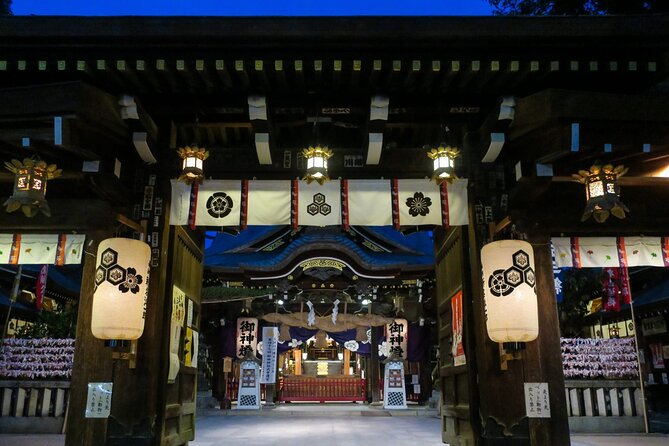
The second hour moves toward Kawaramachidori and the Shijo-Kawaramachi intersection. The mood shifts quickly. Gion’s wooden teahouses and quiet lanes give way to a central Kyoto area with shops, restaurants, bars, and heavier city energy.
This change is one of the route’s best ideas. You do not see Gion as an isolated museum quarter. You see how traditional Kyoto connects to a modern commercial center. The guide explains how the area has changed and points out backstreets that are easy to overlook if you stay on the main roads.
These lanes include cozy bars, eateries, and old machiya houses. The exact venues are not specified, so you should not expect a food tasting or a reserved restaurant table. What you do get is a set of local eating suggestions, which may be especially useful if you are still deciding where to have dinner.
I like this part for practical reasons. After an hour of sightseeing, advice about where to eat can turn a pleasant walk into a useful first-night orientation. You can return to the area later, now with a better idea of where the main streets end and the smaller lanes begin.
The drawback is that the Kawaramachi hour may feel less special if you came only for old Kyoto. It is more urban, and its appeal is found in contrast rather than in a single famous monument. I would see it as a bonus for people who want help navigating Kyoto, not as the tour’s headline attraction.
What $25 Really Buys You
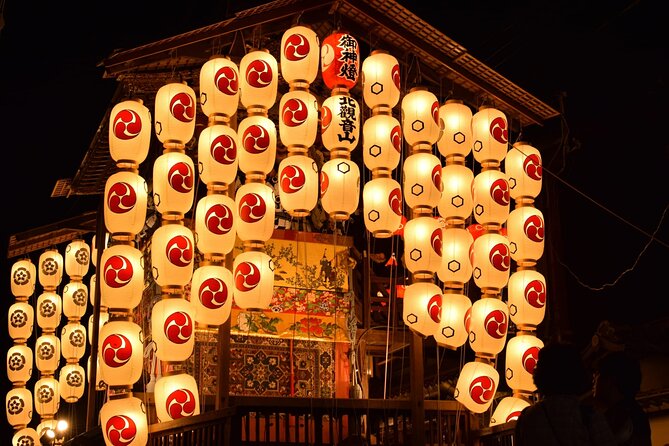
At $25 per person, this is an inexpensive guided introduction to one of Kyoto’s most confusing districts. You are paying for about two hours of route planning, local explanation, geisha etiquette, and food suggestions. You are not paying for a meal, a performance, private access, or a guaranteed geisha sighting.
That makes the price reasonable for a first evening in Kyoto. Gion’s lanes can look simple on a map but become less clear after dark, especially when you are trying to locate small shrines, canal paths, and less obvious streets. A guide saves you from spending your limited holiday time walking in circles.
The value is strongest if you are new to Kyoto or want cultural context. It is weaker if you already know Gion well, have spent several evenings exploring the district, or mainly want photographs. In low light, the tour is better for seeing and understanding than for collecting polished images.
The maximum group size of 15 keeps the cost down while still allowing some personal attention. Do not expect the pace or flexibility of a private guide, but the group is small enough for questions. With the 4.8 rating and 97 percent recommendation rate, the price looks fair, provided you understand what is and is not included.
Who Should Choose This Night Walk
I would recommend this tour to first-time Kyoto visitors, solo visitors who want an easy introduction, and anyone interested in geisha culture but unsure how to approach the subject respectfully. It also suits people who want a gentle evening activity after a day spent visiting temples.
Families and older participants can generally take part, since most people are able to join this activity. Still, it is a walking tour, and the route includes stone-paved streets and back lanes. Anyone who finds extended walking difficult should consider that before booking.
Food-focused visitors may also get good use from the Kawaramachi portion. The tour includes insider recommendations for local eateries, though it does not include food or drinks. You will need to arrange and pay for dinner yourself.
I would be cautious about booking if your only goal is to see a geisha. The odds are uncertain, the streets may be dark, and the rules discourage stopping, talking to, or photographing people on their way to work. Book it for the neighborhood, the explanations, and the chance of a sighting, not as a guaranteed encounter.
Practical Details Before You Book
The experience lasts approximately two hours and starts and ends at Tanaka Coffee Gion. Confirmation arrives at booking, and you can use a mobile ticket. The tour is offered in a small group of no more than 15 people.
The price is $25 per person. Gratuity is not included, so plan for that extra cost if you wish to thank the guide. The tour requires a minimum number of participants. If that minimum is not reached and the activity is canceled, you will be offered another date or experience, or receive a full refund.
You can cancel for a full refund up to 24 hours before the local start time. Cancellations or changes within 24 hours are not accepted for a refund. That policy is fairly flexible, but check the local time carefully if you are changing plans from another time zone.
Wear shoes suited to walking and prepare for dim streets. Keep your camera use restrained around geisha and maiko. The best way to enjoy Gion is to watch quietly, listen to the guide, and remember that the district is a workplace as well as a sightseeing area.
Should You Book the Gion Night Walking Tour?
Book this walk if you want a low-cost, guided introduction to Gion that combines lantern-lit streets, the Shirakawa Canal, a small shrine, geisha customs, and useful restaurant advice. Guide Ryu’s clear explanation of geisha tradition is a particular reason to value the cultural side of the experience.
Skip it if you need a guaranteed geisha sighting, a formal performance, a food tour, or strong nighttime photography. At $25, the tour offers good value when you judge it as a neighborhood walk with cultural guidance. It disappoints only when treated as a promise of personal contact with geisha.
FAQ
How long does the Kyoto Gion night walking tour last?
The tour lasts approximately two hours, with about one hour in Gion and one hour around Kawaramachi.
Where does the tour begin?
The meeting point is Tanaka Coffee Gion, at 993 Shinchisu Yoshicho in Kyoto’s Higashiyama Ward, postal code 605-0085.
Where does the tour end?
The activity ends back at the meeting point.
What locations are included?
The route includes Hanamikoji Street, the Shirakawa Canal area, Tatsumi Daimyojin Shrine, and the area around the Shijo-Kawaramachi intersection.
Can I see a geisha or maiko?
You might see a geisha or maiko heading to an evening appointment, but a sighting is not guaranteed.
Is photography allowed around geisha and maiko?
The guide explains appropriate behavior, and you should not photograph or speak to geisha and maiko as they travel to appointments. The streets can also be quite dark for photography.
How many people can join the tour?
The group has a maximum of 15 participants.
More Evening Experiences in Kyoto
- Night Walk in Gion: Kyoto’s Geisha District
★ 4.5 · 2,003 reviews - Kyoto Night Foodie Tour in Gion (9+ dishes + 6 Sake tastings)
★ 5.0 · 1,762 reviews - Kyoto Gion Night Walk & Geisha District Guided Tour
★ 5.0 · 786 reviews - Kyoto Ghost Tour: Dark Tales, Urban Legends, Bamboo Forest Night
★ 5.0 · 625 reviews
Just added around Kyoto
- Private Guided Traditional Buddhist Cooking in Japan★ 5.0 · 16 reviews
- Kyoto: Gion Geisha District & Sake-in-Hand Walking Tour★ 5.0 · 37 reviews
- Your Private Vacation Photography Session In Kyoto★ 5.0 · 110 reviews
- Kyoto: Zen Meditation at a Private Temple with a Monk★ 5.0 · 25 reviews
- Traditional Japanese Washi Papermaking- Kyoto morning★ 5.0 · 77 reviews
- Kyoto Wagashi(Japanese sweets) Cooking Class near Fushimiinari★ 5.0 · 60 reviews
- Private Pewter Sake Cup Experience with a Kyoto Artisan★ 5.0 · 31 reviews
- Kyoto Private 6 hour Tour: English Speaking Driver Only, No Guide★ 5.0 · 88 reviews
Kimono & Culture Experiences, compared.

Kyoto Geisha Walking Tour: Gion District & Hidden Gems
Read our review →
Gion Magical Night Walking Tour with Geisha Trivia
Read our review →
Gion Geisha District Walking Tour – Stories of Geisha
Read our review →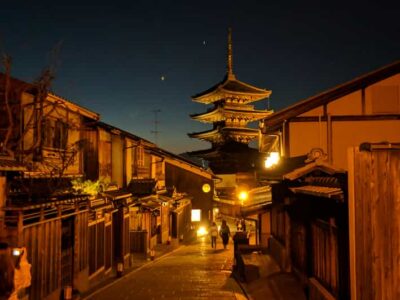
Best of Kyoto: Gion, Geisha, Pagodas & Cobblestones
Read our review →

Kyoto Gion Geisha District Walking Tour – The Stories of Geisha
Read our review →
Browse the lists this tour appears in