
REVIEW · KIMONO & CULTURE EXPERIENCES
Kyoto: Forge Your Own Ninja Weapon with Japanese Tin Casting
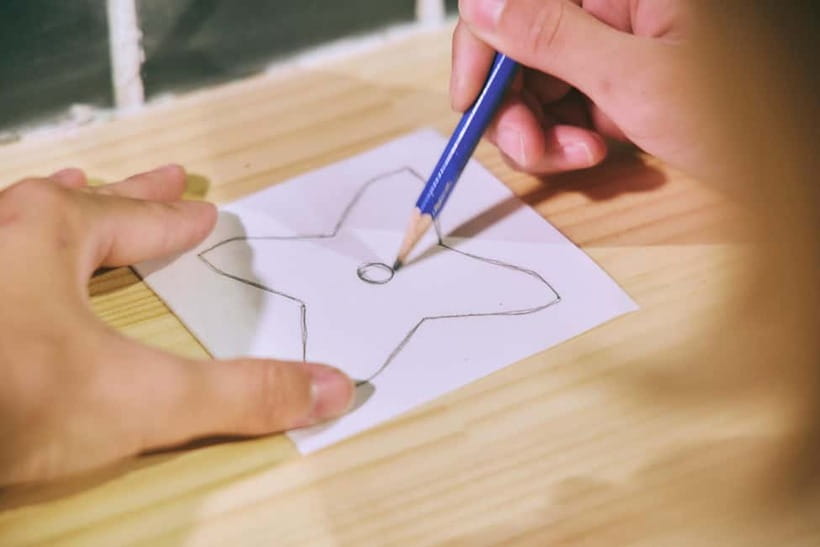
The most interesting part of this Kyoto workshop is that you do not simply buy a ninja souvenir. You make one. Under staff supervision, you shape casting sand, pour molten tin, cool the metal, and finish a small shuriken, kunai, or oni mask by hand. I especially like the real metal casting and the fact that your final piece carries the marks of your own work.
I also like the easy location, just three minutes from Demachiyanagi Station, and the patient instruction from staff such as Daiki. The main consideration is time and heat: this is hands-on craft work, not a quick photo stop, and the molten tin reaches about 230 degrees Celsius. Children need close help, and anyone choosing the oni mask should allow up to 150 minutes.
In This Review
- Key points to know before booking
- Why this Kyoto craft workshop is worth your time
- Three minutes from Demachiyanagi Station
- Choosing between a shuriken, kunai, and oni mask
- Step one: forming the casting-sand mold
- Step two: watching tin become molten metal
- Step three: cooling the cast piece in water
- Step four: hammering, filing, and polishing
- Step five: rust protection and the final oil finish
- What the $103 price buys you
- Is this suitable for children and families?
- Who will enjoy this most?
- My practical tips for a smooth session
- Should you book the tin ninja weapon workshop?
- FAQ
- Where is the ninja casting workshop located?
- How long does the activity take?
- What can I make?
- Is the workshop available in English?
- Can children participate?
- What should I bring to the workshop?
Key points to know before booking
- Cast a real tin keepsake: Make a small 8 to 10 cm piece rather than buying a mass-produced souvenir.
- Choose your design: Pick a shuriken, upgrade to a kunai, or choose the more detailed oni mask.
- Work through every stage: Build the mold, cast the tin, hammer and file the piece, then protect it with oil.
- Get practical guidance: English and Japanese instruction is available, with staff helping beginners and children.
- Allow two to two and a half hours: Shuriken and kunai take about two hours, while the oni mask takes about 150 minutes.
- Leave with a boxed creation: Each finished weapon comes in its own dedicated box, making it easier to carry home.
Why this Kyoto craft workshop is worth your time
Kyoto is packed with temples, gardens, tea rooms, and traditional streets. Those are essential stops, but they mostly ask you to look. This workshop asks you to make something. That change matters. You get a closer feel for Japanese metalwork by handling the tools and seeing how a simple mold becomes a finished object.
The piece you create is small, around 8 to 10 centimeters, but it is not a plastic toy or a standard shop souvenir. It is a tin casting that you helped form, clean, and polish. The finished item may show tiny variations from a factory-made product, and that is part of its appeal.
At $103 per person, this is not a bargain-bin activity. I would compare it with the cost of a guided cultural class plus a quality souvenir. The price includes the materials for one weapon, equipment, an apron, and instruction through the full process. For a birthday, a family outing, or a hands-on break from sightseeing, the cost can make sense. If you only want a cheap keepsake, a shop will cost less.
More Kimono & Culture Experiences in Kyoto
- Kyoto Geisha Walking Tour: Gion District & Hidden Gems
★ 4.7 · 3,273 reviews - Kyoto: Gion Magical Night Walking Tour with Geisha Trivia
★ 4.9 · 2,393 reviews - Kyoto: Gion Geisha District Walking Tour – Stories of Geisha
★ 4.7 · 2,187 reviews
Three minutes from Demachiyanagi Station
The studio’s location is one of its practical strengths. It is a three-minute walk from Demachiyanagi Station, so you do not need to spend half a day reaching an out-of-the-way workshop. That makes it easy to fit this activity between other Kyoto plans.
I would still avoid booking it in the middle of a tightly packed temple schedule. The basic session takes about two hours, and completion can vary depending on how much shaping and polishing your piece needs. The oni mask takes about two and a half hours, so give yourself room before dinner, a train, or a timed entry.
The studio provides a work apron and the needed tools. Bring a drink, since water is not provided. Food, alcohol, smoking, and drugs are not allowed, and this is not a place for party groups or casual fire-making.
Choosing between a shuriken, kunai, and oni mask
Your choice affects both the price and the length of the session. The shuriken is the straightforward option and a good fit if you want the classic ninja-star shape. It is also the simplest choice for a first metal-casting class or a shorter afternoon activity.
The kunai is listed as an optional upgrade. It gives you a different shape and a little more detail to work on, so it may appeal to anyone who wants something less familiar than a shuriken. Confirm the upgrade price when booking, since the listed $103 rate is the starting price for the experience and the kunai and oni mask are optional upgrades.
The oni mask is the most involved choice. After casting and finishing, you can add gold leaf and select a cord, making the mask suitable for wearing or display. This option takes approximately 150 minutes. It is a better pick for a special occasion or for anyone who enjoys careful finishing work, but it is not the best choice if your Kyoto schedule is already crowded.
The workshop refers to the pieces as ninja weapons, but remember the scale. Your creation will be 8 to 10 centimeters. Think of it as a handcrafted cultural souvenir and display piece rather than a full-size object.
Step one: forming the casting-sand mold
The session begins with your design choice and the mold. You use special casting sand to create a negative shape that will define the finished tin piece. This is where your attention matters most. A weak or uneven mold can affect the final form, so staff guide you through the process rather than leaving you to guess.
This part gives the class its craft value. You are not simply pressing a button or watching a demonstration. You are preparing the form that will receive the metal. The design is fairly small, but small objects still need care around their edges and details.
The activity is designed for beginners. The instructors explain each stage clearly, and the available languages are English and Japanese. Staff assistance also makes it possible for children to take part, although children under 15 must be accompanied by a guardian.
Same city, a completely different kind of day:
- PERFECT KYOTO 1-Day Bus Tour
★ 5.0 · 13,518 reviews - Kyoto: Fushimi Inari, Kinkakuji, Bamboo Grove 1 Day Bus Tour
★ 4.8 · 4,316 reviews - Kyoto: Tea Ceremony in a Traditional Tea House in Kiyomizu
★ 4.9 · 3,519 reviews - Kyoto: Tea Ceremony Ju-An at Jotokuji Temple
★ 4.9 · 3,207 reviews
Step two: watching tin become molten metal
Tin melts at about 230 degrees Celsius. That is hot enough to demand serious attention, but tin is also described as easy to work with for this kind of activity. Staff supervise the melting and pouring process, and the workshop provides the equipment and protective apron.
You should expect a genuine metal-casting moment, not a pretend flame effect. The supplied information and direct class comments indicate that participants can pour and shape their own pieces with staff guidance. The instructors help you follow the safe order of operations, which is especially important for younger makers.
This is also the point where the activity feels most different from an ordinary craft class. You see solid tin change state, then fill the mold you prepared. The process is quick, so pay attention and let the staff direct your movements.
Step three: cooling the cast piece in water
Once the tin has filled the mold, the piece is cooled in water. The metal solidifies rapidly, allowing you to move on to the hands-on finishing work.
Bring your own drink, though. Water for drinking is not provided, and the activity information specifically advises you to prepare some. That is a minor detail, but it is the sort of thing you will be glad to know before arriving.
The cooling stage also marks the shift from casting to shaping. Your piece now has its basic form, but it will not look polished yet. Expect rough edges and extra metal that need attention.
Step four: hammering, filing, and polishing
The included process covers shaping by hammering, smoothing with a file, and refining the surface with grinders. This is the longest-feeling part of the class because the final appearance depends on your patience.
You do not need prior metalworking skills. Staff show you how to use the tools and help you improve the edges and surface. The guidance is useful here because aggressive filing can remove more material than you intended, while light, steady work gives you better control.
I like this stage because it keeps the finished souvenir personal. Two people can begin with the same design and end with pieces that feel slightly different. You will also have time to ask questions and chat with the instructors while you work. English support is available, and direct comments about the class describe the explanations as easy to follow.
The workshop can also provide photo and video opportunities, so you can record the process. Ask staff when it is safe to take pictures, especially during the hot-metal steps. The most useful images will show the mold, the casting moment, and the finished piece rather than just a final portrait.
Step five: rust protection and the final oil finish
Your piece is soaked in a rust-preventive solution and coated with a special oil. These final steps help protect the surface and give the tin a more finished look.
The staff also place each completed weapon in a dedicated box. That is helpful if you still have several days of sightseeing ahead, and it gives the piece a proper presentation when you return home. You should still pack it carefully inside your luggage.
With the oni mask, the final work includes gold leaf and the choice of a cord. Those additions change the result from a small cast object into something you can display or potentially wear. The extra work is one reason the mask takes longer and costs more as an upgrade.
What the $103 price buys you
The rate is $103 per person. Included are the design process, mold-making materials, tin for one weapon, apron rental, equipment, shaping, filing, rust prevention, oil, and staff instruction.
That is a fair package if you value the making process. You are paying for access to a working studio, a guided technical activity, and a finished object that you made yourself. The take-home piece is also more meaningful than a standard souvenir because you handled the important stages.
The value is weaker if your priority is simply owning a ninja-shaped object. A shop-bought item will likely be cheaper and take no time. I would book this for the class itself, with the finished weapon as the bonus, rather than treating it as a shopping deal.
Free cancellation is available up to 24 hours in advance for a full refund, and you can reserve now and pay later. Those policies help if your Kyoto plans are still shifting, but you should still check the current starting times and upgrade costs before you commit.
Is this suitable for children and families?
The class is suitable for beginners and children with staff assistance. The supplied age rules say children under five are not suitable, and anyone under 15 must attend with a guardian. Babies under one year and people over 95 are listed as unsuitable.
For a family, the main question is patience. The work involves molds, hot metal, files, grinders, and careful finishing. A child who enjoys making things and can follow instructions may get a lot from it. A child who wants a fast ninja show may find the slower polishing stage less exciting.
The activity has worked well for mixed-age groups, including adults with children around nine and ten. I would keep the guardian close, follow staff directions, and choose the shuriken if you want the simplest session. The oni mask offers more detail but demands more time and attention.
Who will enjoy this most?
This is a strong match for you if you like Japanese crafts, ninja and samurai culture, or unusual souvenirs. It also works well for couples, friends, solo makers, and families who want one shared activity rather than another sightseeing stop.
The class is especially good for a birthday or a trip milestone. You get a clear beginning, middle, and end: choose a design, make the mold, cast the tin, finish the surface, and pack the result. That structure makes the two hours feel purposeful.
It is less suitable if you dislike workshop mess, close tool work, or repeated filing. It is also not ideal for a rigid schedule. The stated duration is about two hours for a shuriken or kunai and about 2.5 hours for an oni mask, but completion can vary.
My practical tips for a smooth session
Arrive ready to work, not dressed for a formal dinner. An apron is provided, but comfortable clothing and closed, practical footwear are sensible choices for a workshop.
Bring water and leave snacks for later. Food and drinks other than prepared water are restricted inside the activity area, and smoking is not allowed indoors or as part of the session.
Decide your design before you arrive if possible. The shuriken is the simplest route, the kunai is an optional upgrade, and the oni mask is the longest and most decorated choice. Ask about any upgrade cost when you book.
Plan your photos around the work. The workshop offers photo and video memories, but hot metal and tools come first. Listen to the instructors before reaching for your phone.
Finally, leave enough space in your luggage. The weapon comes in a dedicated box, which protects it, but the box still takes more room than a loose souvenir.
Should you book the tin ninja weapon workshop?
Book it if you want a hands-on Kyoto memory and are happy to spend $103 on the process as well as the finished piece. The convenient Demachiyanagi location, English and Japanese support, beginner-friendly instruction, and boxed souvenir make it easy to add to a Kyoto itinerary.
Choose the shuriken for the clearest, shortest introduction. Pay for the kunai upgrade if you want a different shape, or choose the oni mask if gold leaf, a cord, and extra finishing time appeal to you.
Skip it if you only want a low-cost souvenir or if your schedule cannot spare two to two and a half hours. For everyone else, this offers a rare chance to make a small piece of Japanese metalwork with your own hands, and that is far more memorable than another item picked from a shelf.
FAQ
Where is the ninja casting workshop located?
The studio is a three-minute walk from Demachiyanagi Station in Kyoto, on Honshu.
How long does the activity take?
Making a shuriken or kunai takes approximately two hours. The oni mask takes approximately 2.5 hours, or 150 minutes. Completion times can vary.
What can I make?
You can choose a shuriken, a kunai, or an oni-inspired metal mask. The kunai and oni mask are optional upgrades.
Is the workshop available in English?
Yes. Instruction is available in English and Japanese.
Can children participate?
Children can take part with staff assistance, but children under five are not suitable. Participants under 15 must be accompanied by a guardian.
What should I bring to the workshop?
Bring a drink, since water is not provided. An apron, equipment, and the materials for one weapon are included.
Just added around Kyoto
- Taste of Nishiki Market Walking Food Tour with Local guide★ 5.0 · 17 reviews
- Kyoto: Sushi Making Class with Sushi Chef★ 4.8 · 64 reviews
- Kyoto: City Secrets eBike Tour★ 4.9 · 196 reviews
- Sacred Pathways: Discover the Philosopher’s Path of Kyoto★ 4.9 · 20 reviews
- Private Tour to Monkey Park and Arashiyama Highlights★ 5.0 · 22 reviews
- Private Nara Tour from Osaka – Meet at Your Hotel★ 5.0 · 22 reviews
- Private Sake Tasting in Central Kyoto with Sake Sommelier★ 5.0 · 13 reviews
- Kyoto : Private Custom Walking Tour With A Local Guide★ 4.6 · 144 reviews
Kimono & Culture Experiences, compared.
Kyoto Geisha Walking Tour: Gion District & Hidden Gems
Read our review →
Gion Magical Night Walking Tour with Geisha Trivia
Read our review →
Gion Geisha District Walking Tour – Stories of Geisha
Read our review →
Best of Kyoto: Gion, Geisha, Pagodas & Cobblestones
Read our review →

Kyoto Gion Geisha District Walking Tour – The Stories of Geisha
Read our review →

Browse the lists this tour appears in