
REVIEW · ARASHIYAMA BAMBOO TOURS
Kyoto Arashiyama Bamboo forest & Garden Half-Day Walking Tour
Arashiyama is much more than its famous bamboo path. This five-hour walk leads you from the towering grove into quiet gardens, Buddhist temples, side streets, and a traditional lunch near the Katsura River. With a maximum of seven people, guides such as Josh, Ayuri, Yuki, and Yumi can keep the experience personal.
I like the small group size and the way the tour moves beyond the most photographed part of Arashiyama. I also like that lunch, temple admissions, matcha, and tour photos are included. The main caution is the amount of walking. One participant counted roughly 28,000 steps, so comfortable shoes are not optional.
In This Review
- Key points to know before booking
- Why this Arashiyama walk feels different
- Starting at Hokyoin’s quiet garden
- Exploring Sagaogurayama beyond the main route
- Walking through Arashiyama Bamboo Forest
- Okochi Sanso Garden and mountain views
- Lunch beside Togetsukyo Bridge
- Tenryuji Temple and its Zen gardens
- Ending near the bridge and souvenir street
- What the $129.33 price includes
- Guides and the quality of the experience
- Walking, weather, and practical preparation
- Who should book this tour?
- FAQ
- How long does the Arashiyama walking tour last?
- What is included in the tour price?
- Where does the tour begin and end?
- Can I request a vegetarian, vegan, or gluten-free lunch?
- Is the tour suitable for people with mobility issues?
- What happens if I need to cancel?
Key points to know before booking
- The bamboo grove is only one part of the day: You also visit Hokyoin, Okochi Sanso Garden, Tenryuji Temple, and quieter corners of Sagaogurayama.
- Seven people is the maximum: A small group makes it easier to ask questions and stay close to your guide in crowded areas.
- Lunch is a real part of the experience: An authentic Kyoto-style meal near Togetsukyo Bridge is included, with vegetarian, vegan, and gluten-free requests possible if made at least one day ahead.
- You receive cultural context, not just directions: Guides explain temple customs, gardens, Buddhist and Shinto practices, and details such as kanji.
- Plan for a serious walk: The tour lasts about five hours and may feel like most of a day once you add the journey to and from Arashiyama.
- The tour can be weather-sensitive: Kyoto summers can reach 40°C, winters can fall to -5°C, and unsafe weather may lead to cancellation.
Why this Arashiyama walk feels different
The usual Arashiyama visit can become a quick photo stop. You arrive, walk through a short section of bamboo, take a picture, and move on with little sense of the area around it. This tour gives you a fuller half-day in western Kyoto.
You begin near Saga-Arashiyama Station and finish close to Togetsukyo Bridge or the main souvenir street. In between, you walk through temple grounds, garden paths, wooded lanes, and the famous bamboo forest. That wider route matters because Arashiyama’s quieter spaces often offer more peace than the central bamboo path.
The group limit of seven is useful here. Arashiyama can become crowded, and a guide can help you stay together, explain what you are seeing, and adjust the pace when possible. Several guides have been praised for keeping close watch on the group, answering questions, and using visual aids to explain temple and shrine customs.
The tour is rated 4.9 out of 5, with 99 percent recommending it. Those numbers suggest a very dependable experience, though you should still match the tour to your walking ability and expectations. This is not a relaxed bus outing with long periods of sitting.
More Garden & Palace Tours in Kyoto
- Kyoto: Nijo-jo Castle and Ninomaru Palace Guided Tour
★ 4.7 · 1,020 reviews - Kyoto: Nijo Castle, Kiyomizu & Fushimi Inari Guided Tour
★ 4.7 · 700 reviews - Kyoto: Imperial Palace & Nijo Castle Guided Walking Tour
★ 4.7 · 453 reviews
Starting at Hokyoin’s quiet garden
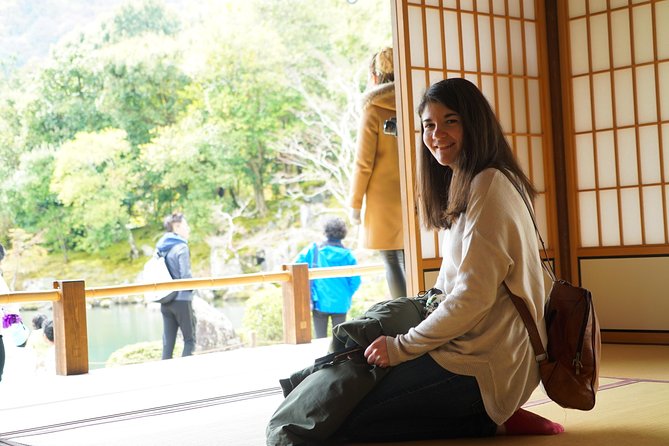
Your first stop is Hokyoin, a temple known here for its calm garden and old Kyoto atmosphere. The visit is scheduled for about 15 minutes, so expect a short introduction rather than a long, silent garden visit.
That opening stop helps set the tone. Instead of beginning with the busiest photo point, you start with a quieter place where your guide can explain how temple gardens and religious spaces are used. Wear respectful clothing, since the route includes both Buddhist and Shinto facilities.
Fifteen minutes may feel brief if you enjoy gardens and want time for careful photographs. Still, it works as an early orientation stop before the longer walk through the Sagaogurayama area.
Exploring Sagaogurayama beyond the main route
The longest portion of the tour, about an hour, takes place around Sagaogurayama. This is where the walk gains much of its character. You are not simply being led from one famous landmark to another. You spend time in less obvious corners of Arashiyama, where the surroundings can feel slower and more local.
The exact stops can vary with conditions, group pace, and the guide, but the purpose is clear: give you a closer look at the district beyond its headline sights. Guides have used this time to discuss local traditions, temple life, Japanese culture, and small details that are easy to miss when walking alone.
This section is also where the physical demand begins to show. You may be walking on uneven paths or spending long stretches on your feet. If you have mobility issues, the operator recommends a private tour instead. Families and older participants can join, but everyone should be comfortable with sustained walking.
Walking through Arashiyama Bamboo Forest
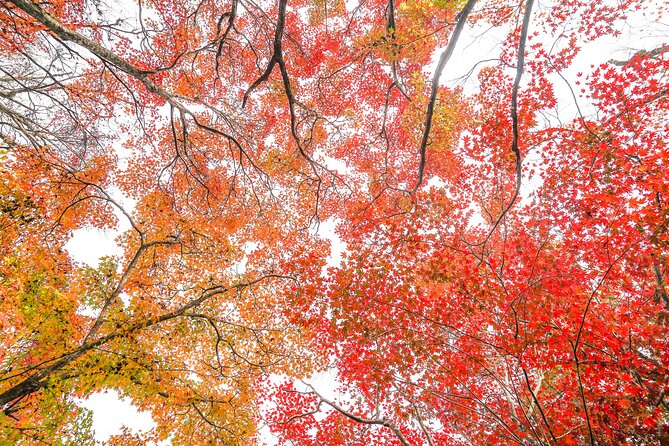
The bamboo forest itself receives about 15 minutes. That may sound short, but the forest is a compact part of a larger route rather than the entire tour.
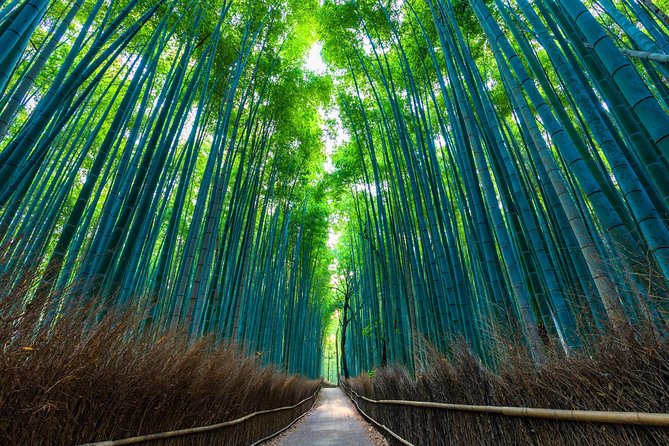
The bamboo stalks rise high above the path, creating one of Kyoto’s most memorable scenes. Your guide can help you find useful photo spots and explain the setting instead of leaving you to guess where to go. Go in with realistic expectations: the main bamboo path can be crowded, especially during popular visiting hours, and the short stop will not provide unlimited time for photographs.
The tour’s value is that you do not need to build the rest of your day around this one path. You see it, then continue into gardens and temples that offer a more reflective side of Arashiyama.
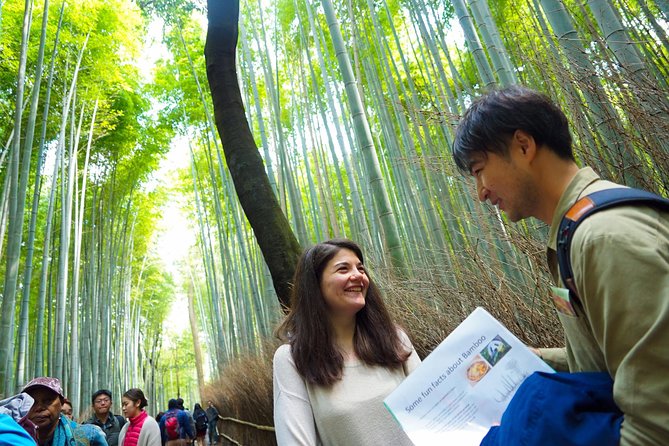
One guide, Ayuri, has included small cultural lessons during the walk, including kanji and an explanation of an unusual yogurt drink. These details show the advantage of having a guide who responds to questions and points out more than the obvious sights.
More Walking Tours in Kyoto
- Kyoto Geisha Walking Tour: Gion District & Hidden Gems
★ 4.7 · 3,273 reviews - Kyoto: Gion Magical Night Walking Tour with Geisha Trivia
★ 4.9 · 2,393 reviews - Kyoto: Gion Geisha District Walking Tour – Stories of Geisha
★ 4.7 · 2,187 reviews - Private Kyoto Tour with a Local, Highlights & Hidden Gems, Personalised
★ 5.0 · 1,543 reviews
Okochi Sanso Garden and mountain views
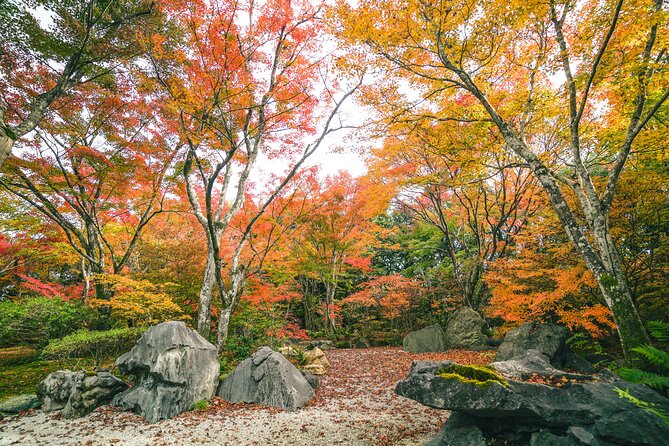
Okochi Sanso Garden receives about 45 minutes, making it one of the more substantial stops. The garden is associated with the actor Okochi Denjiro and is valued for its carefully arranged paths and views toward the mountains and city.
This is a good place to slow down. After the crowds and narrow bamboo route, you have more time to walk, look, and listen to your guide’s explanation. The garden experience is not only about plants. It is also about how Japanese gardens frame views, control movement, and create pauses.
A matcha drink with a small tea ceremony snack is included during the experience. That gives you a brief cultural break and a chance to sit or pause during a physically active morning. A cold matcha stop was especially useful for one group visiting in hot weather.
The garden entrance is covered among the included admissions. Confirm the exact admission arrangement with your guide if the route changes, but you should not expect to pay separate entrance fees for the included temples and garden.
Lunch beside Togetsukyo Bridge
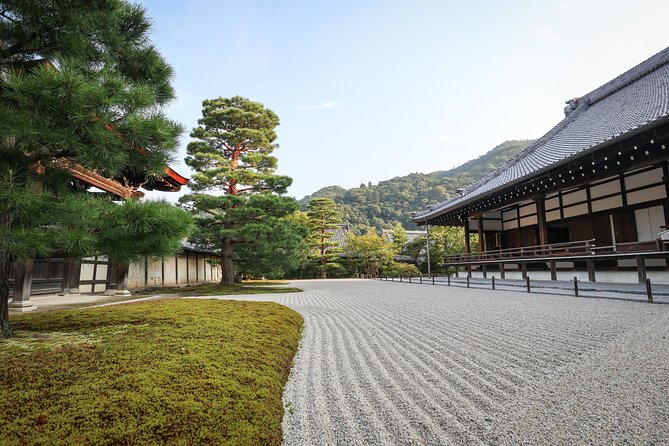
Lunch near Togetsukyo Bridge is one of the tour’s strongest features. You receive an authentic Kyoto-style meal rather than a quick convenience-store stop, and the meal is often described as elegant, unusual, and substantial.
The food may be presented in a style that is unfamiliar if you have not eaten a traditional Japanese meal before. That is where the guide adds real value. Yumi, for example, has used visual aids to explain customs, while guides on similar tours have explained what each dish is and how to eat it.
The meal can be vegetarian, vegan, or gluten-free by request, but the choices are limited. You must make the request at least one day before the tour. Same-day dietary changes cannot be accommodated, and the operator does not promise an allergy-free meal because the food is prepared in kitchens it does not control.
Additional food and drinks are not included, though they are available for purchase. The lunch location may change, and the ending point can shift slightly depending on the restaurant. That is worth knowing if you have a fixed afternoon reservation.
The setting near the bridge adds to the appeal. Togetsukyo spans the Katsura River and is one of Arashiyama’s defining views. You do not just stop there for a photograph. The area becomes a natural transition between the morning’s temple visits and the end of the walk.
Tenryuji Temple and its Zen gardens
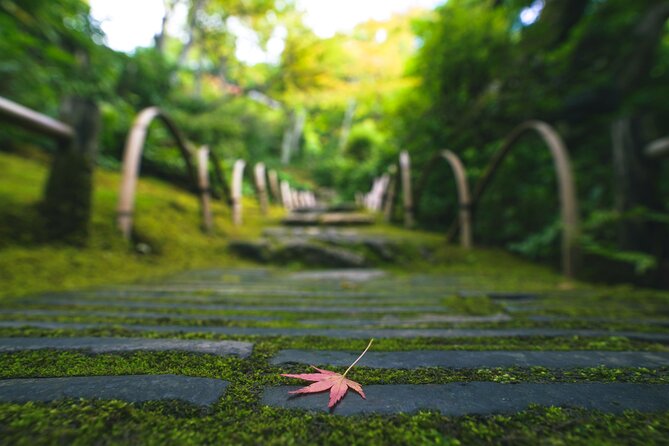
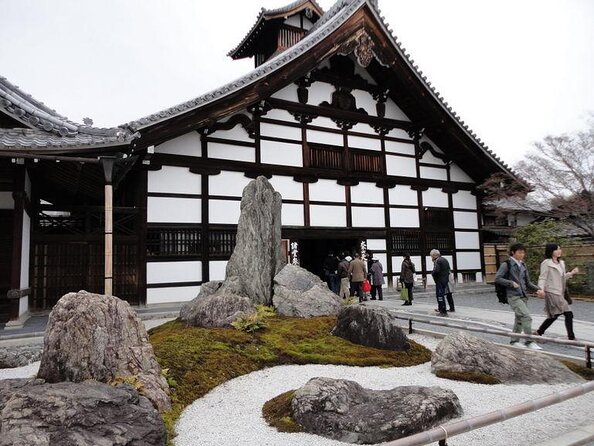
Tenryuji Temple is the major religious sight on the route. Founded in the 14th century and recognized as a World Heritage site, it combines a major Zen temple with carefully designed gardens and important interior artwork.
You have about 30 minutes here. Your guide explains the gardens and Zen paintings, giving you a basic framework for understanding the space rather than treating it as a quick sightseeing stop.
Half an hour is enough for an introduction, but not enough to see every corner at leisure. If Tenryuji is a personal priority, you may want to return independently with extra time. The tour gives you context and a focused visit, while a separate visit lets you set your own pace.
The earlier temple and garden stops also make Tenryuji more meaningful. By the time you arrive, you have already seen several types of Japanese religious and garden spaces. You can compare the mood, layout, and details instead of viewing Tenryuji in isolation.
Ending near the bridge and souvenir street
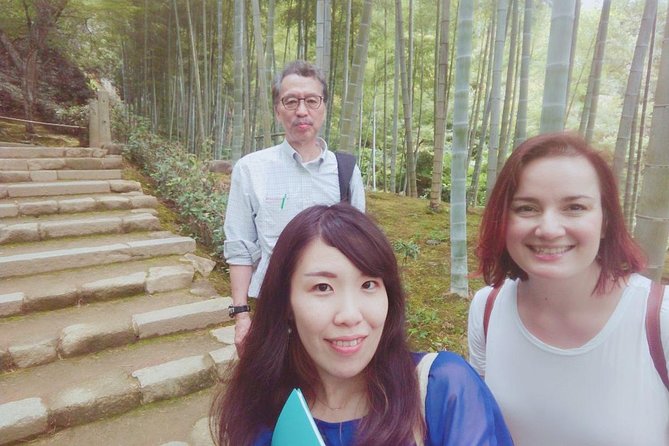
The walk ends around Togetsukyo Bridge or the main souvenir street. This is convenient if you want to continue exploring Arashiyama, browse shops, or remain near the river.
The final location can change based on the lunch restaurant, so do not treat the endpoint as an exact address for a tightly timed connection. The tour does not include transportation back to central Kyoto, and you should allow extra time for your return journey.
Ending in this part of town is practical. You can continue with your own plans rather than being taken back to the starting station. It also gives you the option to leave earlier if needed, according to the guide, though that means missing part of the experience.
What the $129.33 price includes
At $129.33 per person, this is not the cheapest way to see Arashiyama. The price makes more sense when you add up what is included: a certified guide, admissions to two temples and one Japanese garden, matcha with a small snack, lunch, and photos taken during the tour.
The lunch is particularly important to the value calculation. A traditional meal can be difficult to arrange when you do not know the local customs or where to book. Having the guide explain the dishes turns lunch into part of the cultural program, not simply a meal break.
The small group also matters. A private tour would cost more, while a large group would usually offer less personal attention. With no more than seven participants, you have a better chance to ask about religion, architecture, food, photography, or daily life in Kyoto.
The included photos let you focus on the sights instead of constantly managing your phone. Do not expect a professional photo shoot unless the guide says otherwise. Think of them as useful memories from the walk.
Five hours is a fair length for the number of stops, but this is not always a half-day in practical terms. One account described a tour running from roughly 9 a.m. to 2:30 or 2:45 p.m., before adding transportation time. If you have only two days in Kyoto, consider how this fits with your other priorities.
Guides and the quality of the experience
The guide is central to this tour. The experience works best when the person leading it is good at explaining, watching the group, and adjusting to questions.
Josh has been praised for making history and culture easy to remember, with a humorous style and useful facts about less visited places. Yuki has been described as patient and ready to answer questions about the bamboo forest and surrounding area.
Ayuri has provided hands-on explanations at temples and paid attention to keeping the group together in crowded areas. Masa has been associated with a strong lunch experience and a peaceful meal setting. Yumi has used visual aids to explain shrines, temples, and Japanese customs.
Your assigned guide may be someone else, and English ability can vary. Still, the small group gives you a good chance to communicate directly and ask for clarification. If you enjoy learning as you walk, this is likely more satisfying than simply following a guide with a flag.
Walking, weather, and practical preparation
Wear supportive walking shoes. The route covers several areas, and one participant estimated about 28,000 steps. That figure may not apply to every group, but it is a useful warning.
Kyoto weather can be severe. Summer temperatures may reach 40°C, while winter temperatures can drop to -5°C. Bring water, sun protection, and suitable layers. In hot weather, the temple pauses and matcha stop can help, but you should not expect the guide to remove all physical strain.
Rain does not automatically make the tour unpleasant. One account described a good experience despite wet weather, but unsafe conditions can lead to cancellation. Check the forecast and dress for the season.
Arrive at the north taxi stand outside Saga-Arashiyama Station, at the meeting point on Sagatenryuji Kurumamichicho. Being late is risky. The guide and group may wait only about ten minutes before starting, and a missed departure may not qualify for a refund.
Free cancellation is available up to 24 hours before the start time. Cancellations or changes made inside that period are not refunded or accepted. Confirmation arrives when you book, and the area is close to public transportation.
Who should book this tour?
I would choose this tour if you want Arashiyama explained rather than simply photographed. It suits first-time visitors, couples, families who can walk comfortably, and anyone who wants a traditional meal without having to arrange every detail alone.
It is also a good choice if you have already seen Kyoto’s central temples and want to spend a half-day in a different part of the city. The route combines famous sights with quieter spaces, which gives you a more rounded sense of Arashiyama.
I would think twice if your main goal is unlimited time in the bamboo forest, if you dislike group schedules, or if you have limited mobility. The route is active, and Tenryuji, Okochi Sanso Garden, and the bamboo path each receive a set amount of time.
For the right person, the strongest reasons to book are the small group, the excellent guide-to-sight ratio, and the included Kyoto-style lunch. You get more than the standard bamboo grove photograph, but you must be ready to walk for it.
FAQ
How long does the Arashiyama walking tour last?
The experience lasts approximately five hours. The walking portion is about four hours, with time divided among temples, gardens, the bamboo forest, the bridge area, and lunch.
What is included in the tour price?
The price includes a certified MagicalTrip guide, entrance fees to two temples and one Japanese garden, a matcha drink with a small tea ceremony snack, lunch, and photos taken during the tour.
Where does the tour begin and end?
The tour begins at the north taxi stand outside Saga-Arashiyama Station in Kyoto. It ends near Togetsukyo Bridge or the main souvenir street, though the exact ending point can change depending on the lunch restaurant.
Can I request a vegetarian, vegan, or gluten-free lunch?
Yes, but these options are limited. You must request a dietary arrangement or allergy note at least one day before the tour. Same-day requests cannot be accommodated, and an allergy-free meal cannot be guaranteed.
Is the tour suitable for people with mobility issues?
The tour is not recommended for people with mobility issues because it involves substantial walking. A private tour is recommended if walking is difficult.
What happens if I need to cancel?
You can receive a full refund if you cancel at least 24 hours before the experience start time. Cancellations or changes made less than 24 hours before the start time are not refunded or accepted.
More Half-Day in Kyoto
- Kyoto: Half-day Guided Bike Tour with Fushimi Inari
★ 4.9 · 21 reviews - Miyajima Half-day Trip Historical Walking Tour
★ 5.0 · 284 reviews - Half-day Tokyo Afternoon Tour by Hato Bus
★ 4.0 · 269 reviews - Naha, Okinawa: Kerama Islands Half-Day Whale Watching Tour
★ 4.4 · 241 reviews
More Arashiyama Bamboo Tours in Kyoto
- Kyoto: Fushimi Inari, Kinkakuji, Bamboo Grove 1 Day Bus Tour
★ 4.8 · 4,316 reviews - Osaka/Kyoto:Kinkakuji,Arashiyama,FushimiInariShrine,NaraPark
★ 4.1 · 1,596 reviews - Kyoto/Osaka: Nara, Fushimi Inari Taisha, Arashiyama Bus Tour
★ 4.7 · 1,275 reviews - Kyoto Arashiyama Walking Tour: Bamboo, Monkeys, Gardens & Secrets
★ 5.0 · 1,216 reviews
Just added around Kyoto
- Taste of Nishiki Market Walking Food Tour with Local guide★ 5.0 · 17 reviews
- Kyoto: Sushi Making Class with Sushi Chef★ 4.8 · 64 reviews
- Kyoto: City Secrets eBike Tour★ 4.9 · 196 reviews
- Sacred Pathways: Discover the Philosopher’s Path of Kyoto★ 4.9 · 20 reviews
- Private Tour to Monkey Park and Arashiyama Highlights★ 5.0 · 22 reviews
- Private Nara Tour from Osaka – Meet at Your Hotel★ 5.0 · 22 reviews
- Private Sake Tasting in Central Kyoto with Sake Sommelier★ 5.0 · 13 reviews
- Kyoto : Private Custom Walking Tour With A Local Guide★ 4.6 · 144 reviews
Arashiyama Bamboo Tours, compared.
Osaka/Kyoto:Kinkakuji,Arashiyama,FushimiInariShrine,NaraPark
Read our review →
Kyoto/Osaka: Nara, Fushimi Inari Taisha, Arashiyama Bus Tour
Read our review →
Kyoto Arashiyama Walking Tour: Bamboo, Monkeys, Gardens & Secrets
Read our review →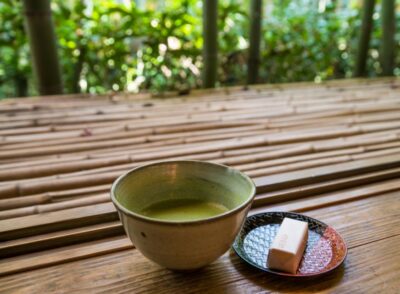
Arashiyama Bamboo, Temple, Monkeys, or Secret Sake Brewery
Read our review →
Arashiyama Bamboo Forest, Monkeys, Matcha & Temple Tour
Read our review →
Osaka/Kyoto: Arashiyama, Nara & Fushimi Inari Shrine w/Lunch
Read our review →
Nijo, Kinkaku-ji, Arashiyama, Kiyomizu & Fushimi Inari
Read our review →
Arashiyama Bamboo Forest & Hidden Gems Bike Tour (Early Bird)
Read our review →Browse the lists this tour appears in