REVIEW · TEA CEREMONY EXPERIENCES
Kimono Tea Ceremony Experience at Kyoto Oritzuruya, Nishiki
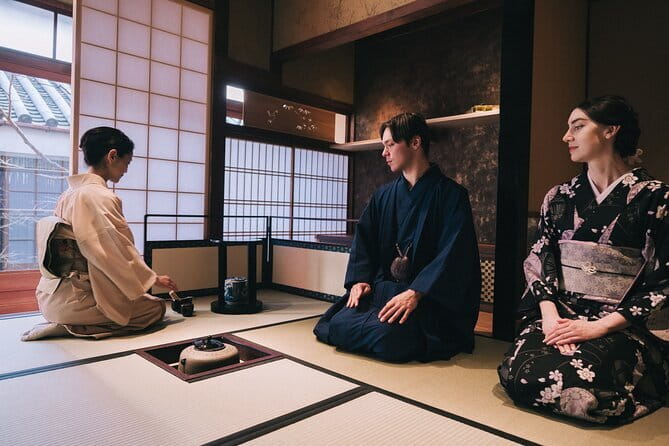
The most memorable part of this Kyoto experience happens before the tea is served: you choose a kimono, select hair ornaments, and let the staff dress you in several carefully arranged layers. Then you enter a quiet tea room, learn the meaning behind the ceremony, and prepare your own bowl of matcha.
I like the wide range of kimono sizes and designs, which makes this more welcoming than many dress-up activities. I also like the hands-on matcha lesson, since you do more than simply sit and watch. The main caution is that the kimono and photographs receive as much attention as the tea ceremony, so serious students of tea may want a more traditional setting.
In This Review
- Key points to know before booking
- What this Kyoto tea ceremony really offers
- Choosing a kimono from more than 200 designs
- The dressing process is part of the culture lesson
- Entering the tea room and learning the ritual
- Making matcha with a bamboo whisk
- Optional calligraphy for a more lasting souvenir
- Can you wear the kimono outside afterward?
- Location near Nishiki Market
- Group size, timing, and comfort
- Is $50.87 good value?
- Who will enjoy this most?
- Booking details and practical advice
- Should you book Kyoto Orizuruya?
- FAQ
- How long does the tea ceremony experience last?
- Where does the experience begin?
- Where does the experience end?
- How many people can join the group?
- Is transportation included?
- Are kimono and hairstyling included?
- Do I prepare my own matcha?
- Are food and drinks included?
- Is calligraphy included?
- Can I cancel for a full refund?
Key points to know before booking
- Choose from more than 200 kimono designs, with staff helping you select the layers, sash, cord, sandals, and hair ornaments.
- Women receive simple hairstyling, including a choice of decorative pins or flowers.
- You prepare your own matcha with a traditional bamboo whisk after watching the tea ceremony techniques.
- Wagashi sweets come from a century-old Japanese confectionery, adding a small but thoughtful food detail.
- Groups are capped at 10 people, keeping the session more personal than a large cultural show.
- Calligraphy is optional, and the finished piece makes a useful souvenir.
What this Kyoto tea ceremony really offers
This is best understood as two connected experiences: kimono dressing and a beginner-friendly tea ceremony. The clothing portion takes up a meaningful share of the 90-minute visit, so you should book it for the full package rather than for tea alone.
That balance explains the strong appeal. You get a polished cultural activity without needing prior knowledge of Japanese etiquette. Staff guide you through the details, so you do not have to guess when to bow, where to sit, how to hold the bowl, or what to do with the sweets.
At the same time, this is a visitor-oriented introduction, not an advanced study of chanoyu, the Japanese tea ceremony. You will learn the basic ideas and motions, but the presentation may feel staged if your main goal is spiritual or historical depth.
More Food Market Tours in Kyoto
- Nishiki Market Brunch Walking Tour (7 Tastings + Brunch)
★ 5.0 · 1,355 reviews - Kimono Tea Ceremony at Kyoto Maikoya, NISHIKI
★ 5.0 · 911 reviews - Kyoto Nishiki Market Food and Culture Walking Tour
★ 5.0 · 412 reviews
Choosing a kimono from more than 200 designs
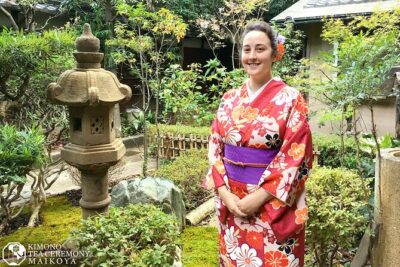
The first major step is selecting your kimono. More than 200 designs are available, with a broad selection of colors, patterns, and sizes. The staff help match the main garment with the obi sash, obijime cord, sandals, and hair accessories.
This selection process is one of the most enjoyable parts of the activity. It gives you control over your appearance, rather than placing you in a costume chosen at random. You can make the outfit bold, restrained, floral, bright, or traditional-looking according to your taste.
Size matters here, and the range is encouraging. A plus-size customer described having several suitable choices, which is useful information if you are worried about fit. The experience appears more flexible than many rental shops that carry only narrow standard sizes.
You will also receive a light, moisture-wicking underlayer beneath the kimono. That small detail matters, particularly if you visit during Kyoto’s warmer months or plan to spend time outside afterward.
The dressing process is part of the culture lesson
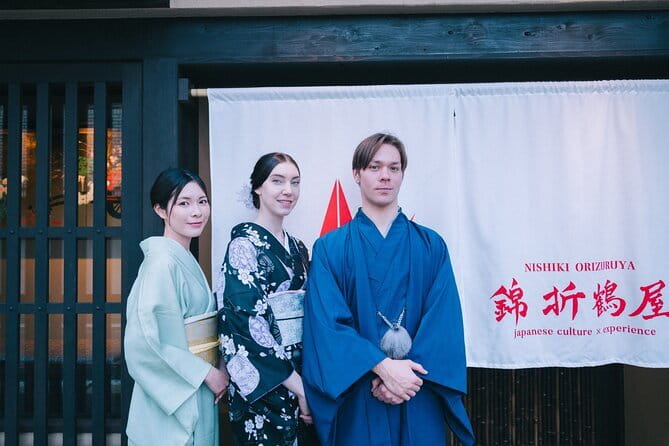
Kimono dressing is not a quick change into a robe. The staff arrange several layers and secure the clothing properly, then finish the look with the obi and decorative cord. You may find the process surprisingly involved, but that is part of the point.
The women working at the venue are described as warm, patient, and attentive. Several staff members may help at once, which keeps the process moving while giving you a chance to ask questions. For women, simple hairstyling is included, along with a choice of hair stick, flower, or other ornament.
Do not expect a full beauty treatment. Makeup is not included, and some people may wish they had the option to add it. If photographs matter to you, arrive with your hair and makeup as you want them, since the included styling is simple rather than a complete salon service.
After dressing, there is a small photo opportunity. Staff can take a few pictures, giving you a record of the finished look before the tea ceremony begins. This is practical because kimono clothing can be difficult to photograph on your own.
Entering the tea room and learning the ritual
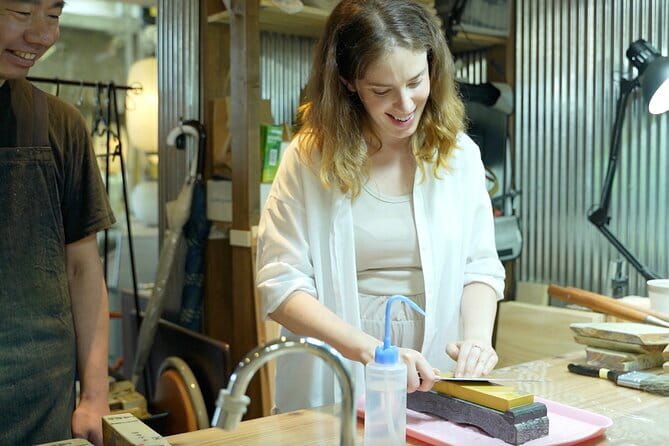
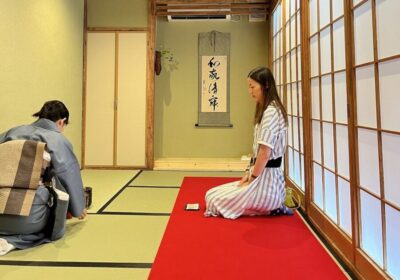
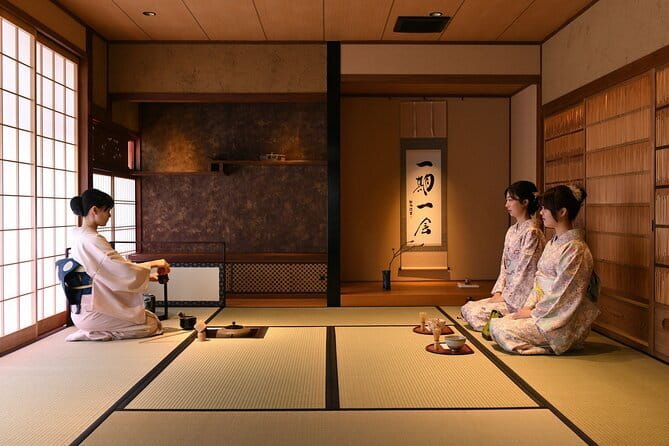
Once dressed, you move into an elegant tea room for the ceremony. The instructor explains the sequence, including the purification process and the careful preparation involved before tea is served.
The ritual may seem slow at first, especially if you are used to quick demonstrations. That slower pace is useful. Each movement has a purpose, and the ceremony gives you time to notice how the host handles the utensils, prepares the bowl, and welcomes the group.
The teaching focuses on the basic customs and intentions behind the motions. You gain a clearer sense of why the setting is quiet and orderly, and why the preparation matters as much as drinking the tea.
The format is still designed for an international audience. You watch the instructor perform the main ceremony, then take part in preparing matcha yourself. That distinction is important: you do not conduct the entire formal ceremony from start to finish.
One customer found the tea portion too short and felt that the activity involved more observation than participation. I would set your expectations accordingly. This is a guided introduction with a hands-on section, not a full apprenticeship in tea practice.
More Kimono & Culture Experiences in Kyoto
- Kyoto Geisha Walking Tour: Gion District & Hidden Gems
★ 4.7 · 3,273 reviews - Kyoto: Gion Magical Night Walking Tour with Geisha Trivia
★ 4.9 · 2,393 reviews - Kyoto: Gion Geisha District Walking Tour – Stories of Geisha
★ 4.7 · 2,187 reviews - Best of Kyoto: Gion, Geisha, Pagodas & Cobblestones
★ 4.9 · 2,058 reviews
Making matcha with a bamboo whisk
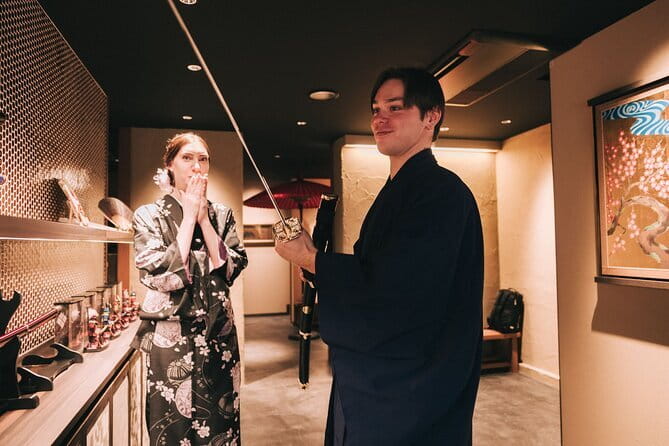
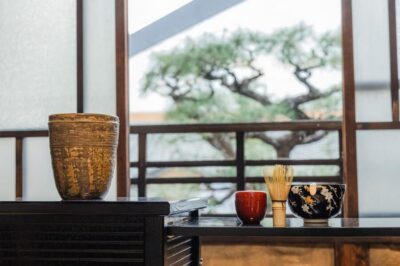
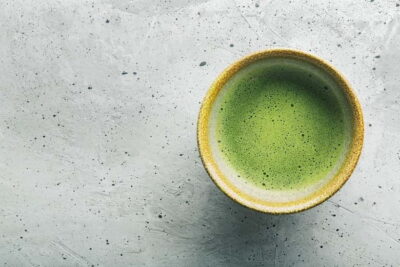
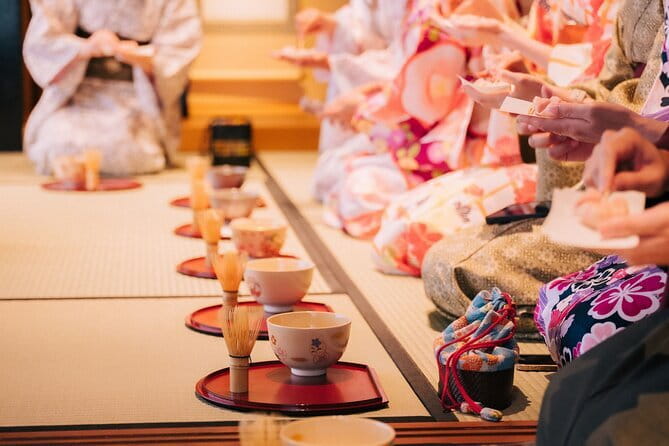
The hands-on matcha preparation is the clearest practical takeaway. You receive the utensils and learn how to use the traditional bamboo whisk, called a chasen, to froth your own tea.
This turns an otherwise passive demonstration into something you can repeat at home. You will not become a tea master in one session, but you will leave knowing the basic method and understanding why the whisk is shaped as it is.
The matcha is served with wagashi, a Japanese sweet from a confectionery with a century of history. The sweet balances the tea’s bitter edge and shows how the two are traditionally enjoyed together.
The food offering is a light snack, not a meal. Plan to eat beforehand if you are arriving hungry, especially since the experience lasts about an hour and a half and does not include transportation or a larger food service.
Optional calligraphy for a more lasting souvenir
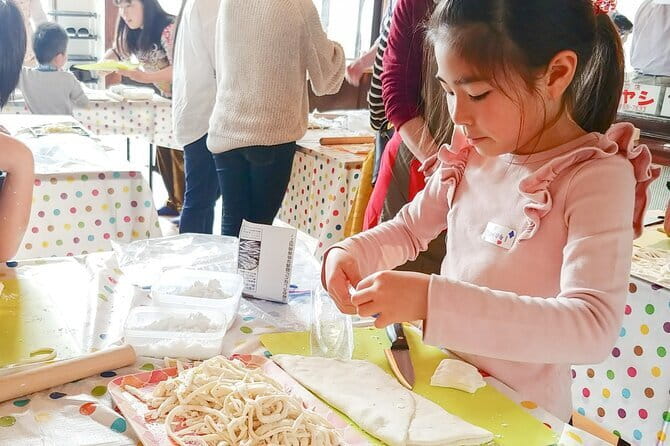
Calligraphy is available as an optional addition. In that session, you learn basic brushwork and create a piece to take home. One participant chose the kanji for beautiful, a fitting souvenir for an afternoon spent in traditional clothing.
I consider this add-on worthwhile if you want something more personal than photographs. The tea ceremony gives you a memory and a new matcha skill, while calligraphy leaves you with a physical reminder of the day.
The supplied details do not state the extra cost or the exact length of the calligraphy session, so confirm those points before booking. The available information does indicate that private instruction can be provided for the calligraphy portion.
Can you wear the kimono outside afterward?
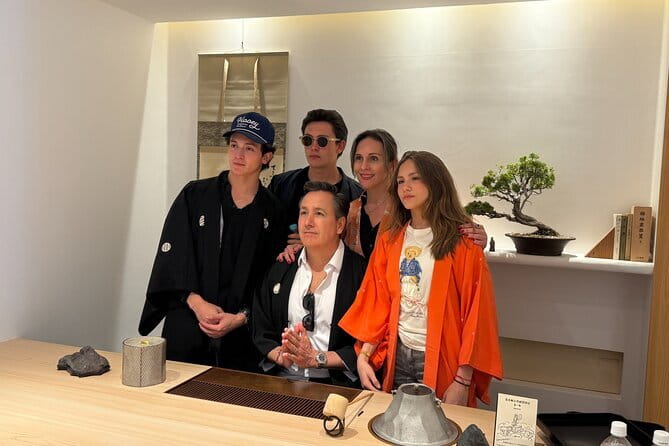
This point deserves careful attention. The experience ends back at the Nishiki Orizuruya meeting point, but some bookings allow you to continue wearing the kimono around the nearby area until the venue closes at 6 p.m.
That gives you time to take photographs near Nishiki Market and explore the small shops and streets close by. It also makes the price easier to justify, since the kimono becomes more than a costume worn for a few minutes indoors.
You must return by the stated closing time. The exact amount of outdoor time can depend on your appointment, so confirm the return instructions when you arrive. Remember that a kimono is fitted and restrictive compared with ordinary clothing. Keep your walk nearby and avoid treating it like a full-day rental unless your staff specifically permits that.
Location near Nishiki Market
The meeting point is Kyoto Orizuruya at 452 Jūmonjichō, Nakagyo Ward, Kyoto 604-8121. It is near public transportation and close to Nishiki Market, making it easy to combine with food stalls, shopping streets, and central Kyoto sightseeing.
No hotel pickup or transportation is included. You are responsible for reaching the venue and returning to your accommodation. Build in extra time, since arriving late could shorten the dressing portion, which is one of the most time-sensitive parts of the visit.
The return to the same location is convenient. You do not need to arrange a second meeting point after the ceremony, and you can plan the activity around other central Kyoto stops.
Group size, timing, and comfort
The maximum group size is 10 people. That is small enough for staff to help with clothing and matcha, but it is not a private ceremony. The room may include people at different levels of interest, from those focused on photographs to those eager to learn about tea customs.
The full activity lasts about 90 minutes. Allow extra time if you plan to walk around in the kimono afterward or add calligraphy.
Sitting on the floor can be part of the tea ceremony, but an older participant with bad knees was accommodated with a small table and chair. If you have mobility concerns, tell the staff when you arrive so they can arrange a suitable seat.
The fitted clothing may also feel snug. That is normal for kimono dressing, but you should mention any comfort needs before the staff finish tying the obi.
Is $50.87 good value?
At $50.87 per person, the price covers several separate services: kimono rental, dressing, simple hairstyling for women, utensils, matcha, wagashi, guide services, and taxes. The value is strongest if you want the full visual and cultural package.
A basic tea demonstration alone might cost less, but it would not include the clothing, hair arrangement, photos, or the chance to walk nearby in the kimono. A kimono rental alone may also leave you without help understanding the tea ceremony.
The trade-off is depth. Part of your fee pays for the dressing experience and presentation, not only instruction in tea. If you want a quiet, highly formal ceremony with extended discussion of Zen, aesthetics, or tea schools, this may not satisfy you.
For a first visit to Kyoto, I think the price is reasonable for an activity that combines several elements in one stop. It is especially good value for couples, families, and anyone who wants photographs plus a simple cultural lesson without committing half a day.
Who will enjoy this most?
I would recommend this to you if you:
- Want to wear a real kimono with help from staff
- Enjoy photographs and hands-on cultural activities
- Prefer a short activity that fits into a busy Kyoto itinerary
- Are curious about matcha but have never prepared it
- Want a central location near Nishiki Market
- Like the idea of adding calligraphy to your day
It is also a welcoming choice for plus-size customers and for people who need a chair during the tea ceremony.
You may want another type of tea experience if your priority is detailed study. The central ceremony is relatively brief, and the instructor may not answer every advanced question in depth. The setting is polished and visitor-friendly, which some people will find comfortable and others may find too commercial.
Booking details and practical advice
Confirmation arrives at booking. To enter, open the website link in the voucher on your smartphone, press the Use button, and show the live page to staff.
Screenshots and printed tickets are not accepted. Make sure your phone can connect to the internet, since you must open the voucher page at the venue.
Date and time changes require you to cancel the original booking and make a new one. Free cancellation is available up to 24 hours before the start time for a full refund. Changes or cancellations made within 24 hours are not accepted or refunded.
The activity requires good weather. If poor weather causes cancellation, you will be offered another date or a full refund. Since the outdoor kimono time is an optional benefit rather than the core ceremony, the weather policy matters most if you have planned photographs or a walk afterward.
Should you book Kyoto Orizuruya?
Book this experience if you want a friendly, well-organized introduction to kimono dressing, matcha, and Japanese tea customs in one central Kyoto visit. The wide clothing selection, careful hairstyling, small group, and optional outdoor time give it broad appeal.
Think twice if you want a formal tea study session above all else. You will watch the main ceremony and prepare your own matcha, but the clothing and photo experience share the spotlight.
For most first-time visitors, I would book it as a pleasant morning or afternoon near Nishiki Market. Add calligraphy if you want a keepsake with more character than a standard photograph, and arrive with an open schedule so you can enjoy the dressing process instead of rushing through it.
FAQ
How long does the tea ceremony experience last?
The activity lasts approximately 1 hour and 30 minutes.
Where does the experience begin?
It begins at Nishiki Orizuruya, 452 Jūmonjichō, Nakagyo Ward, Kyoto, 604-8121, Japan.
Where does the experience end?
The activity ends back at the same meeting point.
How many people can join the group?
The maximum group size is 10 people.
Is transportation included?
No. Transportation, hotel pickup, and hotel drop-off are not included. You are responsible for reaching the meeting point.
Are kimono and hairstyling included?
Yes. A kimono costume is included, and women receive simple hairstyling. Hair ornaments are also available as part of the dressing experience.
Do I prepare my own matcha?
Yes. The instructor shows you how to prepare matcha with a traditional bamboo whisk, and you make your own bowl.
Are food and drinks included?
Yes. Matcha and wagashi, a Japanese sweet, are included.
Is calligraphy included?
Calligraphy is an optional addition rather than part of the listed standard inclusions. The available details do not state its additional price.
Can I cancel for a full refund?
Yes, if you cancel at least 24 hours before the experience start time. Cancellations or changes made less than 24 hours in advance are not accepted or refunded.
More Tea Ceremony Experiences in Kyoto
- Kyoto: Tea Ceremony in a Traditional Tea House in Kiyomizu
★ 4.9 · 3,519 reviews - Kyoto: Tea Ceremony Ju-An at Jotokuji Temple
★ 4.9 · 3,207 reviews - Kyoto: 45-Minute Tea Ceremony Lesson Experience
★ 4.3 · 2,378 reviews - Kyoto: Table-Style Tea Ceremony at a Kyo-Machiya
★ 4.9 · 1,211 reviews
Just added around Kyoto
- Private Guided Traditional Buddhist Cooking in Japan★ 5.0 · 16 reviews
- Kyoto: Gion Geisha District & Sake-in-Hand Walking Tour★ 5.0 · 37 reviews
- Your Private Vacation Photography Session In Kyoto★ 5.0 · 110 reviews
- Kyoto: Zen Meditation at a Private Temple with a Monk★ 5.0 · 25 reviews
- Traditional Japanese Washi Papermaking- Kyoto morning★ 5.0 · 77 reviews
- Kyoto Wagashi(Japanese sweets) Cooking Class near Fushimiinari★ 5.0 · 60 reviews
- Private Pewter Sake Cup Experience with a Kyoto Artisan★ 5.0 · 31 reviews
- Kyoto Private 6 hour Tour: English Speaking Driver Only, No Guide★ 5.0 · 88 reviews
Tea Ceremony Experiences, compared.

Tea Ceremony in a Traditional Tea House in Kiyomizu
Read our review →

World Heritage Kyoto & Nara Uji Authentic Matcha Experience
Read our review →