
REVIEW · KIMONO & CULTURE EXPERIENCES
Kendo and samurai experience in Kyoto
The most memorable part of this Kyoto experience is the shift from watching samurai dramas to learning the small, exact movements behind swordsmanship. At studio NIN near Shugakuin Imperial Villa, you handle bamboo and foam practice swords, learn posture and etiquette, and work with blunt replica blades under an instructor’s eye.
I like the private-class feel, especially for families or small groups, and I like the calm setting away from central Kyoto. Instructors including Taka, Kengo, and Hayato are praised for patient teaching, good English, and taking photos and videos. The main catch is important: tatami mat cutting may no longer be offered, despite older descriptions and some past sessions showing it.
In This Review
- Key points at a glance
- Why this two-hour class feels different from a museum visit
- Finding studio NIN near Shugakuin Imperial Villa
- The opening lesson: customs, equipment, and safe handling
- Kendo practice with Taka, Kengo, or Hayato
- Katana handling and the tatami-cutting question
- Photos, costumes, and the balance between theater and training
- Is $105.68 a fair price?
- Who will enjoy this Kyoto experience most?
- Booking advice, timing, and cancellation
- Should you book this kendo class?
- FAQ
- Where does the kendo and samurai experience take place?
- How long does the activity last?
- Does the activity begin and end at the same place?
- Do I need martial arts experience?
- What equipment will I use?
- Will I wear samurai or kendo clothing?
- Is tatami mat cutting included?
- Can I cancel for a full refund?
Key points at a glance
- Hands-on sword training: Learn stance, grip, drawing and returning a sword, and basic cutting movements.
- Small-group attention: A booking can feel like a private class, though the activity allows up to 15 people.
- Several training tools: Practice with bamboo swords, foam swords, and blunt replica blades.
- Traditional clothing and photos: Depending on the session, you may wear samurai or kendo gear for staged pictures.
- Outskirts location: The studio is near Shugakuin, a quieter part of Kyoto that takes more effort to reach.
- Check the cutting portion: Tatami cutting appeared in some earlier sessions, but a legal change may prevent it now.
Why this two-hour class feels different from a museum visit
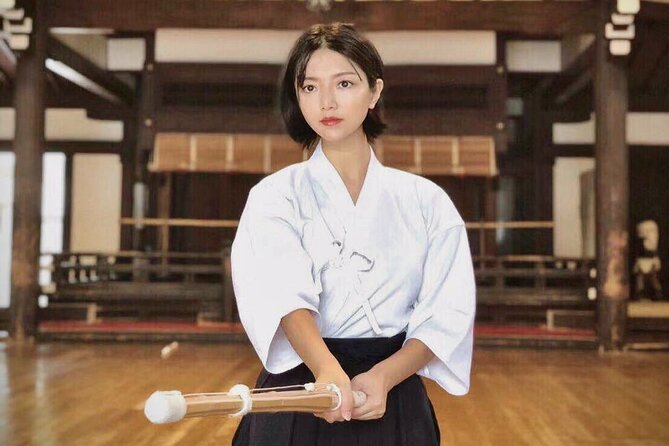
Kyoto gives you no shortage of castles, temples, gardens, and old streets. Those places explain Japan’s past from a distance. This class gives you a physical task: stand correctly, hold a sword safely, and repeat a movement until it becomes more controlled.
That difference matters. Kendo is not simply theatrical sword swinging. You learn discipline, timing, posture, and restraint. The instructor explains the movements and the customs behind them, then lets you try them with training equipment suited to beginners.
You do not need martial arts experience. The class is designed for first-timers, and the teaching style is described as light, patient, and encouraging. I would still treat it as a real physical activity rather than a quick photo stop. You will be standing, moving, changing equipment, and practicing sword motions for much of the session.
The experience is listed at about two hours. That sounds generous, but some of that time can go toward changing, explanations, photographs, and conversation. If you want constant technical practice, the pace may feel slow. If you want cultural context and a relaxed introduction, that slower rhythm works well.
More Kimono & Culture Experiences in Kyoto
- Kyoto Geisha Walking Tour: Gion District & Hidden Gems
★ 4.7 · 3,273 reviews - Kyoto: Gion Magical Night Walking Tour with Geisha Trivia
★ 4.9 · 2,393 reviews - Kyoto: Gion Geisha District Walking Tour – Stories of Geisha
★ 4.7 · 2,187 reviews
Finding studio NIN near Shugakuin Imperial Villa
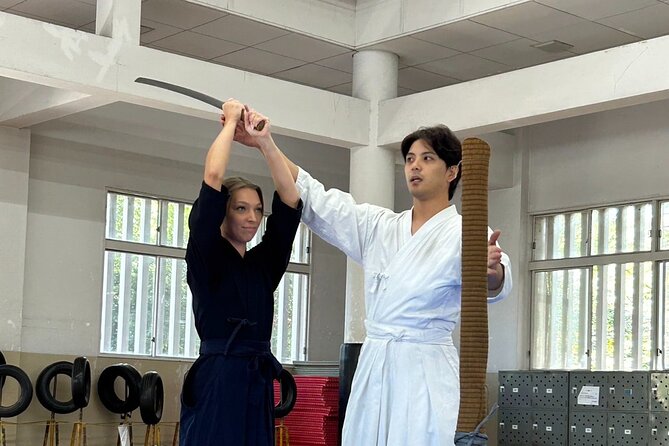
The meeting point is studio NIN, at 16 Shugakuin Daidōchō in Sakyo Ward, Kyoto, postal code 606-8037. The activity begins and ends there, rather than including transport between several Kyoto sights.
This is near Shugakuin Imperial Villa, on the eastern side of Kyoto and away from the city’s most crowded sightseeing zones. That location is part of the appeal. You get a break from the packed central streets and arrive in a quieter area with a more local feel.
It is also the clearest practical drawback. The studio can be hard to find, especially if you are relying on people in the street for directions. One participant arrived late after getting lost and had trouble finding anyone nearby to ask. I would plan the route before leaving, allow extra time, and keep the studio address available on your phone.
The experience is near public transportation, but the supplied details do not specify the best station, train line, or walking time. Use the meeting-point address rather than assuming Shugakuin Imperial Villa itself is the entrance. The class ends back at the studio, so you can plan the rest of your day from the same area.
The opening lesson: customs, equipment, and safe handling
The instructor begins with the basics of samurai culture and kendo. You learn names, origins, rules, traditions, and the difference between sport-style kendo practice and katana handling.
That explanation gives the activity more weight than a simple costume session. You are not only posing with a sword. You are learning why the body is positioned in a certain way and why careful handling matters.
Training tools can include bamboo practice swords, foam swords, and blunt replica blades. This variety is useful for a beginner because it lets you learn the movement without starting with a sharp weapon. The instructor controls the pace and corrects your form.
You may learn how to hold the sword, draw it, return it to its scabbard, and set your feet. Proper posture and an efficient swing receive more attention than brute strength. That point came through strongly in the feedback: the appeal lies in technique, not in trying to overpower the target.
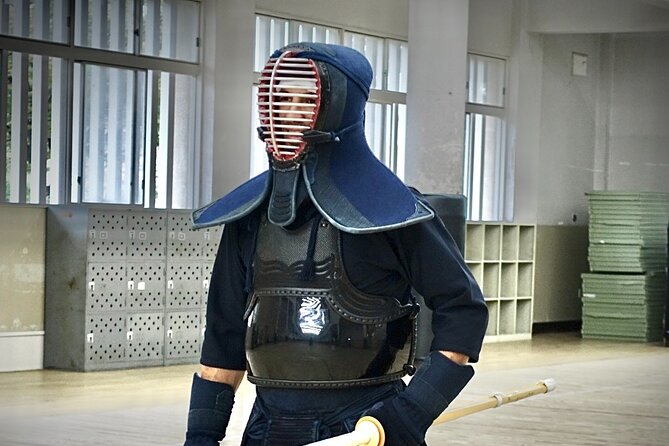
You might also receive traditional training clothing or samurai attire. The exact clothing experience appears to vary. Some sessions included kendo armor or samurai dress, while one unhappy participant reported receiving only a limited chance to wear the full uniform. I would treat the clothing as part of the possible experience, but confirm what is included if dressing up is your main reason for booking.
Kendo practice with Taka, Kengo, or Hayato
The instructor is the heart of this activity. Names connected with the Kyoto sessions include Taka, Kengo, and Hayato. The strongest feedback centers on their patience, humor, personal attention, and ability to explain the movements in English.
Taka is described as an excellent teacher who helped a group of five enjoy both katana practice and kendo. Kengo is praised for his encouragement, photos, and clear enthusiasm for the art. Hayato is associated with a session that covered traditions, equipment, and authentic cutting practice at the time it was available.
English ability may vary by instructor and session. Some people found communication easy, while another found the explanations more laborious and recommended having Google Translate ready. That is not a deal breaker, since the movements can be demonstrated, but it is worth knowing if you want a detailed discussion of martial arts theory.
The class may include basic sparring or a playful practice exchange, but this should not be treated as guaranteed. The information confirms kendo instruction and training tools, while individual sessions can differ based on group size, timing, and instructor.
A private booking has a real advantage here. You can ask questions, repeat a movement, and take photos without feeling rushed by a large crowd. The activity allows up to 15 participants, but a five-person booking once became an almost private session because no other people joined that time slot. Do not assume that will happen every day, but a small group is clearly possible.
Same city, a completely different kind of day:
- PERFECT KYOTO 1-Day Bus Tour
★ 5.0 · 13,518 reviews - Kyoto: Fushimi Inari, Kinkakuji, Bamboo Grove 1 Day Bus Tour
★ 4.8 · 4,316 reviews - Kyoto: Tea Ceremony in a Traditional Tea House in Kiyomizu
★ 4.9 · 3,519 reviews - Kyoto: Tea Ceremony Ju-An at Jotokuji Temple
★ 4.9 · 3,207 reviews
Katana handling and the tatami-cutting question
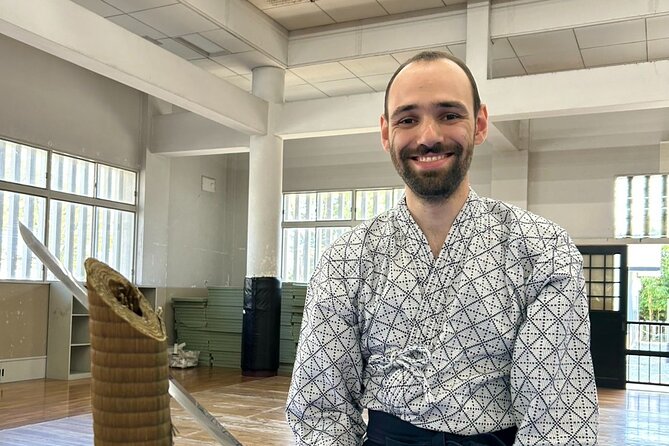
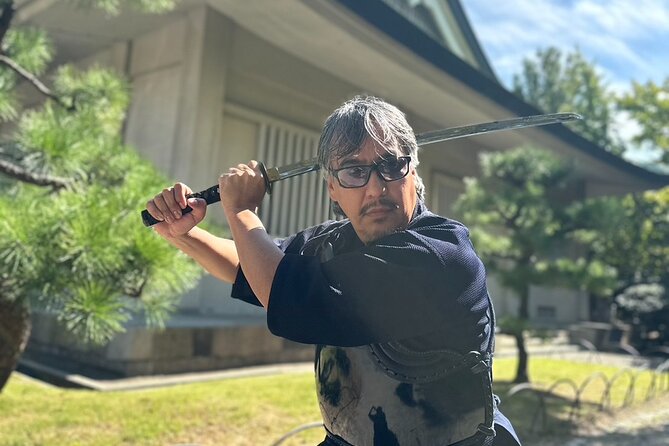
The sword-handling portion is likely to be the most exciting part for many people. You learn how to hold and move a katana safely, then practice cutting technique with guidance. The instructor may help you stage sword scenes and take photographs or videos.
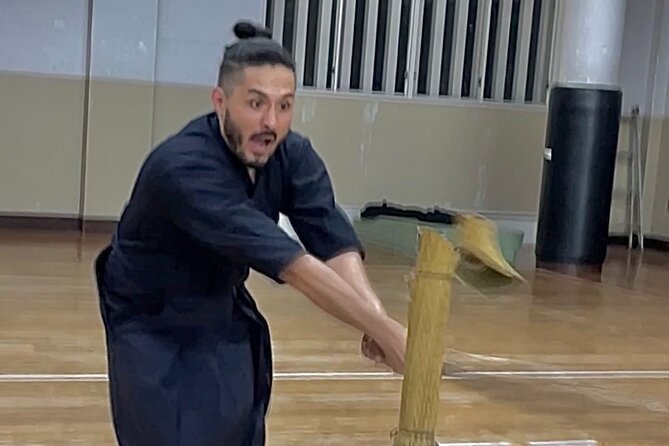
Here you need to separate the current promise from older expectations. Tatami mat cutting, known as tameshigiri, appeared in some earlier sessions and was the highlight for several people. Yet multiple accounts also point out that the activity no longer includes it because of a change in Japanese law.
That change is especially important because the listed description refers to slicing a tatami mat. Do not book this class solely for that promise. Ask Atelier NIN directly before paying if cutting is essential to you, and understand that current availability may differ from past sessions.
Even without tatami cutting, the katana practice can still be worthwhile. You learn the mechanics of a controlled stroke and the etiquette of handling a sword. The value is in the instruction, not just in getting a dramatic photograph.
If you see older photographs showing a successful cut, treat them as evidence of what was once possible, not as a guarantee for your date. This is the single biggest point to clarify before booking.
Photos, costumes, and the balance between theater and training
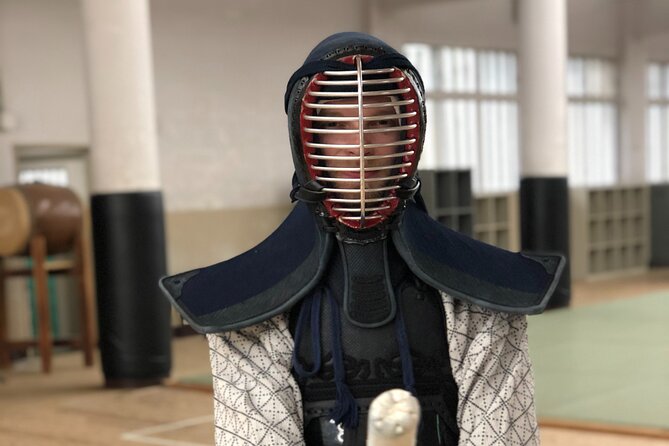
Photos are built into the experience. The instructor can help with pictures and videos, and staged sword scenes give you a souvenir that a standard Kyoto sightseeing stop cannot provide.
I see this as a strength for families, couples, and small groups. You get an activity everyone can understand, and the photos help preserve the details of the clothing and posture. It is also a good choice for anyone who wants a cultural activity with a clear visual result.
But photos take time. One person felt the two-hour session devoted too much time to getting dressed, small talk, and taking pictures, leaving less time for sword practice. If you want a serious technical lesson, say so early and ask the instructor to prioritize practice.
The class works best when you accept both sides of it. It is part beginner martial arts lesson, part cultural demonstration, and part staged photo session. It is not a full course in kendo, and two hours cannot provide that.
The setting may also influence your expectations. The dojo is described in some feedback as a private home and, by one unhappy participant, as small and somewhat worn. Others enjoyed the peaceful old-dojo atmosphere. I would not expect a grand museum or polished performance venue. Expect a modest training space where the personal instruction matters more than the room.
Is $105.68 a fair price?
At $105.68 per person, this is not a cheap add-on activity. The price makes the most sense when you value direct instruction, a small group, traditional equipment, and time with an English-speaking teacher.
For a group of four or five, the experience can feel more worthwhile because you share the setting with people you know and have a good chance of receiving close attention. A large group could still work, but the personal nature of the lesson may feel less special if all 15 places are filled.
The price is harder to justify if your main goal is simply to put on armor for a photograph. Kyoto has many cultural activities, and this one asks you to travel to the Shugakuin area and spend two hours on a focused lesson.
The price also needs to be judged against the tatami-cutting change. If you are paying mainly for tameshigiri, confirm the current format first. If you want a guided introduction to kendo, sword etiquette, and samurai customs, the fee is easier to defend.
A 4.7 rating from 47 responses and a 94 percent recommendation rate suggest that the format works well for most people. Still, the lower scores point to three real risks: unclear expectations about clothing, the missing tatami cut, and the possibility that the venue feels basic. Those are manageable if you know about them in advance.
Who will enjoy this Kyoto experience most?
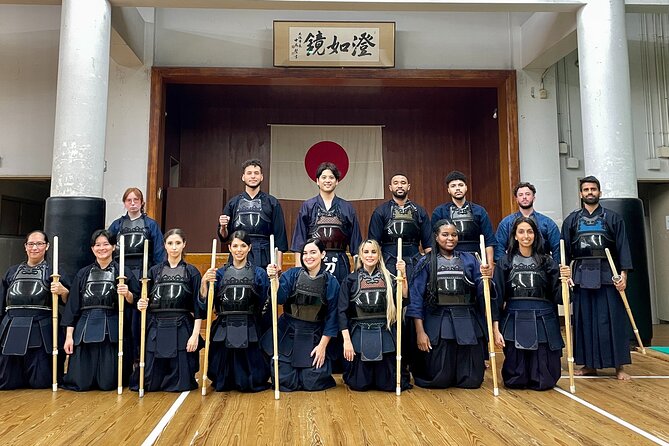
I would recommend it most strongly to:
- First-time visitors who want a hands-on cultural activity
- Families with older children who can follow safety instructions
- Couples or small groups looking for shared photos and a private-feeling lesson
- Fans of samurai films, anime, or Japanese martial arts
- People who prefer a quiet eastern Kyoto setting to another crowded central attraction
It may be less suitable for someone seeking advanced kendo training. The lesson covers basics, and the two-hour format is aimed at newcomers.
It may also disappoint you if you expect a large historic dojo, a full theatrical show, or guaranteed tatami cutting. The experience is practical and personal, but the setting can be modest and the exact balance of training, dressing, and photography may vary.
Service animals are allowed, and most people can participate. The activity has a maximum of 15 people. No special martial arts background is required.
Booking advice, timing, and cancellation
The mobile ticket makes entry simple once you reach the address. Confirmation is provided when you book, and the class requires a minimum number of participants. If that minimum is not met, you will be offered another date or experience, or receive a full refund.
Free cancellation is available up to 24 hours before the local start time. Canceling or changing the booking less than 24 hours ahead does not qualify for a refund, so check the Kyoto time carefully if you are booking from abroad.
I would contact the provider before booking with three direct questions:
- Is tatami cutting available on my date?
- What clothing will I actually wear?
- How much of the two hours is devoted to sword practice?
Those answers will tell you if the current format matches what you want.
Should you book this kendo class?
Yes, if you want a friendly, hands-on introduction to samurai culture and are happy with a modest studio, basic instruction, and a mix of practice and photos. The patient teaching, small-group attention, and chance to learn real kendo movements give this activity more substance than a costume-only photo stop.
Book with caution if tatami cutting is your main goal. That part may no longer be legal or available, and older photographs can create the wrong expectation.
For most people, I would treat the class as a memorable cultural lesson near Shugakuin, not as a guaranteed sword-cutting spectacle. Plan your route carefully, confirm the current inclusions, and you will have a much clearer idea of what your $105.68 is buying.
FAQ
Where does the kendo and samurai experience take place?
It takes place at studio NIN, 16 Shugakuin Daidōchō, Sakyo Ward, Kyoto, 606-8037, Japan, near Shugakuin Imperial Villa.
How long does the activity last?
The experience lasts approximately two hours.
Does the activity begin and end at the same place?
Yes. The activity ends back at the meeting point at studio NIN.
Do I need martial arts experience?
No. The class is designed for beginners, and no martial arts experience is required.
What equipment will I use?
You may use bamboo practice swords, foam swords, and blunt replica blades while learning basic sword-handling techniques.
Will I wear samurai or kendo clothing?
Traditional training gear or samurai attire may be included, but the exact clothing experience can vary. Confirm the details with the provider if this is important to you.
Is tatami mat cutting included?
Do not assume it is included. Tatami cutting was offered in some earlier sessions, but a legal change in Japan may mean it is no longer available. Confirm before booking.
Can I cancel for a full refund?
Yes, if you cancel at least 24 hours before the experience’s local start time. Cancellations or changes made less than 24 hours ahead are not refunded.
Just added around Kyoto
- Private Guided Traditional Buddhist Cooking in Japan★ 5.0 · 16 reviews
- Kyoto: Gion Geisha District & Sake-in-Hand Walking Tour★ 5.0 · 37 reviews
- Your Private Vacation Photography Session In Kyoto★ 5.0 · 110 reviews
- Kyoto: Zen Meditation at a Private Temple with a Monk★ 5.0 · 25 reviews
- Traditional Japanese Washi Papermaking- Kyoto morning★ 5.0 · 77 reviews
- Kyoto Wagashi(Japanese sweets) Cooking Class near Fushimiinari★ 5.0 · 60 reviews
- Private Pewter Sake Cup Experience with a Kyoto Artisan★ 5.0 · 31 reviews
- Kyoto Private 6 hour Tour: English Speaking Driver Only, No Guide★ 5.0 · 88 reviews
Kimono & Culture Experiences, compared.

Kyoto Geisha Walking Tour: Gion District & Hidden Gems
Read our review →
Gion Magical Night Walking Tour with Geisha Trivia
Read our review →
Gion Geisha District Walking Tour – Stories of Geisha
Read our review →
Best of Kyoto: Gion, Geisha, Pagodas & Cobblestones
Read our review →

Kyoto Gion Geisha District Walking Tour – The Stories of Geisha
Read our review →
Browse the lists this tour appears in