
REVIEW · WALKING TOURS
Hiroshima: Peace Walking Tour of World Heritage Sites
Hiroshima is not a place to rush through. This five-hour walking tour gives the city’s most important peace sites a human voice, pairing the sobering Peace Memorial Museum with local stories, a quiet shrine visit, and the hopeful ritual of folding a paper crane. Guides such as Yuki, Yuji, Yasue, and Etsko have helped turn a difficult subject into a thoughtful day of learning.
I like the way the tour connects the Atomic Bomb Dome to the wider city, rather than treating it as an isolated photo stop. I also like the balance between the museum’s hard evidence and Orizuru Tower’s open views, origami activity, and included okonomiyaki lunch. The main drawback is emotional: the museum can be crowded and upsetting, and some people may need more time there than the schedule allows.
In This Review
- Key points to know before booking
- Why this Hiroshima tour works so well
- Starting at Montbell and Shirakami-sha Shrine
- Inside the Peace Memorial Museum
- Walking through Peace Memorial Park
- Seeing the Atomic Bomb Dome up close
- Orizuru Tower and the paper-crane activity
- Hiroshima-style lunch and local conversation
- The guides make the difference
- Is $92 good value?
- Who should book this experience?
- Should you book the Hiroshima Peace Walking Tour?
- FAQ
- How long does the Hiroshima Peace Walking Tour last?
- Where does the tour meet?
- How will I find the guide?
- Is the Peace Memorial Museum entry included?
- Is Orizuru Tower included?
- Is lunch included?
- Can people with dietary restrictions join?
- What happens if I arrive late?
Key points to know before booking
- Personal local guidance: Guides including Yasue, Yuji, Yuki, Etsko, and Fumiko bring local knowledge, personal stories, and a sensitive approach to Hiroshima’s past.
- The museum is the emotional center: You will see difficult exhibits and artifacts, so plan for a serious, sometimes overwhelming visit.
- Orizuru Tower changes the mood: Make a paper crane, enjoy a broad city view, and take part in a simple peace activity.
- Lunch is included: The meal commonly features Hiroshima’s famous okonomiyaki, though choice and dietary flexibility are limited.
- Small-group feel: Private and small-group options are available, making it easier to ask questions and move at a considerate pace.
- Punctuality matters: Arrive at least 10 minutes early. More than 15 minutes late means you cannot join, and there is no refund or rescheduling.
Why this Hiroshima tour works so well
Hiroshima’s Peace Memorial area is easy to reach and easy to walk around, but the meaning of each place is not always obvious at first glance. A guide helps connect the museum objects, surviving trees, memorials, streets, and rebuilt city into one story.
That connection is the real value here. You are not simply checking off the Peace Memorial Museum and Atomic Bomb Dome. You are learning how Hiroshima remembers the bombing, how residents rebuilt their city, and why peace remains part of Hiroshima’s public identity.
The tour is conducted in English and lasts 270 minutes, or about four and a half hours, though the description also presents it as a five-hour experience. You should allow a generous half day. The pace includes walking, museum time, an observatory visit, lunch, and stops along the way, so the schedule can feel full.
More Walking Tours in Hiroshima
- Hiroshima Historical Walking Tour – Why A-Bomb was Dropped
★ 4.8 · 893 reviews - Hiroshima Peace (Heiwa) Walking Tour at World Heritage Sites
★ 5.0 · 872 reviews - Hiroshima City 4hr Private Walking Tour with Licensed Guide
★ 5.0 · 437 reviews
Starting at Montbell and Shirakami-sha Shrine
The meeting point is in front of the Montbell store near Kamiya-cho-nishi Station. It is about a one-minute walk from the station. Look for a guide holding an orange sign marked Magical Trip Tour.
Arrive early. The meeting time is 10 minutes before departure, and the late-arrival rule is strict. If you arrive more than 15 minutes after the meeting time, you cannot join the tour, receive a refund, or move to another date.
The first listed stop is Shirakami-sha Shrine, with about 25 minutes for a visit. This gives you a small but useful cultural introduction before the main peace sites. Your guide can show you the proper way to enter and behave at the shrine, as Kippei did for one participant, including the basic protocol for receiving a blessing.
This stop also reminds you that Hiroshima is not only a city defined by August 1945. It has older religious customs and everyday traditions that continue alongside its peace memorials. The visit is short, so do not expect a full shrine tour. Its value is in setting the cultural context and giving you an early chance to speak with your guide.
Inside the Peace Memorial Museum
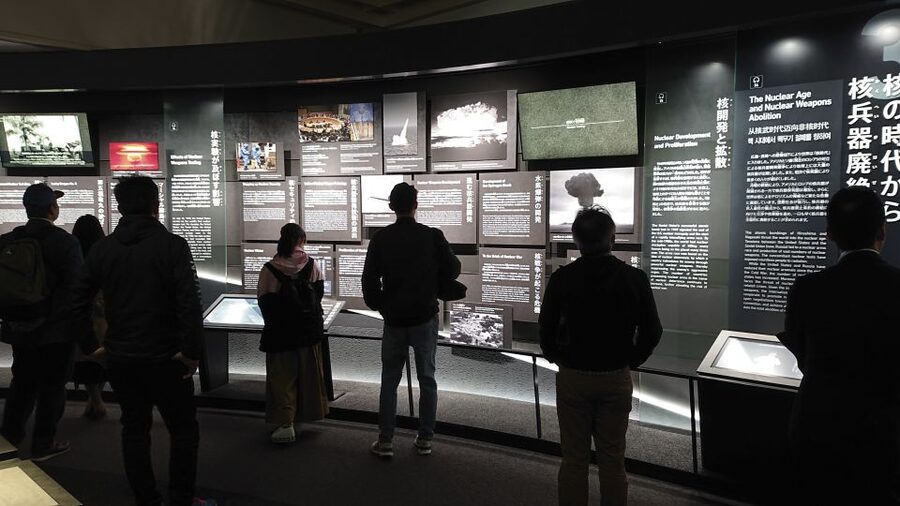
The Hiroshima Peace Memorial Museum is the tour’s most difficult stop. You spend about an hour inside with a guide, examining the human cost of the atomic bombing and the ways people coped afterward.
The displays can be emotionally heavy. Artifacts and personal stories make the event feel immediate, and you may want to pause rather than move quickly from room to room. The experience is not designed as light sightseeing, so I would avoid scheduling a demanding activity immediately afterward.
A guide is especially useful here because the museum contains more information than most people can absorb in one visit. Your guide can explain what you are seeing, answer questions, and provide context without turning the visit into a lecture. Several guides are praised for handling emotional moments with care. Etsko, for example, helped one participant through a difficult visit and reminded them that Hiroshima welcomes sincere reflection.
The museum can be extremely crowded. That is the clearest practical weakness of this experience. Even with a guide, you may need to move through some sections faster than you would alone. If you want to study every display at length, consider returning independently after the tour. One guide, Naoya, even helped arrange a free return to the museum for a participant who wanted to see more.
The museum presents a serious subject, but the tour does not end in despair. Your guide will help you understand the city’s message of peace and the effort to rebuild. That shift matters. You leave with more than a list of wartime facts.
Walking through Peace Memorial Park
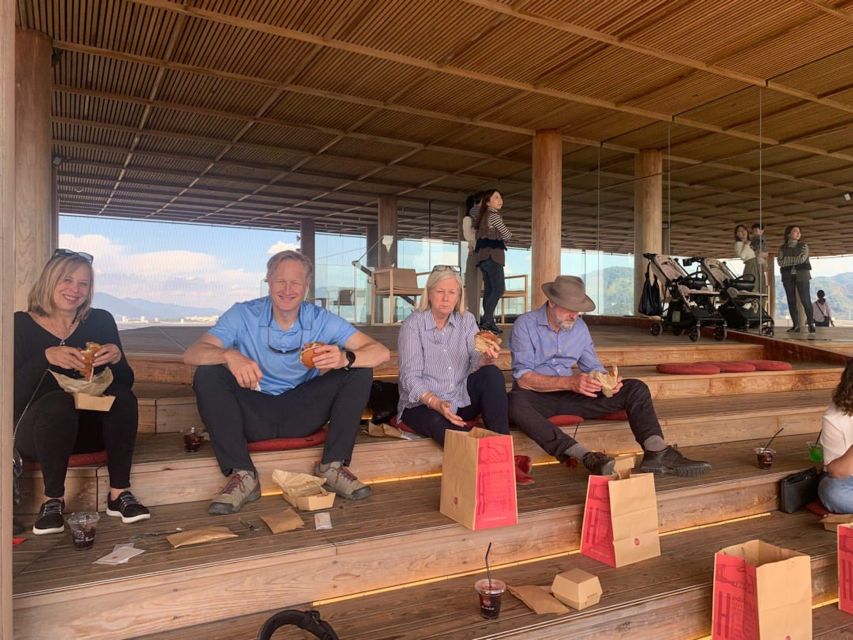
After or around the museum visit, the route continues through Hiroshima Peace Memorial Park. This is where the information inside the museum connects with the physical city.
The park contains many memorials and places linked to the bombing. Some are famous, while others are easy to overlook if you are walking alone. Guides point out significant locations and explain the stories attached to them, helping you understand why the park is arranged as it is.
The walk also gives you time to breathe. After an hour indoors, the open space and river air can help you process what you have seen. Still, the subject remains present. This is not a casual stroll through a city park, and you should expect a reflective mood.
A guide can also help keep the discussion balanced. The experience focuses on the suffering caused by the atomic bomb, while also addressing Hiroshima’s recovery and its call for peace. Eri was praised for encouraging dialogue on a difficult subject, and several guides are described as willing to answer questions from different points of view.
Same city, a completely different kind of day:
- Peaceful Hiroshima & Miyajima UNESCO 1 Day Bus Tour
★ 5.0 · 5,309 reviews - Hiroshima: Hiroshima and Miyajima UNESCO Sites 1-Day Tour
★ 4.9 · 2,330 reviews - Hiroshima / Miyajima Full-day Private Tour with Government Licensed Guide
★ 5.0 · 1,298 reviews - Hiroshima in a Nutshell: Morning Bike Adventure
★ 5.0 · 524 reviews
Seeing the Atomic Bomb Dome up close
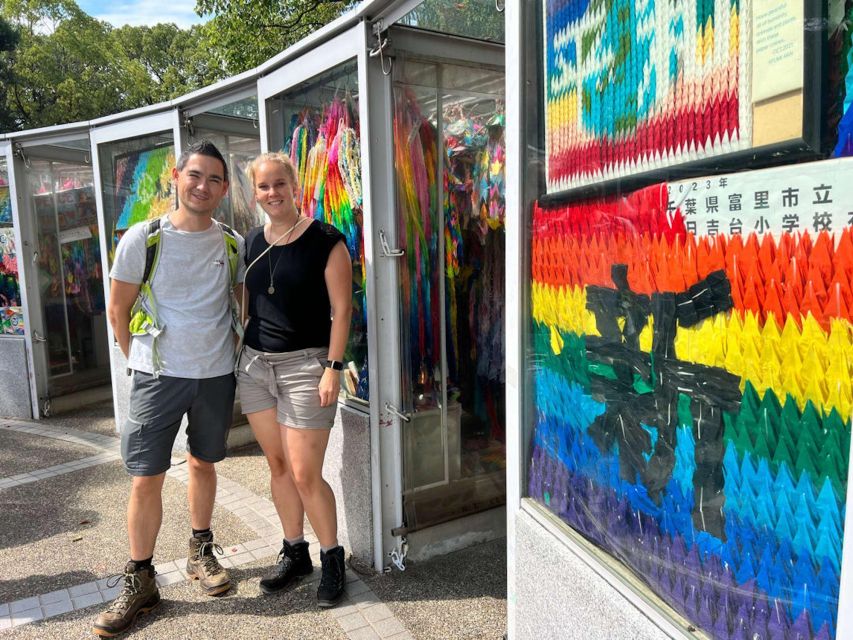
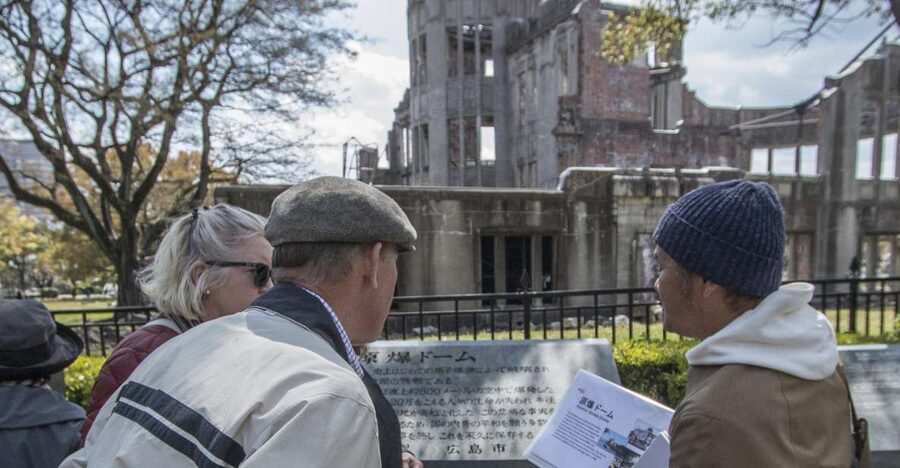
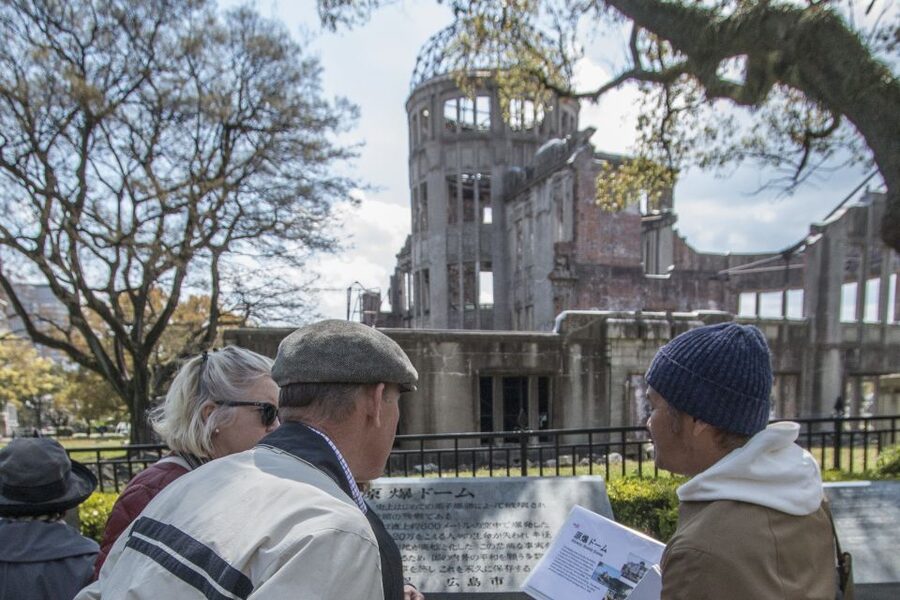
The Atomic Bomb Dome is the tour’s most recognizable stop and a UNESCO World Heritage Site. Its damaged structure remains beside the river, surrounded by a modern city that has grown up around it.
The power of the dome comes from the contrast. You see the preserved ruin, then look beyond it toward Hiroshima’s rebuilt streets and daily life. Your guide explains what happened at the site and how it fits into the larger story of the bombing and recovery.
This is a good place to slow down and look carefully. The dome is not simply an old building. Its presence raises difficult questions about memory, preservation, and how a city chooses to remember destruction without allowing destruction to define its future.
The stop is guided and listed as about an hour, but actual timing may vary based on the group and the museum schedule. You will want comfortable shoes because the experience links several sites on foot.
Orizuru Tower and the paper-crane activity
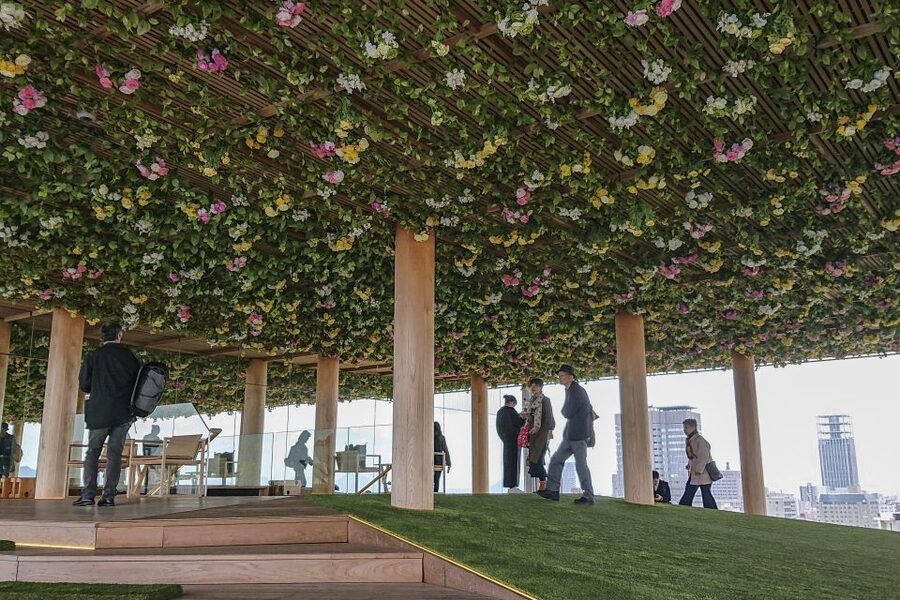
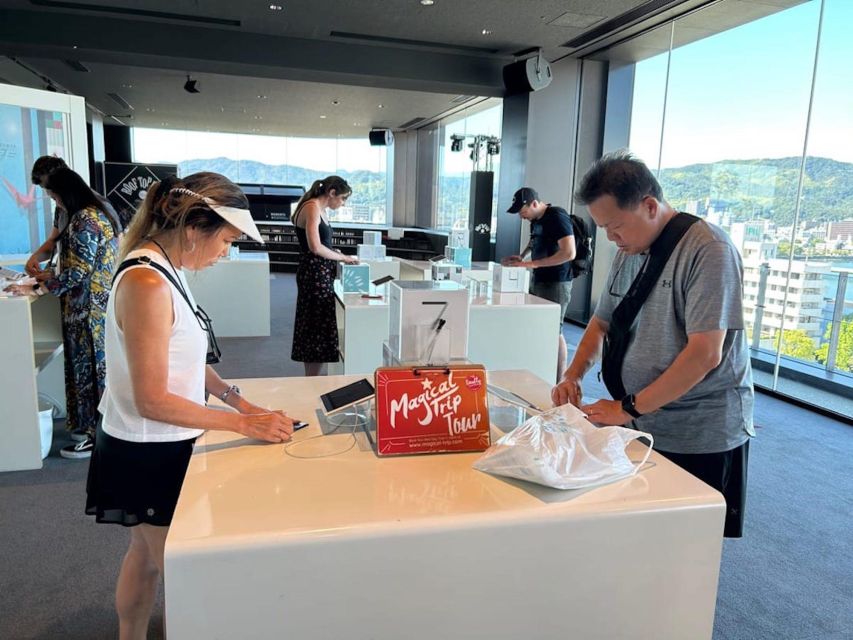
Orizuru Tower provides the tour’s most noticeable change of pace. You ride up to the observatory area for wide views across Hiroshima and a sense of the city’s present-day scale.
The paper crane, or orizuru, is a symbol of peace. Here you learn how to fold one and make a wish for peace. This is a simple activity, but it gives you something active to do after a morning of listening and looking.
The tower also offers a memorable visual moment. One participant described watching a paper crane spiral down to join millions of others in the building’s glass wall. That detail captures why the stop works: it turns a symbol you may have seen on souvenirs into something you make with your own hands.
The view can be especially welcome after the museum. From above, you see Hiroshima as a living, rebuilt city rather than only a site of destruction. The ticket also allows a return visit at sunset, according to the information provided, which adds value if your schedule permits.
The Orizuru Tower stop includes lunch and ends at Akushu Cafe inside the tower. The route description allocates about 1.5 hours here for lunch and the visit, though the listed stop order and timing may be adjusted by the guide.
Hiroshima-style lunch and local conversation
Lunch is included, and the meal commonly features Hiroshima’s well-known okonomiyaki. This layered savory pancake is one of the city’s signature foods, and having it as part of the tour makes the experience feel tied to place rather than built around generic sightseeing.
The meal also gives you a chance to talk with your guide in a less formal setting. Several guides use lunch to continue the conversation about Hiroshima today, local life, and the morning’s subject. That relaxed exchange can be one of the best parts of the tour because you can ask questions that may not arise while standing in front of a memorial.
The meal is not fully flexible. Vegetarian choices are limited because many Japanese restaurants are not set up for vegetarian menus. People with gluten intolerance should not book this activity, and allergy-free meals cannot be guaranteed because the food is prepared in kitchens not operated by MagicalTrip.
Tell the operator about dietary requests or allergies at least one day before the tour. Requests made on the day cannot be accommodated. Additional food and drinks are not included, though they can be purchased.
One useful point is that okonomiyaki may not come with a range of flavor choices. If you have already eaten it elsewhere, you might want to ask what variation is being served before booking, though the included lunch remains a convenient part of the package.
The guides make the difference
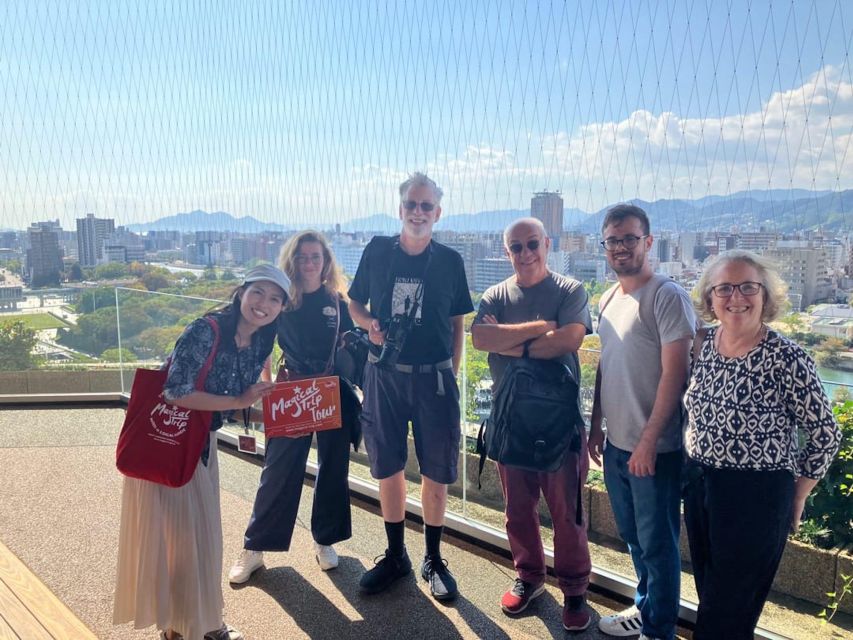
The route itself is worthwhile, but the guide shapes the experience. The strongest part of this tour is the human delivery of difficult material.
Yasue is praised for her heartfelt connection to Hiroshima and for making the importance of peace clear without losing professionalism. Yuji is noted for clear English, broad local knowledge, and a calm way of narrating the day. Yuki brings energy, personal stories, and a willingness to check answers with museum staff when needed.
Etsko is remembered for kindness during an emotional museum visit. Fumiko has been praised for taking group photographs and sending them afterward. Kippei added a personal touch at the shrine and Orizuru Tower. These details matter because they show the guide’s role is not limited to pointing out buildings.
The English level may vary from guide to guide. Most feedback describes communication as clear, but one participant noted that their guide’s English was not perfect while still finding the tour polite and well informed. You should be comfortable asking someone to repeat a point if needed.
Private and small-group options are available. A small group gives you more room to ask questions and makes it easier for the guide to notice when someone needs a pause. The exact group size depends on the booking option.
Is $92 good value?
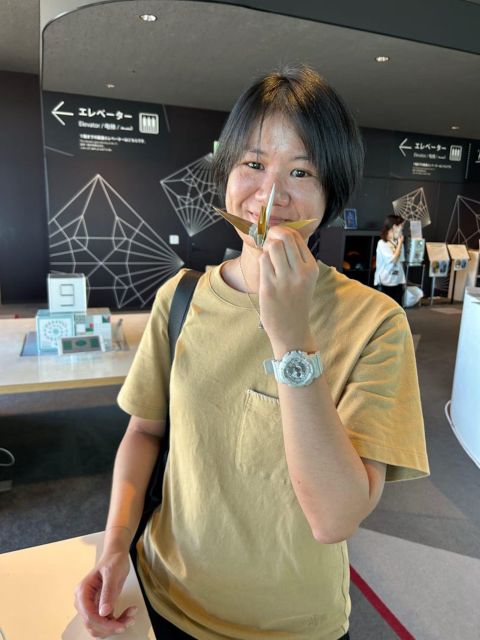
At $92 per person, the price is fair if you want a guided introduction to Hiroshima’s major peace sites in a single half day. The fee includes entry to the Peace Memorial Museum, entry to Orizuru Tower, lunch, a local English-speaking guide, and tour photos.
Buying those pieces separately may cost less in some circumstances, especially if you are happy to read signs and move at your own pace. But you would lose the personal explanations, shrine guidance, local perspective, and help linking the separate sites.
I see the best value for visitors with only one day in Hiroshima, families with teenagers, and anyone who wants help approaching the museum respectfully. One family with three teenage sons found the tour among the highlights of a 10-day Japan trip, which makes sense: the route gives young people a clear structure and includes an activity and meal to break up the serious material.
You pay more for guidance than for transportation. This is a walking tour, not a private car outing, so the value depends on how much you want interpretation and conversation.
Who should book this experience?
Book it if you want the main Hiroshima peace sites explained in context and prefer a local guide to wandering through the museum alone. It suits first-time visitors, people with limited time, families, and anyone interested in how Hiroshima moved from destruction toward reconstruction.
It is also a good choice if you want more than wartime history. The shrine, paper-crane activity, city view, lunch, and discussion of modern Hiroshima add cultural detail.
Think twice if you need a highly flexible diet, dislike emotionally difficult museums, or prefer spending several hours examining exhibits at your own pace. The museum may be crowded, and the schedule cannot promise unlimited time at every display.
Free cancellation is available up to 24 hours before the tour, and you can reserve now and pay later. Those policies help if your Japan plans are still shifting, but the punctuality rule remains firm on the day.
Should you book the Hiroshima Peace Walking Tour?
I would book this tour if you have a half day and want Hiroshima’s essential peace sites to feel connected rather than scattered. The museum and Atomic Bomb Dome carry the weight, while the shrine, Orizuru Tower, origami, and lunch give the experience room to breathe.
The best reason to choose it is the guide. A careful guide such as Yasue, Yuji, Yuki, Etsko, or Fumiko can add local insight and sensitivity that signs alone cannot provide. Just arrive early, wear comfortable shoes, prepare for an emotional museum visit, and notify the operator about food needs the day before.
FAQ
How long does the Hiroshima Peace Walking Tour last?
The activity is listed as 270 minutes, or about four and a half hours. It is also described as a five-hour tour, so you should reserve most of a half day.
Where does the tour meet?
Meet in front of the Montbell store near Kamiya-cho-nishi Station. The store is about a one-minute walk from the station.
How will I find the guide?
The guide will hold an orange sign marked Magical Trip Tour.
Is the Peace Memorial Museum entry included?
Yes. Entry to the Hiroshima Peace Memorial Museum is included, along with a guided visit.
Is Orizuru Tower included?
Yes. Admission to Orizuru Tower is included, as is the paper-crane activity and lunch there.
Is lunch included?
Yes. Lunch is included and commonly features Hiroshima-style okonomiyaki. Extra food and drinks are not included.
Can people with dietary restrictions join?
Vegetarian options are limited, and people with gluten intolerance should not take this tour. Tell the operator about allergies or dietary requests at least one day ahead, but allergy-free meals cannot be guaranteed.
What happens if I arrive late?
Arrive at least 10 minutes before the tour begins. If you arrive more than 15 minutes late from the meeting time, you cannot join, and no refund or rescheduling is offered.
More Historical Tours in Hiroshima
- Miyajima Half-day Trip Historical Walking Tour
★ 5.0 · 284 reviews - Hiroshima: History of Hiroshima Group Walking Tour
★ 4.8 · 266 reviews - Hiroshima: Miyajima Half-day Historical Walking Tour
★ 4.7 · 100 reviews - Hiroshima: History and Hidden Gems Tour
★ 4.9 · 81 reviews
Just added around Hiroshima
- The Journey of Hiroshima from Tragedy to Peace★ 4.8 · 44 reviews
- Miyajima: Private Rickshaw Tour to Itsukushima Shrine★ 4.9 · 45 reviews
- Hiroshima: Miyajima Half-day Historical Walking Tour★ 4.7 · 100 reviews
- Hiroshima/Miyajima Private Custom Tour with Local Guide★ 5.0 · 134 reviews
- Hiroshima:Guided Virtual Tour/PEACE PARK TOUR VR★ 5.0 · 29 reviews
- Hiroshima: Saijo Sake Tasting at 7 Breweries Guided Tour★ 4.8 · 29 reviews
- Hiroshima: Tour of Atomic Bomb Dome & Peace Memorial Museum★ 5.0 · 20 reviews
- Hiroshima: Private Walking Tour with a Local★ 4.6 · 70 reviews
Walking Tours, compared.
Kyoto Geisha Walking Tour: Gion District & Hidden Gems
Read our review →
Tokyo Tsukiji Fish Market Food and Culture Walking Tour
Read our review →
Gion Magical Night Walking Tour with Geisha Trivia
Read our review →
Imperial Palace and Shogun Historical Walking Tour
Read our review →
Gion Geisha District Walking Tour – Stories of Geisha
Read our review →
Asakusa Walking Tour with Sensoji Temple Visit
Read our review →
Kyoto Gion Geisha District Walking Tour – The Stories of Geisha
Read our review →Browse the lists this tour appears in