
REVIEW · MIYAJIMA ISLAND TOURS
Hiroshima: Hiroshima and Miyajima UNESCO Sites 1-Day Tour
Hiroshima and Miyajima make a powerful pair: one asks you to remember a terrible human event, while the other offers sea views, shrines, temple bells, and a warm plate of noodles. This one-day route handles both without making you figure out city buses, ferries, and museum timing on your own.
I like the careful handling of the Peace Memorial sites, and I like the way the day shifts from sobering history to the beauty of Miyajima. Guides including Marin, Rino, Tomo, Mo, and Momiji have been praised for clear English, humor, patience, and helpful sketches or photos. The main trade-off is time: you see the key sights, but Hiroshima city beyond the Peace Memorial area gets little attention, and Miyajima can feel crowded.
In This Review
- Key points to know before booking
- Why this Hiroshima day trip works
- Meeting at Hiroshima Station
- Atomic Bomb Dome: a brief, serious introduction
- Peace Memorial Park and the human cost
- Hiroshima Peace Memorial Museum: allow yourself the hour
- From difficult history to Miyajima by ferry
- Hiroshima-style okonomiyaki on Miyajima
- Itsukushima Shrine and the famous torii
- Daishoin Temple: a calmer island stop
- Omotesando Street and your final free time
- The guide can make or break the day
- Timing, comfort, and the station return
- Who should book this Hiroshima tour?
- Should you book it?
- FAQ
- How long does the Hiroshima and Miyajima tour last?
- Where does the tour meet?
- Is hotel pickup included?
- Is lunch included?
- Can I request vegetarian food?
- Are vegan, halal, or gluten-free meals available?
- What languages are available?
- Can I take a Shinkansen after the tour?
Key points to know before booking
- Two very different halves: The morning focuses on the atomic bombing and its victims, while the afternoon brings Itsukushima Shrine, Daishoin Temple, food, and island shops.
- A strong guide-led history visit: Guides such as Marin, Rino, Tomo, and Mo explain difficult subjects with care and answer questions in English.
- Transport is the real convenience: An air-conditioned coach, round-trip ferry, and organized timing remove much of the day’s logistical work.
- Okonomiyaki adds local flavor: Choose the lunch option for Hiroshima-style layers of cabbage, pork, noodles, and egg. Vegetarian servings require advance notice.
- You get useful free time: The museum, shrine, temple, and Omotesando Street each include time to look around at your own pace.
- Plan around practical limits: The tour is not suitable for wheelchair users, and you should allow plenty of time after the tour if catching a Shinkansen.
Why this Hiroshima day trip works
At $122 per person, this is not the cheapest way to move around Hiroshima and Miyajima. It is a fair price if you value structure, an English-speaking guide, admission fees, coach transport, and the ferry connection. Doing both UNESCO sites independently is possible, but you would need to coordinate local transport, ferry departure times, museum hours, and the walk between Miyajima’s main sights.
The coach is especially useful for a short visit. The route includes a 20-minute ride from Hiroshima Station, around 40 minutes toward the ferry, and a roughly 50-minute return ride. The bus has air conditioning, free Wi-Fi, and audio commentary in Spanish, French, Italian, German, Portuguese, and Ukrainian. English and Japanese are covered by the live guide.
The day is tightly planned, but the schedule does not try to fill every second with narration. You get guided explanations at major sites, then free time at the museum, shrine, temple, and shopping street. That balance matters. Hiroshima is not a place to rush through with a camera and a checklist.
More miyajima island tours in Hiroshima:
- Peaceful Hiroshima & Miyajima UNESCO 1 Day Bus Tour
★ 5.0 · 5,309 reviews - Hiroshima / Miyajima Full-day Private Tour with Government Licensed Guide
★ 5.0 · 1,298 reviews - From Hiroshima: Hiroshima & Miyajima 1 Day Tour with Lunch
★ 4.7 · 395 reviews
Meeting at Hiroshima Station
The meeting point is in front of the Shinkansen Ticket Gate on the second floor of Hiroshima Station’s North Gate, at 2-1185 Matsubarachō, Minami-ku. Look for a staff member holding a green and white flag.
This is a convenient start if you arrive by bullet train or stay near the station. It is not a hotel pickup tour, so you need to reach the station yourself. Arrive early enough to find the North Gate and the second-floor meeting area without stress.
The first bus ride lasts about 20 minutes. You pass Hiroshima Castle, but the castle is only viewed from the coach rather than visited. If Hiroshima Castle is a priority, plan a separate visit on another day.
Atomic Bomb Dome: a brief, serious introduction
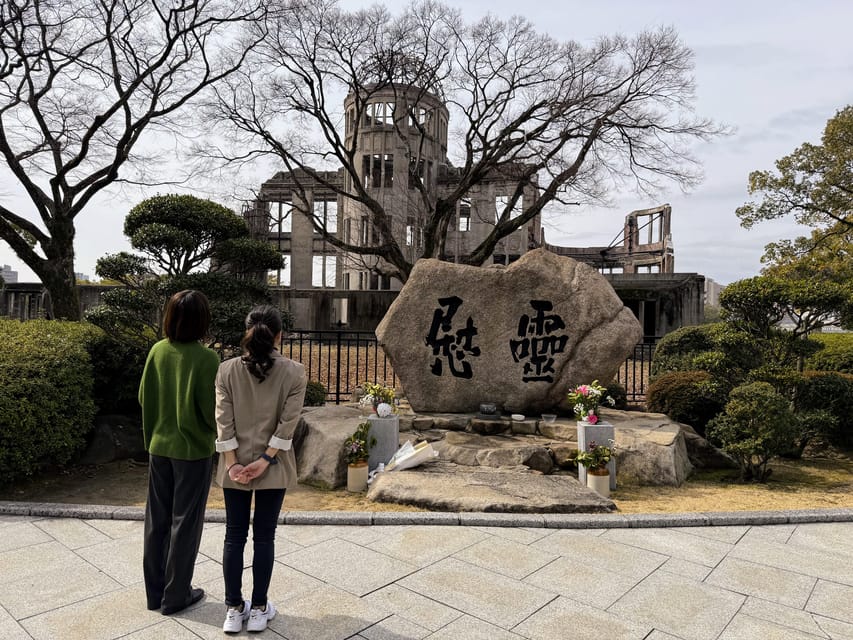
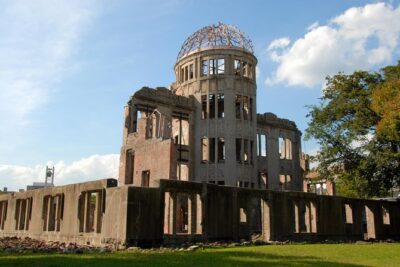
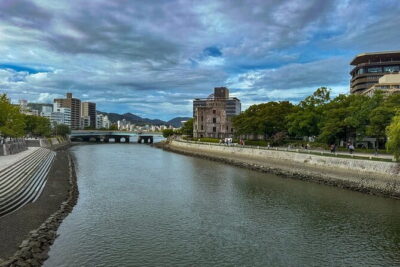
The Atomic Bomb Dome is the first major stop. The ruined building was close to the bomb’s hypocenter and survived in damaged form. Its exposed framework and broken walls are difficult to look at, but that is precisely why the site matters. It is not an abstract memorial. You are looking at a real structure connected to the city’s destruction.
The guided visit lasts about 20 minutes. That is enough for an introduction and photographs, but not enough for a long architectural or historical discussion. The guide helps connect the building to the wider Peace Memorial area, which is more valuable than simply arriving, taking a picture, and moving on.
The dome became a UNESCO World Heritage Site in 1996. Its designation recognizes both the physical remains and the building’s message about the consequences of nuclear weapons.
Peace Memorial Park and the human cost
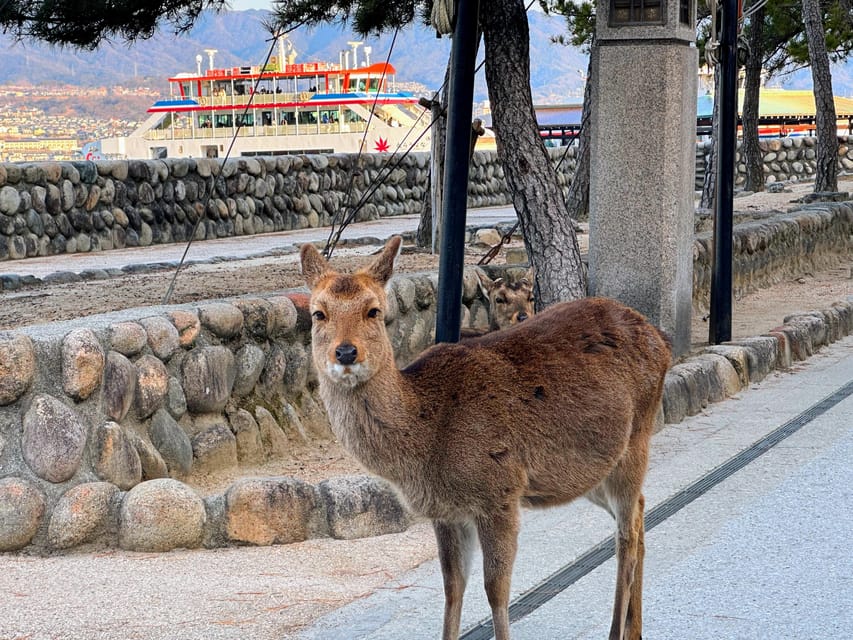
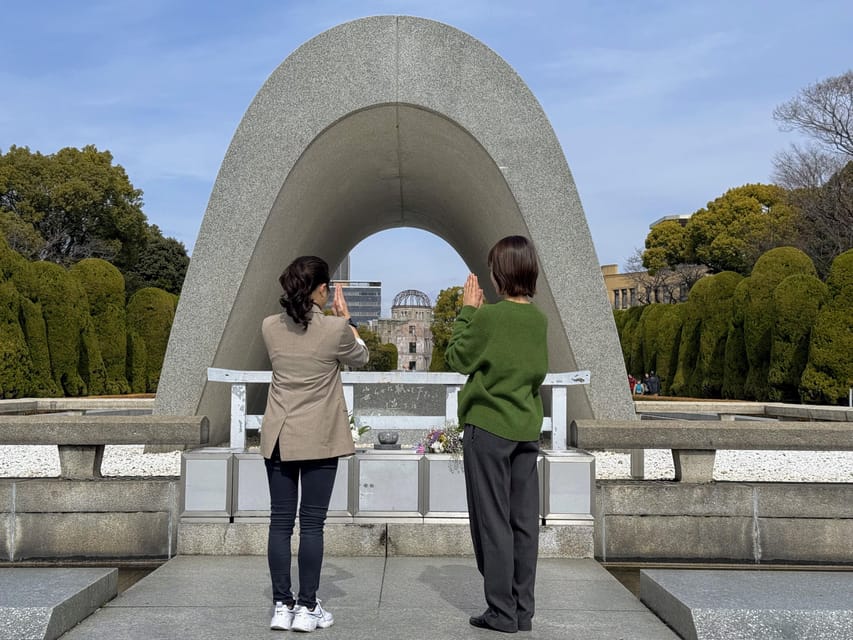
The group then walks through Hiroshima Peace Memorial Park for about 40 minutes. The park contains the Cenotaph for the A-bomb Victims and the Children’s Peace Monument, linked to Sadako Sasaki, who died of radiation-induced leukemia after the bombing.
This portion can feel quiet and personal. The monuments are spread through open parkland, and your guide provides the context needed to understand what you are seeing. Guides named Marin, Rino, Mo, and Tomo have been singled out for combining clear explanations with a respectful tone. That quality matters here, since a light sightseeing style would feel badly out of place.
You will not cover every memorial in the park during the scheduled walk. The value is in getting the main framework, then knowing where you might return if you have extra time before or after the tour.
A few more Hiroshima trips to weigh up
- Hiroshima and Miyajima Day Trip with Itsukushima Shrine & Ferry
★ 5.0 · 378 reviews - Miyajima Half-day Trip Historical Walking Tour
★ 5.0 · 284 reviews - Day Trip to Hiroshima & Miyajima with Itsukushima Shrine
★ 4.6 · 124 reviews - From Hiroshima: Miyajima Island Day Trip with Ropeway Ride
★ 5.0 · 17 reviews
Hiroshima Peace Memorial Museum: allow yourself the hour

The museum visit includes about one hour of free time. This is a self-guided section, not a continuous escorted tour. Exhibits cover the bombing, its immediate effects, and the long aftermath for survivors and families.
Give this hour your full attention. The museum can be emotionally difficult, and the displays are direct. You may want quiet time afterward rather than a packed schedule of another attraction.
One useful tip is to consider the museum’s additional audio guide, which costs 500 yen according to one detailed experience report. The tour already provides multilingual audio on the bus, but that bus audio is not the same as the museum guide. Some people have also found the bus commentary too quiet, so keep close to your English guide when information is being shared.
The museum is closed for exhibit replacement from February 16 through 21, 2026. During those dates, the tour visits the Hiroshima National Peace Memorial Hall for the Atomic Bomb Victims instead. The change does not come with a refund, so check your date carefully before booking.
From difficult history to Miyajima by ferry
After the museum, you travel by coach for about 40 minutes before boarding a ferry. The crossing takes around 20 minutes and opens the day to the Seto Inland Sea, with calm water and surrounding islands.
This transition gives you breathing room. Hiroshima’s morning sites ask for attention and reflection. The ferry ride lets you reset before the more relaxed afternoon on Miyajima.
The ferry is included, as is the return crossing. You do not need to buy a separate ticket or work out the connection yourself, which is one of the clearest reasons this tour can be worthwhile for a first visit.
Hiroshima-style okonomiyaki on Miyajima
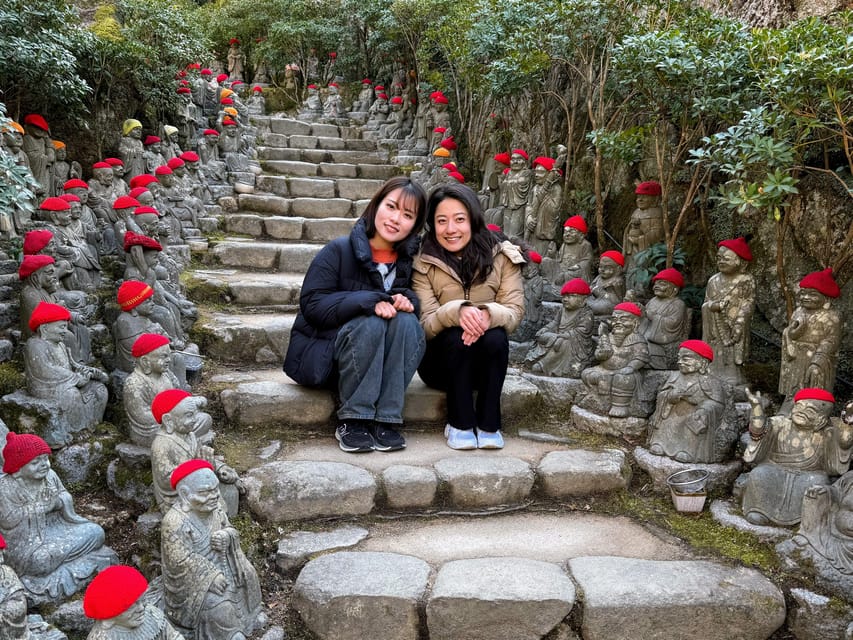
If you select the lunch option, you eat at a local restaurant for about 50 minutes. Hiroshima-style okonomiyaki is built in layers, usually with cabbage, pork, noodles, and egg. It is different from the more mixed Osaka-style version, and the noodles give it a hearty texture.
Lunch is more than a convenient pause. It gives you a direct taste of Hiroshima’s food culture without asking you to choose a restaurant while managing a busy sightseeing schedule. Several guides have also received praise for the lunch being delicious.
Vegetarian okonomiyaki is available, but you must request it at least two days before the tour. There is no vegan, halal, or gluten-free option. If those restrictions apply to you, choose the no-lunch option and arrange food separately. The 50-minute lunch period is not long, so do not assume you can solve a dietary issue at the restaurant on the day.
Itsukushima Shrine and the famous torii
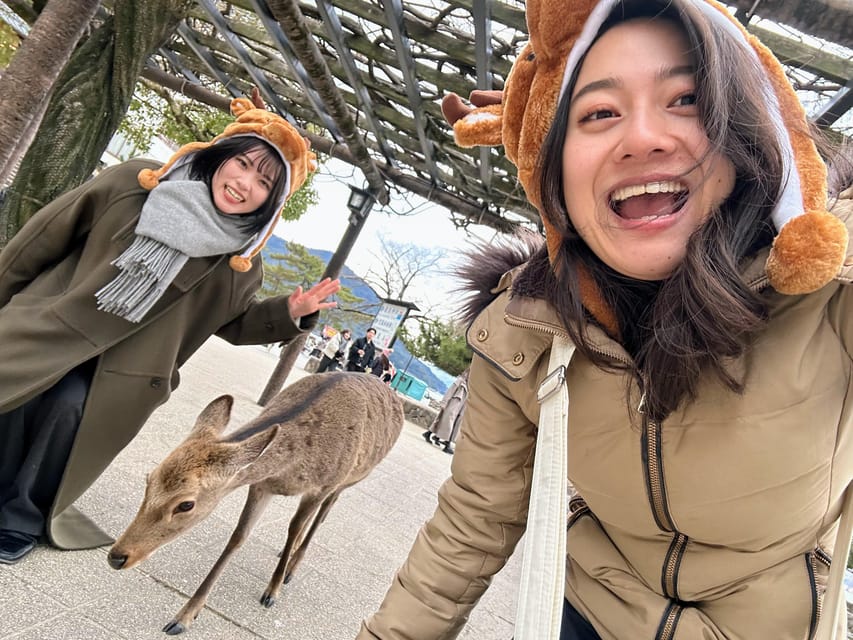
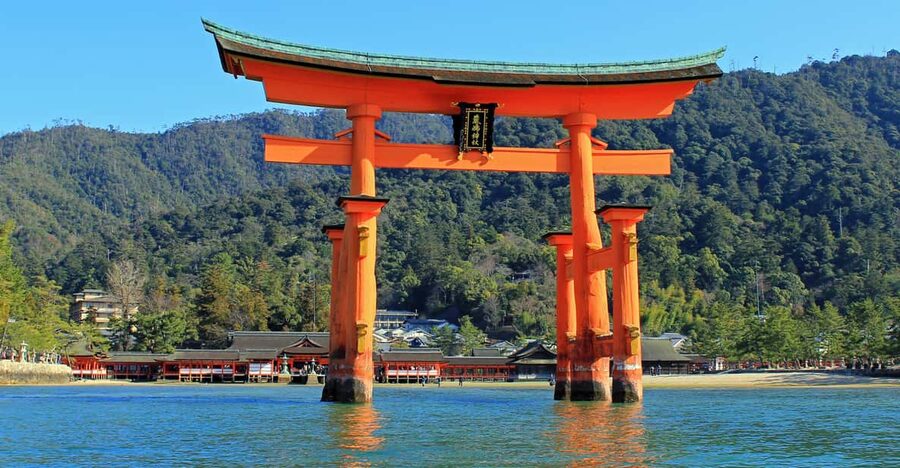
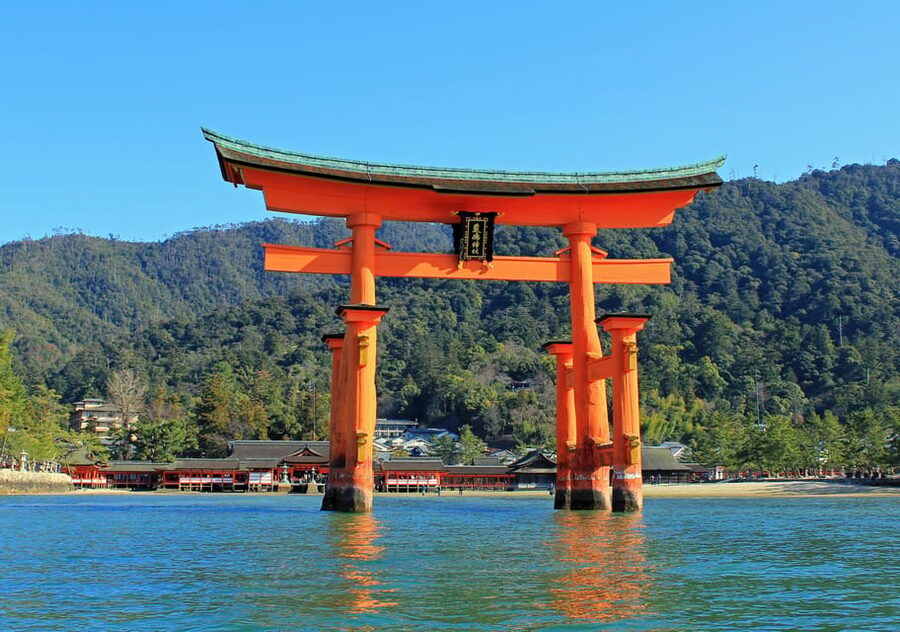
Itsukushima Shrine is the centerpiece of Miyajima. The Shinto shrine is famous for its great torii gate, which appears to float in the sea at high tide. The shrine complex, backed by wooded hills and facing the Seto Inland Sea, is one of Japan’s most recognizable views.
You spend about an hour at the shrine, with both guided touring and free time. Your guide can explain the religious setting and local traditions, then you can pause for photographs or look more closely at the buildings.
The gate does not look the same at every tide. The supplied tour information does not provide tide times, so do not book this experience expecting a guaranteed water-level view. The shrine itself remains worth seeing at any tide, but the classic floating effect depends on conditions.
Miyajima can also be crowded, especially around the shrine and main shopping street. That is the central weakness of the afternoon. The island is beautiful, but it is not a quiet secret. Your guide helps you use the available time, yet you should expect a popular destination rather than an empty temple island.
Daishoin Temple: a calmer island stop
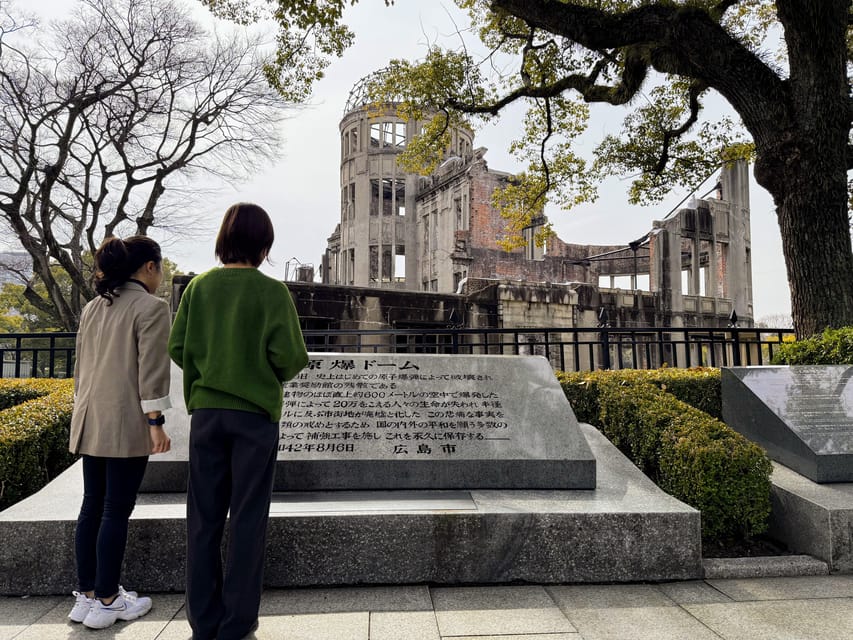
Daishoin Temple brings a different mood. This historic Buddhist temple on Mount Misen is known for gardens and many stone statues. The visit lasts about 30 minutes, with free time to look around.
I like this stop because it adds depth to Miyajima. The island is often reduced to one shrine and one torii gate, but Daishoin shows another side of its religious life. The setting also gives you views toward Miyajima and the Seto Inland Sea.
Thirty minutes is enough to appreciate the temple grounds, but not enough for a long visit up Mount Misen. This tour does not include a Mount Misen hike or ropeway ride. If mountain views and extended walking are your main reason for visiting Miyajima, plan a separate half-day or full-day visit.
Omotesando Street and your final free time
The final 40 minutes on Miyajima are free time around Omotesando Street, the island’s main shopping area. Shops sell local specialties, souvenirs, hand-painted fans, maple-themed crafts, and snacks.
This is a good time to try something sweet or buy a small keepsake. It is also the part of the tour most affected by crowds. Keep an eye on the meeting instructions and do not wander too far, since the ferry and return coach are timed.
Some people may wish for more island time. That is a fair criticism. The schedule gives you the highlights, but Miyajima has enough temples, paths, food, and views to fill a full day. You are choosing efficiency over complete freedom.
The guide can make or break the day
The strongest feature of this experience is the live guide. Names appearing repeatedly in the supplied material include Marin, Rino, Tomo, Mo, Momiji, and Rino, though you should not book expecting a particular person unless the operator confirms it.
The best guides do more than recite dates. Marin has used a sketchbook to explain places and keep the history clear. Rino has been praised for her English, preparation, and willingness to answer questions. Tomo is noted for organization and warmth, while Mo and Momiji have been described as energetic, friendly, and good at keeping the group moving.
Guide quality naturally varies by person and by group. The structure helps protect the experience, since the bus, ferry, admissions, and timing are already handled. Still, stay near the guide during outdoor explanations. One audio segment on a bus was reported as too quiet, and the live commentary is often more useful than the recorded version.
Timing, comfort, and the station return
The full program lasts about eight hours. You return to Hiroshima Station in the late afternoon after a 20-minute ferry, followed by about 50 minutes by coach.
The bus gives you a seat between walking sections, but this is still an active day. You walk through the Peace Memorial area, museum, shrine grounds, temple grounds, and shopping street. Wear comfortable shoes and keep your day bag light.
If you plan to take a Shinkansen after the tour, book a departure after 6:30 p.m. The safest approach is to buy the ticket after the tour on the day, since traffic, ferry timing, and group movement can vary. The tour does not include hotel pickup or drop-off.
The activity is not suitable for wheelchair users. The supplied information does not promise step-free access on the coach, ferry, or at every stop, so anyone with mobility concerns should contact the operator before paying.
Who should book this Hiroshima tour?
This tour suits you if you have only one day in Hiroshima and want the two essential destinations handled in one sweep. It also works well as a day trip from Osaka, since the Shinkansen journey is about 1 hour and 30 minutes, though you must allow extra time before the morning meeting and after the afternoon return.
I would choose it for first-time visitors, families, and anyone who finds Japanese transport connections tiring. The group format gives you historical context, a set route, and help with ferries. It is also a sensible choice if you want a guide to handle the emotional weight of the Peace Memorial sites.
You may prefer to visit independently if you want several hours at the museum, a Mount Misen hike, more time in central Hiroshima, or a slower Miyajima visit. Independent travel gives you control, but it also means managing every connection yourself.
Should you book it?
Book this tour if your goal is to understand Hiroshima’s central memorial sites and see Miyajima’s major sights in one well-run day. The $122 price is easiest to justify when you count the coach, ferry, admissions, English guide, and time saved.
Choose the lunch option for a simple introduction to Hiroshima okonomiyaki, or skip it if you need vegan, halal, or gluten-free food. Expect a serious morning, a scenic and more relaxed afternoon, and a busy island rather than a secluded escape.
For a short Hiroshima visit, this is a practical and meaningful choice. For a slower trip, use it as an introduction, then return to the places that deserve more time.
FAQ
How long does the Hiroshima and Miyajima tour last?
The tour lasts about eight hours, including coach travel, ferry crossings, guided visits, free time, and lunch if selected.
Where does the tour meet?
Meet in front of the Shinkansen Ticket Gate on the second floor of Hiroshima Station’s North Gate. Look for staff holding a green and white flag.
Is hotel pickup included?
No. Hotel pickup and drop-off are not included, so you must reach Hiroshima Station independently.
Is lunch included?
Lunch is included only if you select the lunch option when booking. The meal is Hiroshima-style okonomiyaki.
Can I request vegetarian food?
Yes. Vegetarian okonomiyaki is available, but you must notify the tour provider at least two days before the tour.
Are vegan, halal, or gluten-free meals available?
No. The tour does not provide vegan, halal, or gluten-free options. You should select the no-lunch option if you have one of these requirements.
What languages are available?
The live tour is available in English and Japanese. Bus audio guides are available in Spanish, French, Italian, German, Portuguese, and Ukrainian.
Can I take a Shinkansen after the tour?
Yes, but book a Shinkansen departure after 6:30 p.m. The operator advises purchasing the ticket after the tour on the day or allowing enough time after the planned return.
Just added around Hiroshima
- The Journey of Hiroshima from Tragedy to Peace★ 4.8 · 44 reviews
- Miyajima: Private Rickshaw Tour to Itsukushima Shrine★ 4.9 · 45 reviews
- Hiroshima: Miyajima Half-day Historical Walking Tour★ 4.7 · 100 reviews
- Hiroshima:Guided Virtual Tour/PEACE PARK TOUR VR★ 5.0 · 29 reviews
- Hiroshima/Miyajima Private Custom Tour with Local Guide★ 5.0 · 134 reviews
- Hiroshima: Tour of Atomic Bomb Dome & Peace Memorial Museum★ 5.0 · 20 reviews
- Hiroshima: Saijo Sake Tasting at 7 Breweries Guided Tour★ 4.8 · 29 reviews
- Hiroshima: Private Walking Tour with a Local★ 4.6 · 70 reviews
Miyajima Island Tours, compared.
Peaceful Hiroshima & Miyajima UNESCO 1 Day Bus Tour
Read our review →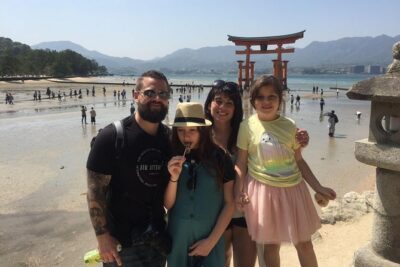
Hiroshima / Miyajima Full-day Private Tour with Government Licensed Guide
Read our review →
Osaka/Kyoto: Hiroshima Miyajima Bus Tour & Shinkansen Ticket
Read our review →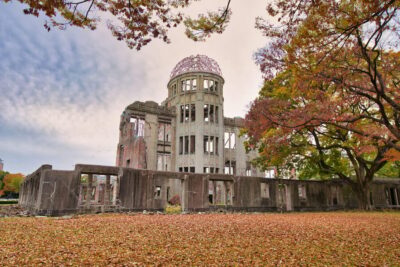
Hiroshima and Miyajima Day Trip with Itsukushima Shrine & Ferry
Read our review →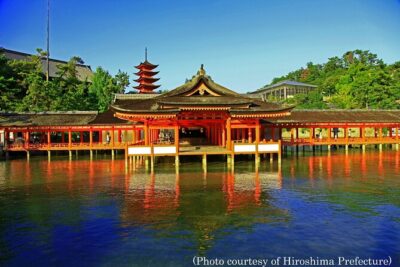
Full Day Hiroshima and Miyajima Bus Tour from Hiroshima
Read our review →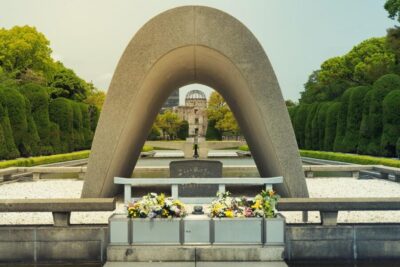
Miyajima Peace Memorial Icons of Peace and Beauty
Read our review →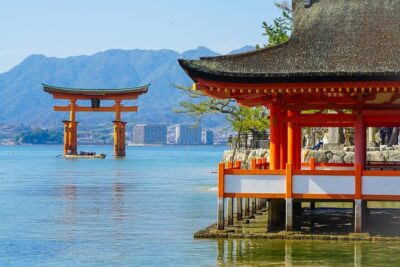
Miyajima Half-day Trip Historical Walking Tour
Read our review →Browse the lists this tour appears in